Stored
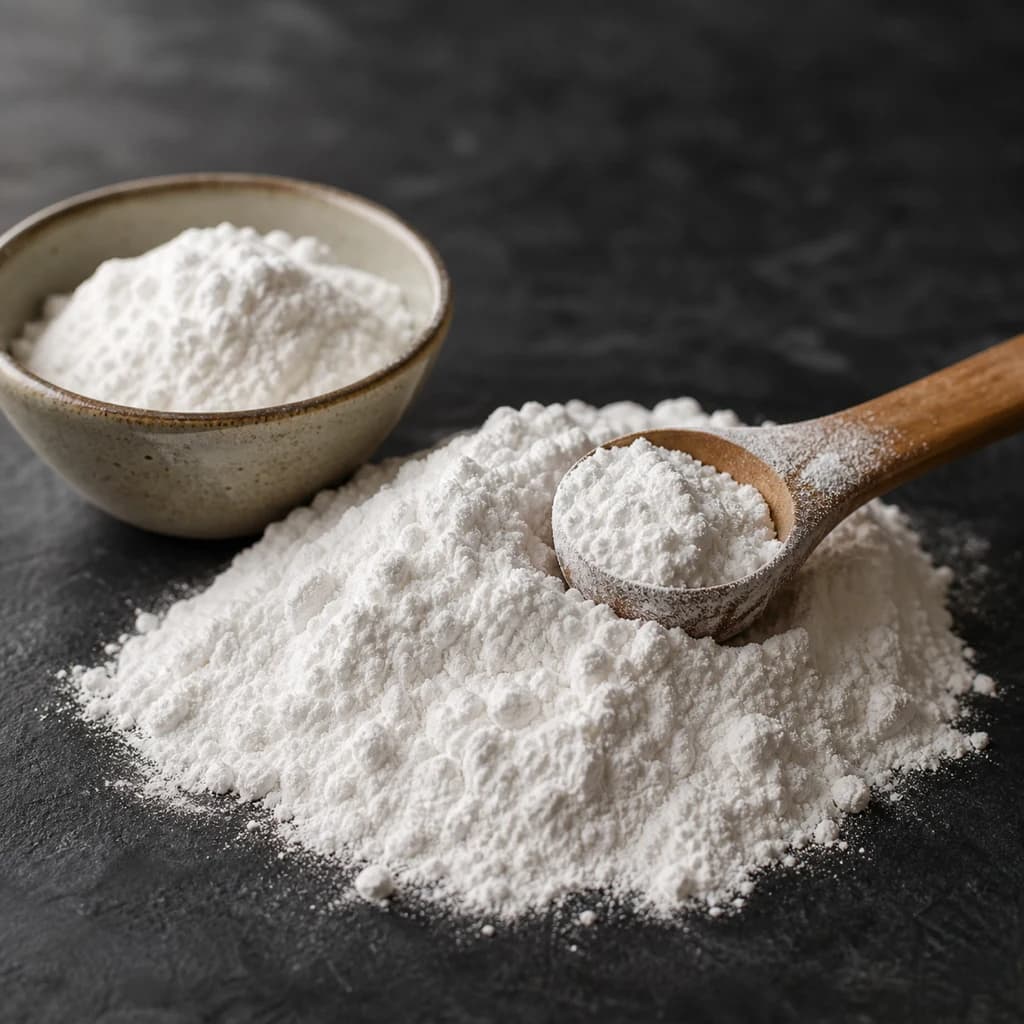
Glutinous rice flour sold as a fine, starchy white powder, distinct from all-purpose flour.
Shows the ingredient in its purchased, ready-to-use form so readers recognize what to buy and what it looks like before use.
Baking
Glutinous Rice Flour
Sticky-rice flour that cooks into chewy, stretchy dumplings and mochi.
Glutinous rice flour is milled from short-grain sticky rice and produces a chewy, elastic texture despite containing no gluten. It is essential for mochi, Chinese tang yuan, and many Southeast Asian sweets and dumplings. Sold as mochiko or sweet rice flour, it is also used to thicken and bind.
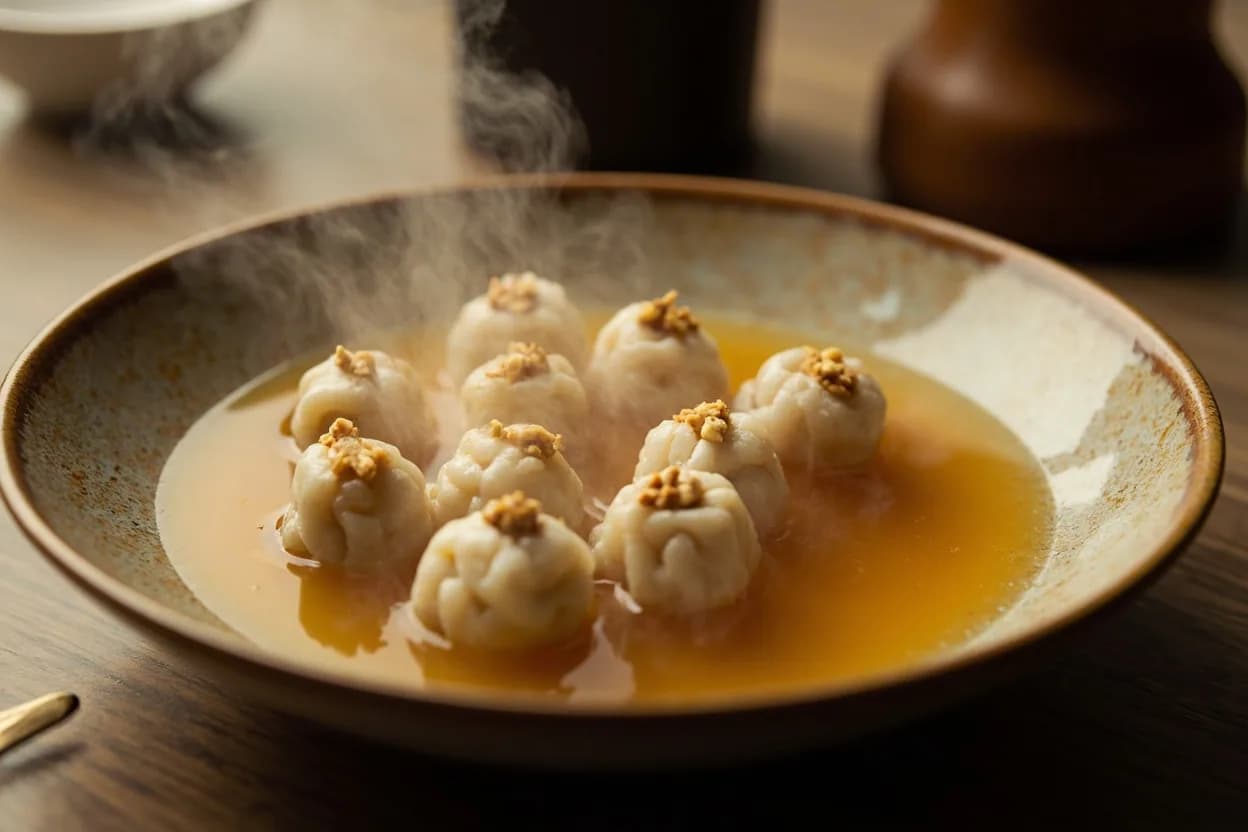
Glutinous rice flour, also called sweet rice flour or sticky rice flour, is milled from a distinct variety of rice (Oryza sativa var. glutinosa) that contains exceptionally high levels of amylopectin starch. Unlike standard rice flour, this flour absorbs more water and transforms into a cohesive, gummy paste when heated — the very quality that gives mochi its signature chew, tangyuan its springy bite, and tteok its satisfying resilience. The flour itself is raw and requires cooking before consumption; raw glutinous rice flour is not edible as-is. Its neutral starchiness makes it an extraordinarily versatile foundation across East and Southeast Asian cuisines, from Japanese daifuku to Vietnamese bánh chưng to Thai kanom, and it functions admirably as a gluten-free thickener and binder in modern baking when wheat flour is unwelcome. The critical distinction: glutinous rice flour (糯米粉, nuomi fen) behaves entirely differently from regular rice flour (粘米粉, nianmi fen) — the latter produces crumbly, non-sticky results unsuitable for chewy dumpling applications.
The flour's cooking behavior is what sets it apart. When hydrated and heated, the amylopectin-rich starch gelatinizes into a sticky, slightly stretchy matrix — this is not gluten, but a starch-gel network that provides chew without any protein content. This explains why mochi can be pulled apart in ribbons, why tangyuan balls stay intact in soup, and why tteok holds its shape in a bubbling stir-fry. The flour ranges from pure white to ivory depending on milling and polishing, and it keeps 12–24 months in a cool, dry pantry when stored airtight. Premium grades like Japanese shiratamako (白玉粉) are ground finer still and produce the silkiest, most elastic dough — worth seeking out if you make mochi regularly.
In practice, glutinous rice flour demands more liquid than wheat flour and rewards careful hydration. The dough responds to kneading even without gluten: a minute of working it with warm water develops the starch-gel structure that creates that characteristic chew. Steaming yields smoother, more even results than baking or direct dry heat, which can scorch the exterior before the thick interior cooks through. Whether you are filling it with sweetened red bean, wrapping it around pork for Filipino empanadas, or thickening a xiao long bao filling, glutinous rice flour's unique functional properties make it indispensable — and irreplaceable — in its native culinary contexts.
- Measured in
- g
- Storage
- Pantry
Types & varieties
Very fine, specifically milled for mochi and daifuku; brands like Koda Farms are the standard in the US; produces the smoothest, most elastic dough of any variety
Premium, finer-grade glutinous rice flour specifically for mochi; yields a silkier texture with less grittiness — worth seeking out for serious mochi-making
Ground from short-grain glutinous rice; standard for tteok (rice cakes), songpyeon (half-moon rice cakes), and tteokguk (rice cake soup)
Milled from khao niang or hom Mali glutinous varieties; widely used for kanom (Thai sweets) and kao tom (sticky rice in banana leaves)
Fine white flour used for bánh gối, bánh ít, and bánh chưng wrappers
Traditional Filipino rice stick noodles use this flour in the dough; modern commercial bihon is often from cassava, but the traditional version is glutinous rice-based
Partially gelatinized flour that mixes with cold water; used in some Asian convenience products and bánh pía filling; not suitable for traditional dumpling applications
Why Glutinous Rice Flour Is Not the Same as Regular Rice Flour
The distinction between glutinous rice flour and regular rice flour is functional, not merely regional. Glutinous rice (Oryza sativa var. glutinosa) is a waxy rice variety bred to be almost entirely amylopectin starch, with minimal amylose. This high amylopectin content causes it to absorb water rapidly and gelatinize into a sticky, cohesive paste when heated. Regular rice flour, milled from standard long- or short-grain rice, contains more amylose and behaves quite differently — it produces crumbly, non-sticky batters and doughs. In Chinese cooking these are distinct ingredients: 糯米粉 (nuomi fen) for glutinous rice flour, 粘米粉 (nianmi fen) for regular rice flour. Substituting one for the other in recipes designed for chew — mochi, tangyuan, tteok — will fail. For coating batters, pancake-like applications, or light dusting, regular rice flour works; for anything requiring pliability, stretch, or a gummy bite, you need the glutinous variety.
- Always check the Chinese or local-language label when purchasing in Asian markets to avoid confusion
- Recipes specifying 'rice flour' without qualification often mean regular rice flour — verify before starting
Glutinous Rice Flour vs. Whole Glutinous Rice
Not all applications use the flour form. Bánh chưng and bánh tet, the Vietnamese wrapped sticky rice cakes for Lunar New Year, use whole soaked glutinous rice pressed directly into banana leaves — the flour is not involved. Similarly, traditional Thai khao neow (sticky rice) is steamed as whole grains. The flour form is used when a smooth, cohesive dough or batter is needed — for dumplings, wrappers, and molded sweets where grain integrity is secondary to texture. Know which form your recipe requires before shopping.
- Flour form: for dumplings, wrappers, smooth-textured sweets like mochi and tangyuan
- Whole grain form: for bánh chưng, bánh tet, traditional steamed sticky rice, Filipino biko
Common uses
Tips & pitfalls
- Hydrate fully — glutinous rice flour requires more liquid than wheat flour; start with roughly a 1:0.8 flour-to-water ratio and adjust upward as needed; under-hydrated dough cracks, crumbles, and produces a dry, dense result
- Knead the dough with warm water before cooking — even a minute of kneading develops the starch-gel network that gives mochi its characteristic chew and stretch
- Cover dough while resting — exposure to air dries the surface and causes cracking during cooking; a damp cloth or plastic wrap pressed directly onto the dough eliminates this entirely
- Steam rather than bake for the smoothest, most even texture — direct dry heat burns the exterior before the thick interior cooks through; steaming or microwaving in a covered dish yields a translucent, evenly cooked result
- Simmer gently, never boil rapidly — violent boiling makes dumplings expand, burst, and fall apart; a gentle simmer keeps them intact and preserves their shape
- Rest freshly cooked mochi at room temperature for 10–15 minutes before eating — the thick, starchy paste inside stays dangerously hot long after the surface cools
- Freeze fresh mochi individually on parchment, then bag — this prevents them fusing into one solid mass; revive individual pieces in a steamer or microwave for 20 seconds per piece
- Add a pinch of sugar or a few drops of oil when making wrapper doughs — improves pliability, prevents tearing, and adds a subtle richness that complements savory fillings
- Sift the flour before use for baked goods — eliminates lumps and produces a smoother, more refined crumb in cookies, cakes, and gluten-free batters
Nutrition
Nutrition
No USDA FoodData Central match for Glutinous Rice Flour yet. We surface a per-100 g profile once a generic whole-food entry is matched and verified.
In the shops
Matched grocery products
No matched grocery products for Glutinous Rice Flour yet.
Good to know
- Scientific name
- Oryza sativa var. glutinosa
- Also called
- Sweet rice flour, sticky rice flour, mochiko (Japanese), nuomi fen (Chinese)
- Made from
- Glutinous (sweet/sticky) rice — a distinct variety higher in amylopectin starch
- Gluten
- None — naturally gluten-free
- Primary compound
- Amylopectin-rich starch; gelatinizes into a sticky, chewy, slightly stretchy paste when cooked
- Typical color
- White to ivory, depending on milling and polishing
- Origin
- East and Southeast Asia; cultivation documented in China for millennia; central to Japanese, Korean, Thai, Vietnamese, Filipino, and Indonesian cuisines
- Shelf life
- 12–24 months in an airtight container in a cool, dry pantry; freeze to extend
- Common brands
- Koda Farms (Mochiko, USA), Kimlan (Taiwan), Erawan (Thai), Ottogi (Korean)
- Key characteristic
- Absorbs more water than regular rice flour and becomes gummy and cohesive when heated — the texture foundation for mochi, tangyuan, and tteok
Substitutes
- Tapioca starch / tapioca flour — Closest in chew and translucency to glutinous rice flour; use a 3:4 ratio (3 parts tapioca to 4 parts glutinous rice flour); produces a more glossy, slightly gummier texture — acceptable for mochi-like dumplings but not identical
- Sweet rice flour + tapioca starch blend — Commercial blends (typically 70% mochiko, 30% tapioca starch) are standard for optimum mochi — the tapioca adds gloss and bite while the mochiko provides authentic stretch; easy to mix at home
- Regular rice flour (from non-glutinous rice) — Not a direct substitute — produces a more crumbly, less sticky result; acceptable for light coatings, batters, and cakes where chew is not required, but fails entirely for chewy dumplings or mochi
- Sweet rice (soaked and ground to a paste) — Soak raw glutinous rice for 4+ hours, drain thoroughly, then blend to a smooth paste; this wet paste can replace flour in most recipes and is often preferred in traditional preparations for superior texture, but requires significantly longer prep time
Pairs with
Also called
Sticky Rice Flour · Mochiko · Sweet Rice Flour
Appears in these dishes
Related

All-Purpose Flour
The do-anything flour for bread, cakes, sauces, and dredging

Bread Flour
High-protein flour for chewy, well-risen breads
Whole Wheat Flour
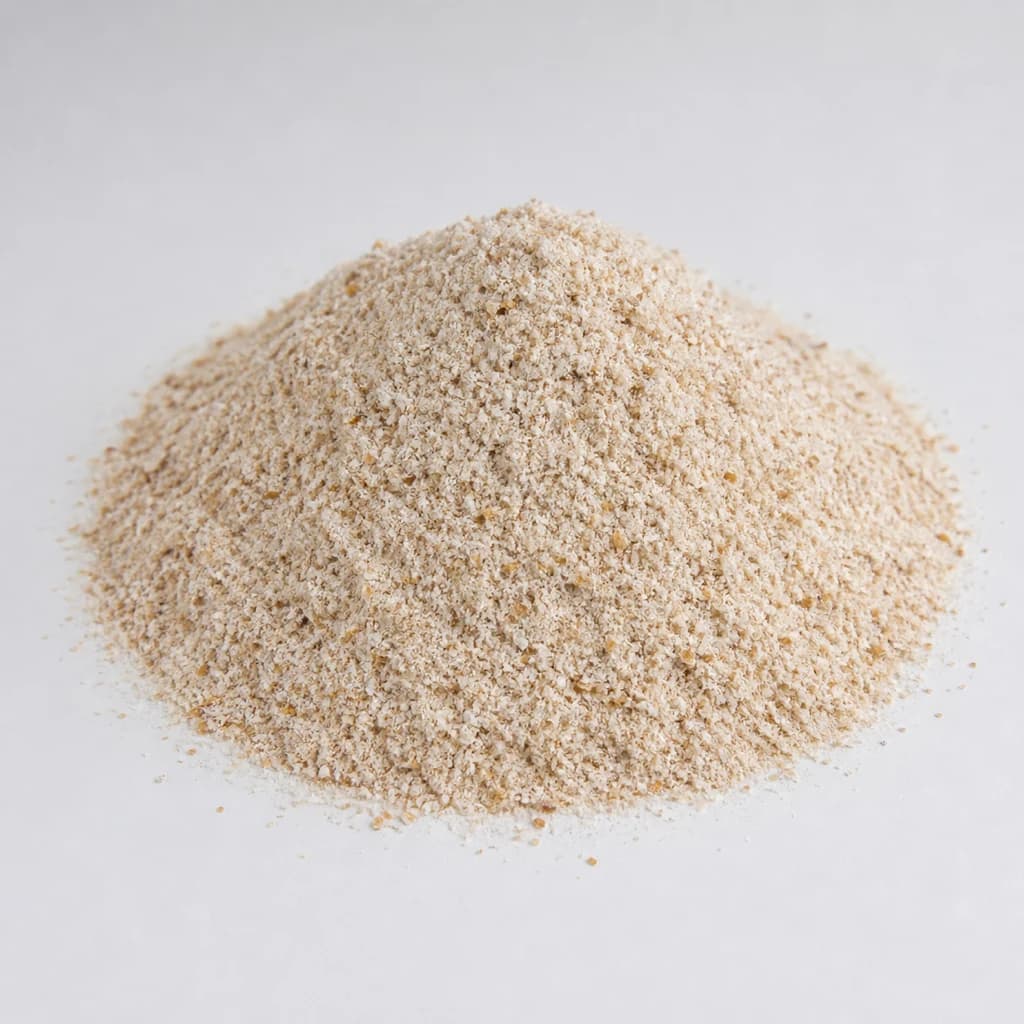
Nutty, whole-grain flour for hearty breads and bakes
Cake Flour
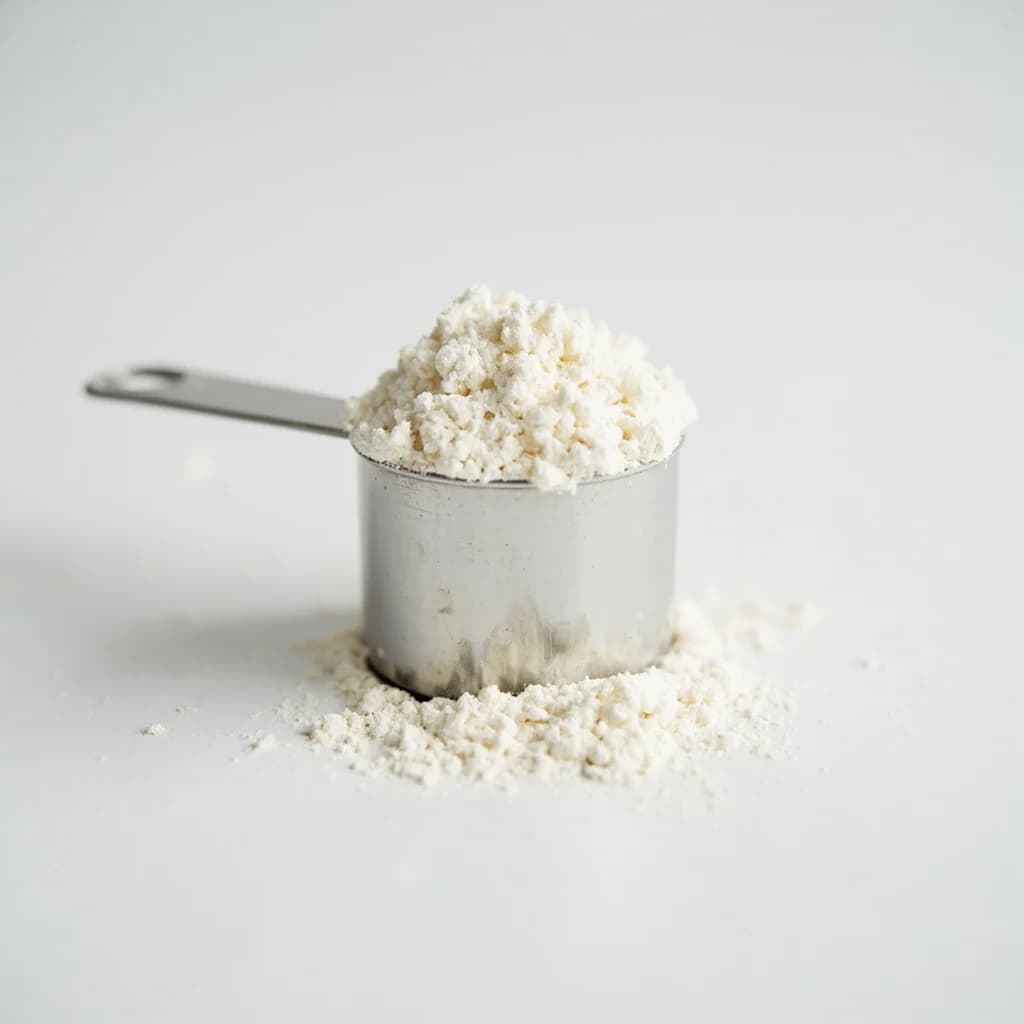
Fine, low-protein flour for tender, delicate cakes
Almond Flour
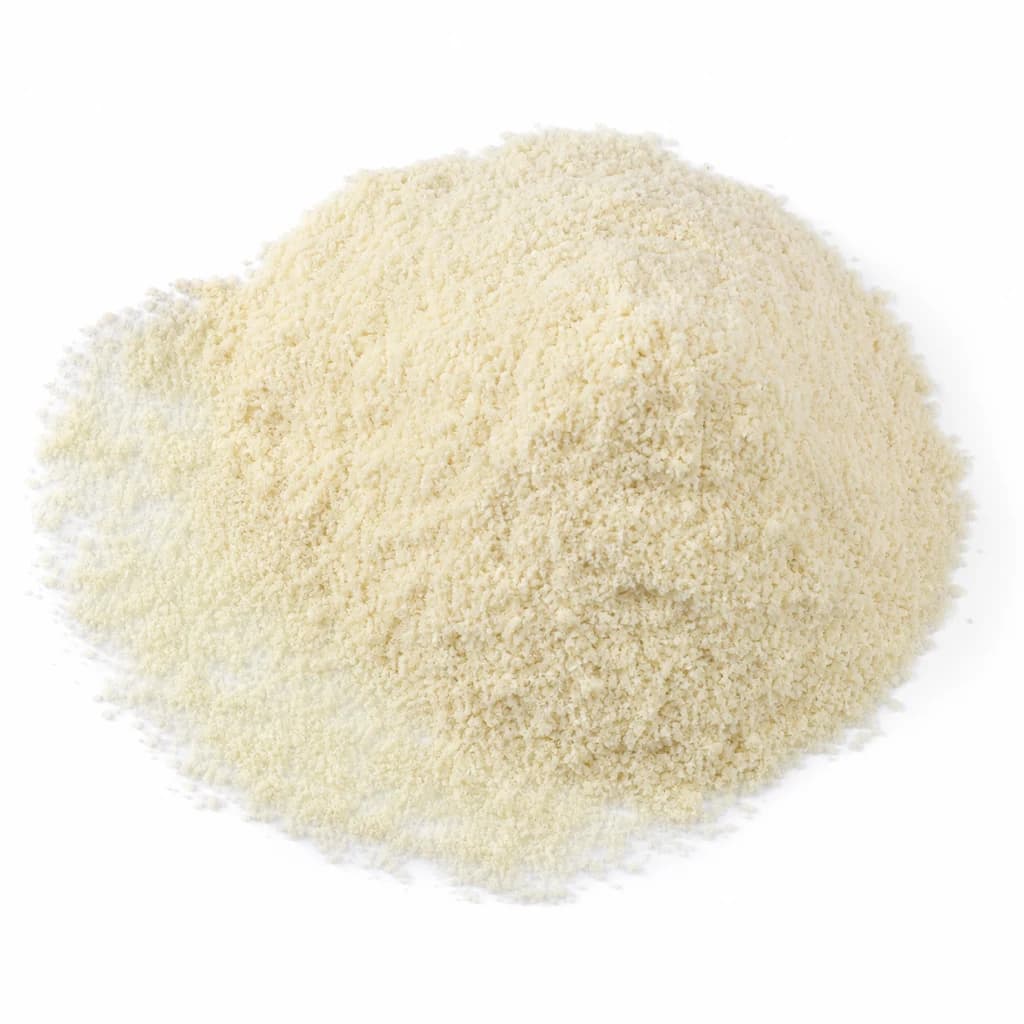
Nutty, gluten-free flour for macarons and tender bakes

Baking Powder
All-in-one leavener for fluffy cakes, pancakes, and biscuits

Baking Soda
Pure leavener that needs acid to lift — and tenderize
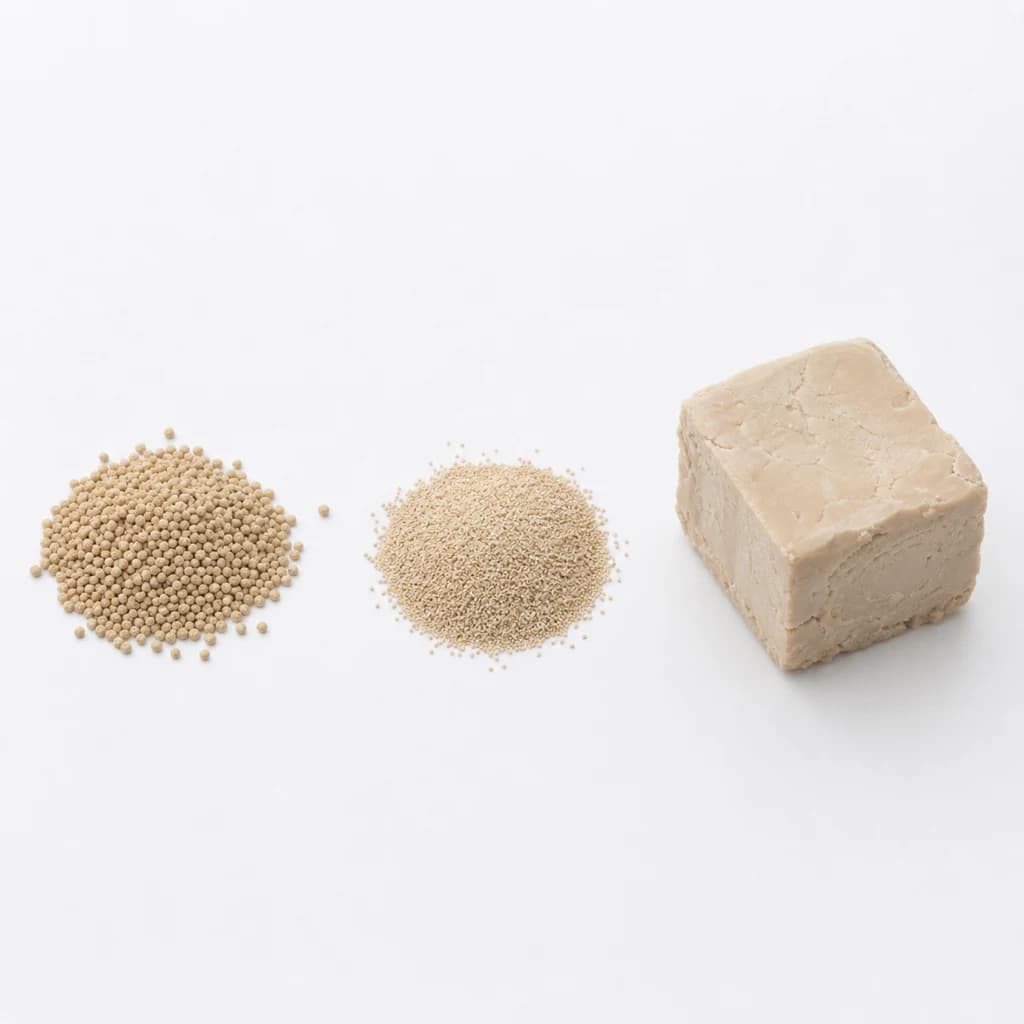
Yeast
Living leaven that makes bread rise and dough come alive