Grains & Rice
Short-Grain Rice
Plump, sticky rice that clings together — the base of sushi, risotto, and rice bowls.
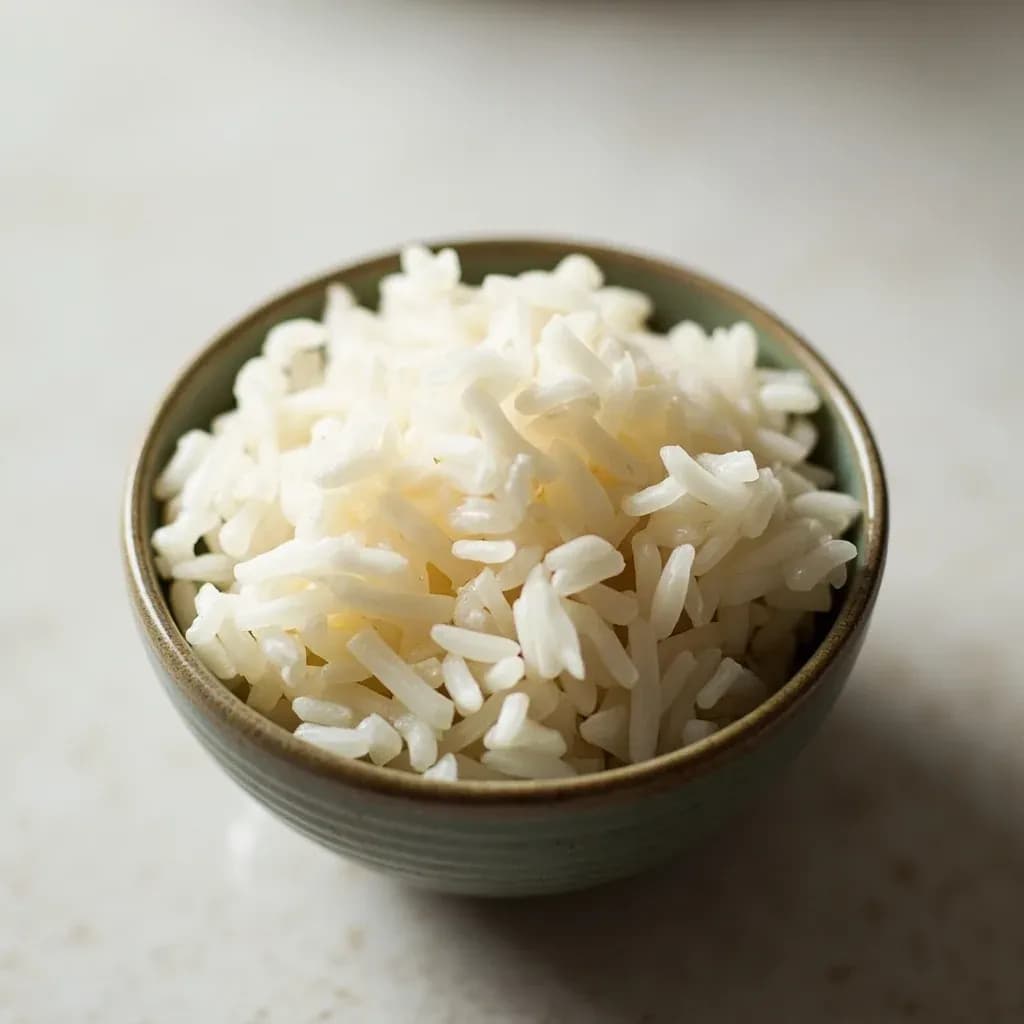
Short-grain rice has rounded, plump kernels high in sticky starch, so cooked grains cling together. It is the rice of Japanese sushi and donburi, and similar varieties are used for risotto and paella. Its tender, slightly sweet stickiness makes it easy to eat with chopsticks and ideal for molded dishes.
Short-grain rice is defined by its starch composition: high amylopectin (80–85%) and low amylose. When heated in water, the amylopectin molecules gelatinize and leach from the grain, creating the characteristic gluey matrix that holds grains together. This is not a flaw — it is the functional quality that makes short-grain rice indispensable for sushi, risotto, and rice balls. The grains themselves are plump and nearly round, with a length-to-width ratio typically under 2.5:1.
Three culinary traditions have developed distinct short-grain varieties for specific purposes. East Asian varieties (Japanese Koshihikari, Korean millak) prioritize stickiness and subtle sweetness for dishes where the rice must cling together — sushi, onigiri, donburi. Italian varieties (Arborio, Carnaroli, Vialone Nano) were bred to release starch incrementally while maintaining a firm, al dente bite at the center, which is essential for risotto's creamy sauce. These regional varieties are not interchangeable: the agitation technique of risotto requires specific starch release behavior that Japanese rice cannot replicate, and the cold-hand shaping of sushi requires a stickiness that arborio cannot provide.
The practical implication is simple: short-grain rice behaves differently from medium or long-grain in ways that matter for specific dishes. Understanding amylopectin gelatinization — and controlling it through proper washing, soaking, cooking ratio, and resting time — is the key to getting the most from this ingredient.
- Measured in
- g
- Storage
- Pantry
Types & varieties
The benchmark for stickiness and sweetness; the standard for sushi, donburi, and onigiri
California-grown medium-to-short grain; widely available; good all-purpose sticky rice for sushi and bowls
The classic Italian risotto rice; high starch load; produces creamy texture when properly agitated during cooking
Premium Italian risotto rice; higher starch content than arborio; firmer grain holds shape better; labeled the 'king of risotto rices'
Medium-grain Italian rice from the Po Valley; used for Venetian-style risotto; absorbs broth readily without becoming gluey
Short-grain rice similar to Japanese varieties; standard for bibimbap and Korean dishes
Nearly 100% amylopectin; extremely sticky; used for mochi, desserts, and as a thickener — not interchangeable with regular short-grain rice
Pigment variety with nutty flavor; short, teardrop shape; used in sushi and salads
Short-grain Japanese rice seasoned with rice vinegar — glossy and sticky, the base for sushi
Medium-grain California rice that cooks tender and gently sticky, clumping enough for sushi-style bowls and onigiri while staying lighter than true short-grain.
Common uses
Tips & pitfalls
- Wash rice in cold water 3–5 times until water runs nearly clear — this removes excess surface starch that would make cooked rice gluey; do not skip this step for sushi rice.
- Soak washed rice 30–60 minutes before cooking — this ensures even hydration throughout the grain and prevents crunchy centers; it also reduces cooking time.
- For sushi rice, cook with a 1:1 water-to-rice ratio; for risotto, use approximately 4:1 broth-to-rice and add liquid incrementally, not all at once.
- Season sushi rice while hot with rice vinegar, sugar, and salt — do not add vinegar mixture to cold rice or it will not absorb properly and will make the rice wet.
- Let cooked rice rest covered for 10 minutes after cooking, then fold gently with a rice paddle to release steam and separate grains — do not stir aggressively or the texture will become paste-like.
- For risotto, add hot broth one ladle at a time, stirring constantly and waiting until each addition is nearly absorbed before adding more — the agitation releases starch and builds the sauce.
- Common mistake: using long-grain rice (basmati, jasmine) for sushi or risotto — it lacks the starch composition to achieve the required stickiness or sauce-building properties.
- Another common mistake: overcooking short-grain rice; it should be tender but still hold its shape distinctly, not turn to paste.
Nutrition
Energy
1498 kJ · per 100 g
Where the calories come from
Protein
6.5g
13% DV
Carbs
79.2g
29% DV
Fat
0.5g
1% DV
Sodium
1mg
0% DV
Source · USDA FoodData Central · Rice, white, short-grain, raw, unenriched
View on FDC →In the shops
Matched grocery products
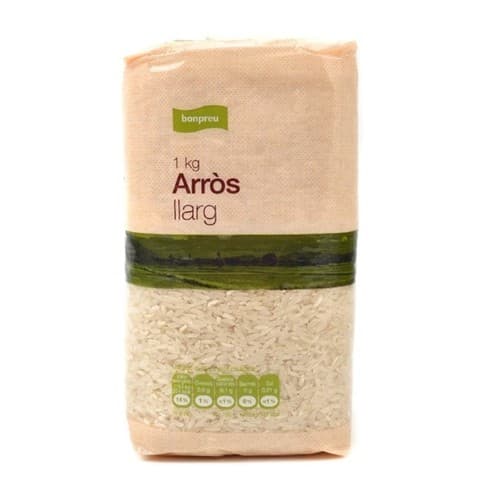 €1.19
€1.19Long Grain Rice
BONPREU · kg · Bonpreu
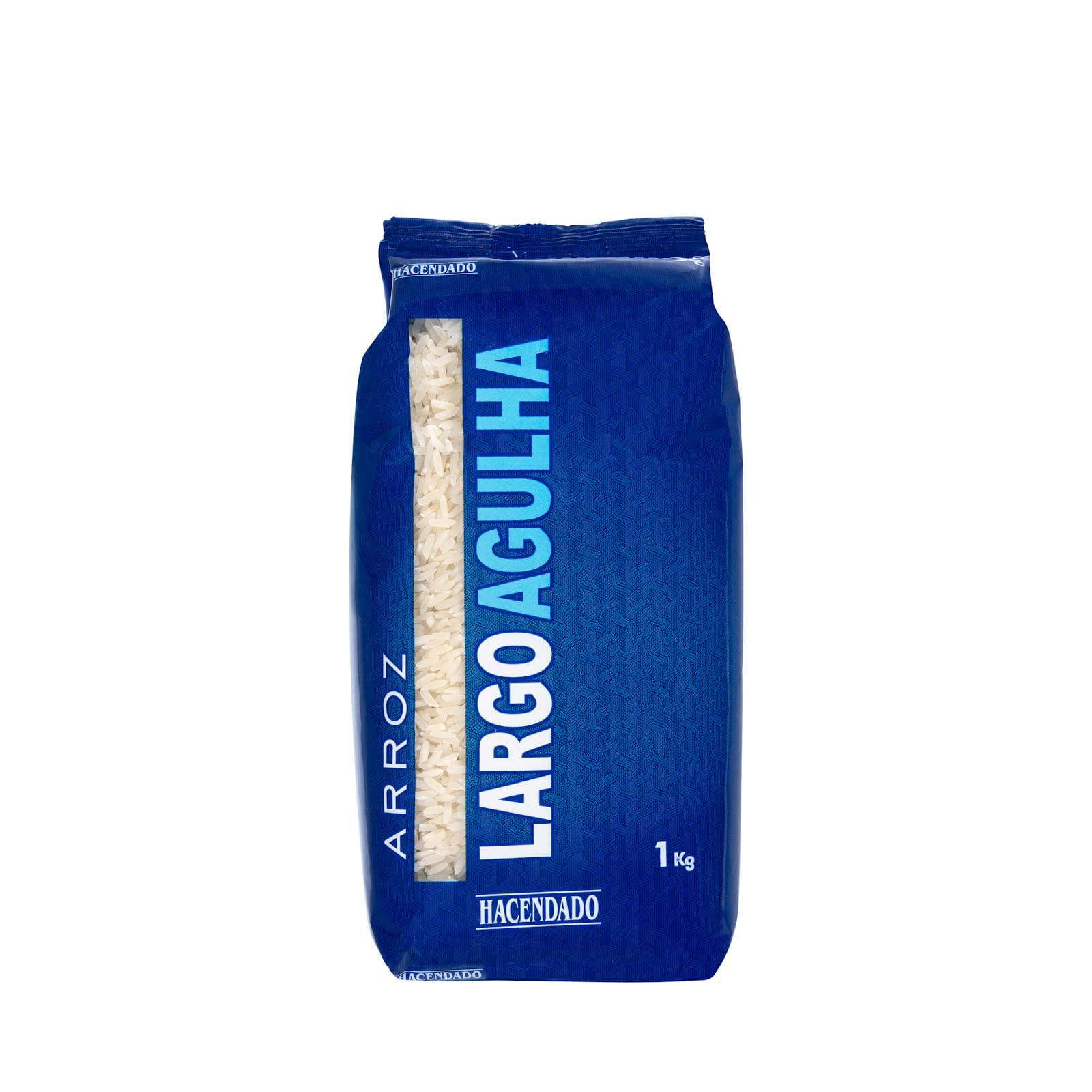 €1.25
€1.25Long Grain Rice
Hacendado · 1 kg · Mercadona
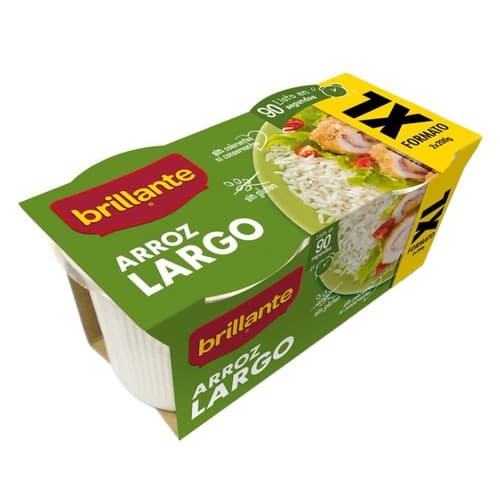 €1.95
€1.95Brillante XL Long Grain Rice
BRILLANTE · kg · Bonpreu
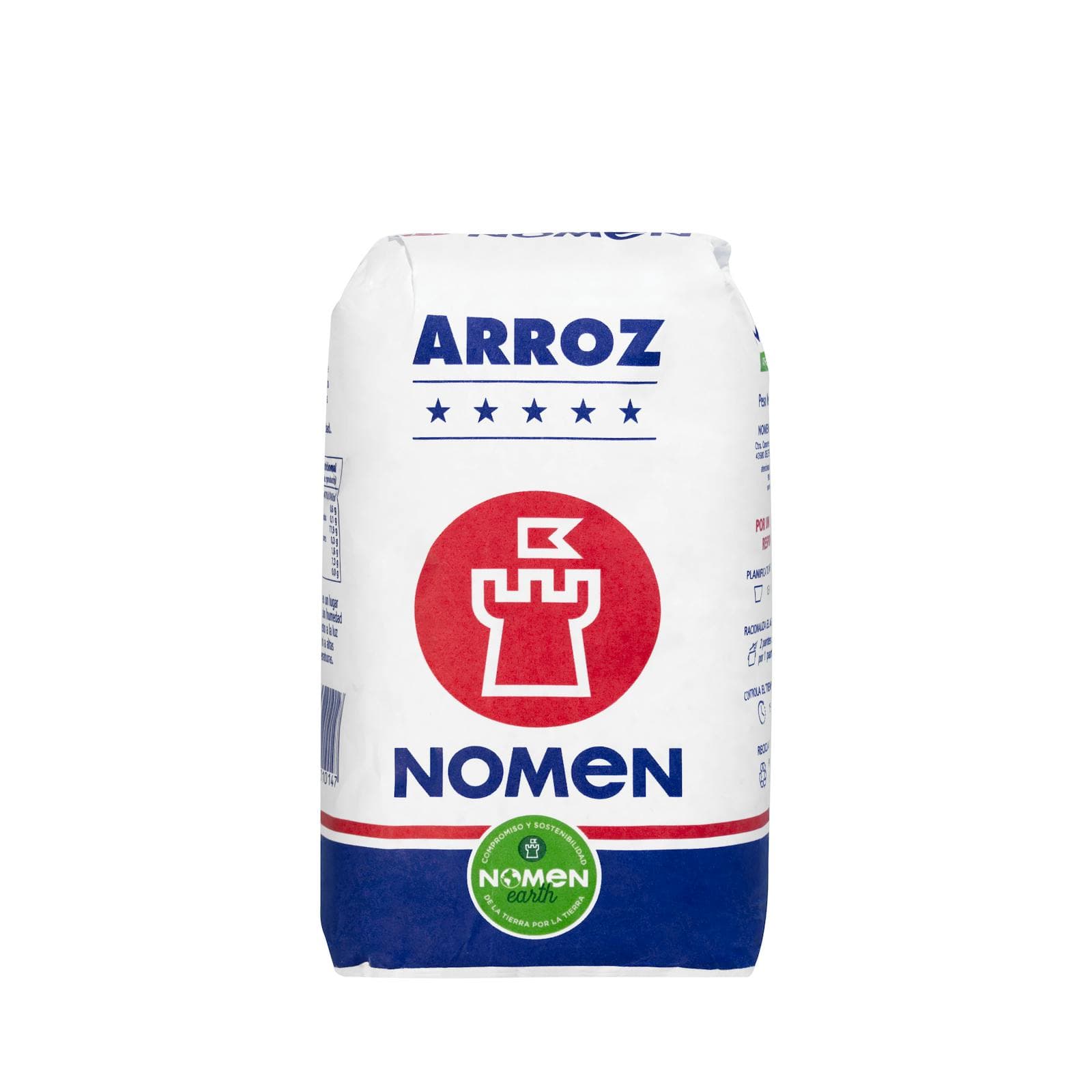 €1.89
€1.89Nomen Rice
Nomen · 1 kg · Mercadona
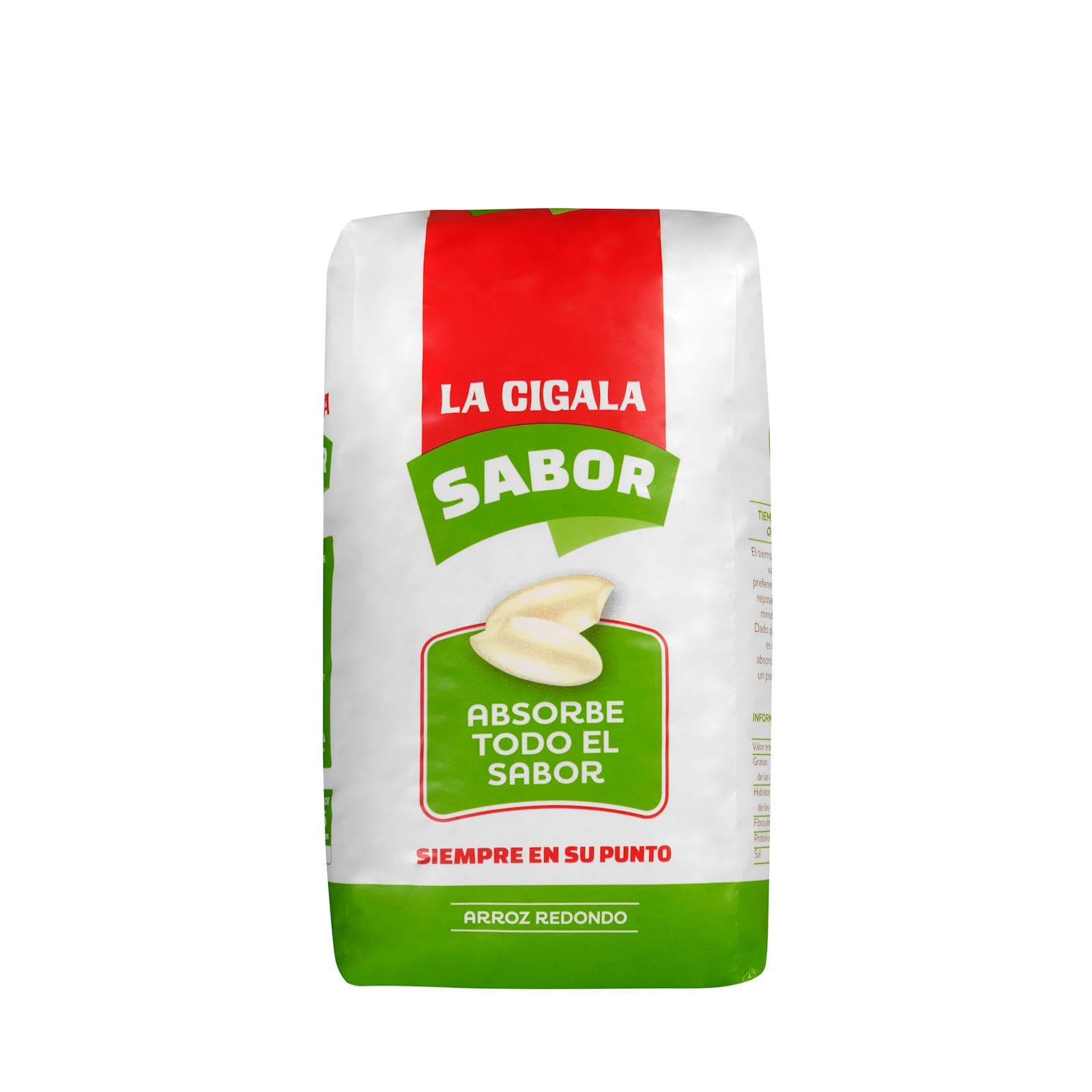 €2.45
€2.45Round Rice Sabor
Sabor · 1 kg · Mercadona
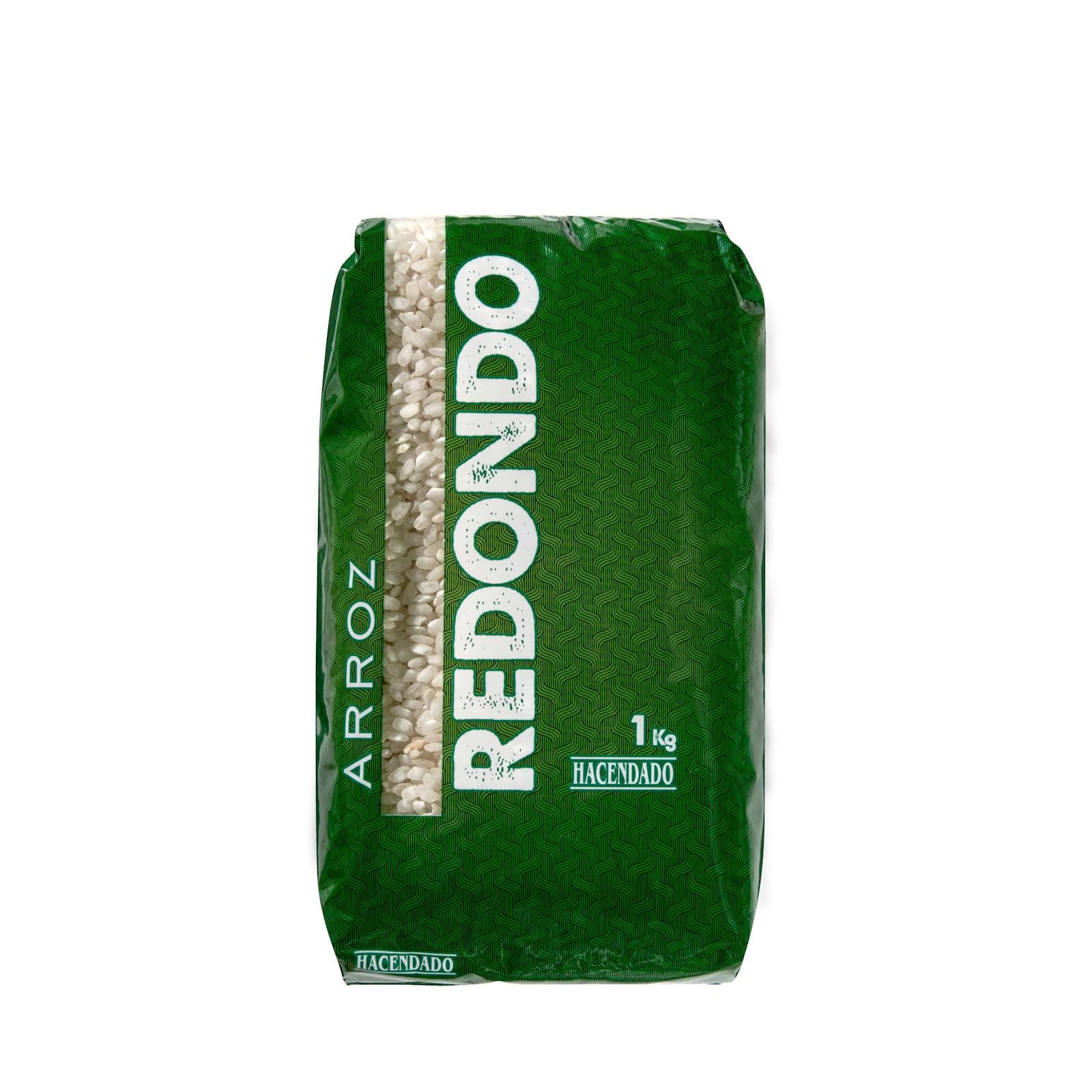 €1.30
€1.30Round Rice
Hacendado · 1 kg · Mercadona
Good to know
- Starch composition
- High amylopectin (80–85%), low amylose — causes gelatinization and adhesion when cooked
- Grain shape
- Short, plump, nearly round; length-to-width ratio typically under 2.5:1
- Origin
- Cultivated for millennia in Japan, China, and Korea; Italian risotto varieties developed independently
- Water ratio
- 1:1 to 1:1.2 (water to rice) by volume, depending on variety and grain age
- Soak time
- 30–60 minutes for most varieties; reduces cooking time and ensures even hydration
- Resting time
- 10 minutes off heat, covered, after cooking — essential for texture consolidation
- Yield
- Roughly triples in volume when cooked; 1 cup dry yields approximately 3 cups cooked
- Gluten-free
- Naturally gluten-free
Substitutes
- Medium-grain rice — Acceptable in a pinch for bowls or porridge; less sticky but can work when the specific structural requirement is not critical; will not hold shape as firmly for sushi
- Different short-grain variety — Calrose substitutes for Japanese sushi rice in most applications; arborio is not a substitute for sushi texture but works for other sticky rice dishes
- Bomba or calasparra rice — For paella only — holds liquid without becoming gluey; not suitable for sushi or risotto
- Sticky/glutinous rice (mochi gome) — Not interchangeable — becomes extremely gluey with a different flavor profile; use only when specifically called for
- Israeli couscous — Provides a similar chewy bite but is completely different; not a true substitute for any short-grain application
Pairs with
Also called
Hakumai · Japanese Short-Grain Rice · Sushi Rice · Shari
Appears in these dishes
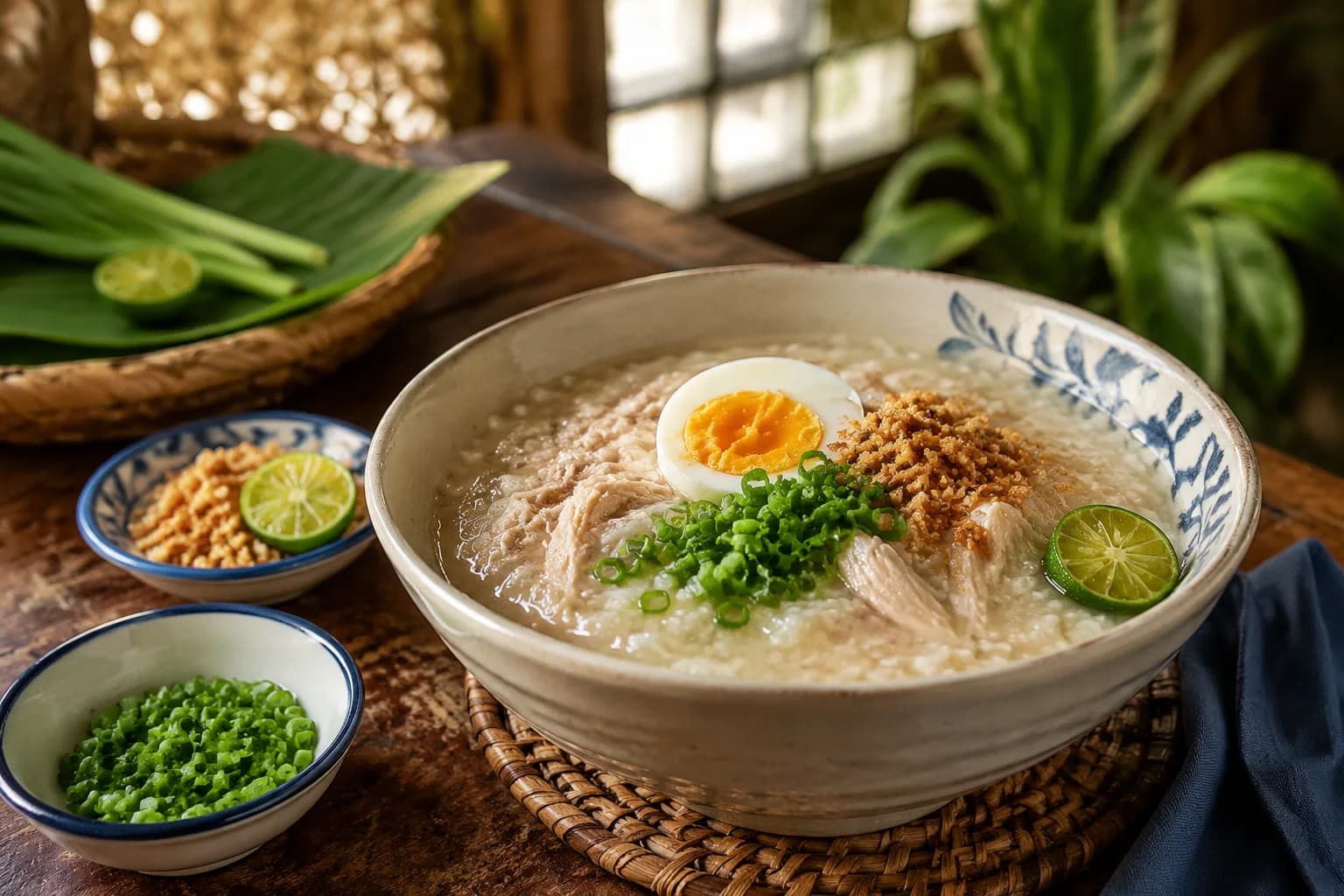
Related

White Rice
Fluffy long-grain rice — the neutral base for almost any meal

White Bread
Soft sandwich loaf for toast, sandwiches, and crumbs
Brown Rice
Nutty, whole-grain rice with chew and extra fiber

Basmati Rice
Fragrant, long-grain rice that cooks up light and separate
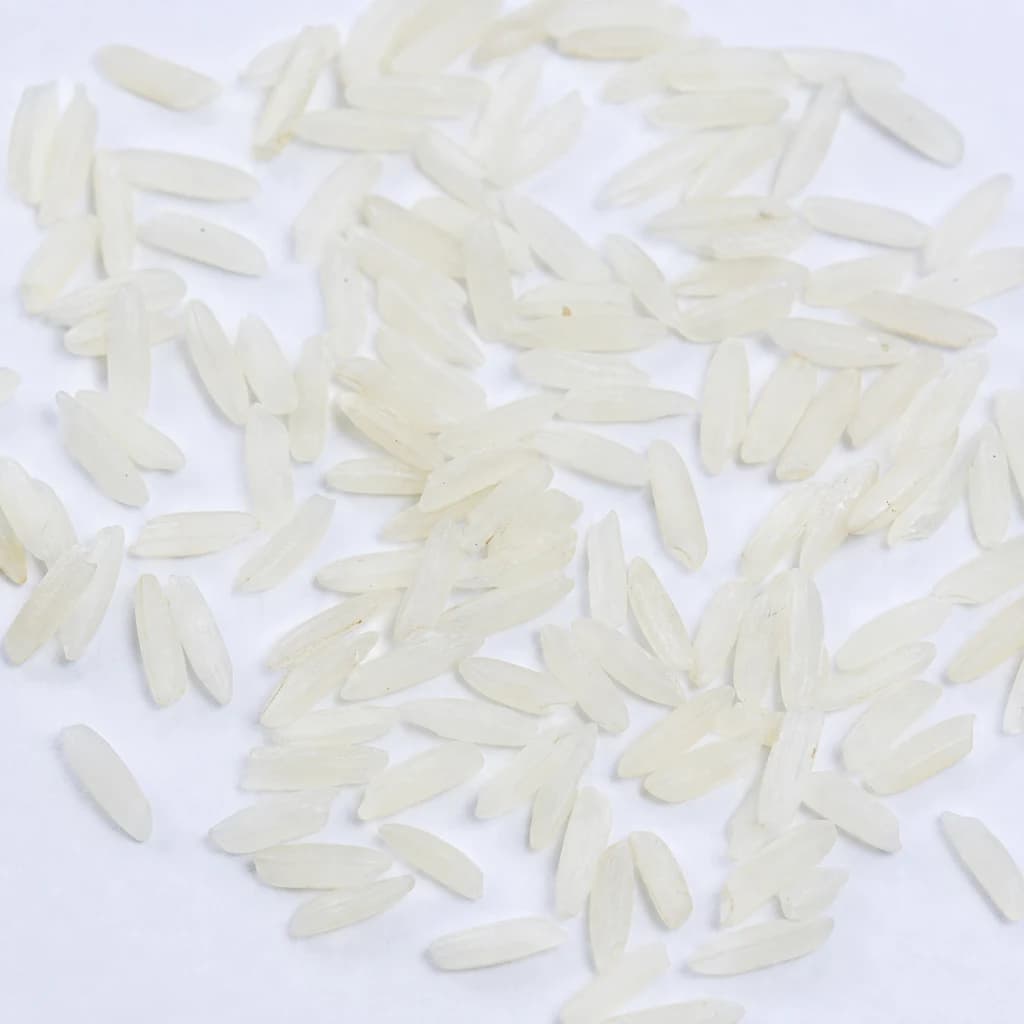
Jasmine Rice
Soft, floral-scented rice that's the pillar of Thai meals
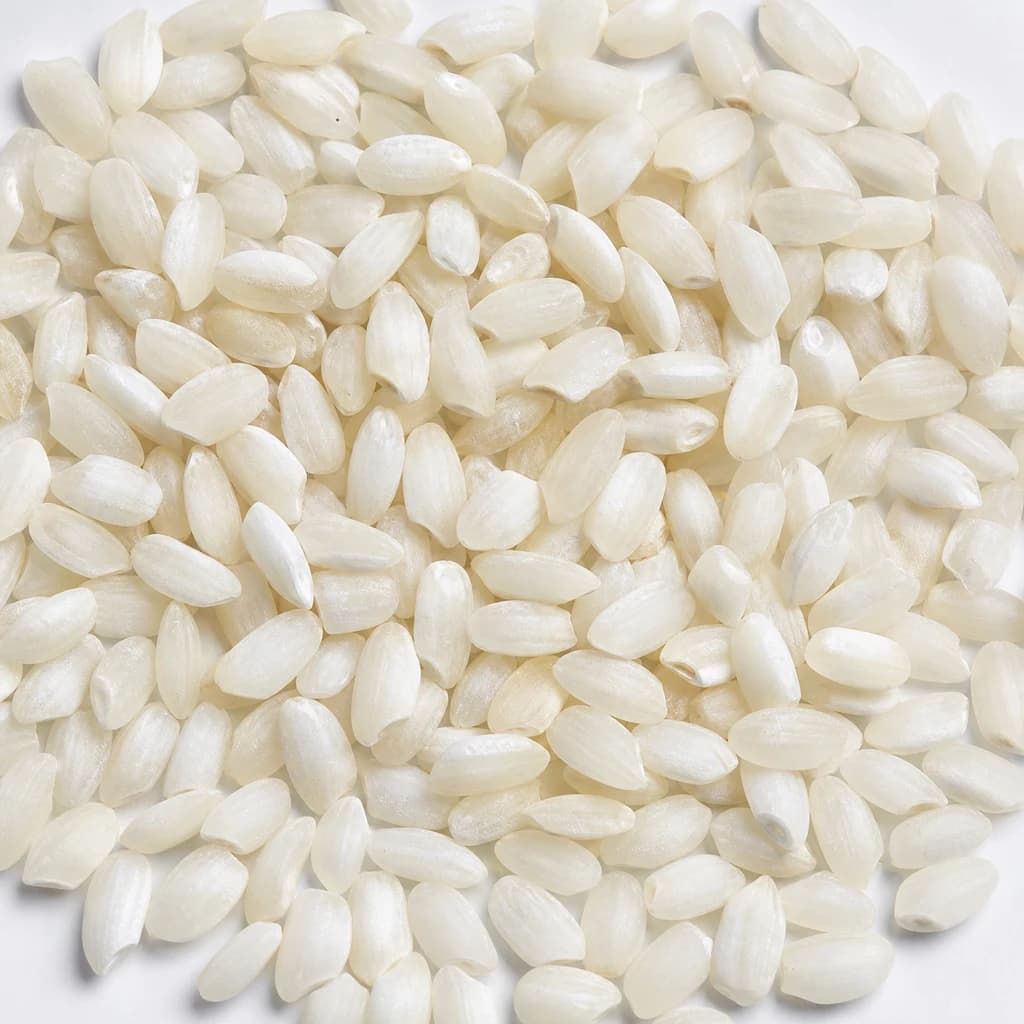
Arborio Rice
Plump, starchy rice that makes risotto creamy
Fusilli
Spiraled pasta that twirls up sauce and dresses cold salads
Rolled Oats
Hearty flakes for porridge, granola, and chewy cookies