Grains & Rice
Israeli (Pearl) Couscous
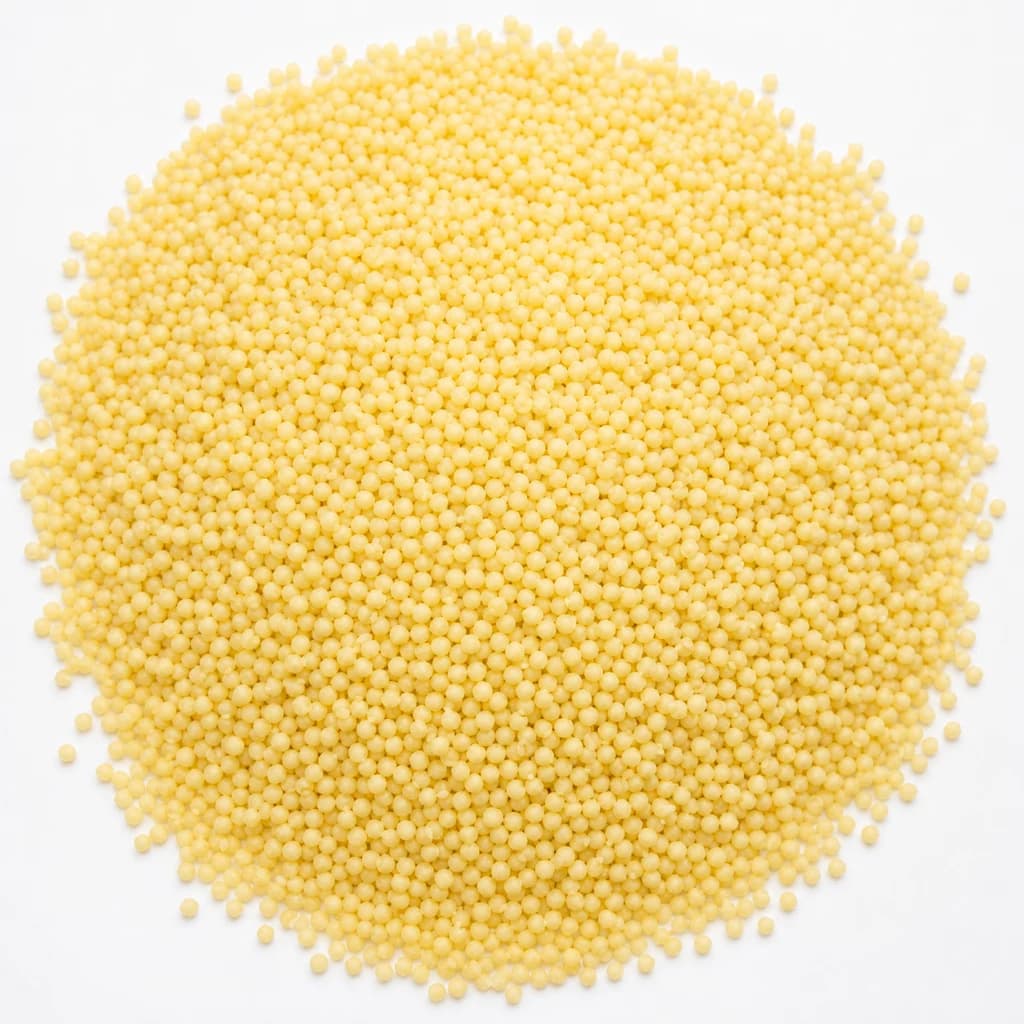
Toasted wheat pasta rolled into chewy pea-sized pearls; simmered like risotto or pilaf, it stays toothsome in warm salads and soaks up dressings well.
Israeli couscous — almost always called pearl couscous in American markets, and known as ptitim in Hebrew — is a toasted wheat pasta shaped into small, uniform spheres roughly the size of peppercorns. It was developed in 1950s Israel as a rice substitute during austerity years (the early marketing, half-myth, half-truth, leaned on Prime Minister David Ben-Gurion's name) and has settled into Mediterranean and Levantine pantries as a year-round staple. Despite the name, it has little in common with North African couscous: where Maghrebi couscous is made from semolina, steamed over a stew, and eaten in tiny grains, ptitim is durum semolina rolled into pearls, toasted in the factory, and simmered directly in liquid like a pasta or grain.
The pearls' great gift is textural. They cook up with a chewy, almost bouncy bite that holds steady under heat, ladling, and stirring in a way true couscous never does, which is why they lend themselves equally to a fork-tender pilaf, a stirred risotto, a brothy soup, or a cold salad dressed hours ahead. Flavor is mild — a clean wheatiness with a faint toast — but it absorbs dressings, broths, and aromatics aggressively, so the same neutral canvas can read as bright Mediterranean, smoky North African, or warmly spiced depending on what you cook it with.
Because the pearls are already toasted in the factory, a fresh toast in fat at home is the single biggest upgrade you can give them. From there, treatment is forgiving: a pilaf-style simmer for a side dish, gradual stock additions for a creamy starter, or a boil-and-drain for soups. In all cases, pull the pot while the pearls still have a hint of bite and let carryover finish them — past that, they turn from pleasantly chewy to gummy.
- Measured in
- g
- Storage
- Pantry
Allergens
Find it in
Suits
Types & varieties
The classic 2–3 mm toasted spheres sold as 'Israeli couscous' in the US; the chewy, neutral canvas most recipes assume
A finer grade closer to coarse couscous; cooks in 4–6 minutes, with a lighter, less bouncy texture
Pearls tinted with tomato, beet, or spinach; same base, used decoratively in pilafs and salads
Made from whole-wheat semolina; nuttier and denser with more fiber, holds a firmer chew
Rice- or corn-based versions; softer and less toothsome than wheat, but workable in pilafs and salads
Traditional Levantine pearl pasta, larger (~5 mm) and traditionally hand-rolled; toasted or untoasted depending on region; treat as a longer-cooking cousin
Why toasting matters
The factory toast gives ptitim its color and a baseline nuttiness, but a second toast in fat at home is where the dish becomes yours. Warm a couple of tablespoons of olive oil or butter in a heavy pan over medium heat, add the dry pearls, and stir constantly for 2–3 minutes, until they darken a shade and smell distinctly nutty. That short window deepens the toasted flavor that distinguishes a memorable pilaf from a bland one, and it firms the surface just enough that the pearls are slower to break down in the cooking liquid — meaning more pearls survive to the chewy, intact stage.
- Toast in oil or clarified butter for cleaner flavor; whole butter scorches faster
- Look for a color shift and a nutty aroma — not aggressive browning
- Toast whole spices (cumin, coriander, mustard seed) in the same fat first, then add pearls
Two reliable cooking methods
Ptitim behaves like a cross between pasta and grain, and the two methods that suit it best exploit each side of that duality. The pilaf method treats it like rice — toast, add measured liquid, cover, and simmer untouched. The risotto method treats it like Arborio — toast, then ladle in hot stock gradually while stirring, drawing out starch for a looser, creamier result. Use the first for side dishes and stuffings where you want distinct pearls; use the second for a starter or main where you want a sauce that clings.
- Pilaf: 1 cup dry to 1¼–1½ cups salted broth; simmer covered 8–10 minutes; rest 5
- Risotto: 1 cup dry to 3–4 cups hot stock; add in ½-cup increments, stirring; total active time roughly 18–22 minutes
- Boil-and-drain (for soups): treat like small pasta; cook in seasoned broth 8–10 minutes; do not rinse
Hot dishes vs. cold salads
The same pearl behaves differently depending on whether you serve it warm or cold. Warm, you want a glossy, just-tender chew with enough residual sauce or oil to keep the pearls slick. Cold, you want the pearls slightly underdone at the stove — they firm up as they chill and absorb dressing — and you want them dressed while still warm so they soak up flavor rather than repel it.
- For salads, pull pearls 1 minute early and toss with dressing while warm
- Chill dressed salads at least 30 minutes; refresh with lemon juice and a glug of olive oil before serving
- Day-old refrigerated ptitim revives in a hot skillet with a splash of broth and olive oil
Common uses
Tips & pitfalls
- Always toast the dry pearls in fat for 2–3 minutes before adding liquid; this is the single biggest flavor and texture upgrade
- Salt the cooking liquid generously — ptitim is bland without it and cannot be rescued at the end
- Pull the pot when pearls are tender with a slight bite; carryover and resting will finish them. Overcooking is the most common mistake and turns the pearls gummy
- Do not rinse ptitim after cooking unless you are deliberately halting it for a cold salad; rinsing washes away surface starch and toasted flavor
- For risotto-style dishes, keep stock hot and add in ½-cup increments, stirring between additions — cold stock shocks the pearls and slows starch release
- Toast nuts or whole spices in the same pan before toasting the pearls to layer flavor without dirtying a second dish
- Finish warm dishes with a squeeze of lemon or splash of vinegar; the acid cuts the wheatiness and lifts the whole plate
- Cooked ptitim freezes well: spread on a sheet to cool, portion into bags, and drop straight from frozen into soups or stir-fries
Nutrition
Energy
1573 kJ · per 100 g
Where the calories come from
Protein
12.8g
26% DV
Carbs
77.4g
28% DV
Fat
0.6g
1% DV
Fiber
5g
18% DV
Sodium
10mg
0% DV
Source · USDA FoodData Central · approx. Couscous, dry
View on FDC →In the shops
Matched grocery products
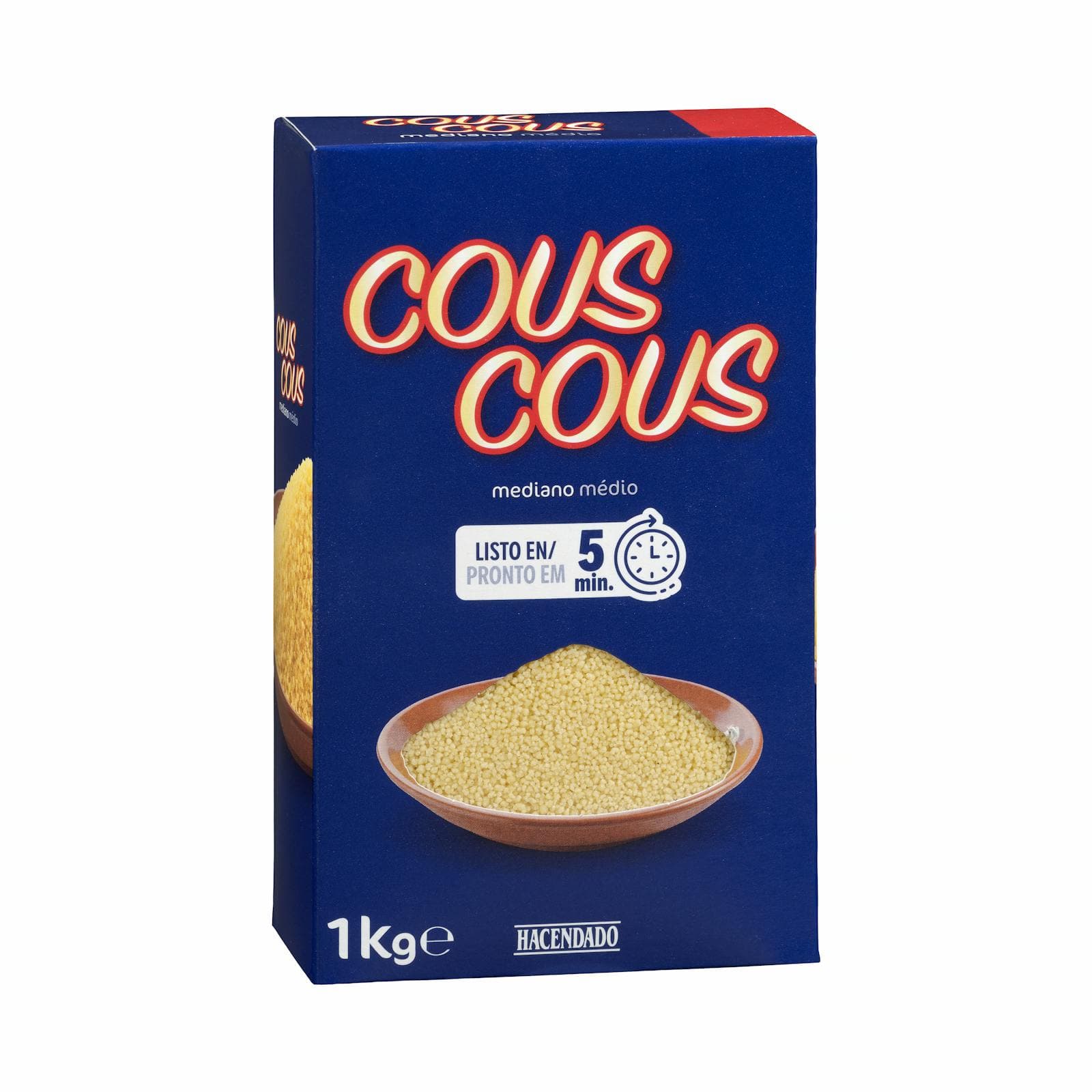 €1.95
€1.95Medium Couscous
Hacendado · 1 kg · Mercadona
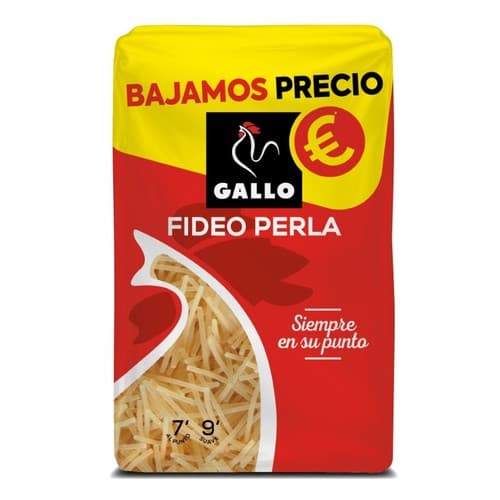 €1.20
€1.20Gallo Pearl Couscous
GALLO · kg · Bonpreu
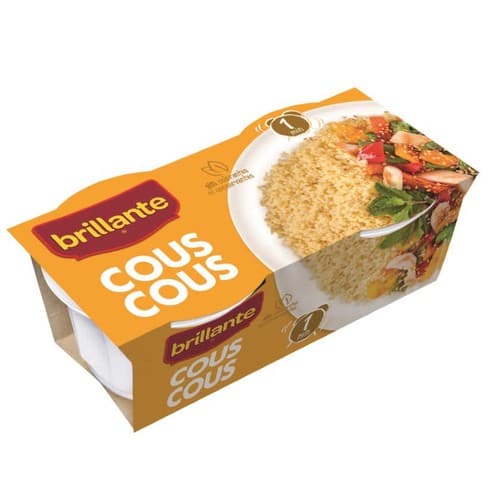 €1.49
€1.49Brillante Couscous
BRILLANTE · kg · Bonpreu
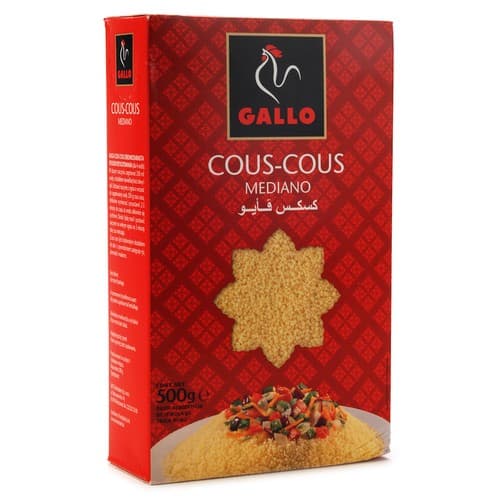 €1.99
€1.99Gallo Medium Couscous
GALLO · kg · Bonpreu
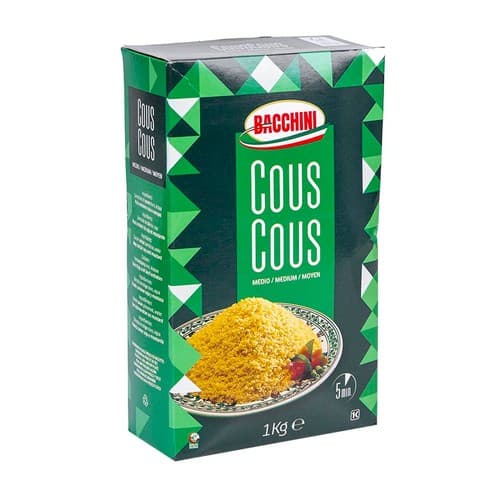 €1.99
€1.99Precooked Couscous
BACCHINI · kg · Bonpreu
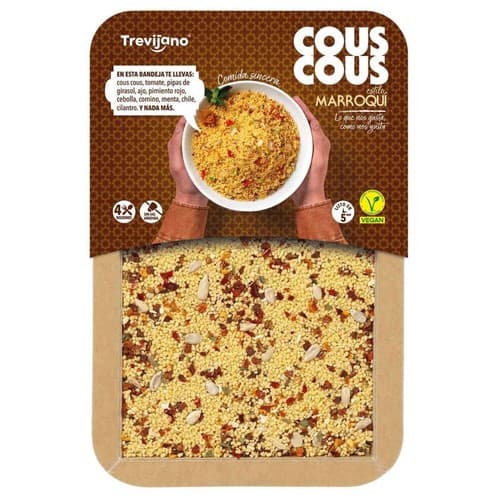 €3.55
€3.55Trevijano Moroccan Couscous
TREVIJANO · kg · Bonpreu
Good to know
- Also known as
- Pearl couscous; ptitim; sometimes 'Lebanese couscous' for the larger size
- Origin
- Israel, developed in the 1950s by Osem during the austerity period
- What it is
- Toasted wheat pasta — not a true grain and only distantly related to North African couscous
- Made from
- Durum semolina (or hard wheat semolina) and water
- Pearl size
- Roughly 2–3 mm diameter, peppercorn-sized
- Cooked texture
- Chewy, bouncy, toothsome; holds shape far better than steamed semolina couscous
- Pilaf ratio
- 1 cup dry to about 1¼–1½ cups salted liquid
- Risotto ratio
- 1 cup dry to 3–4 cups hot stock, added gradually
- Cook time
- 8–12 minutes active after liquid is added
- Yield
- 1 cup dry yields roughly 2½–3 cups cooked
- Storage
- Dry, 1–2 years airtight in a cool pantry; cooked, 3–5 days refrigerated; freezes well 2–3 months
Substitutes
- Fregola (fregola sarda) — Toasted Sardinian semolina pasta; similar nuttiness and chew, slightly smaller and more irregular pearls — swap 1:1
- Moghrabieh — Larger Levantine pearl pasta; give it more time and a touch more liquid since the pearls are bigger
- Orzo — Rice-shaped pasta; cooks similarly but lacks toasted depth — toast it in oil first to mimic ptitim's nuttiness
- Acini di pepe — Tiny pasta beads; good in soups and some salads, but much smaller and faster-cooking
- Quinoa — Naturally chewy and gluten-free; swap 1:1 by cooked volume, though the flavor is distinctly different
- Cauliflower rice — Only a low-carb swap; behaves very differently in pilafs and does not absorb sauces the same way
Pairs with
Also called
pearl couscous · ptitim · giant couscous