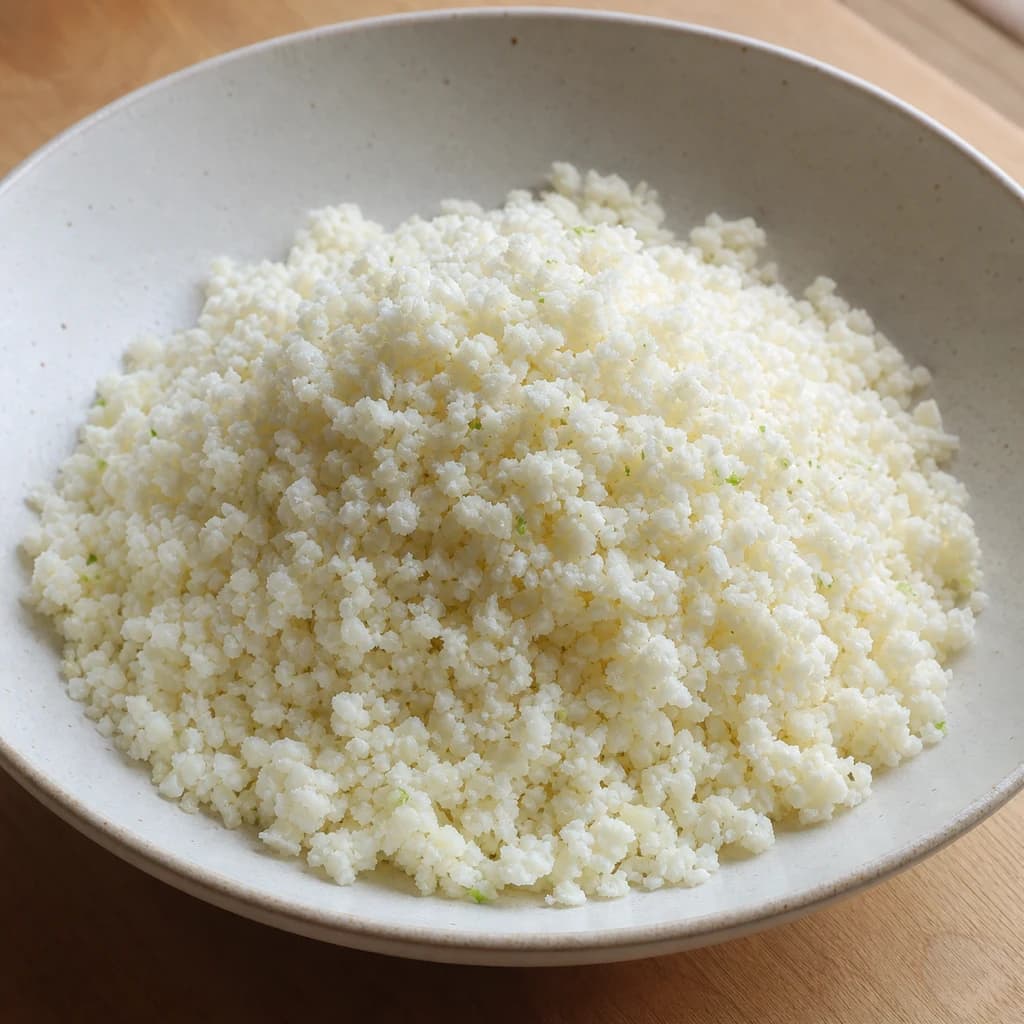
Ready to use
Freshly riced cauliflower: fine, dry, grain-sized pieces ready to cook.
Shows the defining form — grated cauliflower that genuinely resembles rice grains — so readers can recognize it at a glance.
Produce
Cauliflower Rice
Riced cauliflower used as a low-carb stand-in for grains.
Cauliflower rice is cauliflower grated or pulsed into rice-sized pieces, used as a low-carb, grain-free substitute for rice. It is quickly sautéed or steamed and served as a base for stir-fries, bowls, and pilafs, taking on seasonings easily. Its mild flavor and light texture make it a popular swap in keto and paleo cooking.
Cauliflower rice is a grain-free carbohydrate substitute made by processing cauliflower florets into small, uniform grains roughly the size of rice. It emerged from the low-carb and keto movements but has since become a versatile kitchen staple valued for its ability to absorb bold flavors while providing similar bulk and mouthfeel to cooked grains. The key distinction between cauliflower rice and actual grain rice is water content: cauliflower holds significant moisture that, if not properly managed, causes the grains to collapse into a mushy mass rather than remaining distinct. This is not a flaw—it is the nature of the ingredient—but it demands different technique than cooking grain rice. When handled correctly, cauliflower rice develops a pleasant tenderness with a slight bite at its center, making it suitable for everything from quick stir-fries to raw salads to pizza crusts. Its flavor is mild and faintly sweet, which makes it a receptive canvas for garlic, soy sauce, spices, cheese, and fresh herbs.
- Measured in
- g
- Storage
- Fridge
Types & varieties
Most control over texture; pulse in short 3–4 second bursts to avoid turning florets to wet paste
More labor-intensive; produces slightly coarser, irregular grains; works well for rustic textures
Sold in produce section; convenient but pricier; still requires drying before cooking
Ready to cook from frozen; often partially dried; cooks slightly faster than fresh
Processing: How Method Affects the Finished Dish
The tool you choose for ricing affects the final texture in ways that matter for different applications. A food processor with the standard S-blade gives the most consistent grain size and is fastest, but it requires restraint. Pulse the cauliflower in brief bursts—8 to 10 pulses is typically enough for a medium head. Each pulse should be no longer than 3–4 seconds. Continuous processing turns the cauliflower into a damp, mealy paste that will release even more water during cooking and is nearly impossible to rescue. A box grater produces a coarser, more irregular cut that holds up better in applications where you want a slight toothsome quality, such as a grain bowl or a raw salad. Some cooks prefer the coarse shredding disk of a food processor or a mandoline fitted with a shredder blade for a middle ground between paste and large chunks. Regardless of method, transfer riced cauliflower to a clean kitchen towel immediately after processing and squeeze out as much moisture as possible before cooking—this single step determines whether your cauliflower rice browns or steams.
- Pulse in 3–4 second bursts; 8–10 pulses is the typical window for a medium head
- Transfer to a towel and squeeze dry immediately after processing
- A mandoline with a shredder disk gives uniform results without the paste risk
The Moisture Problem: The Most Common Failure Point
Cauliflower rice has one fundamental enemy: excess water. The vegetable itself is roughly 92% water, and unless you actively manage that moisture, your cauliflower rice will steam in its own liquid, turn translucent, and collapse into a soft, gray mass with no textural interest. Two practices prevent this. First, always dry the cauliflower thoroughly after washing and again after ricing—use a salad spinner for the florets before processing, then squeeze the riced output in a clean kitchen towel. Second, salt the riced cauliflower and let it rest for 5 minutes before cooking to draw out additional moisture, then squeeze it dry a second time before it hits the pan. This two-stage drying and the salt rest are not optional steps for best results—they are the difference between a dish with caramelized, slightly nutty edges and one with a steamed, soggy texture. When sautéing, resist the urge to cover the pan, as trapping steam undoes all your drying work.
- Salt and rest before cooking: 5 minutes, then squeeze dry
- Never cover the pan while cooking cauliflower rice—it causes steaming, not browning
- If using frozen riced cauliflower, cook directly from frozen without thawing for best texture
Common uses
Tips & pitfalls
- Dry thoroughly after washing—excess moisture causes steaming rather than browning, and no amount of high heat will compensate.
- Pulse cauliflower in food processor in 3–4 second bursts; 8–10 pulses is typically sufficient for a medium head. Over-processing yields wet, mealy paste.
- Salt riced cauliflower and let sit 5 minutes before cooking to draw out moisture, then squeeze dry a second time before cooking.
- For crispy roasted results, spread in a thin layer on a baking sheet and roast at 425°F or higher; do not crowd the pan.
- Do not overcrowd the pan when sautéing—cook in batches if needed to allow browning rather than steaming.
- Frozen riced cauliflower often needs no thawing; cook directly from frozen for best texture and least mushiness.
- Season generously—cauliflower rice has a mild flavor and benefits from bold seasoning to avoid tasting flat.
- Add fully cooked cauliflower rice at the end of recipes meant for cooked grain to prevent mushiness from prolonged heat exposure.
Nutrition
Energy
105 kJ · per 100 g
Where the calories come from
Protein
1.9g
4% DV
Carbs
5g
2% DV
Fat
0.3g
0% DV
Fiber
2g
7% DV
Sugars
1.9g
of which
Sodium
30mg
1% DV
Source · USDA FoodData Central · Cauliflower, raw
View on FDC →In the shops
Matched grocery products
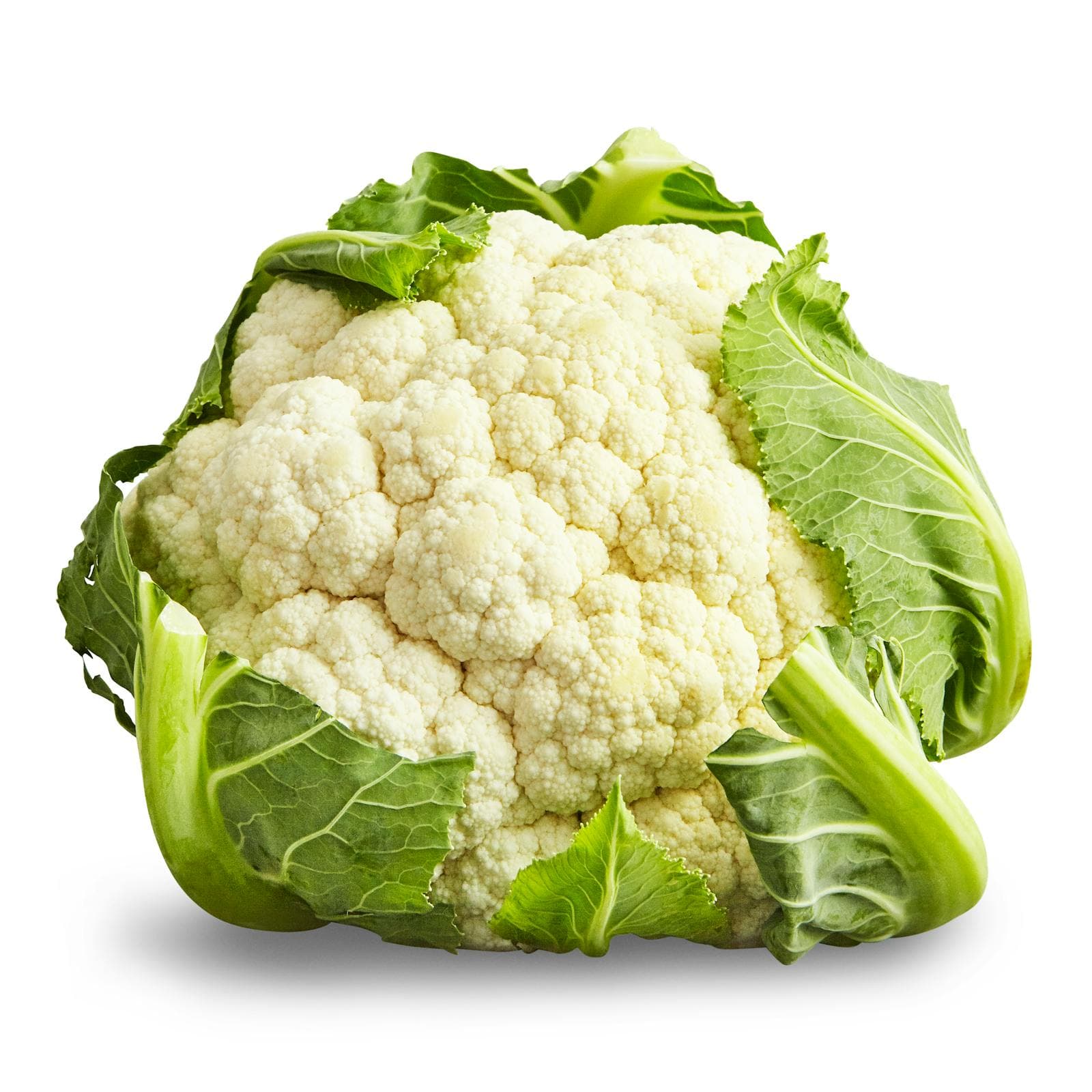 €2.67
€2.67Cauliflower
1.3 kg · Mercadona
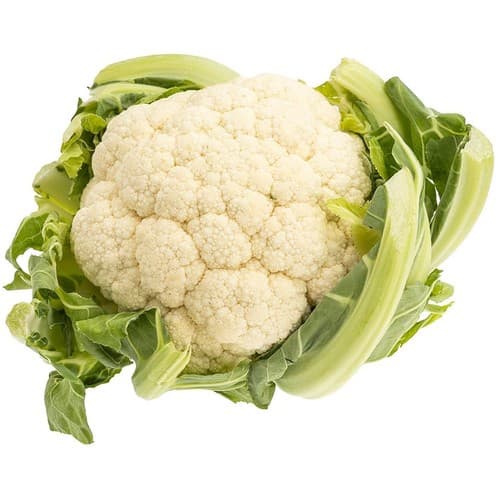 €2.79
€2.79Cauliflower 1 unit
Bonpreu
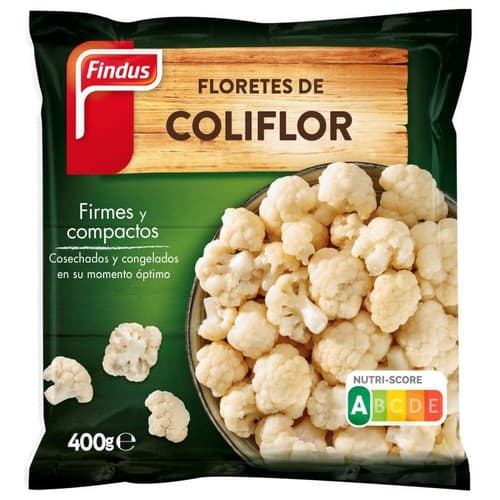 €2.95
€2.95FINDUS Cauliflower
FINDUS · kg · Bonpreu
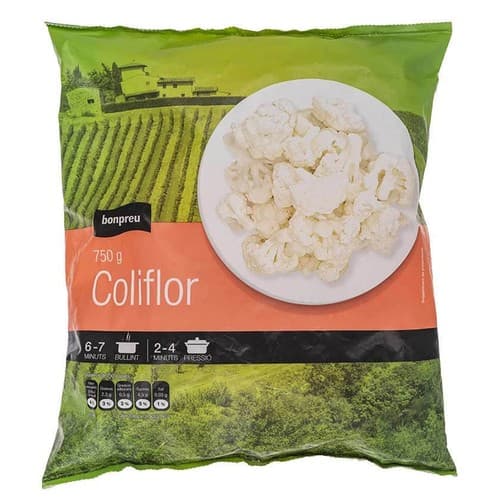 €1.60
€1.60Bonpreu Cauliflower
BONPREU · kg · Bonpreu
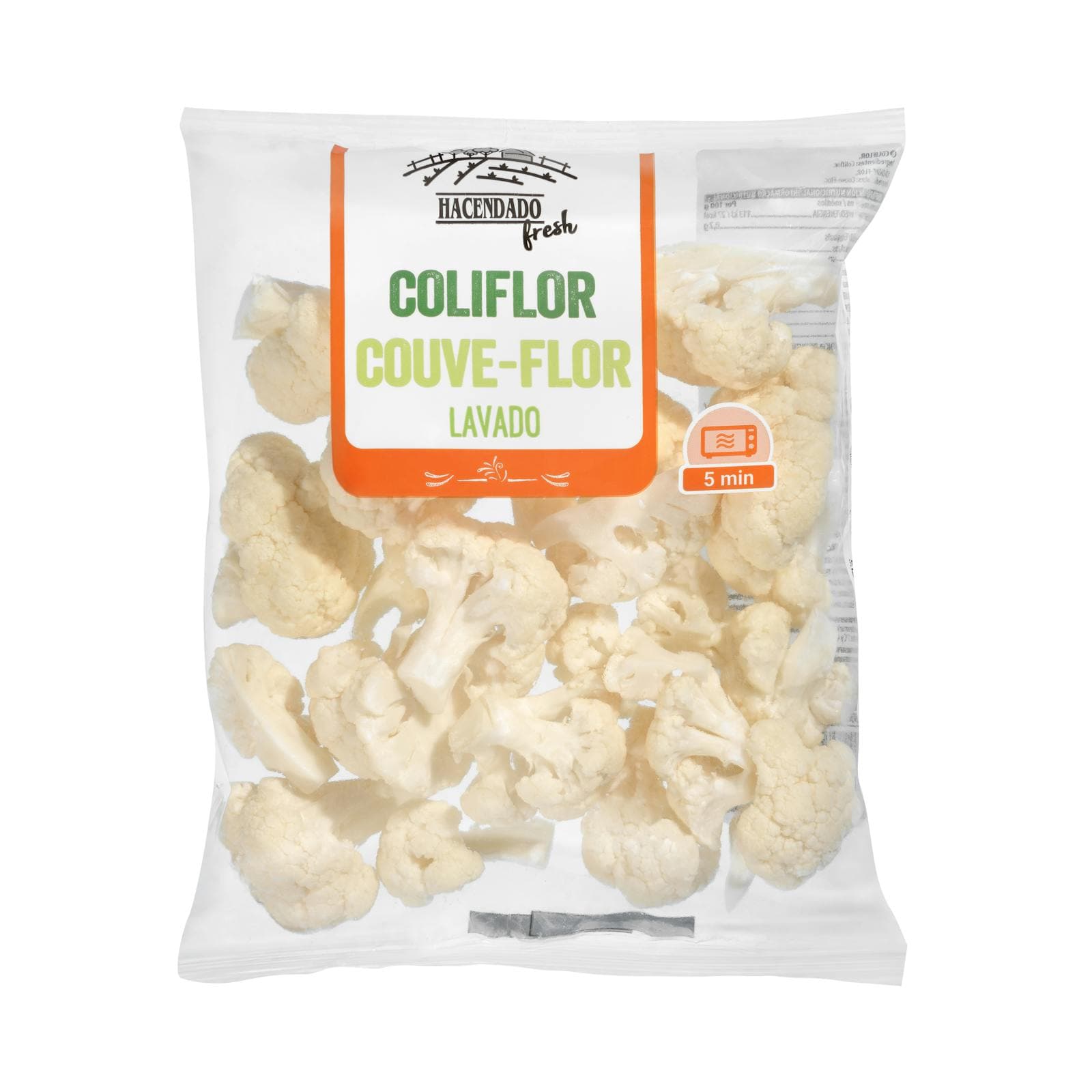 €1.60
€1.60Microwave Cauliflower Florets
Hacendado · 300 g · Mercadona
 €2.69
€2.69Organic Cauliflower Km0 1 unit
Bonpreu
Good to know
- Calories
- ~25 per cup raw (vs. ~205 per cup white rice)
- Net Carbs
- ~3–4g per cup raw (vs. ~45g for white rice)
- Protein
- ~2g per cup raw
- Yield
- 1 medium head (~2 lbs) yields 4–6 cups riced
- Processing Time
- 2–4 minutes in a food processor; 5–8 minutes by box grater
- Refrigerator Storage
- 3–5 days in an airtight container
- Freezer Storage
- Up to 10 months in freezer bags
- Cooking Time
- 3–5 min sautéed; 8–10 min steamed; 15–20 min roasted at 425°F
Substitutes
- Broccoli Rice — Similar texture and neutral flavor; slightly more fiber; works in most applications interchangeably
- Cabbage (Finely Shredded) — Crisper texture; best in salads and quick-cooked dishes; lower starch content
- Konjac Rice (Shirataki) — Near-zero calories and carbs; more gelatinous texture; must be rinsed thoroughly before use
- Brussels Sprouts (Shredded) — Nuttier, more bitter flavor; holds up well to roasting; requires longer cooking time
- Celery Root (Riced) — Earthy flavor; good for low-carb dishes; similar cooking time to cauliflower rice
- Jicama Rice — Crisper and slightly sweeter; best used raw or very lightly cooked
Pairs with
Also called
Cauliflower Rice · Riced Cauliflower
Related
Tomato
Juicy, sun-sweet fruit for sauces, salads, and slow-cooked depth
Yellow Onion
The aromatic backbone of soups, sofritos, and braises
Garlic
Pungent cloves that perfume nearly every savory dish
Lemon
Bright, acidic citrus that wakes up almost any dish
Potato
Humble, hearty staple — roast, mash, fry, or boil
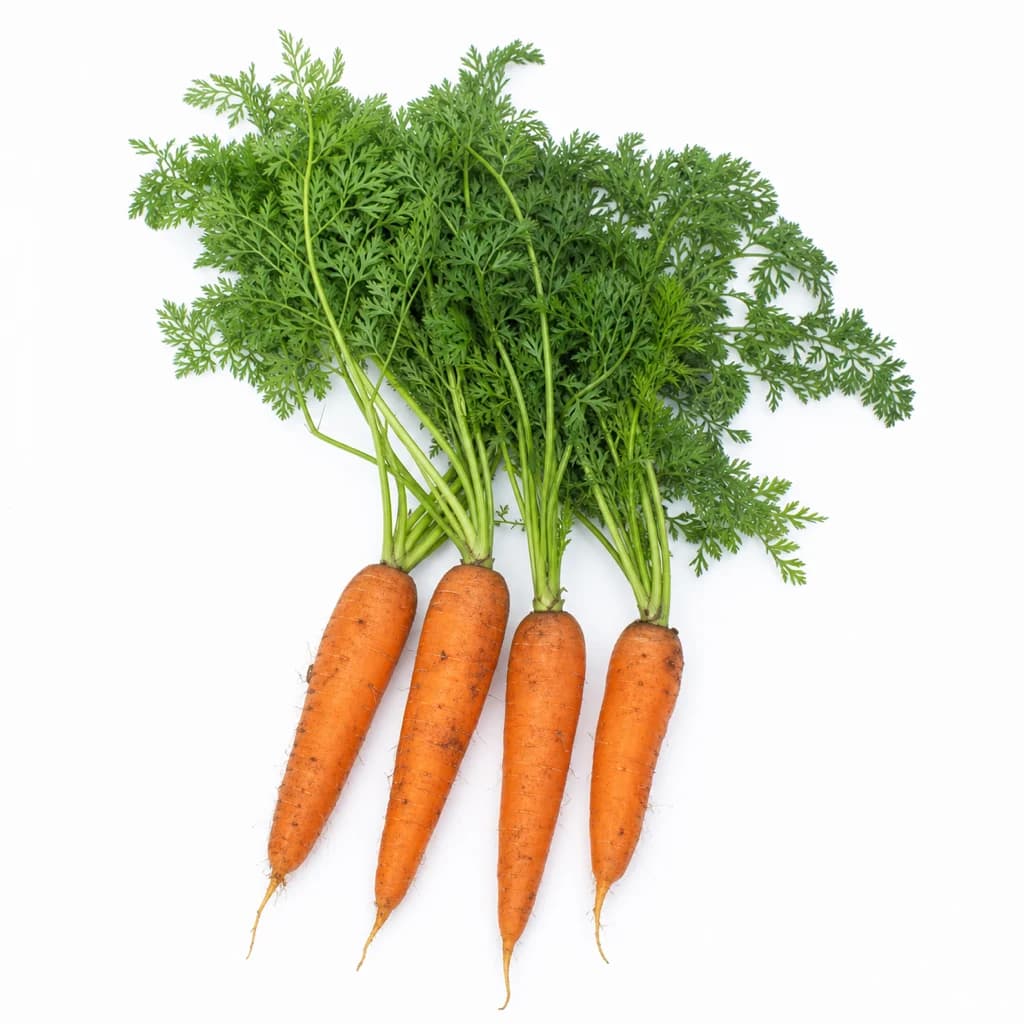
Carrot
Sweet, crunchy root — raw, roasted, or the base of a sofrito
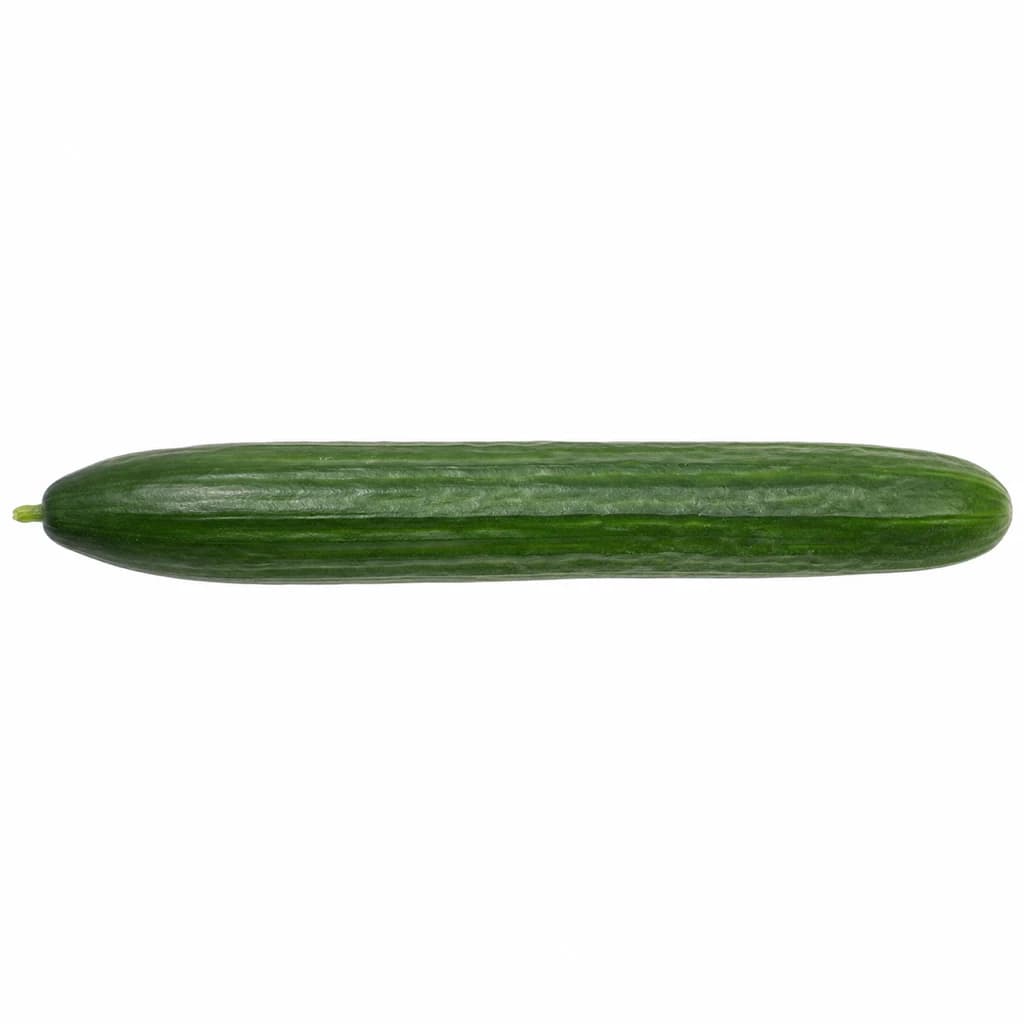
Cucumber
Cool, crisp, and watery — for salads, pickles, and tzatziki

Lettuce
Crisp leaves for salads, wraps, and a fresh crunch