Grains & Rice
Fregola
Toasted Sardinian semolina pasta in small round beads with a nutty flavor.
Fregola is a Sardinian pasta made from durum semolina dough rolled into small balls and toasted in the oven, giving them a golden color and nutty, toasted flavor. The pearls range in size and have a satisfying chewy bite. It is cooked like pasta or risotto and pairs especially well with clams and seafood broths.
Fregola is a toasted Sardinian pasta made from durum wheat semolina, hand‑rolled into small irregular beads and dried in the oven to develop a golden‑amber color and deep nutty flavor. The toasting step—unique among pastas—gives fregola a more savory, complex character than ordinary dried pasta. The beads, typically 3–5 mm across, have an uneven surface that cradles sauce and a firm, chewy center when cooked.
Cook fregola in boiling salted liquid like pasta, but build flavor in the pan first—much like a risotto—because the cooking time is fixed. It appears in Sardinian cuisine from delicate seafood broths to hearty stews, and its versatility has earned it a devoted following. The name comes from the Sardinian word for "little rubs", describing the hand‑rolling technique that creates each bead’s irregular shape.
- Measured in
- g
- Storage
- Pantry
Allergens
Types & varieties
Tiny beads, 2–3 mm; used in light soups or seafood broths
Standard size, most common; versatile for most preparations
Larger beads, 5–8 mm; ideal for hearty soups and stews
Saffron‑infused variety; golden color, pairs with seafood
Traditional style from Cagliari region; distinct toasting level
Common uses
Tips & pitfalls
- Toast dry fregola in a dry skillet for 2–3 minutes before boiling for deeper nuttiness—this extra step is common in traditional Sardinian preparations.
- Use slightly less water than the package suggests; fregola should cook to al dente with absorbed liquid, not become soupy.
- Add fregola to boiling broth only when broth is fully seasoned; the cooking time is fixed and cannot be adjusted mid‑process.
- Rest cooked fregola dishes 2–3 minutes before serving to allow carryover absorption and flavor melding.
- For salad use, rinse under cold water immediately after draining to stop cooking and prevent clumping.
- Never substitute regular pasta in fregola recipes; the toasted flavor and specific texture are irreplaceable.
Nutrition
Energy
1573 kJ · per 100 g
Where the calories come from
Protein
12.8g
26% DV
Carbs
77.4g
28% DV
Fat
0.6g
1% DV
Fiber
5g
18% DV
Sodium
10mg
0% DV
Source · USDA FoodData Central · approx. Couscous, dry
View on FDC →In the shops
Matched grocery products
No matched grocery products for Fregola yet.
Good to know
- Origin
- Sardinia, Italy
- Made from
- Durum wheat semolina and water
- Distinguishing feature
- Toasted in oven after shaping, giving golden‑amber color and nutty flavor
- Typical size
- 3–5 mm diameter irregular beads
- Cooking time
- 10–15 minutes in boiling salted water
- Shelf life
- 12+ months in airtight container, pantry storage
- Texture
- Chewy interior, slight nuttiness from toasting; holds firm when cooked
- Etymology
- "Fregola" derives from Sardinian meaning "little rubs" or "small grains"
- Price point
- Mid‑range; artisan imported brands command premium
Substitutes
- Israeli couscous (ptitim or pearl couscous) — Similar size and shape but not toasted; flavor is milder, neutral; cook time differs slightly
- Sardinian couscous (cuscussu) — More similar but harder to find outside Italy; different preparation method
- Acini di pepe or ditalini — Wrong shape but adequate in soups; lacks toasted character
- Orzo — Rice‑shaped pasta; acceptable in soup applications but texturally different
Pairs with
Also called
Toasted Semolina Pasta · Fregula · Sardinian Couscous
Related

White Rice
Fluffy long-grain rice — the neutral base for almost any meal

White Bread
Soft sandwich loaf for toast, sandwiches, and crumbs
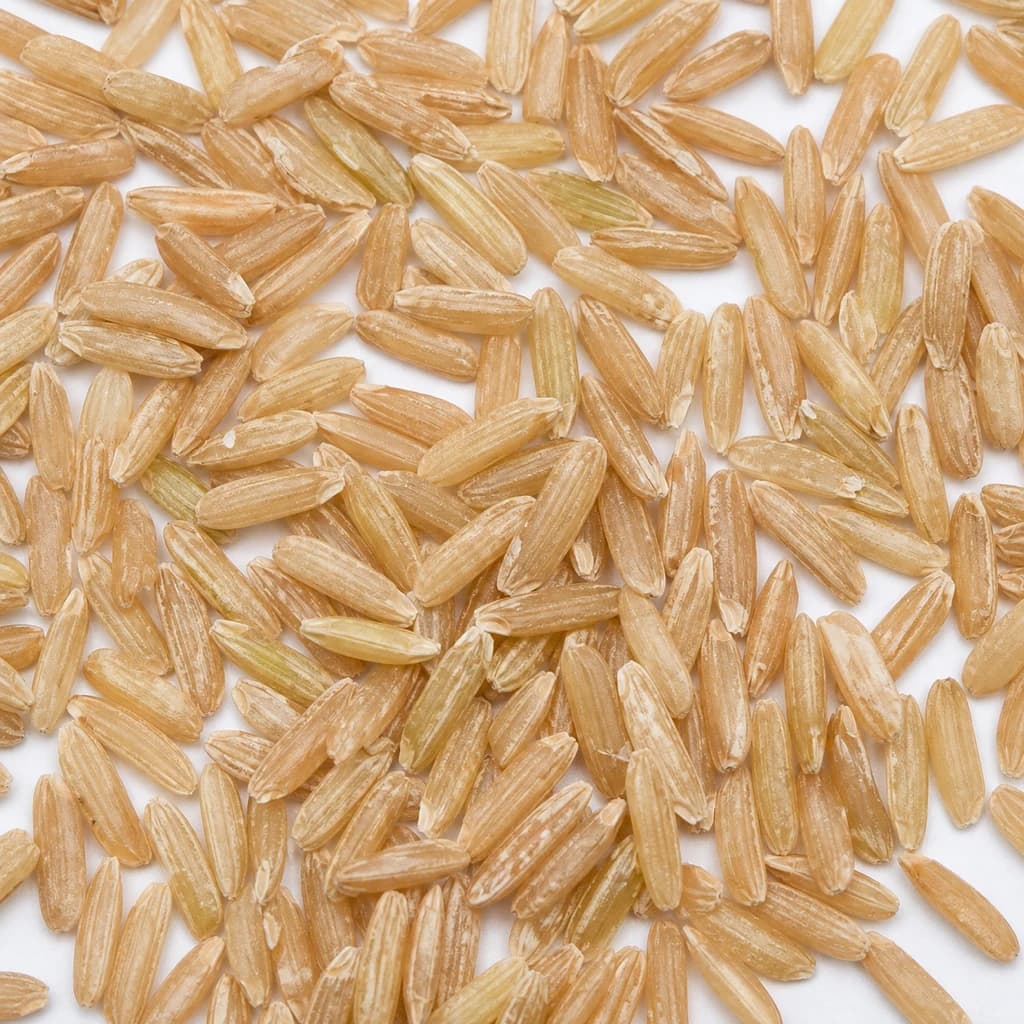
Brown Rice
Nutty, whole-grain rice with chew and extra fiber

Basmati Rice
Fragrant, long-grain rice that cooks up light and separate
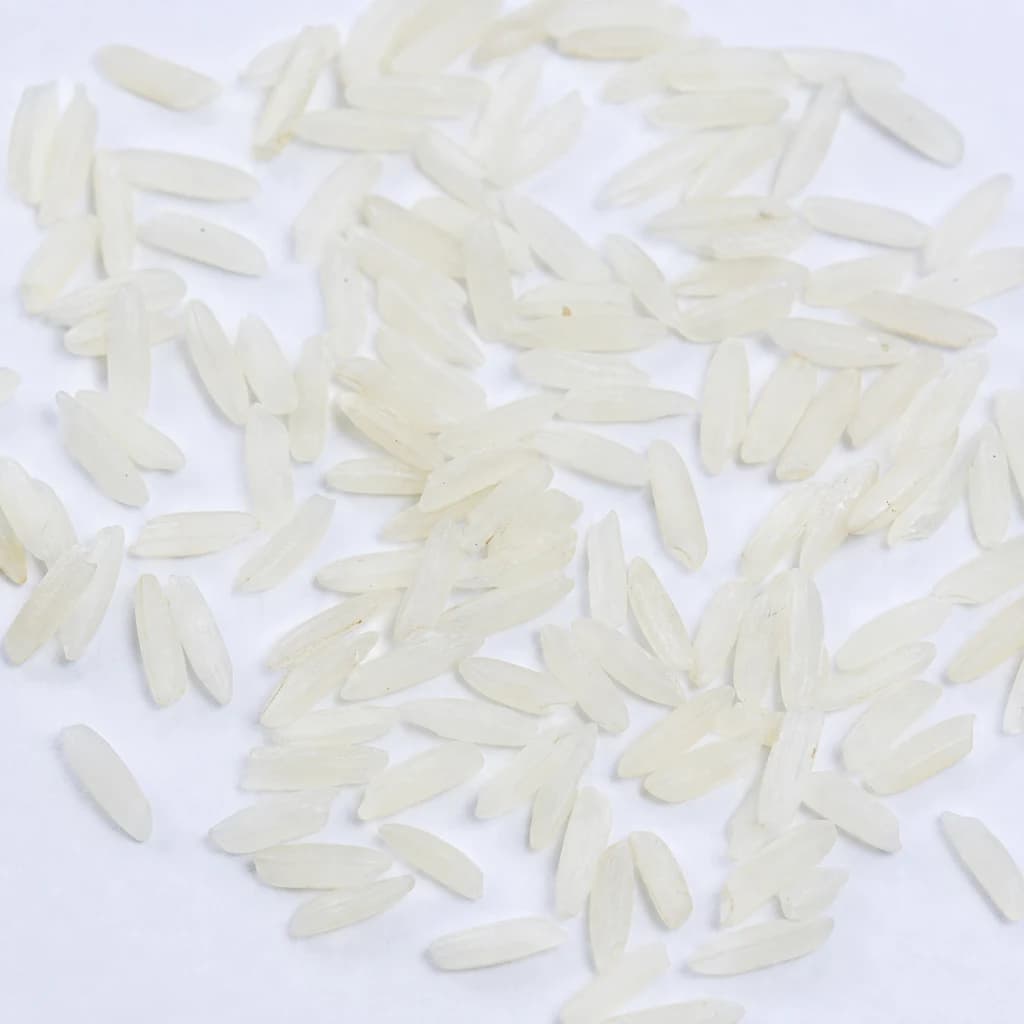
Jasmine Rice
Soft, floral-scented rice that's the pillar of Thai meals
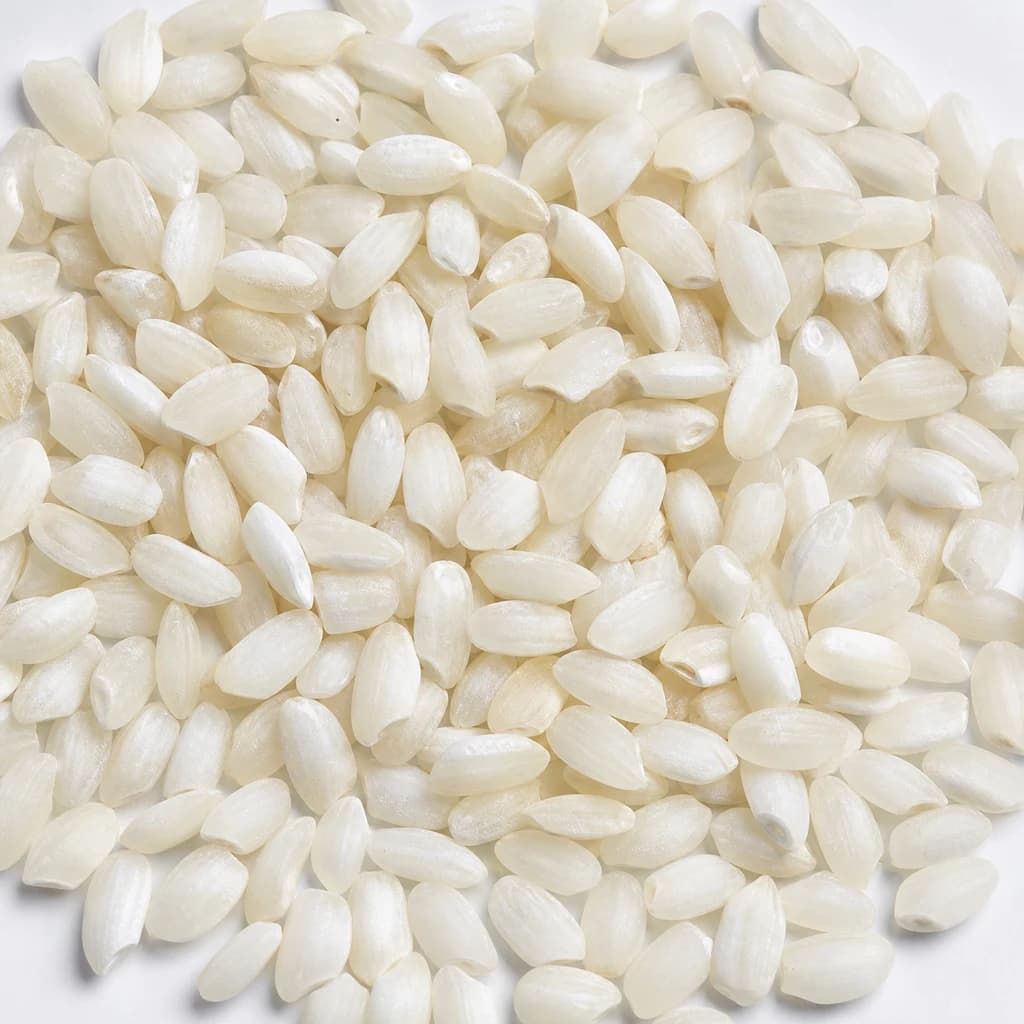
Arborio Rice
Plump, starchy rice that makes risotto creamy
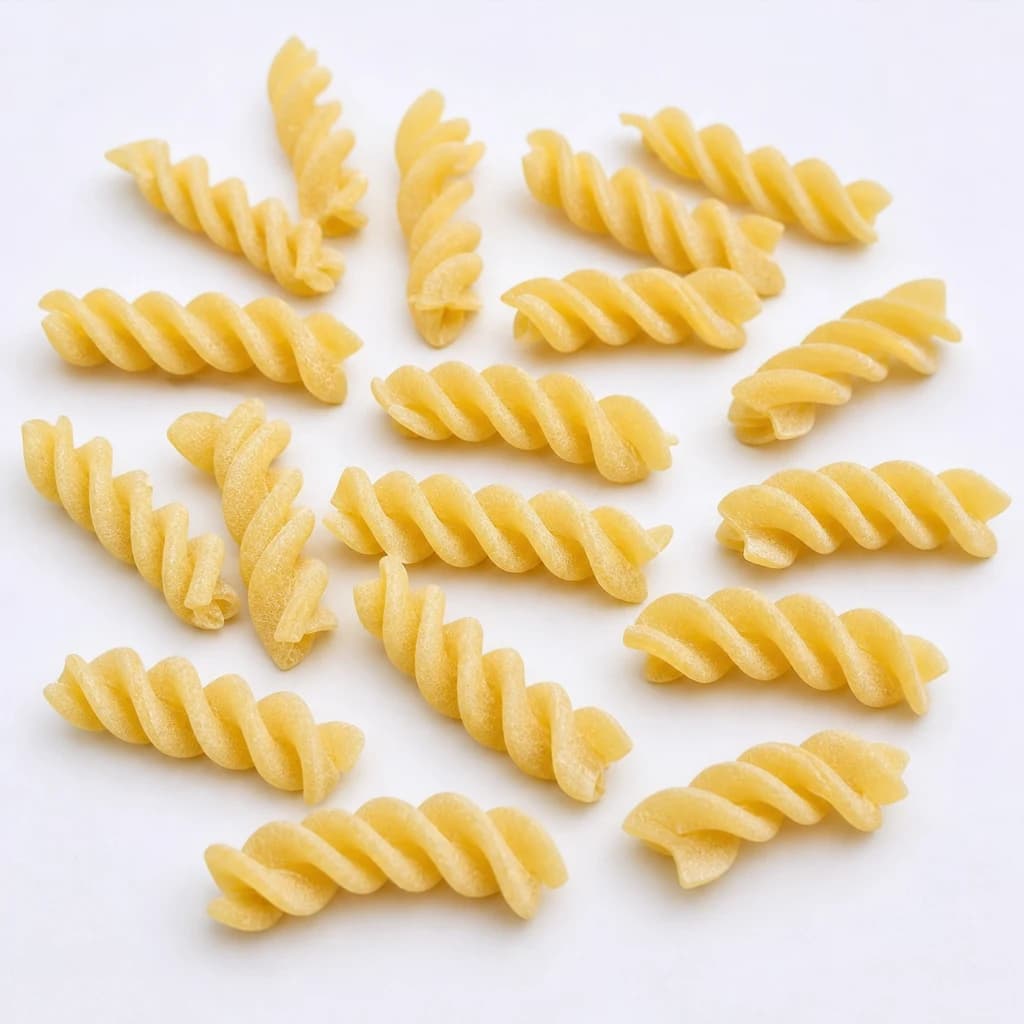
Fusilli
Spiraled pasta that twirls up sauce and dresses cold salads
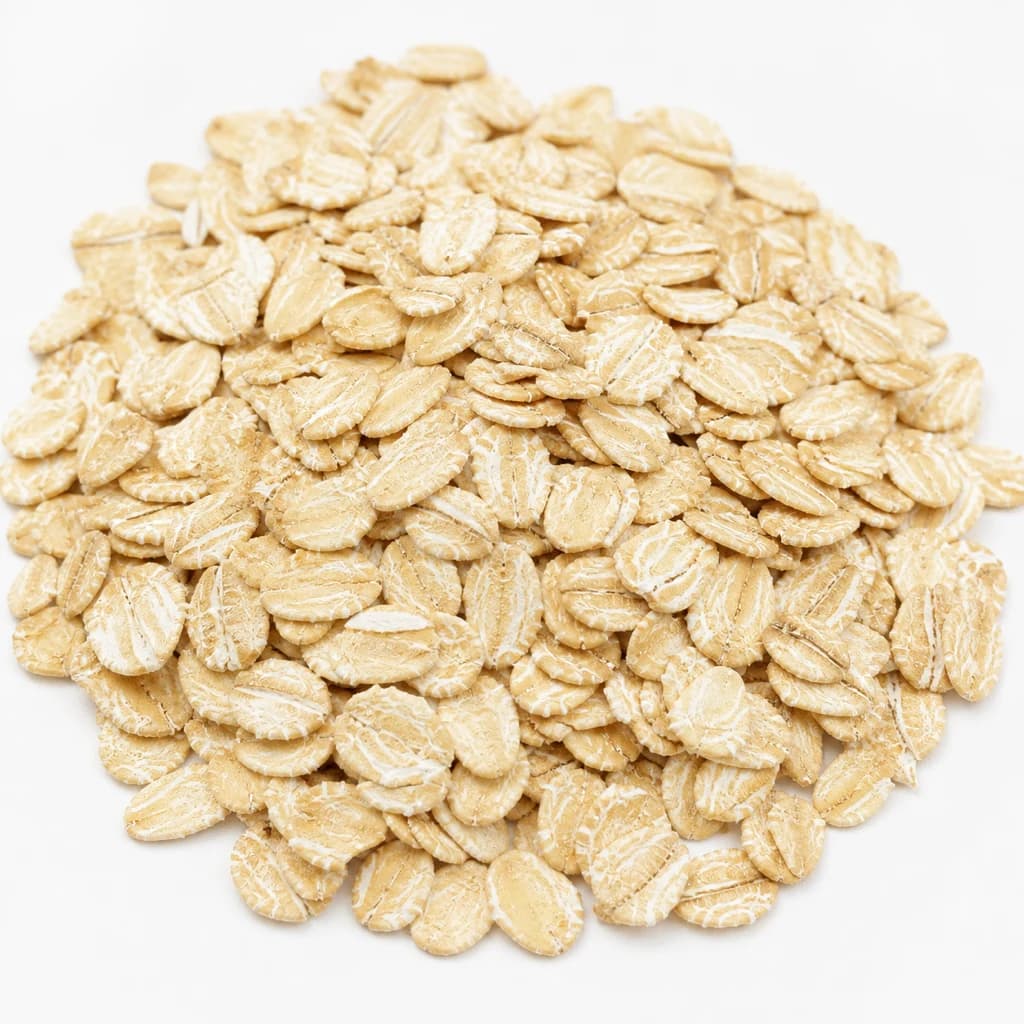
Rolled Oats
Hearty flakes for porridge, granola, and chewy cookies