Grains & Rice
Orzo
Rice-shaped pasta used in soups, pilafs, and Mediterranean bakes.
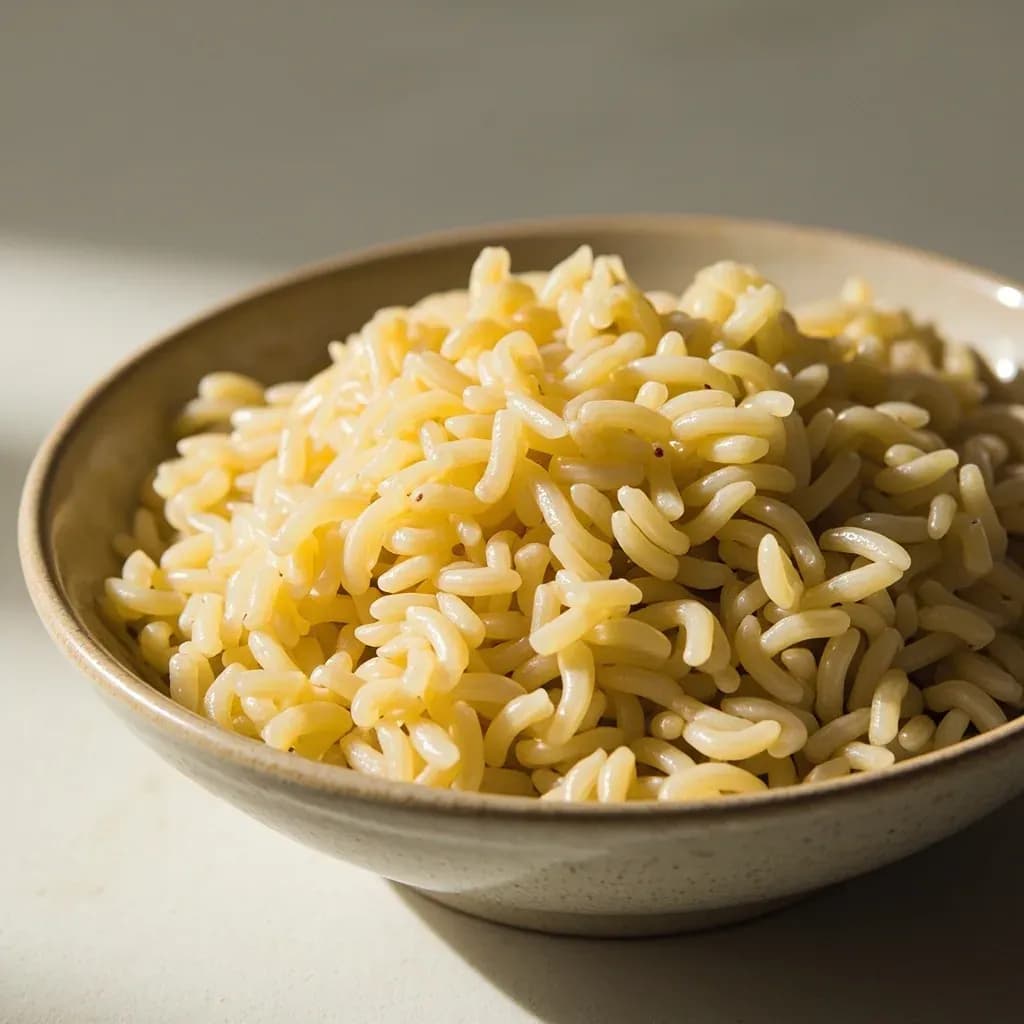
Orzo is a small wheat pasta shaped like a large grain of rice, used much like rice in Mediterranean and Middle Eastern cooking. It is simmered into soups, toasted into pilafs, or baked with meats in Greek giouvetsi. Despite its grain-like look, it cooks and tastes like pasta.
Orzo — Italian risoni — is a small, rice-grain-shaped pasta that occupies a uniquely flexible niche in the pantry. Though its Italian name "orzo" technically means barley, the resemblance to that grain is purely visual; the pasta is made from durum wheat semolina, just like spaghetti or penne. Its compact size, roughly 6–8 mm long, gives it the substance to stand in for grains in pilafs and salads while its pasta nature lets it absorb broths and sauces more readily than actual rice. This dual personality makes orzo invaluable in Mediterranean, Middle Eastern, and American home kitchens where it functions equally well as a soup thickener, a rice substitute in stuffed vegetables, or the backbone of a creamy risotto-style preparation. Orzo's open, porous structure absorbs flavors quickly and releases starch into surrounding liquids, creating silky, cohesive dishes — but this same eagerness means it demands attention: it can turn bland without proper seasoning and can dissolve into a starchy mass if overcooked or added to liquid too early.
- Measured in
- g
- Storage
- Pantry
Allergens
Types & varieties
Standard dried pasta made from durum wheat; most widely available and holds shape best during cooking
Made from whole grain durum wheat; nuttier flavor, slightly longer cooking time, and denser texture
Italian whole-grain version; denser texture, 12–14 minute cook time, and more fiber
Made from corn, rice, quinoa, or legume (lentil, chickpea) flours; cooking time and liquid ratios vary by brand
How Orzo Behaves in Liquid
Orzo's starch structure differs from arborio rice: it releases starch more gradually, which thickens surrounding liquid without the same degree of creaminess that rice starch provides. In soups, it acts as both a textural element and a thickener. In pilafs, it absorbs broth in a manner similar to rice but cooks to a tender-but-defined grain in roughly half the time. Because orzo continues absorbing liquid off-heat, dishes using orzo as a base often tighten considerably as they rest. Loosen with additional broth or olive oil before serving if needed.
- Cooked orzo will firm up significantly when chilled in salads — toss with dressing while still warm to prevent clumping
- The starch released during cooking acts as a natural thickener in soups and creamy dishes
- Orzo added too early in soup will absorb all available liquid and blow apart — timing is critical
Purchasing and Brands
In the United States and Europe, standard semolina orzo is found near other dried pasta. Italian brands such as De Cecco and Barilla hold their shape more reliably than budget or store-brand versions, which tend to split and become gluey, particularly in longer-cooking preparations like baked dishes. For soups where you want defined grains, spend the modest extra cost on a quality brand. Whole-wheat, gluten-free, and legume-based varieties are increasingly available but behave differently — expect longer cooking times for whole-grain versions and variable results with gluten-free brands, which may need additional liquid or less cooking time. Check the package directions as a starting point and taste frequently.
- Italian brands hold shape better than budget brands in soups and bakes
- Gluten-free varieties vary widely; check package for specific liquid ratios
- Legume-based orzo (chickpea, lentil) adds protein and fiber but may become mushy if overcooked
Common uses
Tips & pitfalls
- Toast dried orzo in olive oil or butter over medium heat for 2 minutes before adding liquid to develop a nutty, richer flavor
- Do not rinse orzo after cooking; the starch is essential for binding in salads and creamy dishes
- For soups, add orzo in the final 8–10 minutes of cooking to prevent it from becoming mushy or absorbing all the broth
- Slightly undercook orzo by 1–2 minutes when it will be baked later; it will continue cooking in the oven
- Use a ratio of roughly 2:1 liquid to orzo for pilaf-style preparations
- Stir orzo occasionally during cooking to prevent sticking, especially in thicker preparations
- Season the cooking water aggressively with salt; orzo needs adequate seasoning to match other components
- Add a splash of vinegar or lemon juice to the cooking water to help orzo retain its shape in soups
- Leftover orzo can be refreshed with a drizzle of olive oil and a brief toss in a hot pan to firm it back up
Nutrition
Nutrition
No USDA FoodData Central match for Orzo yet. We surface a per-100 g profile once a generic whole-food entry is matched and verified.
In the shops
Matched grocery products
No matched grocery products for Orzo yet.
Good to know
- Other names
- Risoni (Italian)
- Shape
- Rice-grain sized, approximately 1/4 inch (6–8 mm) long
- Primary ingredient
- Durum wheat semolina (standard); corn, rice, or legume flours (gluten-free varieties)
- Origin
- Italy; part of the pastina (small pasta) category
- Italian meaning
- "Orzo" means barley in Italian; the name refers to the shape, not the grain
- Dried pasta cook time
- 8–10 minutes in boiling salted water
- Yield
- Approximately 2 cups cooked from 1 cup dried
- Gluten status
- Contains gluten unless labeled otherwise; gluten-free versions use corn, rice, or legume flour
- Shelf life (dried)
- 1–2 years in a cool, dry pantry
- Freezer compatibility
- Cooked orzo freezes well for up to 3 months; texture softens upon reheating
Substitutes
- Acini di pepe — Even smaller round pasta; works well in soups but is too small for pilaf or salad applications
- Small stelline — Star-shaped pasta; similar size and cooking properties; readily available in most grocery stores
- Pearl (Israeli) couscous — Larger, plumper grains; requires longer cooking and more liquid; different texture but similar uses in salads and pilafs
- Fregola — Sardinian toasted pasta granules; similar size, nuttier flavor from toasting; excellent substitute in baked Mediterranean dishes
- Arborio rice — For risotto-style dishes; similar absorption and creaminess but different starch profile; cook time is longer
- Quinoa — Gluten-free grain option; similar cooking method and texture in pilafs; rinse well before cooking to remove bitterness
Pairs with
Also called
Şehriye · Manestra · Risoni
Related

White Rice
Fluffy long-grain rice — the neutral base for almost any meal

White Bread
Soft sandwich loaf for toast, sandwiches, and crumbs
Brown Rice
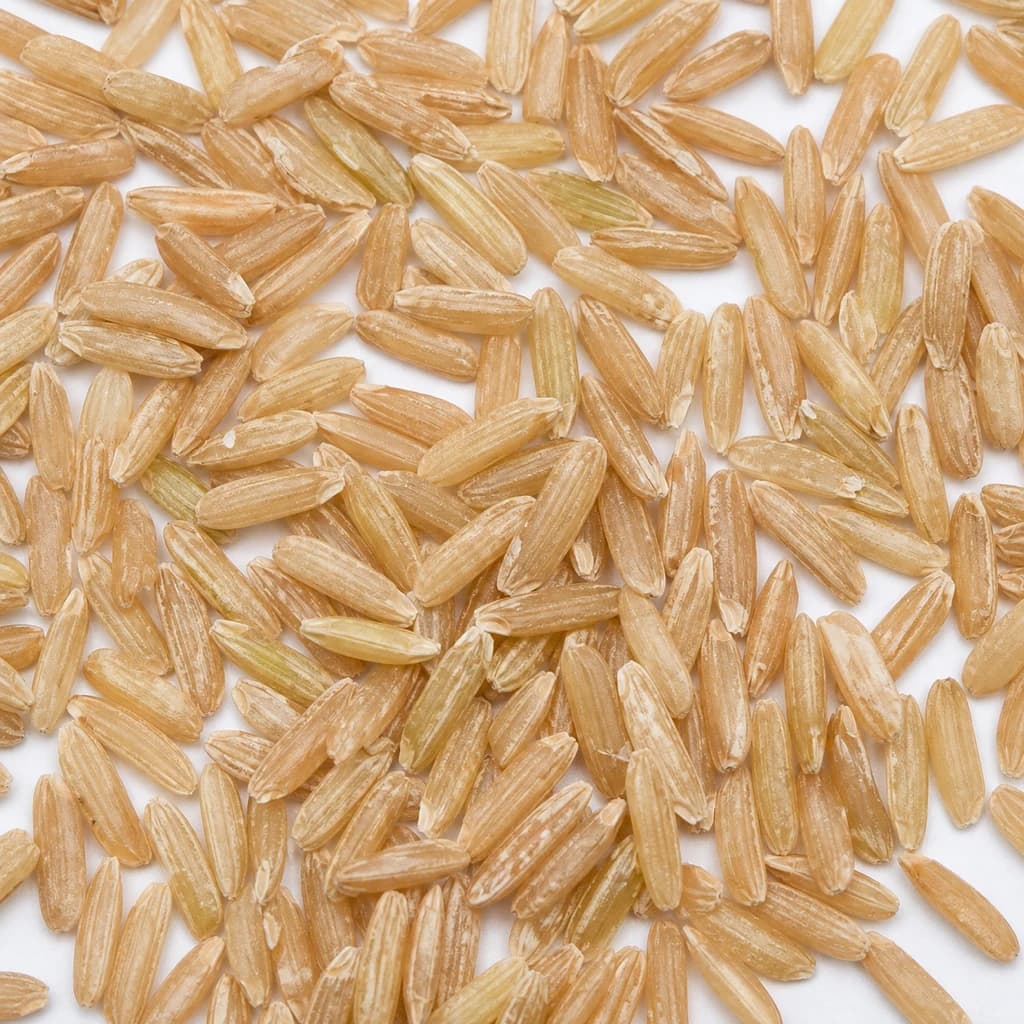
Nutty, whole-grain rice with chew and extra fiber

Basmati Rice
Fragrant, long-grain rice that cooks up light and separate
Jasmine Rice
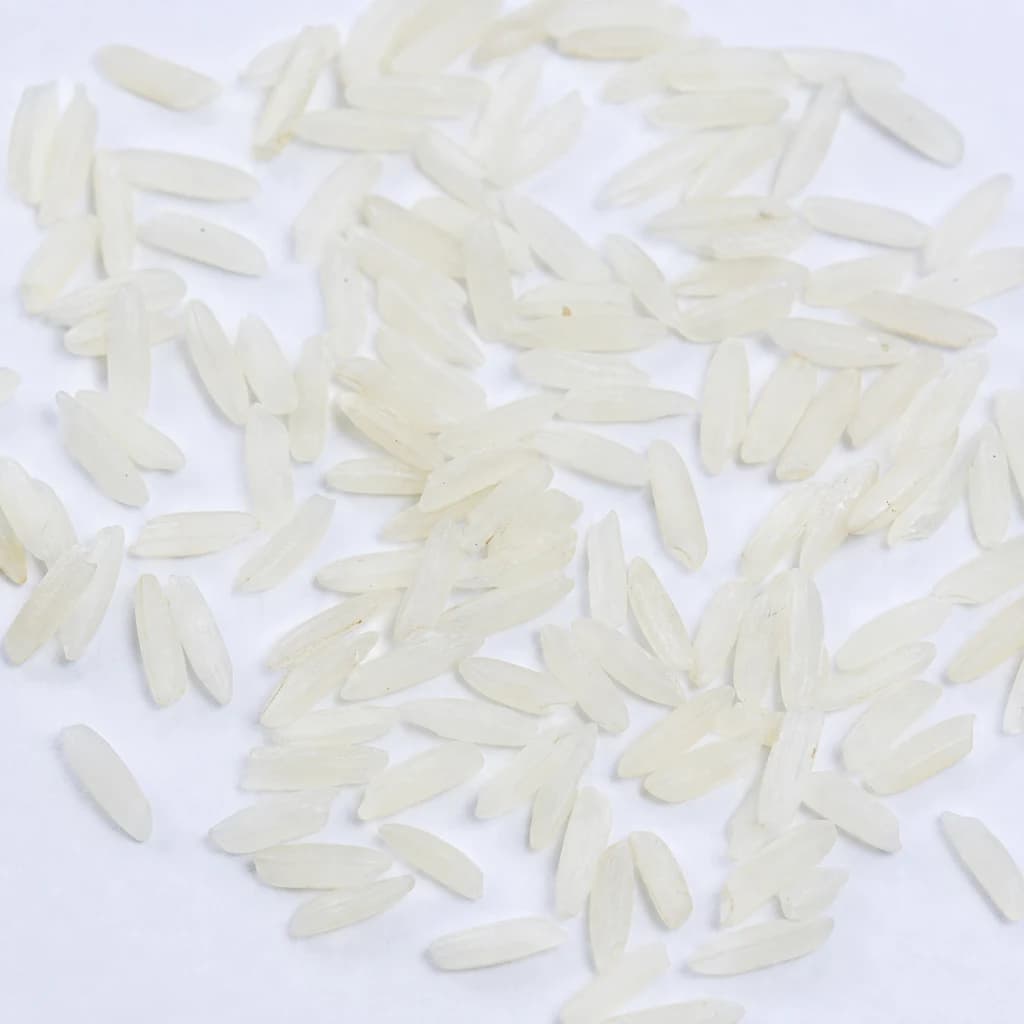
Soft, floral-scented rice that's the pillar of Thai meals
Arborio Rice
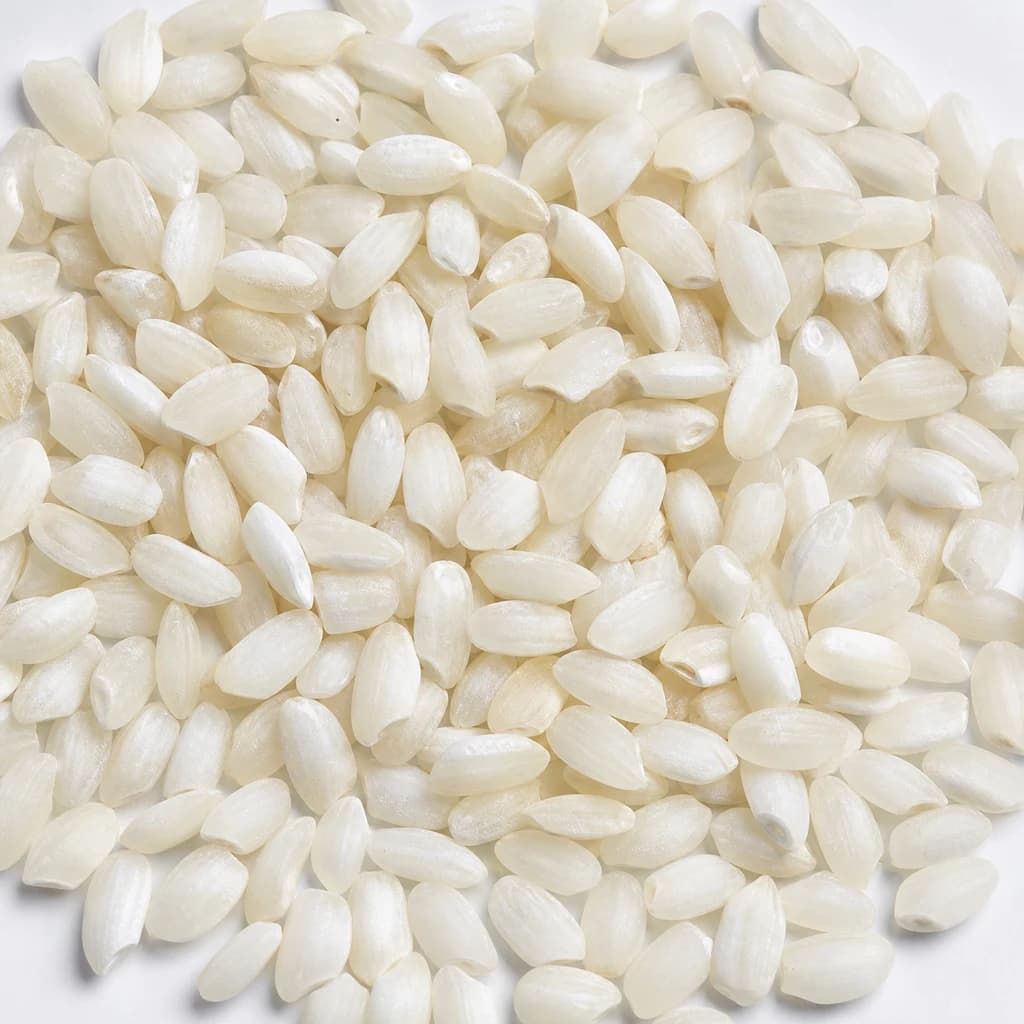
Plump, starchy rice that makes risotto creamy
Fusilli
Spiraled pasta that twirls up sauce and dresses cold salads
Rolled Oats
Hearty flakes for porridge, granola, and chewy cookies