Grains & Rice
Calrose Rice
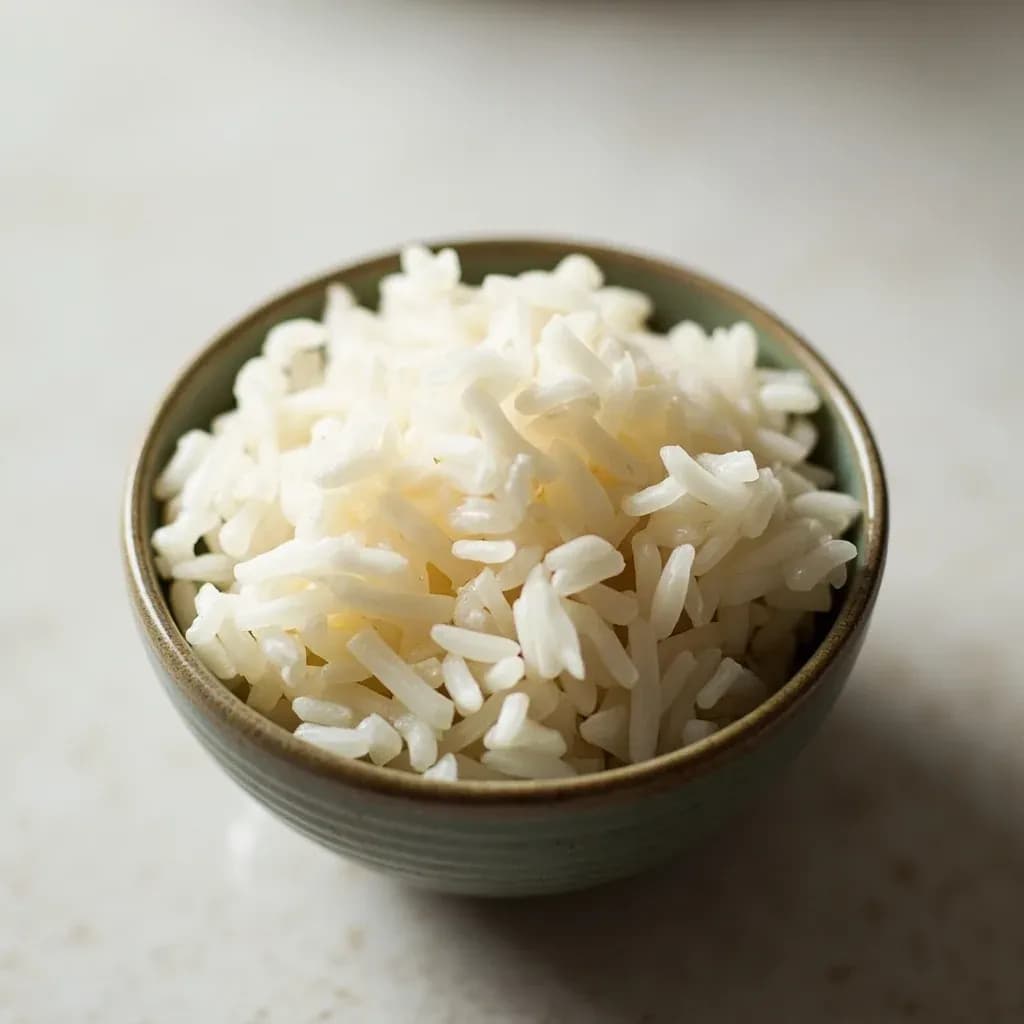
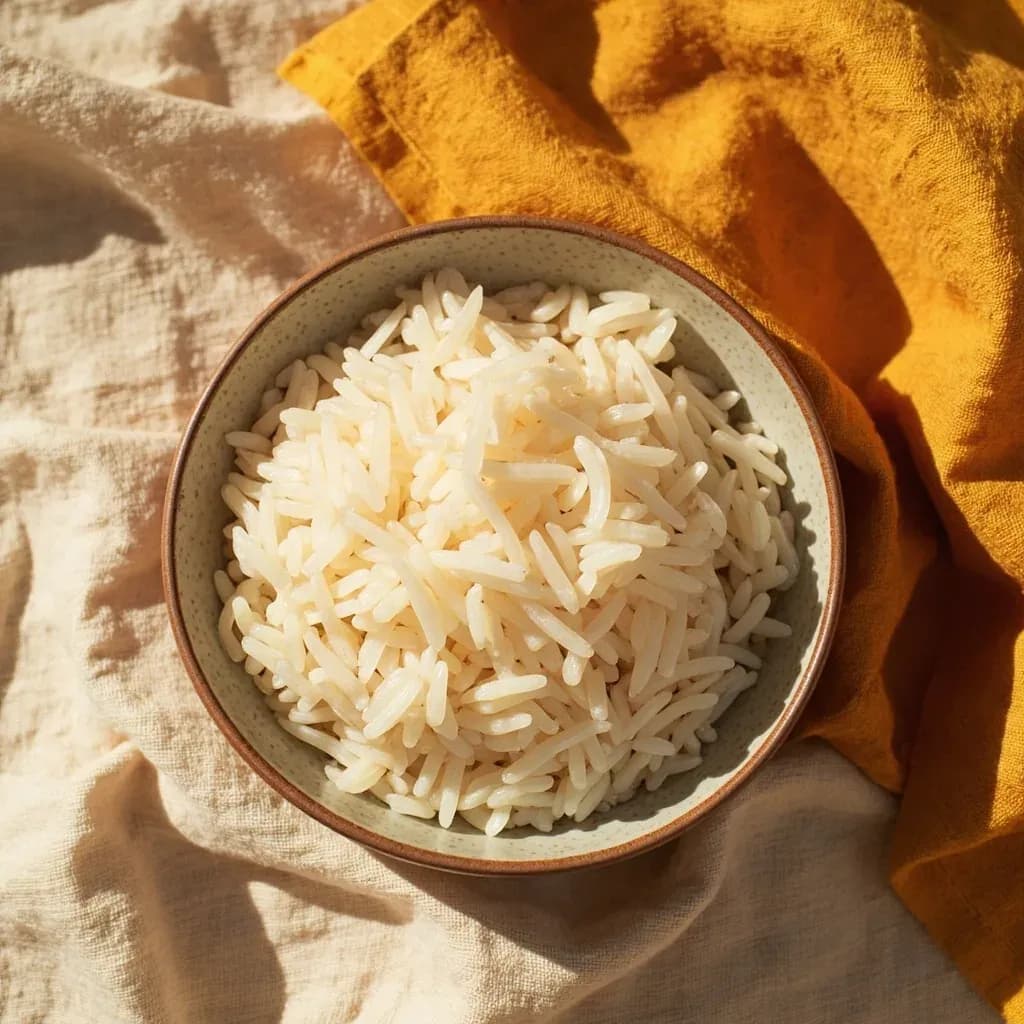
Medium-grain California rice that cooks tender and gently sticky, clumping enough for sushi-style bowls and onigiri while staying lighter than true short-grain.
Calrose is the medium-grain japonica rice that quietly runs the American side of the rice world. Developed at the Rice Experiment Station in Biggs, California (Butte County) and commercially released in the early 1950s, it was bred for the Sacramento Valley's hot days and cool nights, and it has since become the rice most U.S. sushi restaurants actually cook with. When a recipe calls for "sushi rice" in an American kitchen, it usually means Calrose.
What defines Calrose in the pot is its starch gel: higher in amylopectin than long-grain jasmine or basmati, so the grains cling when cooked, but lower in amylopectin than a true Japanese short-grain like Koshihikari, so they read as distinct kernels rather than fusing into a single sticky mass. Grains are plump, almost round at the ends, and roughly 5–6 mm long. The cooked texture is tender, slightly springy, and just sticky enough to hold a sushi roll or an onigiri without turning into a paste.
The practical appeal is forgiveness. Calrose tolerates a range of water ratios, recovers well from a minute or two of overcooking, and seasons predictably for sushi, bowls, and side dishes. It is the rice to reach for when you want the Japanese rice experience without hunting down imported short-grain, and it is forgiving enough to teach a new cook how rice actually behaves.
- Measured in
- g
- Storage
- Store Airtight In A Cool, Dry Pantry.
Find it in
Suits
Types & varieties
The original milled form: pearly white grains, soft and gently clinging when cooked.
Same variety with only the hull removed; chewier and nuttier, needs more water and longer cooking.
Improved 1976 release with higher yield and shorter stature; the dominant field line sold under the Calrose name today.
Calrose crossed with aromatic basmati-type lines; lighter, fluffier, with a faint popcorn-like aroma.
Sister California medium-grain often shelved beside Calrose; slightly softer and more tender.
Other California-bred medium-grain lines used in commercial Calrose-style rice.
Calrose vs. short-grain: why the difference matters
Calrose sits in a useful middle ground. True Japanese short-grain (Koshihikari, Akitakomachi, and most imports) has more amylopectin and a softer starch gel; cooked grains fuse into a glossy, almost sticky mass that Japanese-trained chefs prize for nigiri and shaped rice. Calrose, with slightly less amylopectin, gives you grains that cling but still read as individual kernels. For most American sushi rolls, rice bowls, and onigiri that difference is a feature, not a flaw: easier to season evenly, easier to bite through, less likely to feel gummy on the palate.
- Use short-grain when you want maximum cling and sweetness (traditional nigiri, dense onigiri).
- Use Calrose when you want sushi behavior with a lighter bite, plus versatility for non-sushi dishes.
- Use long-grain (jasmine, basmati) when you want fluffy, separate grains with no clumping at all.
Seasoning for sushi rice
Sushi rice is not a different grain; it is Calrose (or short-grain) dressed while still hot. The standard seasoning per 5 cups of cooked rice is about ¼ cup rice vinegar, 2 tablespoons sugar, and 1 teaspoon salt, warmed in a small saucepan just until the sugar dissolves. The hot rice is transferred to a wide bowl (a hangiri, or a wooden or metal mixing bowl), the seasoning is drizzled over, and the rice is folded and fanned simultaneously so it cools quickly, loses surface moisture, and takes on the glossy sheen sushi rice is known for. Do not stir vigorously; you want to coat each grain, not crush it.
- Warm the vinegar mixture so the sugar fully dissolves before it touches the rice.
- Fold with a cutting motion using a rice paddle or spatula; avoid circular stirring.
- Fan while folding; the airflow evaporates excess moisture so the rice sets up properly.
Cooking brown Calrose
Brown Calrose keeps the bran layer, so it behaves differently from the white version. It needs roughly 1¾ cups water per cup of rice, a 40–45 minute covered simmer, and a full rest. A 30-minute soak in cool water before cooking shortens the simmer and evens out the texture. Expect a chewier, nuttier grain that holds its shape even more than white Calrose, which makes it excellent for grain bowls and salads where you want definition.
- Soak 30 minutes in cool water, drain, then proceed with 1:1.75 rice-to-water.
- Simmer covered on the lowest heat for 40–45 minutes; do not lift the lid.
- Rest 10–15 minutes; fluff with a fork before serving.
Common uses
Tips & pitfalls
- Rinse in cool water until it runs nearly clear to remove loose surface starch and prevent gumminess.
- Use a 1:1.25 rice-to-water ratio by volume for tender but still distinct grains; go to 1:1.5 for a softer, more pudding-like result.
- Bring water and rice to a boil uncovered, then cover, drop to the lowest possible heat, and do not lift the lid for the full 15–20 minutes.
- Rest the cooked rice covered, off the heat, for 10–15 minutes so carryover steam finishes the grains and the surface firms up for shaping.
- Toast the dry grains in a dry pot for 1–2 minutes before adding water for a nuttier flavor and a slightly less sticky result.
- Avoid stirring during cooking; it ruptures grains and releases starch, turning the pot gluey.
- If grains split or the pot turns to mush, you likely used too much water or stirred too early—drop water by 2 tablespoons next time and resist peeking.
- Spread cooked rice on a sheet pan to cool quickly if you are holding it for fried rice; refrigeration for more than a day hardens the texture noticeably.
Nutrition
Energy
1515 kJ · per 100 g
Where the calories come from
Protein
7.5g
15% DV
Carbs
76.2g
28% DV
Fat
2.7g
3% DV
Fiber
3.4g
12% DV
Sodium
4mg
0% DV
Source · USDA FoodData Central · Rice, brown, medium-grain, raw (Includes foods for USDA's Food Distribution Program)
View on FDC →In the shops
Matched grocery products
No matched grocery products for Calrose Rice yet.
Good to know
- Type
- Medium-grain japonica rice
- Origin
- Developed at the Rice Experiment Station in Biggs, California (Butte County)
- Released
- 1948 (development); commercially released in the early 1950s
- Grain length (uncooked)
- Roughly 5–6 mm; plump with rounded ends
- Starch profile
- Higher amylopectin than long-grain; lower than true short-grain
- Yield
- 1 cup dry yields about 3 cups cooked
- Cook ratio
- 1 cup rice to 1¼–1½ cups water
- Cook time
- 15–20 minutes covered simmer, then 10–15 minutes rest off heat
- Storage (white)
- Airtight container, cool dry pantry, 6–12 months
- Storage (brown)
- Airtight container, 3–6 months; refrigerate or freeze to extend
- Major producer
- California's Sacramento Valley, supplying most U.S.-grown sushi rice
- Difficulty
- Beginner-friendly; forgiving water ratios and predictable texture
Substitutes
- Japanese short-grain rice — Stickier and slightly sweeter; the closest substitute, especially for sushi and onigiri.
- Koshihikari — Premium Japanese short-grain; more fragrant and noticeably stickier—use slightly less water.
- Arborio rice — Italian medium-grain with similar amylopectin; works for risotto-style dishes and creamy rice pudding.
- Other California medium-grain (e.g., Kokuho Rose) — A drop-in replacement with virtually identical behavior in any recipe.
- Carolina / 'Gold' style medium-grain — Southern U.S. medium-grain with comparable cling; cooks slightly looser.
- Pearl (glutinous/sweet) rice — Much stickier and chewier; only appropriate when you specifically want a very clingy, mochi-like texture.
Pairs with
Also called
calrose · medium-grain rice · california rice