Grains & Rice
Sushi Rice
Short-grain Japanese rice seasoned with rice vinegar — glossy and sticky, the base for sushi
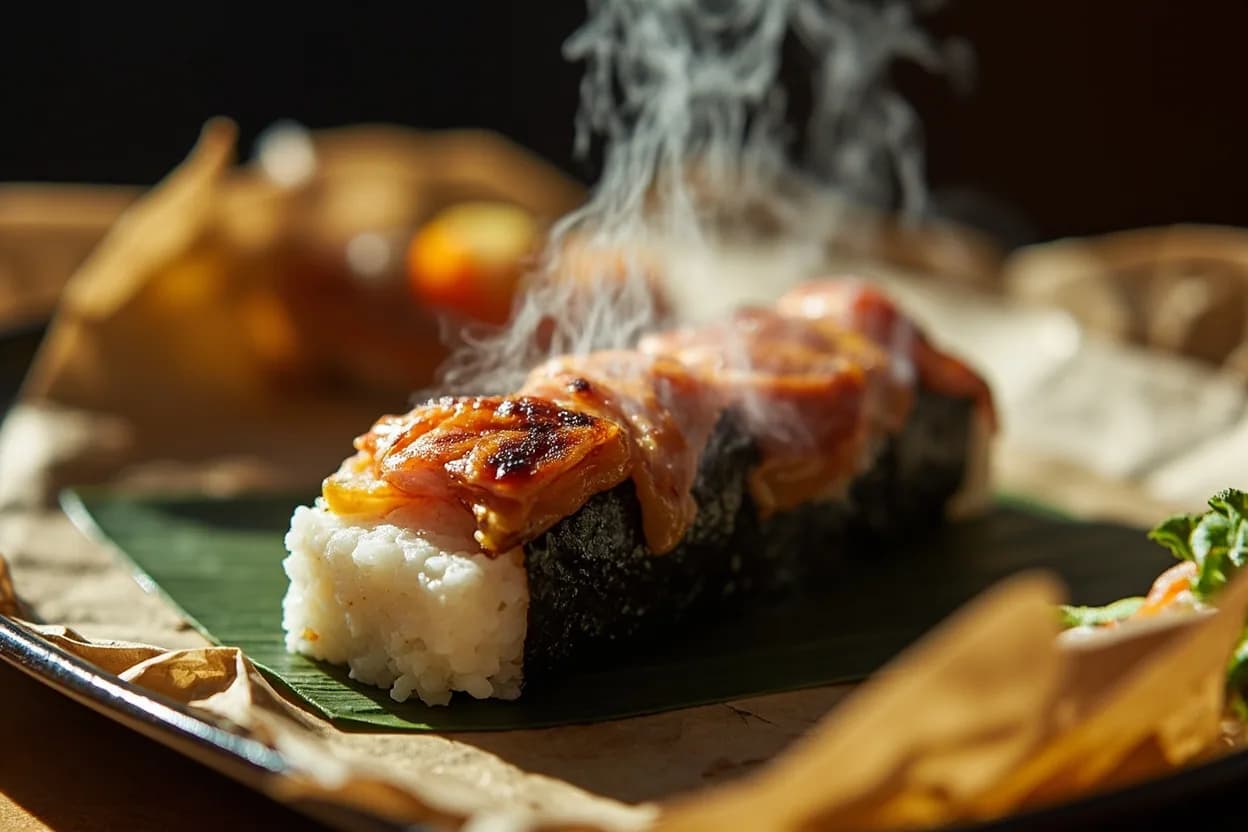
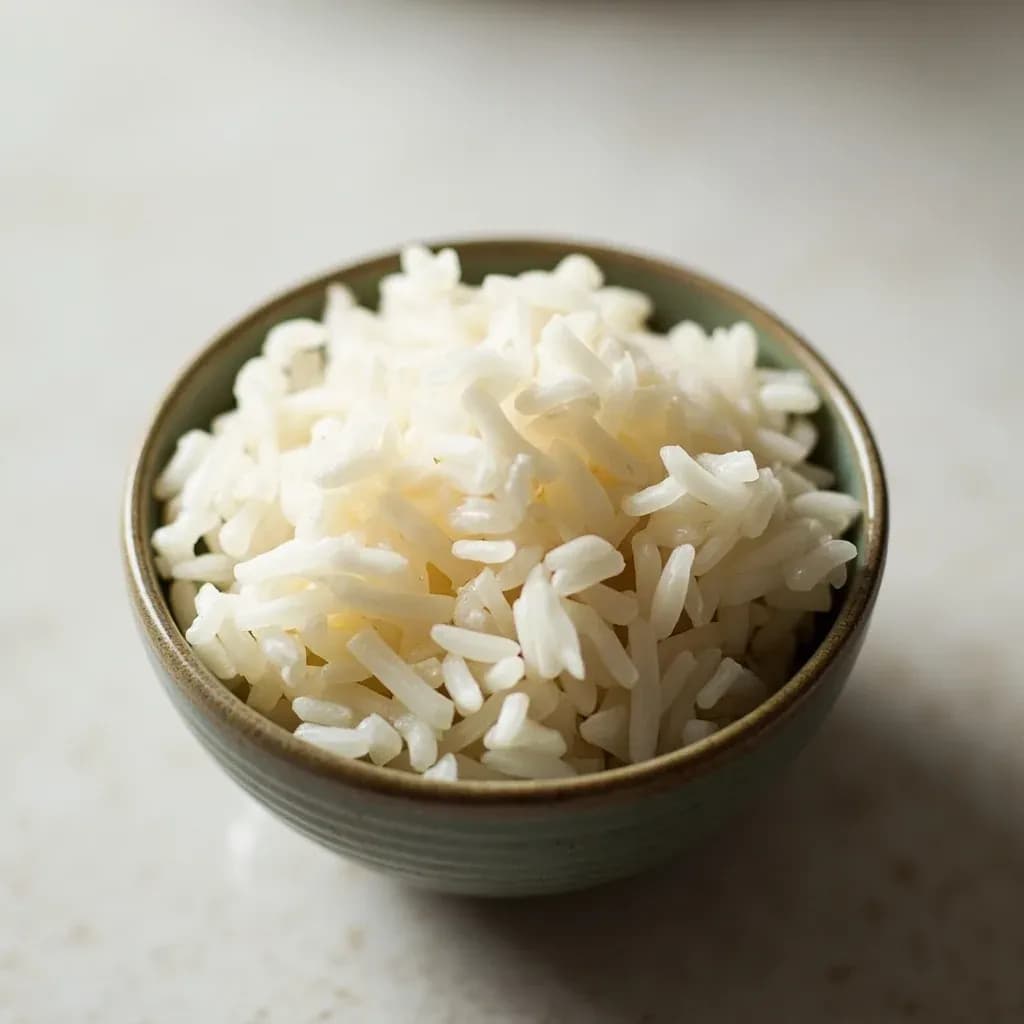
Sushi rice is the seasoned short- or medium-grain rice at the heart of Japanese sushi — in Japanese, shari (しゃり) or sushi-meshi. Unlike plain steamed rice, it is finished with sushi-zu, a warm mixture of rice vinegar, sugar, and salt folded into the rice while it is still steaming. The starch content and plump shape of short-grain Japanese rice is what allows the finished rice to bind lightly into bite-sized pieces without turning to mush, which is why long-grain and jasmine rice fail at the job no matter how they are seasoned.
The seasoning does more than flavor the rice. The vinegar's acidity brightens the rice and helps inhibit bacterial growth on raw fish toppings; the sugar carries the vinegar and rounds it out; the salt sharpens both. Most chefs work from a baseline of roughly 60 ml rice vinegar, 2 tablespoons sugar, and 1 teaspoon salt per 500 g of uncooked rice, then adjust to taste and to the season — winter rice tends to want slightly more sugar, summer rice a touch more salt. Some cooks enrich the sushi-zu with a splash of sake or a strip of kombu for rounder flavor, and brown sushi rice is seasoned with extra sugar to balance the bran.
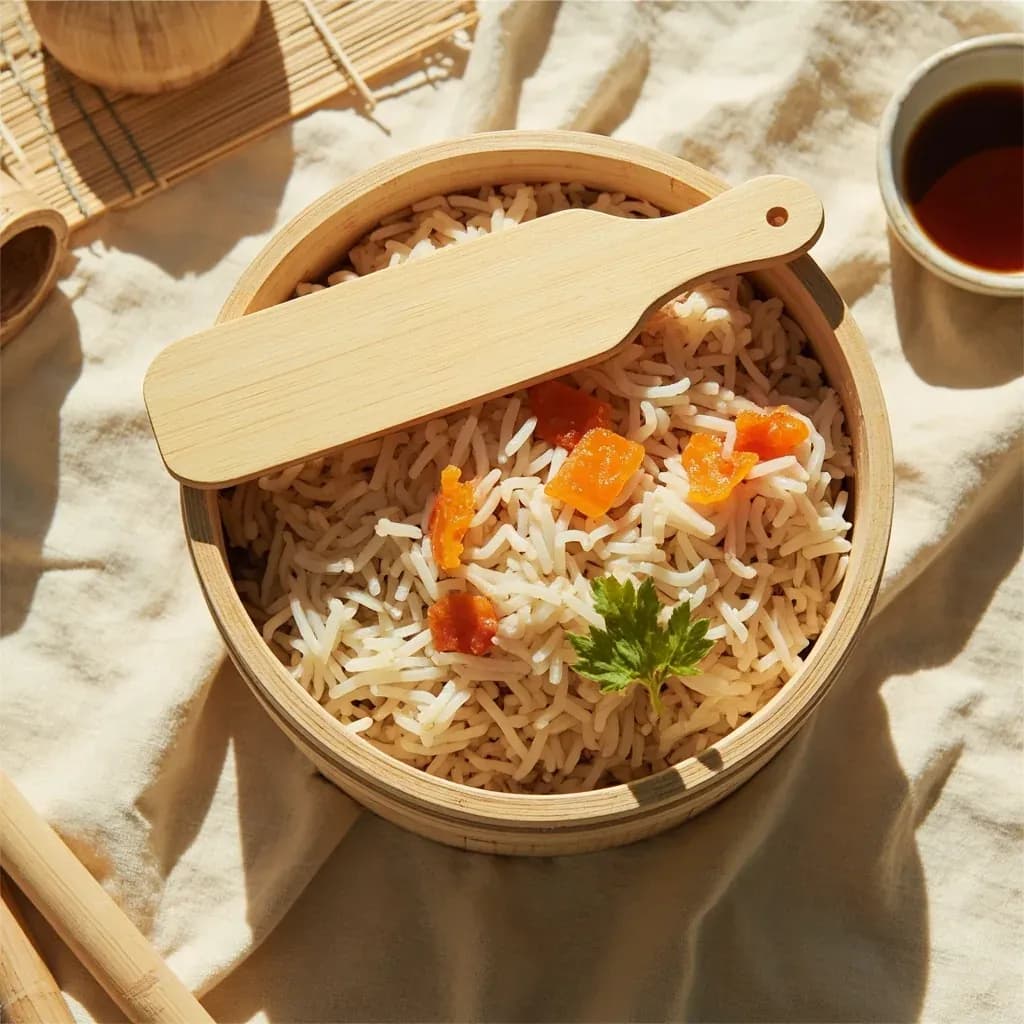
The handling is as defining as the recipe. While folding in the sushi-zu with a flat paddle (shamoji), the cook fans the rice with a paper uchiwa or an electric fan on low to drive off surface moisture and give each grain a translucent, lacquered sheen called kiresu. The rice is then held at body temperature under a damp cloth and used within hours — never refrigerated, which hardens the starch and dulls both flavor and texture. This practice of seasoning cooked rice and serving it warm developed in Edo (Tokyo) in the early 1800s, credited to Hanaya Yohei, and is what distinguishes modern nigiri-style sushi from the older, fermented narezushi it descended from.
- Measured in
- g
- Storage
- Pantry
Find it in
Suits
Types & varieties
The benchmark premium short-grain rice; fragrant, slightly sweet, the standard at serious sushi counters
Northern Japanese short-grain; slightly firmer and less clingy than Koshihikari, popular for everyday sushi rice
Lighter, drier grain favored in Tohoku and by chefs who want a more delicate, less sticky bite
Soft, glossy, mildly sweet short-grain from Miyagi; a forgiving choice for home cooks
Modern hybrid bred for consistent quality and yield; widely used in restaurants and supermarkets across western Japan
California medium-grain; the most widely available substitute outside Japan — stickier than long-grain but looser than true Japanese short-grain
Imported seedstock grown abroad; closer to true sushi rice texture than Calrose
The Sushi-zu: Building the Seasoning
A good sushi-zu is made by gently warming the rice vinegar with the sugar and salt just until both dissolve — never boiling, which dulls the vinegar's perfume. The warm mixture is then poured over the rice in a thin stream while the rice is still steaming, so each grain absorbs it evenly. Most chefs work from a baseline of 60 ml unseasoned rice vinegar, 2 tablespoons sugar, and 1 teaspoon fine salt per 500 g uncooked rice, then adjust by season and by grain: a touch more sugar in winter when rice tastes drier, a touch more salt in humid summer months, and slightly less sugar on a naturally sweet variety like Koshihikari.
- Dissolve the sugar and salt in the vinegar over low heat; do not let it boil or the vinegar will lose its brightness.
- Aim for 60 ml vinegar : 2 tbsp sugar : 1 tsp salt per 500 g uncooked rice as a starting point, then taste and adjust.
- Add a tablespoon of sake or a 5-cm piece of kombu while warming for rounder, more savory flavor; strain before using.
- Use unseasoned (plain) rice vinegar when you want full control; pre-seasoned sushi vinegar already contains sugar and salt, so reduce or skip those.
- Fine sea salt or kosher salt dissolves cleanly; coarse table salt will leave undissolved grains on the rice.
Holding and Using Sushi Rice
Real sushi counters keep rice at body temperature under damp cloths and assemble each piece to order, often finishing a batch within two hours. The vinegar slows bacterial growth modestly, but sushi rice is still perishable and should be treated with more care than plain cooked rice. If you must pause, keep the rice in its hangiri or a covered ceramic bowl with a wrung-out damp towel pressed directly onto the surface, in the coolest spot of the kitchen. Never refrigerate — the starch retrogrades, the grains harden, and the vinegar note flattens. If rice stiffens during a long hold, fold in a few drops of extra sushi-zu and warm briefly; microwaving does not restore the lost sheen.
- Press a damp (not wet) cloth directly onto the surface of the rice, not just over the bowl, to prevent a dry skin from forming.
- Plan to use the rice within 2–4 hours of seasoning; do not hold it overnight.
- If the rice stiffens, revive with a few drops of sushi-zu folded in gently — do not microwave dry, which toughens the grains.
- Refrigerate only finished sushi (with fish or fillings), not the bare rice, and consume within hours.
- For lunchboxes or next-day use, switch formats: shape the rice into onigiri (where a slightly firmer bite is fine) rather than serving it as nigiri.
Common uses
Tips & pitfalls
- Rinse the rice until the water runs nearly clear (usually 4–5 changes); leftover surface starch is the most common cause of gummy, dull sushi rice.
- Soak the rinsed rice 20–30 minutes before cooking so the grains hydrate evenly — uneven soaking is what gives you partly hard, partly mushy results.
- Season the rice while it is still steaming hot; cold rice will not absorb the sushi-zu evenly and you will end up with pools of vinegar and bland spots.
- Pour the seasoning in a thin stream and fold with a cutting-and-lifting motion using a flat wooden paddle (shamoji); never stir or press, which smashes the grains into paste.
- Fan the rice continuously while you fold (an uchiwa or an electric fan on low works). The airflow drives off surface moisture and gives each grain its translucent sheen, called kiresu — without fanning, the rice stays wet and matte.
- Use a hangiri (flat wooden tub) or a wide glass or ceramic bowl; metal bowls react subtly with vinegar and also chill the rice faster than you want.
- Hold finished rice covered with a wrung-out damp cloth and use it within 2–4 hours; never refrigerate — refrigeration hardens the starch and mutes the vinegar.
- Wet your hands with te-zu (water with a splash of rice vinegar) when shaping nigiri so the rice releases cleanly without sticking or dulling the flavor.
- Common pitfalls to avoid: using long-grain or jasmine rice (will not bind), adding vinegar to the raw rice in the pot instead of to the cooked rice (it evaporates and gives no flavor), over-mixing until the rice is mashed, and chilling the finished rice in the fridge.
Nutrition
Energy
1536 kJ · per 100 g
Where the calories come from
Protein
7.5g
15% DV
Carbs
76.3g
28% DV
Fat
3.2g
4% DV
Fiber
3.6g
13% DV
Sugars
0.7g
of which
Sodium
5mg
0% DV
Source · USDA FoodData Central · approx. Rice, brown, long-grain, raw (Includes foods for USDA's Food Distribution Program)
View on FDC →In the shops
Matched grocery products
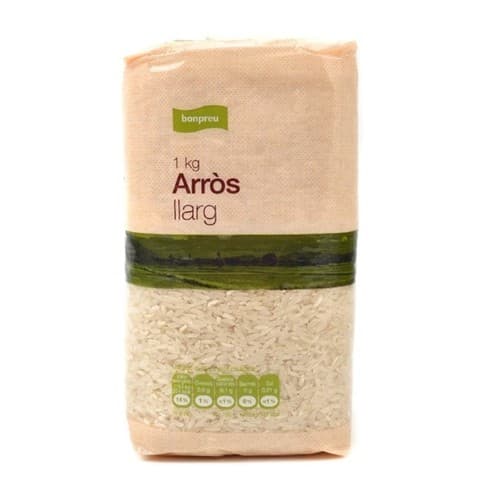 €1.19
€1.19Long Grain Rice
BONPREU · kg · Bonpreu
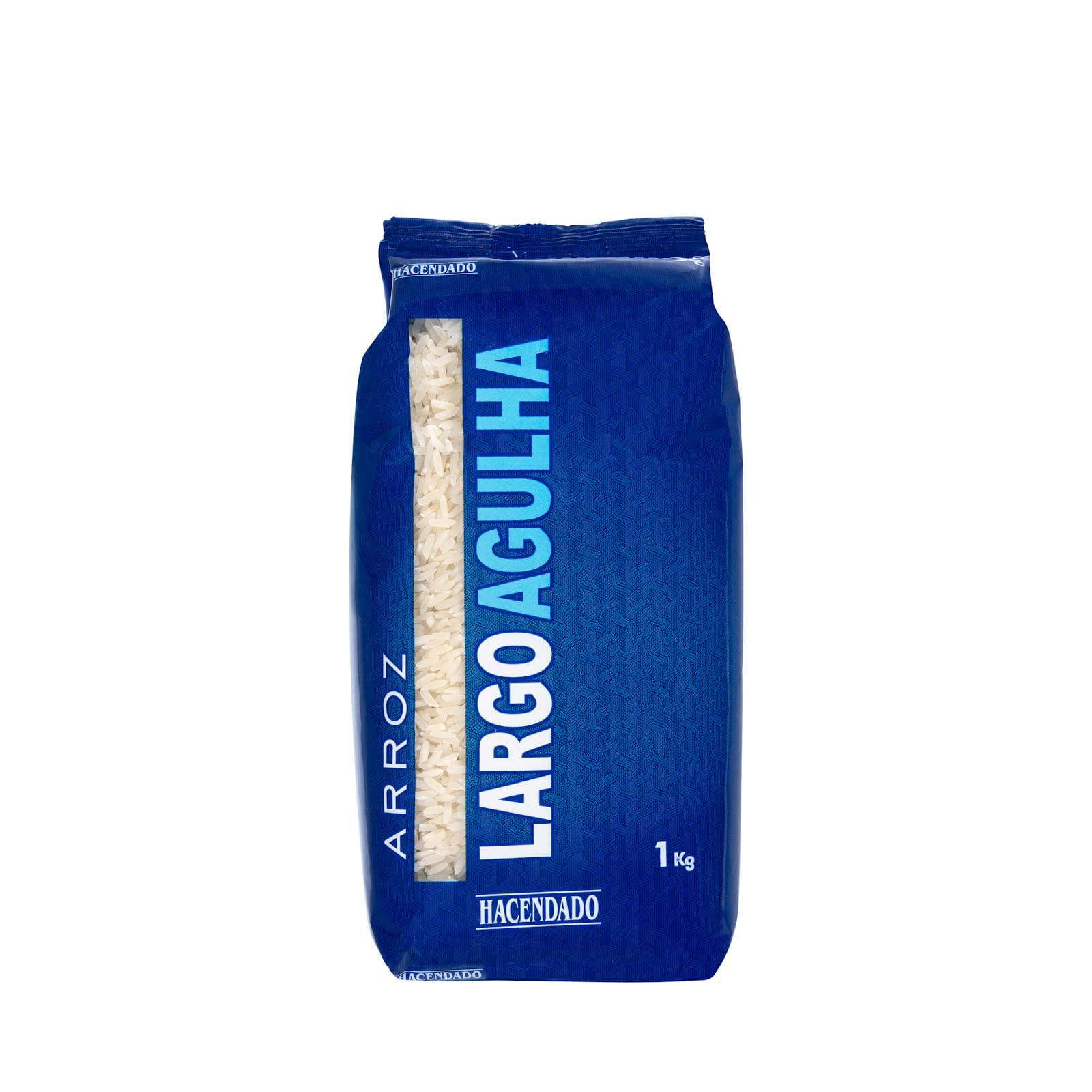 €1.25
€1.25Long Grain Rice
Hacendado · 1 kg · Mercadona
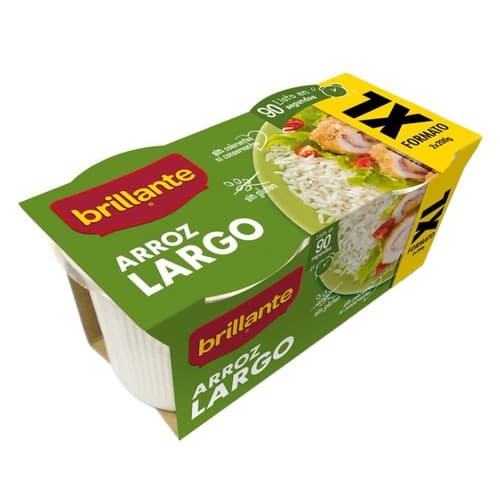 €1.95
€1.95Brillante XL Long Grain Rice
BRILLANTE · kg · Bonpreu
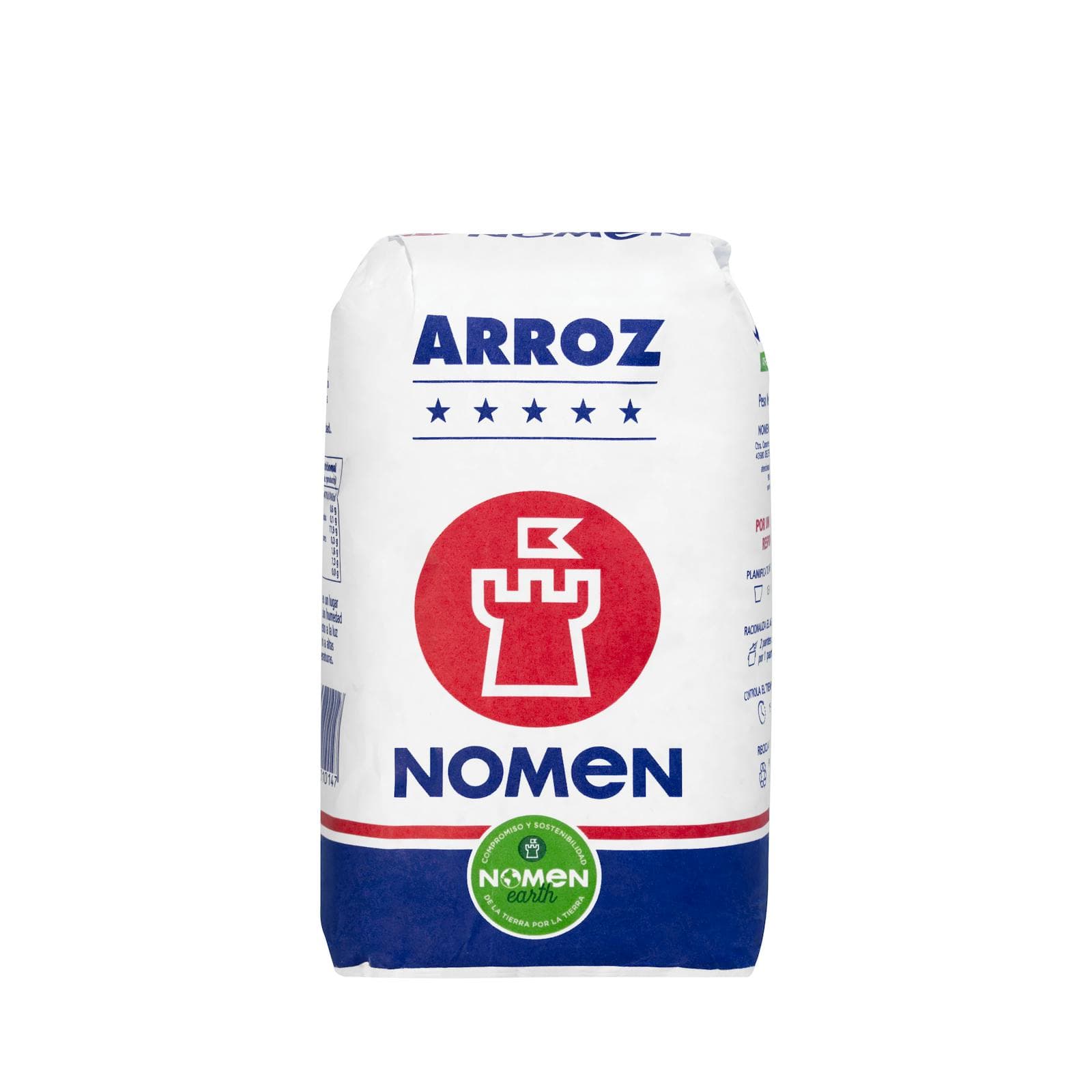 €1.89
€1.89Nomen Rice
Nomen · 1 kg · Mercadona
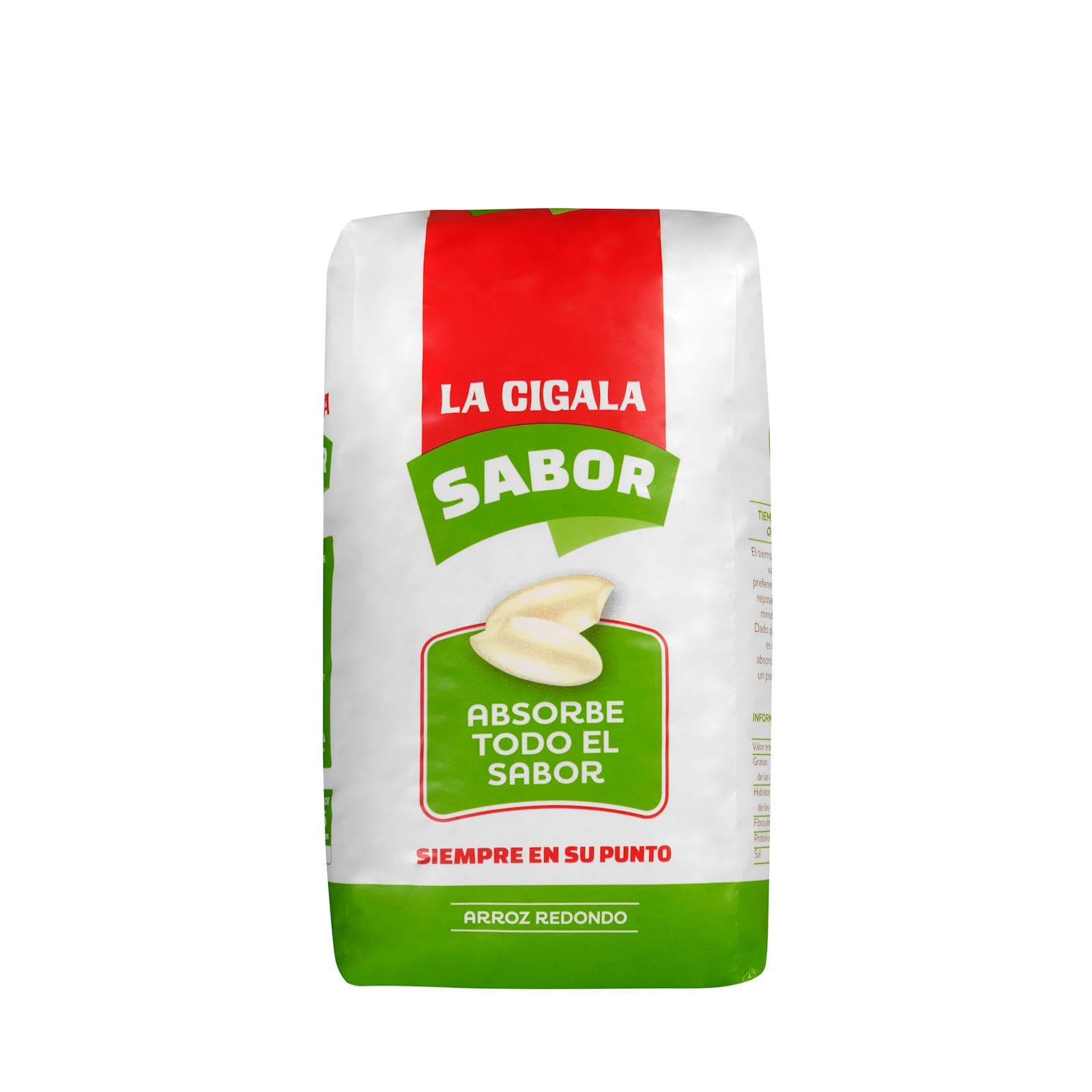 €2.45
€2.45Round Rice Sabor
Sabor · 1 kg · Mercadona
 €1.30
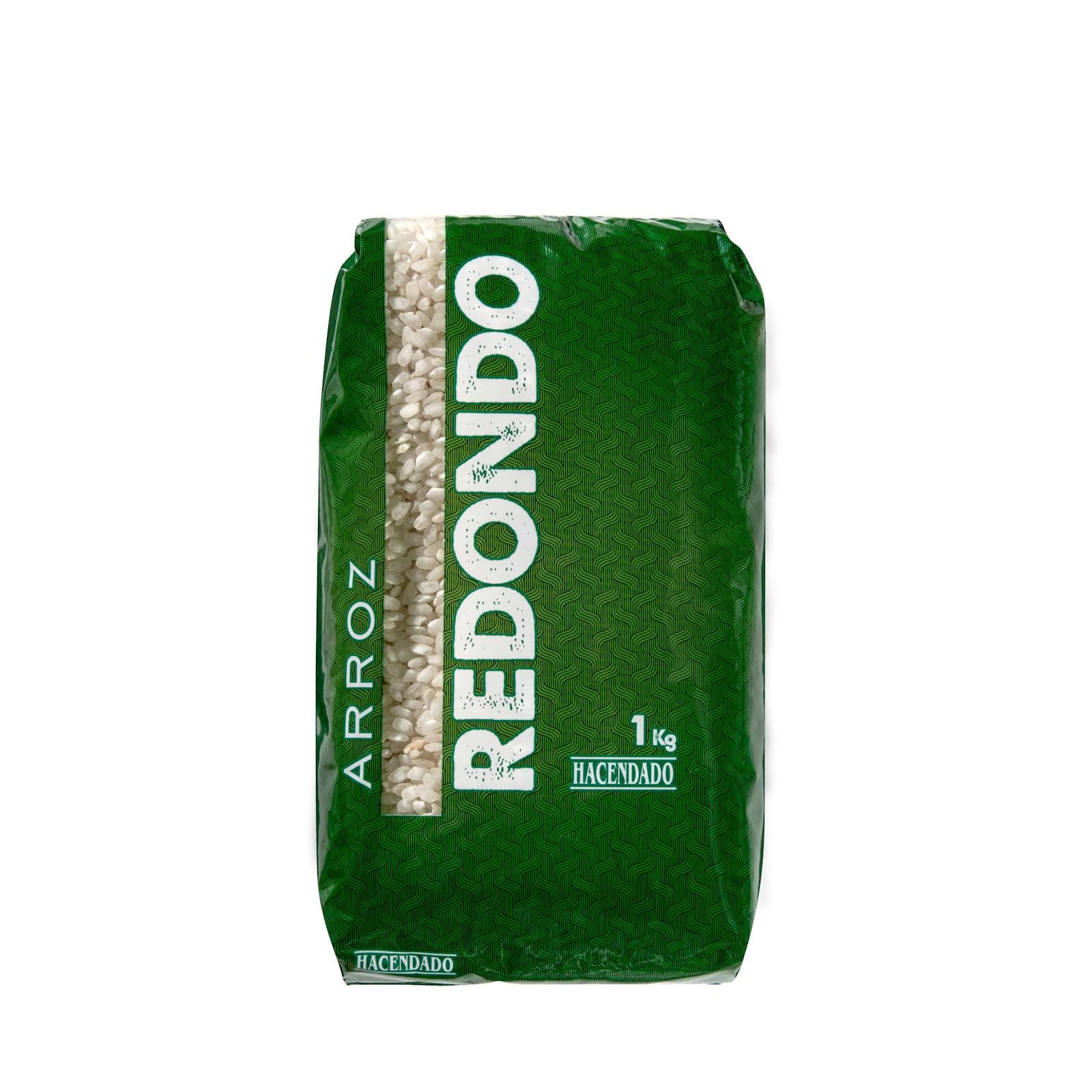
€1.30Round Rice
Hacendado · 1 kg · Mercadona
Good to know
- Japanese name
- Shari (しゃり) in the sushi context; the seasoned rice more generally is sushi-meshi (寿司飯)
- Base grain
- Short- or medium-grain Japanese-style white rice
- Seasoning
- Rice vinegar (kome-zu), sugar, and salt — together called sushi-zu
- Typical seasoning ratio
- About 60 ml rice vinegar + 2 tbsp sugar + 1 tsp fine salt per 500 g uncooked rice
- Rice-to-water ratio
- Roughly 1:1 to 1:1.1 by volume; slightly firmer than plain table rice
- Ideal serving temperature
- Body temperature (around 35–40°C / 95–104°F); never chilled
- Hold time
- Best within 2–4 hours of seasoning; keep covered with a damp cloth, never refrigerated
- Origin
- Japan; the vinegar-seasoned form became standard in Edo-period Tokyo in the early 1800s
Substitutes
- Plain short-grain white rice (unseasoned) — Acceptable when the rice is a vehicle for very strongly flavored toppings or sauces; not a substitute for true sushi rice on its own
- Calrose medium-grain rice (unseasoned) — Easier to find in North America; stickier than long-grain but looser than Japanese short-grain — season it identically with sushi-zu
- Brown short-grain rice — Nutty and chewier; needs longer soaking and cooking, and a touch more sugar in the sushi-zu to balance the bran
- Sticky (glutinous) rice — Too soft and sweet for traditional sushi, but workable in fusion rolls or dessert-style sushi where a mochi-like bite is desired
- Well-cooked, cooled quinoa — Gluten-free, protein-rich alternative for sushi bowls; will not bind like rice, so press it onto nori with extra care
Pairs with
Also called
shari · sumeshi · seasoned rice · su-meshi