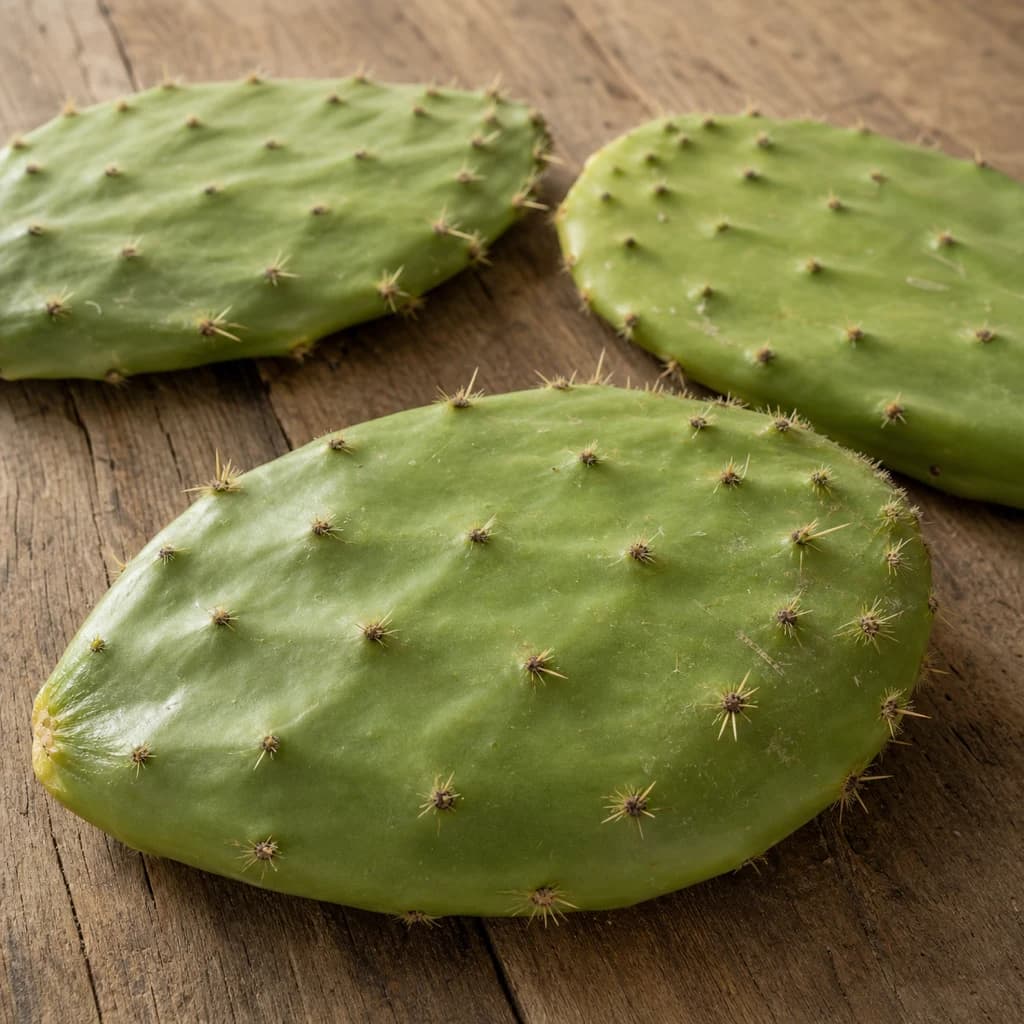
Natural form
Fresh nopal paddles with spines intact, showing their distinctive oval shape and pale-green surface.
Shows the ingredient in its unprocessed state so readers can recognize it at a market or in the wild.
Produce
Nopal Cactus Paddle
Edible prickly-pear cactus pad with a tangy, green-bean-like flavor.
Nopal is the flat fleshy pad of the prickly pear cactus, with spines removed before use. It has a tart, slightly mucilaginous texture and a flavor between green bean and asparagus, grilled, diced into salads, scrambled with eggs or stewed in Mexican cooking. The pads are trimmed and de-spined, then cooked to reduce their sticky sap.
The nopal cactus paddle is the edible stem of the Opuntia ficus-indica cactus, a staple of Mexican and Central American cooking that dates to pre-Columbian civilizations. The Aztecs cultivated it extensively, and the word itself comes from the Nahuatl nōpalli. The pad is a marvel of plant engineering: thick, water-storing flesh covered in a waxy skin, with tiny barbed glochids (not just visible spines) that require careful removal before cooking. Once cleaned, the paddle behaves like a vegetable with green-bean firmness when young and a mildly artichoke-like flavor that brightens any dish. Its mucilaginous quality—releasing a slightly sticky liquid when cut or cooked—is not a flaw but a characteristic the plant uses for thickening, and some preparations deliberately exploit it. In the United States, fresh nopales are increasingly available in produce sections near specialty vegetables, and most commercially sold pads are pre-cleaned, making them far more approachable than their wild counterparts.
The nopal's culinary personality shifts with age. Young pads, harvested at one to three months and measuring four to six inches, are tender enough to eat raw in salads or quick-cooked on a grill. Mature pads, six months or older, develop thicker skin, tougher flesh, and more pronounced mucilage—better suited to long-simmered soups where their thickening power is an asset. Fresh young pads should squeak faintly when bent, a reliable indicator of tenderness. The flavor is tangy and slightly tart, with vegetal notes that balance well against rich proteins, bright citrus, and bold chiles. Used throughout Mexican regional cooking—from tacos and breakfast plates to simmered stews—nopales are versatile, nutritious, and deserving of a place beyond Mexican restaurants.
Handling nopales requires one essential discipline: spine removal. Even commercially sold, pre-cleaned pads can harbor microscopic glochids that irritate skin. The flame-torch method is fastest: hold the pad with long tongs over an open gas flame (or use a kitchen torch), rotating until all spines are burned away and the surface is lightly charred. Follow with a dry scrub using a kitchen towel to remove ash and remaining glochids. Alternatively, shave both faces carefully with a sharp knife. Always use tongs—never bare hands—when handling raw pads.
- Measured in
- piece
- Storage
- Fridge
Types & varieties
Spine and Glochid Removal
This step is non-negotiable. Glochids are tiny barbed spines invisible to the naked eye that embed in skin and cause irritation. Hold the pad with long tongs over a gas flame, rotating continuously until all spines are burned away and the surface is lightly charred. Immediately scrub with a dry kitchen towel to remove ash and remaining glochids. Alternatively, use a sharp knife to carefully shave both flat faces, working from the center outward. Commercial pre-cleaned pads still warrant a quick flame pass and towel scrub as a precaution.
- Use long tongs—never bare hands—for handling raw pads
- A kitchen torch works well for small batches
- Pat pads completely dry after cleaning before storage
- Even pre-cleaned commercial pads benefit from a brief flame treatment
Cooking Behavior
Nopales release a sticky, slightly viscous liquid when cut or cooked—this is mucilage, a natural thickening agent in the plant. Young pads cooked briefly (5–8 minutes) retain a tender-crisp texture and mild flavor. Extended cooking (15+ minutes) intensifies both the mucilage and the tangy taste, breaking down the flesh into a softer, more cohesive texture. This behavior is intentional in some preparations like soups and stews, where nopales contribute body. For dishes where you want distinct pieces—grilled sides, sautéed strips, salads—cook nopales separately first, then add them to the final dish.
- 5–8 minutes of sautéing or grilling preserves tender-crisp texture
- Cook nopales separately before adding to soups to prevent pot-wide thickening
- Mature pads produce more mucilage than young pads
- The mucilaginous quality is not a flaw—it is an intentional characteristic
Common uses
Tips & pitfalls
- Always use tongs when handling fresh pads—glochids can embed in skin and cause irritation even on seemingly smooth specimens
- The flame-torch method (holding pad with tongs over gas flame) is the fastest and most thorough way to eliminate all spines and glochids; follow immediately with a dry scrub
- Taste a raw sliver before cooking—if it is very bitter or tough, the pad is too mature; discard and select smaller, more tender pads
- Do not overcook: 5–8 minutes of sautéing or grilling preserves the characteristic tender-crisp texture; prolonged cooking produces a mushy, overly mucilaginous result
- Cook nopales separately before adding to soups or stews to prevent the mucilaginous liquid from thickening the entire pot
- Pat dried cooked nopales before grilling to prevent sticking and achieve proper char marks
- Fresh young pads should squeak slightly when bent—the audible creak indicates proper freshness and tenderness
- When purchasing pre-cleaned commercial pads, do a quick flame pass and scrub anyway as insurance against remaining glochids
Nutrition
Energy
67 kJ · per 100 g
Where the calories come from
Protein
1.3g
3% DV
Carbs
3.3g
1% DV
Fat
0.1g
0% DV
Fiber
2.2g
8% DV
Sugars
1.2g
of which
Sodium
21mg
1% DV
Source · USDA FoodData Central · Nopales, raw
View on FDC →In the shops
Matched grocery products
No matched grocery products for Nopal Cactus Paddle yet.
Good to know
- Scientific name
- Opuntia ficus-indica and other Opuntia species
- Origin
- Mexico and Central America; now cultivated worldwide in arid and semi-arid regions
- Season
- Year-round in warm climates; peak harvest is spring through early summer
- Flavor
- Tangy and slightly tart; vegetal with green-bean and artichoke-heart notes
- Typical size
- 4–12 inches long, 3–8 inches wide; smaller pads (under 6 inches) are most tender
- Fresh texture
- Firm and fleshy, slightly yielding when young; becomes mucilaginous when cooked
- Storage (fresh)
- Refrigerate unwashed in a plastic bag for up to 2 weeks; pat dry before storing
- Storage (cooked)
- Refrigerate in an airtight container for 3–4 days
- Spine removal
- Mandatory; use tongs to hold pad over open flame or torch until glochids burn off, then scrub with a towel; alternatively, shave with a sharp knife
- Yield
- Nearly 100% yield after trimming and spine removal
Substitutes
- Green beans — Closest texture match; use steamed or sautéed green beans in equal proportion
- Okra — Similar mucilaginous quality when cooked; works well in soups and stews
- Chard stems — Comparable firmness and mild vegetal flavor; best in cooked preparations
Pairs with
Also called
Nopal · Nopales · Cactus Paddle · Prickly Pear Pad
Related
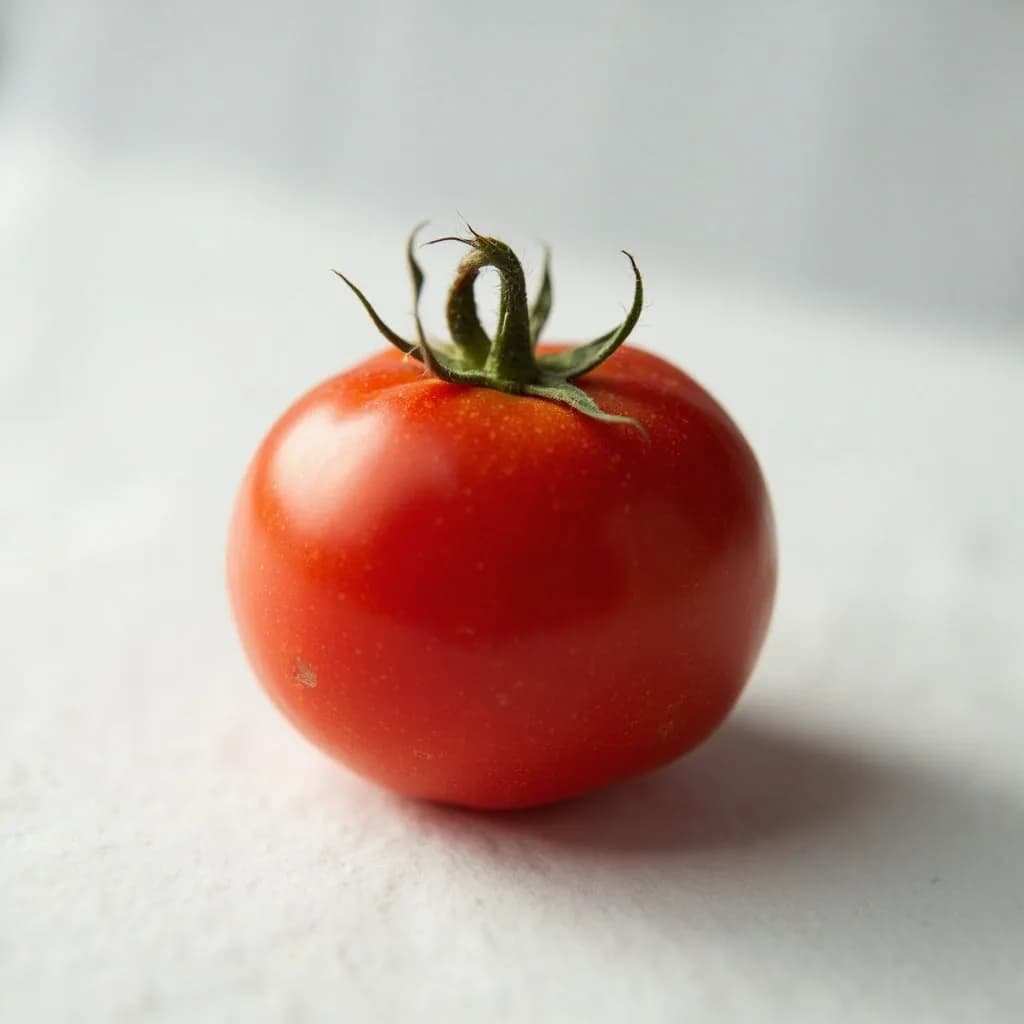
Tomato
Juicy, sun-sweet fruit for sauces, salads, and slow-cooked depth
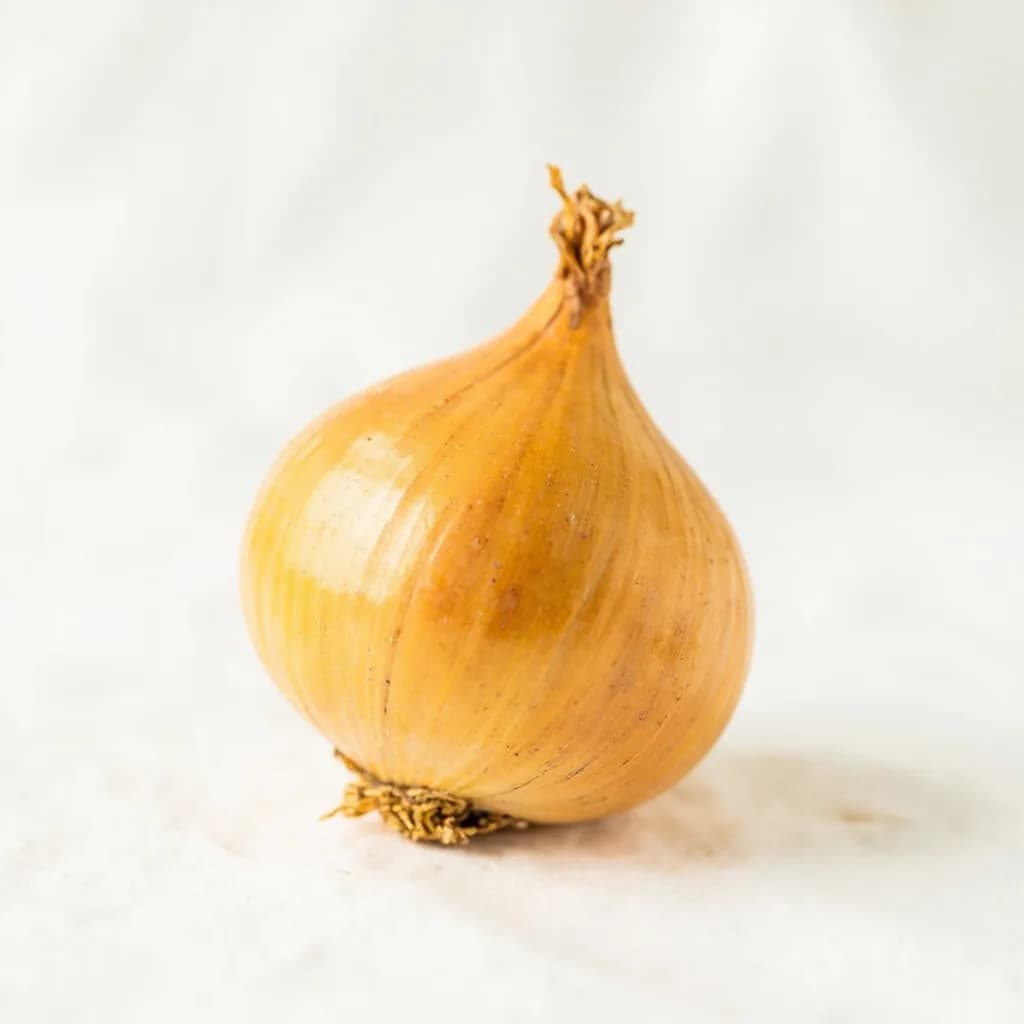
Yellow Onion
The aromatic backbone of soups, sofritos, and braises
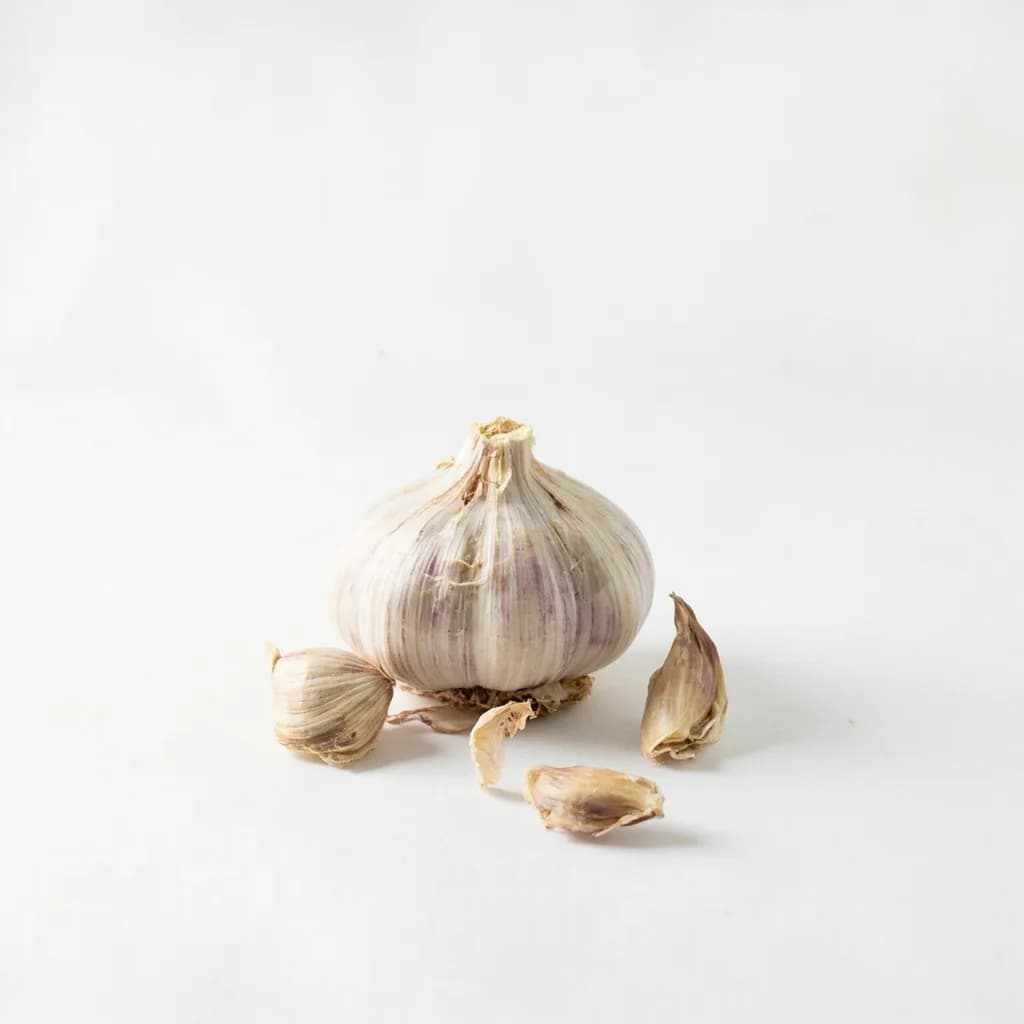
Garlic
Pungent cloves that perfume nearly every savory dish
Lemon
Bright, acidic citrus that wakes up almost any dish
Potato
Humble, hearty staple — roast, mash, fry, or boil
Carrot
Sweet, crunchy root — raw, roasted, or the base of a sofrito
Cucumber
Cool, crisp, and watery — for salads, pickles, and tzatziki

Lettuce
Crisp leaves for salads, wraps, and a fresh crunch