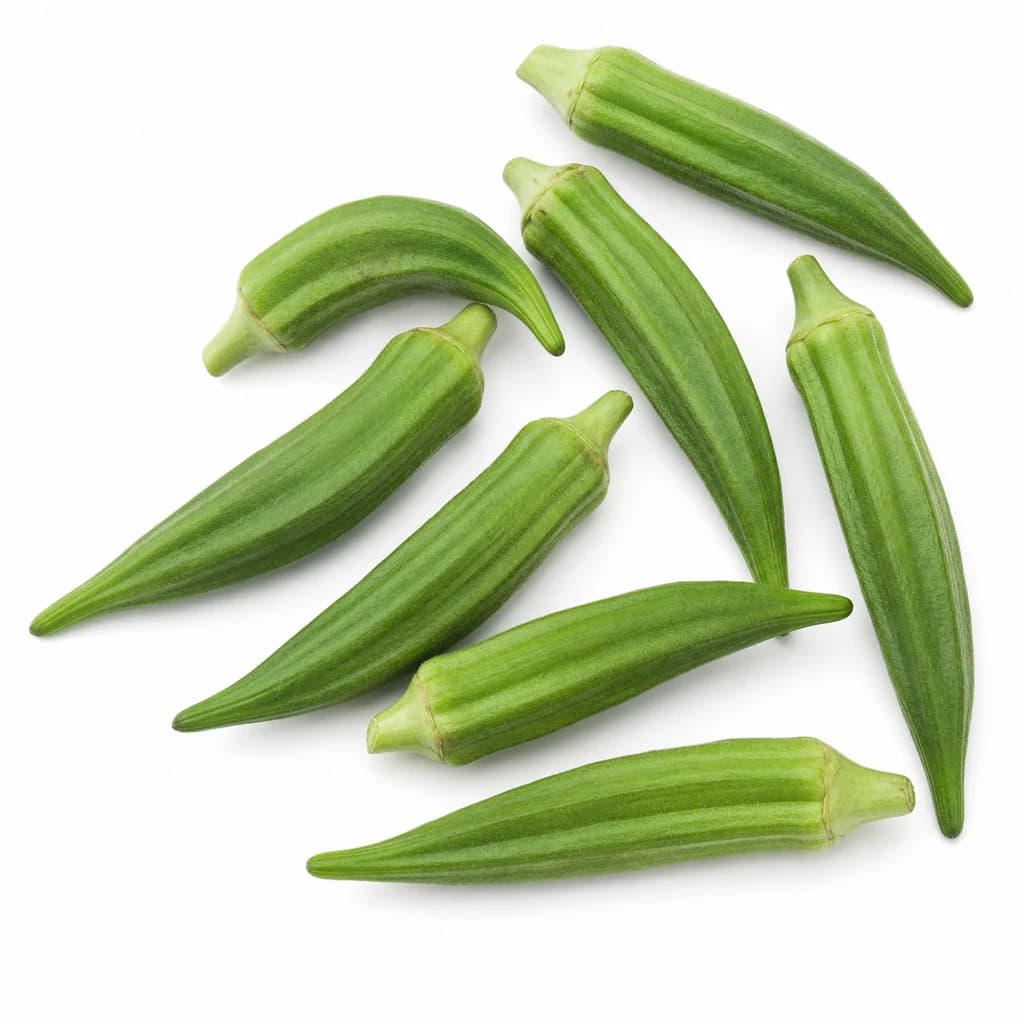
Natural form
Whole okra pods showing the tapered ribbed shape, bright green color, and fibrous cap.
Establishes the defining visual identity of okra — its angular ridged profile, color, and size — so a reader can identify it on sight.
Produce
Okra
Green pods for gumbo, curries, and crisp frying
Grassy and slightly grassy-sweet, okra thickens gumbo and curries with its natural body, or crisps up fried and roasted. Cook it hot and fast to tame the slip. Keep it cold.
Okra is a ridged green pod with a grassy, mild flavor and a famous quirk: when cooked wet and slow it releases a slippery, mucilaginous juice that thickens gumbo, stews, and curries beautifully — or, if you'd rather skip the slime, cook it hot, fast, and dry to keep it crisp. A staple across the American South, West Africa, the Caribbean, India, and the Middle East, okra rewards cooks who learn to control its texture.
- Measured in
- g
- Storage
- Refrigerate
- Shelf life
- 5 days
Find it in
Types & varieties
The common type; pick small and tender
Burgundy pods that turn green when cooked; same flavor
Tiny, tender, low-fiber; great whole, fried or pickled
How to choose
Smaller pods are the secret — those under about 10 cm are tender and mild, while large ones turn tough, woody, and fibrous. Want firm, bright-green pods that snap crisply at the tip and show no browning, blackening, blemishes, or limpness. They should feel velvety, not slimy on the outside.
How to store and prep
Okra is perishable and bruises easily; keep it dry (moisture makes it slimy and spoils it) in a paper bag in the crisper and use within a few days. Don't wash until just before cooking, then dry it thoroughly. Trim the stem cap without cutting into the pod if you want to minimize the slime; slice it open if you want the thickening for gumbo.
- Keep it dry — moisture breeds slime
- Use within a few days
- Dry pods well before cooking
Slime: friend or foe
That mucilage is a feature in gumbo, stews, and many West African and Indian dishes, where it's the natural thickener — cook okra cut and wet to embrace it. To minimize it, keep okra dry and whole, cook it fast over high heat (roasting, grilling, stir-frying, deep-frying), and add acid (tomato, lemon, vinegar). Avoid low, slow, watery simmering unless you want it thick.
Common uses
Tips & pitfalls
- Cook small pods whole and hot to keep them crisp and slime-free
- Embrace the slip in gumbo — it's the traditional thickener
- Acid (tomato, lemon, tamarind) cuts the sliminess
- Roast, grill, or fry for the least gooey, most popular results
- Dry the pods thoroughly before cooking — water makes it slippery
Nutrition
Energy
138 kJ · per 100 g
Where the calories come from
Protein
1.9g
4% DV
Carbs
7.5g
3% DV
Fat
0.2g
0% DV
Fiber
3.2g
11% DV
Sugars
1.5g
of which
Sodium
7mg
0% DV
Source · USDA FoodData Central · Okra, raw
View on FDC →In the shops
Matched grocery products
No matched grocery products for Okra yet.
Good to know
- Peak season
- Summer (peak); a warm-weather crop
- Flavor
- Mild, grassy, faintly like green beans; can be slippery when stewed
- Origin
- Northeast Africa (Ethiopia/Egypt); carried across the tropics
- Nutrition
- ~33 kcal/100g; fiber, folate, vitamin C, K
- How to buy
- Small-to-medium (under ~10 cm), firm, bright green; snaps; no browning
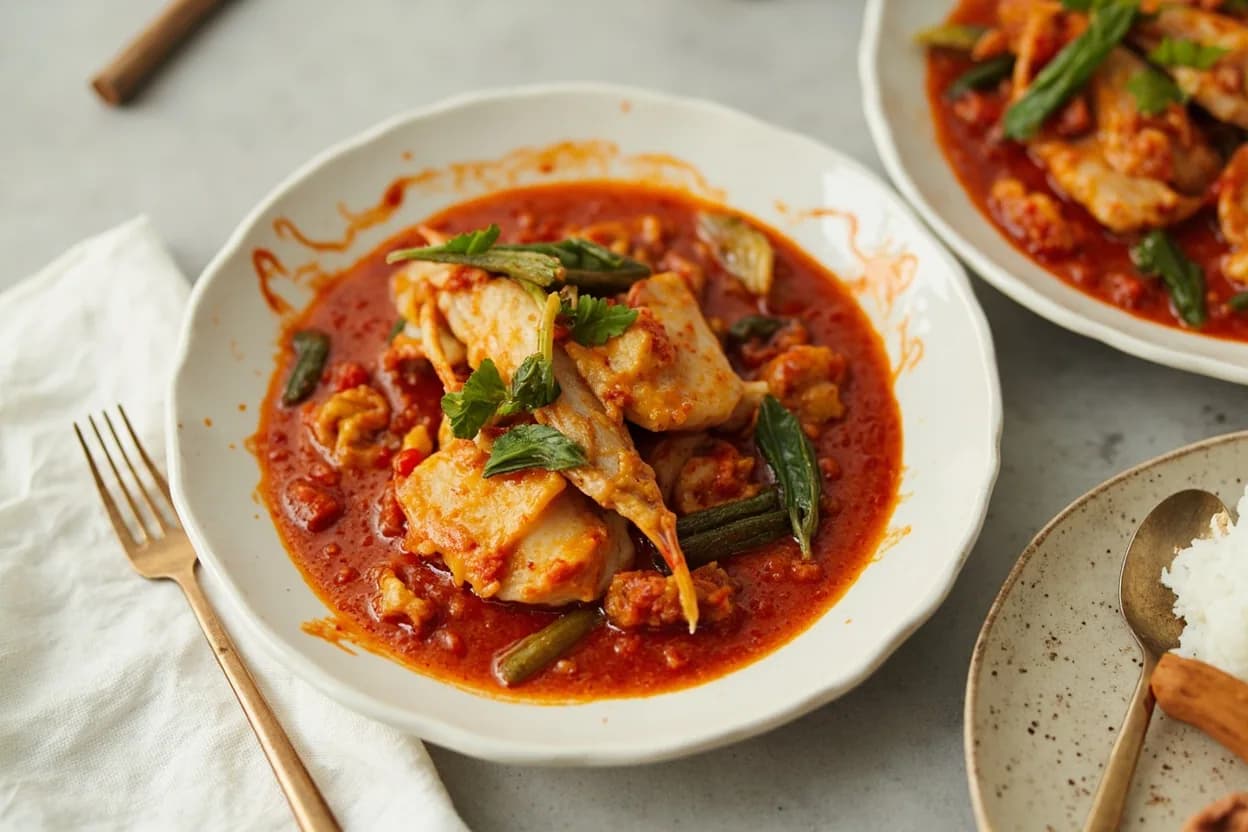
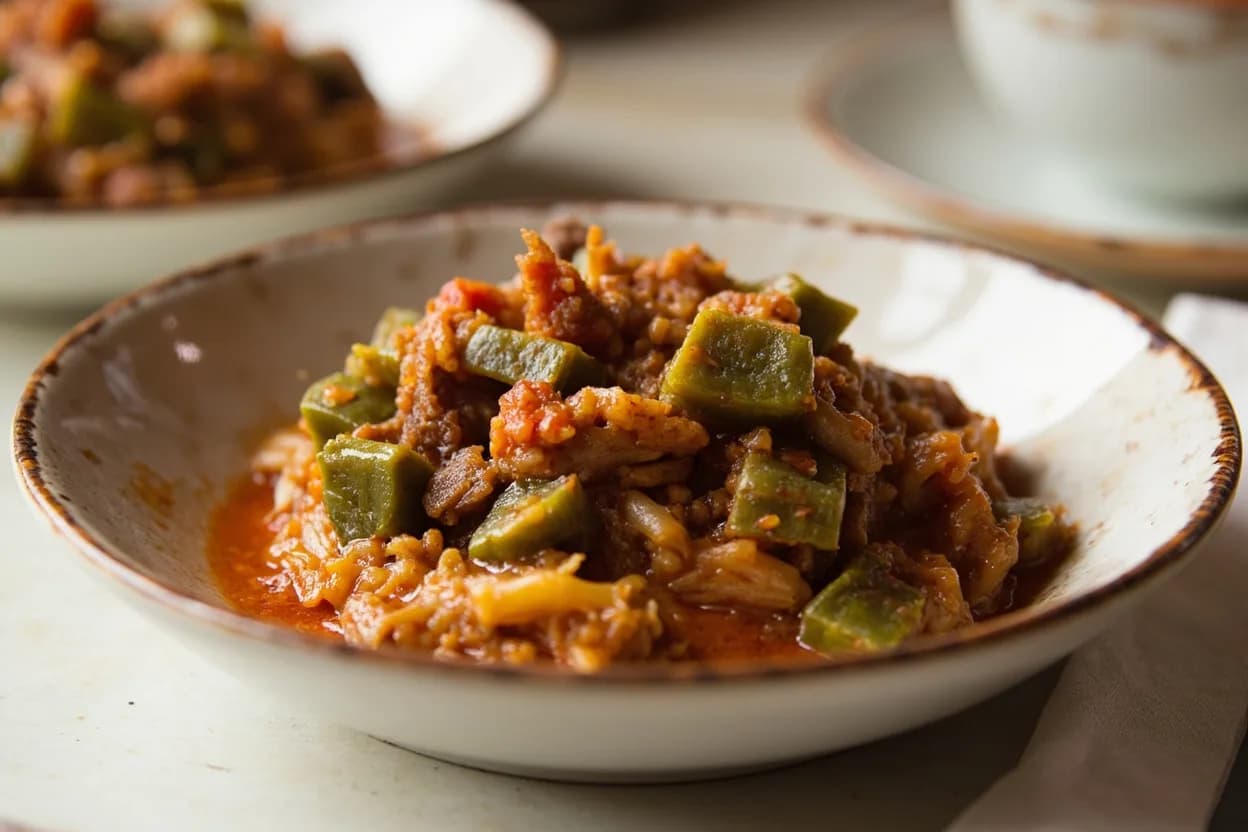
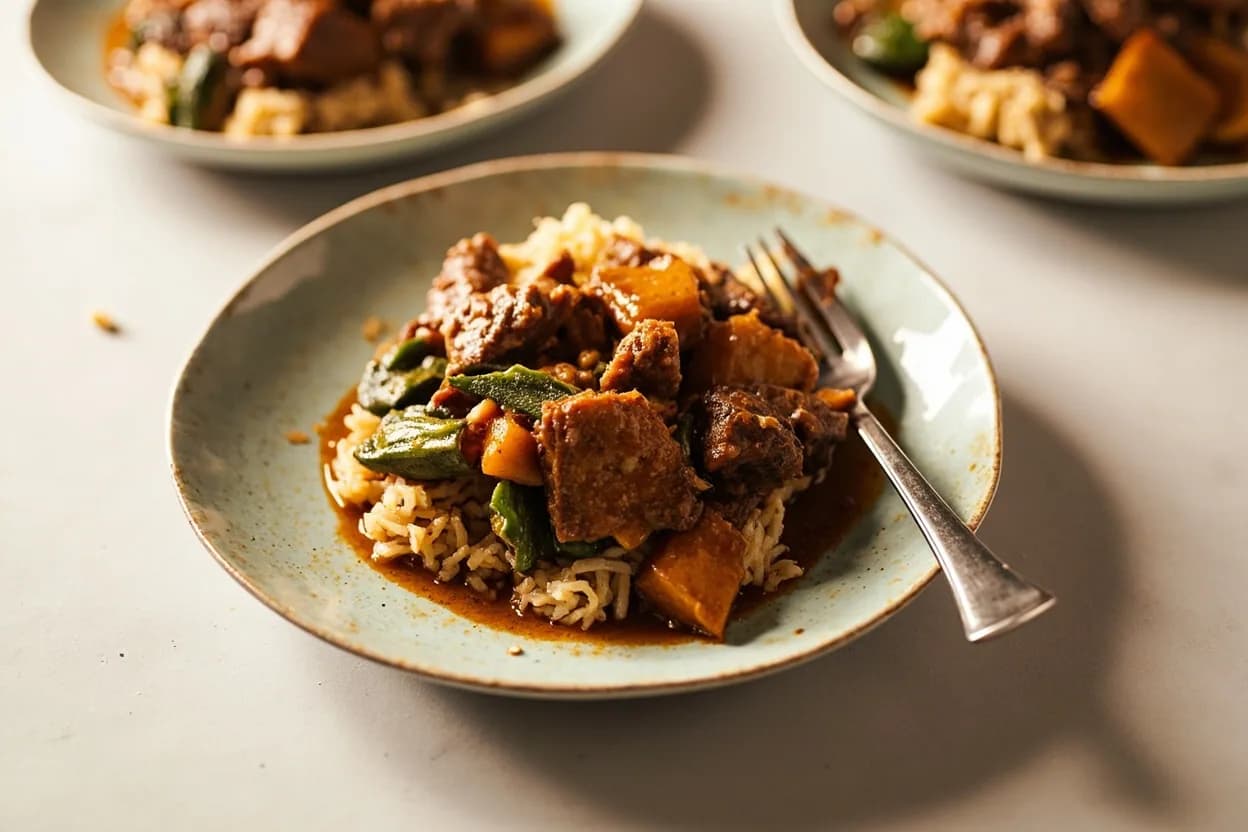
Appears in these dishes
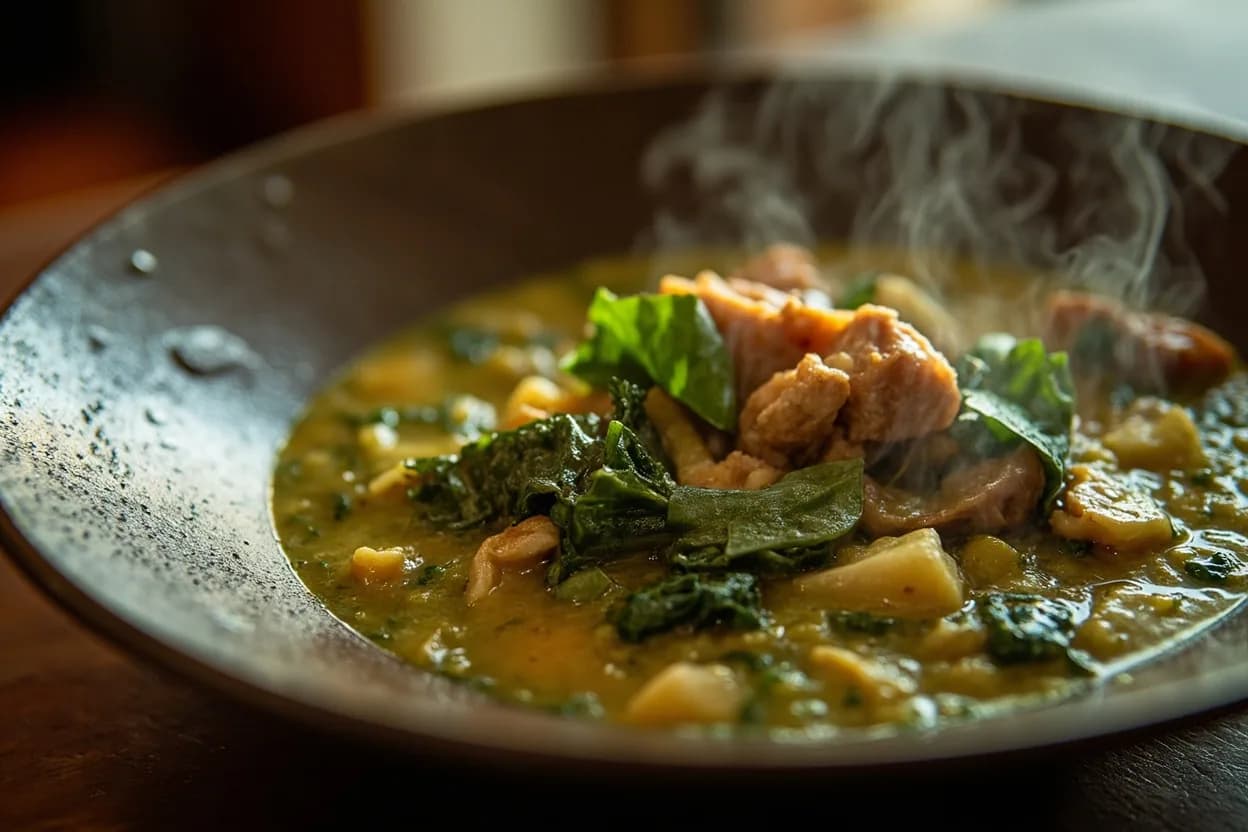
Related
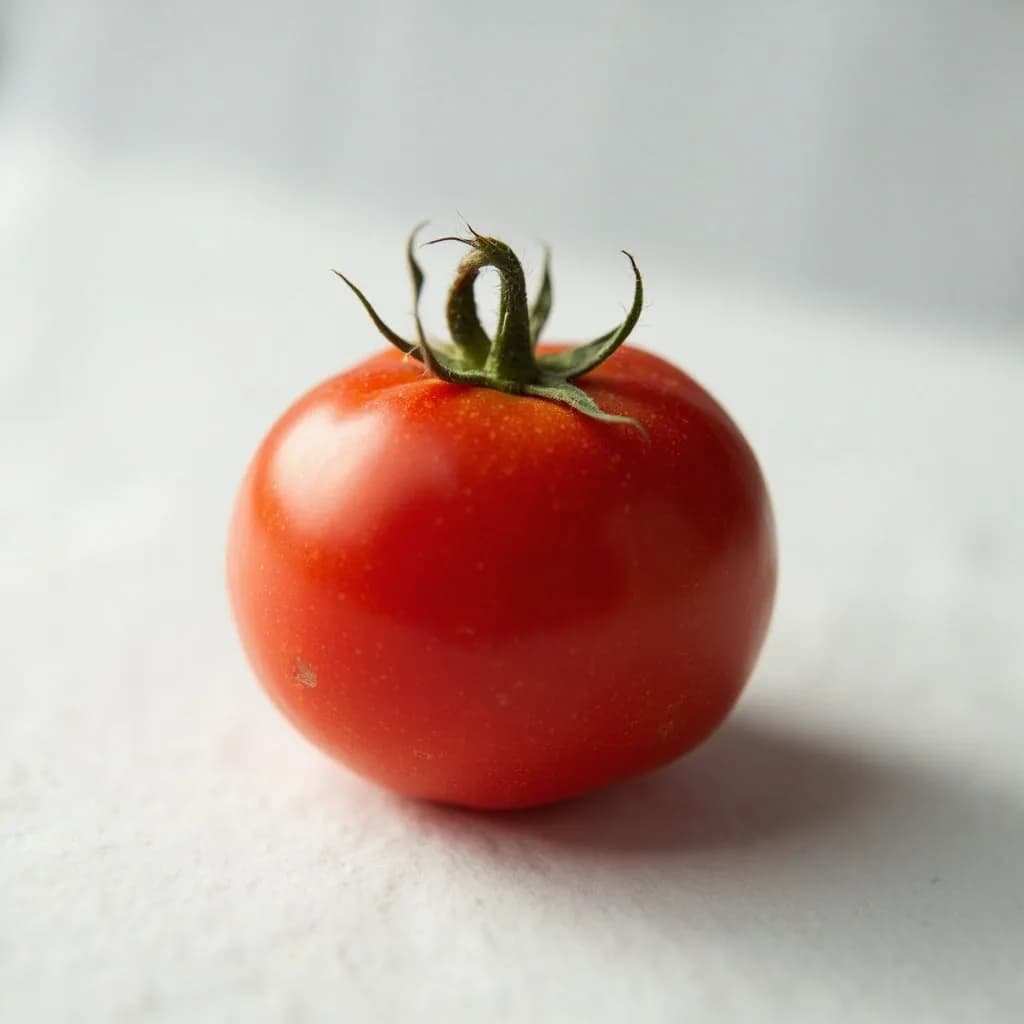
Tomato
Juicy, sun-sweet fruit for sauces, salads, and slow-cooked depth
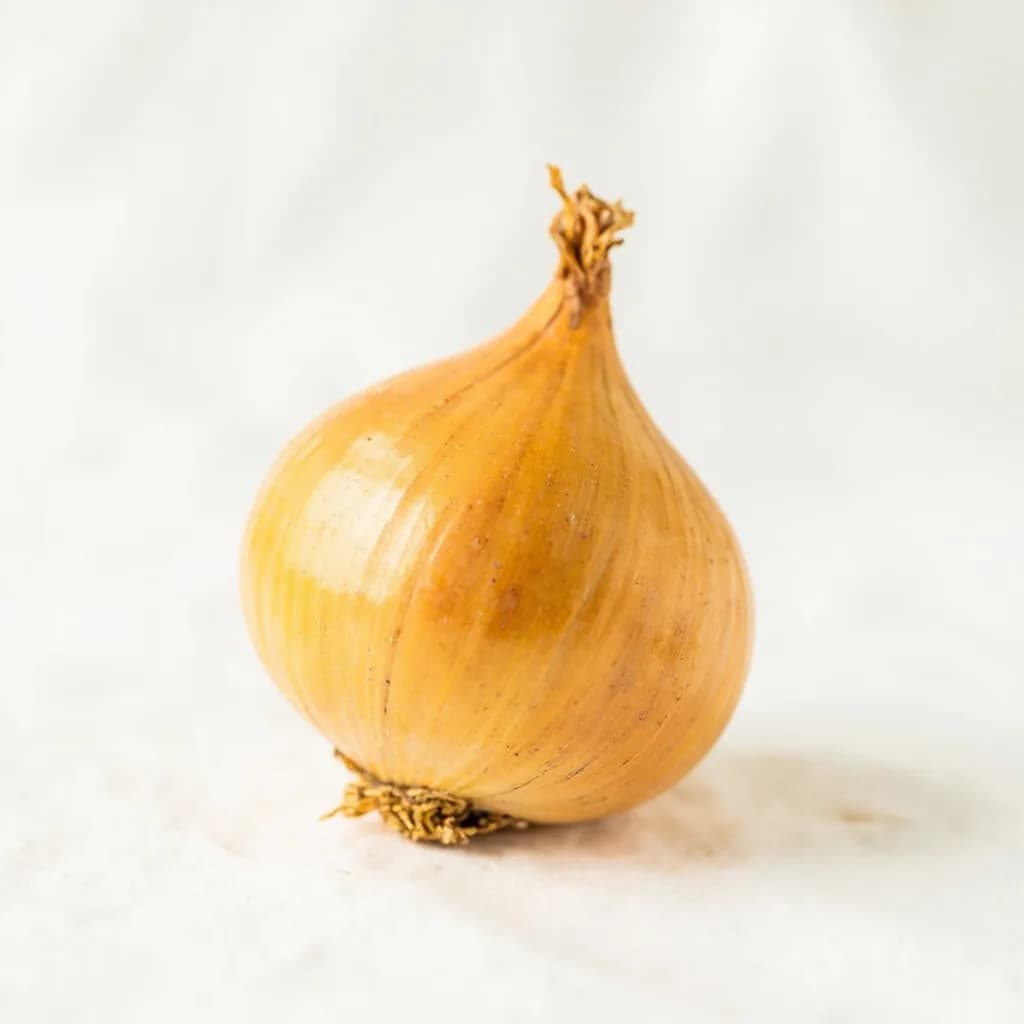
Yellow Onion
The aromatic backbone of soups, sofritos, and braises
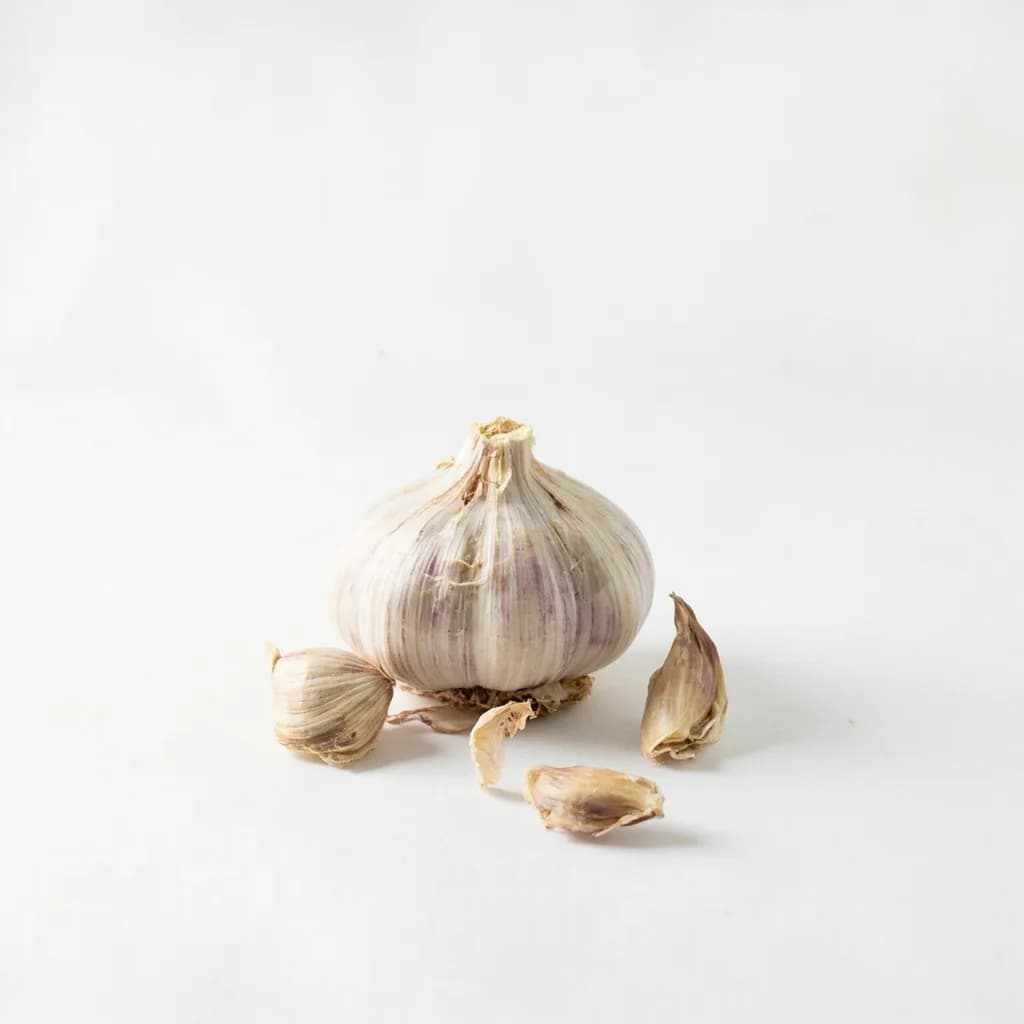
Garlic
Pungent cloves that perfume nearly every savory dish
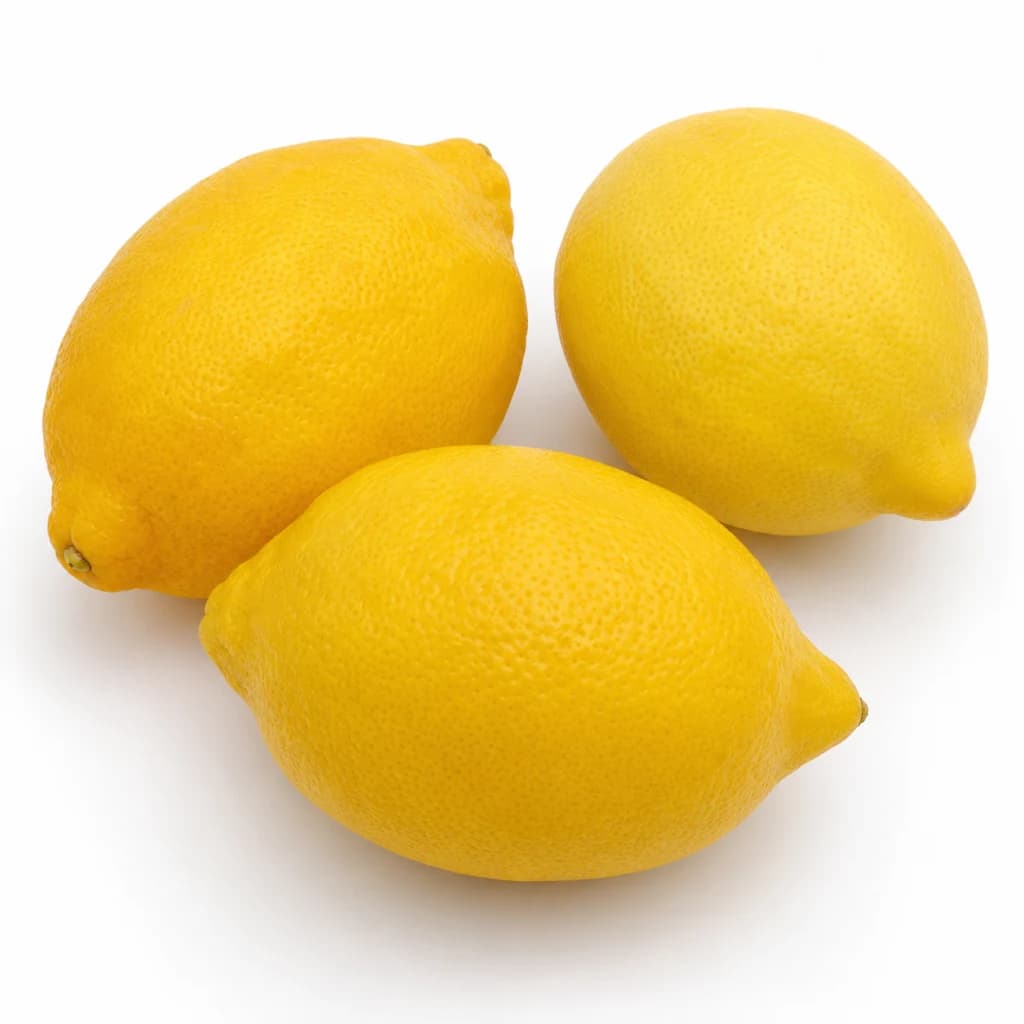
Lemon
Bright, acidic citrus that wakes up almost any dish
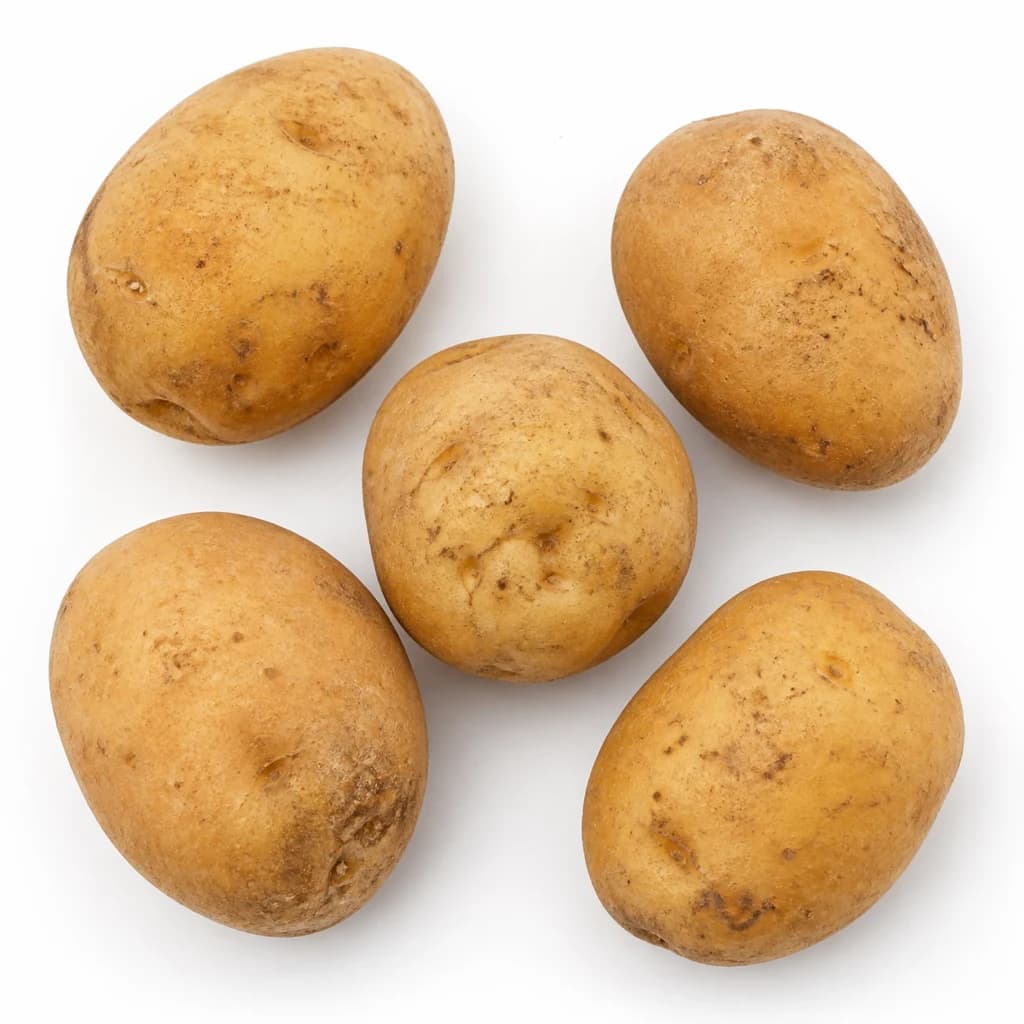
Potato
Humble, hearty staple — roast, mash, fry, or boil
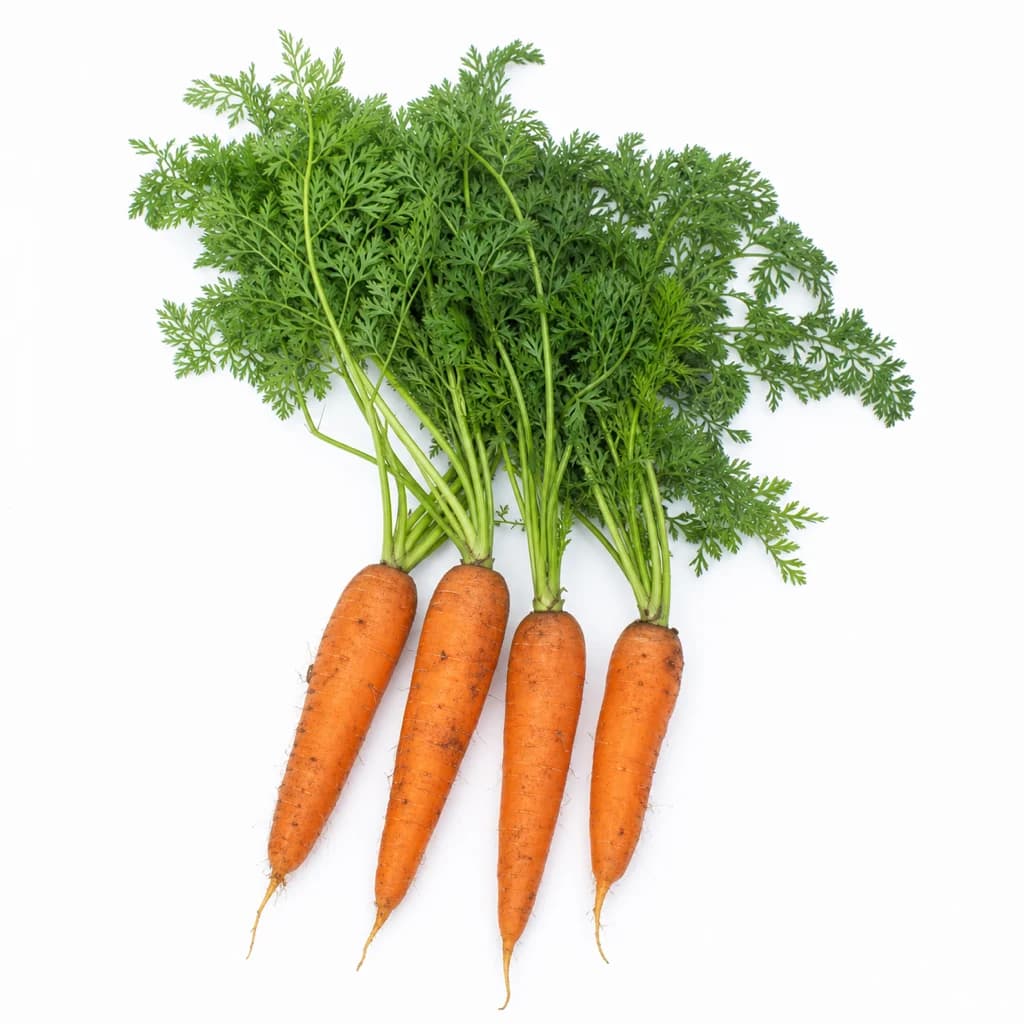
Carrot
Sweet, crunchy root — raw, roasted, or the base of a sofrito
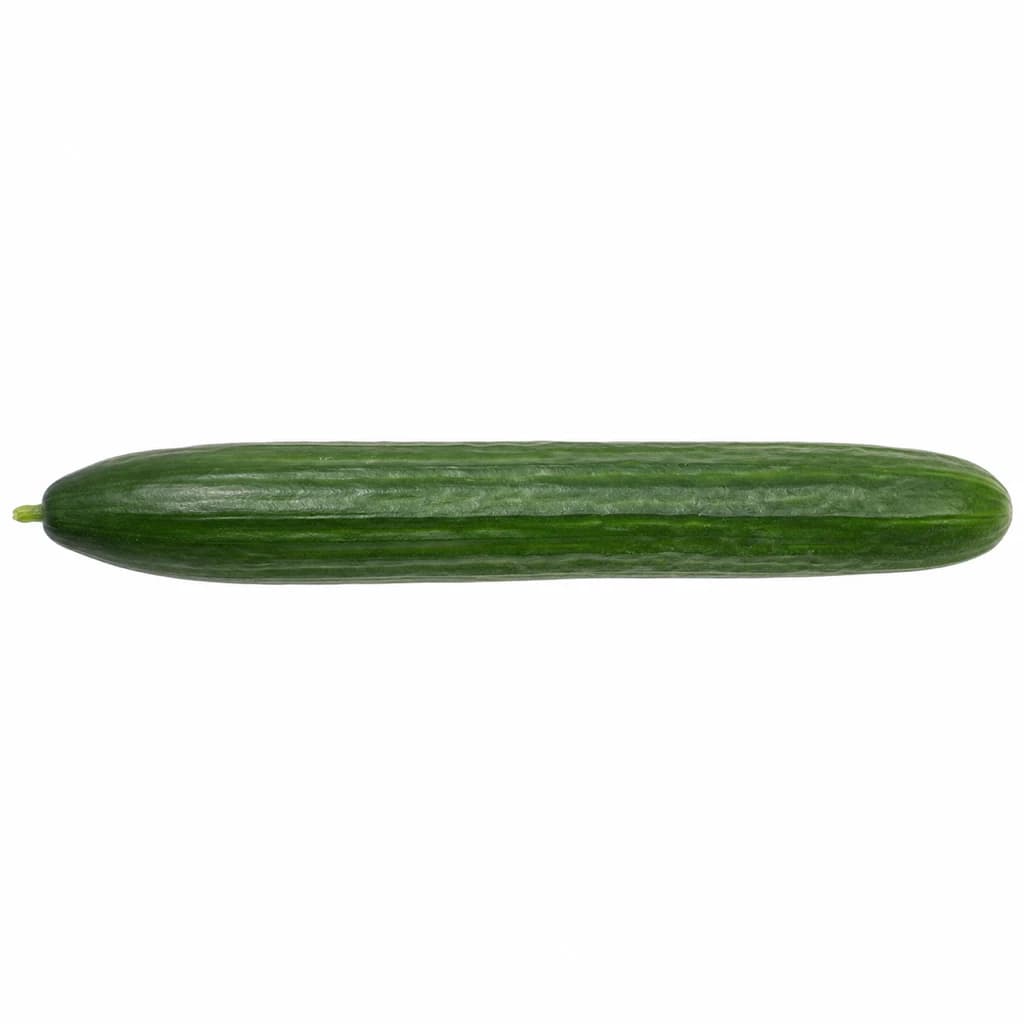
Cucumber
Cool, crisp, and watery — for salads, pickles, and tzatziki

Lettuce
Crisp leaves for salads, wraps, and a fresh crunch