Dairy & Eggs
Queso Blanco
Mild, slightly tangy fresh white cheese that softens but does not fully melt, holding its shape when fried or grilled. Crumbled over tacos, beans, and salads or pan-seared as cubes.
Queso blanco is a fresh, unaged white cheese used across Latin America as a finishing and filling cheese rather than a cooking cheese. It is set with acid — vinegar, lime, or lemon juice — rather than a starter culture, and that single technical choice defines how it behaves in the kitchen. The acid denatures the milk proteins and dissolves most of the calcium phosphate, which is the mineral that normally lets cheese flow and stretch when heated. The result is a snowy, moist, crumbly cheese that softens, sweats a little, and may brown at the edges, but holds its shape whether you crumble it over hot beans or pan-fry it as cubes. This non-melting character is the point: it gives cooks a way to add creamy, salty dairy to a dish without turning the dish into a sauce.
Most queso blanco sold in the United States is made from cow's milk, though regional versions in Latin America use goat's milk or blends. Flavor is mild — milky, faintly tangy, and moderately salty — so it never competes with chiles, herbs, or acidity in a dish. It plays the same role feta or ricotta salata play in Mediterranean cooking: a cool, salty accent stirred in at the end. Because it is fresh and unaged, it has a short shelf life and should be refrigerated tightly wrapped; it also freezes reasonably well, though the texture crumbles more aggressively after thawing.
The most common confusion in the market is between queso blanco and queso fresco. They are close cousins and are often used interchangeably, but they are not identical: queso blanco is almost always acid-set, which gives it that non-melting quality, while many queso frescos are rennet- or culture-set and soften more readily under heat. Either way, both are finishing cheeses, and cooks can substitute one for the other with confidence in nearly any application.
- Measured in
- g
- Storage
- Refrigerated
Allergens
Find it in
Suits
Types & varieties
Acid-set with vinegar or lime juice; very mild, soft, crumbly; the standard crumbling cheese on tacos, elote, and beans.
Close cousin; often culture- or rennet-set; slightly softer and more moist; used interchangeably with queso blanco in most recipes.
Slightly firmer, saltier fresh cheese; often pressed; eaten with arepas, plantains, and black beans.
Often labeled Queso Fresco locally; mild, soft, sold in blocks; used in causas, papa rellena, and salads.
Pressed fresh cheese from Central America (Honduras, El Salvador, Nicaragua); denser and saltier than a typical queso blanco.
Mexican pressed fresh cheese with the same non-melting behavior; mild and sliceable, often sliced and pan-seared.
Why Queso Blanco Does Not Melt
The non-melting character of queso blanco is a direct consequence of how it is made. Traditional melting cheeses — mozzarella, Monterey Jack, asadero, Oaxaca — are set with rennet or a starter culture under controlled pH, which preserves the calcium phosphate bonds between casein proteins. When heated, those bonds loosen and the proteins slide past one another, producing the smooth, flowing melt. Acid-set cheese goes the other way. Adding vinegar or citrus directly to hot milk drops the pH sharply, and that acidity draws calcium phosphate out of the curd and into the whey. The remaining curd has too little calcium to relax on heating, so it holds its structure, sweats moisture, and browns through the Maillard reaction at the surface instead of melting through. This is exactly why paneer behaves the way it does — it is also acid-set. Halloumi achieves a similar result through a different mechanism: it is rennet-set with minimal starter, leaving the curd at a high pH that resists flowing when heated. The kitchen takeaway is identical, though. Use queso blanco where you want defined pieces of cheese — crumbles, slices, cubes — and reach for a true melting cheese when you want flow, stretch, or a pourable dip.
Choosing and Storing
A good queso blanco feels moist but not slimy, and should smell fresh and lactic rather than sour or yeasty. Pre-crumbled versions in tubs are convenient but tend to dry out faster and contain anti-caking agents (typically powdered cellulose) that can turn gummy or chalky when heated. Buy a block or round when you can. To store, wrap tightly in plastic or a beeswax wrap and refrigerate; a short brine in the storage container helps prevent the surface from drying and crusting. If freezing, portion into the sizes you actually cook with — small logs for crumbling, 1-inch cubes for frying — then thaw overnight in the refrigerator. The texture will be slightly more crumbly than fresh, which is actually a plus for finishing applications.
Common uses
Tips & pitfalls
- Do not expect stretch or flow — queso blanco will not behave like mozzarella, Monterey Jack, or Oaxaca; add it at the end of cooking or use it where shape matters.
- Pat cubes dry with paper towels before pan-frying so the surface browns instead of steaming and sticking.
- Taste the cheese before you salt the dish; queso blanco is often noticeably salty on its own.
- Add crumbled queso blanco at the last moment to hot dishes, because the cheese releases water as it warms and will thin sauces if it sits too long.
- Grate it on a box grater for a finer, snow-like crumble that distributes more evenly over tacos and salads.
- Store tightly wrapped or in a little brine to prevent the surface from drying and crusting in the refrigerator.
- Portion before freezing — thawed cheese crumbles more easily than fresh, so freeze in the sizes you actually use.
- Skip pre-crumbled tub cheese for pan-frying; the anti-caking cellulose turns gummy over high heat.
Nutrition
Energy
1297 kJ · per 100 g
Where the calories come from
Protein
20.4g
41% DV
Carbs
2.5g
1% DV
Fat
24.3g
31% DV
Sugars
1.8g
of which
Sodium
704mg
31% DV
Source · USDA FoodData Central · Cheese, white, queso blanco
View on FDC →In the shops
Matched grocery products
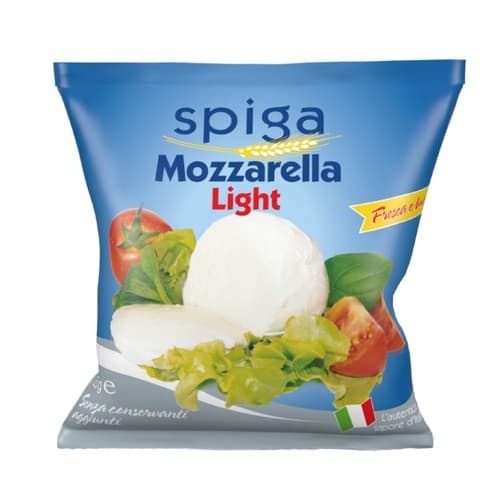 €1.00
€1.00Light Mozzarella
SPIGA · kg · Bonpreu
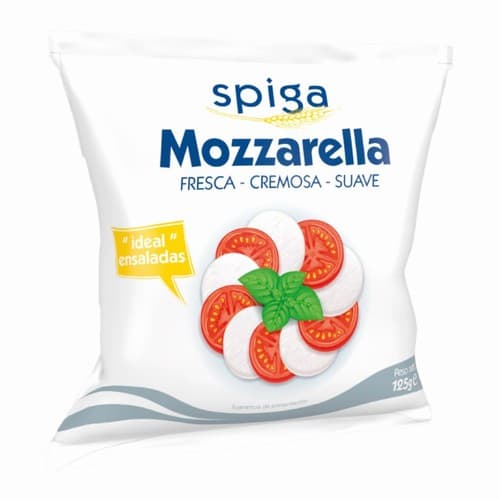 €0.90
€0.90Fresh Mozzarella
SPIGA · kg · Bonpreu
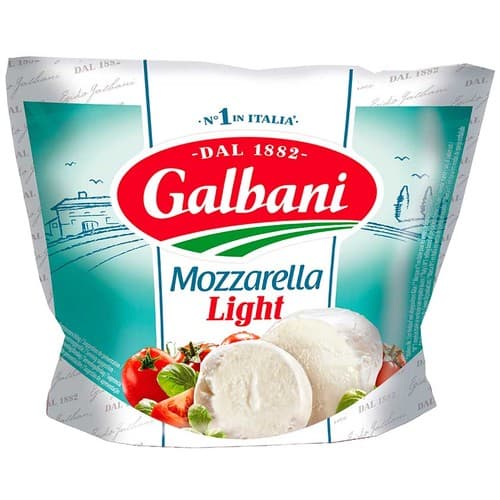 €1.95
€1.95Galbani Light Mozzarella
GALBANI · kg · Bonpreu
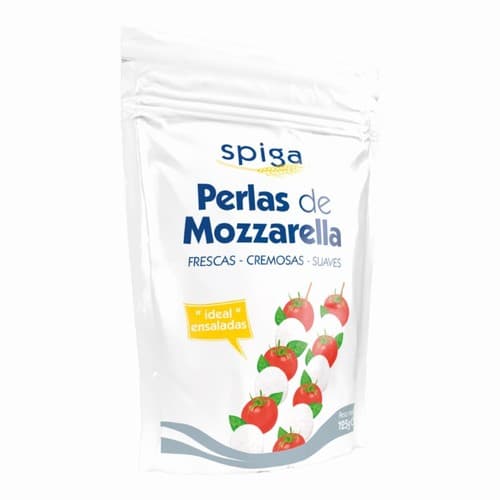 €1.59
€1.59Mozzarella Pearls
SPIGA · kg · Bonpreu
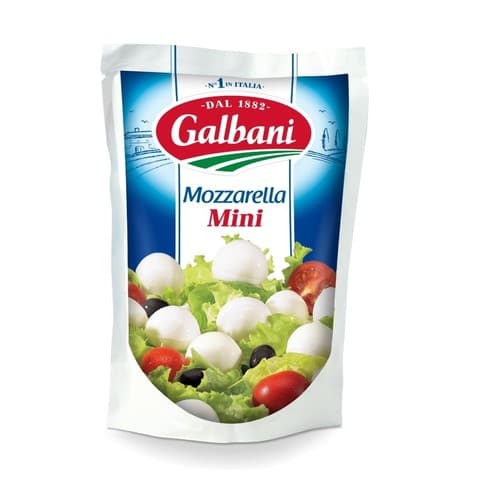 €3.65
€3.65Mini Mozzarella Balls
GALBANI · kg · Bonpreu
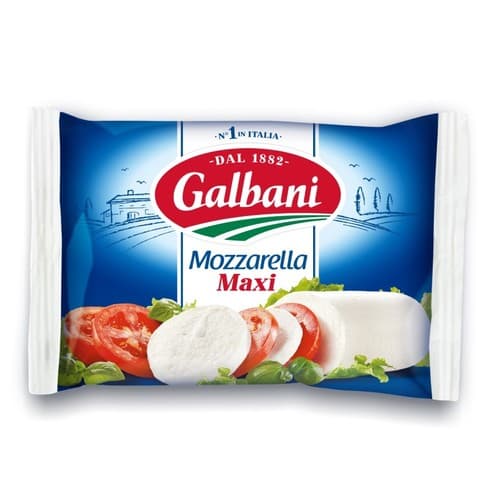 €3.99
€3.99GALBANI Mozzarella Maxi Fresh
GALBANI · kg · Bonpreu
Good to know
- Origin
- Latin America; widely made across Mexico, Central America, the Caribbean, and northern South America (Peru, Venezuela, Colombia, Puerto Rico).
- Style
- Fresh, unaged, acid-set cheese; coagulated with vinegar, lime juice, or lemon juice rather than a starter culture.
- Milk
- Traditionally cow's milk; some regional versions use goat's milk or a blend.
- Color
- Snow white.
- Texture
- Soft to semi-firm, moist, crumbly; holds its shape when sliced or cubed.
- Flavor
- Mild, milky, slightly tangy and salty; not sharp.
- Melt behavior
- Softens and may brown at the edges, but does not flow or stretch; acid-set removes calcium phosphate needed for melt.
- Form sold
- Blocks, rounds, or logs; sometimes pre-crumbled.
- Storage
- Refrigerate tightly wrapped, 2–3 weeks unopened; freezes well for 1–2 months though texture crumbles more after thawing.
Substitutes
- Queso Fresco — The closest match in flavor and use; melts slightly more when heated but behaves nearly identically in most recipes.
- Farmer cheese — Mild, fresh, and crumbly; works well as a crumbled topping, though it lacks the slight tang of queso blanco.
- Paneer — Non-melting and excellent for pan-fried cubes; flavor is milder and less tangy, so season accordingly.
- Halloumi — Best swap when you want to grill or pan-fry cubes; saltier and springier, but holds shape the same way.
- Ricotta salata — Pressed, salted ricotta that crumbles well and brings a similar mild, milky note; good as a finishing cheese.
- Mild feta — Crumbled works as a stand-in; tangier and saltier, so reduce added salt in the dish.
Pairs with
Also called
queso fresco · white cheese · queso blanco fresco