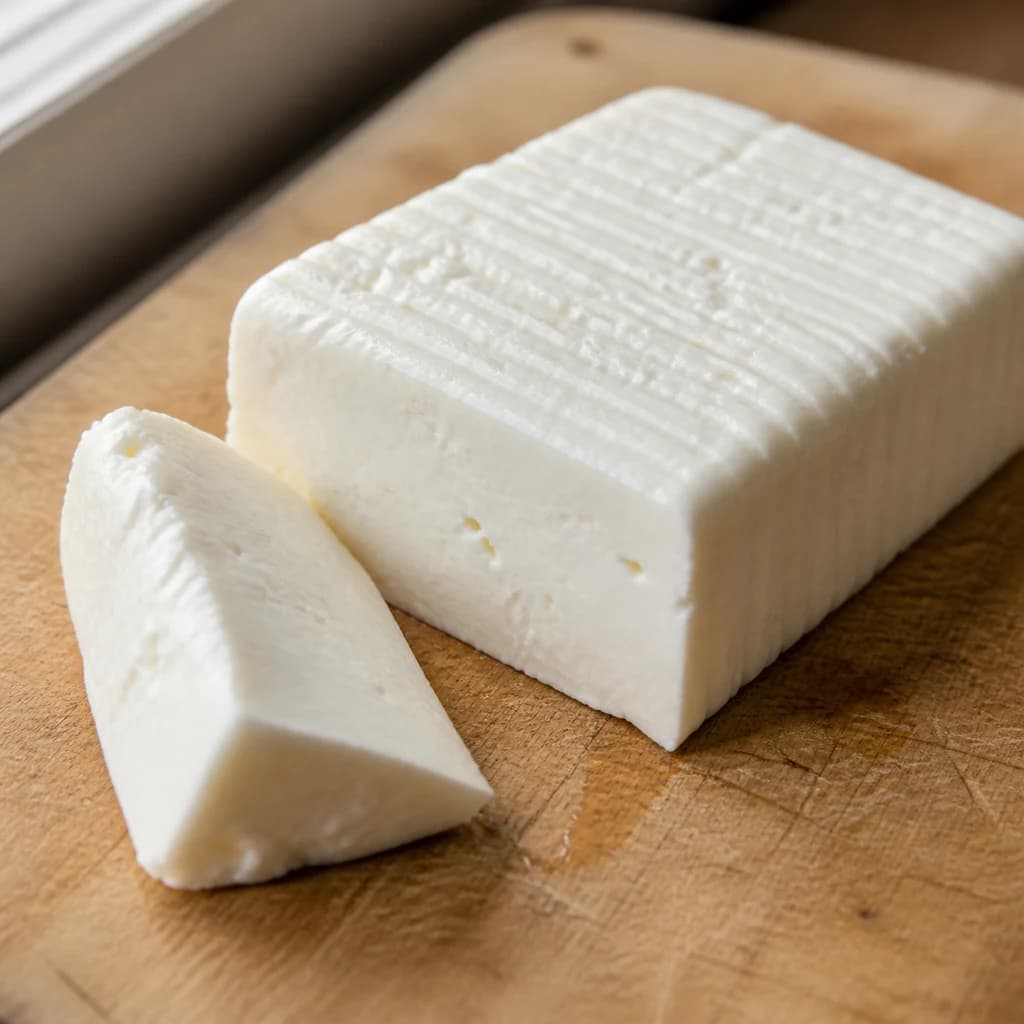
Natural form
A block of fresh halloumi cheese showing its firm, springy white texture and layered rind.
Shows the raw cheese's distinctive firm, white, semi-opaque form and slightly ridged surface that distinguishes it from softer cheeses.
Dairy & Eggs
Halloumi
Firm, salty Cypriot cheese with a high melting point — grilled or pan-fried until golden without melting.
Halloumi is a firm, springy brined cheese from Cyprus made from sheep's and goat's milk. Its unusually high melting point lets it be grilled or pan-fried until golden and squeaky without collapsing. Salty and mild, it is served seared with lemon, in salads, or as the Greek-style fried saganaki.
Halloumi is a semi-hard, brined cheese originating from Cyprus that has earned Protected Geographical Indication (PGI) status in the EU. What distinguishes it from virtually every other cheese is its remarkable thermal stability — the curd is briefly cooked in whey during production, which denatures the proteins and raises the melting point to approximately 170°C (340°F). This means halloumi can be grilled, pan-fried, or even deep-fried without turning into a puddle, making it one of the few true grilling cheeses in the world. The texture transforms dramatically with heat: raw halloumi is firm and almost rubbery, slicing with a satisfying density, while cooked it develops a deep golden crust with a tender, yielding interior. The characteristic squeak against your teeth — caused by dense protein networks in the curd — is a reliable indicator of freshness. Traditionally made from a blend of goat's and sheep's milk (with up to 20% cow's milk in some modern versions), halloumi carries a mildly salty, slightly tangy flavor with clean milky notes. The high salt content in both the cheese itself and its brine solution acts as a natural preservative, extending shelf life significantly compared to other fresh cheeses.
- Measured in
- g
- Storage
- Fridge
Allergens
Types & varieties
Made with goat's and sheep's milk; original Cypriot style with robust flavor and firm texture
Turkish Cypriot name for the same cheese; produced under similar traditional methods in Northern Cyprus
Lower fat content, often using skimmed milk; slightly softer texture and milder flavor
Cold-smoked over wood chips; adds savory, smoky dimension; excellent for salads and charcuterie
Convenience format; often thinner cuts; prone to drying out faster than whole pieces
The Science of the Squeak
That distinctive squeak when you bite into fresh halloumi is not a gimmick — it is a reliable freshness indicator. The sound occurs because the cheese's protein matrix, created during the cooking-in-whey step, forms a dense, elastic network. As your teeth compress the cheese, the protein strands rub against each other and vibrate, producing the audible squeak. This texture disappears as halloumi ages, so a squeak means the cheese is fresh and will hold its shape well during cooking. If your halloumi no longer squeaks but hasn't turned slimy or sour, it is still safe to eat but may be more fragile on the grill — reduce cooking time and handle gently.
- Fresh halloumi squeaks; lack of squeak indicates age
- Squeak disappears with cooking — it is not present in the finished grilled product
- Spongy or crumbling texture after cooking suggests cheese is past its best
Controlling Saltiness
Halloumi's salt content varies significantly between brands and production methods. If your halloumi tastes too salty, a simple soaking technique brings it into balance: submerge slices or blocks in lukewarm water for 30 minutes before cooking. Pat thoroughly dry afterward — moisture is the enemy of a good crust. Conversely, if your halloumi tastes flat, skip the soaking and consider adding a pinch of salt to the cooking surface or using a brine-cured variety.
- Soak 30 minutes in lukewarm water to reduce saltiness
- Pat completely dry after soaking before cooking
- Brands vary — taste a raw piece before deciding whether to soak
Common uses
Tips & pitfalls
- Pat the cheese completely dry with paper towels before cooking — moisture prevents browning and causes dangerous oil splattering
- Use medium-high heat; high heat toughens the exterior before the inside warms through
- Oil the cheese itself, not just the pan, to ensure even caramelization and prevent sticking
- Cook undisturbed until a golden crust forms, 2–3 minutes per side, before flipping
- For extra-charred results, press gently with a spatula during the last minute of cooking
- Score a crosshatch pattern into the surface before grilling for pronounced grill marks
- Store submerged in its brine at all times; air exposure dries and toughens the cheese
- Freeze only when cooking is the end use — texture turns spongy when thawed, making it best suited for frying
- For less salty halloumi, soak in lukewarm water for 30 minutes before cooking
- Add to pre-made dishes in the last 5 minutes to warm through without overcooking and toughening
Nutrition
Energy
1628 kJ · per 100 g
Where the calories come from
Protein
25.6g
51% DV
Carbs
1.6g
1% DV
Fat
31.1g
40% DV
Fiber
0g
0% DV
Sugars
1.6g
of which
Sodium
800mg
35% DV
Source · USDA FoodData Central · approx. Cheese, fontina
View on FDC →In the shops
Matched grocery products
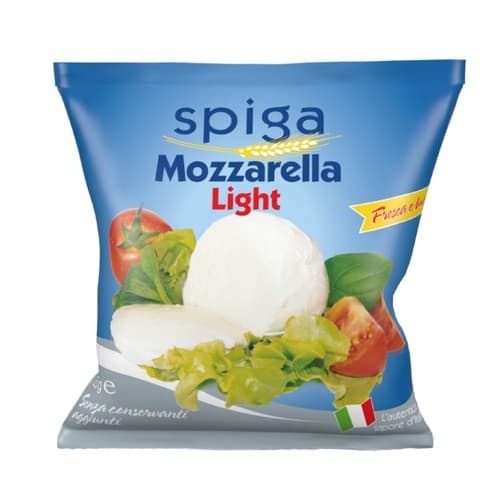 €1.00
€1.00Light Mozzarella
SPIGA · kg · Bonpreu
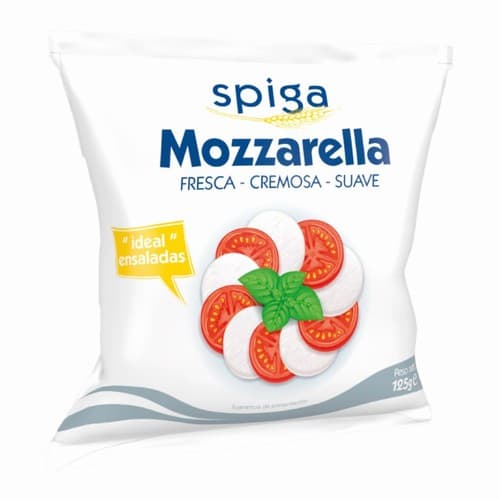 €0.90
€0.90Fresh Mozzarella
SPIGA · kg · Bonpreu
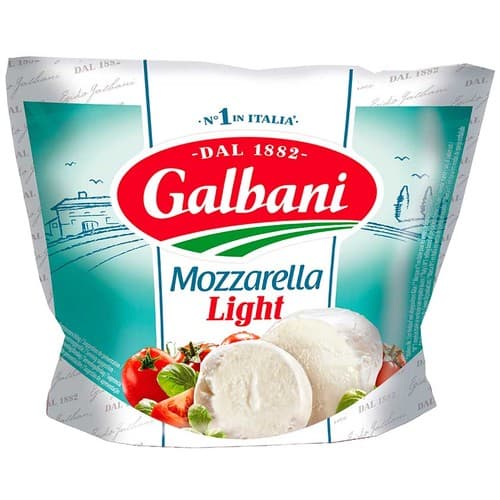 €1.95
€1.95Galbani Light Mozzarella
GALBANI · kg · Bonpreu
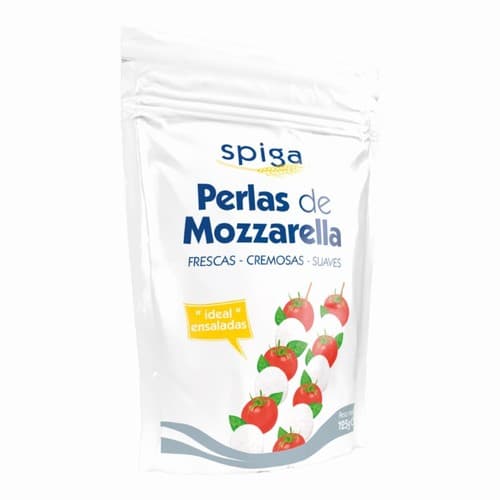 €1.59
€1.59Mozzarella Pearls
SPIGA · kg · Bonpreu
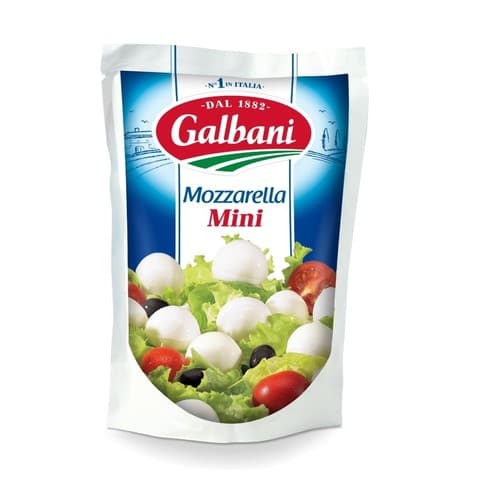 €3.65
€3.65Mini Mozzarella Balls
GALBANI · kg · Bonpreu
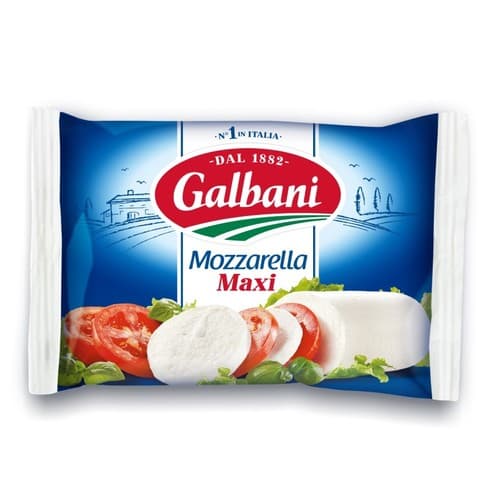 €3.99
€3.99GALBANI Mozzarella Maxi Fresh
GALBANI · kg · Bonpreu
Good to know
- Origin
- Cyprus — documented since the 13th century; Protected Geographical Indication (EU)
- Primary milks
- Goat's and sheep's milk; up to 20% cow's milk permitted
- Style
- Brined, semi-hard, unripened cheese; curd cooked in whey during production
- Melting point
- ~170°C (340°F) — significantly higher than most cheeses
- Texture
- Firm, dense, rubbery when raw; develops golden, caramelized crust when cooked
- Flavor
- Mildly salty, slightly tangy, with clean milky notes
- Color
- White when fresh; may show slight yellowing near the rind
- Shape
- Rectangular blocks, loaves, or rounds; typically 750g to 1kg pieces
- Storage
- Refrigerate submerged in original brine up to 6 months sealed, 2–3 weeks once opened
- Fat content
- ~25% full-fat; reduced-fat varieties available
Substitutes
- Paneer — Indian fresh cheese; similar firm texture and high melting point; less salty; ideal for grilling and frying; closest functional match
- Kefalotyri — Greek hard table cheese; similar high melting point; more aged and pungent flavor; suitable for grilling
- Queso Panela — Mexican white cheese; soft texture raw, firms when cooked; good for frying; milder flavor
- Low-moisture Mozzarella — Nearest supermarket substitute; browns similarly but lacks halloumi's rubbery chew and inherent saltiness
- Feta (grilled block) — Crumbling prevents true substitution, but grilled feta offers similar char and saltiness in salad applications
Pairs with
Also called
Haloumi · Saganaki Cheese · Grilling Cheese
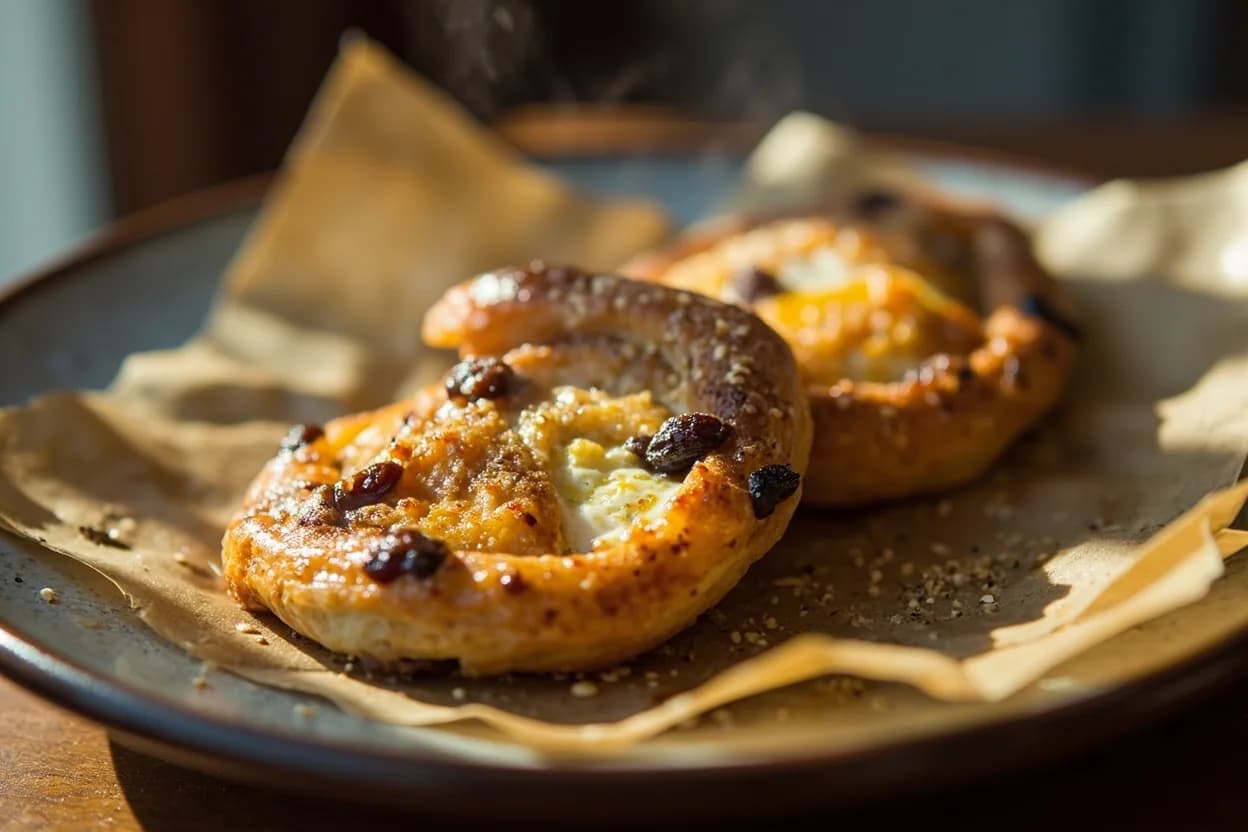
Appears in these dishes
Related

Whole Milk
Rich, full-fat milk for drinking, coffee, sauces, and baking
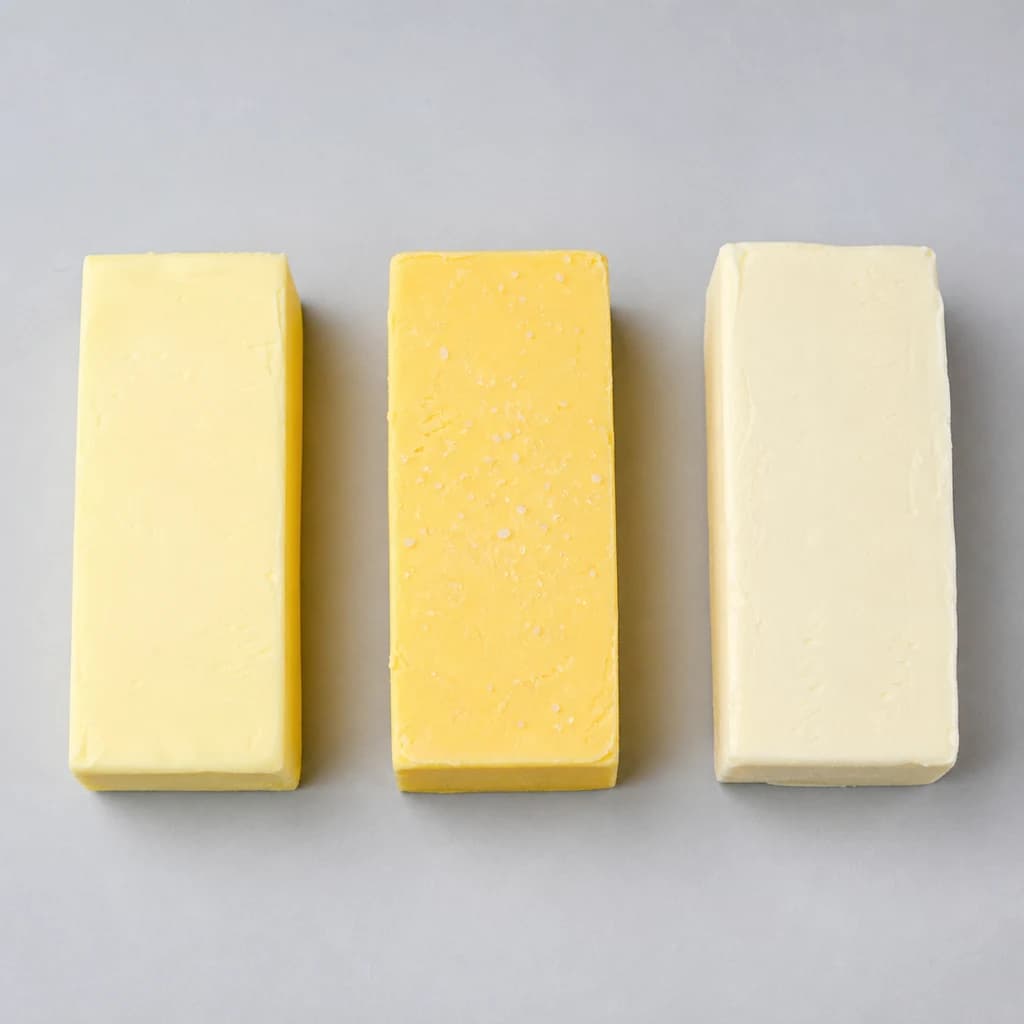
Butter
Golden fat for searing, baking, and finishing a sauce
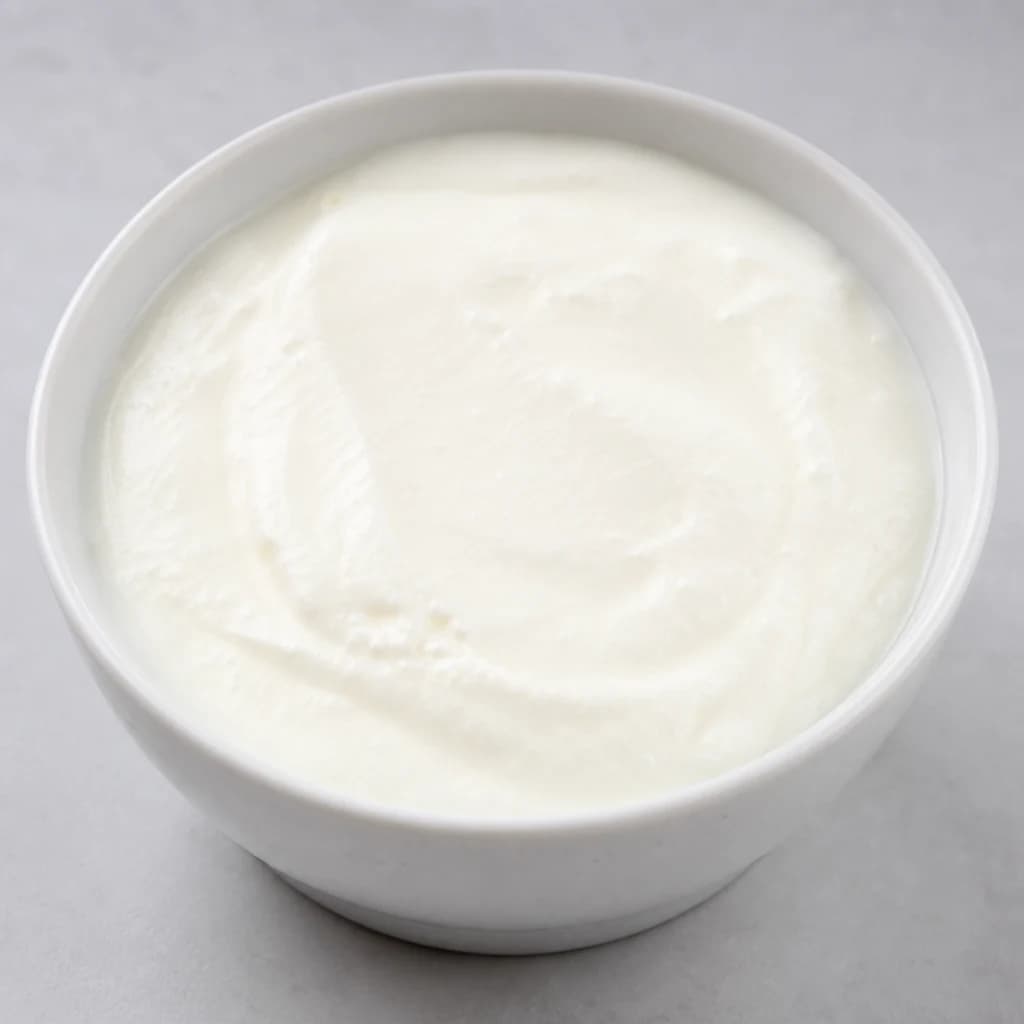
Yogurt
Tangy, creamy culture for breakfast, sauces, and marinades
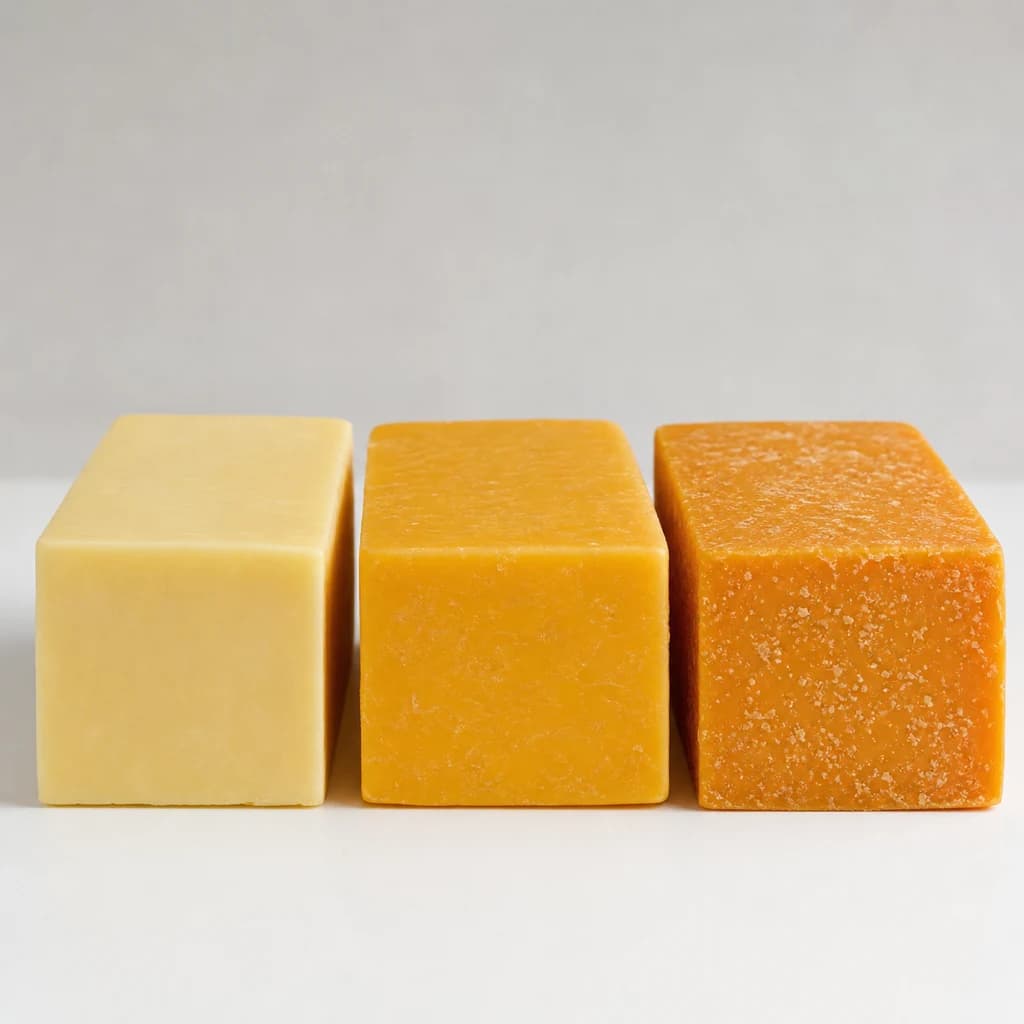
Cheddar Cheese
Sharp, melty cheese for sandwiches, gratins, and grating
Skim Milk
Fat-free milk for lighter drinking, coffee, and cooking
Heavy Cream
Rich cream that whips, enriches sauces, and sets ganache

Sour Cream
Tangy, thick cream for dolloping, baking, and dips
Mozzarella
Soft, milky cheese that melts into stretchy pizza pulls