Dairy & Eggs
Panela Cheese
Mexican fresh white cheese, mild and springy, that softens but doesn't melt — great grilled or cubed in salads.
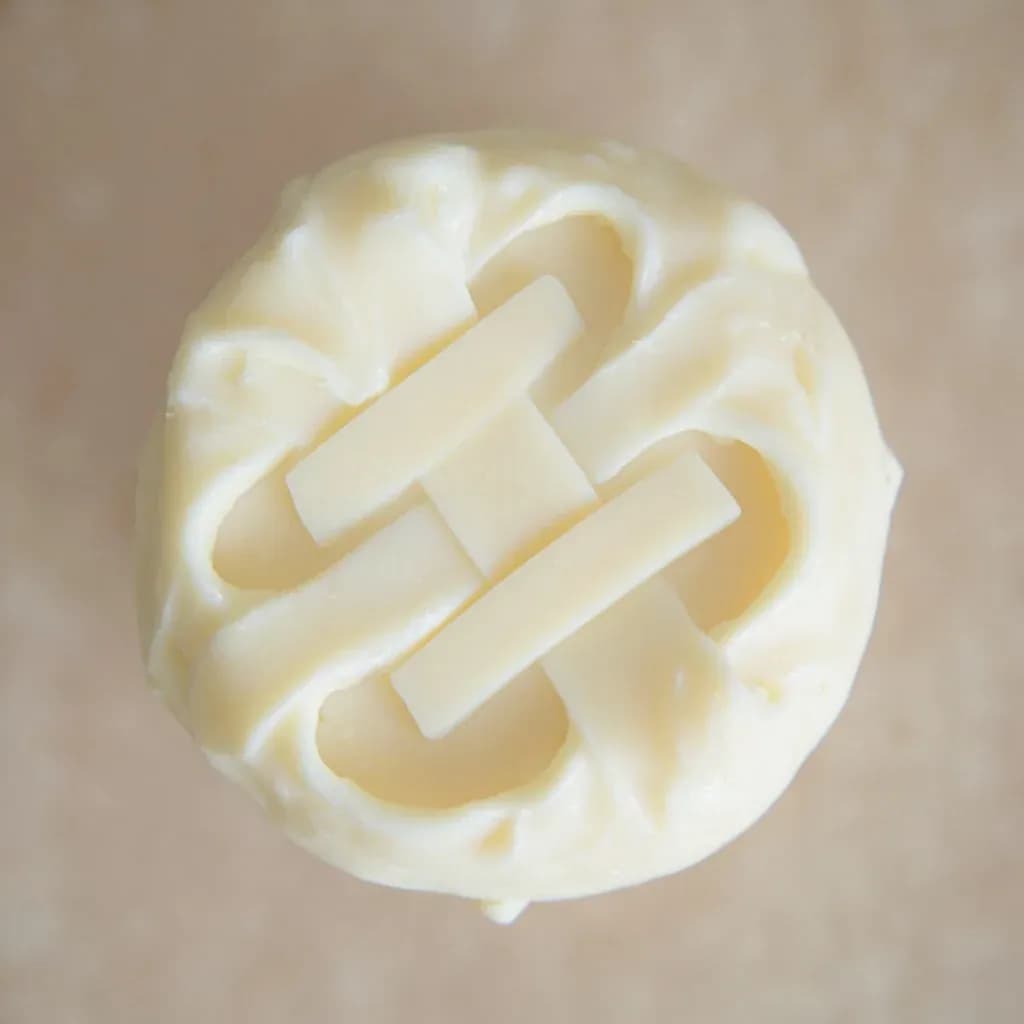
Panela (queso panela) is a fresh, soft Mexican cow's-milk cheese pressed in a basket mold that leaves a woven imprint. It is mild, milky, and lightly salty, and holds its shape when heated, browning rather than melting. It is sliced or cubed into salads, grilled, or fried as a quick snack.
Panela is a fresh white cheese from Mexico's central and highland regions, pressed into small balls, braids, or loaves and stored submerged in brine. Its defining characteristic is a firm, yielding texture that softens with heat but refuses to melt—a property that places it in the same functional family as halloumi and makes it invaluable for grilling, pan-frying, and dishes where you want cheese to hold its shape. The name derives from the traditional wicker basket (panela) in which the cheese was pressed to expel whey, and in highland regions it is simply called Queso de Prensa for this reason. The cheese is made from cow's milk (sometimes blended with goat), coagulated with acid, pressed to achieve lower moisture than queso fresco, then preserved in brine. The acid coagulation and reduced moisture create a dense protein matrix that becomes more rigid when heated rather than flowing—this is why Panela develops a golden-brown crust when seared while the interior becomes soft and pliable, yet never turns runny or fully melts the way aged cheeses do. In Mexican cuisine, Panela occupies a versatile middle ground—hearty enough for the grill yet mild enough for salads, substantial enough to anchor a taco yet delicate enough not to overwhelm fresh tomatoes and herbs. When purchasing, look for pieces that feel firm but yield slightly under pressure; avoid any with cracks or an off smell, and always keep the cheese submerged in brine to maintain its texture.
- Measured in
- g
- Storage
- Fridge
Allergens
Types & varieties
The most common variety; braided or formed into balls, always submerged in brine
Pressed version from the highlands; similar texture but often slightly drier and saltier
A drained cottage-cheese style that is softer and not a direct substitute for Panela in cooking applications
Panela that has been briefly baked to create a lightly browned exterior; a prepared preparation rather than a distinct variety
Why Panela Doesn't Melt
The non-melting property shared by Panela, cotija, queso fresco, and asadero comes from acid coagulation of the milk proteins combined with the low moisture content achieved through pressing. Acid-coagulated cheeses develop a protein matrix that becomes more rigid when heated rather than flowing—unlike the elastic protein networks in rennet-based cheeses that allow fat and protein to flow when heated. The pressing step further reduces moisture and creates a dense texture that resists the liquefaction of fat and protein that produces a runny melt. This makes Panela's behavior similar to halloumi from the Eastern Mediterranean, though Panela has a milder flavor and softer texture. Understanding this science helps you choose Panela for the right applications—it excels where you want distinct, intact pieces, not where you need cheese to integrate into a creamy sauce or create a gooey pull.
Choosing and Storing
The brine is not incidental—it is essential to Panela's texture and shelf life. Without submersion, the cheese dries out and becomes rubbery within days. Always keep Panela in its original brine packaging, and if the brine appears depleted, transfer the cheese to a container and cover it with a saturated salt-water solution (roughly 10% salinity). When selecting at the store, press the surface gently: it should feel firm with slight give, indicating good moisture balance. Pieces that feel rock-hard have dried out; those that are excessively soft or smell sour have passed their prime. For the best grilling results, allow the cheese to reach room temperature before cooking—cold cheese steams rather than caramelizes, and the exterior won't develop the desirable golden crust that contrasts with the soft interior.
- Store submerged in brine at all times
- Replace brine with 10% salt solution if original is depleted
- Select pieces that are firm with slight give
- Bring to room temperature before grilling or frying
Common uses
Tips & pitfalls
- Always store Panela submerged in its original brine; if depleted, cover with a saturated salt-water solution (about 10% salinity) to prevent drying out
- When grilling, allow the cheese to reach room temperature first—cold cheese steams rather than caramelizes and won't develop the desired golden crust
- Pat the cheese dry before grilling if the surface is wet from brine; moisture prevents browning and causes sticking
- For frying, cut into thick slabs of at least 2 cm; thin slices overcook and dry out before the interior warms
- Do not overcook grilled Panela—the goal is a soft, yielding interior with a light golden crust; extended high heat makes it tough and rubbery
- In salads, add the cheese near the end or at plating; unlike mozzarella in hot soup, Panela will soften and lose shape if simmered
- To reduce saltiness, soak the cheese in cold water for 15–30 minutes before cooking to leach surface salt without compromising texture
- Panela can be shredded for nachos but will not melt into a gooey layer—it softens and clumps, which is useful when you want distinct pieces
- Do not confuse Panela with Panela (whole cane sugar), a completely different ingredient from Colombia and other South American countries
- When slicing for sandwiches, cut against the grain of any visible pressed layers for cleaner, less crumbly results
Nutrition
Energy
1628 kJ · per 100 g
Where the calories come from
Protein
25.6g
51% DV
Carbs
1.6g
1% DV
Fat
31.1g
40% DV
Fiber
0g
0% DV
Sugars
1.6g
of which
Sodium
800mg
35% DV
Source · USDA FoodData Central · approx. Cheese, fontina
View on FDC →In the shops
Matched grocery products
No matched grocery products for Panela Cheese yet.
Good to know
- Origin
- Mexico, particularly the central and highland regions
- Milk
- Cow's milk (sometimes blended with goat's milk)
- Type
- Fresh pressed white cheese; brine-preserved
- Fat Content
- Full-fat versions around 21%; reduced-fat versions available
- Melting Behavior
- Softens and becomes pliable when heated but never fully melts or turns runny
- Shelf Life (refrigerated)
- Approximately 2–3 weeks in original brine packaging
- Freezing
- Can be frozen up to 3 months; texture may be slightly grainy after thawing
- Flavor
- Mild and slightly tangy with milky sweetness; saltier near the exterior due to brine
Substitutes
- Halloumi — Best functional substitute; similar high-melting-point protein structure makes it excellent for grilling and frying; flavor is slightly saltier and more pronounced
- Low-moisture Mozzarella — Melts less than regular mozzarella and holds shape when fried; not ideal but workable; flavor is different and more tangy
- Farmer's Cheese — Close texture and mild flavor; softens but does not melt; works in salads and sandwiches; not ideal for grilling applications
- Queso Fresco (fresh) — Similar mild, milky flavor; crumbles rather than grills well; not a strong substitute for frying applications where you need a crust
- Cottage Cheese (drained) — Similar mild flavor but much wetter texture; not a direct substitute for most culinary applications
Pairs with
Also called
panela cheese · queso panela · queso de canasta
Related

Whole Milk
Rich, full-fat milk for drinking, coffee, sauces, and baking
Butter
Golden fat for searing, baking, and finishing a sauce
Yogurt
Tangy, creamy culture for breakfast, sauces, and marinades
Cheddar Cheese
Sharp, melty cheese for sandwiches, gratins, and grating
Skim Milk
Fat-free milk for lighter drinking, coffee, and cooking
Heavy Cream
Rich cream that whips, enriches sauces, and sets ganache

Sour Cream
Tangy, thick cream for dolloping, baking, and dips
Mozzarella
Soft, milky cheese that melts into stretchy pizza pulls