
Natural form
Low-moisture mozzarella sold as a dense, pale ivory block and pre-shredded.
Shows the two most common retail forms side by side so readers recognize what they are buying.
Dairy & Eggs
Low-Moisture Mozzarella
Firmer, drier mozzarella that melts into a stretchy golden layer on pizza and bakes.
Low-moisture mozzarella is a firmer, saltier, longer-keeping version of fresh mozzarella with less water, sold in blocks or pre-shredded. Its reduced moisture makes it melt and brown into the classic stretchy, bubbly layer on pizza, baked pasta, and casseroles. It is the standard pizzeria cheese precisely because it does not release excess water when baked.
Low-moisture mozzarella is fresh mozzarella curd that has been heated, stretched, and then pressed to expel additional whey, reducing its water content from the typical 60%+ down to 40–52%. This deliberate drying creates a firmer, denser cheese with superior melting properties—the key difference that makes it the standard choice for pizza and baked dishes. When heated, low-moisture mozzarella releases minimal steam, allowing it to melt into a smooth, stretchy, golden-brown layer rather than puddling into watery spots or leaving soggy patches. The cheese originated in Italy—traditional mozzarella in Southern Italy, particularly Campania—but low-moisture versions were developed in America specifically for high-heat baking applications. It is not interchangeable with fresh mozzarella: their moisture contents are fundamentally different, and substituting fresh mozzarella in a hot oven produces steam that turns crusts soggy and prevents even browning. Low-moisture mozzarella is the engineered, baking-optimized version of the cheese—practical, reliable, and purpose-built for high-heat applications.
The cheese is made by heating fresh curd in hot whey or water (around 135°F) and stretching it until it develops a smooth, pliable texture (the pasta filata method), then pressing it to expel additional whey before packaging. Part-skim varieties run 17–22% fat and offer clean melting with less richness, while whole-milk versions at 22–24% fat provide a richer flavor and slightly better melt. Commercial pizza-grade versions often contain additives for consistent performance at the extreme temperatures of professional deck or wood-fired ovens. The pH sits around 5.0–5.5, which contributes to its melting behavior and mild tang. Pre-shredded bags are convenient but typically contain potato starch or cellulose powder (up to 2%) to prevent clumping—safe and legal, but these coatings can create a slight film on the melt that affects smoothness. For professional-quality results, shredding from a block is worth the small extra effort.
Low-moisture mozzarella performs best in applications where you want reliable, even melting with good browning. It shreds cleanly, melts at around 130–140°F, and browns predictably in home ovens and pizza stones. The cheese has a mild, slightly tangy flavor that doesn't overpower other ingredients, making it versatile across Italian and non-Italian dishes alike. Its firm texture also holds up well when sliced thin for cheese boards or layered in baked preparations. Understanding its properties—moisture content, fat level, melt behavior—lets you choose the right variant for your application and adjust technique accordingly.
- Measured in
- g
- Storage
- Fridge
Allergens
Types & varieties
Most common for baking and pizza; 17–22% fat; firm texture that shreds and melts cleanly
Richer flavor and slightly better melt; typically 22–24% fat; found in specialty and Italian grocers
Specifically formulated for high-heat pizza ovens; often contains added stabilizers for consistent performance at very high temperatures
Cold-smoked over wood; adds savory, smoky dimension to pizzas and baked dishes; slightly firmer texture
Made from buffalo milk; richer, more complex flavor; harder to find outside specialty markets
Why Fresh Mozzarella Doesn't Work on Pizza
Fresh mozzarella and low-moisture mozzarella are fundamentally different products optimized for different uses. Fresh mozzarella contains 60%+ moisture, which means when placed under a hot broiler or in a pizza oven, that water turns to steam and escapes, leaving you with a puddle of milky liquid that soaks the crust and prevents browning. Low-moisture mozzarella's reduced water content means it melts smoothly without releasing steam, giving you that characteristic stretchy, golden-brown layer. The practical rule: low-moisture mozzarella goes on pizza before baking; fresh mozzarella belongs on top after the pizza comes out of the oven, added in the final 2–3 minutes of baking just to warm through.
- Fresh mozzarella: 60%+ moisture, use only as post-oven garnish
- Low-moisture mozzarella: 40–52% moisture, bakes and melts reliably
- Never substitute fresh mozzarella in pizza recipes expecting browning and stretching
Block vs. Pre-Shredded: What to Know
Pre-shredded low-moisture mozzarella is convenient but comes with trade-offs. To prevent clumping in the bag, manufacturers add anti-caking agents—typically potato starch or cellulose powder at up to 2% by weight. Potato starch is neutral and melts inconspicuously. Cellulose powder, however, can create a slight waxy film on the cheese's surface that affects melt smoothness and mouthfeel. In most baked dishes this is imperceptible, but for pizza where melt appearance matters, it's noticeable to discerning eyes. Shreading from a block gives you pure cheese with no additives and superior melt quality. For the cleanest shredding with less sticking, freeze the block for 30 minutes before grating—cold cheese sheds in neat strands rather than smearing.
- Pre-shredded: check labels for potato starch or cellulose powder
- Block cheese: no additives, better melt, worth the extra minutes
- Freeze blocks 30 minutes before shredding for neater results
Common uses
Tips & pitfalls
- Shred from a block rather than using pre-shredded for superior melt quality and fewer additives
- Bring cheese to room temperature 20–30 minutes before using for more even, less patchy melting
- Grate on the medium hole of a box grater or use a food processor with the medium shredding disc for uniform pieces
- For pizza, apply low-moisture mozzarella as the base layer directly on sauce; add higher-moisture cheeses like fresh mozzarella only on top during the last 2–3 minutes of baking
- Do not over-stir once added to hot dishes—stir minimally to preserve cheesy texture and strands
- Store blocks wrapped tightly in plastic wrap, then placed in a zip-top bag with excess air pressed out
- If cheese sweats (refrigerator temperature fluctuations), blot dry before use to prevent watery pizza crust
- To prevent clumping when adding to soups or sauces, toss shredded cheese with a small amount of flour or cornstarch first
- Freeze blocks for 30 minutes before shredding for cleaner, neater results with less sticking to the grater
- Avoid using pre-shredded cheese in dishes where a smooth, glossy melt is important—grate fresh for pizza, lasagna, and casseroles
Nutrition
Energy
1331 kJ · per 100 g
Where the calories come from
Protein
21.6g
43% DV
Carbs
2.5g
1% DV
Fat
24.6g
32% DV
Fiber
0g
0% DV
Sugars
1g
of which
Sodium
710mg
31% DV
Source · USDA FoodData Central · approx. Cheese, mozzarella, whole milk, low moisture
View on FDC →In the shops
Matched grocery products
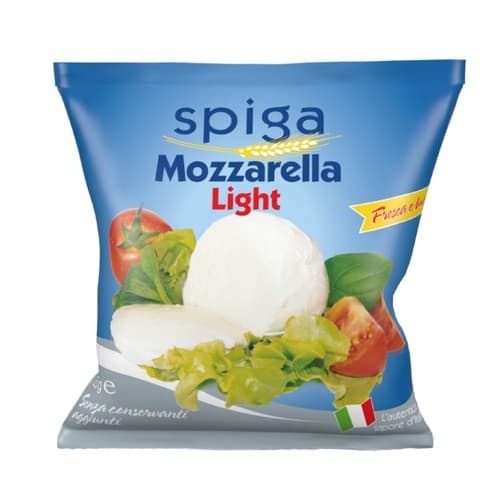 €1.00
€1.00Light Mozzarella
SPIGA · kg · Bonpreu
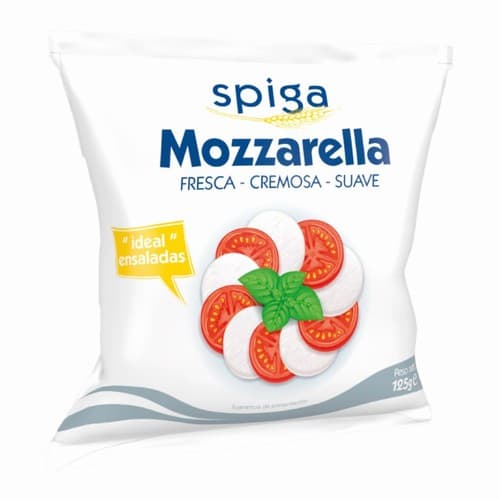 €0.90
€0.90Fresh Mozzarella
SPIGA · kg · Bonpreu
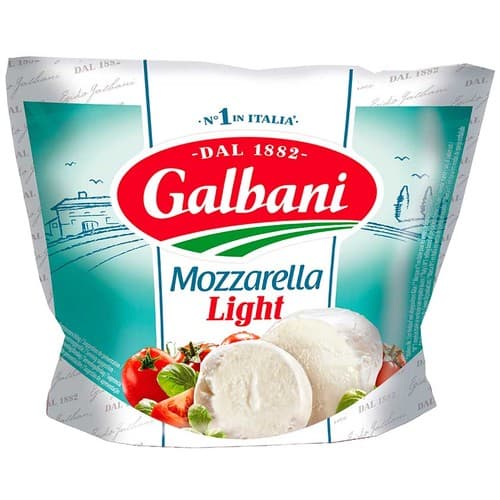 €1.95
€1.95Galbani Light Mozzarella
GALBANI · kg · Bonpreu
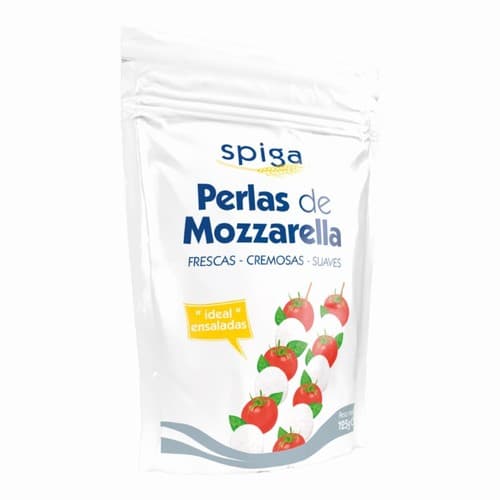 €1.59
€1.59Mozzarella Pearls
SPIGA · kg · Bonpreu
 €3.65
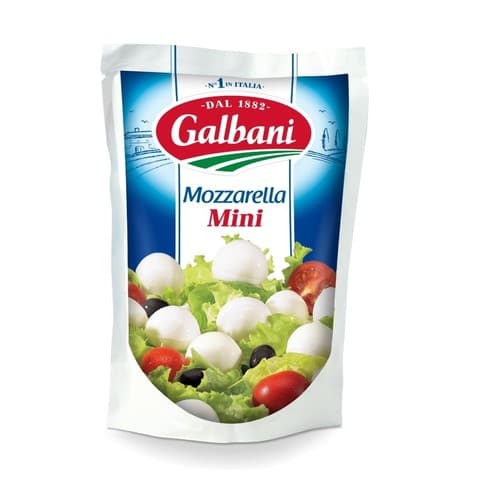
€3.65Mini Mozzarella Balls
GALBANI · kg · Bonpreu
 €3.99
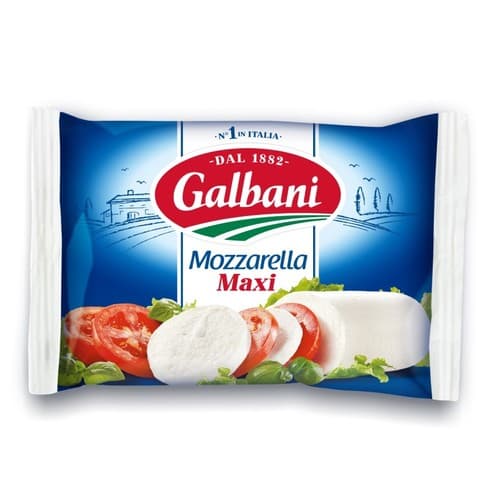
€3.99GALBANI Mozzarella Maxi Fresh
GALBANI · kg · Bonpreu
Good to know
- Moisture Content
- 40–52% (vs. 60%+ for fresh mozzarella)
- Fat Content
- 17–22% for part-skim; up to 24% for whole-milk
- Melting Point
- 130–140°F (54–60°C)
- pH Range
- 5.0–5.5 when fresh
- Primary Milk Source
- Cow's milk (most common); buffalo milk for authentic Mozzarella di Bufala
- Shelf Life (Refrigerated)
- 4–6 weeks for blocks; check 'best by' date for shredded
- Typical Forms
- Blocks, pre-shredded bags, and sliced
- Anti-Caking Agents (Pre-Shredded)
- Often potato starch or cellulose powder to prevent clumping
Substitutes
- Provolone — Comparable melting behavior and mild flavor; slightly more sharp when aged; use 1:1 ratio in baked dishes and pizza
- Scamorza — Italian cousin with similar moisture and melt properties; adds a slightly nuttier, more complex flavor; excellent 1:1 substitute
- Muenster — Mild, creamy texture that melts smoothly; lacks the slight tang of mozzarella but performs well in casseroles and on pizza
- Cheddar (Mild or Medium) — Melts reliably but has a distinctly different flavor profile; best used in casseroles or as part of a blend, not as a straight pizza substitute
- Monterey Jack — Very good melting cheese with mild flavor; slightly creamier texture; works well in baked dishes and cheese sauces
- Pizza Cheese Blend — Commercial blends combining low-moisture mozzarella with provolone and/or parmesan; formulated specifically for melting; use as direct 1:1 substitute
Pairs with
Also called
Shredded Mozzarella · Pizza Mozzarella
Related

Whole Milk
Rich, full-fat milk for drinking, coffee, sauces, and baking
Butter
Golden fat for searing, baking, and finishing a sauce
Yogurt
Tangy, creamy culture for breakfast, sauces, and marinades
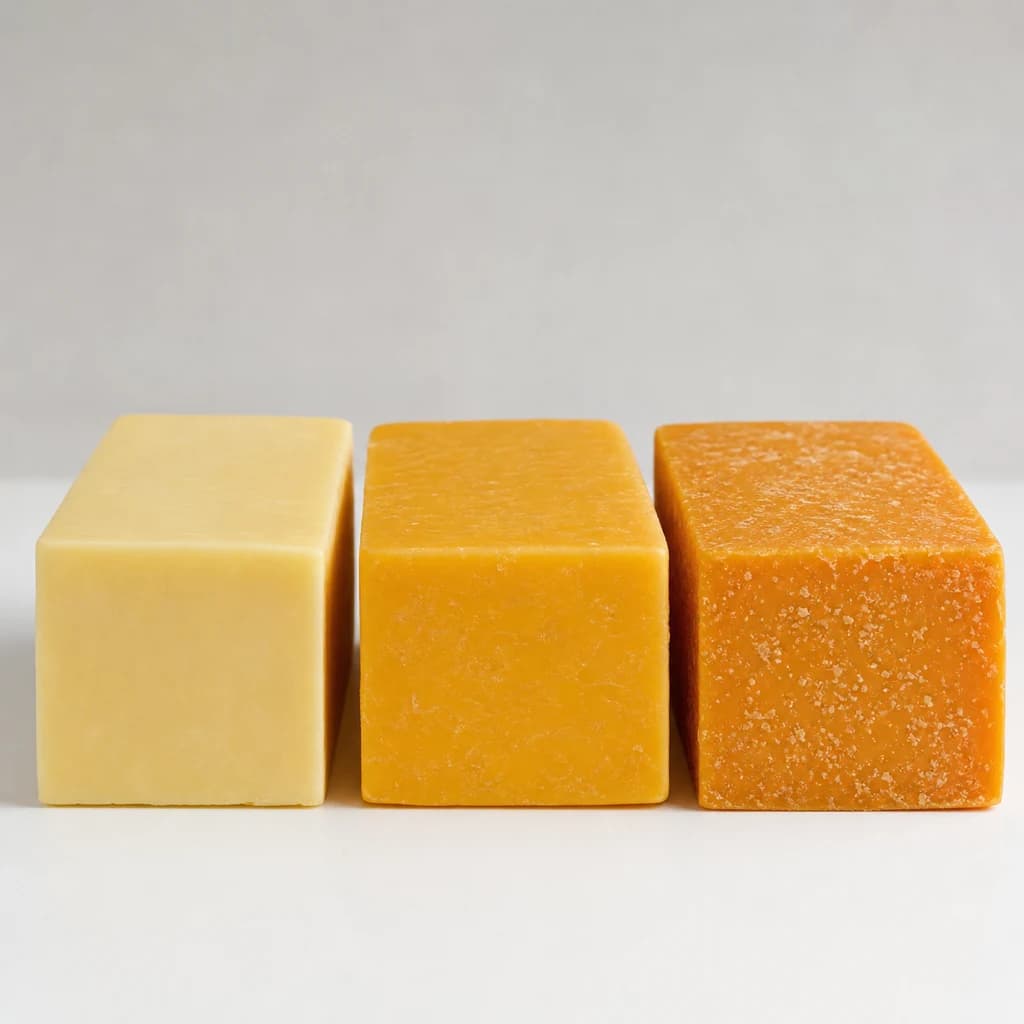
Cheddar Cheese
Sharp, melty cheese for sandwiches, gratins, and grating
Skim Milk
Fat-free milk for lighter drinking, coffee, and cooking
Heavy Cream
Rich cream that whips, enriches sauces, and sets ganache

Sour Cream
Tangy, thick cream for dolloping, baking, and dips
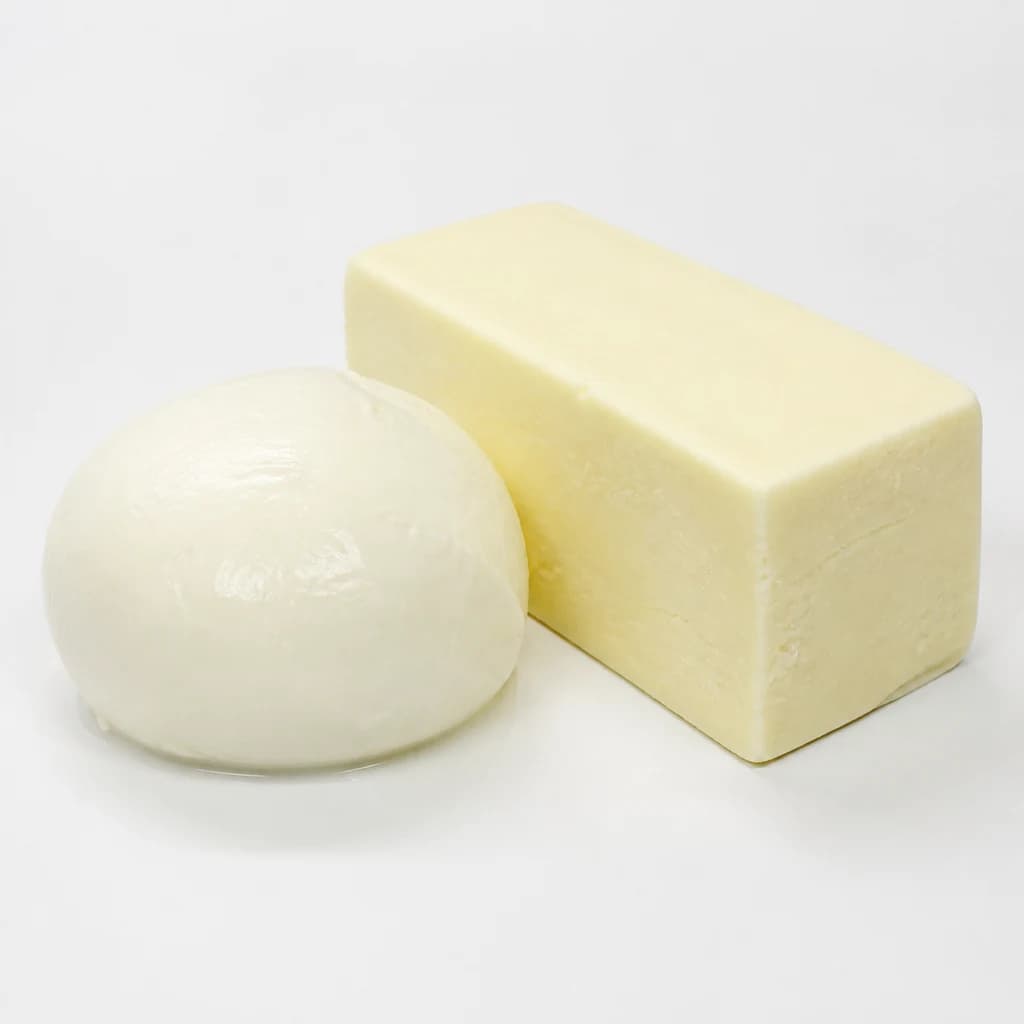
Mozzarella
Soft, milky cheese that melts into stretchy pizza pulls