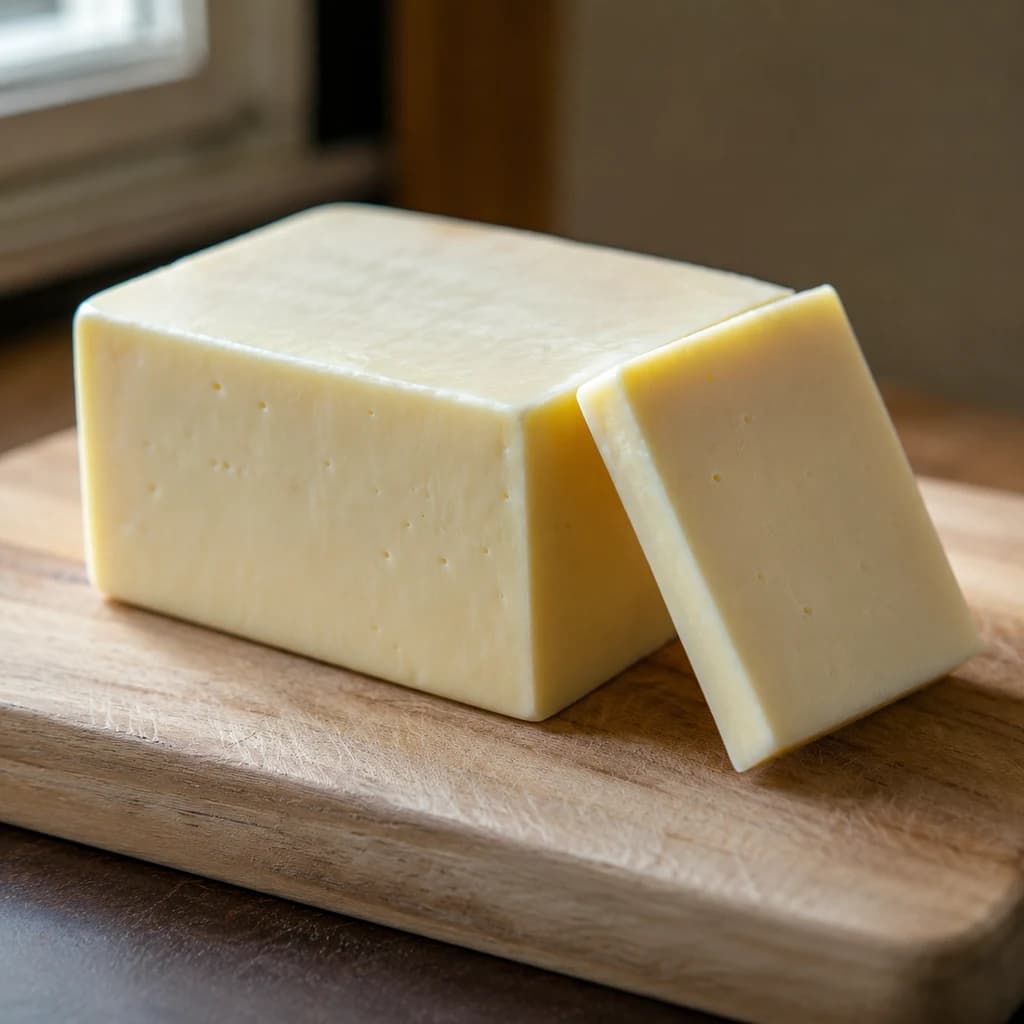
Natural form
A whole block of Monterey Jack shows its pale ivory color and semi-hard texture.
Shows the cheese in its most common retail form, conveying color, firmness, and rind-free appearance that distinguishes it from other cheeses.
Dairy & Eggs
Monterey Jack Cheese
Mild, buttery American semi-hard cow's-milk cheese that melts smoothly into quesadillas, nachos, and burgers.
Monterey Jack is a mild, pale, semi-hard cow's-milk cheese that originated in California. Its smooth, buttery flavor and excellent melt make it a go-to for Tex-Mex dishes, grilled cheese, and burgers, and it is the basis for pepper jack when spiked with chilies. Aged longer, it becomes Dry Jack, a firm grating cheese.
Monterey Jack is America's workhorse cheese—a semi-hard cow's-milk product prized for its exceptional melting behavior and quietly buttery flavor that supports rather than dominates other ingredients. Developed by Spanish Franciscan monks in California's Monterey Valley during the 18th century, the cheese we know today was commercialized by David Jacks in the 1880s, whose brand name eventually became the generic descriptor. Its mildness makes it ideal for Tex-Mex dishes, sandwiches, and cheese sauces where the cheese functions as a binding or melting element rather than the focal point. When young, Monterey Jack is pliable and smooth; as it ages into Dry Jack, it firms and concentrates, developing a mildly tangy, nuttier character that grates beautifully over pasta and salads. The cheese melts cleanly around 150–160°F without greasing off, a property that makes it indispensable in quesadillas, nachos, macaroni and cheese, and virtually any dish requiring smooth, even melt.
- Measured in
- g
- Storage
- Fridge
Allergens
Types & varieties
The standard variety; mild, buttery, smooth-melting. Often labeled simply 'Jack.'
Aged 6+ months until firm and crumbly with concentrated flavor; sometimes called 'Dry Jack.'
Studded with jalapeño, serrano, or habanero peppers; often includes pimientos, garlic, or herbs.
A cross-pollination of Colby and Monterey Jack techniques; marbled orange and white; milder and firmer than Colby.
Cold-smoked over wood to impart a subtle smoky flavor; sold in blocks or as a specialty log.
Younger, milder, and more moist than standard; marketed for its gentle flavor appealing to children.
Infused with garlic, herbs (rosemary, basil), sun-dried tomatoes, or other flavorings.
Ultra-processed varieties (e.g., pre-sliced sandwich loaves) with added emulsifiers; melts evenly but lacks nuance.
Choosing and Storing Monterey Jack
Select wheels or blocks over pre-shredded whenever possible—bagged shredded cheese contains cellulose or potato starch to prevent clumping, and these anti-caking agents create a filmy, uneven melt. A whole wheel or block kept wrapped in butcher paper or plastic wrap in the vegetable crisper drawer stays fresh for 3–4 weeks. Once cut, the exposed surface begins drying; use within 1–2 weeks or wrap tightly and freeze for up to 6 months. Frozen cheese thaws well for cooking but loses some texture for raw applications. The optimal storage temperature is 35–45°F (1.5–7°C).
- Shred or slice from cold cheese for the most even melt
- Bring to room temperature 20–30 minutes before serving on a cheese board
- Avoid low-fat or fat-free varieties in recipes requiring smooth melting
Common uses
Tips & pitfalls
- Shred or slice cheese cold from the refrigerator—cold cheese melts more evenly and with less greasiness than room-temperature cheese.
- Grate cheese from a block rather than buying pre-shredded; bagged shredded cheese contains cellulose or potato starch anti-caking agents that inhibit smooth melting.
- Use moderate heat (medium-low) when melting in a pan or sauce. High heat causes the proteins and fat to separate, resulting in a grainy or greasy texture.
- If making a cheese sauce, add cheese in small additions off heat or at very low heat, stirring constantly to integrate before adding more.
- Bring cheese to room temperature for 20–30 minutes before serving on a cheese board or in cold sandwiches.
- For baked dishes, combine Monterey Jack with a higher-moisture cheese (like mozzarella) or a sharper cheese (like cheddar) to balance melt quality and flavor complexity.
- Dry Monterey Jack grates well and works as a substitute for Parmesan in some applications; it adds savory depth when grated over finished dishes.
- Avoid using low-fat or fat-free Monterey Jack in recipes calling for melting—they contain stabilizers that prevent proper melting and result in a rubbery texture.
Nutrition
Energy
1561 kJ · per 100 g
Where the calories come from
Protein
24.5g
49% DV
Carbs
0.7g
0% DV
Fat
30.3g
39% DV
Fiber
0g
0% DV
Sugars
0.5g
of which
Sodium
600mg
26% DV
Source · USDA FoodData Central · approx. Cheese, monterey
View on FDC →In the shops
Matched grocery products
No matched grocery products for Monterey Jack Cheese yet.
Good to know
- Origin
- Monterey, California, USA (developed by Spanish Franciscan monks in the 18th century; commercialized by David Jacks in the 1880s)
- Milk Type
- Cow's milk (typically pasteurized)
- Fat Content
- 30–33%
- Moisture Content
- 30–44%
- Texture
- Semi-hard; smooth and pliable when young, slightly firmer when aged
- Aging
- Typically 1–3 months; Dry Monterey Jack aged 6+ months
- Flavor Profile
- Mild, buttery, slightly sweet when young; mildly tangy when aged
- Color
- Pale ivory to light yellow
- Form
- Sold in wheels, blocks, loaves, and pre-shredded bags
- Melting Point
- Melts cleanly around 150–160°F (65–71°C) without becoming greasy
Substitutes
- Colby — Similar texture and mild flavor; slightly sweeter. Works in almost all applications. May be slightly firmer.
- Mild Cheddar — More acidic and firmer, but acceptable in cooked applications. Avoid in cold sandwiches where texture contrast matters.
- Muenster — Semi-soft, mild, and an excellent melter. Fat content and melt quality are very close; flavor is slightly more pronounced.
- Havarti — Danish-style cheese with buttery, mild flavor and excellent melting. More expensive; best for upscale sandwiches and sauces.
- Mozzarella (Part-Skim) — Great melter with neutral flavor; lacks Monterey Jack's buttery richness. Good for pizza, lasagna, and pasta.
- American Cheese (Yellow or White) — Processed cheese; melts extremely smoothly with no oil separation. Lacks nuanced flavor; acceptable for nachos and burgers.
- Gouda (Young) — Semi-hard, good melter with a mild, nutty flavor. Acceptable substitute but has a distinct caramel-like sweetness.
Pairs with
Also called
monterey jack · jack cheese
Related

Whole Milk
Rich, full-fat milk for drinking, coffee, sauces, and baking
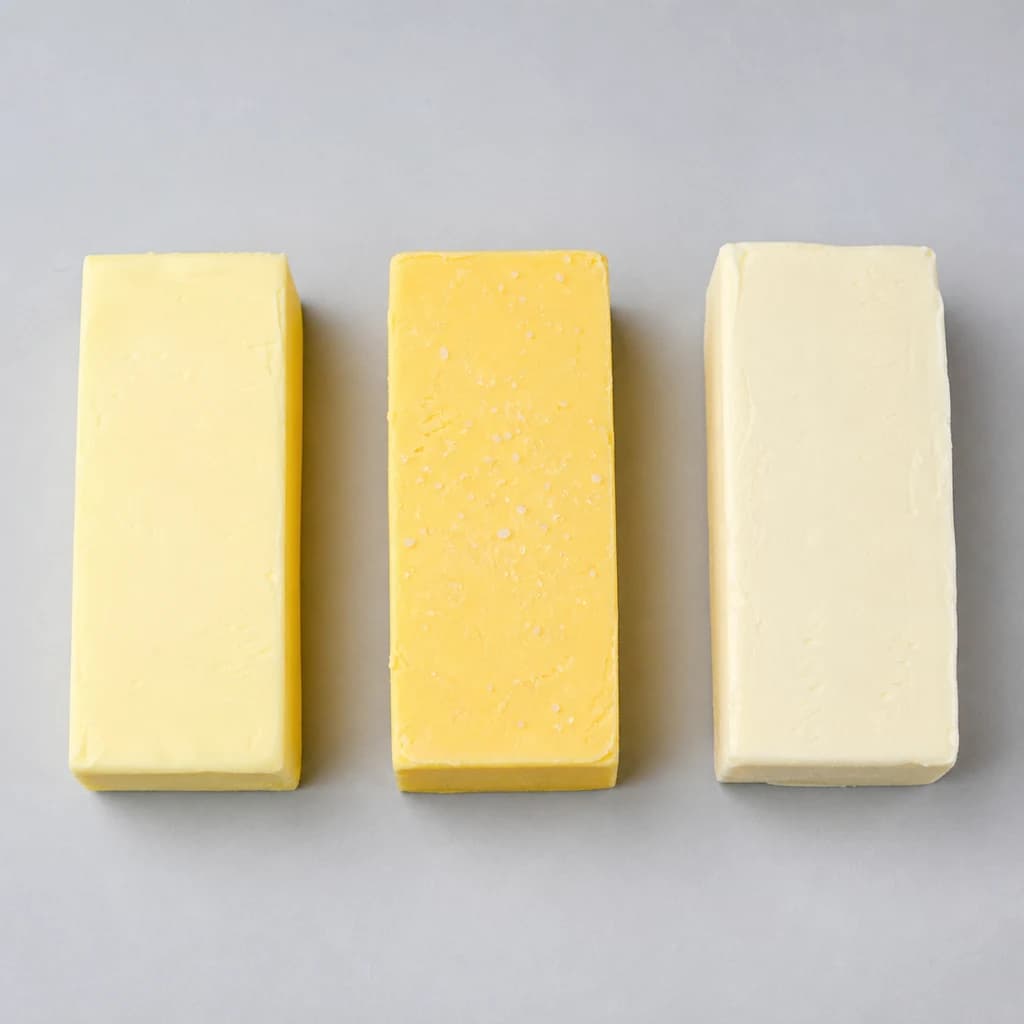
Butter
Golden fat for searing, baking, and finishing a sauce
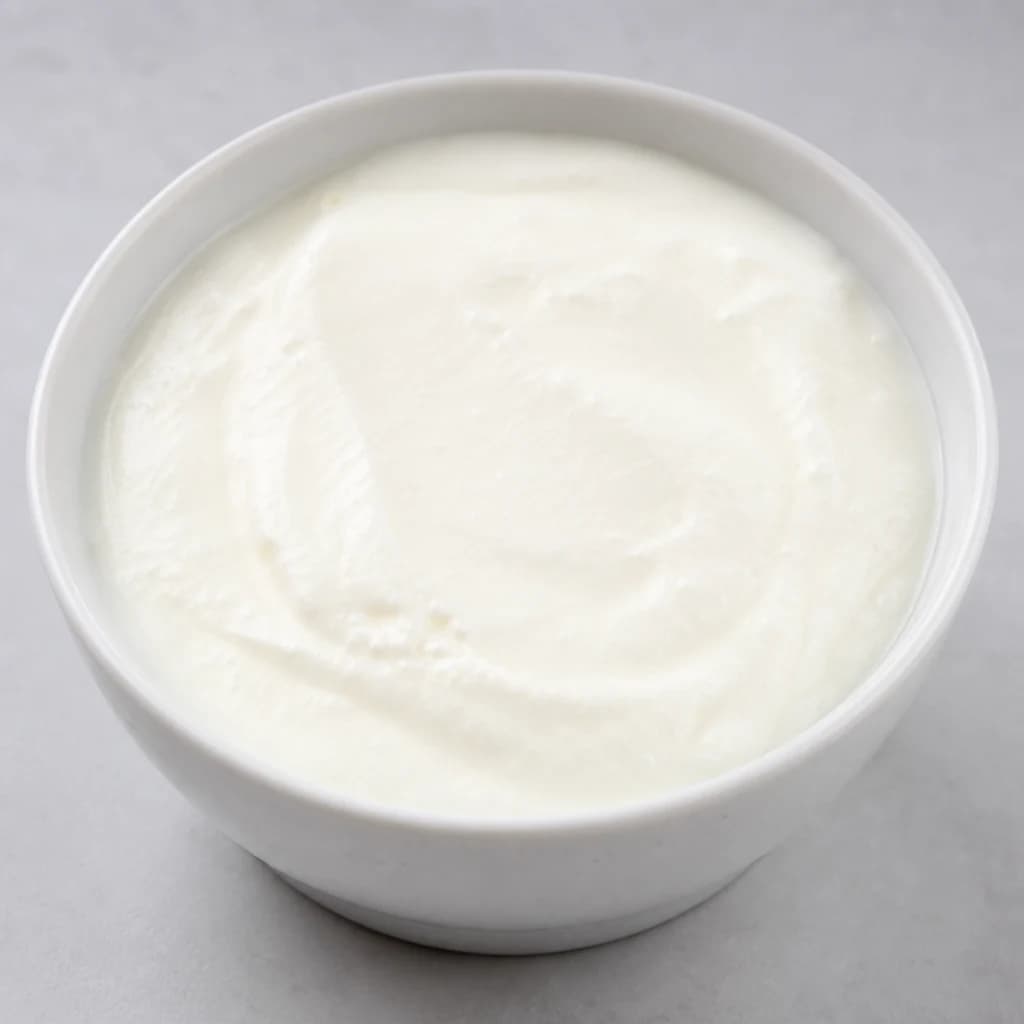
Yogurt
Tangy, creamy culture for breakfast, sauces, and marinades
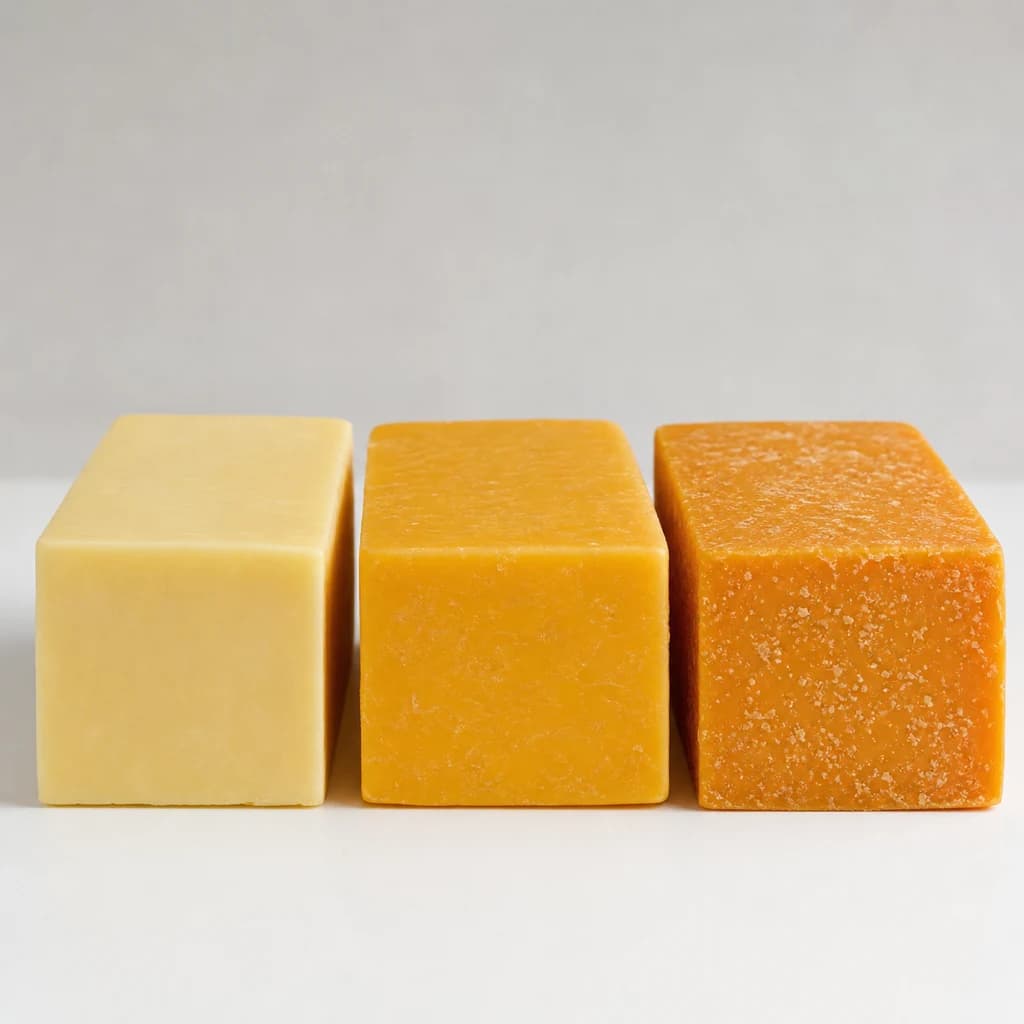
Cheddar Cheese
Sharp, melty cheese for sandwiches, gratins, and grating
Skim Milk
Fat-free milk for lighter drinking, coffee, and cooking
Heavy Cream
Rich cream that whips, enriches sauces, and sets ganache

Sour Cream
Tangy, thick cream for dolloping, baking, and dips
Mozzarella
Soft, milky cheese that melts into stretchy pizza pulls