Dairy & Eggs
Pepper Jack
Monterey Jack studded with jalapeños and chili flakes; melts creamy with a peppery heat that lifts burgers, quesadillas, and nachos.
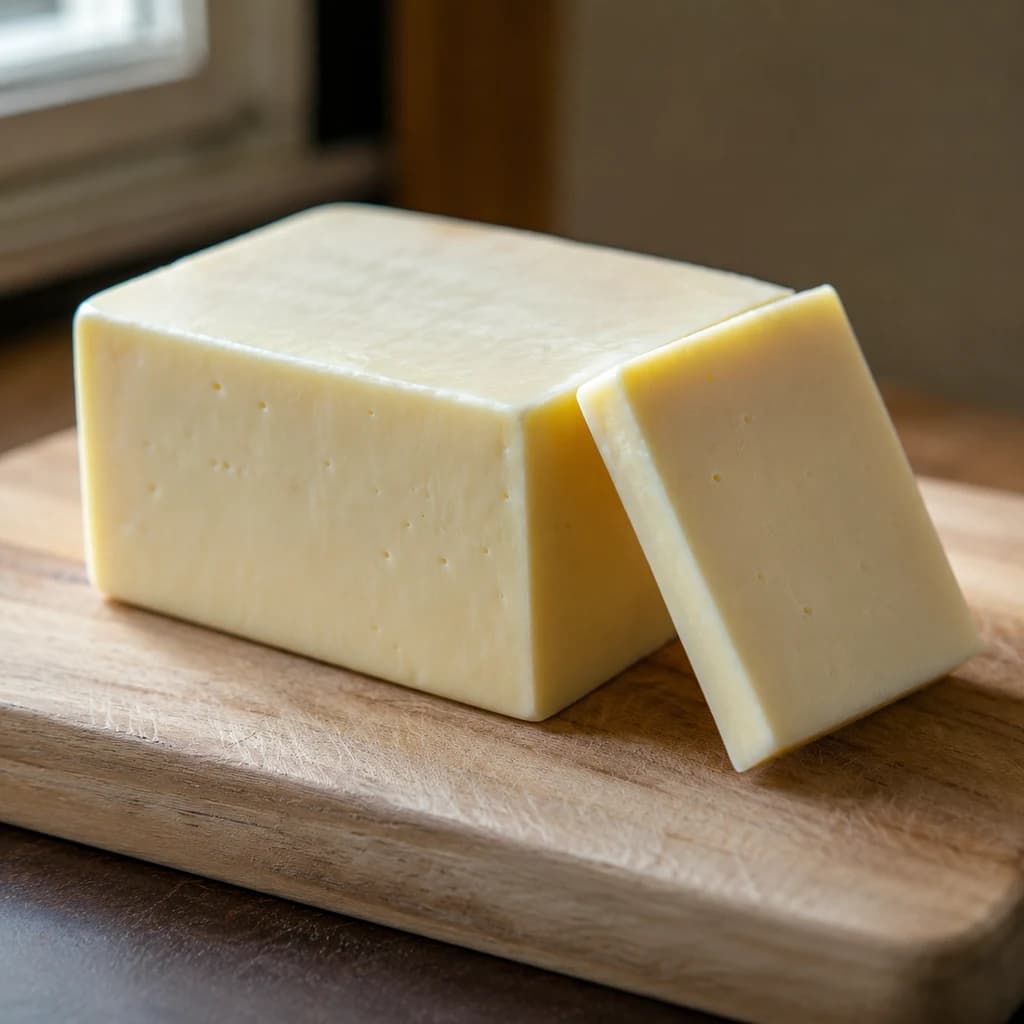
Pepper Jack is a flavored American cheese built on the same foundation as Monterey Jack: a smooth, semi-firm cow's-milk paste with high moisture and a clean, buttery flavor. What distinguishes it is the addition of jalapeños — and often bell pepper, chili flakes, paprika, or other seasonings — mixed into the curd or layered into the cheese before it is pressed and set. The result is a cheese that behaves exactly like a young Jack in the pan (creamy, stretchy, and forgiving) while delivering a steady, vegetal heat that lifts anything it touches.
The spice level is the single most important variable to understand. Mass-market versions skew mild, designed to please a wide audience on burgers and nachos, while habanero blends and small-batch artisan wheels can approach real heat. Because the capsaicin comes from actual chiles rather than extract, the perceived spiciness tends to bloom as the cheese sits in a hot dish — a queso that tastes balanced on the stove can feel quite different after ten minutes on the table. Plan for that, and keep a cooling element within reach.
Because it is sold young, usually within weeks of make, Pepper Jack lacks the crystalline complexity of an aged Jack or cheddar, but compensates with pure meltability. It is the rare 'spicy' cheese that functions as a true cooking cheese rather than a table novelty.
- Measured in
- g
- Storage
- Wrapped & Refrigerated
Allergens
Find it in
Suits
Types & varieties
Standard version with minced jalapeño and mild chili seasoning; the everyday nacho-and-burger choice
Uses habanero or other hot chiles for a noticeably more aggressive burn; taste before committing to a recipe
Cold-smoked over hardwood; adds a campfire note that works well on burgers and with smoked meats
Lower fat with similar flavor; melts slightly less fluidly and can turn rubbery if overheated
Small-batch versions often use whole jalapeños, more complex spice blends, and occasionally raw milk; quality and heat level vary widely
Plant-based alternatives using cashew or coconut oil bases with chili infusions; widely available in the 2020s
Heat Management: Tasting, Balancing, Taming
Pepper Jack's heat behaves differently from added hot sauce or chili powder. Because the capsaicin is bound up in the cheese's fat and moisture, it releases gradually as the cheese warms, which means perceived spiciness climbs the longer a dish sits. A queso that feels gentle straight off the burner can be punishing by the time guests reach the bottom of the pot. Taste the cheese raw, then taste the finished dish at five-minute intervals to learn the curve for your specific brand. If the heat lands too hot, reach for dairy (crema, sour cream, whole milk, or a béchamel base) rather than water — fat binds capsaicin and dulls the burn without diluting flavor. Acid (lime juice, pickled jalapeño brine, fresh salsa) brightens the cheese and provides a perceptual counterweight to heat even when it doesn't chemically reduce it.
Common uses
Tips & pitfalls
- Buy a block and shred it yourself for any dish where melt quality matters — pre-shredded bags contain cellulose or potato starch that prevent caking in the bag but produce a grainy, clumpy melt in the pan.
- Let the cheese sit at room temperature for 20–30 minutes before adding it to pizza, casseroles, or baked pastas; cold cheese straight from the fridge melts unevenly and can leave greasy pockets.
- Watch the heat — Pepper Jack's high moisture means it can go from creamy to broken and greasy in seconds over direct high heat. Melt low and slow, or use a double boiler for queso and fondue-style applications.
- For stuffed burgers or jalapeño poppers, freeze the cheese disc for 10–15 minutes before cooking so it holds its shape during searing rather than leaking out into the pan.
- If a finished dish is too spicy, add dairy (sour cream, Mexican crema, or a splash of milk) to tame the heat — water only thins the sauce without dulling the burn.
- Pair the cheese with a cooling element — avocado, sour cream, a squeeze of lime, or a sour pickle — to balance the heat on finished plates.
- Wrap tightly in parchment paper first, then loosely in foil or a sealed bag; the parchment lets the cheese breathe slightly while preventing it from drying out or absorbing refrigerator odors.
- Mix Pepper Jack with a sharper cheese like aged cheddar or low-moisture mozzarella for queso and mac and cheese — the flavor gains depth and the heat is moderated by a more assertive partner.
Nutrition
Energy
121 kJ · per 100 g
Where the calories come from
Protein
0.9g
2% DV
Carbs
6.5g
2% DV
Fat
0.4g
0% DV
Fiber
2.8g
10% DV
Sugars
4.1g
of which
Sodium
3mg
0% DV
Source · USDA FoodData Central · approx. Peppers, jalapeno, raw
View on FDC →In the shops
Matched grocery products
No matched grocery products for Pepper Jack yet.
Good to know
- Type
- Semi-hard cow's-milk cheese; a flavored variant of Monterey Jack
- Base cheese
- Monterey Jack, an American-style cheese that originated in California
- Texture
- Smooth and semi-firm when cold; supple, creamy, and stretchy when melted
- Flavor profile
- Buttery, mildly tangy Jack base with a steady peppery heat from jalapeños; intensity varies widely by brand
- Aging
- Sold young — typically unaged or aged only a few weeks
- Meltability
- Excellent; high moisture and fat make it one of the best domestic melting cheeses
- Heat source
- Real chiles (most often jalapeño) rather than capsaicin extract
- Storage
- Wrap in parchment, then loosely in foil; refrigerate at 34–38°F (1–3°C); use within 2–3 weeks of opening
Substitutes
- Monterey Jack + fresh jalapeños — Mix 8 oz grated Monterey Jack with 1–2 finely minced jalapeños (seeds removed for less heat); the closest texture and flavor match, and you control the spice level.
- Habanero Cheddar — Sweeter, sharper base with hotter chiles; works in queso and burgers, though the overall flavor is bolder and the melt slightly tighter.
- Queso Chihuahua (Queso Menonita) with pickled jalapeños — Authentic Mexican melting cheese with a similar buttery character; the pickled peppers add tang and heat that mimic the Pepper Jack profile.
- Spicy Havarti — Creamy, mild base with a comparable melt and a gentler, more herbal heat; a good choice for milder palates.
- Provolone + crushed red pepper flakes — Stretchier, tangier, and saltier; works when you need heat without the vegetal pepper note of fresh chiles.
- Fresh young Jack + a few dashes of hot sauce — A serviceable emergency substitute; the melt and texture are right, though the flavor is one-dimensional.
Pairs with
Also called
pepper jack cheese · monterey jack pepper