Oils & Fats
Extra-Virgin Olive Oil
First cold-press olive oil under 0.8% acidity — fruity and peppery, for finishing and gentle cooking
Extra-virgin olive oil is the top grade of olive oil, defined by international law (International Olive Council, EU Reg. 29/2012, USDA) rather than by marketing. To carry the label, the oil must be extracted by purely mechanical means at temperatures below roughly 27°C (80°F), contain no more than 0.8% free fatty acids (expressed as oleic), and pass a sensory panel showing perceptible fruitiness and zero defects. It is the only widely consumed culinary fat eaten in its natural, unrefined state, which is why its flavor, color, and aroma vary so dramatically from bottle to bottle.
What sets EVOO apart chemically is the load of polyphenols it carries through from the fruit — oleocanthal (the compound that makes good oil sting the back of the throat), oleuropein, hydroxytyrosol, and roughly 400–800+ mg/kg of total phenolics in quality early-harvest examples. These compounds, along with roughly 73% monounsaturated oleic acid, give the oil its oxidative stability and its peppery, bitter, herbal edge. They also degrade quickly under heat, light, and air, which is why freshness and storage matter as much as cultivar.
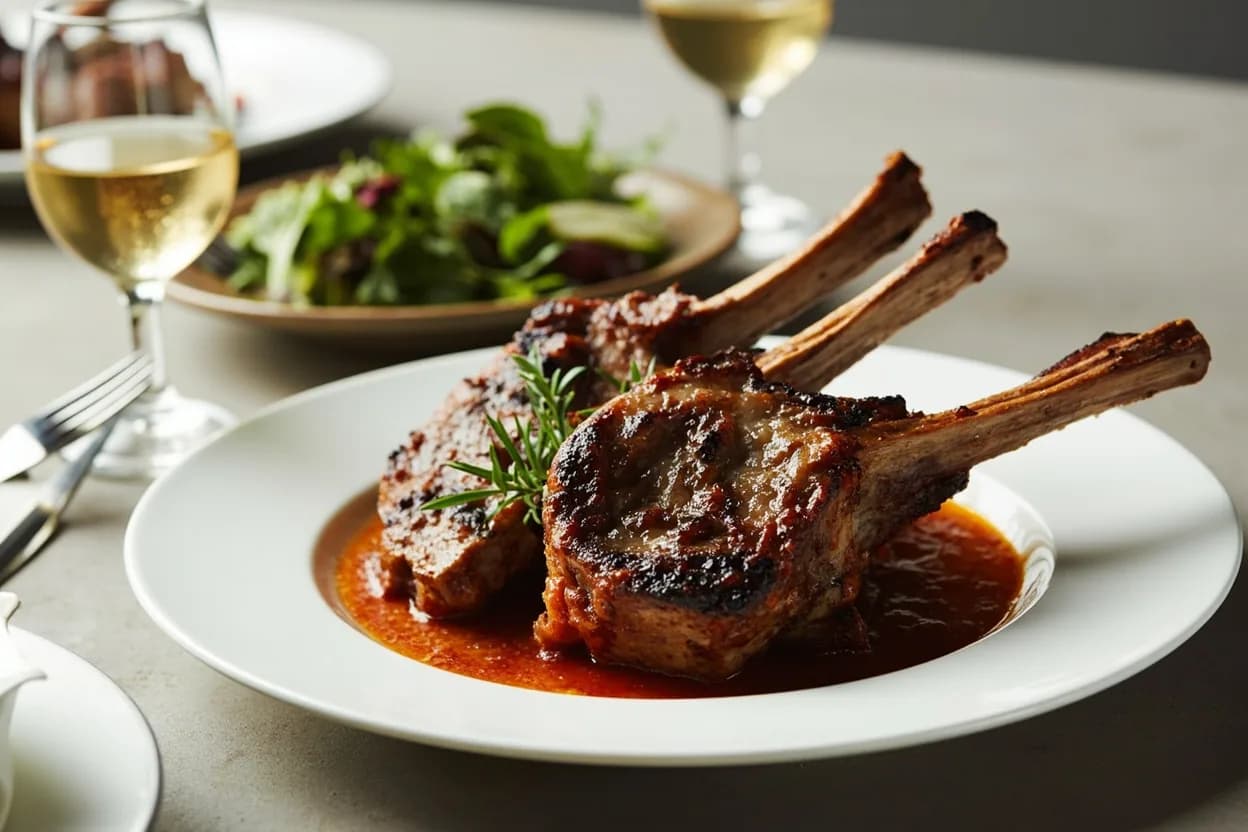
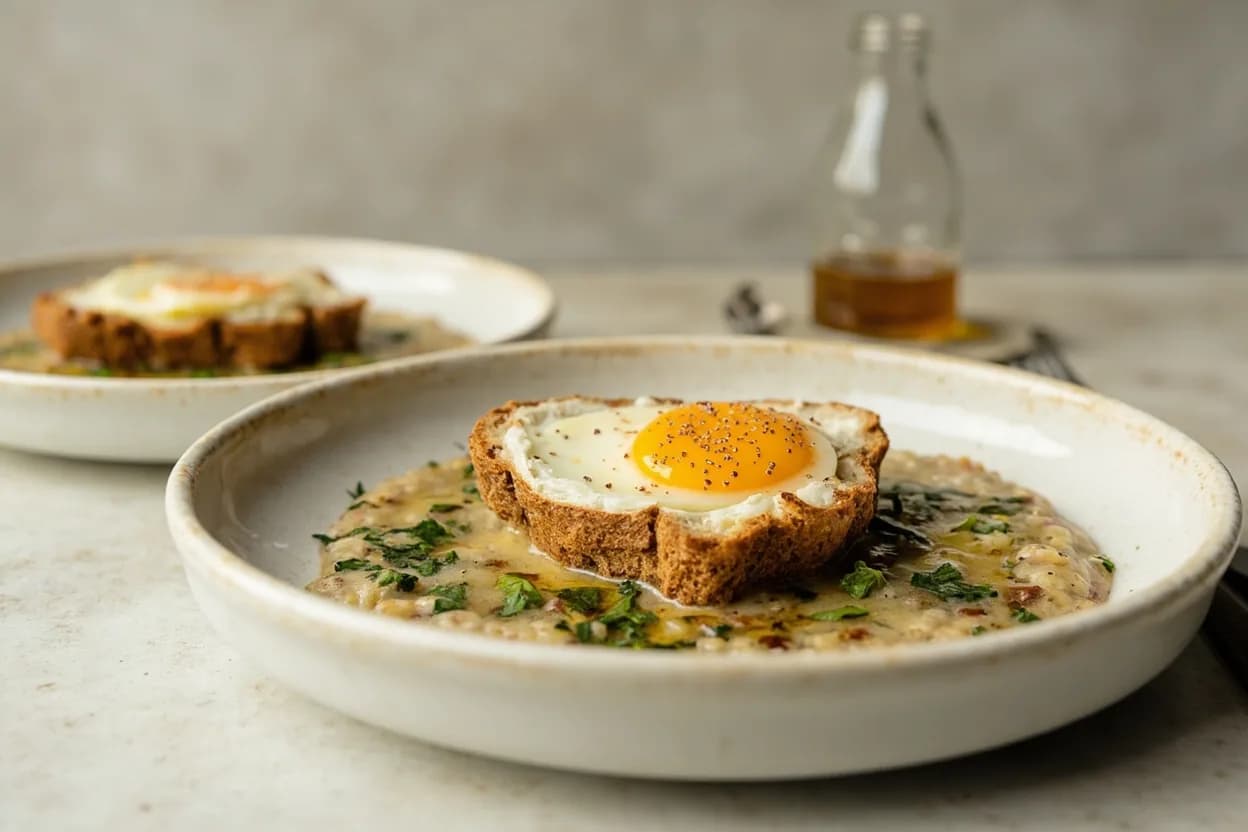
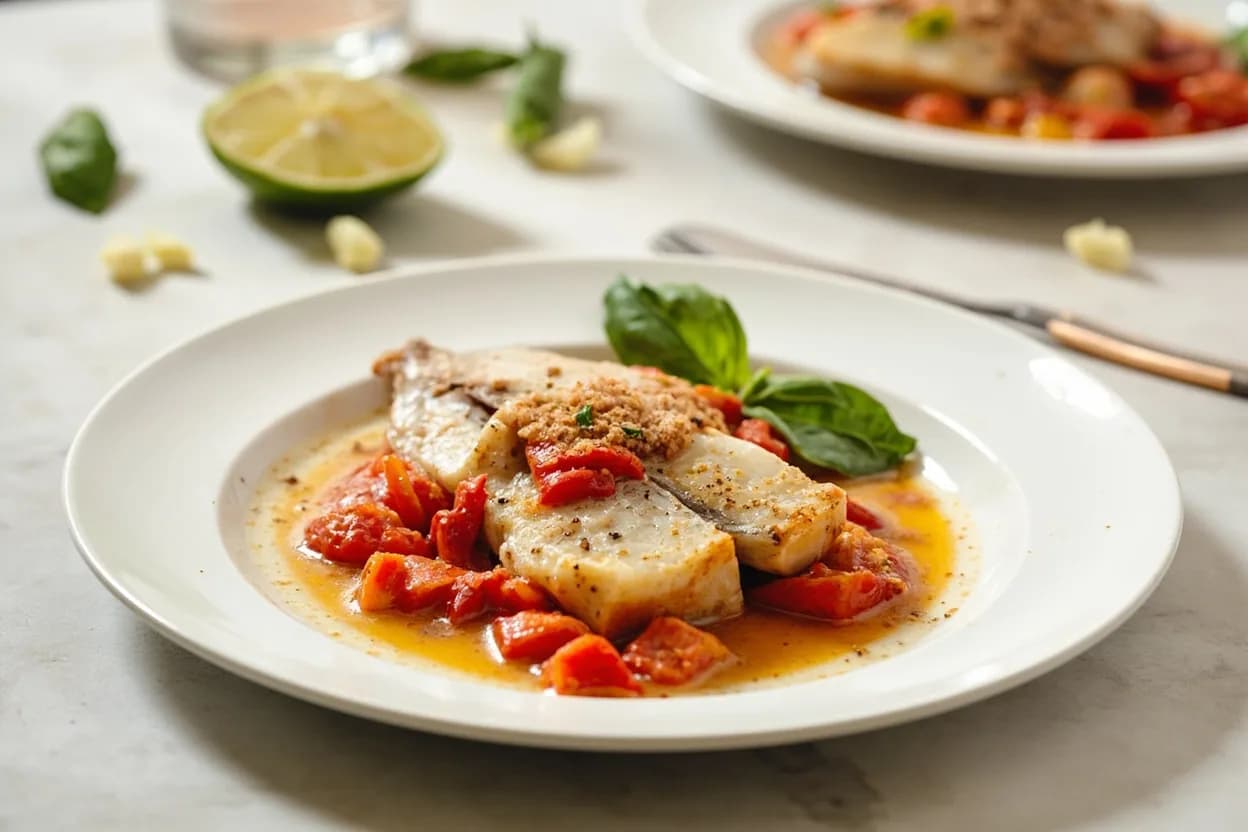
In the kitchen, treat EVOO as a finishing fat and a flavoring ingredient first. Use it raw on bread, beans, salads, soups, and grilled fish or meat; use a milder or less expensive oil when you genuinely need high heat. Modern research has confirmed that EVOO's oxidative stability is high, but the volatile aromatic compounds that make it special are still destroyed by sustained high heat, so drizzling after cooking almost always beats cooking with it.
- Measured in
- ml
- Storage
- Dark Cool
Find it in
Suits
Types & varieties
Spanish (Jaén); the world's most-produced olive oil. Robust, grassy, very peppery; high oleic and polyphenol count; exceptionally stable.
Catalan/Spanish. Mild, almond, ripe banana, soft bitterness; low polyphenols; easy-drinking, common in blends.
Andalusian. Fresh grass, almond, gentle bitterness; widely used in Spanish blends for balance.
Castilla-La Mancha. Intensely herbaceous, astringent; antioxidant-rich.
Tuscan. Grassy, artichoke, herbal, balanced bitterness; backbone of Tuscan blends.
Italian, widely planted. Mild, sweet, fruity, light finish; usually blended with Frantoio for roundness.
Puglian. Green tomato, almond, fierce peppery finish; among the highest polyphenol counts in the world.
Umbrian/Tuscan. Strong, herbaceous, slightly bitter; added to blends for pungency and body.
Ligurian. Delicate, sweet, almond; the traditional oil for pesto Genovese.
Sicilian PDO. Green tomato, artichoke, balanced bitterness; excellent all-rounder.
Greek. Small fruit, intensely fruity, high polyphenol; backbone of Cretan and Kalamata oils.
Provençal. Mild, almond, ripe fruit; the classic French Riviera finishing oil.
California heritage cultivar. Medium intensity, herbal; grown by a handful of premium California producers.
Reading the Label
Three things on an EVOO bottle actually predict quality, and one of them is regulated.
- Harvest date is the most useful number on the bottle. Anything older than 18 months is past its prime, and a recent fall harvest is the freshest oil you can buy.
- Single-estate and estate-bottled oils from named producers (Castillo de Canena, Frantoio Muraglia, Tenuta di Capezzana, Oleoestepa, Pruneti, Yanni's) are usually a safer bet than unbranded bulk imports.
- PDO and PGI seals — Toscano IGP, Val di Mazara DOP, Kalamata PDO, Baena DOP, Sierra de Cazorla DOP, Nocellara del Belice DOP — guarantee regional authenticity and cultivar; they do not by themselves guarantee great flavor.
- 'Product of Italy' or 'Packed in Italy' can legally be a blend of Mediterranean and North African oils bottled in Italy. Country of origin is the more meaningful phrase.
- IOC, USDA grading standards, COOC (California), and DOP/IGP seals indicate third-party verification. The NAOOA seal is the US industry self-check and is less rigorous.
The Smoke Point Question
The old 'EVOO burns easily' advice is mostly wrong on the chemistry, but right on the cooking. De Alzaa et al. (2018, Acta Scientific Nutritional Health) and related work show that high-quality EVOO is oxidatively more stable than many refined seed oils, with smoke points that cluster in the 190–215°C range. The real loss is aromatic, not structural: the volatile esters, aldehydes, and phenols that give EVOO its character start breaking down well before the oil visibly smokes. For searing, deep-frying, or wok cooking, a refined olive oil, light olive oil, or another high-stability oil is more economical; for finishing, dressings, and gentle sautéing, EVOO is the right tool.
- Use EVOO for sautéing and pan-frying at low-to-medium heat (below ~190°C / 375°F).
- Switch to refined olive oil, avocado oil, or a high-oleic sunflower for high-heat work.
- Add EVOO at the end of cooked dishes — over pasta, into soups, drizzled on roasted vegetables — to recover the aromatics that heat strips.
Sensory Evaluation
Tasting EVOO properly takes about 30 seconds. Warm a small glass (ideally blue or dark to hide color, since color does not predict quality) in your palm, cover, and swirl to release volatiles. Smell: fresh olive, grass, herbs, tomato leaf, or ripe fruit are positive; mustiness, wax, crayons, vinegar, or wet cardboard are defects (rancidity, fustiness, winey-vinegary, musty-humidity). Sip about a teaspoon, pulling air through to aerate it, and assess fruitiness across the tongue, bitterness at the front, and pungency — that peppery catch in the throat — as it goes down. A good oil has all three; a great one has them in balance. The peppery sting is oleocanthal, a polyphenol, and a sign of antioxidant-rich, early-harvest oil, not a flaw.
- Use a small blue or dark glass to hide color — color is not a quality indicator.
- Look for fruit, bitterness, and pungency in balance; absence of bitterness usually means late-harvest, overripe fruit, or an old bottle.
- Any sensation of wax, crayons, vinegar, or damp cardboard means the oil is defective — return it.
Common uses
Tips & pitfalls
- Taste it before you commit. A good EVOO should smell and taste of fresh olives with fruit, bitterness, and a peppery finish. If it tastes waxy, musty, crayons, or cardboard, it is rancid or defective — return it.
- Buy small bottles (500 ml) and finish them within 4–8 weeks of opening. A 2-liter jug that sits for months will taste flat and stale long before the best-by date.
- Store sealed in a dark, cool cupboard away from the stove. Heat, light, and air are the three enemies of fresh oil. Skip the clear glass on a sunlit shelf.
- Decant from a large tin or magnum into a smaller table bottle to limit oxygen exposure; refill rather than topping up.
- Prefer dark (verde) glass, tin, or ceramic. UV-protected containers preserve polyphenols significantly longer than clear glass.
- Check the harvest date, not just 'best by.' Recent fall harvests (October–December in the Northern Hemisphere) are the freshest, most polyphenol-rich oils you can buy.
- The peppery throat catch is oleocanthal — a sign of high polyphenols, not a flaw. A mild, almost-sweet oil is either overripe, old, or refined; choose based on the dish, not the absence of bite.
- Never deep-fry with EVOO; it is wasteful and the aromatics burn off. For searing and wok work, use refined olive oil, light olive oil, or avocado oil.
- Do not refrigerate. EVOO solidifies around 4–10°C (39–50°F), and condensation on opening the cold bottle encourages spoilage and flavor loss.
Nutrition
Energy
3699 kJ · per 100 g
Where the calories come from
Protein
0g
0% DV
Carbs
0g
0% DV
Fat
100g
128% DV
Fiber
0g
0% DV
Sugars
0g
of which
Sodium
2mg
0% DV
Source · USDA FoodData Central · Oil, olive, salad or cooking
View on FDC →In the shops
Matched grocery products
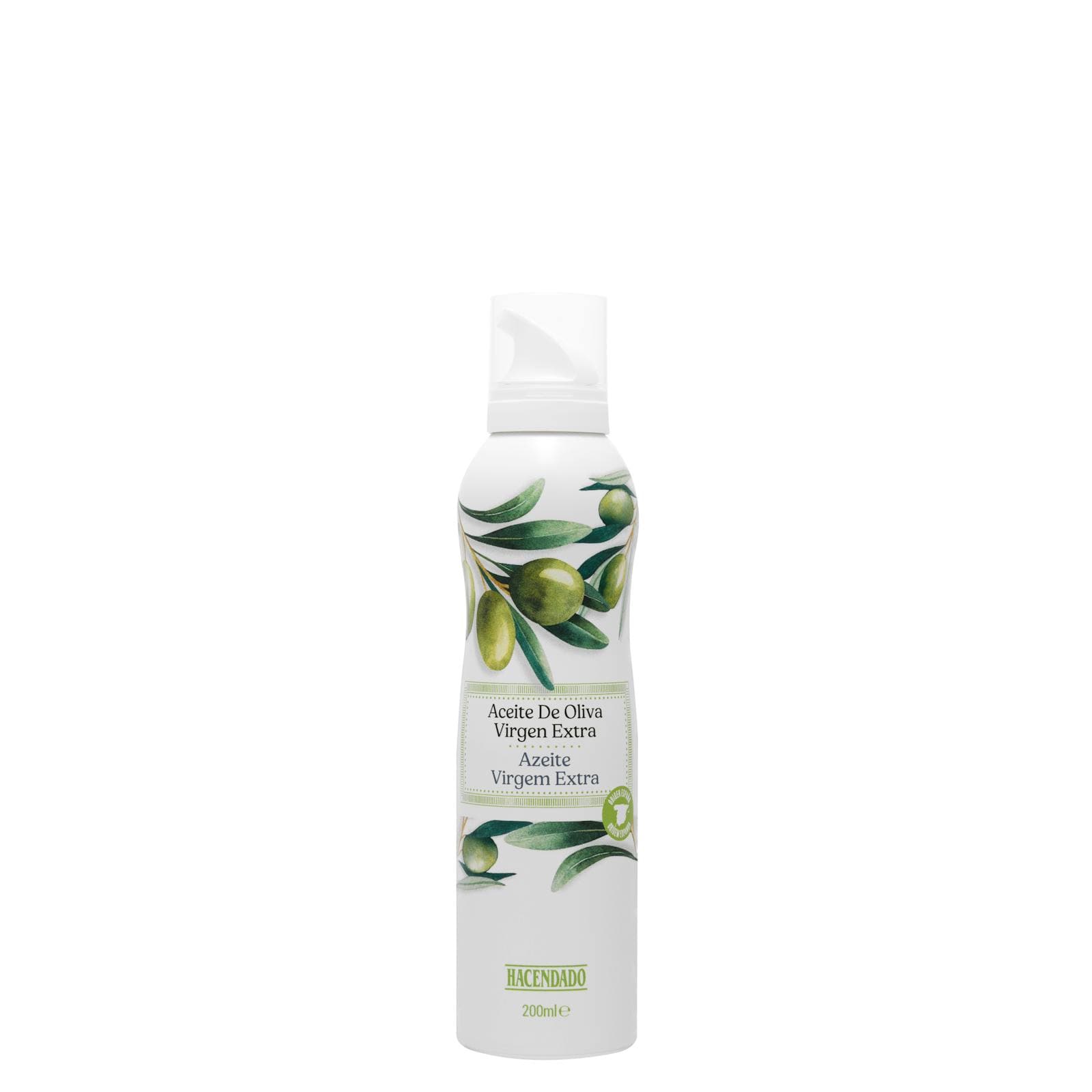 €2.70
€2.70Extra Virgin Olive Oil
Hacendado · 0.2 L · Mercadona
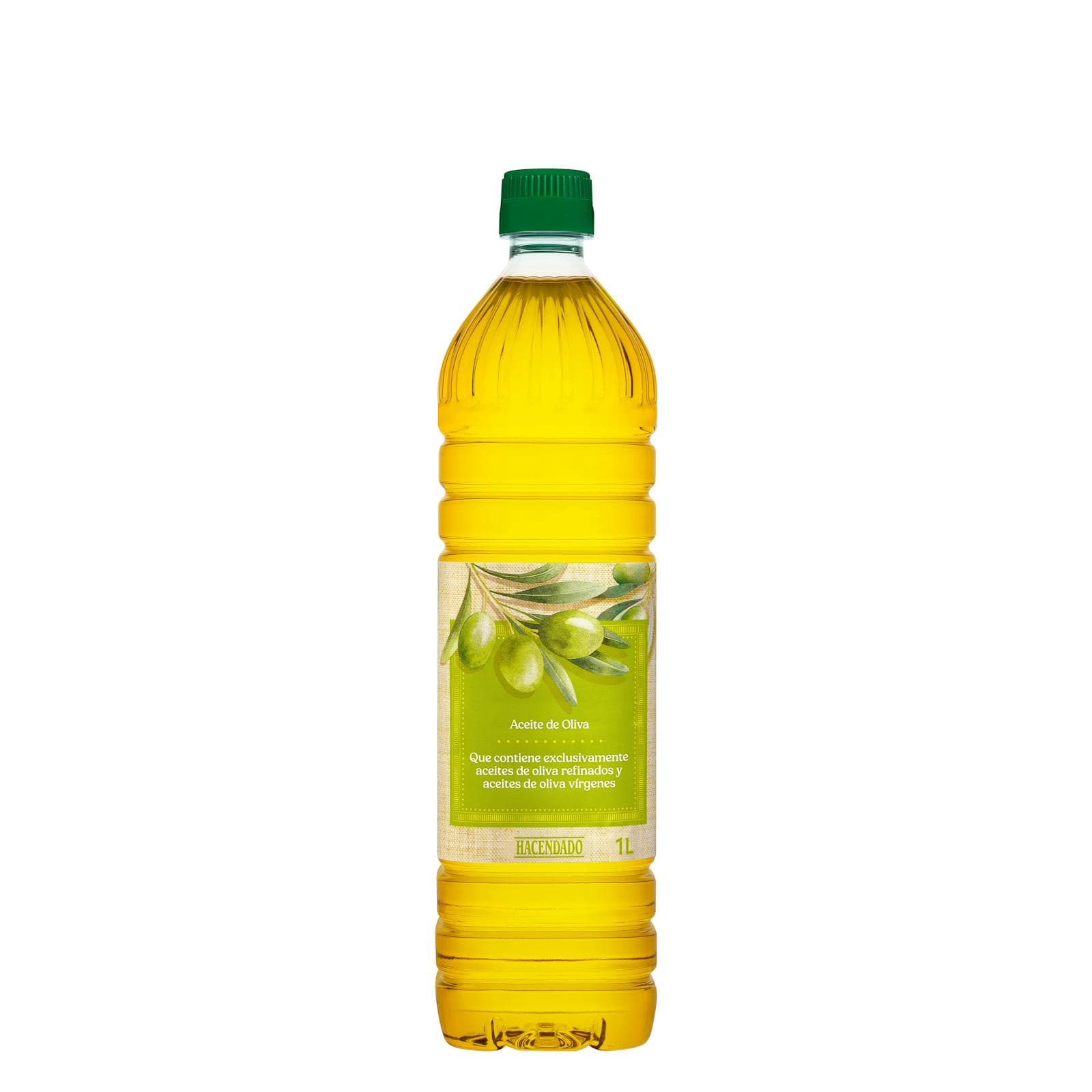 €4.35
€4.35Olive Oil
Hacendado · 1 L · Mercadona
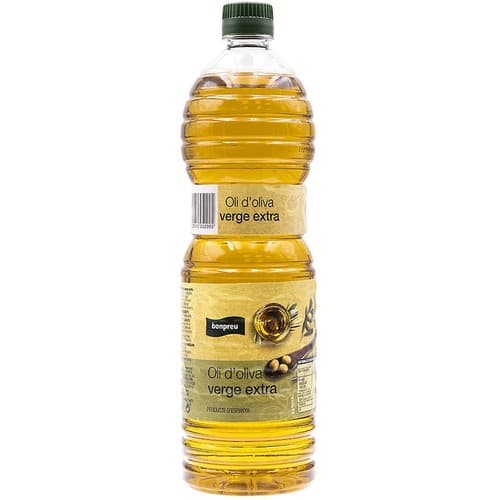 €4.95
€4.95Extra Virgin Olive Oil
BONPREU · l · Bonpreu
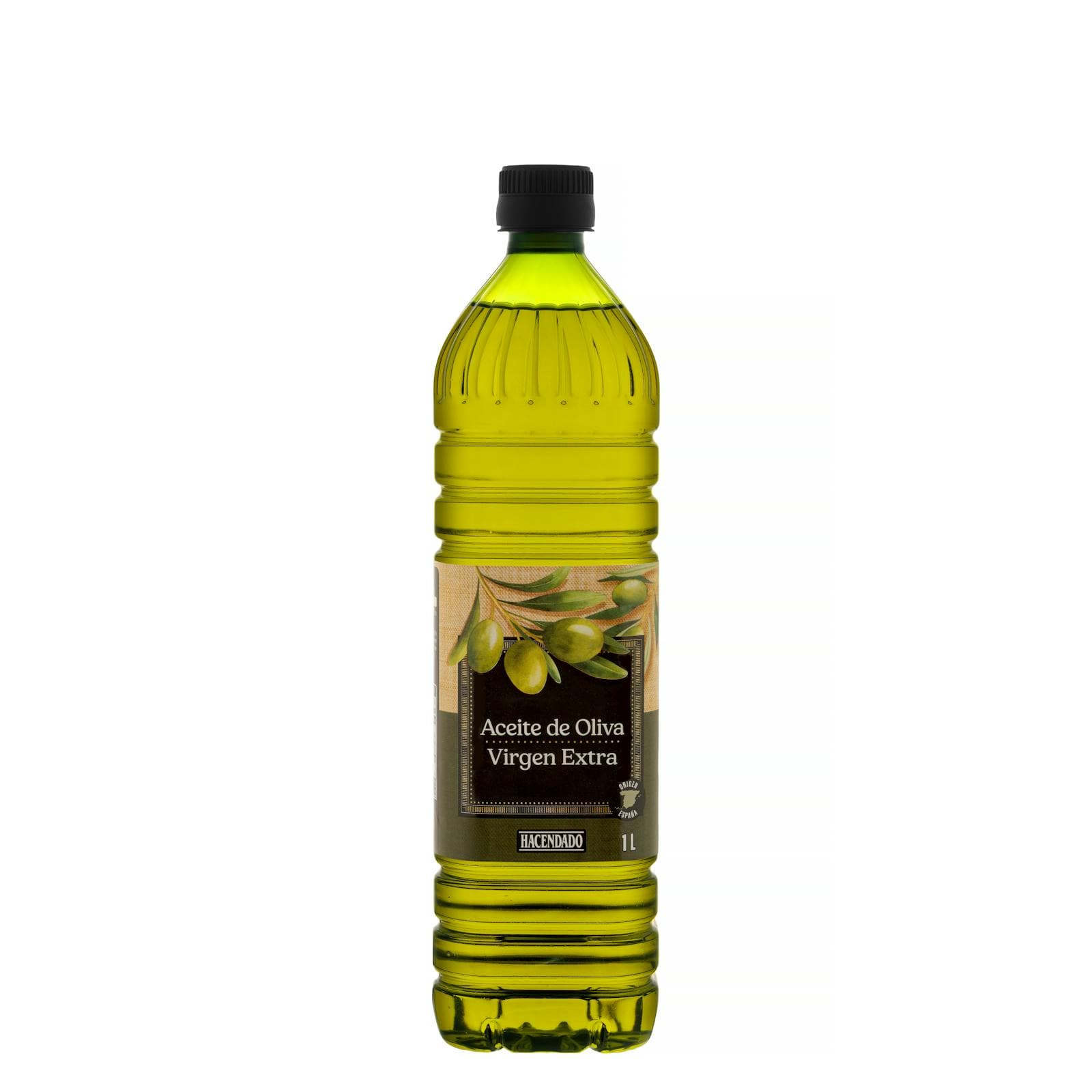 €4.95
€4.95Extra Virgin Olive Oil
Hacendado · 1 L · Mercadona
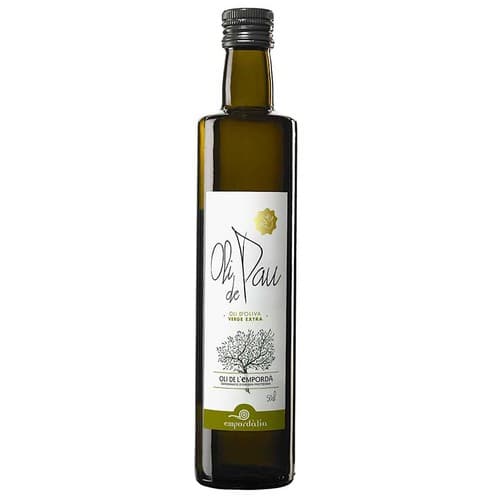 €7.45
€7.45Extra Virgin Olive Oil
OLI DE PAU · l · Bonpreu
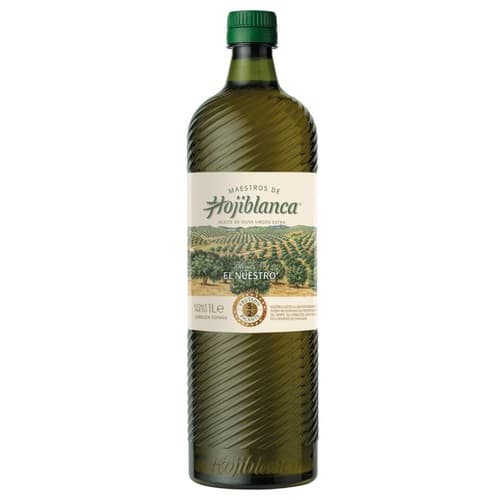 €8.25
€8.25Extra Virgin Olive Oil
HOJIBLANCA · l · Bonpreu
Good to know
- Grade
- Highest olive-oil grade; free fatty acidity ≤ 0.8% (as oleic), mandatory fruitiness, zero sensory defects per IOC/USDA/EU standards.
- Production
- Cold mechanical extraction only; no solvents, no refining, temperature capped at ~27°C (80°F).
- Smoke point
- Approximately 190–215°C (375–420°F), varying with cultivar, freshness, and polyphenol load; oxidative stability is genuinely high.
- Fat profile
- ~73% monounsaturated oleic acid, ~11% polyunsaturated, ~14% saturated, plus α-tocopherol and squalene.
- Polyphenols
- Total phenolics typically 400–800+ mg/kg in early-harvest quality oils; EU health claim for protecting blood lipids from oxidative stress requires ≥250 mg/kg hydroxytyrosol and derivatives.
- Shelf life
- Best within 12–18 months of bottling; check the harvest date, not just the best-by.
- Storage
- Sealed, dark, 14–18°C (57–64°F); never refrigerate; dark glass, tin, or ceramic beats clear glass.
- Terminology
- 'Light' or 'extra light' refers to flavor, not calories — it is a refined olive oil, not extra-virgin.
- Origin
- Mediterranean basin, cultivated 5,000–8,000+ years; major modern producers Spain, Italy, Greece, Tunisia, Portugal, and Turkey.
Substitutes
- Virgin olive oil — Same family, acidity ≤ 2%, often softer and rounder; works in dressings and gentler cooking.
- Pure/refined olive oil — Refined olive oil with a small amount of virgin added for flavor; heat-tolerant, neutral, cheaper — good for everyday sautéing.
- Light or extra-light olive oil — Refined, very mild; for high-heat cooking or when you want no olive flavor.
- Avocado oil — Smoke point ~270°C (520°F), grassy-buttery; the closest high-heat alternative with similar mouthfeel.
- Walnut oil — Rich, nutty finishing oil for salads, pasta, and cheese; do not heat.
- Toasted sesame oil — Asian finishing oil; very different flavor profile but useful where EVOO is the wrong note.
- High-oleic sunflower or safflower oil — Mild, stable, inexpensive for neutral-heat cooking when a Mediterranean flavor is not wanted.
Pairs with
Also called
EVOO · extra virgin olive oil · aceite de oliva virgen extra · AOVE