
Natural form
Ripe Taggiasca olives on the branch, showing their small size and deep brownish-purple color.
Seeing the olives on the tree establishes their distinctive small size, color range, and Ligurian origin at a glance.
Produce
Taggiasca Olive
Small, dark Ligurian olives with sweet, buttery flesh, used in pasta, fish dishes, and fine olive oil.
Taggiasca olives are small, brownish-purple olives from Liguria in northwest Italy, with a mild, sweet, almost buttery flavor and low bitterness. They are eaten as table olives, tossed into pasta, rabbit, and fish dishes such as coniglio alla ligure, and pressed into a prized delicate olive oil. Their small stones and tender flesh make them especially good for tapenade and slow-cooked dishes.
Taggiasca olives are the defining ingredient of Ligurian coastal cuisine, grown primarily in the Imperia province of northwestern Italy around the towns of Taggia, Sanremo, and Imperia. They are among the smallest olive varieties cultivated—measuring roughly 1.5–2 cm and weighing only 2–3 grams each—and are prized for a flavor profile that stands apart from most other table olives: buttery, mild, and notably sweet, with almost no bitterness or pungency. This distinctive character comes from both the cultivar itself and from careful, slow curing—traditionally in brine or dry salt—that allows the olives to ripen fully before they are processed.
The olive's small size and delicate flavor make it a supporting actor rather than a dominant one in most preparations. It is used whole or halved, rarely pitted and chopped, and almost always cured and ready to eat. Taggiasca also produces a celebrated olive oil—Ligurian DOP oil made predominantly from this variety—that is light, fruity, and grassy, entirely unlike the robust Tuscan or Sicilian oils more commonly found on export shelves. The olive's low oil yield (15–18%) means that Taggiasca oil commands a premium price, but a little goes a long way as a finishing oil for delicate dishes.
The success of Taggiasca depends entirely on proper ripeness and curing. Under-cured olives retain a sharpness that betrays their natural sweetness, and this is the most common complaint when sourcing lesser products. The DOP designation for Taggiasca di Olivetta San Michele enforces stricter production standards, including size requirements and approved curing methods, giving that specific origin a measure of reliability. For the cook, these olives represent a specific culinary ideal: the antithesis of harsh, aggressively salted black olives, and a quiet, flexible asset in the pantry that rewards restraint in the kitchen.
- Measured in
- g
- Storage
- Pantry
Types & varieties
The primary cultivar; the basis for Ligurian olive oil production and the standard table olive found in most markets
A DOP-protected subset from the single municipality of Olivetta San Michele; stricter production standards govern size, curing method, and origin, making it the most reliable expression of the variety
The Ligurian Olive Culture
Olive cultivation in Liguria is not simply agriculture—it is the defining agricultural practice of a region where flat land is scarce and hillsides are terraced at great effort. The Taggiasca thrives in this difficult terrain, tolerating the coastal microclimate and thin, rocky soils that make other crops impractical. For this reason, Taggiasca is inseparable from the Ligurian identity: it flavors the pasta, dresses the fish, and oils the bread of an entire regional cuisine. Understanding this context matters for the cook because it explains why Taggiasca is not merely a variety but a flavor cornerstone—and why Ligurian recipes built around it tend toward simplicity. The olives do the work; the cook's job is not to overpower them.
- Taggiasca is the cornerstone of Ligurian olive oil, which is almost always a blend dominated by this variety rather than a single-varietal oil
- The western Riviera's microclimate—cool, humid, sea-influenced—produces olives with higher moisture content and milder flavor than southern Italian varieties
- Terraced cultivation makes mechanical harvesting difficult, contributing to the higher labor costs and prices of authentic Ligurian olive products
Curing and What It Tells You
Taggiasca olives are almost never sold raw. They are cured before eating, and the curing method matters more for this variety than for most others because the goal is to eliminate any residual bitterness while preserving the olive's natural sweetness. Brine curing is most common: olives are packed in a salt solution where natural fermentation gradually transforms bitterness into a rounded, mildly tangy flavor over several months. Dry-curing with salt is less common but produces a more concentrated, wrinkled olive with intensified sweetness. Some producers add oil, garlic, herbs, or citrus zest to the brine or packing oil, creating a ready-to-use condiment. When buying, tap the jar gently: olives should move freely without excess liquid sloshing, and there should be no off smell—sour or vinegary notes indicate over-fermentation. The brine itself is a valuable ingredient; see Tips.
- Brine-cured: most common; mild tang, fully cured in 2–6 months; sold in glass jars or vacuum pouches
- Dry-cured with salt: more concentrated flavor, slightly wrinkled texture; more work to prepare but superior in some preparations
- Marinated in oil: pre-seasoned with garlic, rosemary, or orange zest; ready to use straight from the jar as a condiment rather than a raw ingredient
- Always taste the brine: if it is too sharp or alcoholic, discard or dilute it before using in dressings
Common uses
Tips & pitfalls
- Taste before buying: Taggiasca should be sweet and mild, not sharp or aggressively bitter—a sign of improper curing or an inferior product
- Use the brine, not just the olives: the seasoned brine is excellent for dressings, quick-pickling vegetables, or adding depth to braised dishes
- Pit them cleanly: use a proper olive pitter or press gently with the flat of a chef's knife; small olives are tedious to pit by hand, and crushing them damages the flesh
- Pair with quality partners: since the flavor is subtle, accompany with good olive oil, fresh herbs, and simple preparations rather than masking them with heavy sauces
- Don't overcook: add cured olives to hot dishes in the final minutes to preserve their texture and mild flavor—prolonged heat turns them mealy
- For the best oil: look for "Olio di Taggiasca" or Ligurian DOP oil—it's lighter and fruitier than Tuscan oils, ideal for finishing rather than high-heat cooking
- Storage: keep unopened jars in a cool, dark place; once opened, cover olives completely with their liquid and refrigerate
- When a recipe calls for whole Taggiasca, halve or crush them gently to release more flavor into sauces and dressings without losing the pleasant texture
Nutrition
Energy
983 kJ · per 100 g
Where the calories come from
Protein
11.8g
24% DV
Carbs
9.2g
3% DV
Fat
16.5g
21% DV
Fiber
0g
0% DV
Sugars
0g
of which
Sodium
964mg
42% DV
Source · USDA FoodData Central · approx. Olive loaf, pork
View on FDC →In the shops
Matched grocery products
No matched grocery products for Taggiasca Olive yet.
Good to know
- Origin
- Liguria, Italy—Imperia province, western Riviera around Taggia, Sanremo, and Imperia
- DOP Status
- Taggiasca di Olivetta San Michele holds DOP protection; Taggiasca olive oil from Liguria is also DOP protected
- Harvest Season
- Late October through December
- Color When Ripe
- Dark purple-black; picked and cured at full ripeness
- Size
- 1.5–2 cm long; approximately 2–3 grams each—among the smallest cultivated olives
- Flavor Profile
- Sweet, mild, buttery; very low bitterness and pungency; subtle underlying fruitiness
- Typical Curing
- Brine-cured (most common) or dry-cured with salt; some varieties sold marinated in oil with garlic and herbs
- Primary Uses
- Table olive and cold-pressed for mild, fruity olive oil
- Oil Yield
- Low (15–18%), but the oil is highly prized and commands premium pricing
- Shelf Life
- Unopened, in brine: 12–18 months; once opened, refrigerate and use within 2–3 weeks, keeping olives fully submerged
Substitutes
- Gaeta olives — Small Italian olives from Lazio; slightly more bitter and nuttier, but similar size and textural profile; works well in pasta and salads when Taggiasca is unavailable
- Niçoise olives — Small French olives from Provence; mild and fruity, comparable in size; excellent in salads, tuna dishes, and Mediterranean preparations requiring a mild olive
- Leccino olives — Another widely grown Italian variety; slightly peppery but still relatively mild; acceptable table olive substitute in a pinch, though less refined
- Cerignola olives (small grade) — Larger and milder than Taggiasca but acceptable when halved; less character but widely available in most supermarkets as a backup option
Also called
Taggiasca · Ligurian Olive
Related
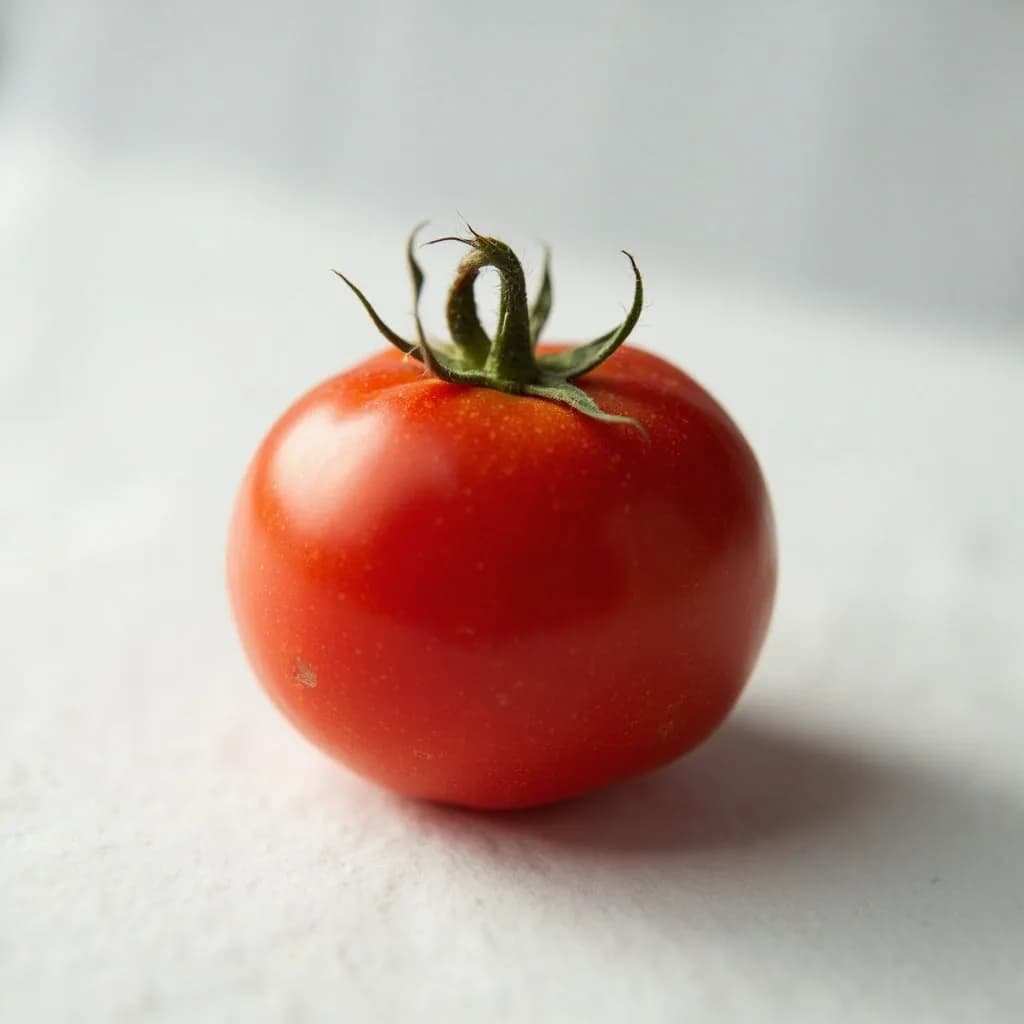
Tomato
Juicy, sun-sweet fruit for sauces, salads, and slow-cooked depth
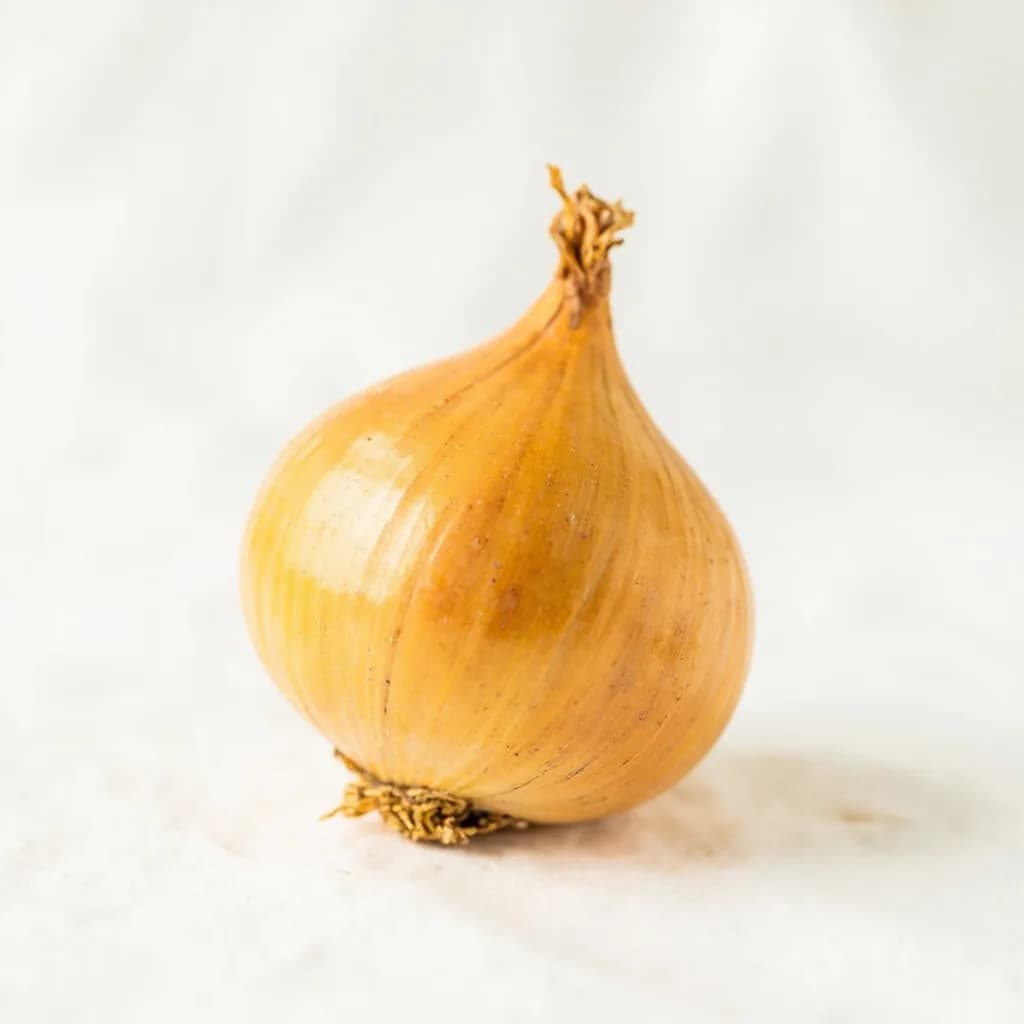
Yellow Onion
The aromatic backbone of soups, sofritos, and braises
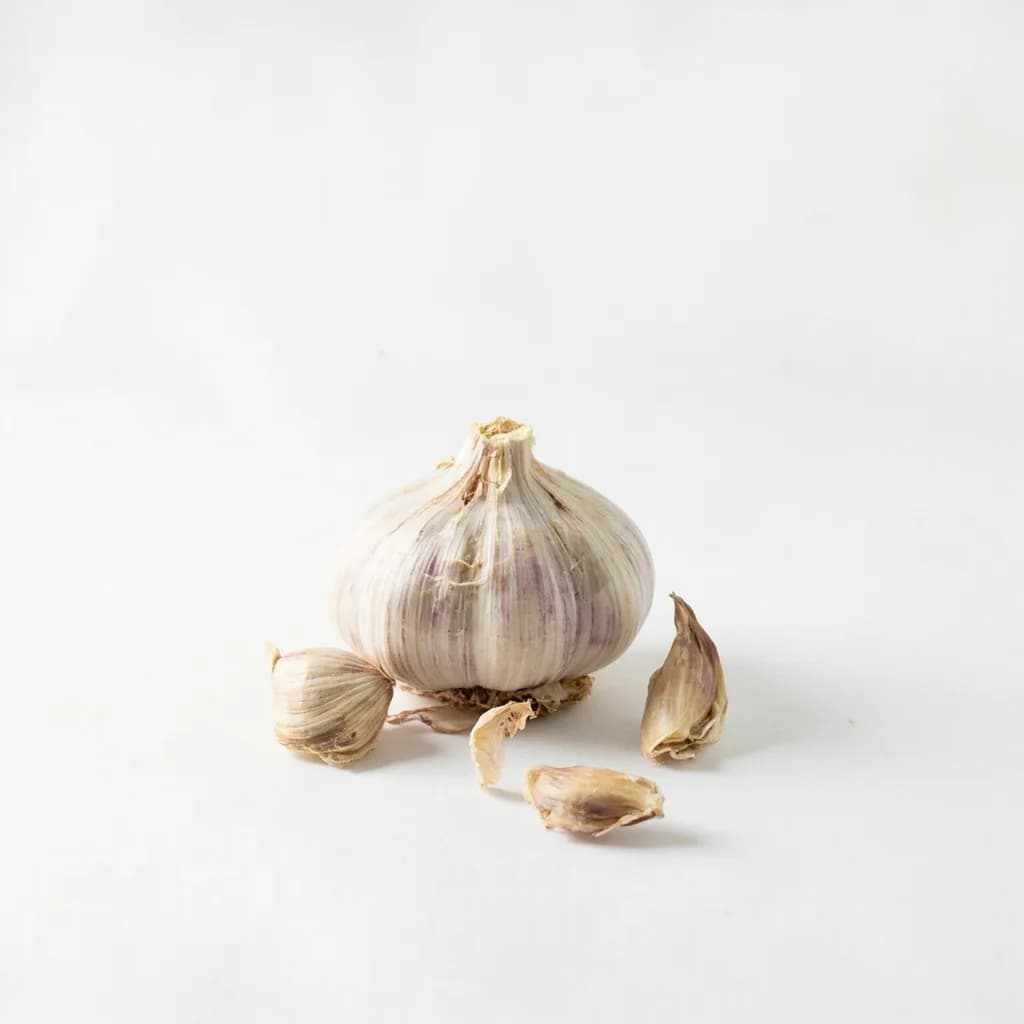
Garlic
Pungent cloves that perfume nearly every savory dish
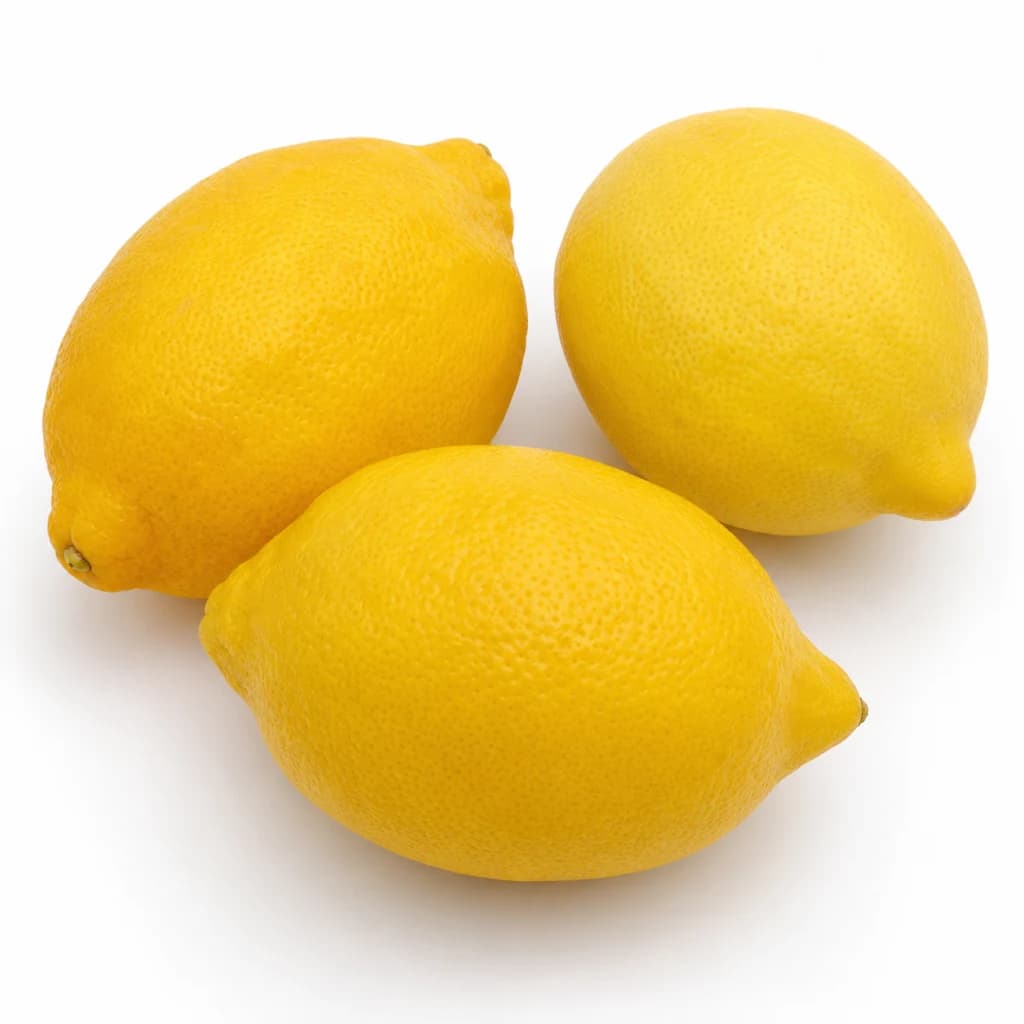
Lemon
Bright, acidic citrus that wakes up almost any dish
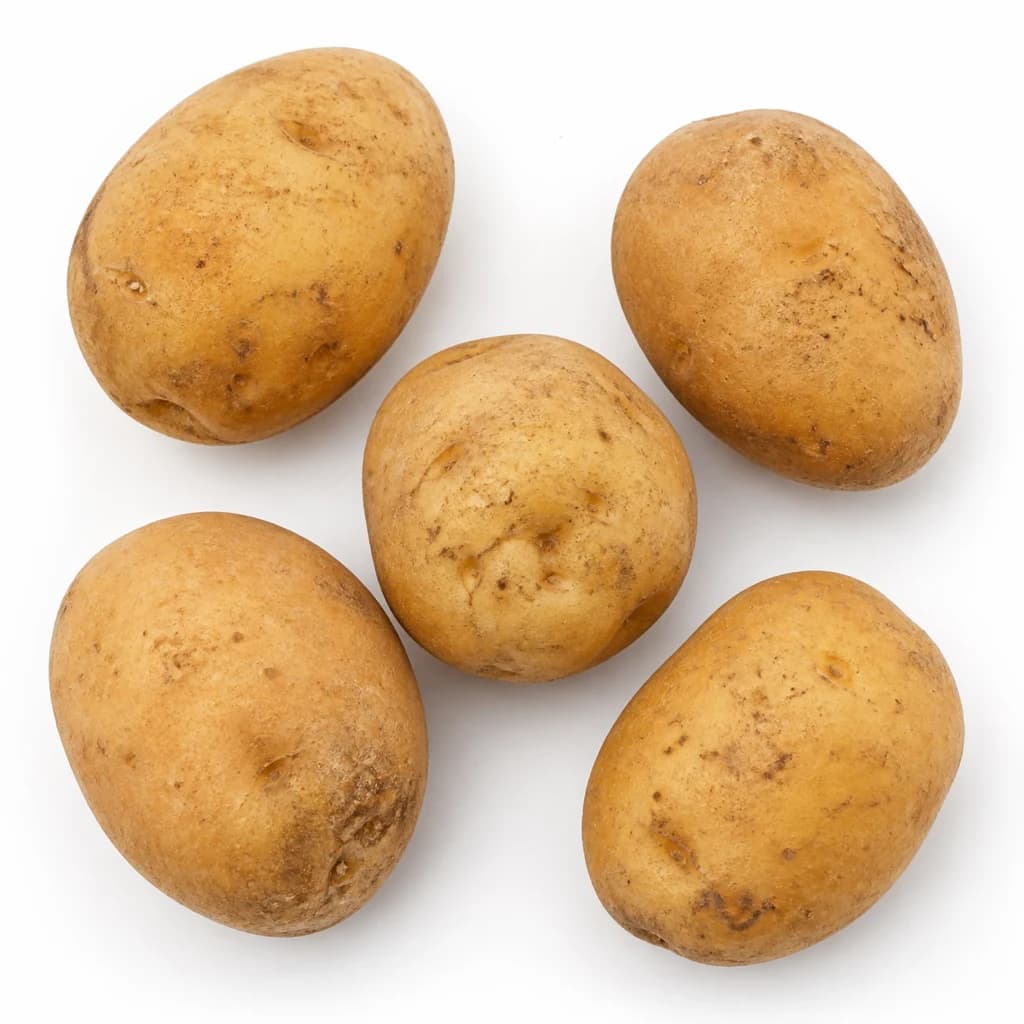
Potato
Humble, hearty staple — roast, mash, fry, or boil
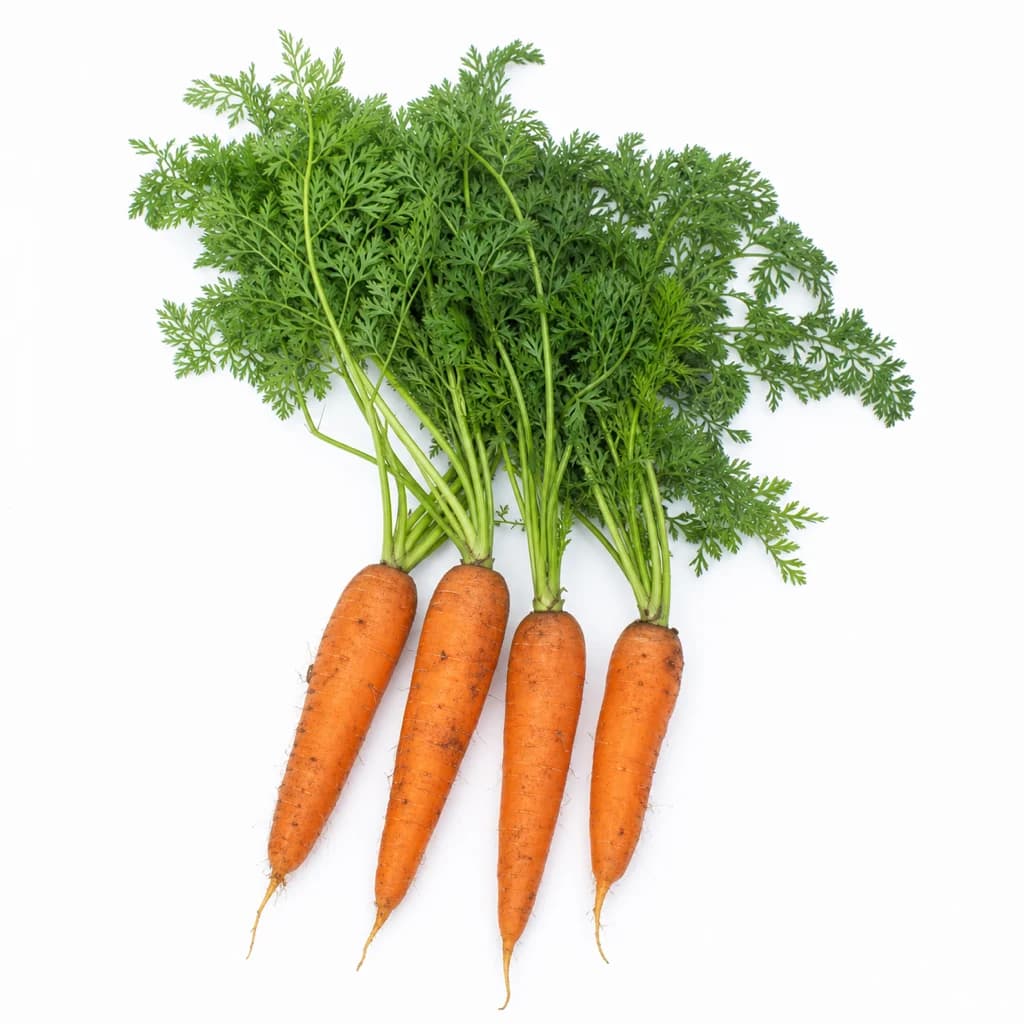
Carrot
Sweet, crunchy root — raw, roasted, or the base of a sofrito
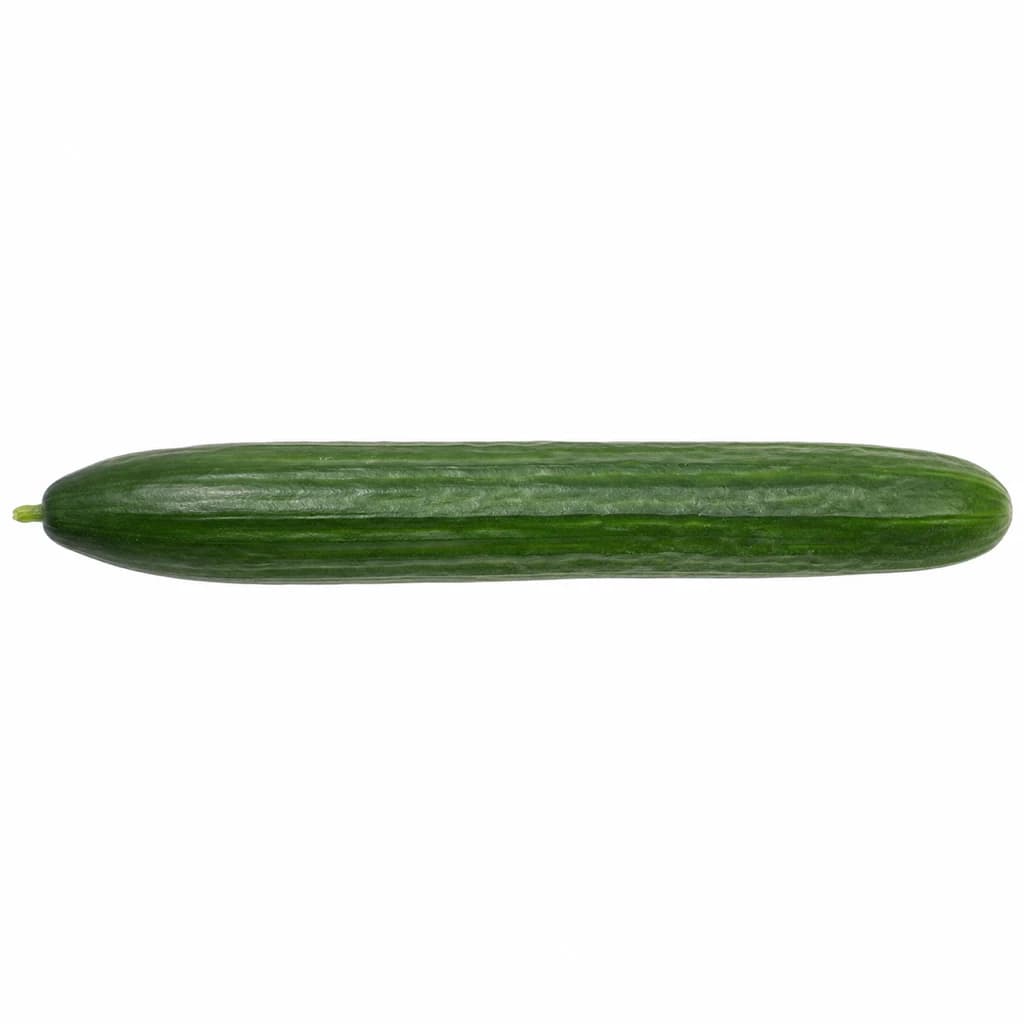
Cucumber
Cool, crisp, and watery — for salads, pickles, and tzatziki

Lettuce
Crisp leaves for salads, wraps, and a fresh crunch