
Natural form
Fresh Picual olives on the branch, showing their distinctive pointed tip and deep green color.
Shows the unmistakable pointed apex (the 'pico' the variety is named for) and typical green-to-ripening color range on the tree, teaching recognition in the field.
Produce
Picual Olive
Dominant Spanish olive variety prized for robust, peppery extra-virgin oil.
Picual is the most widely grown olive variety in Spain, especially in Jaén, Andalusia. It yields a robust, stable extra-virgin olive oil with bold green, peppery, and slightly bitter notes and excellent shelf life. The olives themselves can also be cured for the table.
Picual is Spain's most widely cultivated olive variety, concentrated in the province of Jaén in Andalusia, where it has been grown for centuries. It accounts for roughly half of Spain's total olive oil production and about twenty percent of global output—a dominance rooted in the tree's exceptional hardiness. Picual trees tolerate poor soils, drought, and cold better than most varieties, making them reliable producers year after year. The olives themselves are asymmetrically oval with a characteristic pointed tip, and they ripen early to mid-season, typically between October and January.
What makes Picual particularly valuable to cooks is its exceptionally high oleic acid content—consistently between seventy-nine and eighty-three percent. This high monounsaturated fat level translates directly into oxidative stability: Picual oil resists rancidity far longer than delicate varieties like Arbequina or Koroneiki, maintaining acceptable flavor and nutritional quality for eighteen to twenty-four months when stored properly. The oil presents a broad flavor profile ranging from fruity and herbal to distinctly peppery, with a finish that delivers the characteristic throat-catch prized in Spanish extra-virgin oil. Color varies from golden-yellow to deep green depending on harvest timing and fruit ripeness.
In the kitchen, Picual's robustness is both its strength and its defining characteristic. It holds up well to moderate-heat applications like sautéing and roasting, performs reliably in emulsified sauces such as aioli, and stands up boldly as a finishing oil. Its flavor is assertive enough to anchor marinades with acidic ingredients, yet stable enough to prevent separation in long-cooked preparations. When selecting Picual oil, look for a harvest date on the bottle—freshness matters, and the best flavor window closes around eighteen months after the olives were pressed.
- Measured in
- g
- Storage
- Pantry
Types & varieties
The dominant clone; known for consistent oil quality and high yield
A local clone from certain Jaén groves; claimed by some producers to offer subtle flavor distinctions
A natural variant found in native groves; sometimes grouped with Picual but exhibits slight morphological differences
Common uses
Tips & pitfalls
- Buy Picual oil in dark glass or tin containers—light degrades phenols and accelerates flavor loss
- Store in a cool, dark place; refrigeration causes temporary cloudiness that does not affect quality
- Use within 18 months of harvest date for peak pungency and phenolic content
- If the oil lacks the characteristic peppery finish, it has likely been poorly stored or is past its prime
- Do not reuse Picual oil for deep-frying multiple times—while individually stable, reheated oil degrades rapidly and produces harmful compounds
- For salad dressings and emulsions, bring oil to room temperature before whisking with acid; cold oil resists binding and will not emulsify properly
- Common mistake: assuming all Picual oil tastes the same. Terroir, harvest timing, and producer practices create meaningful variation—taste several brands to find your preference
Nutrition
Energy
983 kJ · per 100 g
Where the calories come from
Protein
11.8g
24% DV
Carbs
9.2g
3% DV
Fat
16.5g
21% DV
Fiber
0g
0% DV
Sugars
0g
of which
Sodium
964mg
42% DV
Source · USDA FoodData Central · approx. Olive loaf, pork
View on FDC →In the shops
Matched grocery products
No matched grocery products for Picual Olive yet.
Good to know
- Origin
- Jaén province, Andalusia, Spain
- Primary Use
- Olive oil production (>90% of crop)
- Oil Content
- 20–27% of fruit weight (high yield)
- Oleic Acid
- 79–83% (high stability)
- Harvest Season
- October to January (Northern Hemisphere)
- Global Share
- ~50% of Spain's olive oil; ~20% of world production
- Shelf Life
- 18–24 months when properly stored
- Oil Color
- Golden-yellow to deep green
Substitutes
- Cornicabra — Second most planted Spanish variety; similar robustness and stability, slightly less fruity in character
- Hojiblanca — Balanced flavor profile with mild fruitiness; acceptable in sauces but delivers noticeably less pepper
- Empeltre — Aragonese variety with mild, sweet oil; use only when smoothness is preferred over bold, assertive flavor
Pairs with
Also called
Picual
Related
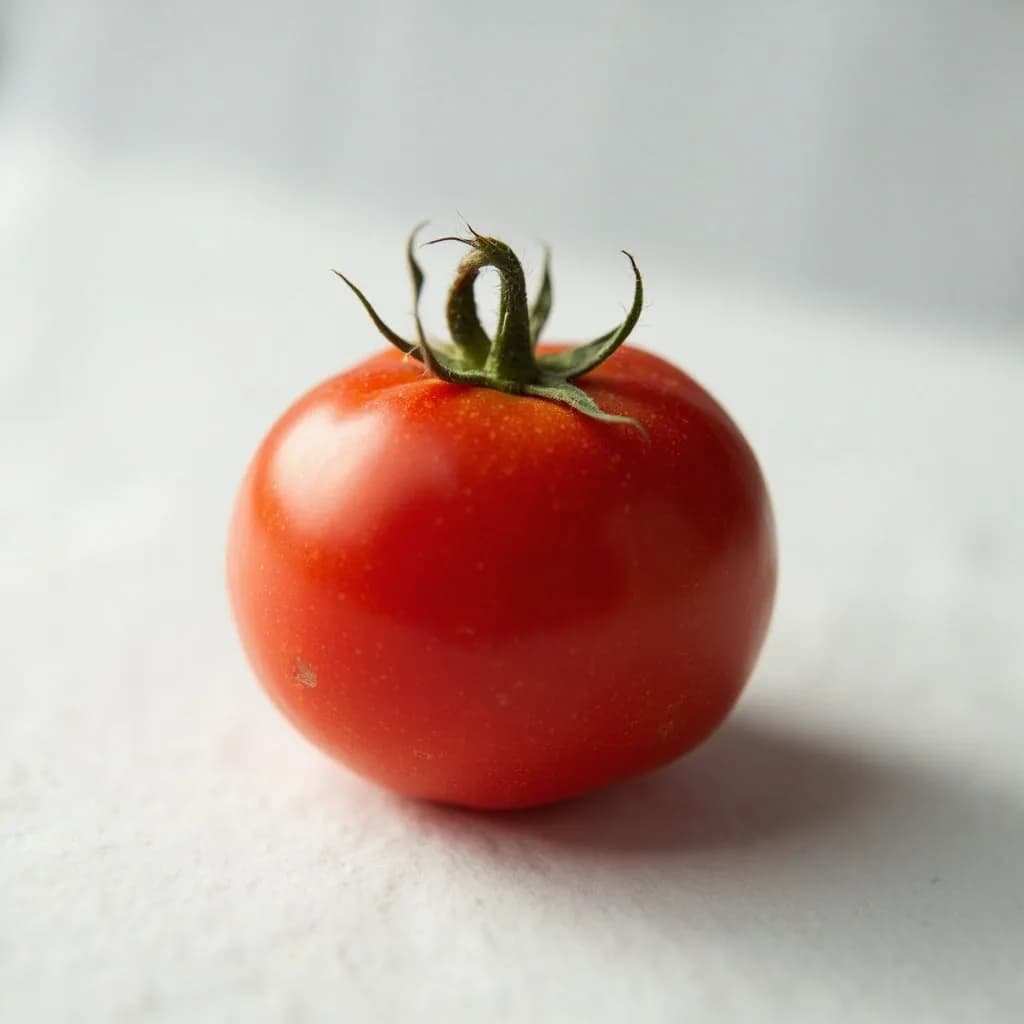
Tomato
Juicy, sun-sweet fruit for sauces, salads, and slow-cooked depth
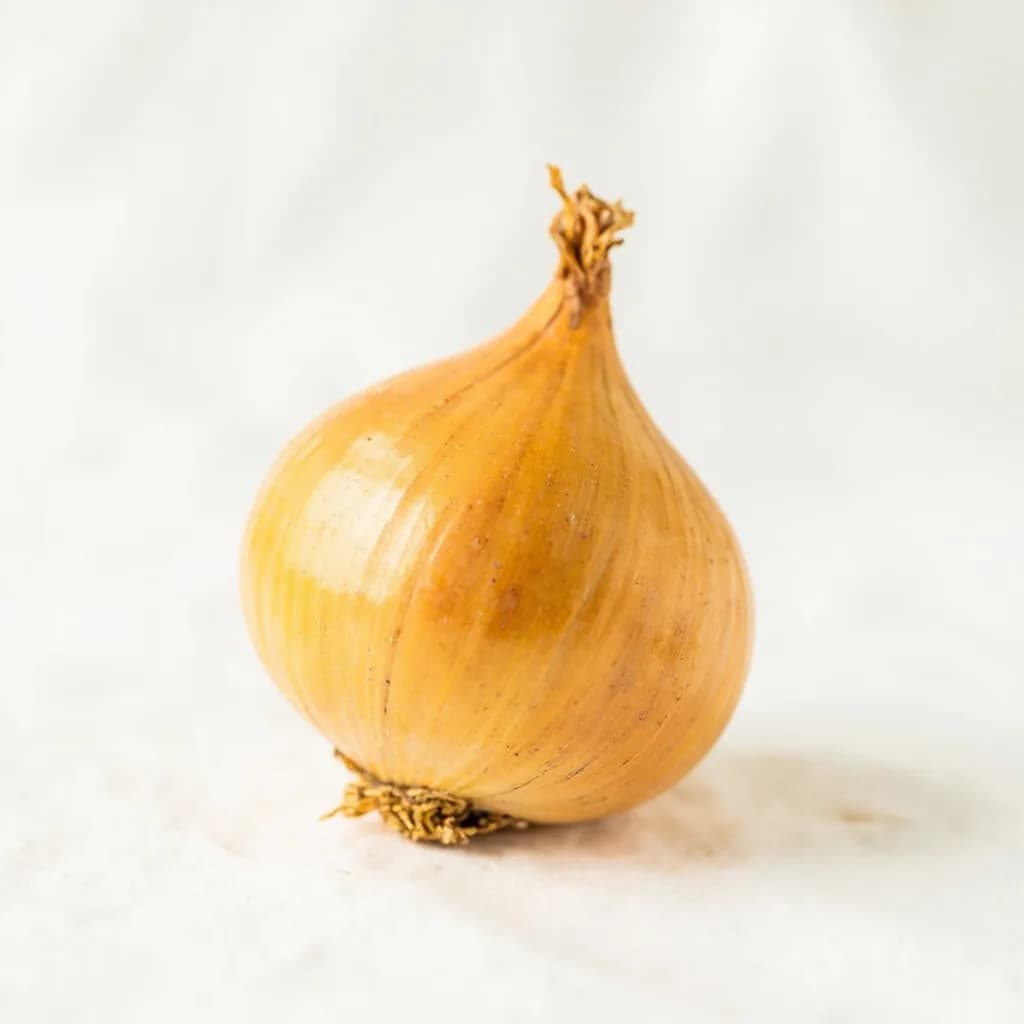
Yellow Onion
The aromatic backbone of soups, sofritos, and braises
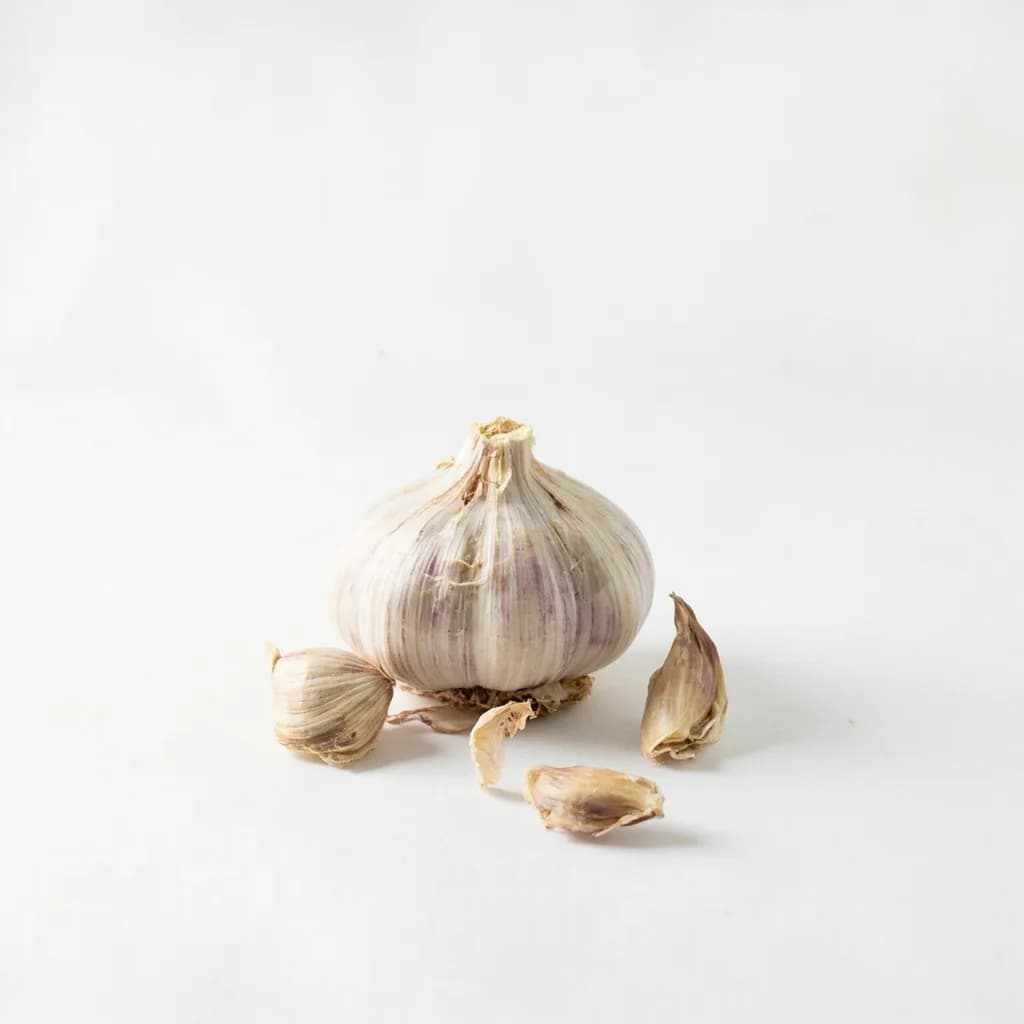
Garlic
Pungent cloves that perfume nearly every savory dish
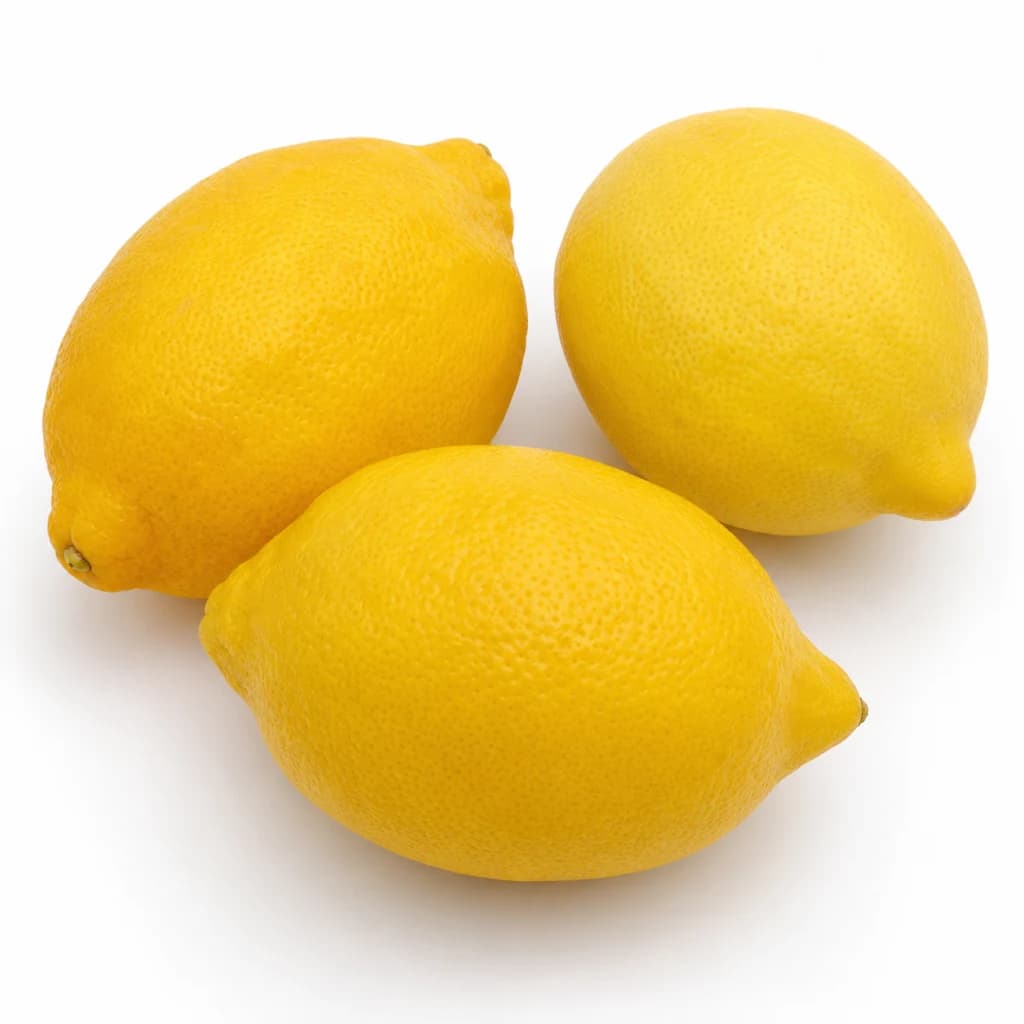
Lemon
Bright, acidic citrus that wakes up almost any dish
Potato
Humble, hearty staple — roast, mash, fry, or boil
Carrot
Sweet, crunchy root — raw, roasted, or the base of a sofrito
Cucumber
Cool, crisp, and watery — for salads, pickles, and tzatziki

Lettuce
Crisp leaves for salads, wraps, and a fresh crunch