
Natural form
Ripe Arbequina olives still on the branch, showing their small size and dark brown-black color.
Shows the intact fruit in its natural state on the tree, teaching the reader its size, color gradient from green to brown-black, and characteristic small round shape before harvest.
Produce
Arbequina Olive
Small, sweet Catalan olive prized for delicate fruity oil and table eating.
Arbequina is a small, brown-to-black olive originating in Catalonia, Spain, valued both as a table olive and for its mild, fruity, slightly buttery oil. The fruit is delicate and low in bitterness, with hints of almond and green apple. Whole arbequinas are served as tapas, while the variety is one of the most widely planted for premium olive oil.
Arbequina is a small-fruited olive cultivar originating from the town of Arbeca in Catalonia's Lleida province, first documented in the 17th century. The cultivar gained global prominence in the 1990s–2000s when California's emerging premium olive oil industry adopted it for its early productivity, compact growth habit, and mild flavor profile. Today it is grown throughout Spain, California, Chile, Argentina, and Australia.
The olive produces an oil prized for its sweet, mild fruity character with low bitterness and low polyphenol content. The oil ranges from golden yellow to green-tinged depending on harvest timing. For oil production, Arbequina olives are typically cold-extracted at temperatures under 77°F (25°C) to preserve aromatic esters. As a table olive, Arbequina is almost always brined-cured rather than alkali-treated, which preserves its natural sweetness and characteristic almond note in the flesh.
The cultivar's small fruit size (1.5–2.5g) and short peduncle make it well-suited to mechanical harvesting. The tree is self-fertile but yields better with pollination partners, and its compact, hardy nature allows for high-density planting. Arbequina's delicate profile means it behaves differently in cooking than robust varieties—it lacks the polyphenol stability for sustained high-heat cooking and burns off aromatic compounds if added too early.
- Measured in
- g
- Storage
- Fridge
Types & varieties
Primary cultivar; high-yielding, early-bearing, widely planted globally
Catalan synonym emphasizing the Lleida regional connection
Related Catalan variety often co-planted; smaller tree, slightly more robust oil
Minor Spanish regional type with rounder fruit
Harvest Timing and Oil Quality
Arbequina olives ripen from green to violet to black between late October and December. Harvest timing directly affects oil character: early-harvest green olives yield more pungent, grassy oils with higher polyphenols, while later-harvest black olives produce sweeter, milder oils. Most premium Arbequina oils are blends of ripeness stages. The short peduncle that makes Arbequina easy to mechanically harvest also means the fruit releases from the stem readily—another trait that suits mechanical collection at peak ripeness.
- Look for harvest date on oil labels—the delicate esters begin degrading immediately after pressing
- California harvests typically run October–November; Spanish Catalonia follows a similar window
- Cold-extracted oils (malaxation under 77°F/25°C) preserve more of the cultivar's characteristic fruity esters
Common uses
Tips & pitfalls
- Buy oils with a harvest date on the label—Arbequina's delicate aromatics fade within months of pressing
- Store oil in a cool dark cabinet; refrigeration causes clouding but does not harm quality—return to room temp before using
- Never sauté with Arbequina expecting robustness—it burns off delicate esters; add at end of cooking or use raw
- For table olives, seek Spanish-brined Arbequinas in glass jars; avoid those with excessive vinegar or a mushy cure
- If substituting a robust oil (Picual) in a recipe calling for Arbequina, reduce quantity by one-third to avoid overpowering
- The small pit leaves less flesh than Manzanilla—account for this if pitting olives for stuffing
- Do not use for extended high-heat frying—low polyphenols mean it oxidizes faster under sustained heat than high-polyphenol varieties
- Pair with citrus-forward dishes; Arbequina's sweetness stands up to lemon and orange without clashing
Nutrition
Energy
983 kJ · per 100 g
Where the calories come from
Protein
11.8g
24% DV
Carbs
9.2g
3% DV
Fat
16.5g
21% DV
Fiber
0g
0% DV
Sugars
0g
of which
Sodium
964mg
42% DV
Source · USDA FoodData Central · approx. Olive loaf, pork
View on FDC →In the shops
Matched grocery products
No matched grocery products for Arbequina Olive yet.
Good to know
- Scientific Name
- Olea europaea 'Arbequina'
- Origin
- Arbeca, Lleida province, Catalonia, Spain (17th century)
- Primary Use
- Extra virgin olive oil; also brined table olive
- Oil Character
- Sweet, mild fruity, low bitterness, golden yellow with green notes
- Oleic Acid
- 70–80% (contributes to stability)
- Smoke Point
- 410°F (210°C)
- Shelf Life
- Oil: 18–24 months; Table olives: 1–2 years sealed
Substitutes
- Picual — More bitter, higher polyphenols, better for high-heat; use less and expect stronger grass-pepper flavor
- Koroneiki — Greek variety with similar small-fruit delicacy and fruity profile; slightly more peppery finish
- Hojiblanca — Spanish cultivar with balanced bitterness and fruit; acceptable but distinctly different sweet-bitter balance
- Sevillano — California table olive; acceptable if you need mild cured olive flavor in salads
- Mission — Mild California table olive variety; works for curing but lacks Arbequina's characteristic sweetness
Pairs with
Also called
Arbequina · Arbequina Olives
Related
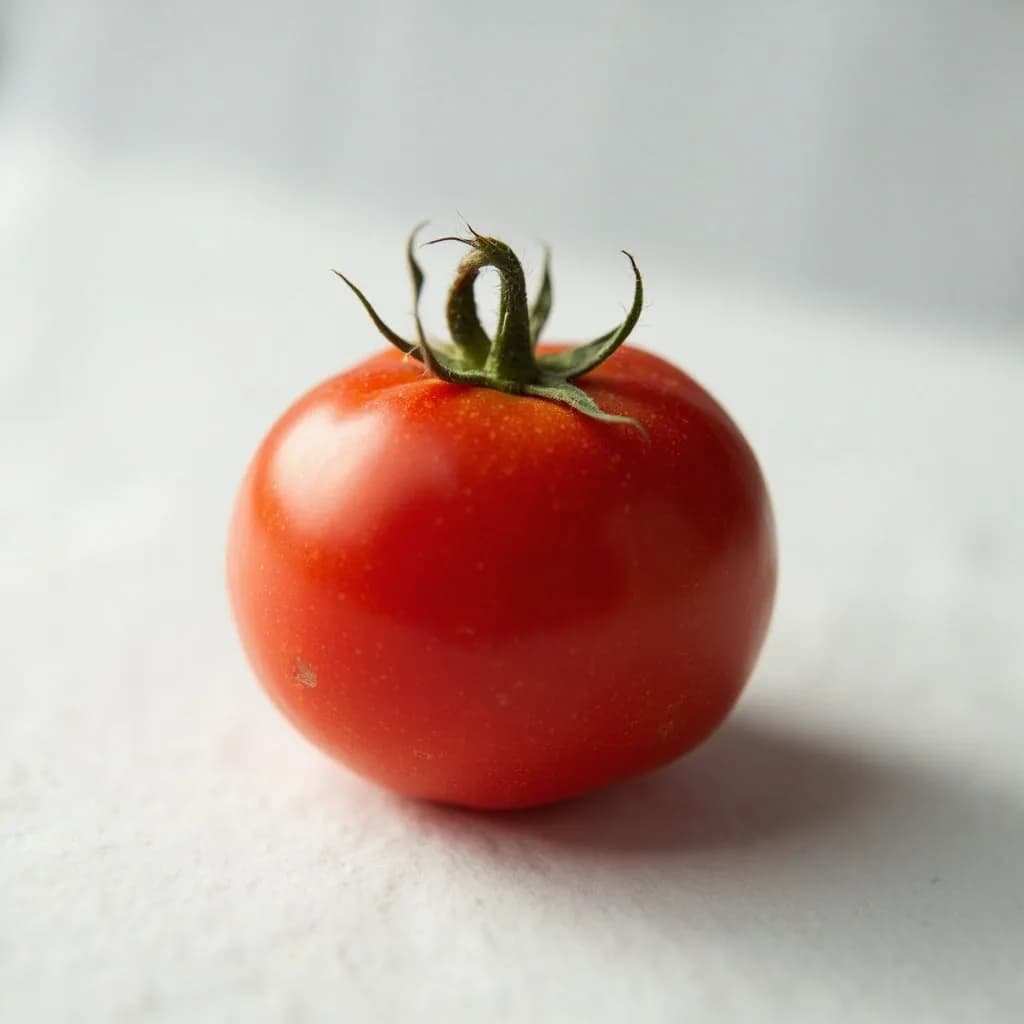
Tomato
Juicy, sun-sweet fruit for sauces, salads, and slow-cooked depth
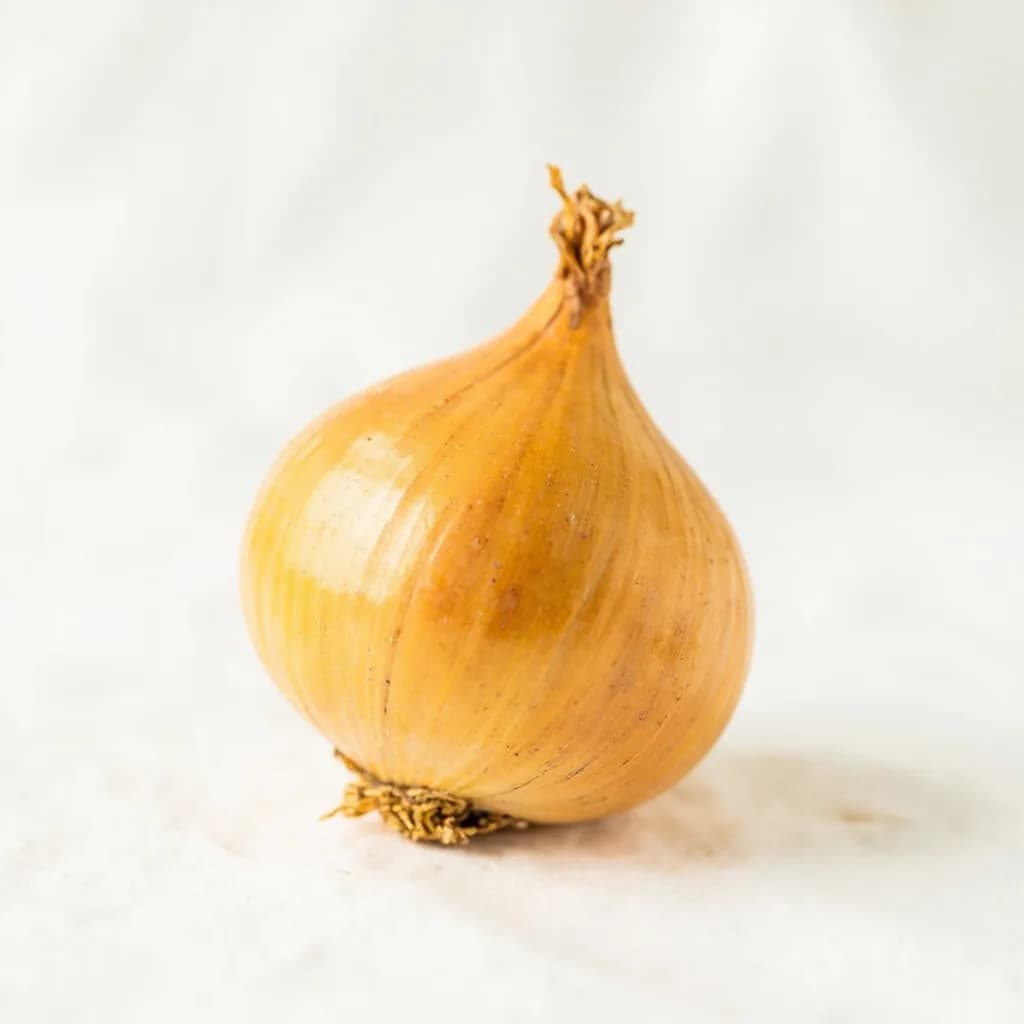
Yellow Onion
The aromatic backbone of soups, sofritos, and braises
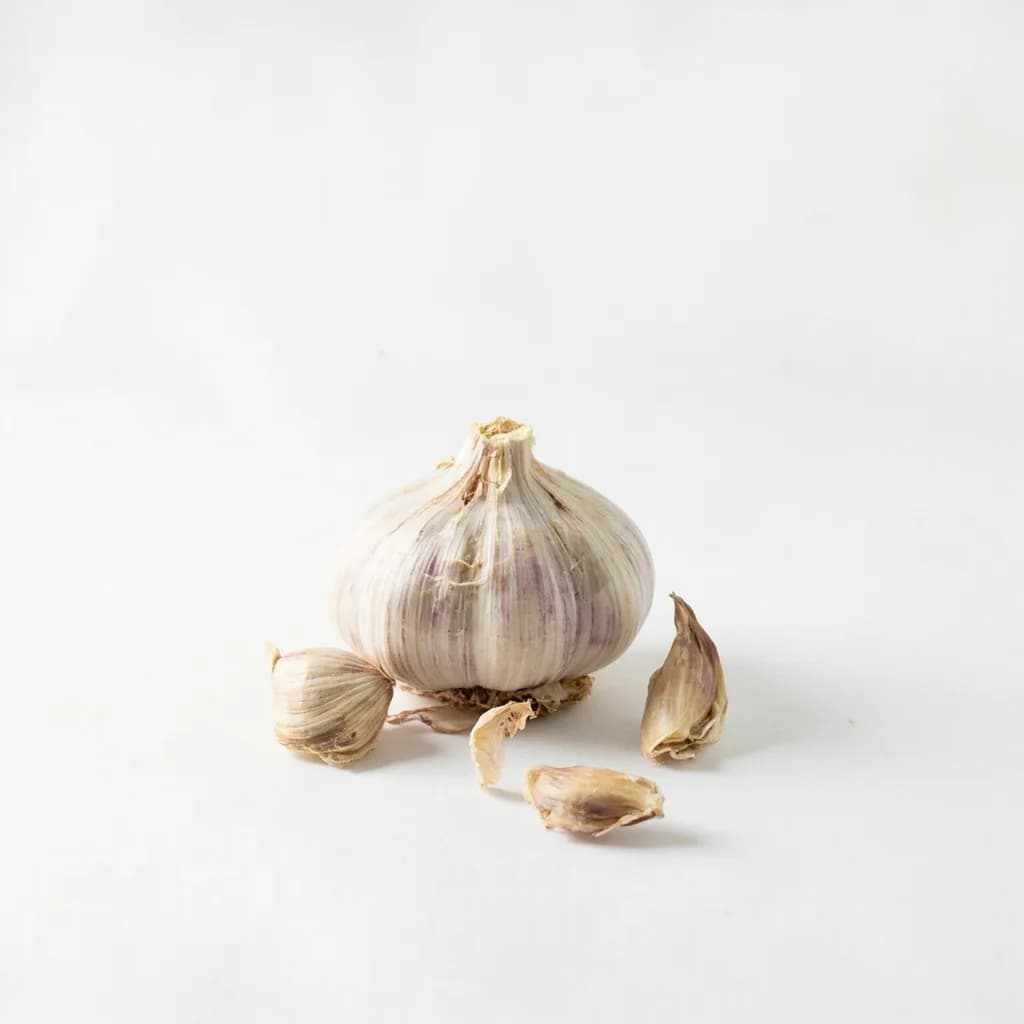
Garlic
Pungent cloves that perfume nearly every savory dish
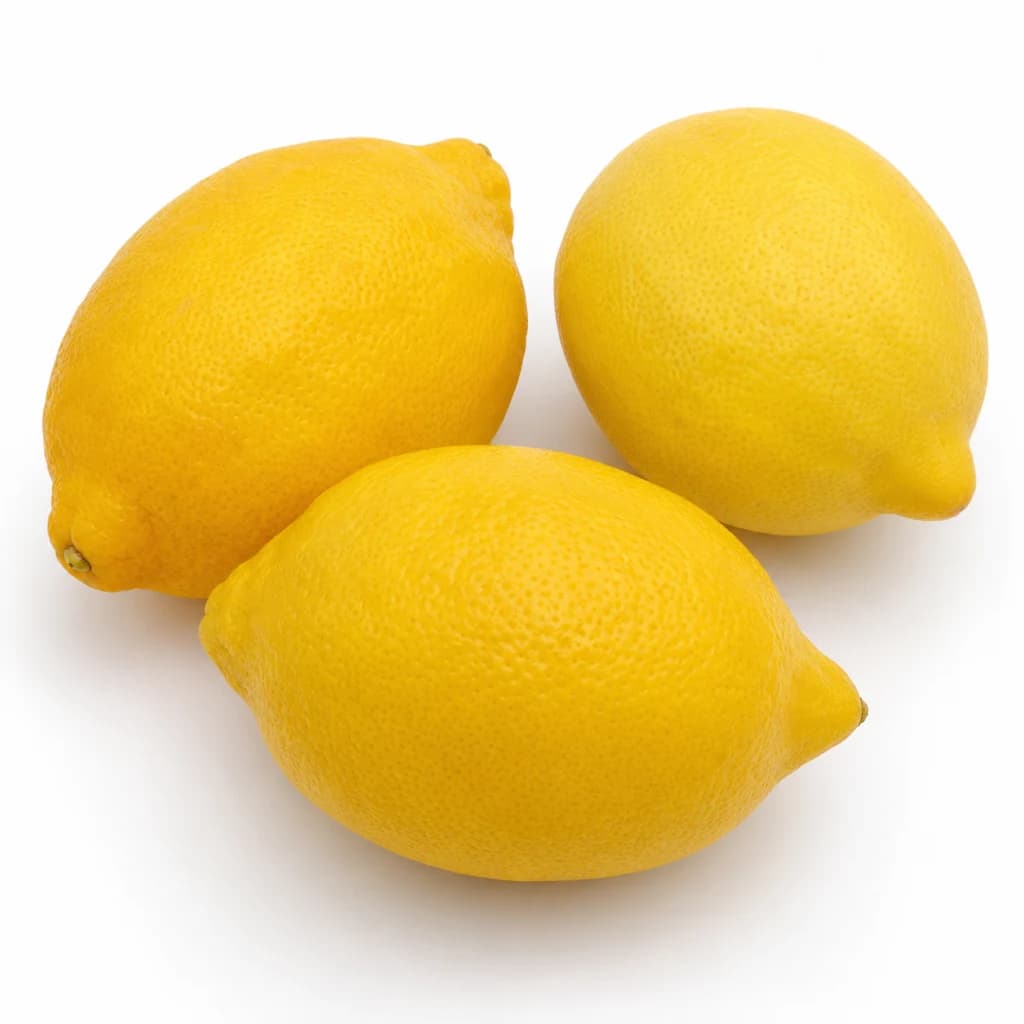
Lemon
Bright, acidic citrus that wakes up almost any dish
Potato
Humble, hearty staple — roast, mash, fry, or boil
Carrot
Sweet, crunchy root — raw, roasted, or the base of a sofrito
Cucumber
Cool, crisp, and watery — for salads, pickles, and tzatziki

Lettuce
Crisp leaves for salads, wraps, and a fresh crunch