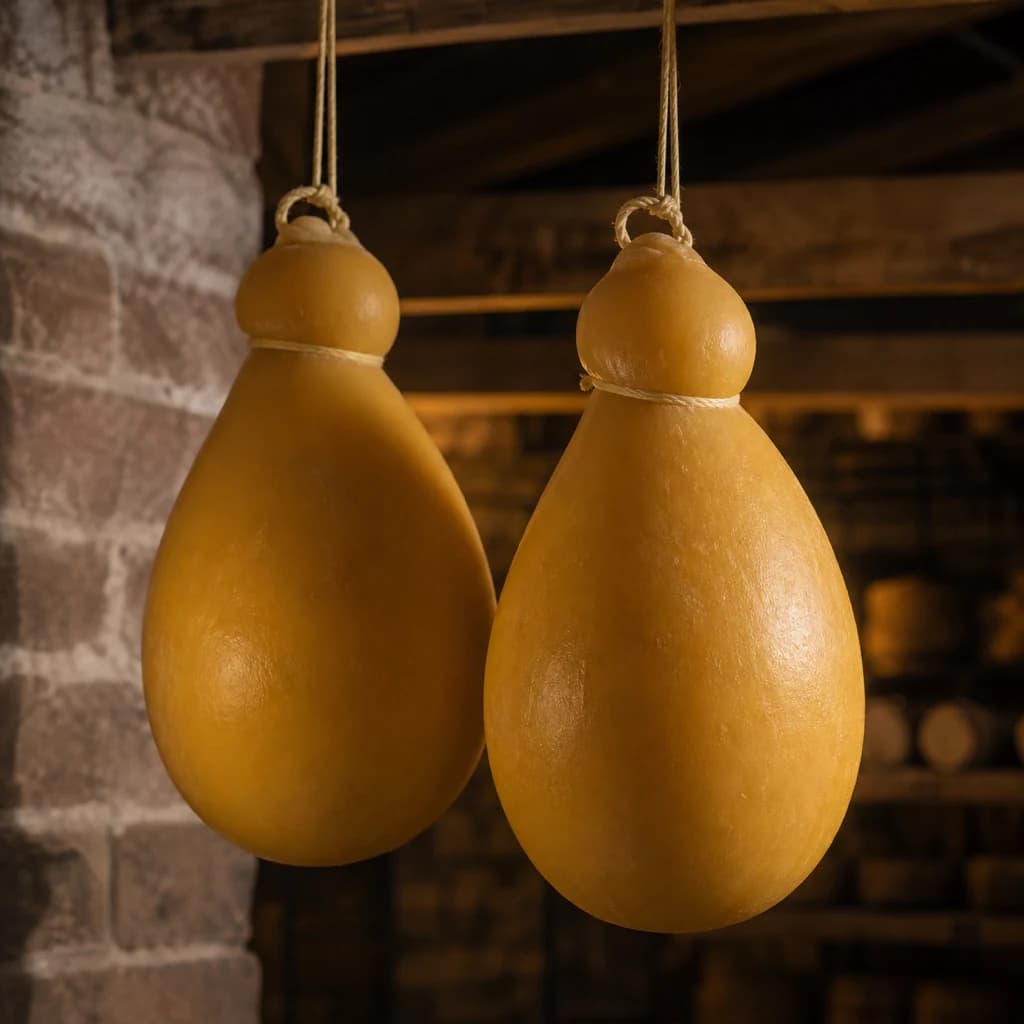
Natural form
Whole provolone wheels hanging to age, showing the classic pear shape and golden rind.
Teaches the reader the distinctive hanging form and rind appearance that identifies provolone in its traditional aged state.
Dairy & Eggs
Provolone
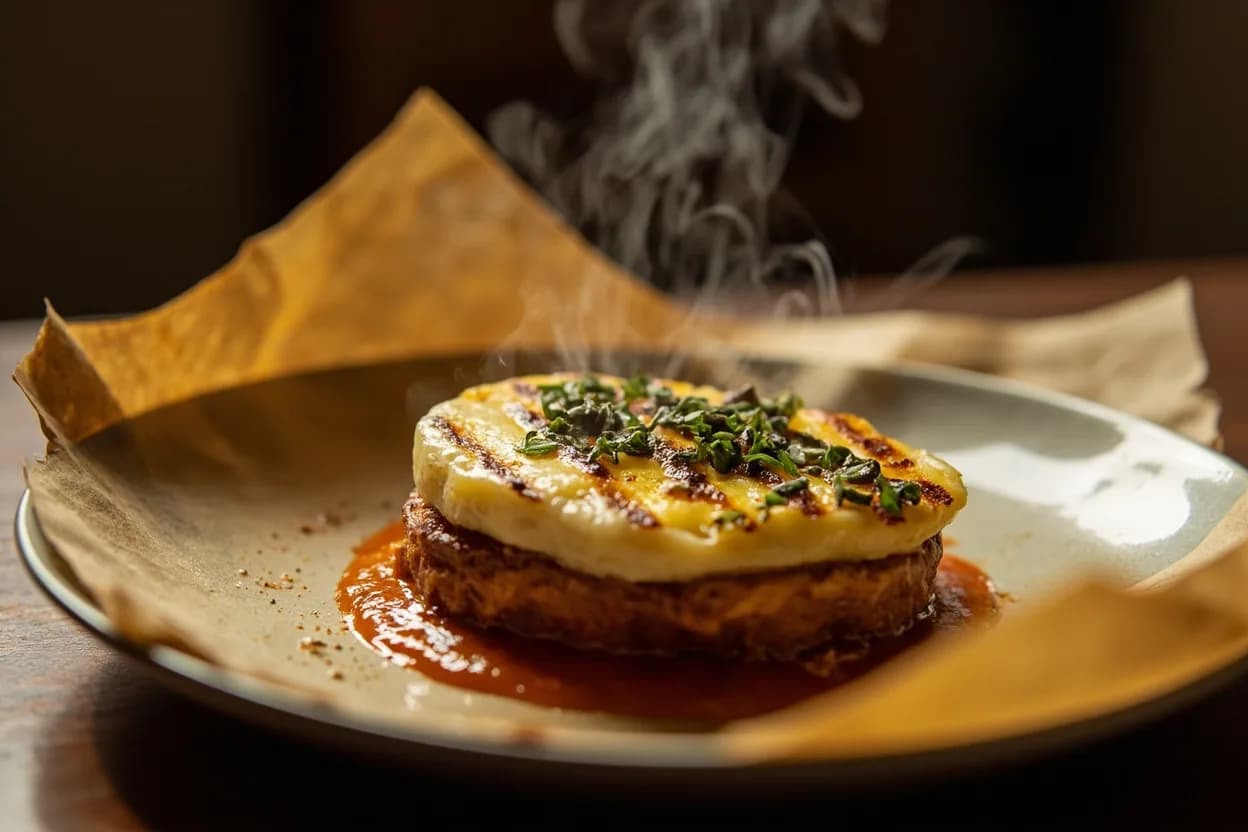
Italian stretched-curd cow's cheese, mild to sharp; melts well or grills as provoleta.
Provolone is an Italian stretched-curd (pasta filata) cow's-milk cheese that ranges from mild and buttery (dolce) to sharp and piquant (piccante) with age. It melts cleanly for sandwiches, pizzas, and baked dishes. In Argentina, a thick disc called provoleta is grilled until bubbling and served as an appetizer.
Provolone is a stretched-curd (pasta filata) cheese made from cow's milk, born in northern Italy in the 19th century but now produced throughout the country. The defining characteristic of pasta filata cheeses is the stretching process: curds are soaked in hot whey or brine, then kneaded and pulled into elastic, pliable strands. This gives provolone its smooth, stringy texture when melted and a firm but sliceable body when cold. Unlike fresh mozzarella, provolone is aged—ranging from two months for the mild dolce style to over a year for the sharp piccante—allowing enzymatic activity to develop more complex flavors and a firmer, slightly granular texture. The cheese has a thin, edible yellow-orange rind and a fat content of 25–30% in dry matter. Provolone Valpadana holds EU Protected Designation of Origin status, certifying production in Lombardy, Veneto, and Emilia-Romagna under strict standards. Whether sliced thin for an antipasto platter or melted into a bubbling pizza, provolone bridges the gap between mild, meltable convenience and genuine flavor depth—making it one of the most versatile Italian cheeses in a professional or home kitchen.
- Measured in
- g
- Storage
- Fridge
Allergens
Types & varieties
Mild, milky, slightly tangy; aged 2–3 months; the standard for melting; no added spices
Sharp, pungent, slightly spicy; aged 4–12+ months; made with calf rennet for stronger enzymatic activity; crumbles well when aged
PDO-certified from Lombardy, Veneto, and Emilia-Romagna; produced in both dolce and piccante styles under strict production standards
PDO from Campania; traditionally made with milk from Caserta province; longer aging; rustic, complex flavor profile
Common uses
Tips & pitfalls
- Use provolone dolce for melting applications; piccante is better for shaving over dishes or when you want bold, assertive flavor in cooked preparations
- When grilling provoleta, score the surface lightly before heating to prevent explosive splitting from steam buildup
- Do not overheat when melting—use moderate heat and stir frequently; direct high heat causes the cheese to turn rubbery and expel oil
- Bring refrigerated provolone to room temperature for 20–30 minutes before slicing or melting for more even, controlled results
- For clean slicing, use a cheese wire or warm your knife blade slightly under hot water and dry it before cutting
- Avoid wrapping provolone in aluminum foil, which causes the rind to darken and can impart off-flavors to the cheese
- When using as a pizza topping, place it under the broiler only at the end of cooking to achieve proper melt without excessive browning
- Common mistake: substituting aged piccante for dolce in melts—the sharp flavor overwhelms delicate dishes like lasagna or grilled cheese
- When layering in pasta bakes, place thin slices between sauce layers to ensure even distribution and consistent melt throughout the dish
Nutrition
Energy
1469 kJ · per 100 g
Where the calories come from
Protein
25.6g
51% DV
Carbs
2.1g
1% DV
Fat
26.6g
34% DV
Fiber
0g
0% DV
Sugars
0.6g
of which
Sodium
727mg
32% DV
Source · USDA FoodData Central · approx. Cheese, provolone
View on FDC →In the shops
Matched grocery products
No matched grocery products for Provolone yet.
Good to know
- Type
- Stretched-curd (pasta filata) cheese
- Milk
- Cow's milk (bovine)
- Origin
- Northern Italy (Veneto, Lombardy); documented since the 19th century
- PDO Status
- Provolone Valpadana (EU Protected Designation of Origin)
- Aging Range
- 2 months (dolce) to 12+ months (piccante)
- Fat Content
- 25–30% in dry matter
- Rind
- Smooth, thin, edible; yellow-orange color
- Shelf Life
- Vacuum-sealed: 6–8 weeks refrigerated; opened: 2–3 weeks tightly wrapped
- Storage
- Refrigerate at 4–6°C; wrap tightly in plastic wrap or beeswax wrap; can be frozen up to 3 months but texture degrades
Substitutes
- Scamorza — Closest flavor and texture; slightly less elastic; excellent melting cheese from Southern Italy; often labeled as affumicata if smoked
- Young Gouda — Mild melting alternative; cow's milk; similar smooth, pliable texture when heated
- Low-moisture mozzarella — Readily available; melts well but has blander flavor; use in same proportion as provolone
- Gruyère — Good melting substitute for piccante style; nuttier, more complex flavor; excellent for gratins and baked dishes
- Fontina Val d'Aosta — Excellent melter; mild to medium intensity; ideal for fondues, gratins, and open-faced sandwiches
Pairs with
Also called
Provoleta
Appears in these dishes
Related

Whole Milk
Rich, full-fat milk for drinking, coffee, sauces, and baking
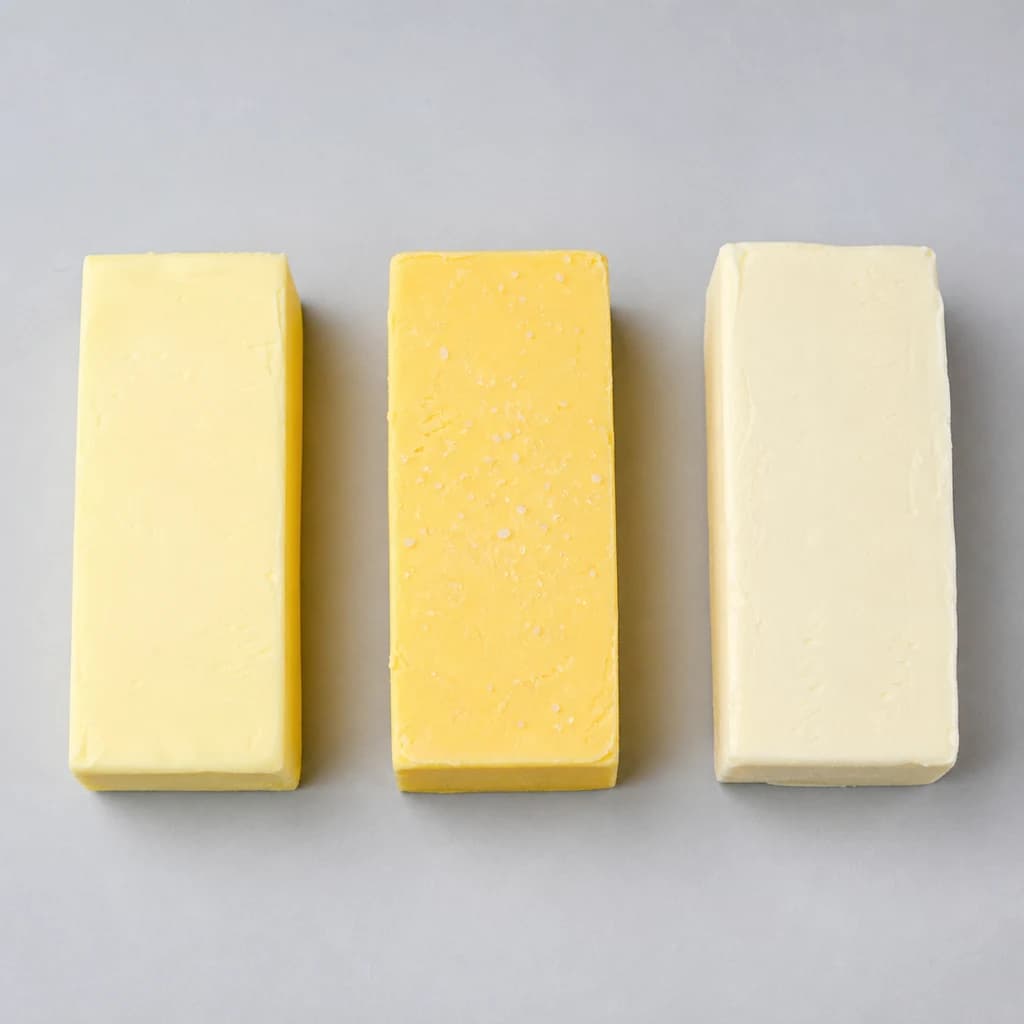
Butter
Golden fat for searing, baking, and finishing a sauce
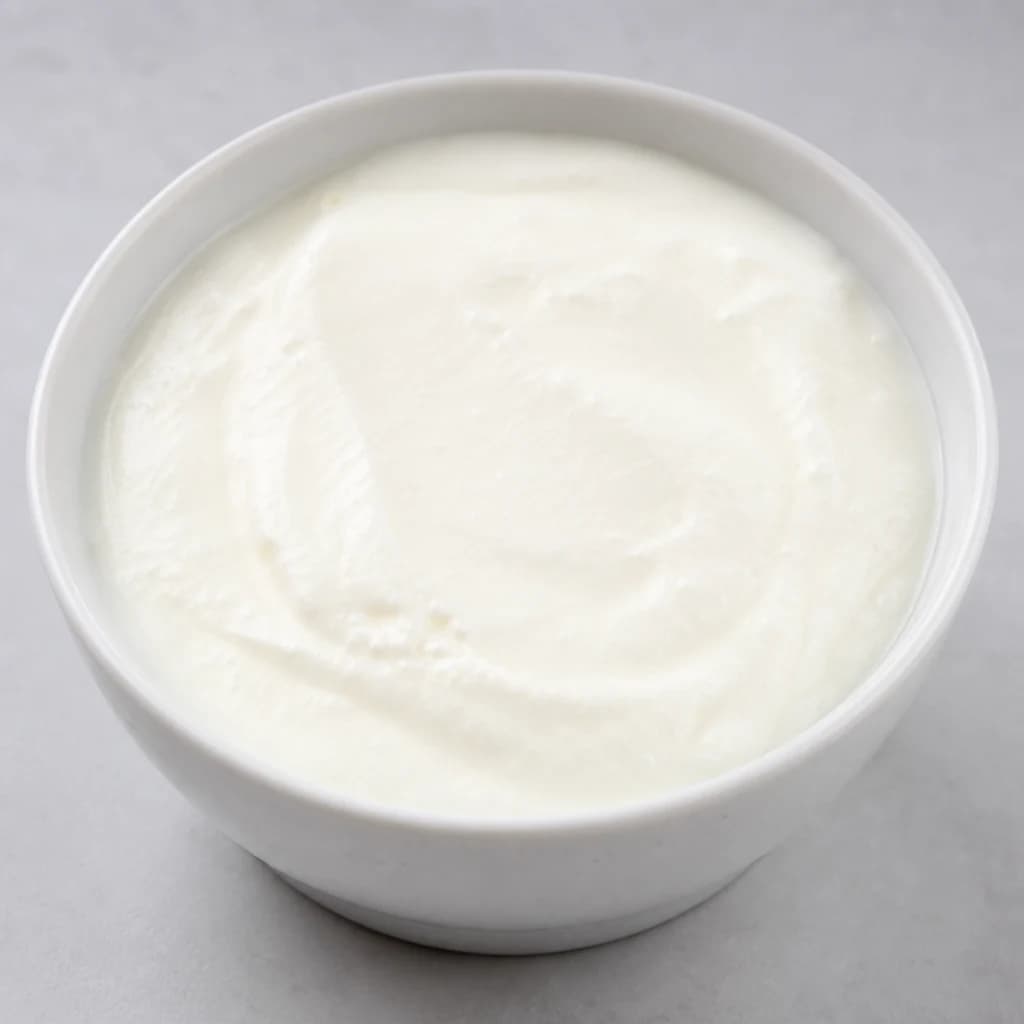
Yogurt
Tangy, creamy culture for breakfast, sauces, and marinades
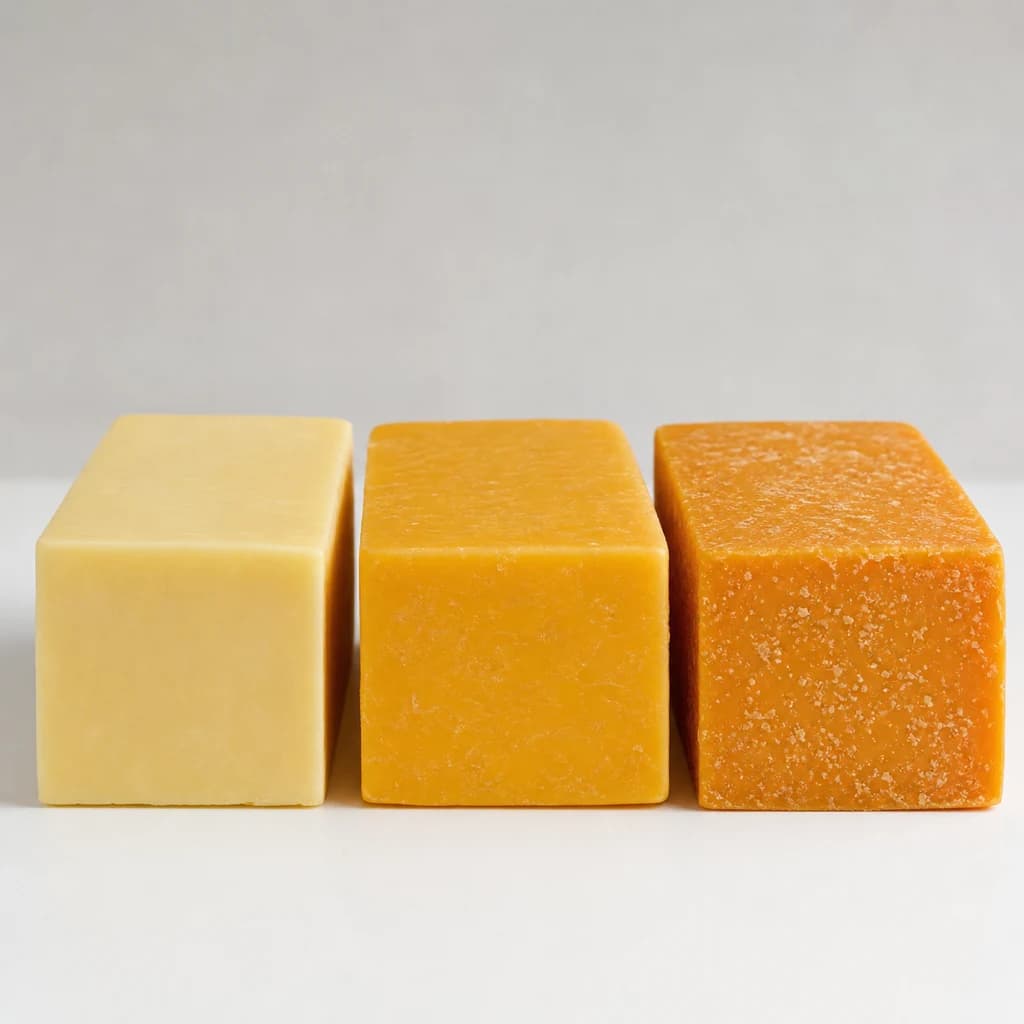
Cheddar Cheese
Sharp, melty cheese for sandwiches, gratins, and grating
Skim Milk
Fat-free milk for lighter drinking, coffee, and cooking
Heavy Cream
Rich cream that whips, enriches sauces, and sets ganache

Sour Cream
Tangy, thick cream for dolloping, baking, and dips
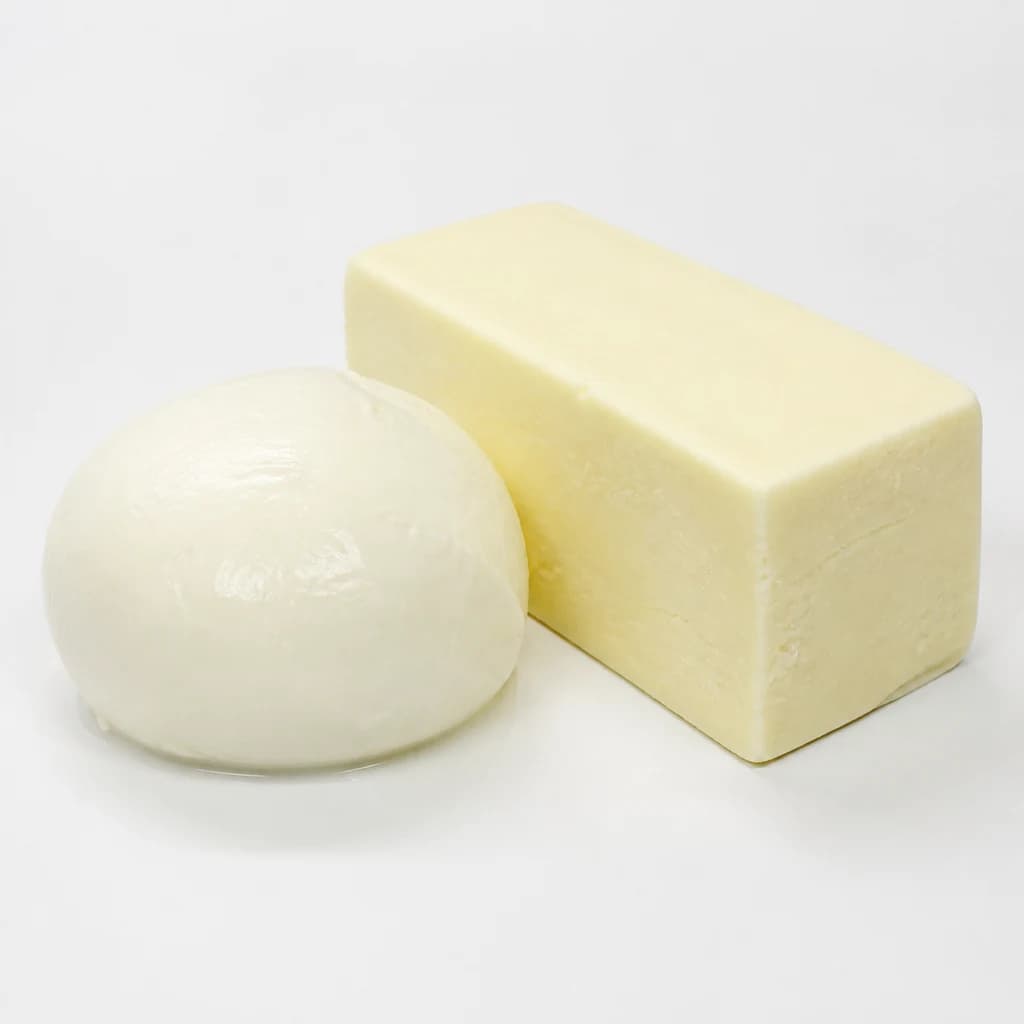
Mozzarella
Soft, milky cheese that melts into stretchy pizza pulls