Grains & Rice
Ravioli
Stuffed pasta pillows sealing fillings of cheese, meat, or vegetables.
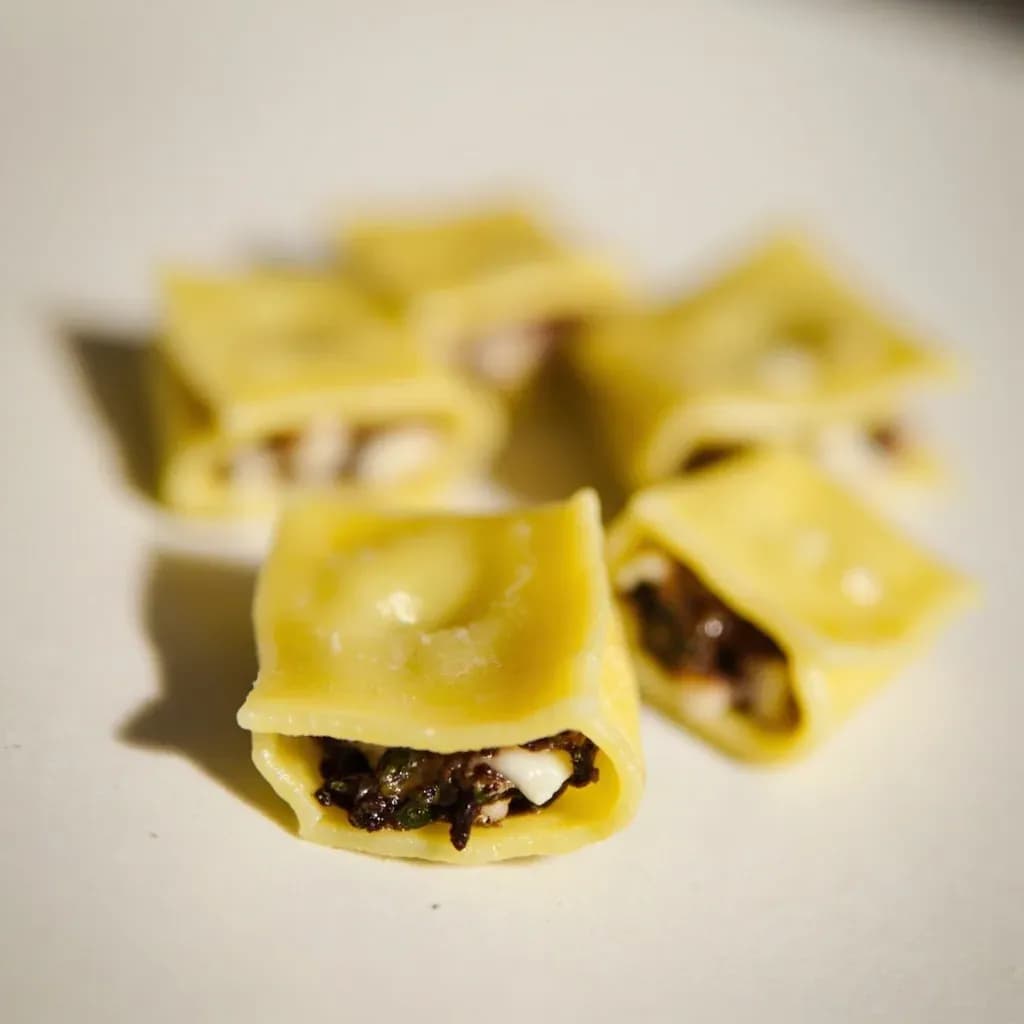
Ravioli are square or round pockets of fresh pasta dough enclosing a filling such as ricotta and spinach, meat, or squash. A staple of Italian cooking with countless regional versions, they are boiled and dressed simply with butter and sage, broth, or tomato sauce. Niçois ravioli, for example, are filled with braised beef and chard.
Ravioli is stuffed pasta made by sealing a filling between two paper-thin sheets of dough, then cutting it into squares, rounds, or other shapes. Originating in medieval Italy—Emilia-Romagna claims Mantua, while Liguria points to Genoa—ravioli represent one of the most versatile forms of fresh pasta, transforming simple dough into a vehicle for almost any flavor. The dough itself is typically just flour and egg, rolled to translucence so the filling shows through; the filling can be cheese, meat, seafood, vegetables, or even sweet ingredients. What distinguishes well-made ravioli from the dried commercial versions crowding supermarket shelves is texture: fresh or properly frozen ravioli has a tender, yielding bite that commercial versions rarely achieve. The critical skill is sealing—edges must be pressed firmly with egg wash or water, air bubbles expelled, or the filling escapes into the boiling water, leaving you with empty pasta pouches and cloudy cooking liquid. The word ravioli is plural (one piece is un raviolo), though English commonly treats it as both singular and plural in casual speech; purists prefer "ravioli" for the dish and "one raviolo" for an individual piece.
- Measured in
- g
- Storage
- Fridge
Allergens
Types & varieties
Piedmontese; small, pinched (plissé) edges, one bite-sized portion per serving, traditionally filled with roasted meat or pattern in the dough hints at filling
Piedmont; smaller than ravioli, often crescent or rectangular, sealed on three sides, traditionally filled with braised beef or pork and roasted vegetables
Emilia-Romagna; ring or navel shape, not square, traditionally filled with pork, prosciutto, and Parmigiano; served in brodo
Emilia-Romagna and Marche; hat shape, larger than tortellini, filled with meat or cheese, served in broth or with sauce
Ligurian; triangular shape, filled with preboggion (wild herb mixture) and ricotta, served with walnut sauce
Mantua specialty; filling of roasted pumpkin or squash, mostarda, and Amaretti crumbs; served with melted butter and sage
Widely popular; smooth, mild filling of ricotta and sautéed spinach, often with nutmeg; pairs with tomato or cream sauces
Potato filling, sometimes with onion or herbs; common in northern Italy; good with butter and sage or gorgonzola sauce
Shrimp filling, often with ricotta or mascarpone; popular in seafood regions; served with light tomato or garlic-olive oil sauces
German Swabian; larger, rectangular stuffed pasta, filled with minced meat, spinach, and bread; served in broth or pan-fried
Why Fresh Ravioli Outperforms Dried
Commercial dried ravioli has a thicker, tougher dough engineered to survive packaging and shelf time—it can never match the tenderness of fresh. Fresh ravioli (1–2 days refrigerated) has a delicate, almost silky bite; properly frozen ravioli (cooked directly from frozen) retains this quality. The key difference is hydration: fresh dough contains more moisture and less time to dry out, resulting in a more tender finished product. If you must use dried, look for bronze-die cut varieties with shorter cooking times—they indicate higher quality dough that will be less pasty.
- Fresh ravioli cooks in 2–4 minutes versus 6–10 for dried
- Frozen ravioli should never thaw before cooking; add 1–2 minutes to the time
- Bronze-die cut dried ravioli has better texture than PTFE-die cut
The Sealing Problem
Under-sealing is the most common home-cooking mistake with ravioli. If filling escapes into the cooking water, you typically have two problems: not enough egg wash or water on the edges, and air trapped inside. Air expands during cooking, rupturing the seal and sending filling into the pot. The fix is methodical: brush the entire edge with beaten egg (more reliable than water), place filling with a small gap from edges, fold without trapping air, press firmly all around, then crimp with fork tines or fingers for a tight decorative edge. Always test-boil one raviolo before cooking the batch.
- Brush edges with beaten egg, not just water—it provides protein that binds better
- Press out all air bubbles before sealing
- Test-boil one piece before committing the whole batch
- Overfilled ravioli burst; use about 1 teaspoon filling per 4 cm square
Common uses
Tips & pitfalls
- Rest dough 30–60 minutes wrapped at room temperature before rolling; gluten needs time to relax for easier rolling and less spring-back
- Roll pasta to consistent thinness (about 3 mm; translucent enough to read text through it) for even cooking; a pasta machine set to 5 or 6 on most machines works well
- Dust work surface generously with semolina flour (not all-purpose) when drying fresh ravioli; it prevents sticking better without forming gummy paste
- Seal ravioli by brushing edges with beaten egg or water, pressing out all air bubbles (air expands and ruptures during cooking), then crimping firmly with fork tines or fingers
- Don't overfill: use about 1 teaspoon filling per 4 cm square; overfilled ravioli burst, underfilled ones feel doughy and empty
- Cook test: fresh ravioli is done when it floats to the surface plus an extra 30–60 seconds; dried ravioli needs full recommended time
- If freezing: do not thaw before cooking; drop frozen directly into boiling water and add 1–2 minutes to cooking time
- For make-ahead: arrange in single layer on floured sheet pan, refrigerate uncovered 30 minutes to dry surface, then freeze solid before bagging
- Substitute dried egg pasta sheets (wonton wrappers) for quick homemade: 7 cm squares work well for weeknight versions
- Homemade dough: 100g 00 flour + 1 large egg + pinch salt per serving; knead 10 minutes until smooth; rest wrapped
Nutrition
Energy
322 kJ · per 100 g
Where the calories come from
Protein
2.5g
5% DV
Carbs
13.6g
5% DV
Fat
1.5g
2% DV
Fiber
1.3g
5% DV
Sugars
3.7g
of which
Sodium
306mg
13% DV
Source · USDA FoodData Central · approx. Ravioli, cheese-filled, canned
View on FDC →In the shops
Matched grocery products
No matched grocery products for Ravioli yet.
Good to know
- Origin
- Italy, medieval Emilia-Romagna (Mantua) and Liguria (Genoa)
- Main Ingredients
- Wheat flour (typically 00 or all-purpose), eggs, filling of choice
- Typical Size
- 3–4 cm square (handmade); 2–3 cm for miniature versions
- Cook Time
- Fresh: 2–4 minutes; Dried: 6–10 minutes in salted boiling water
- Shelf Life
- Fresh: 1–2 days refrigerated on floured tray, covered; Frozen: up to 6 weeks (freeze flat first)
- Difficulty
- Moderate; pasta dough requires kneading and resting; sealing is the critical skill
- Equipment
- Pasta machine or rolling pin, ravioli cutter wheel or fluted pastry wheel, 5–7 cm round cutter for round shapes
- Yield
- Approximately 4 servings from a standard batch (about 500g dough)
- Season
- Year-round; pumpkin and squash fillings peak in autumn and winter
Substitutes
- Tortellini — Same pasta family; ring shape, typically cheese or meat filling, same cooking method; acceptable in most recipes calling for ravioli
- Agnolotti del Plin — Piedmontese alternative; smaller, more delicate, excellent with butter and sage or meat sauces; cooks in 2–3 minutes
- Pierogi — Polish equivalent; larger, thicker dough, typically boiled then pan-fried; different flavor profile but same role as stuffed pasta
- Wonton Wrappers + Filling — Quick weeknight substitute; fill 7 cm squares with any mixture, seal edges with water, cook 3–4 minutes; not traditional but functionally similar
- Gnocchi — Not stuffed, but potato-based pasta alternative; same sauce pairings and serves as vehicle for sauce; entirely different texture
Pairs with
Also called
Niçois Ravioli · Stuffed Pasta
Related

White Rice
Fluffy long-grain rice — the neutral base for almost any meal

White Bread
Soft sandwich loaf for toast, sandwiches, and crumbs
Brown Rice
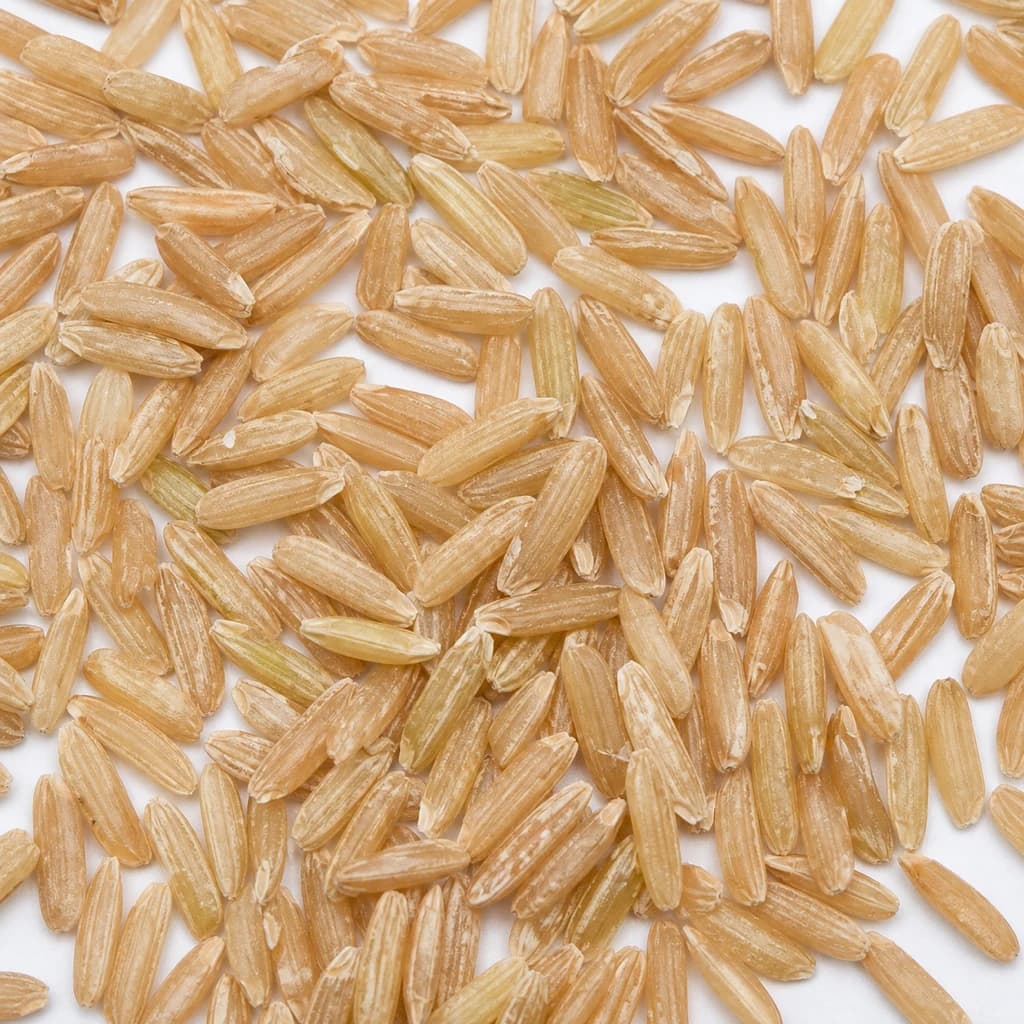
Nutty, whole-grain rice with chew and extra fiber

Basmati Rice
Fragrant, long-grain rice that cooks up light and separate
Jasmine Rice
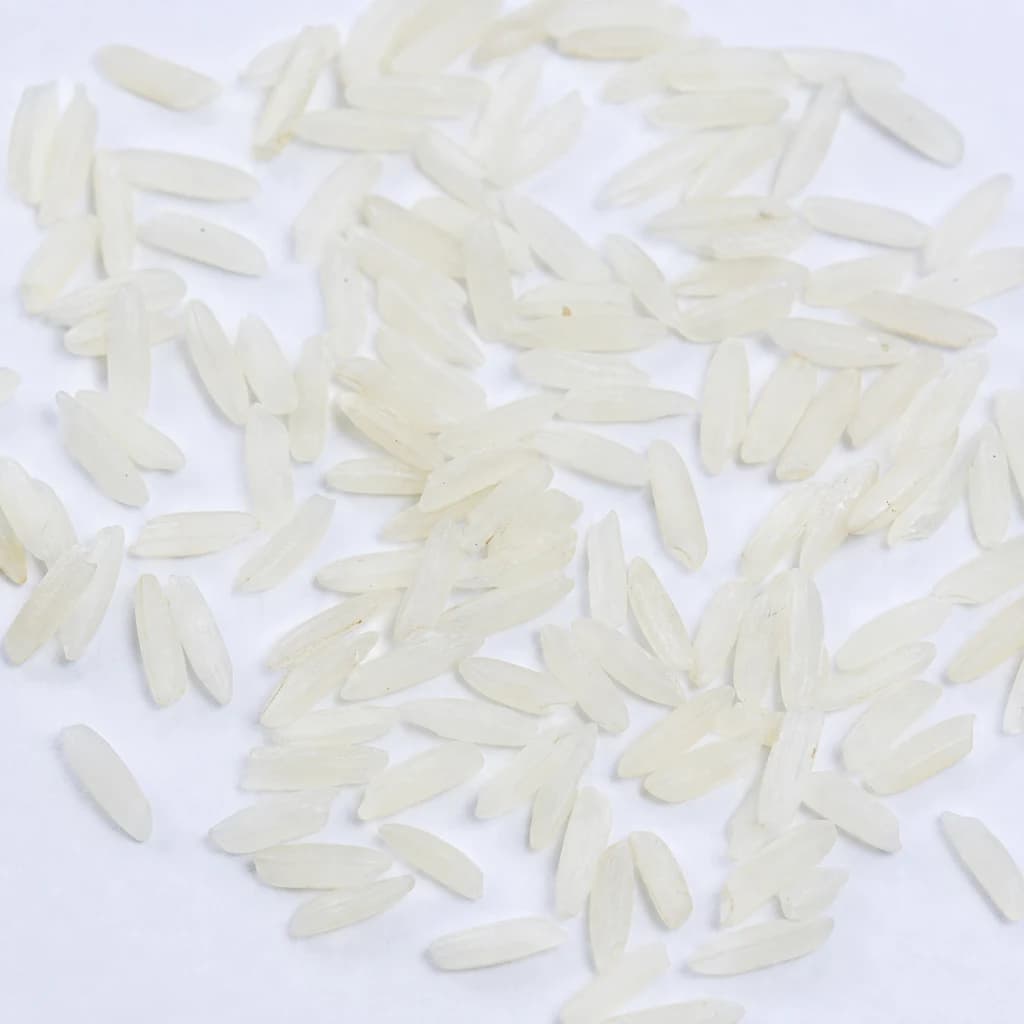
Soft, floral-scented rice that's the pillar of Thai meals
Arborio Rice
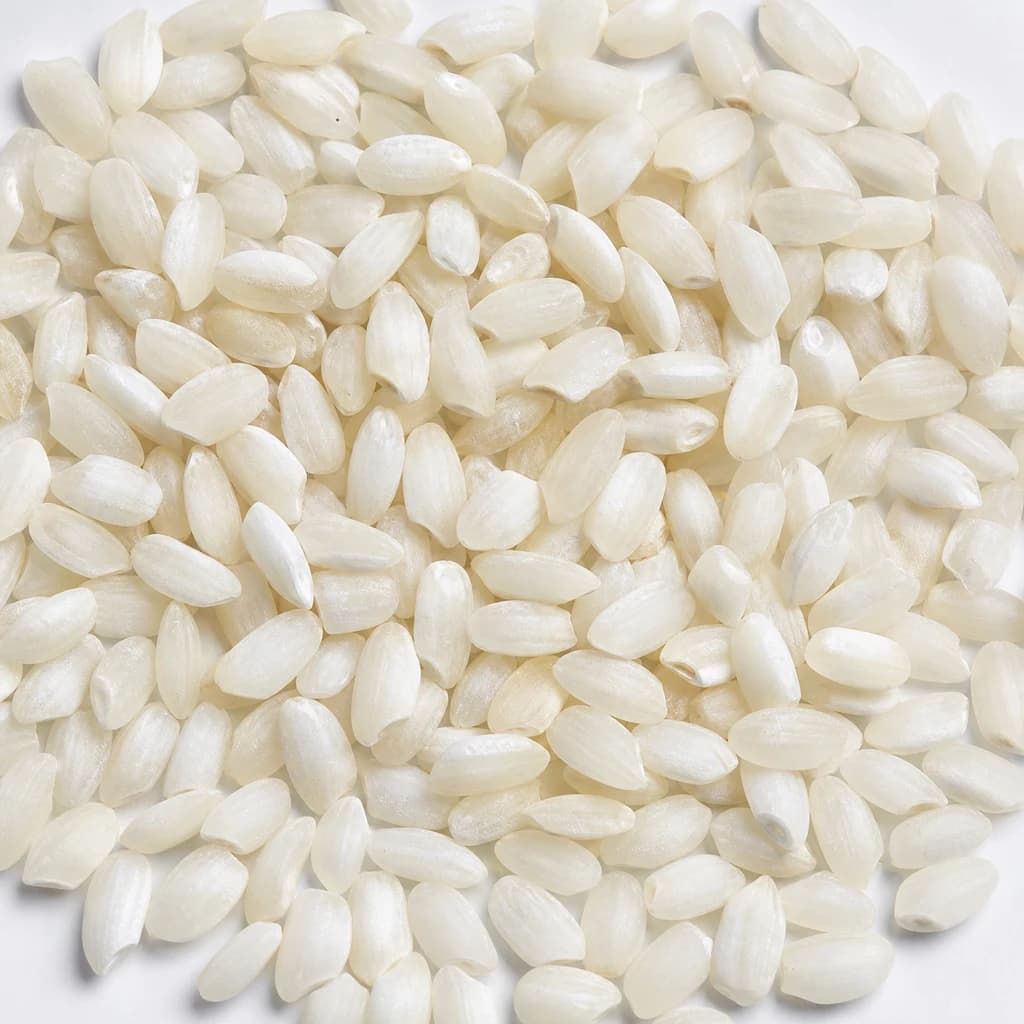
Plump, starchy rice that makes risotto creamy
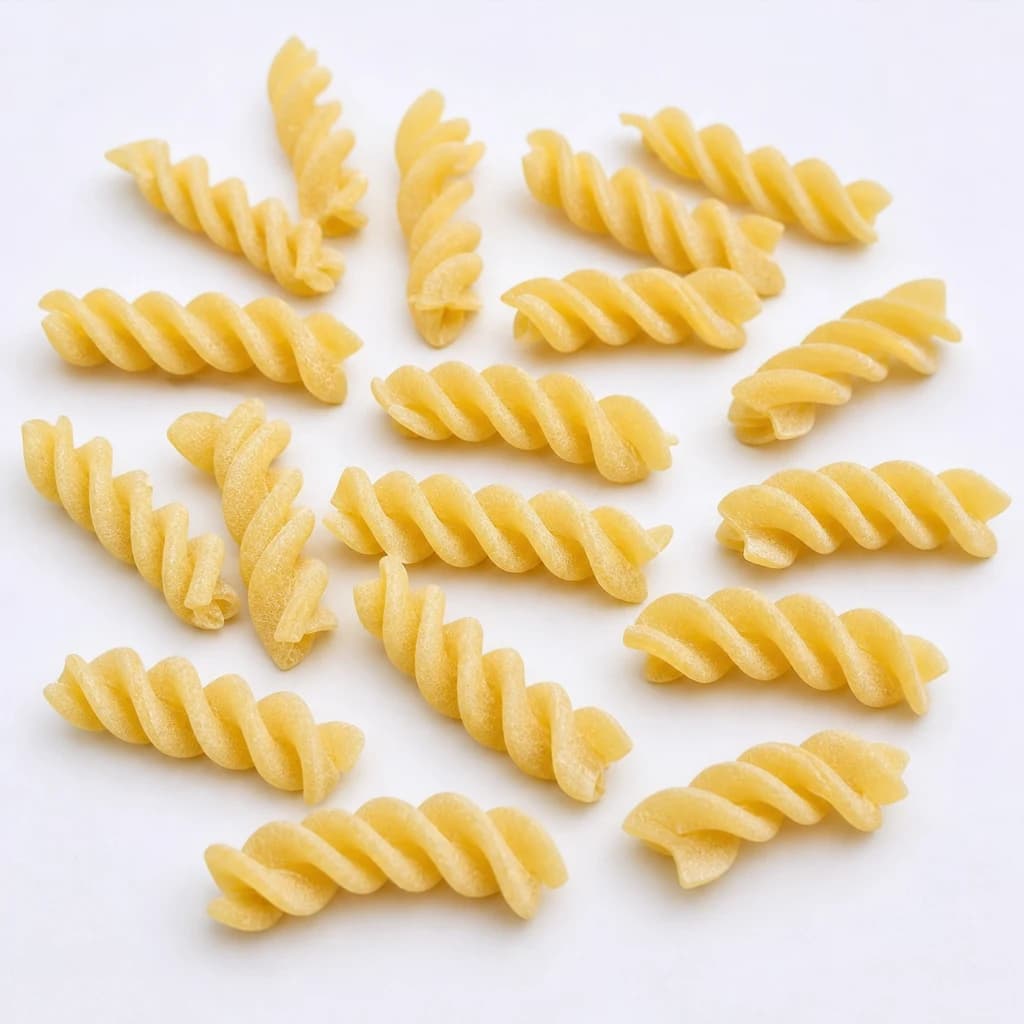
Fusilli
Spiraled pasta that twirls up sauce and dresses cold salads
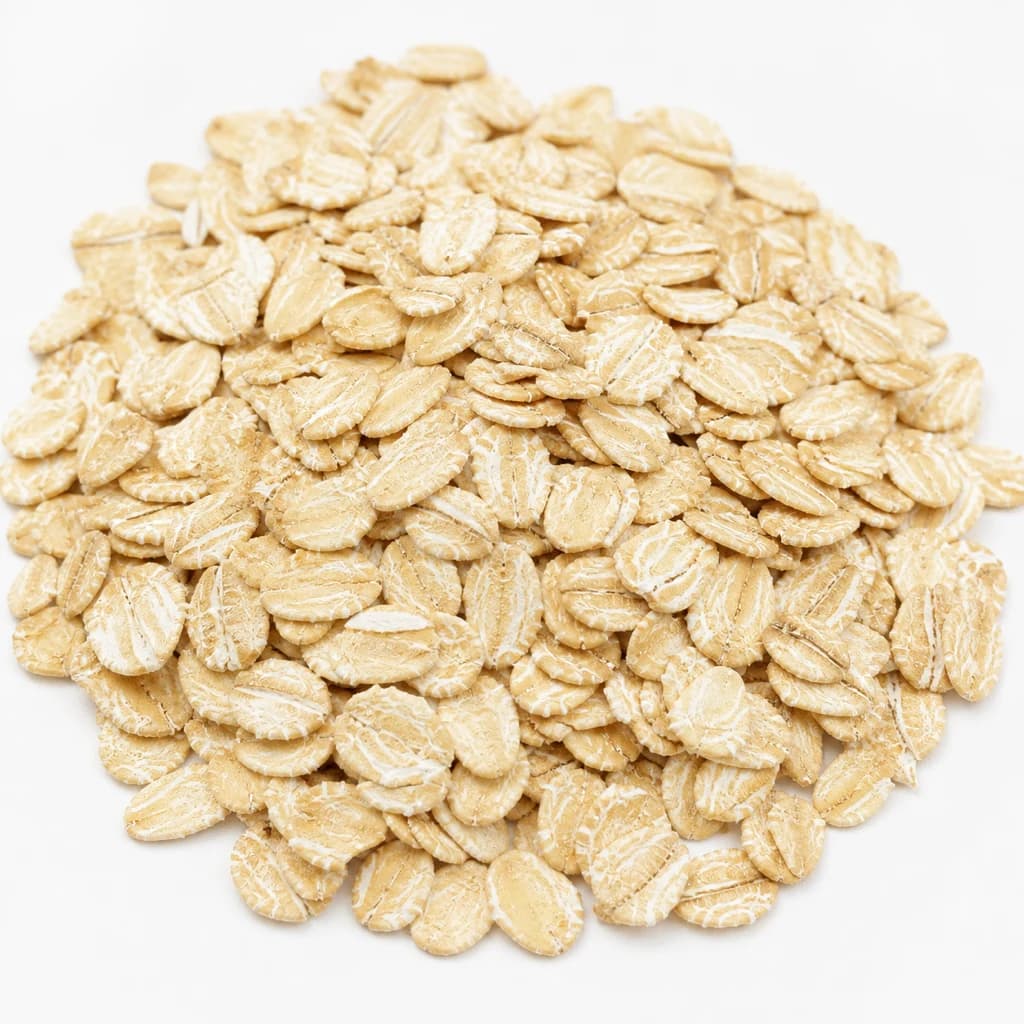
Rolled Oats
Hearty flakes for porridge, granola, and chewy cookies