Grains & Rice
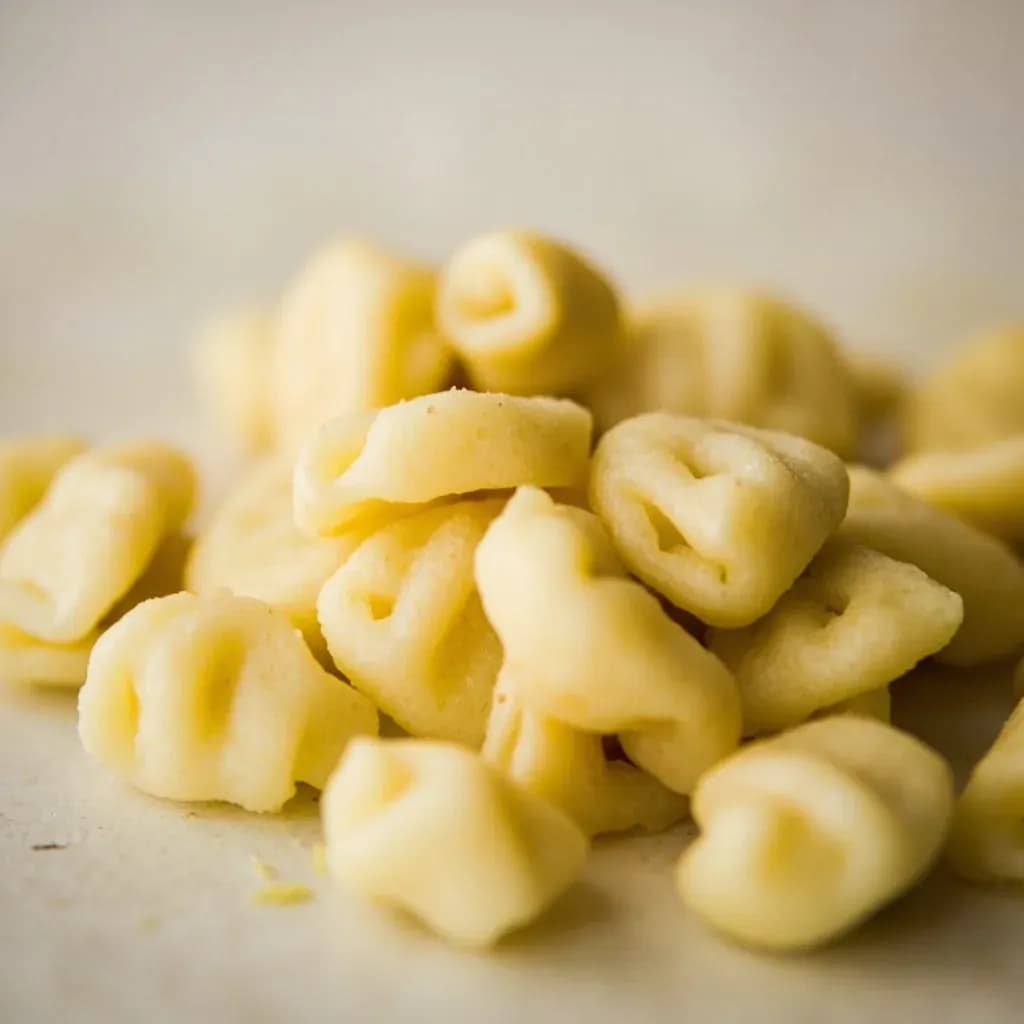
Gnocchi
Soft Italian dumplings of potato and flour, boiled and tossed with butter, sage or tomato sauce.
Gnocchi are small Italian dumplings most commonly made from mashed potato bound with flour and sometimes egg. They are shaped into pillows, ridged against a fork, then boiled until they float and dressed with sauces like brown butter and sage, pesto or tomato. Light and pillowy when made well, they can also be made from semolina or ricotta.
Gnocchi are small, soft Italian dumplings traditionally made from potatoes, flour, and sometimes egg. Unlike filled pastas such as ravioli or tortellini, gnocchi have no filling — their character comes entirely from the dough itself, which should be light, pillowy, and yield gently to the bite. The name likely derives from the Italian word for knots or knuckles (nocca), though some trace it to the Alpine word knödel. Gnocchi belong to the northern Italian tradition, particularly Piedmont, Veneto, and Lombardy, where wheat was less abundant than in the south and cooks stretched starchy ingredients into satisfying first courses.
The key to good gnocchi lies in understanding the dough. Too much flour makes them dense and gummy; too little and they fall apart in the pot. The potatoes must be cooked dry and hot when worked, and the dough should be handled quickly and minimally. Fresh gnocchi cook in 2–3 minutes — they are done when they float to the surface, then sit for one more breath before draining. Older cooks insist on working the dough only once and on a floured surface, never kneading it like bread.
Gnocchi serve as a primi piatti — a first course that bridges the appetite between antipasto and second courses of meat or fish. Their mild, starchy neutrality makes them a vehicle for bold sauces: brown butter and sage is the classic, but they take equally well to tomato ragù, cream sauces, or a quick sauté in a hot pan to develop a crispy exterior.
- Measured in
- g
- Storage
- Fridge
Allergens
Types & varieties
Classic potato gnocchi; the most common version worldwide, made from baked or boiled potatoes passed through a ricer while still hot
Semolina-based, cut into rounds, baked with butter and Parmesan; a Roman specialty — technically a baked dish rather than boiled gnocchi
Ricotta replaces potato; lighter texture and slightly tangy; popular in southern and central Italy, often served with butter and sage
Spinach added to potato dough; vivid green color, slightly earthy flavor; squeeze spinach dry before mixing or the dough will be wet
Made with roasted pumpkin or butternut squash; sweeter, golden color; the squash adds moisture so reduce flour accordingly
Chestnut flour gnocchi; nutty, slightly sweet; traditional in Lombardy and Trentino, often served with butter and cheese
Tiny, ridged semolina gnocchi from Sardinia; pearl-sized, often served with seafood sauces or tomato-based condiments; also known as gnocchi sardi but technically a distinct pasta type
Green gnocchi made with spinach and ricotta; a lighter variant popular in northern Italy
Common uses
Tips & pitfalls
- Work the potato dough while the potatoes are still hot — cold potatoes absorb more flour and produce heavy gnocchi
- Flour your work surface and hands lightly, and add flour sparingly; the dough should be slightly tacky, not firm
- Roll each piece of dough into a rope on a lightly floured surface, then cut with a sharp knife or bench scraper — do not over-handle
- Test one gnocco before shaping the rest: cook it in simmering salted water; it should float in 2 minutes and feel tender but not fall apart
- For ridges, press each gnocco against the tines of a fork or a gnocchi board using your thumb — the grooves help sauce cling
- Common mistake: using waxy new potatoes instead of starchy russets; waxy potatoes hold their shape but produce dense, gluey gnocchi
- Another common mistake: mashing the potatoes instead of ricing them; mashing develops gluten and makes the dough tight
- If the dough sticks to your hands or the work surface, do not add more flour — chill the dough for 15 minutes and it will become easier to handle
- Cook gnocchi in batches in a wide, shallow pan; crowding the pot causes them to collide and break
- Sauce gnocchi gently in a warm bowl or wide pan over low heat; they continue cooking and can become mushy if held too long on high heat
Nutrition
Nutrition
No USDA FoodData Central match for Gnocchi yet. We surface a per-100 g profile once a generic whole-food entry is matched and verified.
In the shops
Matched grocery products
No matched grocery products for Gnocchi yet.
Good to know
- Type
- Italian dumpling (small pasta)
- Primary ingredients
- Potatoes, flour, and egg (traditional); ricotta, semolina, or vegetable bases in variants
- Origin
- Northern Italy (Piedmont, Veneto, Lombardy)
- Typical cooking method
- Boiled in salted water until they float, then briefly rested
- Serving temperature
- Immediately after cooking; fried or baked variants are exceptions
- Shelf life (fresh)
- 1–2 days refrigerated; freeze raw on a sheet pan then transfer to bags indefinitely
- Portion size
- About 100–120 g per person as a primo; 60–80 g as a side
Substitutes
- Pasta fresca all'uovo — Fresh egg pasta cut into small dumpling shapes or pici — not a direct substitute, but works as a starchy vehicle for the same sauces
- Acini di pepe — Small pearl pasta cooks to a similar al dente texture and absorbs sauces similarly; adjust cooking time for gnocchi-like bite
- Soft polenta — Northern Italian and comparable in heartiness; serve with the same robust sauces as gnocchi
- Ricotta gnocchi (di ricotta) — If you have time, make ricotta gnocchi instead — they are more forgiving of flour variation and lighter in texture
- Small potato dumplings (knoephla) — German dumpling tradition shares the same principles; serves as a side dish equivalent
Pairs with
Also called
Potato Gnocchi
Related

White Rice
Fluffy long-grain rice — the neutral base for almost any meal

White Bread
Soft sandwich loaf for toast, sandwiches, and crumbs
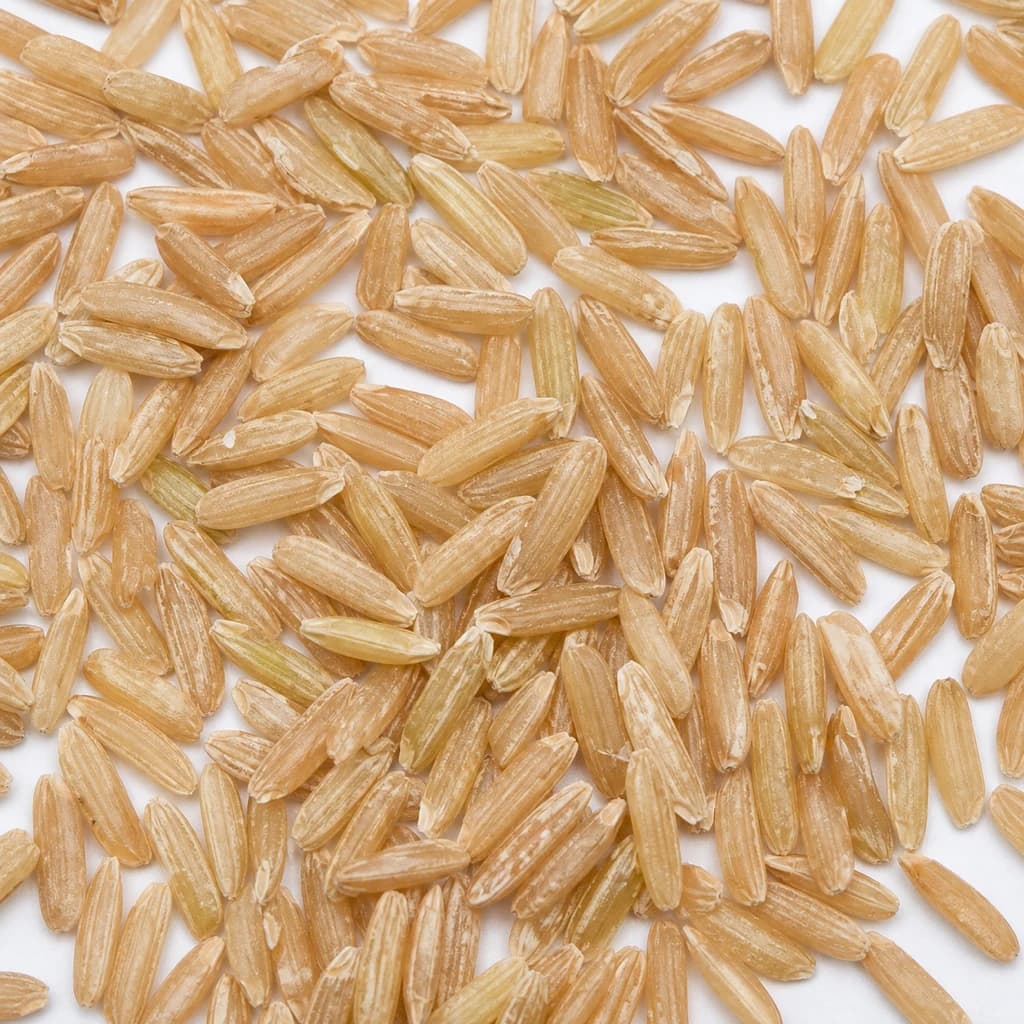
Brown Rice
Nutty, whole-grain rice with chew and extra fiber

Basmati Rice
Fragrant, long-grain rice that cooks up light and separate
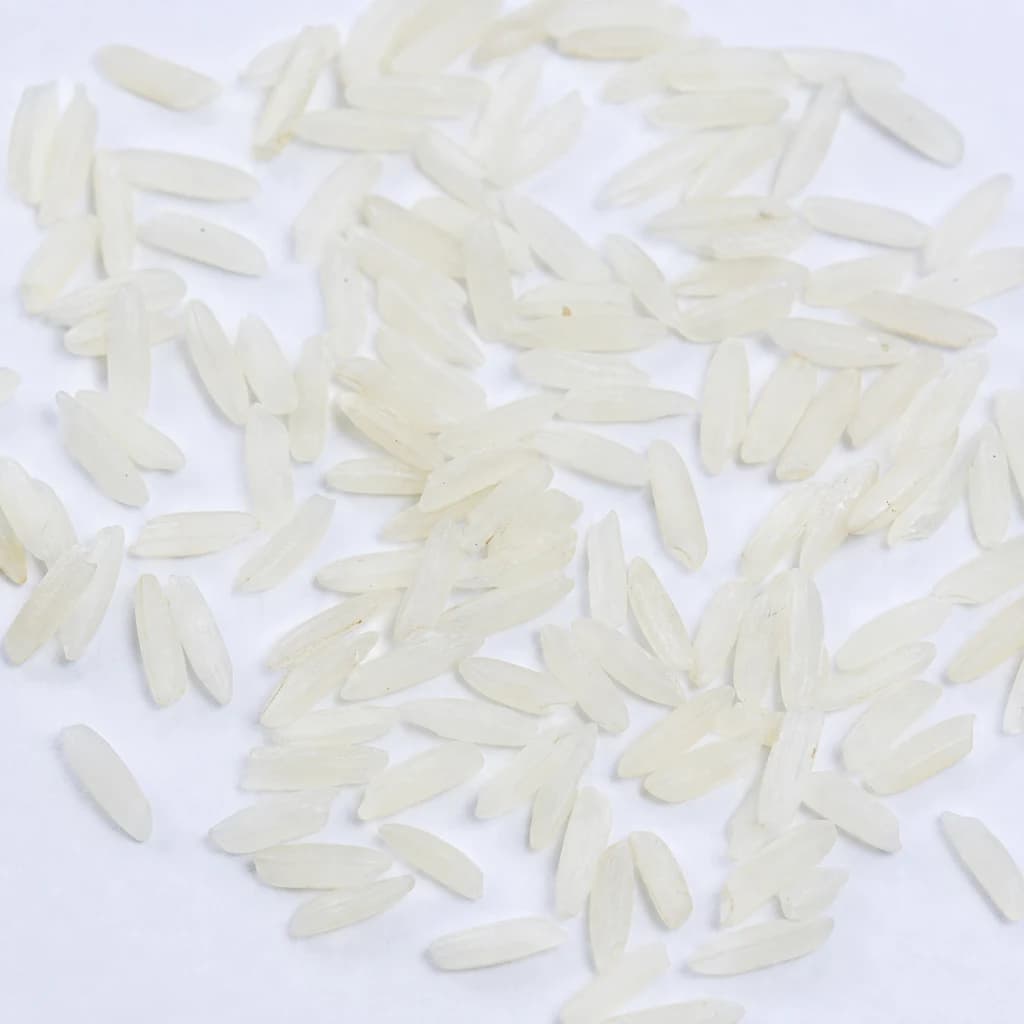
Jasmine Rice
Soft, floral-scented rice that's the pillar of Thai meals
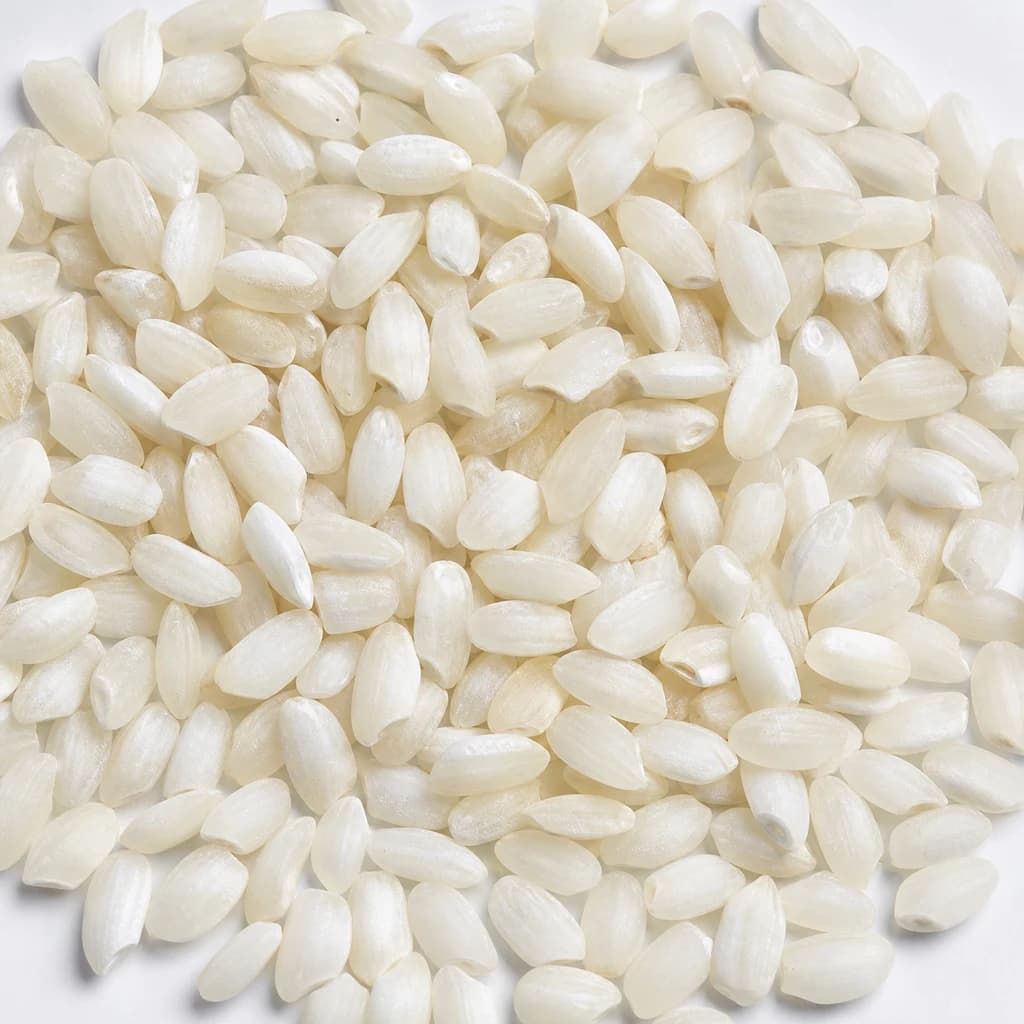
Arborio Rice
Plump, starchy rice that makes risotto creamy
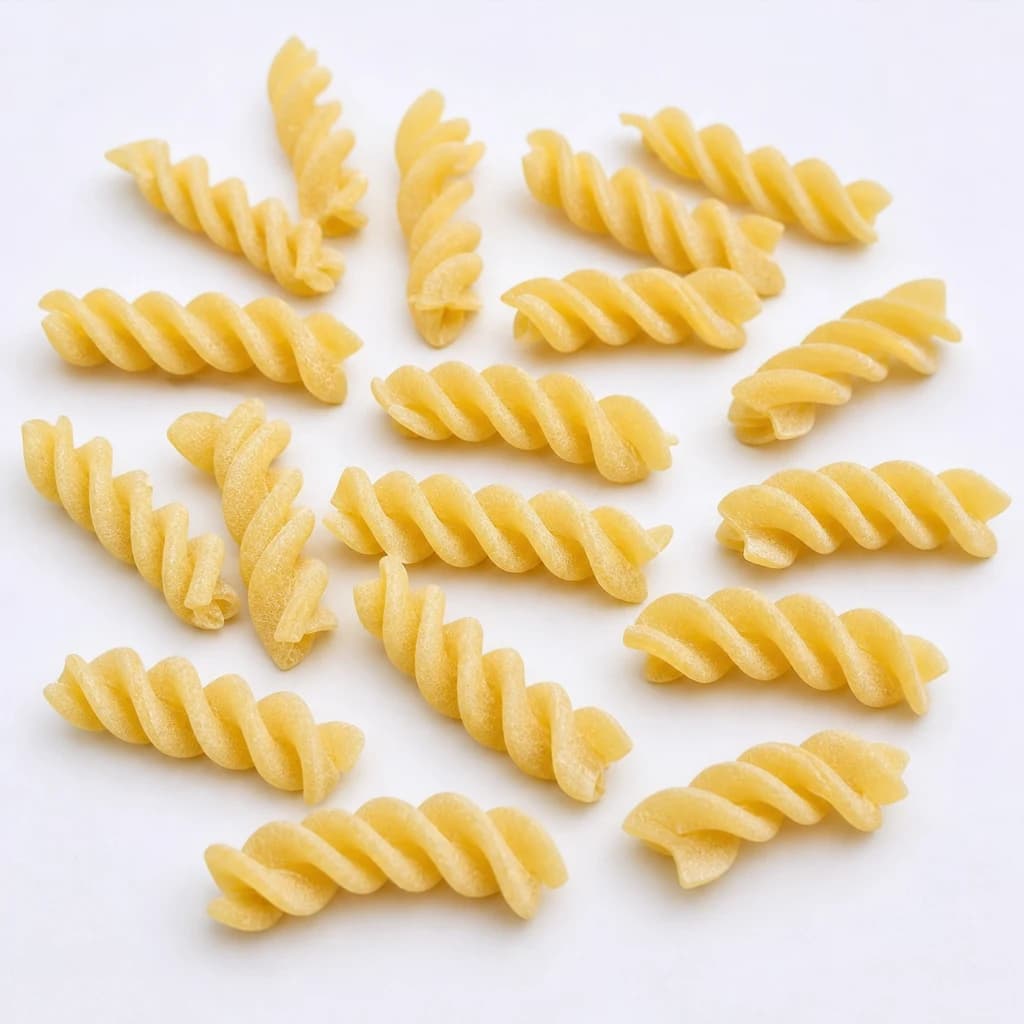
Fusilli
Spiraled pasta that twirls up sauce and dresses cold salads
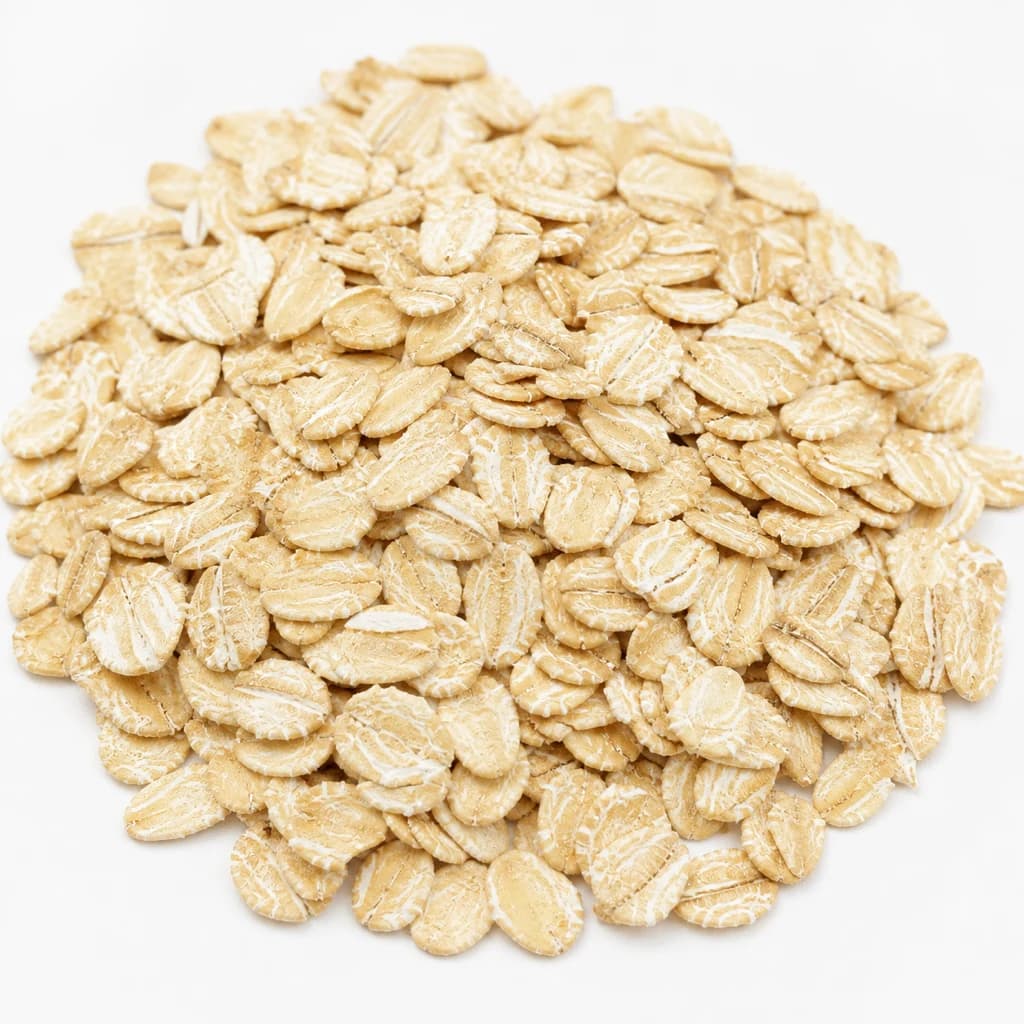
Rolled Oats
Hearty flakes for porridge, granola, and chewy cookies