Dairy & Eggs
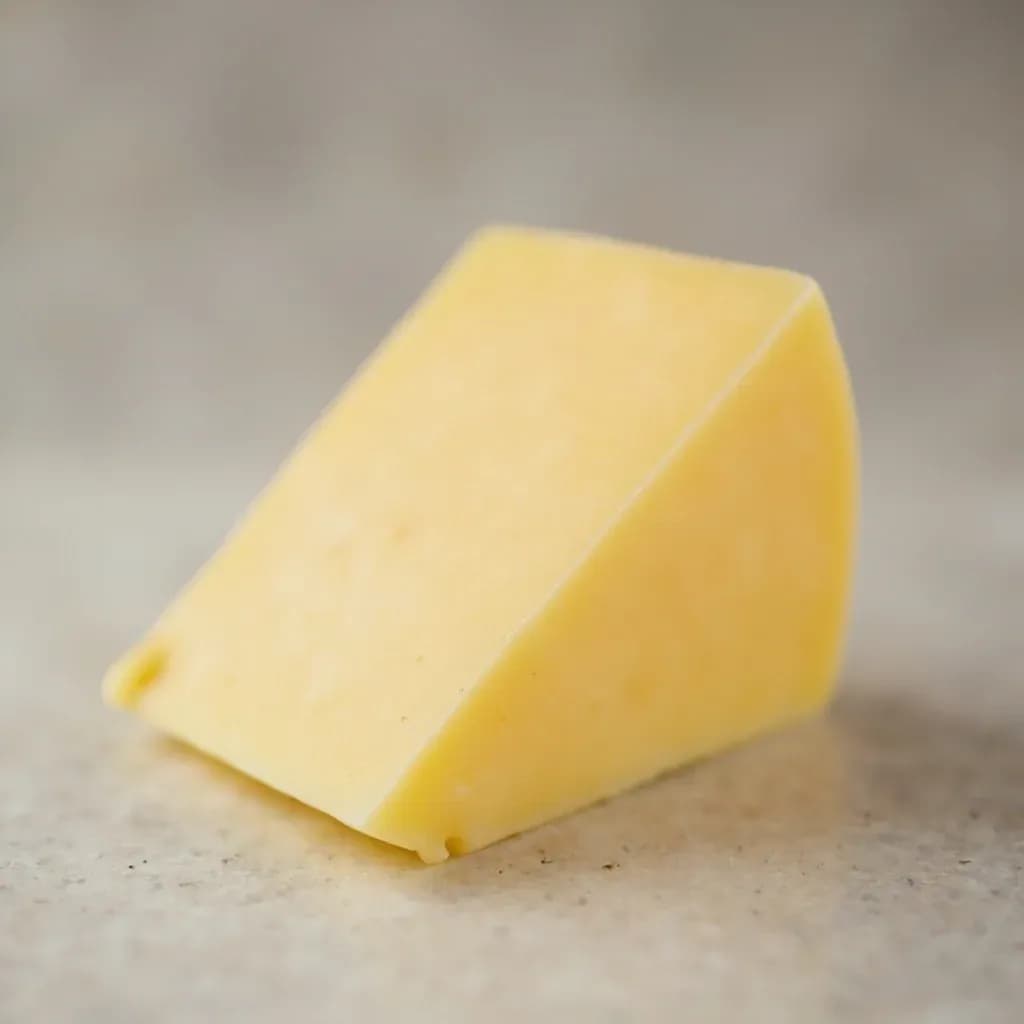
Kefalotyri Cheese
Hard, salty Greek sheep- and goat-milk grating cheese, famous fried as flaming saganaki.
Kefalotyri is a hard, pale-yellow Greek and Cypriot cheese made from sheep's and/or goat's milk, with a sharp, salty, tangy flavor. It is grated over pasta and baked dishes or sliced and pan-fried as saganaki. Its high melting point lets it brown and crisp on the outside while staying chewy within.
Kefalotyri is one of Greece's oldest and most distinguished hard cheeses, crafted primarily from sheep's milk with up to 20% goat's milk. Produced in cylindrical wheels weighing 2–4 kg, it must age a minimum of three months—though the finest wheels spend five to twelve months maturing, developing increasing hardness and a more pronounced, piquant sharpness. Its dense, tight texture with small to medium eyes grates cleanly without crumbling, making it a workhorse in Greek kitchens. The cheese belongs to the same family as Italian Pecorino Romano, sharing that sheep's milk base and robust saltiness, though Greek production methods and regional terroir create distinctive character. The name derives from "kefalo" (head), referring to the large wheel shape. Well-aged wheels develop tyrosine crystals—white protein flecks that signal concentrated umami and are a mark of quality, not flaws. While many tavernas substitute the softer Kasseri for saganaki due to its melting properties, true Kefalotyri should hold its shape when fried, with only the exterior developing a golden crust while the interior stays firm.
- Measured in
- g
- Storage
- Fridge
Allergens
Types & varieties
The Lesbos/Mytilene variety, considered the premier type. PDO-protected. Often made without annatto, resulting in a paler interior and more refined flavor.
From Thessaly; similar production method but regional variations create subtly different flavor intensity and salt balance.
Traditional and premium versions made without annatto; pale yellow-white interior. Preferred for table use and recipes where color matters.
Bright yellow from annatto dye; more common in commercial production.
Saganaki: The Signature Dish
The flaming saganaki is Kefalotyri's most dramatic moment. Named for the two-handled pan (saganaki) rather than the cheese itself, the dish calls specifically for Kefalotyri because it holds its shape under high heat. Thin slices are dredged in flour, pan-fried until golden on both sides, then traditionally flambéed with ouzo or brandy at the table—a presentation still prized in Greek tavernas. The exterior develops a savory, slightly caramelized crust while the interior remains pleasantly firm. Many restaurants use Kasseri for its superior melting, which produces a softer, stringier result—technically not authentic saganaki but arguably more crowd-pleasing. For the true experience, insist on Kefalotyri and accept that some melting around the edges is correct; total collapse is not.
- Thin slices (5–8mm) hold better than thick chunks
- Flour creates the characteristic crispy exterior
- Ouzo or brandy for flambé; avoid spirits with low alcohol content
- Table-side presentation is traditional—warn guests before igniting
Grating vs. Table Use
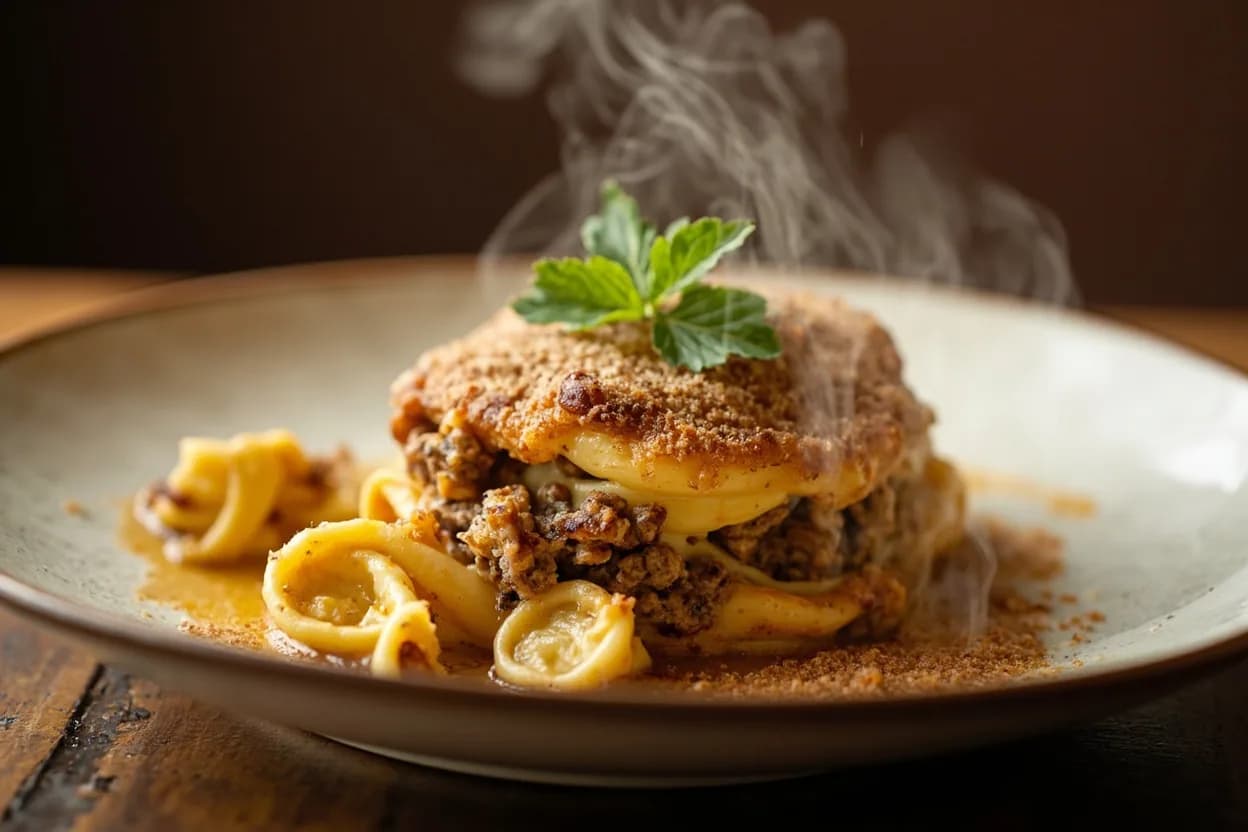
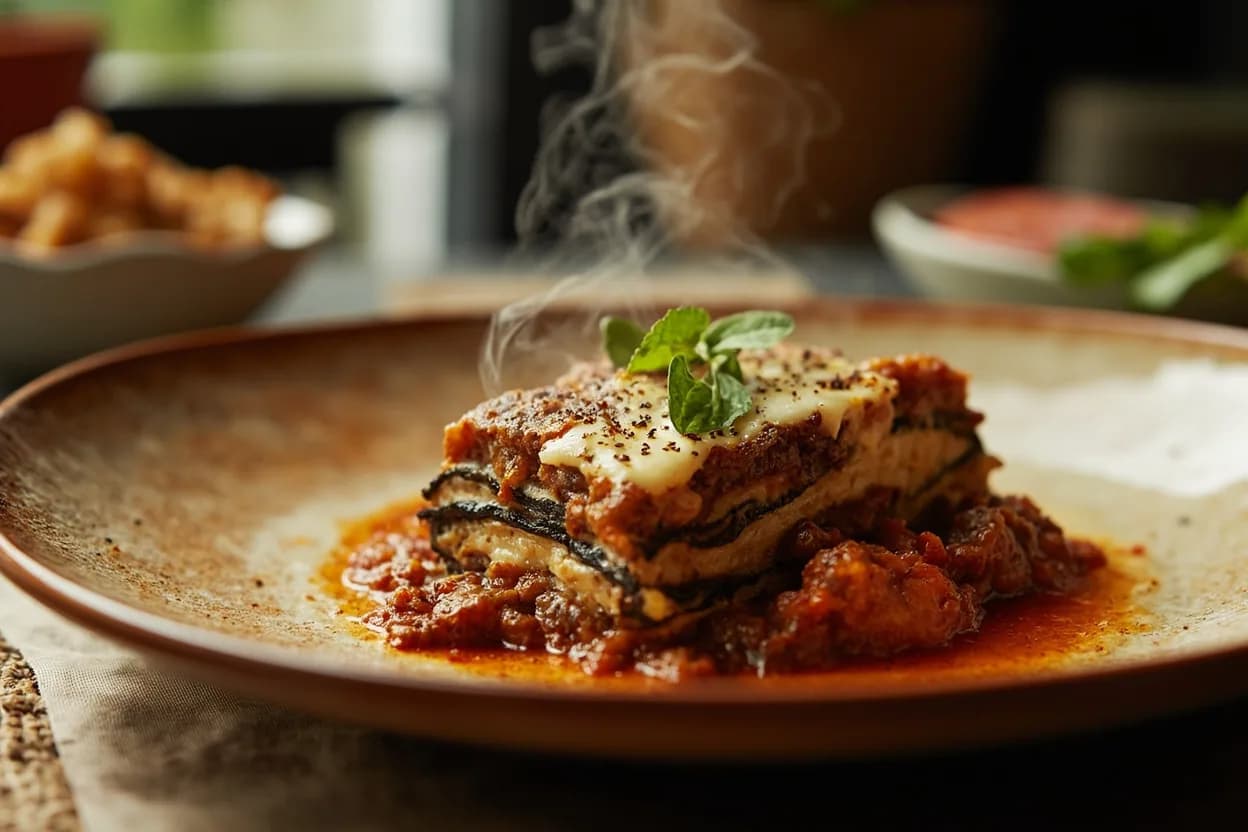
Kefalotyri serves two distinct purposes that depend heavily on age. Younger wheels (2–4 months) work as table cheeses—sliced thin alongside bread and olives, the salt and sharpness mellowed by good crusty bread and a drizzle of honey. As the cheese ages, it becomes increasingly hard and intensely flavored, transitioning to a grating cheese. The dense texture means it resists clumping when grated, distributing evenly across dishes without dissolving into grease. Use the coarser holes on your box grater rather than fine; finer gratings tend to pack together and melt unevenly. For baked applications like pastitsio or moussaka, medium-grated Kefalotyri melts into golden, bubbling layers that provide both flavor and texture contrast.
- Younger = table cheese; older = grating cheese
- Coarse grating melts better and distributes more evenly
- Medium grating ideal for baked casseroles
- Fine grating can clump from the salt content
Common uses
Tips & pitfalls
- Grate on the coarse side of a box grater or use a food processor with the shredding blade—finer gratings can clump from the salt content
- Store a whole wedge, unwrapped, in the coldest part of the refrigerator for up to 6 weeks; the natural rind helps protect it
- If too salty for your taste, soak slices briefly in cold milk or water for 10–15 minutes before frying, then pat dry
- When frying saganaki, dust thin slices lightly with flour and shake off excess—the flour creates the characteristic crispy crust while preventing sticking
- Bring to room temperature 30 minutes before serving as a table cheese to develop full flavor and aroma
- Do not confuse with Kasseri, which is softer and meant for melting; Kasseri is not suitable for heavy grating and will collapse in saganaki
- Always check the label for annatto if avoiding artificial color—some commercial versions add it for visual appeal
Nutrition
Energy
1628 kJ · per 100 g
Where the calories come from
Protein
25.6g
51% DV
Carbs
1.6g
1% DV
Fat
31.1g
40% DV
Fiber
0g
0% DV
Sugars
1.6g
of which
Sodium
800mg
35% DV
Source · USDA FoodData Central · approx. Cheese, fontina
View on FDC →In the shops
Matched grocery products
No matched grocery products for Kefalotyri Cheese yet.
Good to know
- Origin
- Greece; associated with Lesbos (Mytilene) and Thessaly since antiquity
- Milk
- Primarily sheep's milk; up to 20% goat's milk in traditional versions
- Texture
- Hard, dense; small to medium eyes; grates cleanly without crumbling
- Flavor
- Sharp, salty, tangy; develops more complex piquant notes with extended aging
- Color
- Pale yellow to bright yellow; interior is off-white to light yellow. Some commercial varieties are colored with annatto.
- Aging
- Minimum 3 months; premium wheels aged 5–12 months
- Fat Content
- Approximately 45–50% fat in dry matter
- PDO Status
- Protected Designation of Origin under EU law (Greek Kefalotyri)
- Storage
- Refrigerate tightly wrapped at 4–8°C; keeps 4–6 weeks. Can freeze but may affect grating quality
Substitutes
- Pecorino Romano — Italian sheep's milk cheese; equally hard, salty, and sharp. Best direct substitute for grating. Use in equal amounts.
- Graviera — Another Greek hard cheese; slightly sweeter, less tangy. Use as 1:1 substitute for grating or frying.
- Parmigiano-Reggiano — Cow's milk Parmesan; less salty, milder. Works well in baked applications; reduce added salt in recipe when substituting.
- Romano — American or imported Pecorino Romano substitutes; very hard and salty, excellent for grating. Use 1:1.
Also called
kefalotyri · kefalotiri
Appears in these dishes
Related

Whole Milk
Rich, full-fat milk for drinking, coffee, sauces, and baking
Butter
Golden fat for searing, baking, and finishing a sauce
Yogurt
Tangy, creamy culture for breakfast, sauces, and marinades
Cheddar Cheese
Sharp, melty cheese for sandwiches, gratins, and grating
Skim Milk
Fat-free milk for lighter drinking, coffee, and cooking
Heavy Cream
Rich cream that whips, enriches sauces, and sets ganache

Sour Cream
Tangy, thick cream for dolloping, baking, and dips
Mozzarella
Soft, milky cheese that melts into stretchy pizza pulls