Natural form
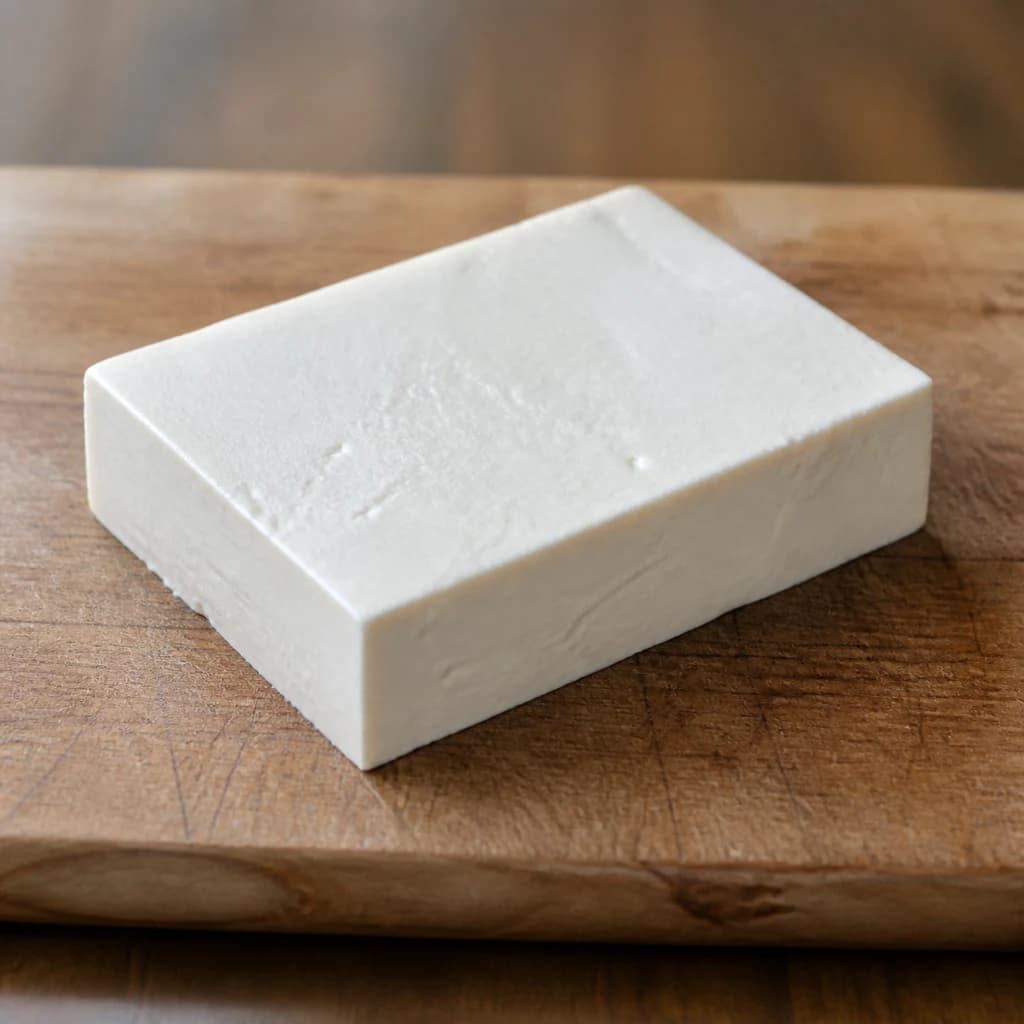
A block of fresh queso de freír as it looks straight from the package, firm and white.
Shows the uncooked cheese's characteristic firm, dense white block form so readers can identify it at market.
Dairy & Eggs
Frying Cheese (Queso de Freír)
Latin American firm white cheese that holds shape and crisps when pan-fried.
Queso de freír is a firm, salty Latin American white cheese specifically made to be pan-fried without melting away. It develops a golden, crisp crust while staying soft inside, served at breakfast with eggs, plantains, and beans across the Dominican Republic and Central America. Its high melting point lets it sear in slices.
Queso de Freír is a firm, white cheese native to Colombia and the broader Andean region, engineered specifically to withstand high heat without melting into a pool of oil. Unlike cheeses designed to melt and stretch, its tight protein matrix holds together at frying temperatures while the exterior browns and crisps to a light golden crust and the interior softens to a yielding, almost custard-like texture. This behavior—browning before melting—makes it uniquely suited for applications where structural integrity matters, whether stuffed inside a cornmeal pocket or fried as a standalone appetizer. It is not a melting cheese; using it where a stretchy fundido is expected will disappoint.
The cheese is typically made from cow's milk, though goat and mixed-milk versions exist. Most commercial versions sold in Latin American markets are lightly brined and can keep at room temperature for up to a month in a cool, dry place—testament to their lower moisture and salt-curing properties. Refrigerated, they last 2–3 weeks wrapped airtight, during which the texture may firm further. Freezing is not recommended: ice crystals rupture the protein structure, leaving a grainy, mealy texture when thawed. When buying, read the label carefully—some products marketed as "frying cheese" are pre-shredded seasoned blends not suited for this use. In Colombian supermarkets look for it in blocks, cylinders, or vacuum-sealed logs from brands like Alqueria, Colanta, and Cooleche.
The defining characteristic is the high moisture content paired with a firm, dense protein network. This combination allows it to sit in hot oil long enough to brown without collapsing. The result is a contrast of crispy, caramelized exterior and a soft, salty interior that rewards patience and correct heat management. Mastering this cheese means understanding that it behaves more like halloumi or paneer than like any standard melting cheese—once you internalize that, its uses multiply across breakfast, lunch, dinner, and snack applications throughout the day.
- Measured in
- g
- Storage
- Fridge
Allergens
Types & varieties
The standard; firm, mild, specifically formulated for frying. Brands include Alqueria, Colanta, and Cooleche.
Mexican counterpart; similar firm texture, slightly higher salt content in some versions. Used for quesadillas and fried cheese antojitos.
Broad category; may be softer than true queso de freír. Verify intended use—some are better for crumbling than frying.
Softer, slightly sweet; holds shape but can be fragile. Not a direct substitute for deep-frying but works for light pan-frying.
Pressed, slightly drier version; very firm, good for high-heat frying. Note: not the same as Italian ricotta.
How It Differs from Melting Cheeses
The critical distinction between queso de freír and cheeses like mozzarella, Oaxaca, or fundido lies in protein structure. Melting cheeses have looser protein matrices that liquefy when heated; the fats pool and the cheese flows. Frying cheeses have tightly knit proteins that denature and firm up before they have a chance to liquefy—similar to how an egg white sets rather than melts. This is why queso de freír browns while most white cheeses would simply melt into a puddle. Using a melting cheese where frying cheese is called for will produce greasy, shapeless results; the reverse substitution (frying cheese in place of melting cheese) will yield a rubbery, chewy texture where stretch is desired.
- Melting cheeses: mozzarella, Oaxaca, queso asadero, Monterey Jack
- Frying cheeses: queso de freír, halloumi, paneer, farmer's cheese (pressed)
- Do not interchange them in recipes calling for one or the other
Regional Variations in the Latin American Market
While Colombia is the origin point, nearly every Latin American country has its own version of a firm frying cheese, each with subtle differences in salt content, firmness, and milk blend. Mexican queso para freír tends to run slightly saltier and can be a touch more firm, adapting it for the bolder flavors of Mexican cuisine. Salvadoran and Honduran versions are similar and frequently used in pupusas. Panamanian versions are sometimes sliced very thin and fried until crisp like chips. When shopping outside a specialty Latin grocery, check the label for language indicating its frying suitability—'para freír' or 'de freír' on a Spanish-language package confirms the product's intended use.
- Mexican: slightly higher salt content, good for quesadillas and antojitos
- Salvadoran: similar to Honduran versions, often used in pupusas
- Panamanian: thinner, sometimes sliced very thin and fried until crisp like chips
Common uses
Tips & pitfalls
- Use medium heat—too high and the exterior burns before browning evenly
- Do not move the cheese frequently while frying; let a crust form undisturbed for 30–60 seconds before flipping
- Slice thick, at least 1 cm (⅜ inch); thin slices will melt through and lose structure
- Most versions are already salted; taste before adding additional salt to dishes
- For extra-crispy results, press slices briefly between paper towels before frying to remove surface moisture
- A cast iron or heavy skillet works best for even heat distribution
- If the cheese sticks, the pan is not hot enough or the surface needs more oil
- Leftover fried cheese can be reheated in a 180°C (350°F) oven; microwave makes it rubbery
- Check the label when buying: some "frying cheeses" are pre-shredded or seasoned blends not suited for this use
- Do not freeze—even briefly—unless you accept grainy, degraded texture
Nutrition
Energy
1628 kJ · per 100 g
Where the calories come from
Protein
25.6g
51% DV
Carbs
1.6g
1% DV
Fat
31.1g
40% DV
Fiber
0g
0% DV
Sugars
1.6g
of which
Sodium
800mg
35% DV
Source · USDA FoodData Central · approx. Cheese, fontina
View on FDC →In the shops
Matched grocery products
No matched grocery products for Frying Cheese (Queso de Freír) yet.
Good to know
- Origin
- Colombia and Andean region of South America; variations throughout Latin America
- Primary Milk
- Cow's milk (most common); some versions from goat or mixed milk
- Texture
- Firm, dense, but sliceable; resists melting at moderate heat
- Color
- White to cream-white
- Flavor
- Mild, slightly salty, milky; subtle tang depending on age
- Fat Content
- Typically 18–24% fat; full-fat versions hold shape best
- Shape Preservation
- High melt resistance; browns and crisps before melting through
- Storage (Unrefrigerated)
- Up to 1 month in cool, dry place (many versions are lightly brined)
- Storage (Refrigerated)
- 2–3 weeks wrapped airtight; texture may firm further
- Freezing
- Not recommended; texture degrades significantly
- Seasonality
- Year-round; freshest near production date
Substitutes
- Halloumi — The closest behavioral substitute; firm, high-moisture, fries and grills well. Slightly more briny. Widely available in supermarkets.
- Paneer (Indian cottage cheese) — Firm, non-melting; widely available at Indian grocery stores. May be slightly softer; press and cube before frying.
- Queso Oaxaca (en bola) — Stretchy but holds shape when fried; pull apart rather than slice. Best for lighter browning applications.
- Farmer's Cheese (pressed) — American version; press out excess moisture and cut thick. Less authentic but functional.
- Homemade Pressed Farmer's Cheese — Drain and press full-fat ricotta overnight with weight; season with salt. Closest in a pinch.
Pairs with
Also called
Queso de Freír · Frying Cheese
Appears in these dishes
Related

Whole Milk
Rich, full-fat milk for drinking, coffee, sauces, and baking
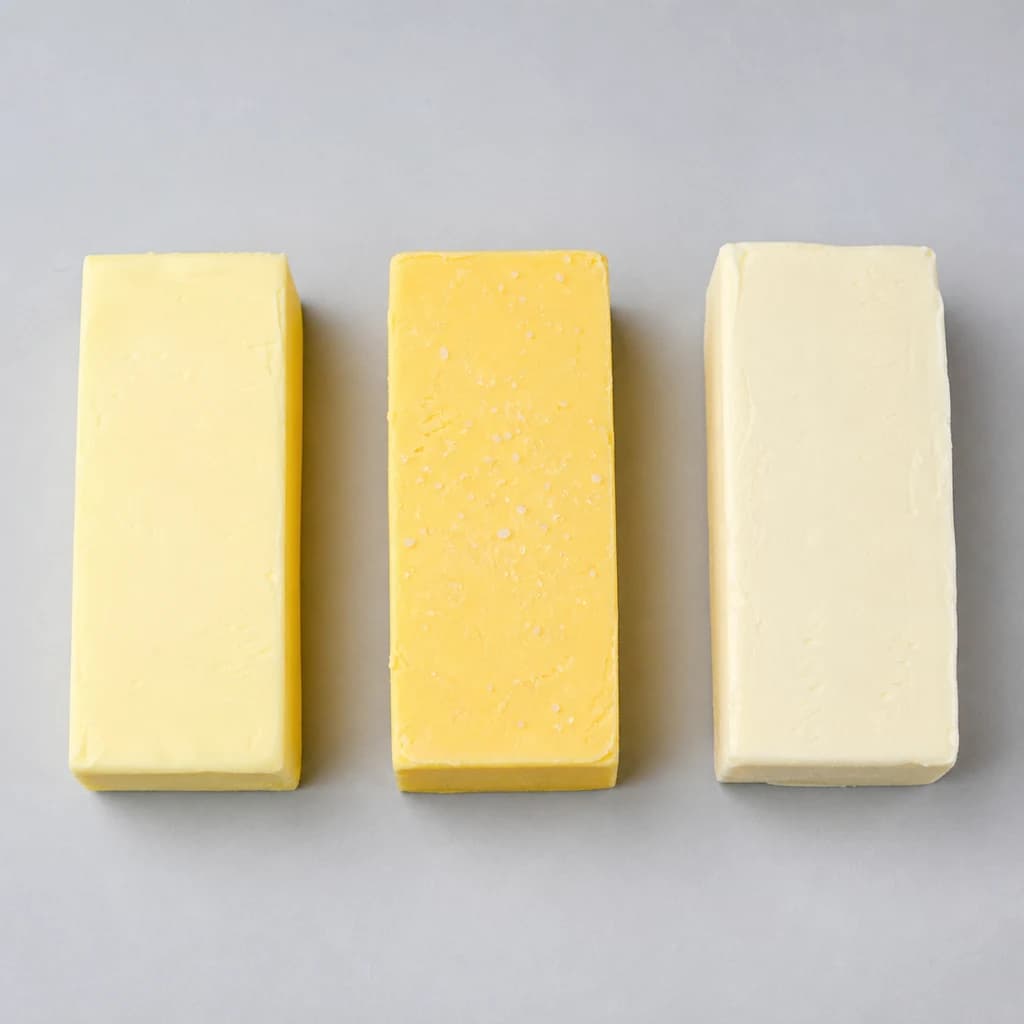
Butter
Golden fat for searing, baking, and finishing a sauce
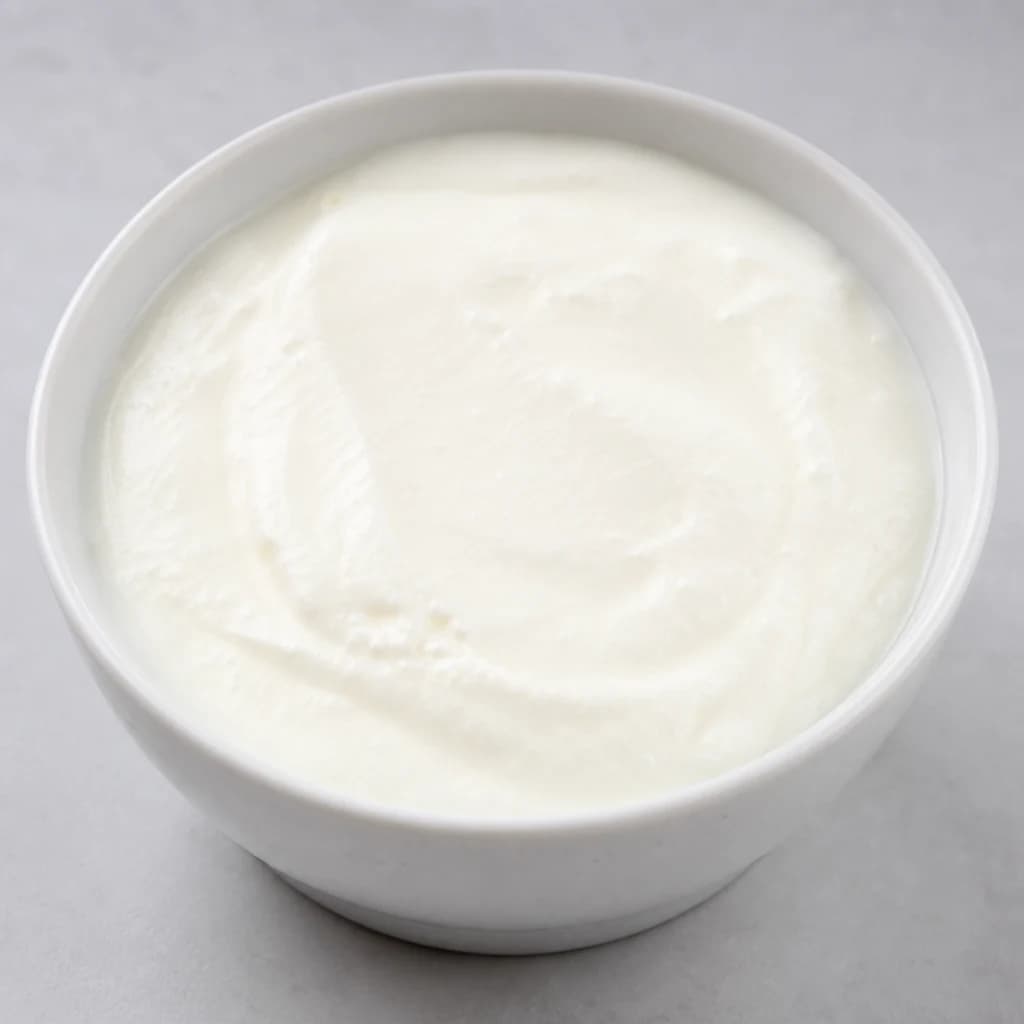
Yogurt
Tangy, creamy culture for breakfast, sauces, and marinades
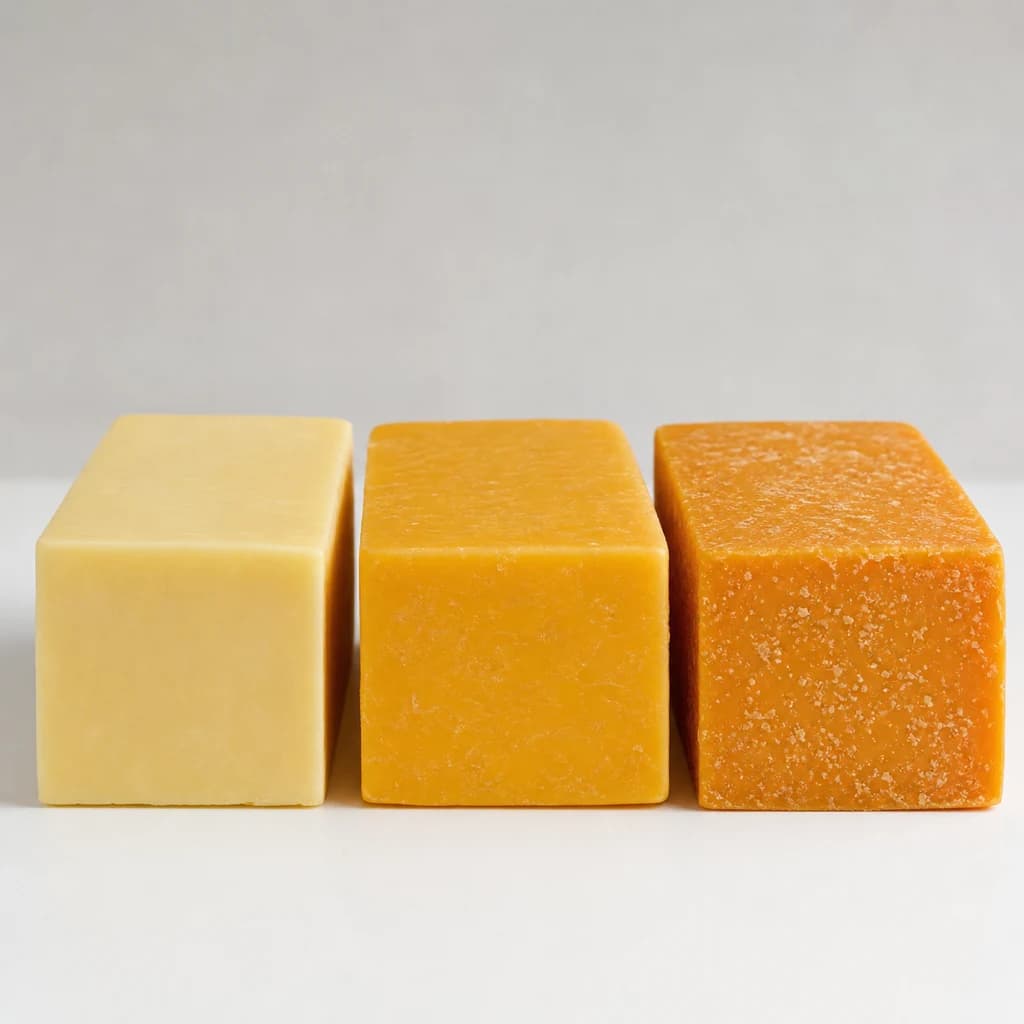
Cheddar Cheese
Sharp, melty cheese for sandwiches, gratins, and grating
Skim Milk
Fat-free milk for lighter drinking, coffee, and cooking
Heavy Cream
Rich cream that whips, enriches sauces, and sets ganache

Sour Cream
Tangy, thick cream for dolloping, baking, and dips
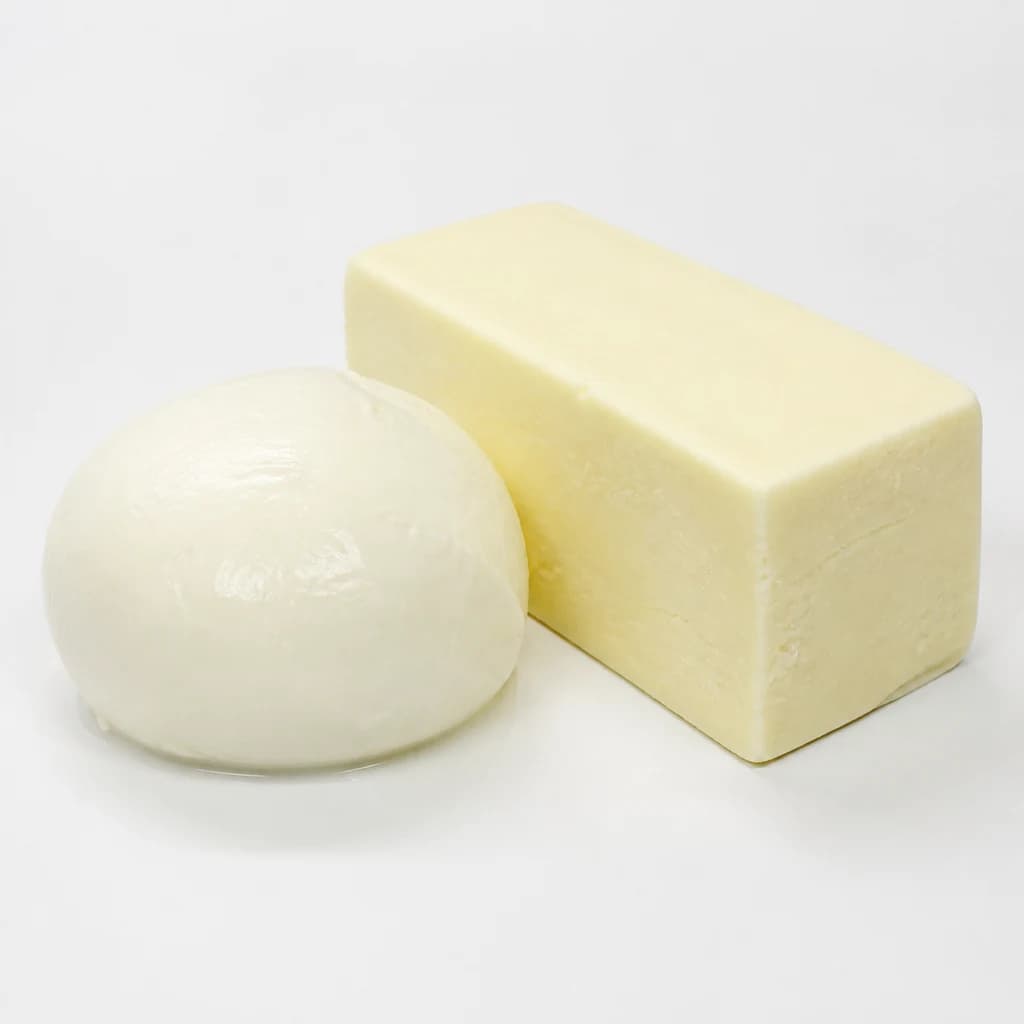
Mozzarella
Soft, milky cheese that melts into stretchy pizza pulls