
Natural form
A whole ball of quesillo wound tightly into its characteristic rope-coiled shape.
Shows the defining ribbon-wound ball form that makes quesillo instantly recognizable as distinct from block cheeses.
Dairy & Eggs
Oaxaca Cheese (Quesillo)
Mexican stringy melting cheese wound into balls, pulled apart for quesadillas and tlayudas.
Oaxaca cheese, or quesillo, is a soft, white Mexican cow's-milk cheese made by the pasta-filata method, then wound into a ball like a ribbon. It pulls into mild, buttery strings and melts beautifully, making it the standard for quesadillas, tlayudas, and chiles rellenos. Its texture and stretch are similar to a fresh, mild mozzarella.
Oaxaca Cheese, called quesillo in its region of origin, is a pasta filata—or stretched-curd—cheese with a heritage stretching back to the colonial fusion of indigenous Mexican cheesemaking with Spanish techniques. Made primarily from cow's milk (sometimes with goat milk added), the curds are heated in hot whey or water and then kneaded and stretched into long, pliable ropes that are wound into braids or balls. This stretching process aligns the protein strands, giving the cheese its signature elastic quality and the long, satisfying strings when pulled apart. The result is a semi-hard cheese that is smooth and workable when cold, yet transforms into a molten, stringy mass when heated—making it indispensable across Oaxacan and Mexican cuisine. The flavor is mild and buttery with a clean lactic tang, never funky or overly sharp, which allows it to complement bold sauces and meats without dominating them. Unlike harder aged cheeses, quesillo is meant to be eaten young and fresh, and its texture depends entirely on proper refrigeration and timely use.
- Measured in
- g
- Storage
- Fridge
Allergens
Types & varieties
The standard braided or ball form from Oaxaca; the benchmark variety against which others are measured
Literally 'string cheese,' emphasizing the characteristic long strands when pulled apart; often wound more loosely
Some producers add herbs, chili flakes, or epazote; flavor intensity varies by producer rather than by formal type
Mild, low-moisture mozzarella stretched into peelable strands. A portable snack that also melts smoothly into quesadillas, baked pasta, and stuffed breadsticks.
Buying and Storing
When purchasing Oaxaca Cheese, look for pieces with uniform white color throughout—no grayish edges or yellowing, which indicate oxidation or age. The surface should have a slight natural sheen. Press gently: it should feel firm but yield slightly, returning to shape. A fresh lactic smell signals quality; an overly sour or ammonia-like odor means the cheese is past its prime. Once home, wrap tightly in plastic wrap or store in an airtight container. The surface dries quickly and will form a slight skin that affects both texture and melt quality. Use within two to three weeks for best results, and never freeze—freezing destroys the protein structure and eliminates the stretch entirely.
- Inspect for uniform white color and slight sheen
- Avoid pieces with gray edges or dried-out surfaces
- Wrap airtight; surface dries quickly and affects melt quality
- Never freeze—ice crystals destroy stretch capability
- Use within 2–3 weeks for optimal texture and flavor
The Stretch Test
True pasta filata cheeses like Oaxaca Cheese exhibit a characteristic elastic pull when heated and torn. To test authenticity at home, tear a small piece and pull it apart slowly: authentic quesillo will stretch into long, fine strands rather than breaking immediately or tearing short. When melted on a griddle, it should become glossy and fluid before resolidifying into strings as it cools. If the cheese melts but doesn't pull, or if it turns greasy and separates, it may be a poor-quality substitute or may have been improperly stored.
- Pull test: genuine quesillo stretches into long, fine strands
- On heat: becomes glossy and fluid before stringing as it cools
- Greasy, separated melting indicates poor quality or wrong storage
Common uses
Tips & pitfalls
- Tear or pull the cheese into strands rather than grating—this honors the traditional form and melts evenly with good string
- Use medium heat when melting; too high heat causes the cheese to release oil and become greasy rather than stretchy
- Bring cheese to room temperature before cooking for more even melting throughout
- Do not overcook once melted; the cheese will turn rubbery and lose its smooth, elastic pull
- Store in airtight wrap or container—the surface dries quickly and develops a slight skin that harms melt quality
- If the braid is very tight, gently knead the cheese before using to relax the texture and improve pliability
- For best stretch, pair with moist ingredients (salsas, sautéed vegetables) that provide steam during cooking
- Avoid substituting in dishes where the specific buttery Oaxacan flavor is essential—it is distinct from standard mozzarella
- Do not freeze—this destroys the protein structure and eliminates all stretch capability
- When buying, avoid pieces with grayish edges or dried surfaces, which indicate age or poor storage
Nutrition
Energy
1628 kJ · per 100 g
Where the calories come from
Protein
25.6g
51% DV
Carbs
1.6g
1% DV
Fat
31.1g
40% DV
Fiber
0g
0% DV
Sugars
1.6g
of which
Sodium
800mg
35% DV
Source · USDA FoodData Central · approx. Cheese, fontina
View on FDC →In the shops
Matched grocery products
No matched grocery products for Oaxaca Cheese (Quesillo) yet.
Good to know
- Origin
- Oaxaca, Mexico — one of the oldest cheese-making traditions in the Americas, blending indigenous techniques with Spanish colonial methods
- Primary Milk
- Cow's milk (sometimes with small proportions of goat milk)
- Type
- Pasta filata (stretched-curd) cheese, related to provolone and mozzarella
- Texture
- Semi-hard, smooth, pliable; becomes elastic and stringy when heated
- Flavor
- Mild, buttery, slightly tangy; clean lactic notes without strong funk
- Color
- White (similar to other fresh Mexican cheeses)
- Traditional Form
- Braided ropes or round balls wound from a single continuous strand
- Shelf Life
- Refrigerate; best within 2–3 weeks; do not freeze
- Fat Content
- Typically 22–30% milk fat in whole-milk versions
Substitutes
- Low-moisture mozzarella — Most accessible substitute; similar stretch and melt; slightly milder flavor but works well in most applications
- Asadero (Asadero cheese) — Another Mexican stretched-curd cheese; nearly identical in behavior and flavor; the closest true substitute
- Cheddar — Melts well but lacks the stringy pull; flavor is sharper and more acidic; acceptable for quesadillas if Oaxacan cheese is unavailable
- Provolone — Has similar pasta filata properties and stretch; flavor is more pungent; works in melted applications though it will taste different
Pairs with
Also called
Quesillo · Queso Oaxaca · Oaxacan String Cheese
Appears in these dishes
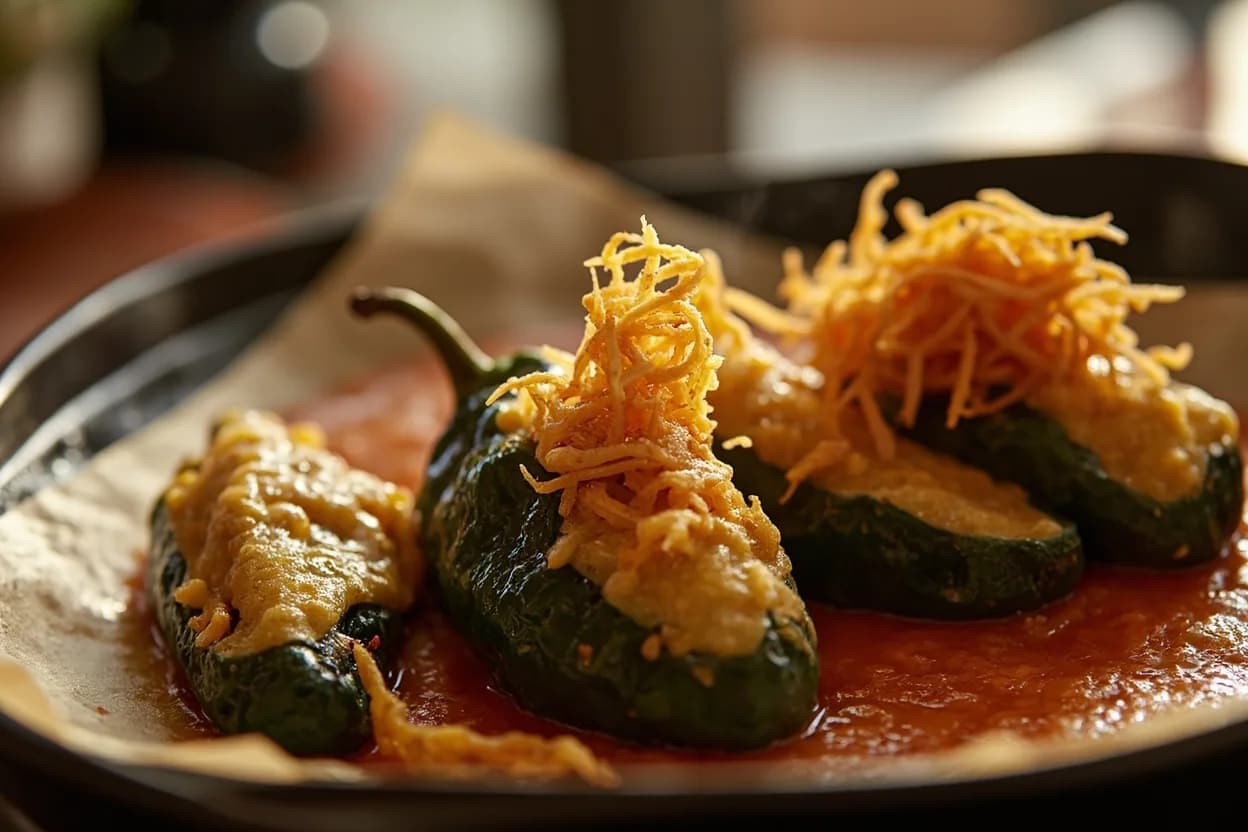
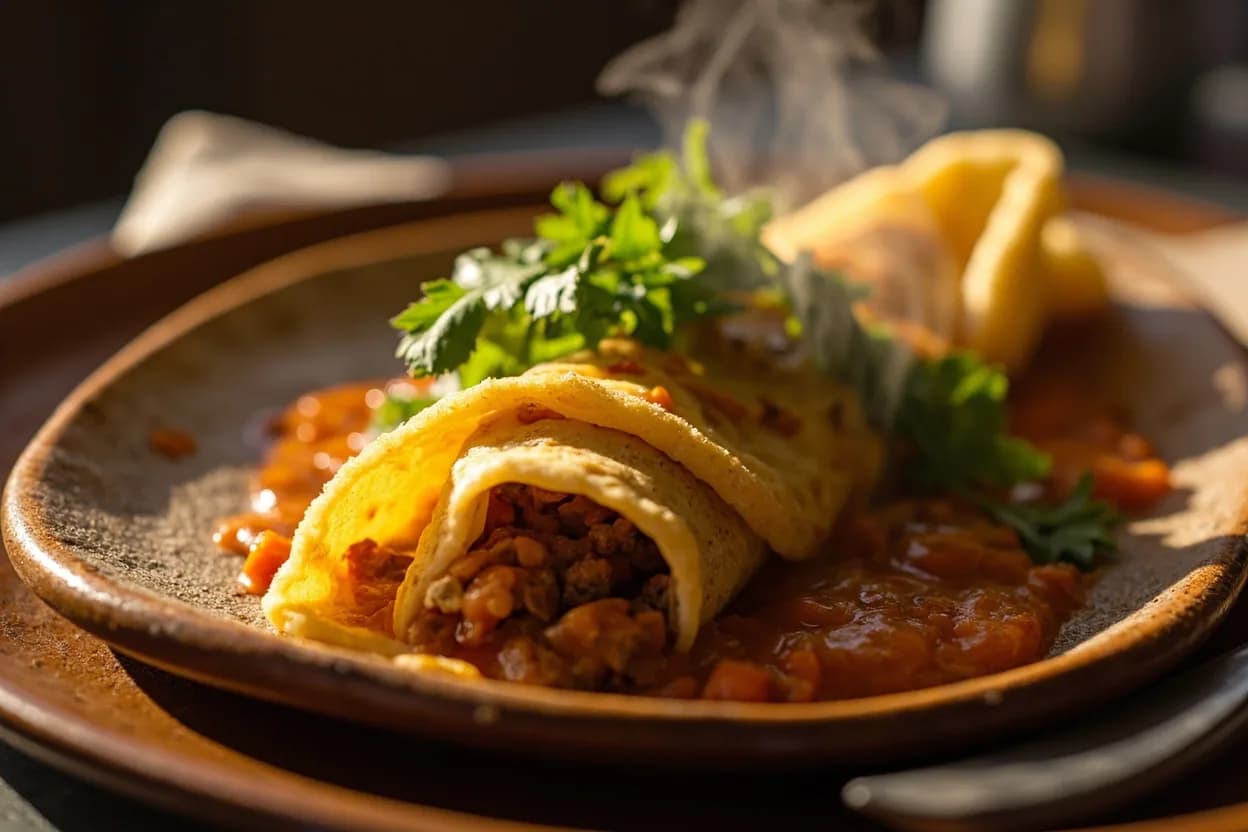
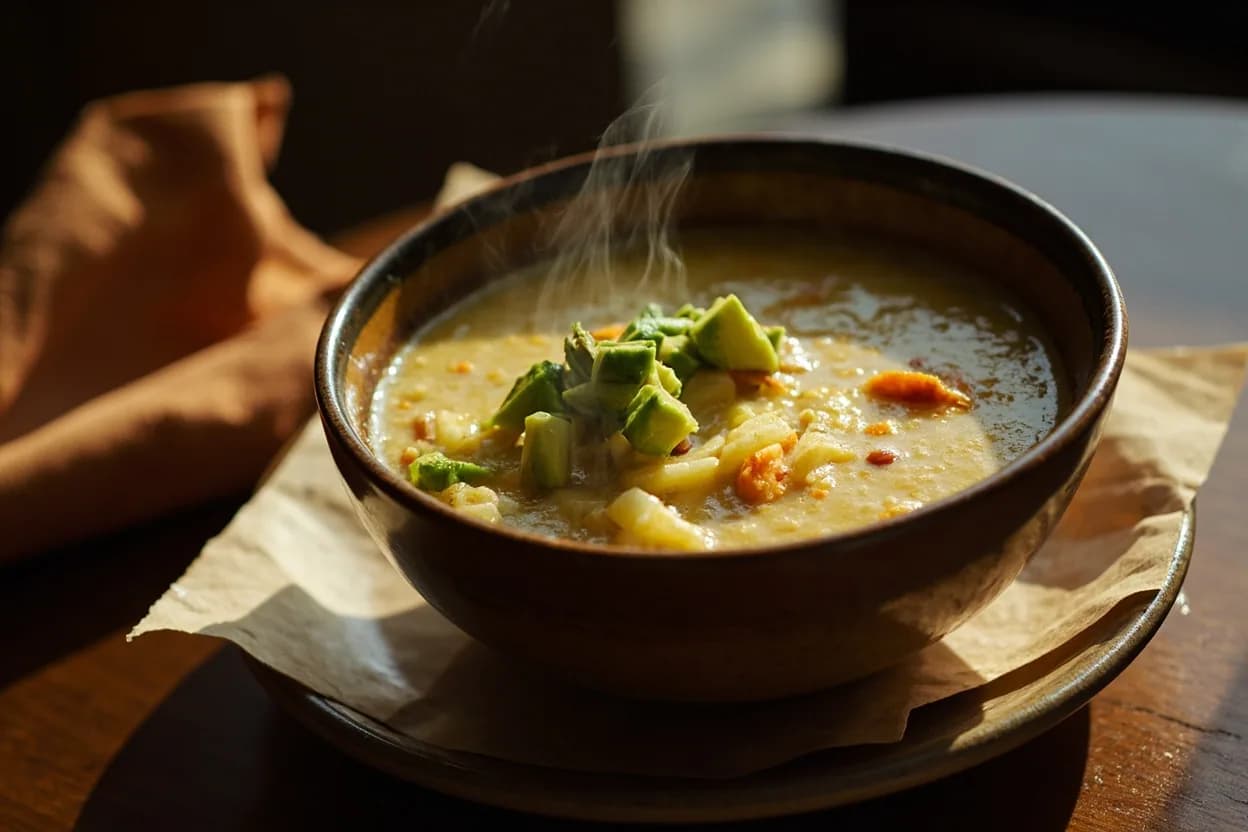
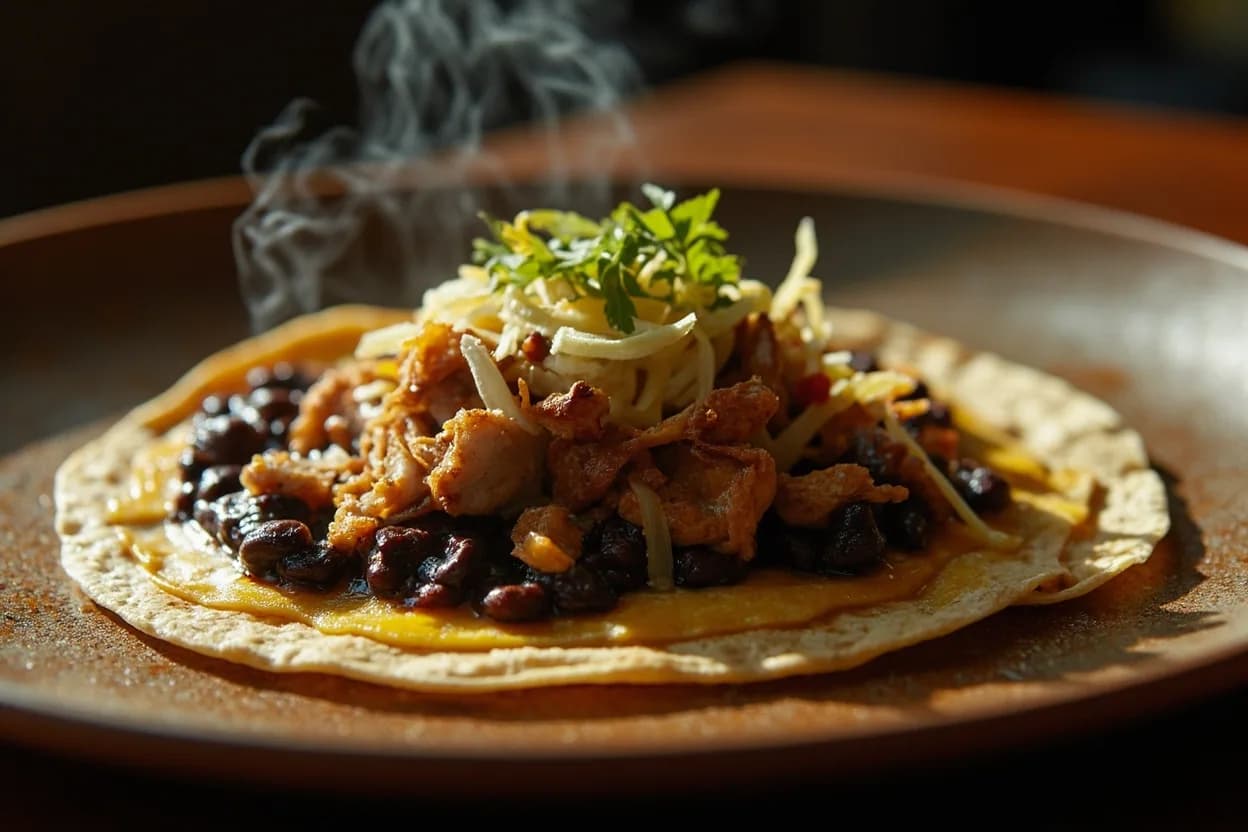
Related

Whole Milk
Rich, full-fat milk for drinking, coffee, sauces, and baking
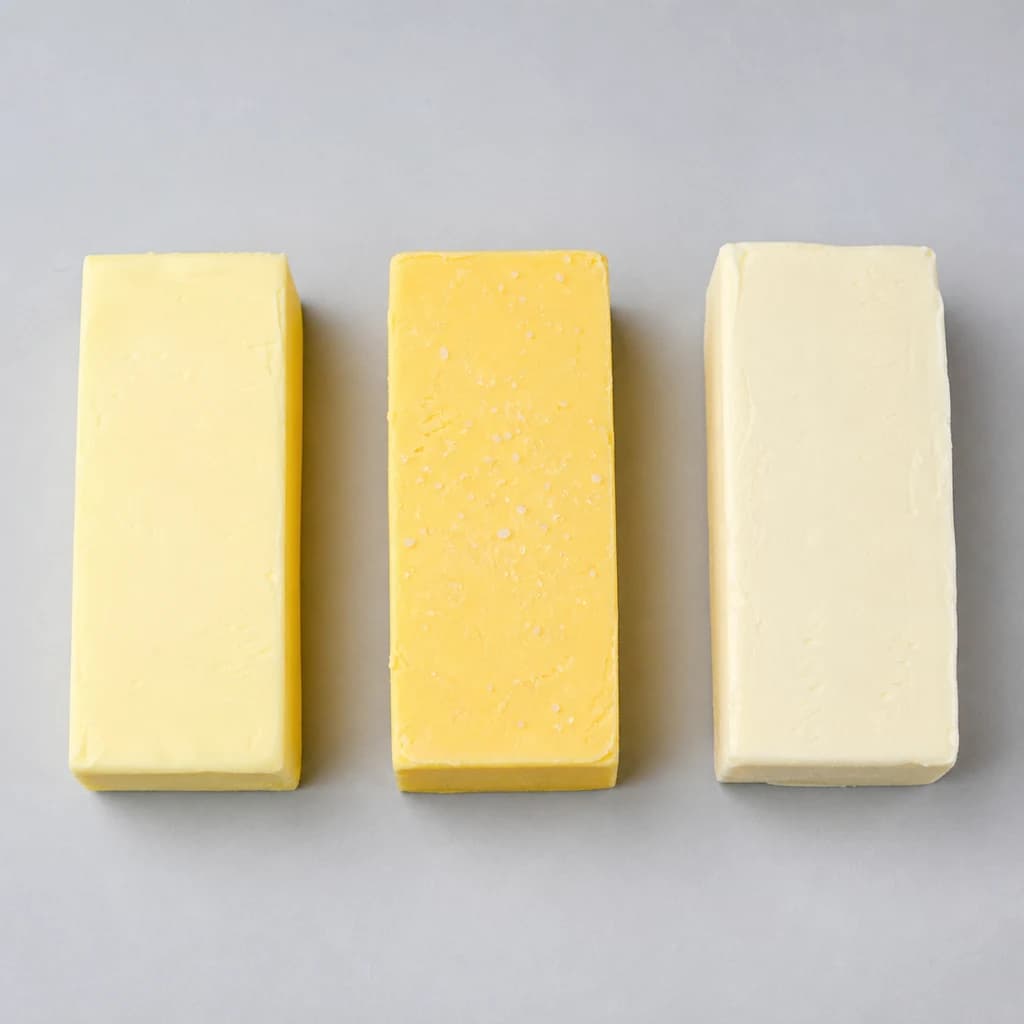
Butter
Golden fat for searing, baking, and finishing a sauce
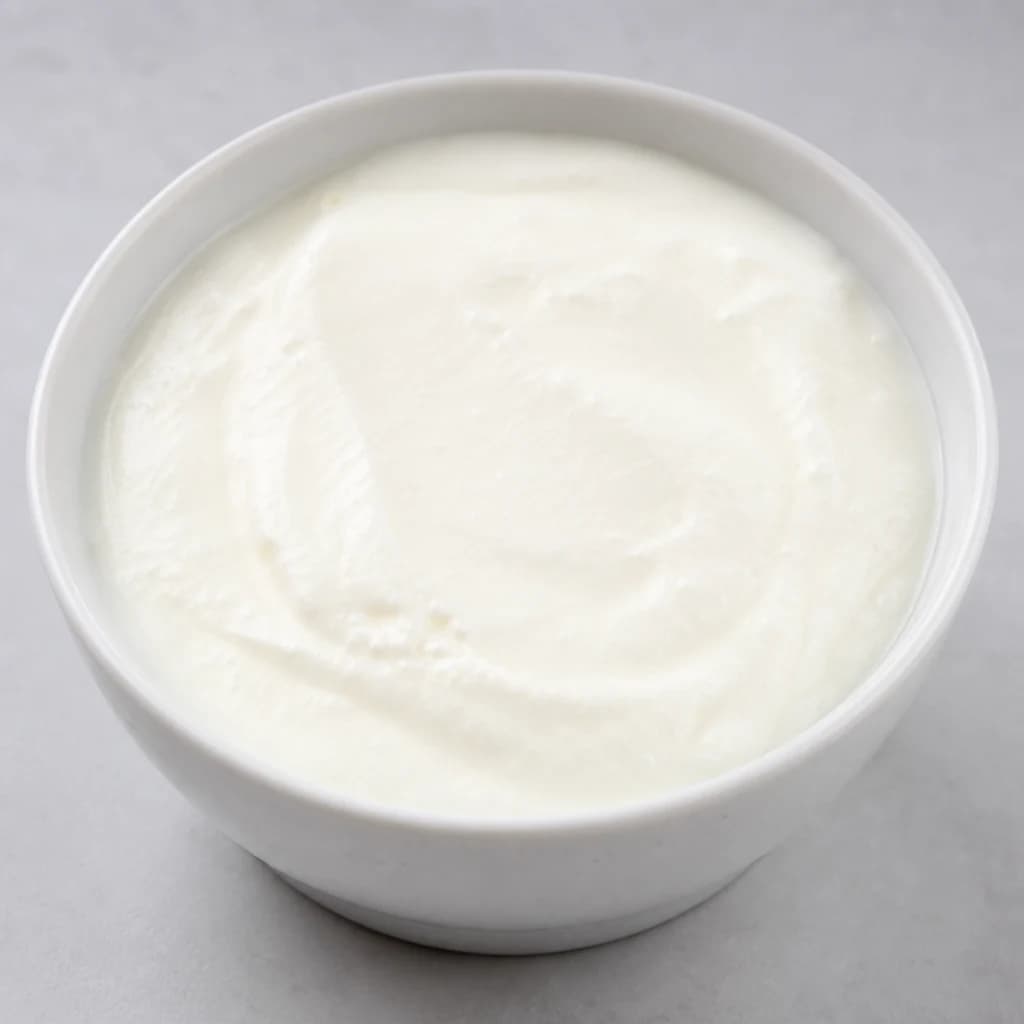
Yogurt
Tangy, creamy culture for breakfast, sauces, and marinades
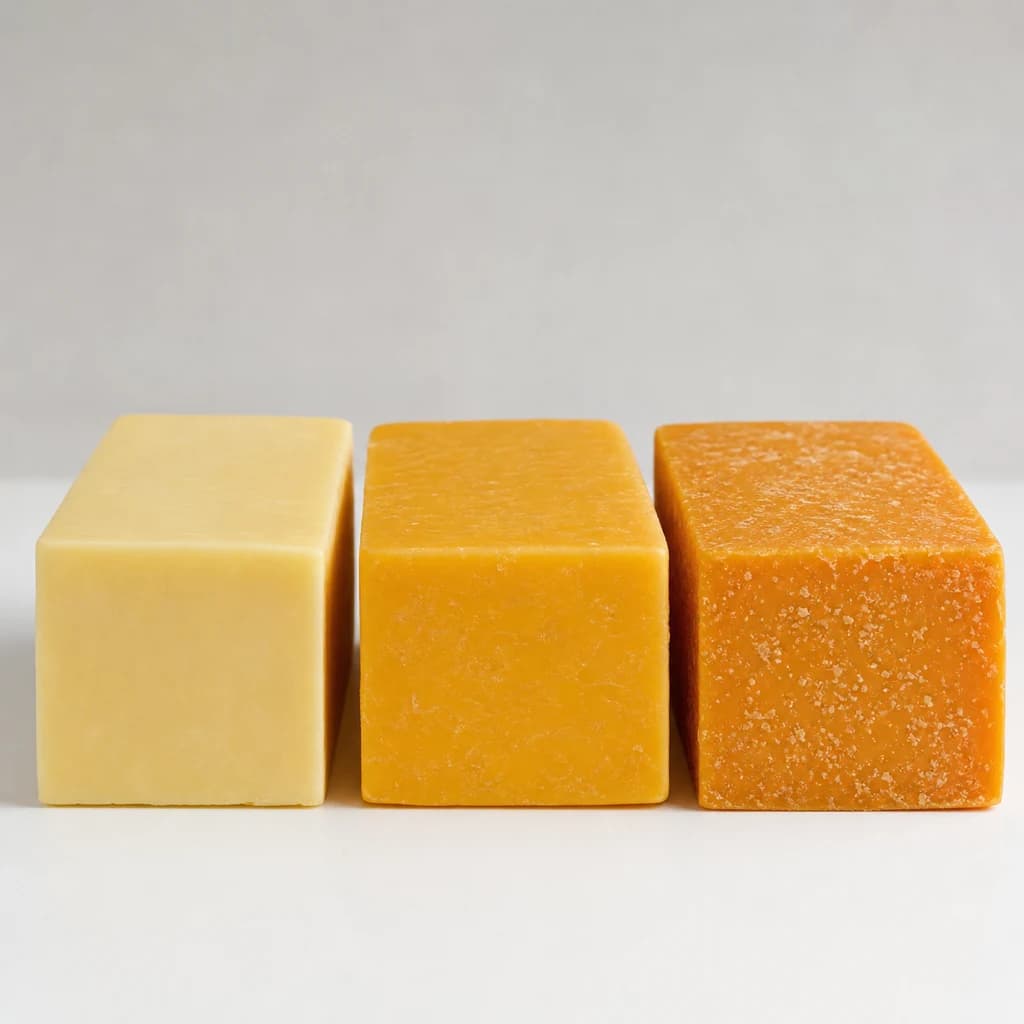
Cheddar Cheese
Sharp, melty cheese for sandwiches, gratins, and grating

Skim Milk
Fat-free milk for lighter drinking, coffee, and cooking
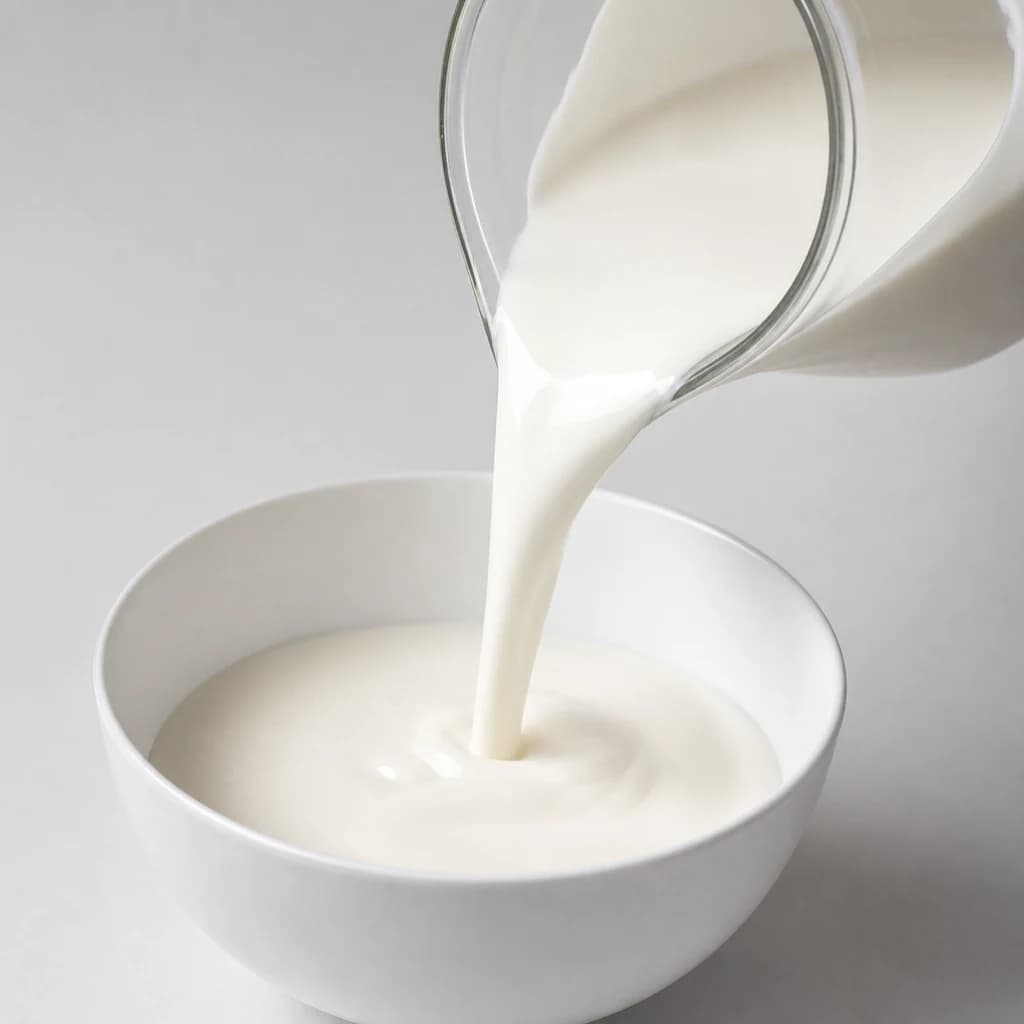
Heavy Cream
Rich cream that whips, enriches sauces, and sets ganache

Sour Cream
Tangy, thick cream for dolloping, baking, and dips
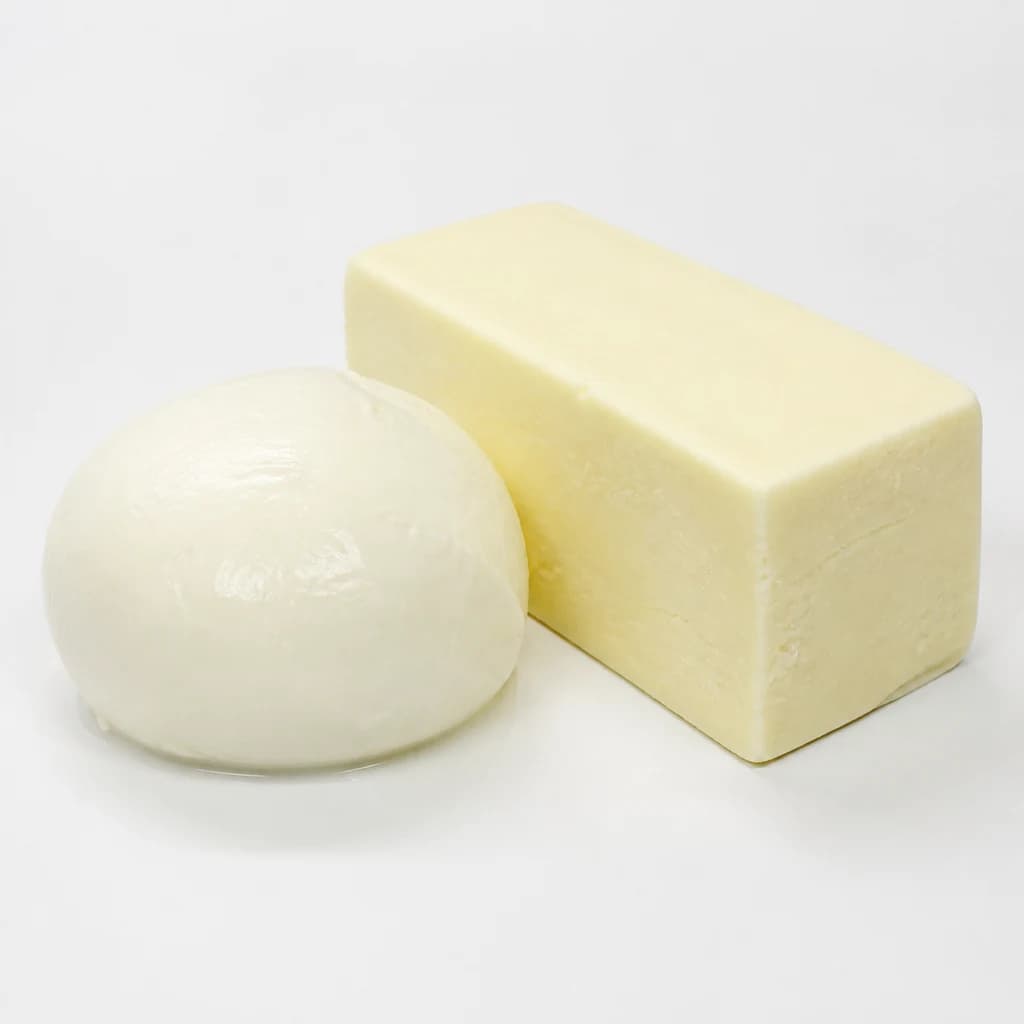
Mozzarella
Soft, milky cheese that melts into stretchy pizza pulls