Dairy & Eggs
String Cheese
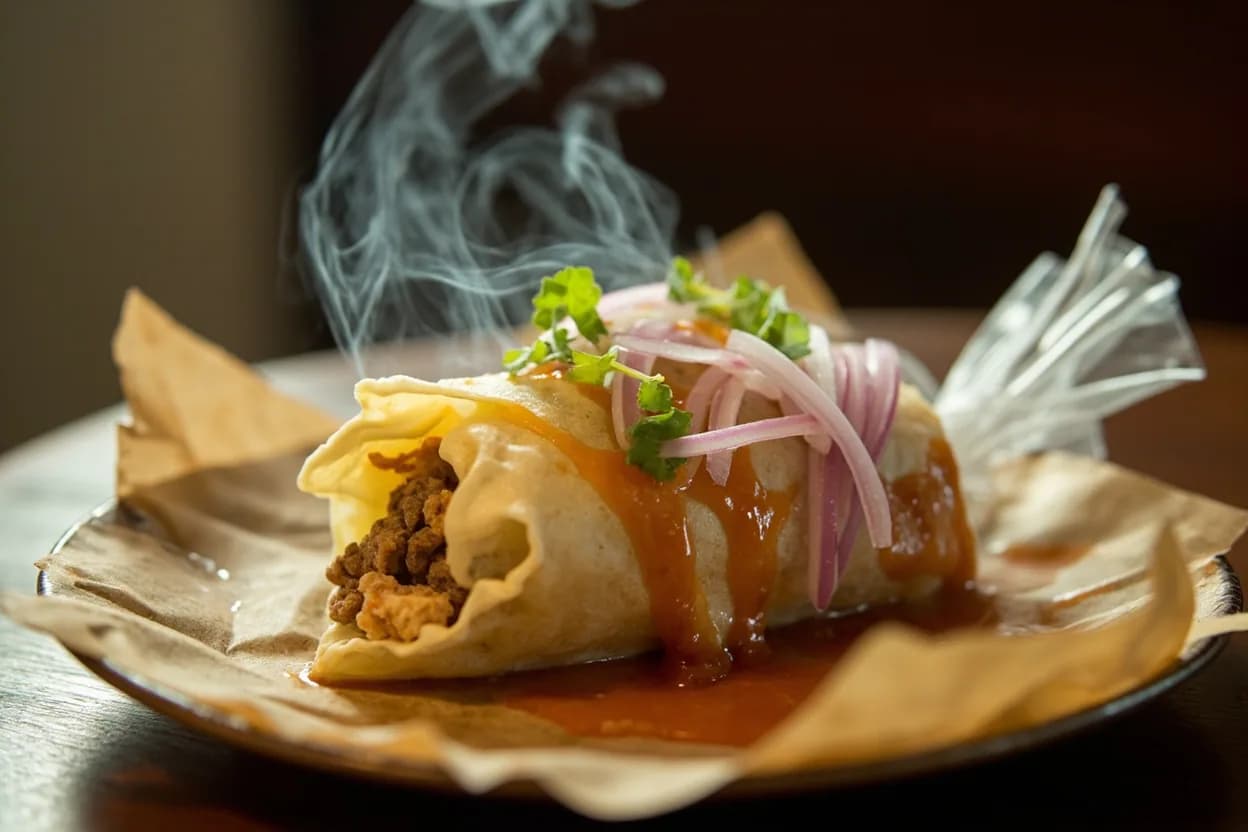
Mild, low-moisture mozzarella stretched into peelable strands. A portable snack that also melts smoothly into quesadillas, baked pasta, and stuffed breadsticks.
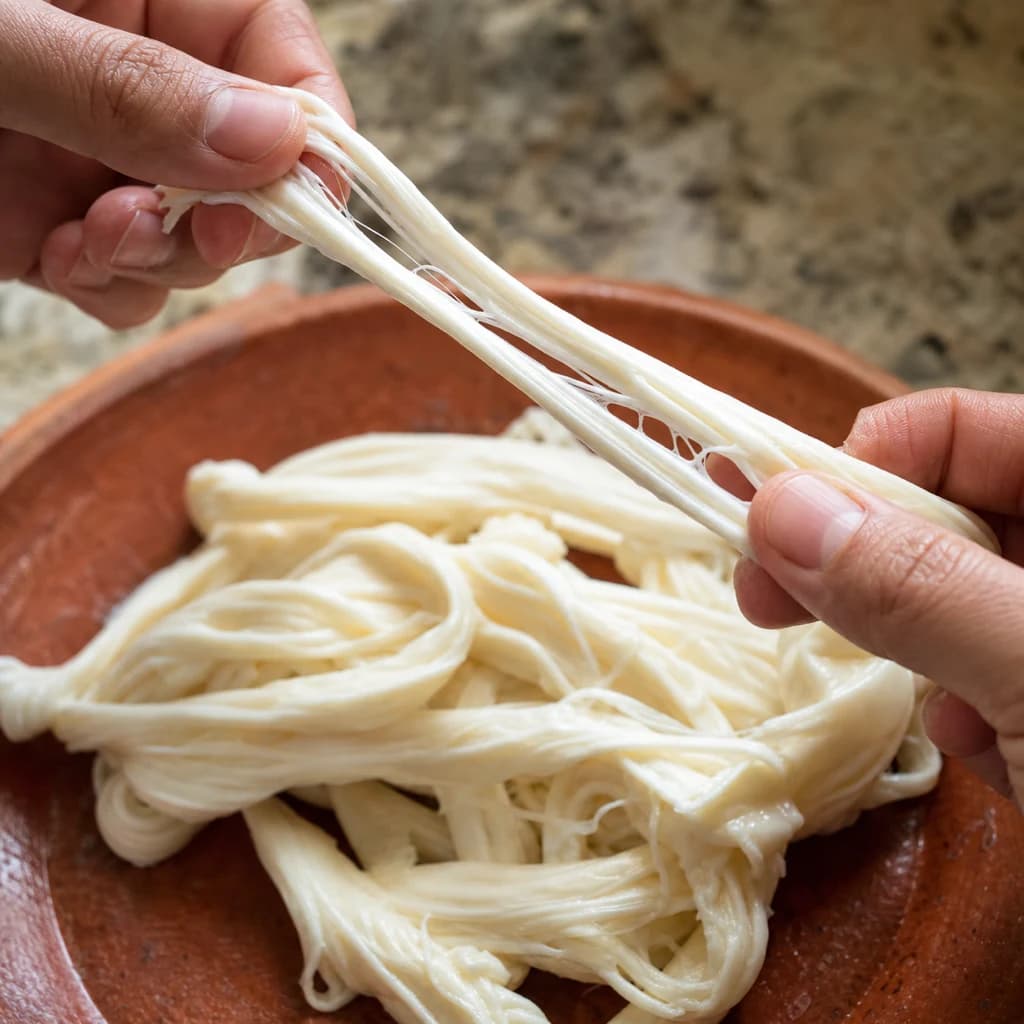
String cheese is low-moisture mozzarella shaped into sticks so the curd's natural fiber alignment becomes a feature rather than just a melt property. The pasta filata process — heating and stretching the curd in hot water — lines up the casein proteins into parallel fibers, and the stick format preserves that grain. Pull a stick apart cold and it peels along those fibers in long, clean strands; melt it and the same aligned proteins give you the elastic cheese pull that defines a good pizza or quesadilla.
In the kitchen it functions as two ingredients at once. As a snack, it's portion-controlled, keeps for several weeks refrigerated, and travels well in lunchboxes. As a cooking cheese, the lower water content (compared with fresh mozzarella in brine) means it browns and melts without weeping, which is why it outperforms fresh mozzarella on pizza and in baked pasta. Most supermarket string cheese is part-skim; whole-milk versions are noticeably creamier and worth seeking out for flavor.
The U.S. snack format is largely a Wisconsin cheesemaking story, and most of what you find in supermarkets comes from a handful of large Midwestern plants. The same pasta filata family in Italy includes fresh fior di latte, provolone, and the braided mozzarella sold at deli counters; in Mexico, Oaxaca and asadero are direct cousins. That mental map is useful when you need a substitute or a cheese that pulls and melts the same way.
- Measured in
- piece
- Storage
- Refrigerated
Allergens
Find it in
Suits
Types & varieties
The standard; pale, mild, the classic peelable snack
Same process with cheddar curd; sharper flavor, pale orange color, slightly less elastic than mozzarella
Marbled white and yellow, mild and creamy
Mozzarella base with jalapeño and other chili peppers; melts well, slightly spicy
Two or three ropes twisted together; visual appeal for cheese boards, same flavor profile
Why it melts the way it does
The pasta filata process gives string cheese two practical advantages over fresh mozzarella in brine. The hot-wash and stretch drive off moisture, so a typical stick has roughly 45–50% water content versus 60%+ for fresh mozzarella. That lower water means less steaming in the oven, so cheese on a pizza browns and crisps at the edges instead of pooling liquid. The aligned casein fibers also melt into continuous strands rather than a soft puddle, which is what produces the long, elastic cheese pull when you lift a slice.
- Grate the stick on the largest holes of a box grater rather than slicing into coins; the shreds melt evenly and stretch further
- Bake at 425°F (220°C) or higher to drive off surface moisture quickly
- Avoid covering the dish for the entire bake — trapped steam toughens the protein and dulls the flavor
- For quesadillas, sear over medium heat so the cheese melts before the tortilla browns too far
Common uses
Tips & pitfalls
- Let sticks sit at room temperature 10–15 minutes before peeling — cold cheese tears rather than strips cleanly
- Peel against the grain of the strands, not with it, for the longest single pull
- For a better cheese pull on pizza, grate it off the stick rather than slicing — the aligned fibers stretch further
- Don't microwave on high for long; it will toughen and release fat. Melt low and slow in a covered pan
- To braid your own: warm two or three sticks just until pliable, twist together, chill to set
- If a recipe calls for shredded low-moisture mozzarella, string cheese is a reliable substitute — 1 stick ≈ ¼ cup shredded
- Freezing is fine for cooked applications but ruins the peelable snap, so don't freeze sticks you want to eat raw
- Always reseal opened packages tightly; the surface dries quickly and loses its snap
Nutrition
Energy
1038 kJ · per 100 g
Where the calories come from
Protein
11.5g
23% DV
Carbs
23.7g
9% DV
Fat
12.2g
16% DV
Fiber
0g
0% DV
Sugars
23.7g
of which
Sodium
685mg
30% DV
Source · USDA FoodData Central · approx. Cheese substitute, mozzarella
View on FDC →In the shops
Matched grocery products
No matched grocery products for String Cheese yet.
Good to know
- Type
- Low-moisture mozzarella; a pasta filata (stretched-curd) cheese
- Form
- Sold as individual sticks, typically 1 oz (about 6 in / 15 cm long), or braided ropes
- Color
- Pale ivory white (mozzarella style) or pale yellow-orange (cheddar-flavored versions)
- Flavor
- Mild, milky, lightly salty; cheddar and pepper-jack variants are more pronounced
- Composition
- Pasteurized milk, cheese cultures, salt, rennet (vegetable or microbial); sometimes a stabilizer or anti-caking agent
- Storage
- Refrigerate at 34–40°F (1–4°C); keeps several weeks unopened; freeze up to 2–3 months, though texture softens after thawing
- Melt
- Melts smoothly at around 130–140°F (54–60°C); good stretch until it browns and oils off
- Yield
- 1 stick ≈ 1 oz / 28 g, roughly 80 kcal, 6 g protein, 6 g fat, 0–1 g carbs; about ¼ cup grated
Substitutes
- Low-moisture block mozzarella — Same family, melts identically; loses only the peel-and-pull presentation
- Mild provolone (not aged) — Pasta filata cheese with a similar stretch and a slightly tangier flavor
- Oaxaca cheese — Mexican pasta filata; pulls into strings when melted and works for quesadillas and melting dishes
- Asadero — Another Mexican stretched-curd cheese; mild, creamy, melts smoothly
- Halloumi — Different process entirely; better thought of as a stand-in for grilled or pan-seared applications where a firm, salty cheese is wanted
Pairs with
Also called
mozzarella string cheese · cheese sticks