
Natural form
Freshly picked squash blossoms with stems, showing their golden-orange petals and delicate form.
Teaches readers to recognize the whole flower as it appears at harvest or market — color, scale, and fragile petal structure.
Produce
Squash Blossom (Flor de Calabaza)
Delicate edible zucchini/pumpkin flowers, stuffed and fried or folded into quesadillas and soups.
Squash blossoms are the large, golden-orange flowers of squash and zucchini plants, with a soft texture and mild, faintly sweet flavor. In Mexican cooking (flor de calabaza) they fill quesadillas, soups, and tamales, while in Italy they are stuffed with cheese and fried. They are highly perishable and best used within a day or two of picking, after removing the inner stamen.
Squash blossoms are the edible flowers of Cucurbita species—zucchini, pumpkin, summer squash—and one of the most treasured ingredients in Mexican and Italian cooking, with limited but notable use in French and Southern US kitchens. These delicate structures have been gathered and cooked since pre-Columbian times; in Mesoamerica they were a seasonal luxury, prized for their fleeting presence and tender texture. Each plant produces only a handful of flowers per day during its productive season, which makes them inherently scarce and expensive at market. Their petals are thin and papery when raw, collapsing into silk-like strands when cooked, with a faint honeyed, vegetal sweetness that disappears quickly with heat.
Understanding male versus female flowers matters practically: male blossoms grow on long, straight stems with no fruit at the base and are the ones most often harvested for cooking. Female flowers sit close to the stem with a miniature zucchini or calabaza already forming at their base—taking too many reduces your harvest of the actual squash. For this reason, home gardeners should harvest sparingly from their own plants, taking no more than one or two male flowers per plant per day to ensure adequate pollination and fruit set.
In the kitchen, the blossom's tenderness is both its virtue and its challenge. The petals bruise easily, turning translucent and mushy when roughly handled, and they collapse within hours of picking if not refrigerated. Once cooked, they integrate seamlessly into dishes—folding into quesadillas, enriching soups, or standing alone when stuffed and fried. The flavor is subtle enough to absorb the character of its companions (queso fresco, epazote, chiles) while distinct enough to be recognizable in simple preparations like scrambled eggs or a light tempura batter. Squash blossoms are not an ingredient to plan around; they are a gift to seize when you find them fresh.
- Measured in
- piece
- Storage
- Fridge
Types & varieties
Most common in US and Italian markets; slightly smaller, more tender petals
Traditional in Mexican cuisine; larger, slightly thicker petals; from Cucurbita maxima or C. moschata
From crookneck or straight-neck squash; similar to zucchini blossoms in use and behavior
From round zucchini varieties; slightly more substantial for stuffing applications
Selecting and Storing
Look for blossoms that are fully open or just beginning to open, with bright, firm petals that have no browning or wilting at the edges. In Mexican markets, blossoms are often sold the morning they are picked, sometimes still closed or barely unfurled. Avoid any that feel damp, slimy, or have collapsed petals—this indicates age or water damage.
Storage is critical: do not wash the blossoms. Gently shake or brush off any visible insects, then place them unwashed in a loosely closed plastic bag with a dry paper towel to absorb condensation. Lay the bag flat in the crisper drawer; do not stack flowers on top of each other. If you must store them overnight, wrap the cut stems in a damp paper towel and keep in a vented bag in the crisper drawer. Even with proper care, plan to use them within 24 hours—the difference between a fresh blossom and one that has sat even one extra day is immediately apparent in texture and flavor.
- Buy or harvest the same day you intend to cook them
- Refrigerate unwashed in a loosely closed bag with dry paper towel
- Do not stack or compress the delicate petals
- Check for and remove any insects by gentle shaking or brushing
Cleaning Without Damage
The biggest mistake beginners make is submerging squash blossoms in water. The petals absorb liquid instantly, becoming soggy and falling apart during cooking. Instead, work over a bowl or clean surface: hold the blossom by the base and gently shake it, or use a soft pastry brush to dislodge any dirt or insects hiding in the petal creases. If there is dew or moisture on the flower, pat the interior dry with a folded paper towel before stuffing or cooking. For female blossoms (those with a small fruit at the base), pinch off and discard the miniature squash if you are not using it, then proceed with cleaning the petal structure.
- Never submerge in water
- Shake or brush off insects and debris
- Pat interior dry before cooking
- Remove the stamen (or pistil in female flowers) before stuffing unless a recipe directs otherwise
Common uses
Tips & pitfalls
- Harvest or purchase the same day you intend to cook them—they deteriorate within hours and you will taste the difference
- When picking from your garden, take only male flowers (long straight stem) and leave some for pollination; take no more than 1–2 per plant per day during peak season
- Handle petals with care—they bruise easily, turning translucent and mushy when crushed
- A light batter (flour and beer, or just seasoned flour) is traditional for frying; coat only the exterior, not the delicate interior
- For soups and stews, add blossoms in the last minutes of cooking—longer heat destroys their delicate structure and they will simply dissolve into the liquid
- Avoid adding them to highly acidic sauces unless you want the petals to break down completely
- When stuffing, season the filling well—the blossom itself is mild and benefits from bold companions like queso fresco, chiles, and epazote
Nutrition
Energy
113 kJ · per 100 g
Where the calories come from
Protein
1.3g
3% DV
Carbs
6.7g
2% DV
Fat
0g
0% DV
Sodium
15mg
1% DV
Source · USDA FoodData Central · approx. Sesbania flower, raw
View on FDC →In the shops
Matched grocery products
No matched grocery products for Squash Blossom (Flor de Calabaza) yet.
Good to know
- Type
- Edible flower of Cucurbita species (zucchini, pumpkin, summer squash)
- Peak Season
- Late spring through early fall, when plants are actively flowering and fruiting
- Perishability
- Extremely high — use within hours of harvest; 1–2 days refrigerated maximum
- Male vs. Female
- Male flowers grow on long straight stems; female flowers have a small fruit (zucchini/calabaza) at the base; male flowers are generally preferred for cooking
- Typical Size
- 3–5 inches (7–13 cm) long; petals 1–2 inches wide when open
- Yield
- Sold in small bunches of 6–12 flowers; one bunch yields 1–2 portions when stuffed
- Flavor
- Delicate, faintly sweet, vegetal with a honey-like nectar note in raw state
- Allergen Note
- Related to ragweed pollen; avoid if you have a severe cucurbit or ragweed allergy
Substitutes
- Daylily Buds — Closest texture and mild flavor among common edible flowers; must be cooked (blanch first)
- Nasturtium Flowers — Only suitable for fresh applications; peppery flavor, not a neutral substitute for stuffed or fried preparations
- Chive Blossoms — For garnish or very light applications; mild onion flavor, very small in scale
- Small Dice of Zucchini — Approximates vegetal sweetness in soups and cooked dishes; not a true substitute for stuffed or fried preparations
Pairs with
Also called
Flor de Calabaza · Zucchini Flower · Courgette Flower · Fiori di Zucca
Related
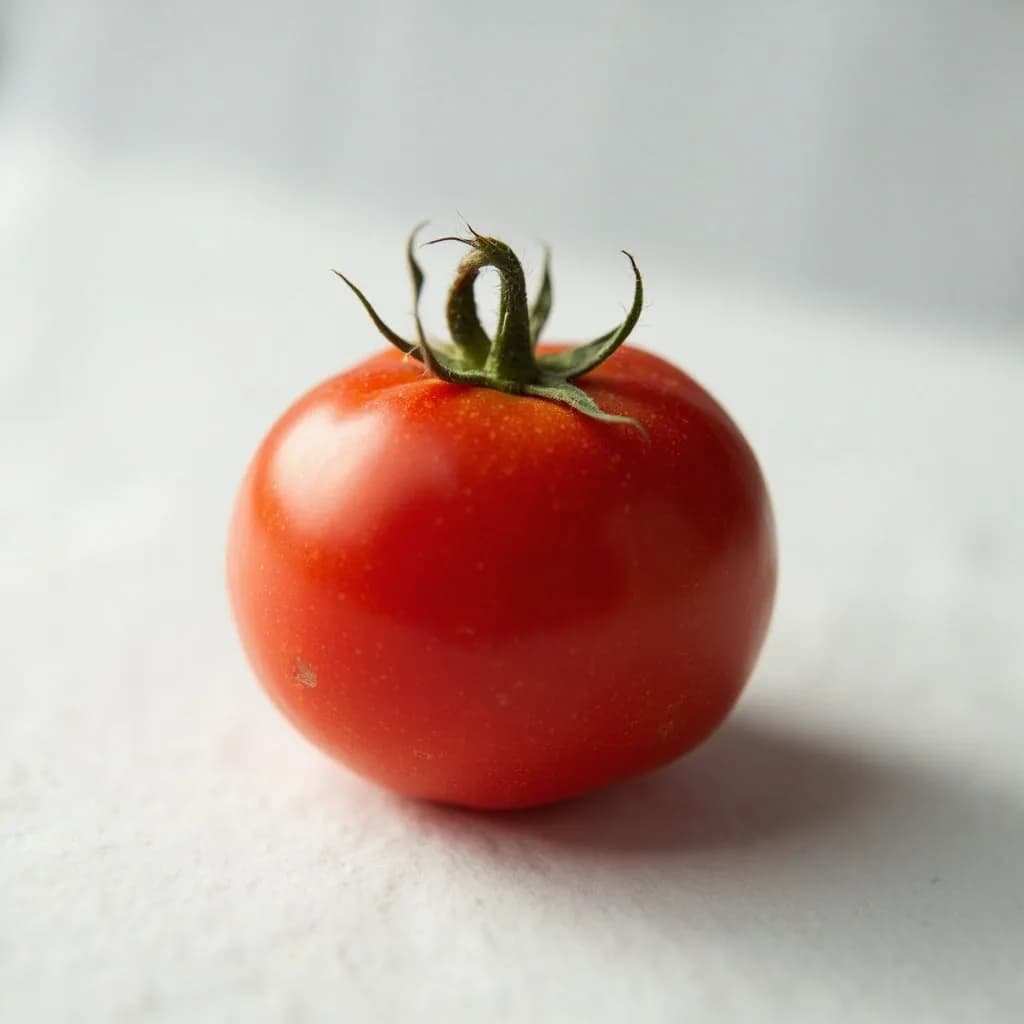
Tomato
Juicy, sun-sweet fruit for sauces, salads, and slow-cooked depth
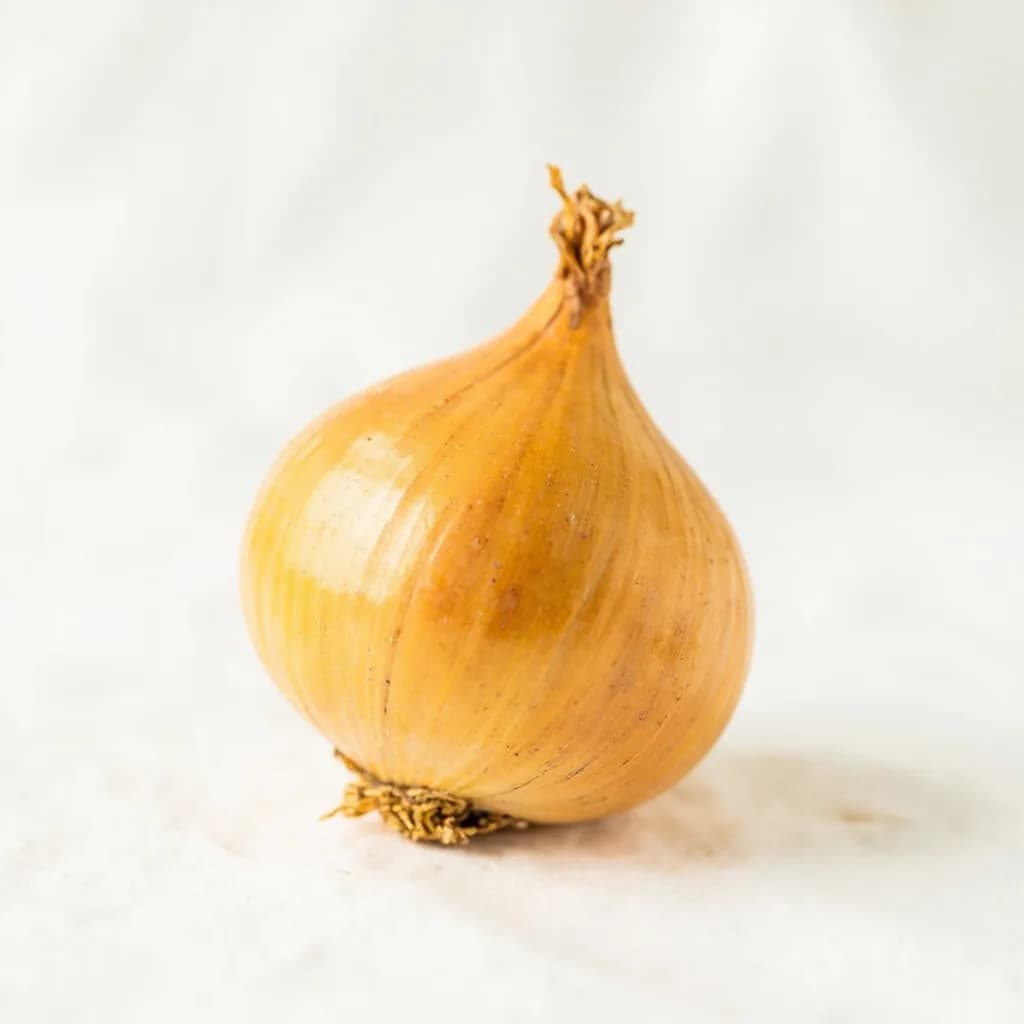
Yellow Onion
The aromatic backbone of soups, sofritos, and braises
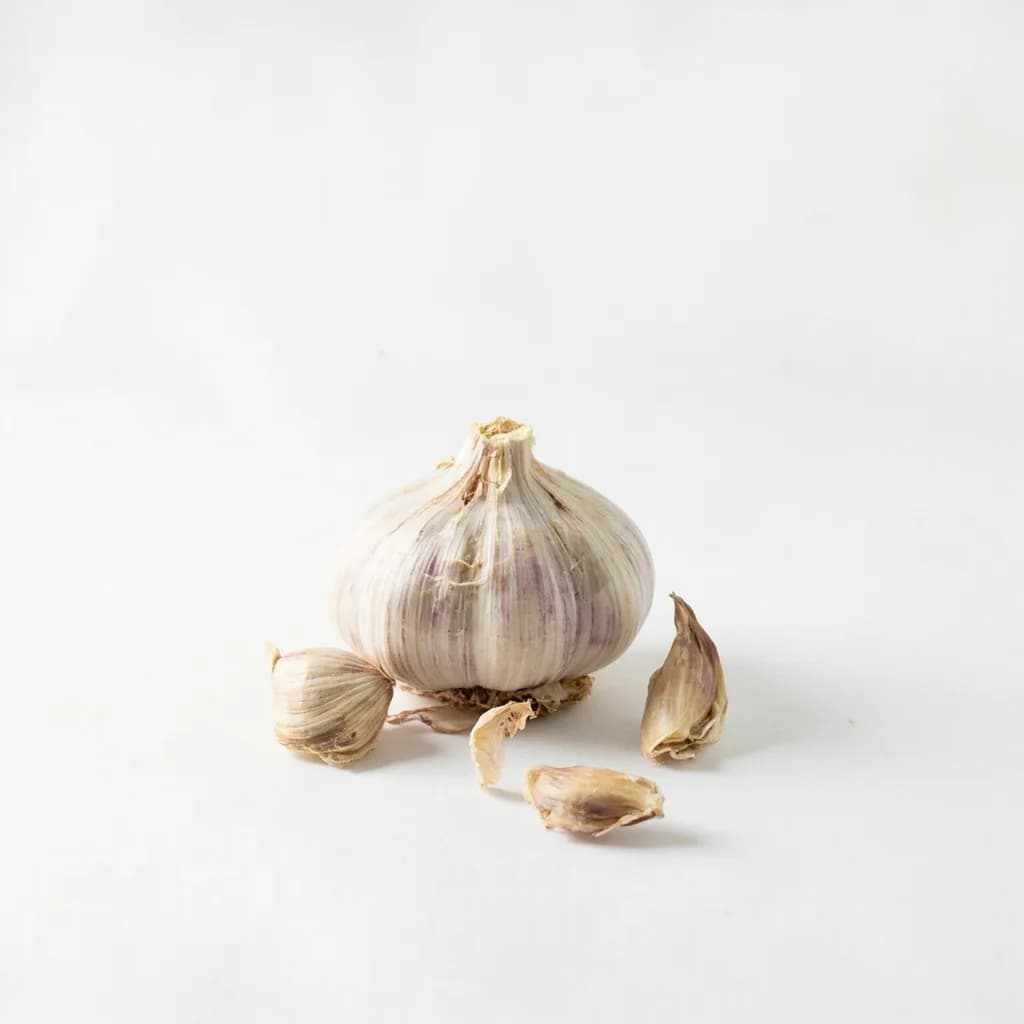
Garlic
Pungent cloves that perfume nearly every savory dish
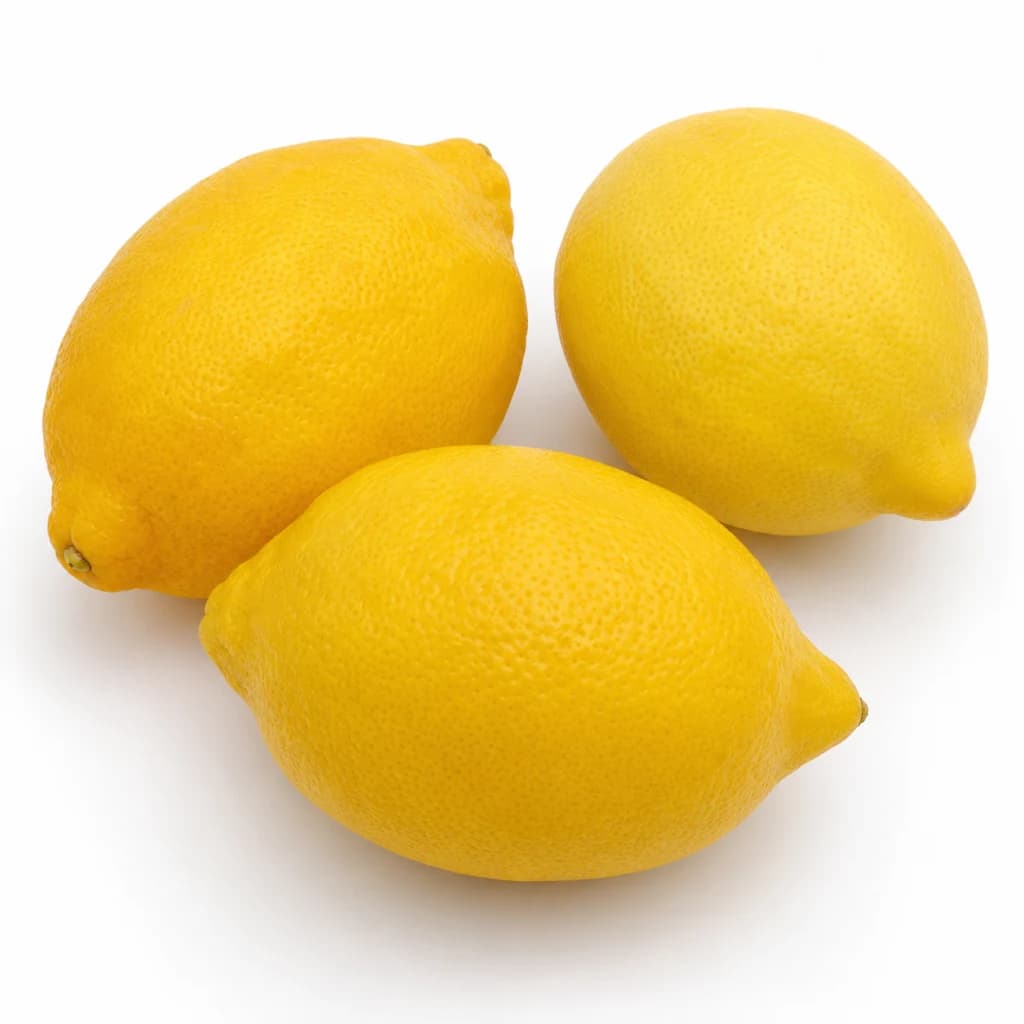
Lemon
Bright, acidic citrus that wakes up almost any dish
Potato
Humble, hearty staple — roast, mash, fry, or boil
Carrot
Sweet, crunchy root — raw, roasted, or the base of a sofrito
Cucumber
Cool, crisp, and watery — for salads, pickles, and tzatziki

Lettuce
Crisp leaves for salads, wraps, and a fresh crunch