Dairy & Eggs
Queso Fresco
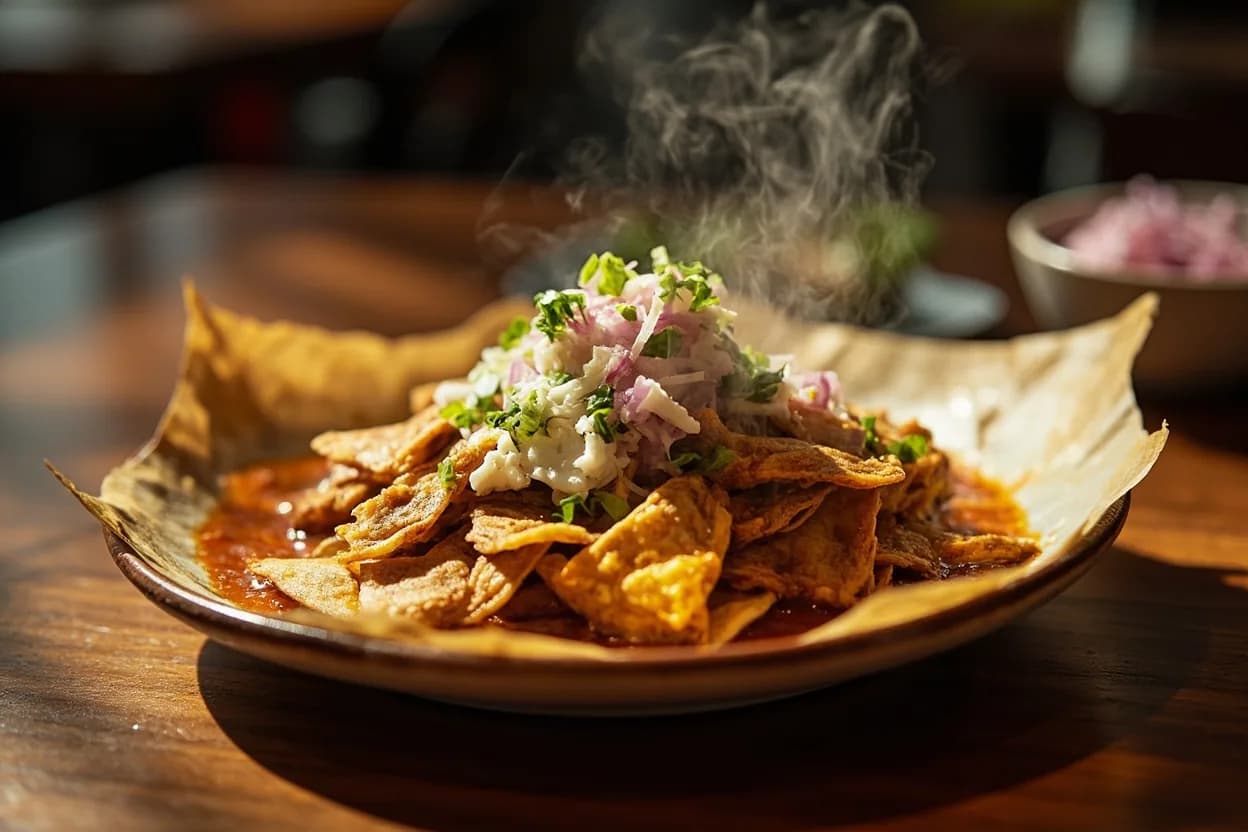
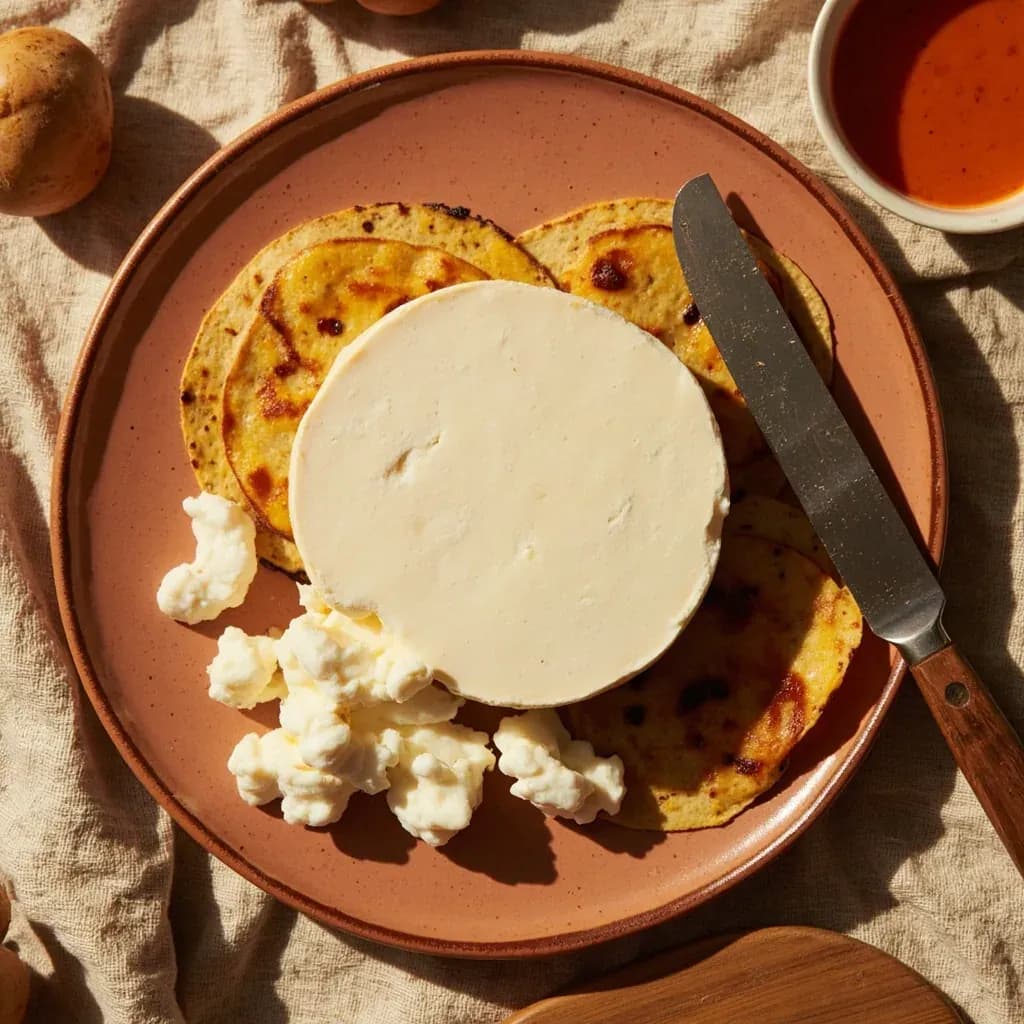
Fresh Mexican cow's-milk cheese — mild, salty and crumbly; softens but doesn't melt, so it crumbles over tacos, beans and enchiladas as a finishing cheese.
Queso fresco is the workhorse finishing cheese of the Mexican table: a fresh, acid-set, unaged cow's-milk cheese whose name literally means "fresh cheese." The style descends from the soft curds made in central Mexico long before refrigeration, when cheesemakers would acidulate warm milk with vinegar, lime juice, or a natural starter, gently drain the curds, salt them lightly, and eat the result within days. In that tradition queso fresco is meant to be made and consumed quickly, and most commercial versions are still packaged within a day or two of forming.
What defines the cheese in the pan is texture and behavior. The curds are pressed just enough to hold together, so the cheese is moist, soft, and gently crumbly rather than sliceable or firm. Flavor is mild, milky, and slightly tangy, with a saltiness that varies dramatically by brand. Crucially, queso fresco does not melt into a stretchy, flowing mass the way mozzarella or Oaxaca do; when heated it softens, releases a little moisture, and turns chewy or rubbery, which is exactly why cooks use it as a cool, salty counterpoint sprinkled on top of hot food rather than cooked into it.
For a cook, the most useful thing to internalize is the role queso fresco plays alongside its relatives. It is the crumbly, mild, non-melting cheese for finishing tacos, beans, enchiladas, and soups — distinct from Cotija (aged, dry, salty, used grated), Oaxaca (a stringy, melting cheese for quesadillas and empanadas), and Chihuahua or Asadero (a melting cheese closer to a mild cheddar). Buying the wrong one of those for a given job is the most common queso fresco mistake in U.S. kitchens.
- Measured in
- g
- Storage
- Refrigerate
Allergens
Find it in
Suits
Types & varieties
A closely related fresh cheese pressed in a basket mold; firmer and sliceable, often cubed for salads or seared on a hot comal (queso panela a la plancha). Step in for fresco when you want tidy slices that hold their shape.
The broader Latin American category of fresh white cheese. In the U.S. market it overlaps heavily with queso fresco, though some versions are pressed denser and slice like panela.
A Mexican fresh whey cheese with a ricotta-like wet, granular texture; softer and milder than fresco, used similarly as a topping or stirred into fillings.
Regional and old-fashioned names still used for farmstead fresco. Despite the name, no pork is involved; it simply refers to a rustic, often raw-milk farmhouse style.
Some commercial products sold as 'queso fresco' are softer and almost spreadable, sitting between fresco and cream cheese. Use them for crumbling, but expect them to melt more readily than a true fresco.
Small-batch, often raw-milk cheeses from Mexican ranchos or Latin American dairies; tangier and more variable in salt and moisture than mass-market brands.
Queso fresco in the Mexican cheese family
Mexican markets and U.S. Hispanic shelves carry several white cheeses that look similar but behave very differently. Knowing which is which is the single biggest step toward cooking Mexican food well at home.
- Queso fresco — fresh, soft, crumbly, non-melting. The finishing cheese for tacos, enchiladas, beans, and soups.
- Queso Cotija — aged, dry, hard, salty. The 'Mexican Parmesan,' grated over elote, tostadas, and soups. Will not melt the way fresco does.
- Queso Oaxaca (and Asadero or Queso de Hebra) — a stretched-curd, stringy, melting cheese used for quesadillas, empanadas, molletes, and nachos. If you want a cheese pull, this is the one.
- Queso Chihuahua (or Menonita) — a pale, semi-soft melting cheese closer to a mild cheddar or Monterey Jack; common in queso fundido and on burgers.
- Queso Panela — fresh like fresco but pressed firm enough to slice or grill; cube it for salads or sear slabs on a hot pan.
- Requesón — fresh, wet, ricotta-like whey cheese; soft enough to dollop into tacos or tamales.
Common uses
Tips & pitfalls
- Treat it as a finishing cheese, not a cooking cheese: add it at the end so it stays fluffy and crumbly rather than weeping liquid or turning rubbery in the pan.
- Do not substitute it for mozzarella or Oaxaca when you want melt and stretch — in quesadillas or on pizza it browns and firms up instead of oozing. Reach for Oaxaca or Chihuahua instead.
- Taste the cheese before salting the dish; commercial versions range from very mild (V&V Supremo) to noticeably salty (Cacique Ranchero), and seasoning blindly can oversalt a plate of beans or soup.
- Crumble with your fingers or a fork rather than grating on a box grater — the soft curds clog the small holes and turn into a gummy paste.
- Bring it to cool room temperature for 10–15 minutes before serving; straight from the fridge the flavor reads flat and chalky, while a brief rest lets the milky, tangy notes open up.
- Store opened queso fresco in a light brine or wrapped loosely in a barely damp paper towel inside a sealed container; a dry surface is the usual reason the cheese turns hard and crumbly before its time.
- If you must use it in a hot dish, sprinkle on after plating or in the last minute on the heat so it warms through without toughening or weeping.
- Freeze only for cooked applications such as stuffed chiles, enchilada fillings, or casseroles; defrosted fresco is noticeably more granular and dusty, so skip it as a garnish.
Nutrition
Energy
1251 kJ · per 100 g
Where the calories come from
Protein
18.1g
36% DV
Carbs
3g
1% DV
Fat
23.8g
31% DV
Fiber
0g
0% DV
Sugars
2.3g
of which
Sodium
751mg
33% DV
Source · USDA FoodData Central · Cheese, fresh, queso fresco
View on FDC →In the shops
Matched grocery products
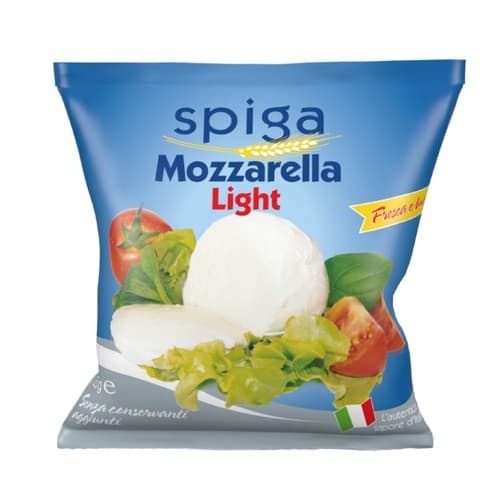 €1.00
€1.00Light Mozzarella
SPIGA · kg · Bonpreu
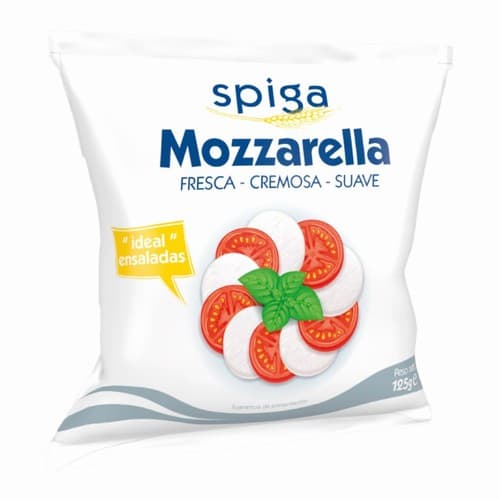 €0.90
€0.90Fresh Mozzarella
SPIGA · kg · Bonpreu
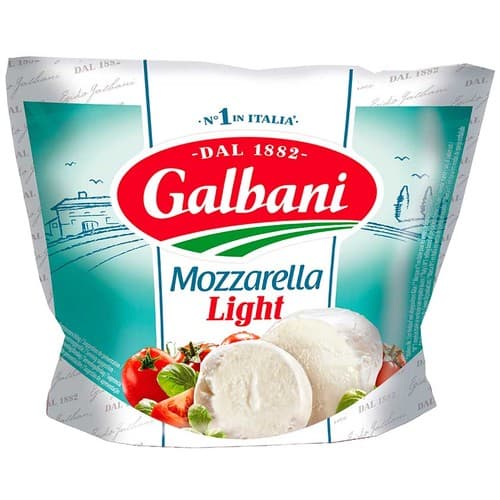 €1.95
€1.95Galbani Light Mozzarella
GALBANI · kg · Bonpreu
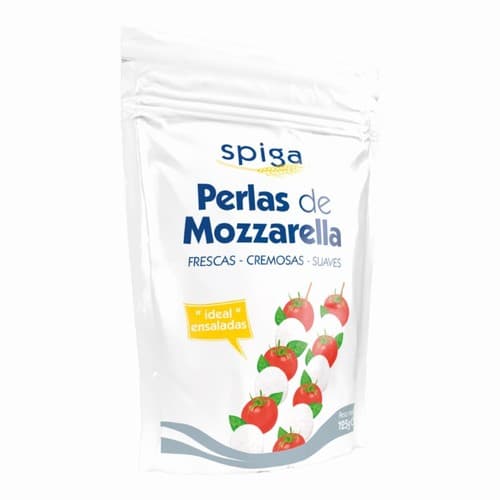 €1.59
€1.59Mozzarella Pearls
SPIGA · kg · Bonpreu
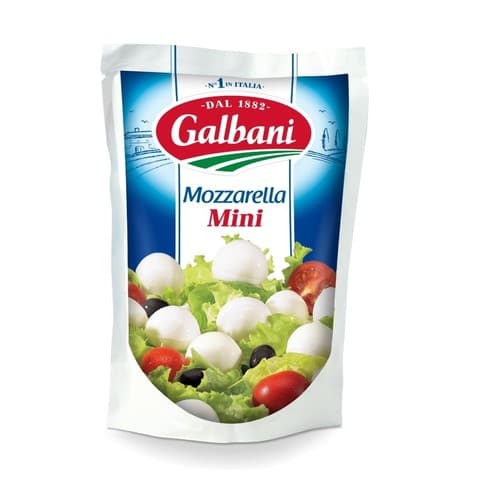 €3.65
€3.65Mini Mozzarella Balls
GALBANI · kg · Bonpreu
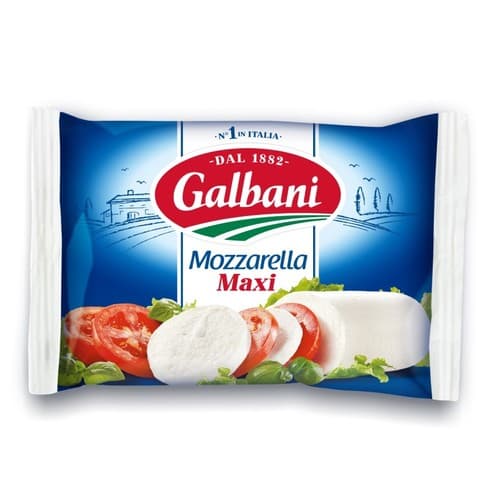 €3.99
€3.99GALBANI Mozzarella Maxi Fresh
GALBANI · kg · Bonpreu
Good to know
- Origin
- Mexico; the name translates to "fresh cheese," and the style descends from pre-Hispanic fresh-curd cheeses of central Mexico.
- Milk
- Cow's milk is standard; traditional ranchero versions often use raw milk, and some artisan makers blend in goat's milk for tang.
- Style
- Acid-set, fresh (unaged) cheese; curds form with vinegar, lime juice, or a mild starter, are lightly pressed, salted, and packaged without aging.
- Texture
- Soft, moist, and crumbly; holds its shape when sliced or crumbled rather than spreading or flowing.
- Flavor
- Mild, milky, slightly tangy, with a clean salty finish. Salt level varies widely by brand.
- Melting behavior
- Softens when heated but does not melt into a stretchy or flowing mass; it tends to become chewy or weep moisture instead of fusing.
- Moisture & fat
- High moisture, roughly 55–65%; moderate fat, typically lower than aged cheeses.
- Shelf life & storage
- About 1–2 weeks refrigerated unopened; once opened, use within 5–7 days. Best kept in its own brine or wrapped in a barely damp paper towel in a sealed container.
- Freezing
- Freezes for 1–2 months but becomes noticeably drier and more granular; acceptable for cooked fillings, less ideal for garnishing.
- Nutrition
- Roughly 80–100 kcal per ounce; about 5–6 g protein; notable sodium; a good source of calcium.
Substitutes
- Feta — The closest stand-in for crumbling over Mexican dishes; saltier and tangier, so give it a brief rinse under cold water, pat dry, and reduce added salt in the rest of the dish.
- Farmer cheese (dry-curd cottage cheese) — Mild, dry, and crumbly; the best neutral substitute when you want fresco's texture without feta's punch. Salt to taste before using.
- Ricotta salata — Pressed, salted, lightly aged ricotta; firm enough to crumble and holds up to heat in much the same way. Nuttier and saltier than fresco.
- Paneer — Indian fresh cheese; mild and non-melting like fresco, so it behaves similarly when heated. Firmer and less crumbly, so crumble by hand and season generously.
- Fresh goat cheese (chèvre) — Creamier and tangier; works in salads and on toast, but the soft, spreadable texture is quite different, so use only where that quality is welcome.
- Queso Cotija — The traditional substitute when you want a stronger, saltier, drier finish. Aged and not a true swap, but the right choice for a grating-style crumble on elote, tostadas, and soups.
Pairs with
Also called
queso fresco · fresh cheese · queso blanco · Mexican fresh cheese