Proteins
Serrano Ham
Spain's everyday dry-cured mountain ham; firmer and saltier than jamón ibérico, sliced thin.
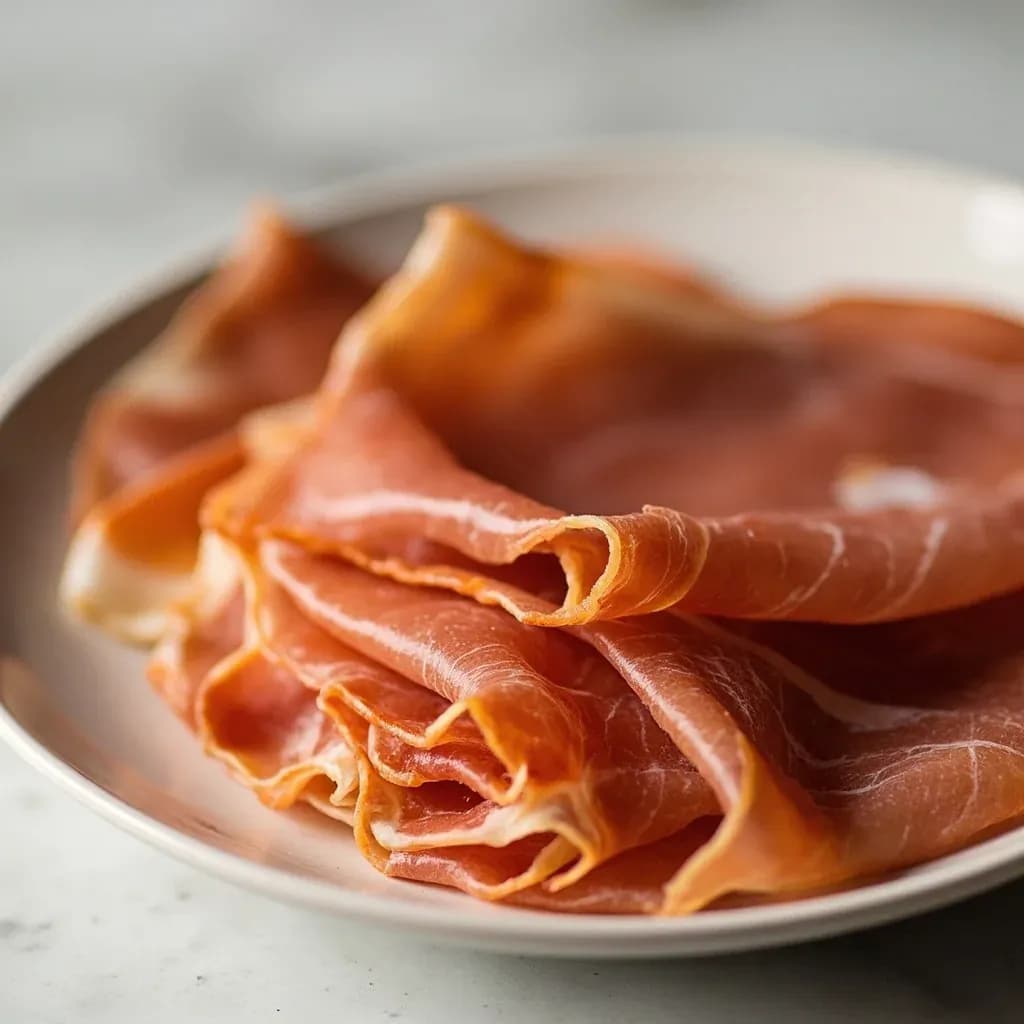
Serrano ham is a Spanish dry-cured ham made from white pigs and aged for many months, giving it a firm texture and savory, slightly salty flavor. More everyday and affordable than jamón ibérico, it is served thinly sliced as tapas, wrapped around vegetables, or chopped into dishes for depth. Its name means 'from the mountains,' reflecting the cool, dry curing climate.
Serrano ham is Spain's everyday dry-cured pork leg, made from white pig breeds—not the Iberian black pig—cured in mountain air for anywhere from nine months to two years. The name derives from the Spanish word serrano, meaning from the sierras, and reflects the traditional practice of hanging legs in high-altitude barns during the curing process. What distinguishes serrano from its more prestigious cousin, jamón ibérico, is its firmer texture, leaner character with less intramuscular fat, and a more assertive, saltier flavor with nutty, savory depth rather than the sweetness that comes from the ibérico pig's diet of acorns. The ham is fully cured and ready to eat raw; cooking is optional and typically brief. In Spanish kitchens, serrano appears at breakfast in bocadillos, at lunch in tortillas and croquetas, and at tapas bars thin-sliced alongside manchego and sherry. Its assertive saltiness means it performs two roles: as a raw serving element and as a flavorful addition to cooked dishes, where its fat renders into beans, pasta, and rice.
- Measured in
- g
- Storage
- Pantry
Types & varieties
Entry level; cured 9–12 months; lighter color, softer texture, more accessible flavor
Medium cure, 12–15 months; balanced salt, nuttiness, and tenderness
Long cure, 15–24 months; darker color, firmer texture, deeply concentrated flavor
PDO-certified serrano from Teruel province; strict production standards ensure consistent quality
Broad category; quality varies widely by producer and cure length—read labels carefully
Common uses
Tips & pitfalls
- Bring sliced ham to room temperature 15–20 minutes before serving—cold dramatically dulls the aroma and flavor
- Slice paper-thin against the grain using a sharp flexible knife or electric slicer for the best texture
- Hang whole legs in a cool, dry place (15–20°C); cover the cut face with cheesecloth and a thin layer of olive oil to prevent drying
- Wrap sliced portions in wax paper first, then seal in a zip bag; direct plastic wrap dries out the surface rapidly
- When buying whole legs, check the exposed bone end—it should be deep red with a clean, nutty aroma; avoid any sour or ammonia smell
- Do not confuse serrano with prosciutto—they cure differently and serrano's firmer, saltier character behaves differently in cooked applications
- Because serrano is fully cured and already salty, add it sparingly to cooked dishes and season with additional salt only after tasting
- Save the fat trimmings; render them slowly in olive oil to flavor beans, lentils, or braised greens, then discard the crisped bits
- For the most authentic experience, buy whole legs from specialty Spanish delis and request hand-slicing to order
- A jamonero (ham holder) makes slicing whole legs safer and yields more consistent paper-thin cuts than freehand carving
Nutrition
Energy
1100 kJ · per 100 g
Where the calories come from
Protein
16.3g
33% DV
Carbs
1.8g
1% DV
Fat
20.7g
27% DV
Fiber
0g
0% DV
Sugars
0g
of which
Sodium
1245mg
54% DV
Source · USDA FoodData Central · approx. Ham, minced
View on FDC →In the shops
Matched grocery products
 €1.10
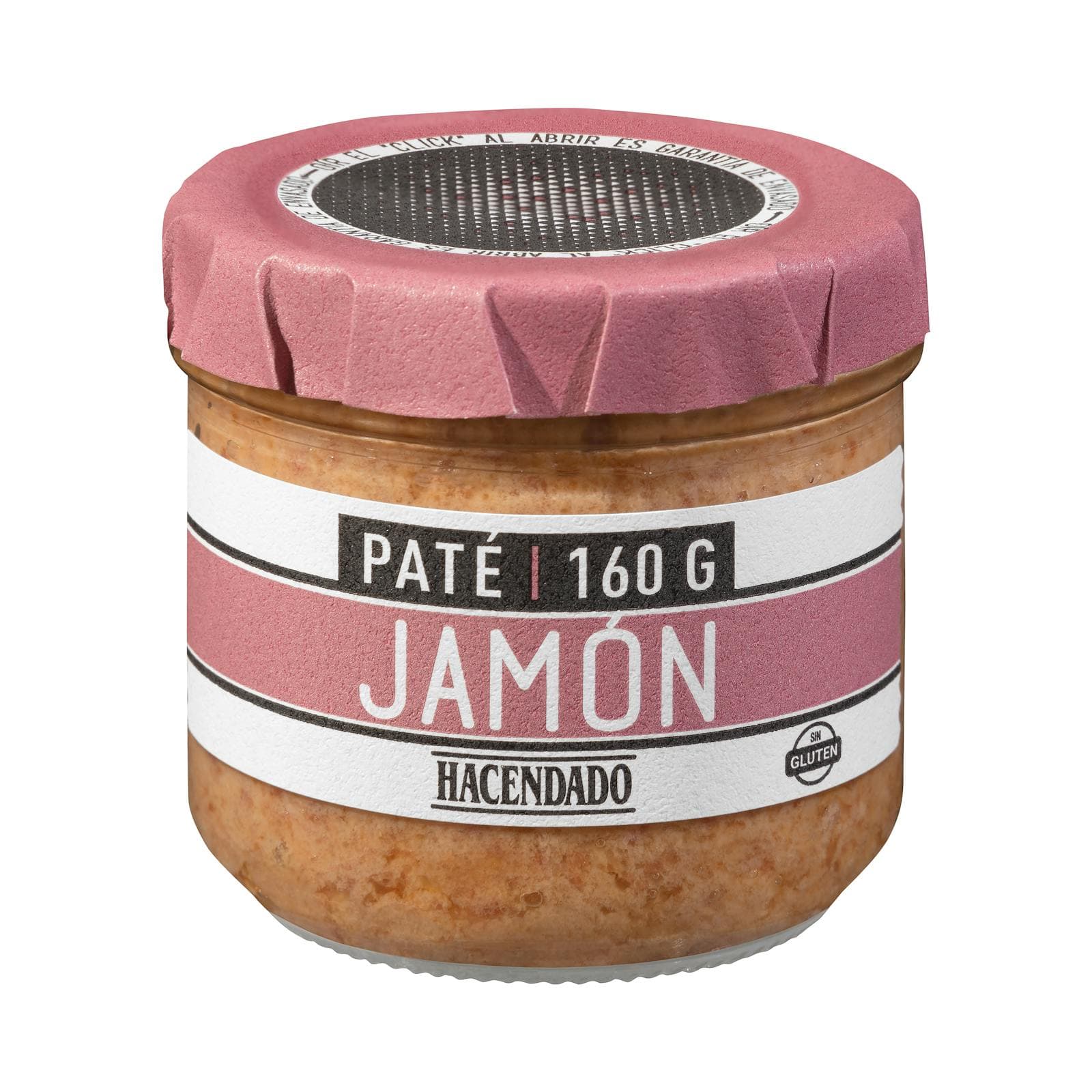
€1.10Ham Pâté
Hacendado · 160 g · Mercadona
 €3.85
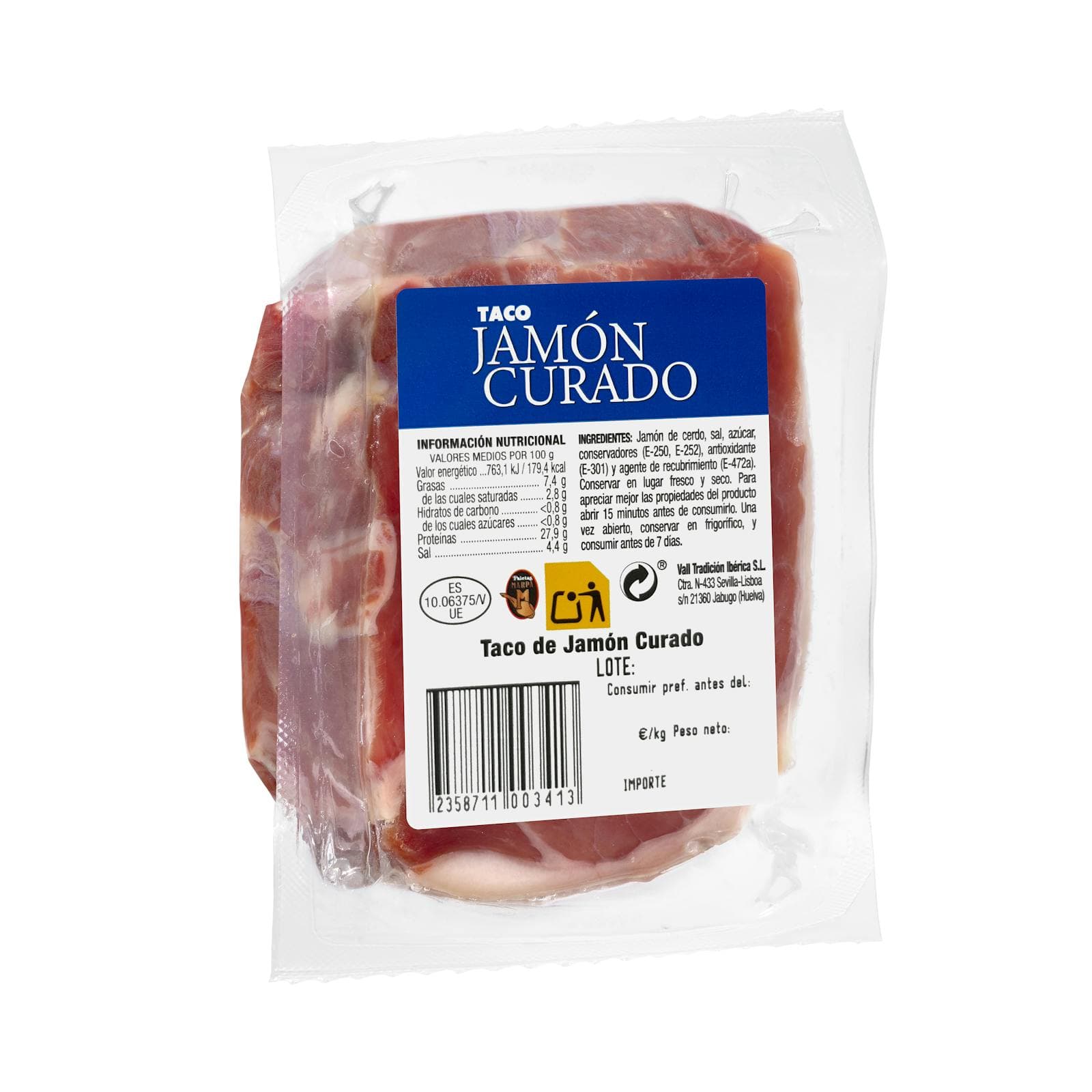
€3.85Cured Ham Portion
220 g · Mercadona
 €5.95
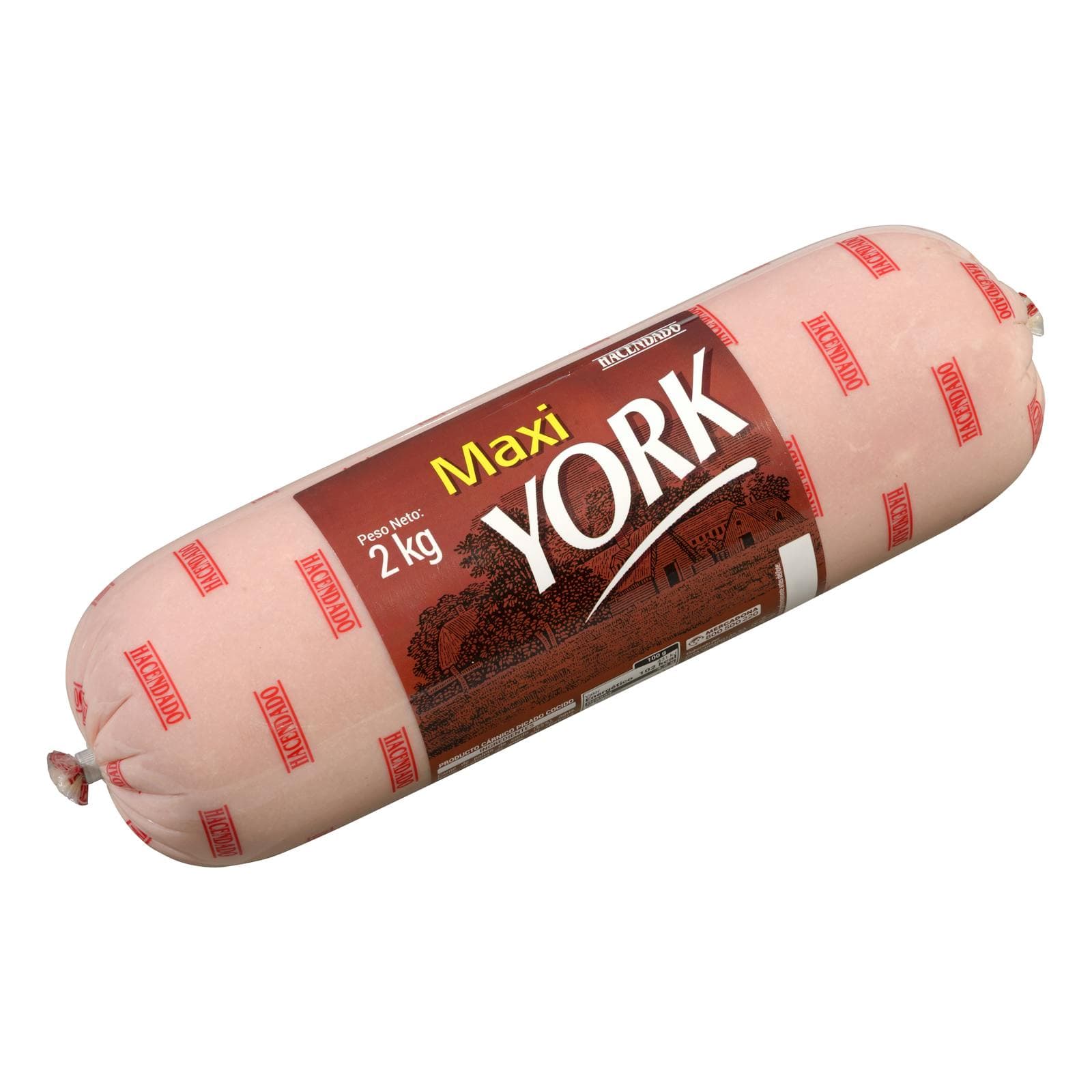
€5.95Maxi York Ham
Hacendado · 2 kg · Mercadona
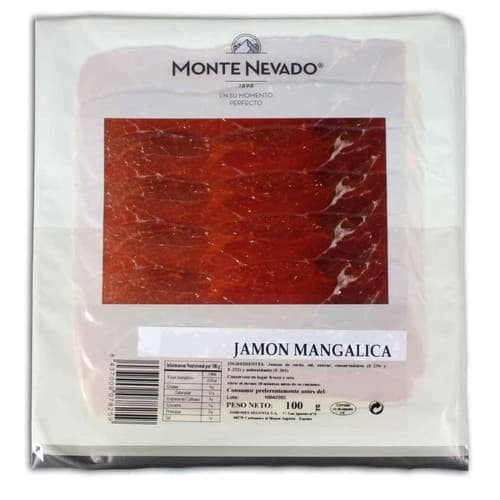 €6.75
€6.75Mangalica Ham
MONTE NEVADO · kg · Bonpreu
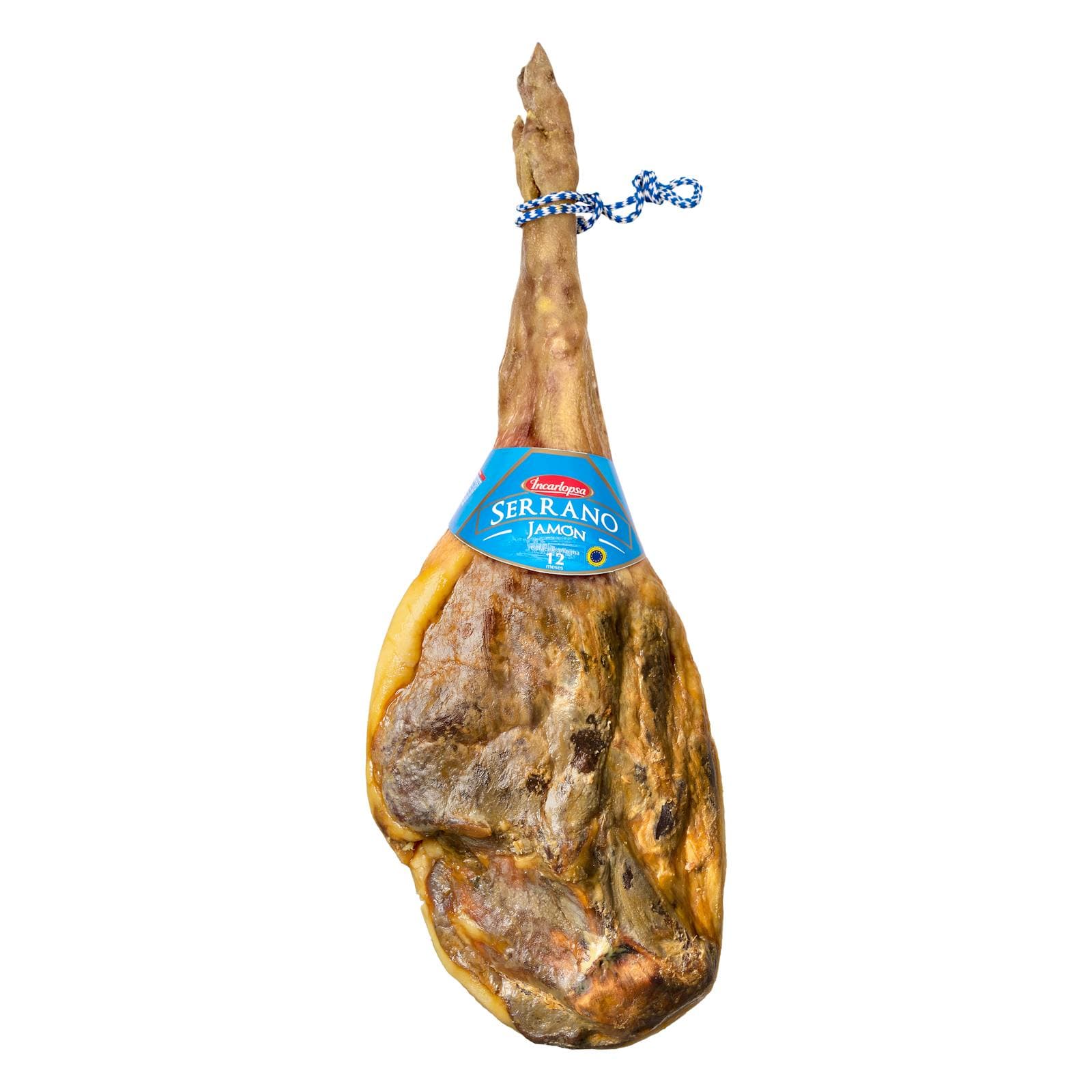 €65.00
Serrano Ham Incarlopsa
Incarlopsa · 7.5 kg · Mercadona
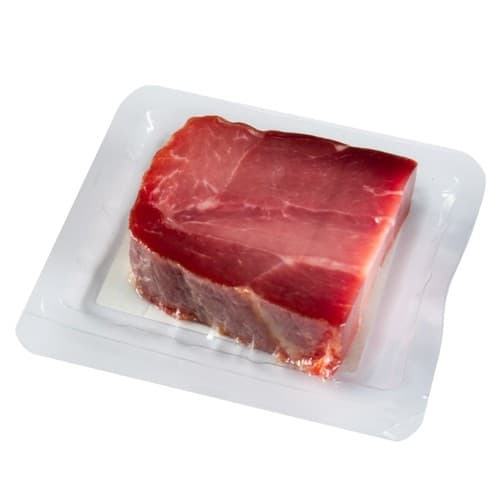 €3.85
€3.85Cured Ham Block
ESPUÑA · kg · Bonpreu
Good to know
- Type
- Dry-cured pork leg (whole or presliced)
- Origin
- Spain; traditionally from Sierra de Gredos, Sierra de Ronda, and Teruel province
- Animal
- White pig breeds (Landrace, Large White, Duroc cross)
- Curing Time
- Bodega 9–12 months; Reserva 12–15 months; Añejo 15–24 months
- Texture
- Firm and dense; leaner than ibérico with less marbling
- Flavor
- Pronounced saltiness with savory, nutty depth; less sweet than ibérico
- Color
- Deep rose to dark red lean; white to cream fat
- Price Point
- Moderate (significantly less expensive than jamón ibérico)
- Key Region
- Teruel (PDO); also Extremadura, Guijuelo, and surrounding areas
Substitutes
- Prosciutto di Parma — Italian alternative; milder, sweeter, and more buttery; reduce added salt when substituting
- Prosciutto di San Daniele — Slightly sweeter than Parma; acceptable 1:1 substitute in most applications
- Country ham (American) — More intensely smoky-sweet and salty; soak in water 30 minutes and reduce seasoning before using
- Speck — Smoked Italian ham; adds a distinct smoke note; use where that character complements the dish
Pairs with
Also called
Serrano Ham (Pernil) · Jamón Serrano · Pernil
Appears in these dishes
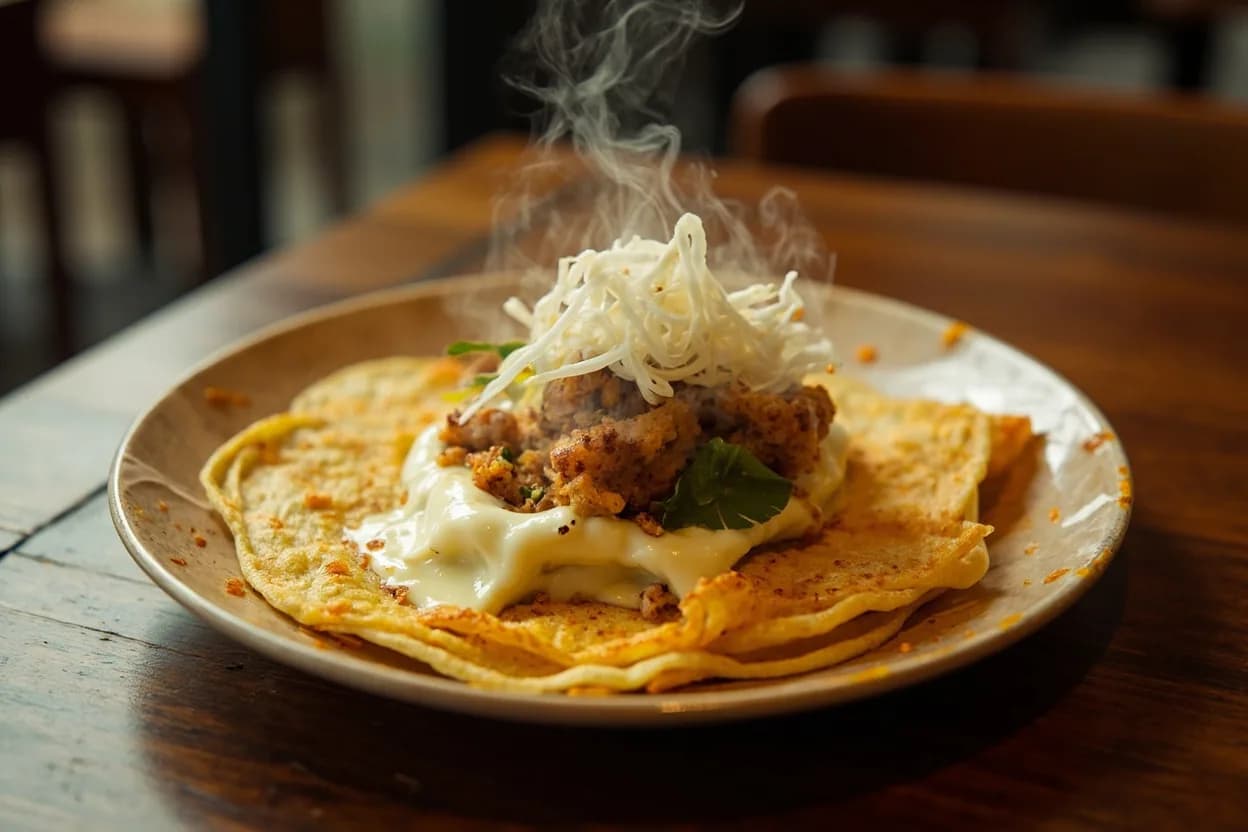
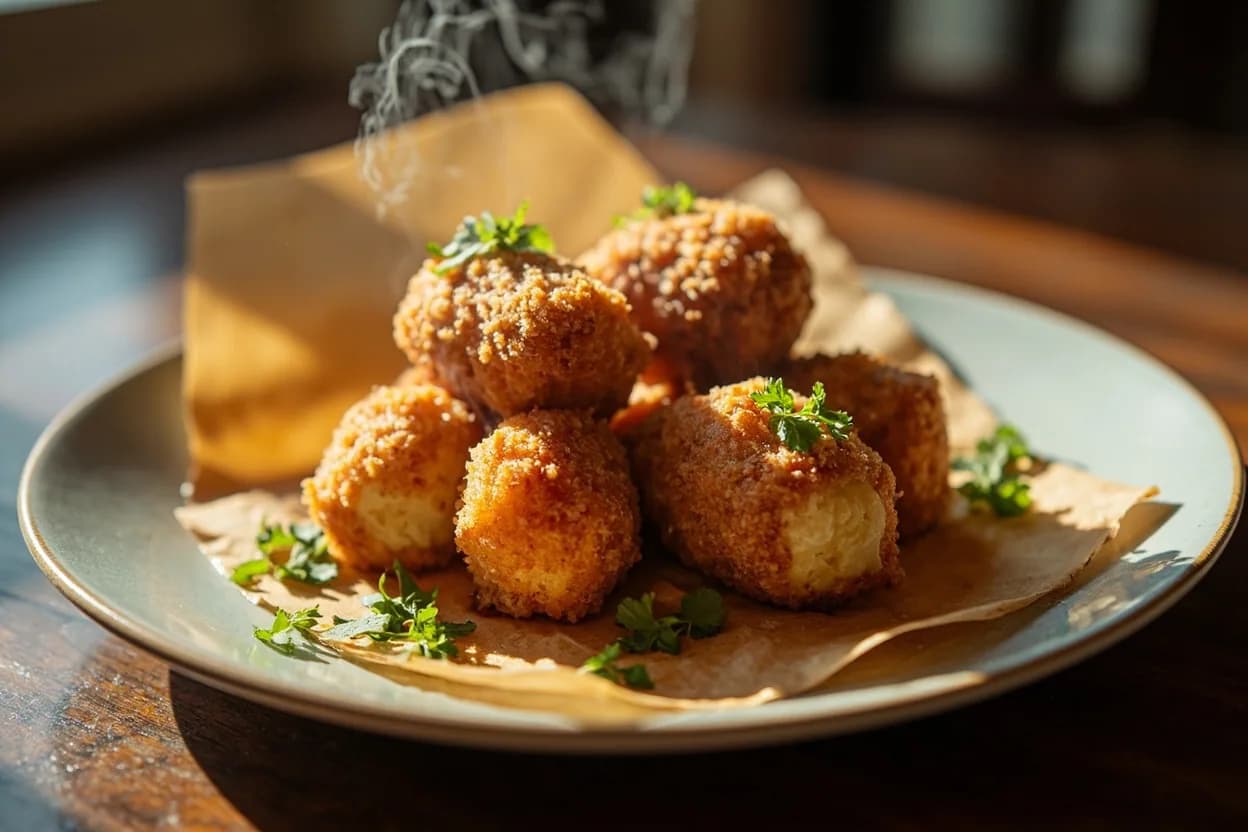
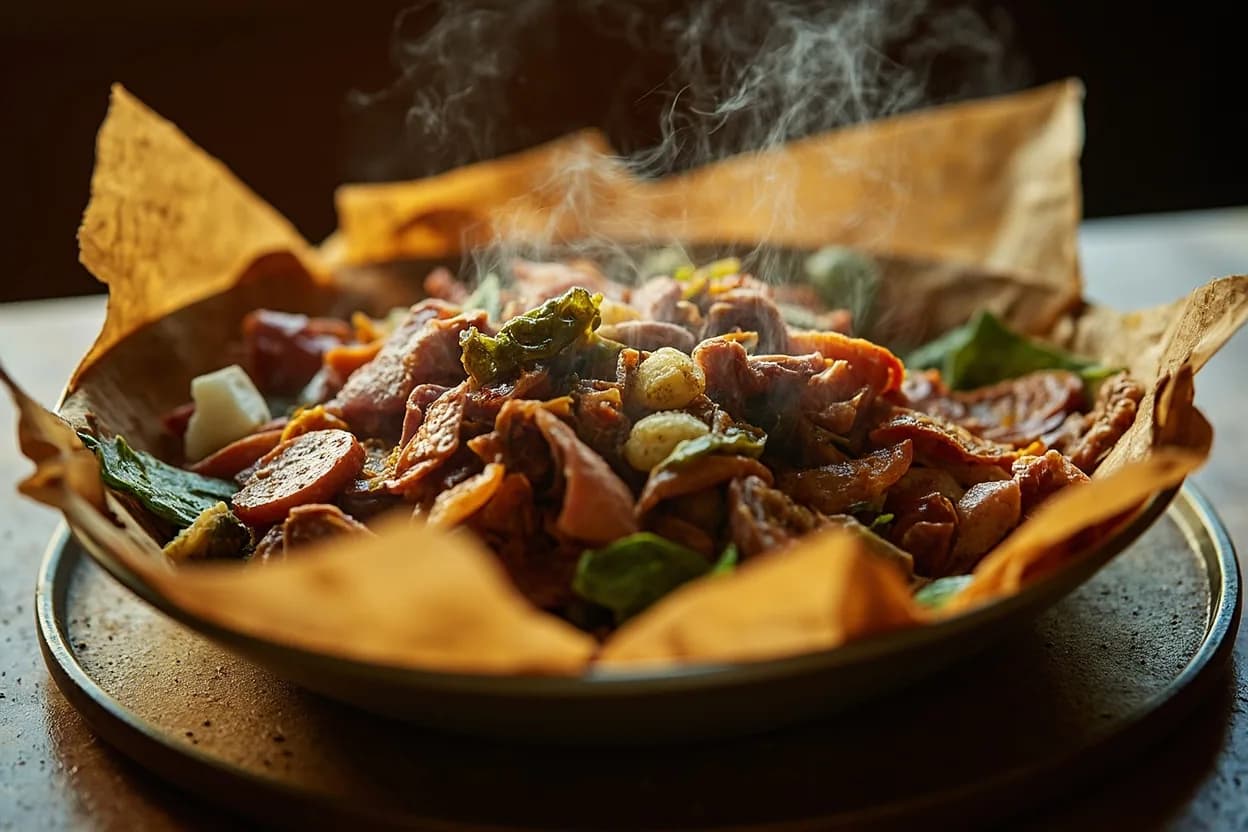
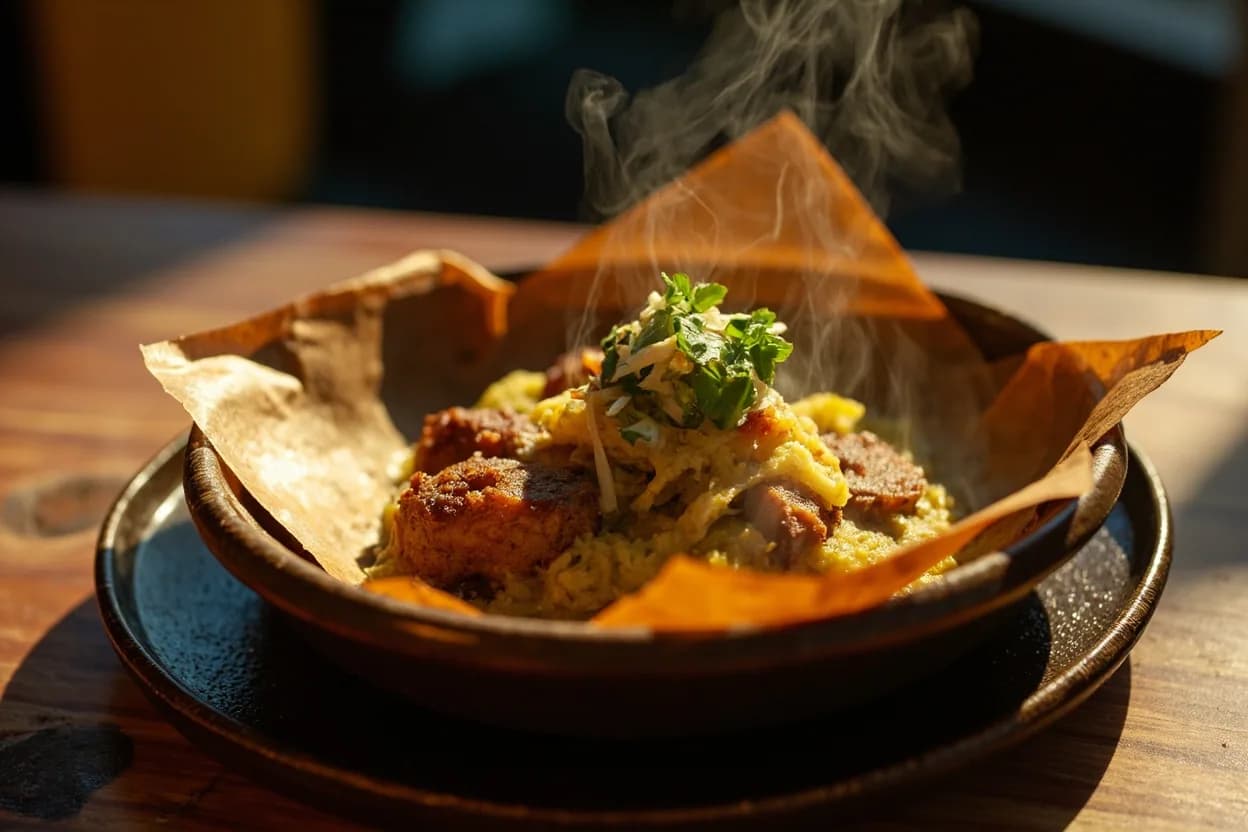
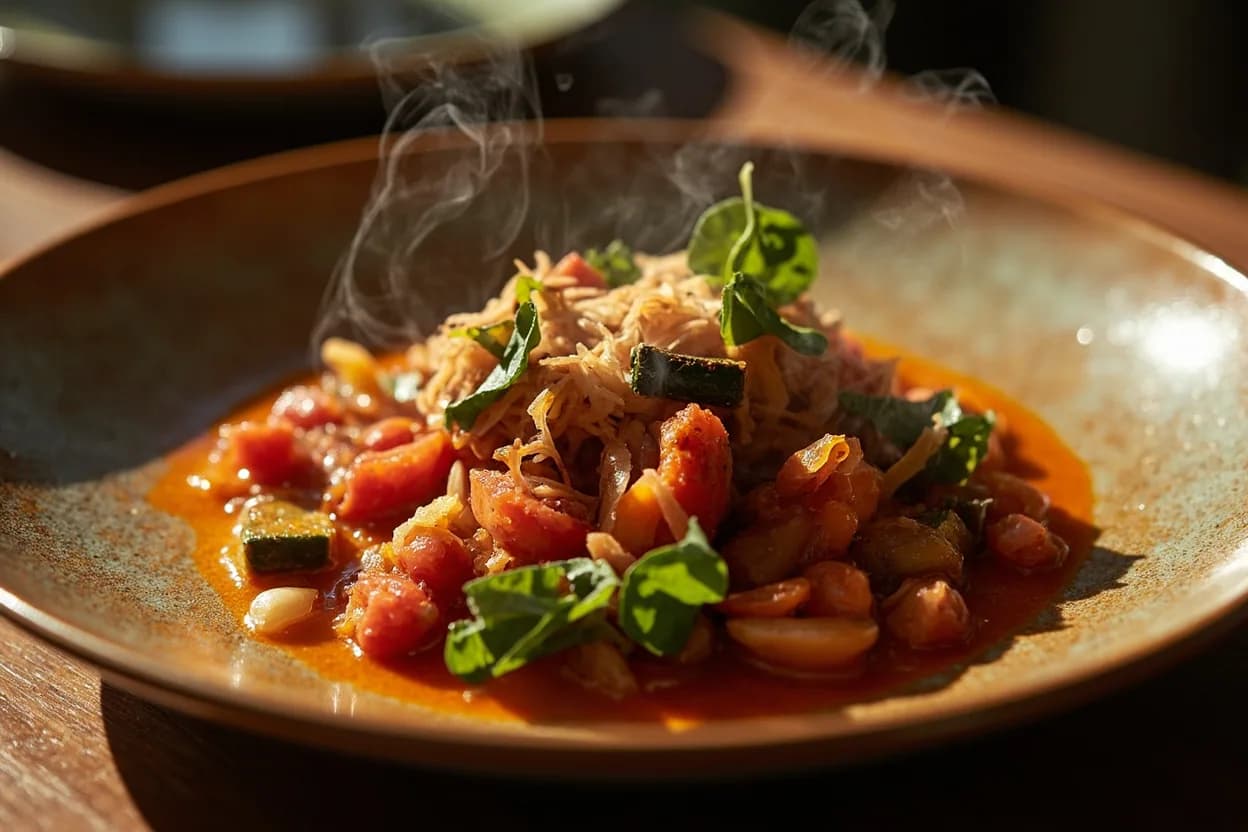
Related
Egg
The kitchen's everything ingredient — bind, leaven, enrich, or fry
Chicken Breast
Lean, quick-cooking white meat for everyday dinners

Ground Beef
Versatile minced beef for burgers, ragù, tacos, and meatballs
Pork Loin
Lean, tender roasting cut that stays juicy with care

Salmon
Rich, rosy fish that roasts, grills, or cures beautifully

Egg White
Pure protein that whips to airy peaks for meringue and more

Egg Yolk
Rich, golden yolk for custards, mayonnaise, and pasta

Quail Egg
Tiny, speckled eggs for garnishing and elegant bites