Source
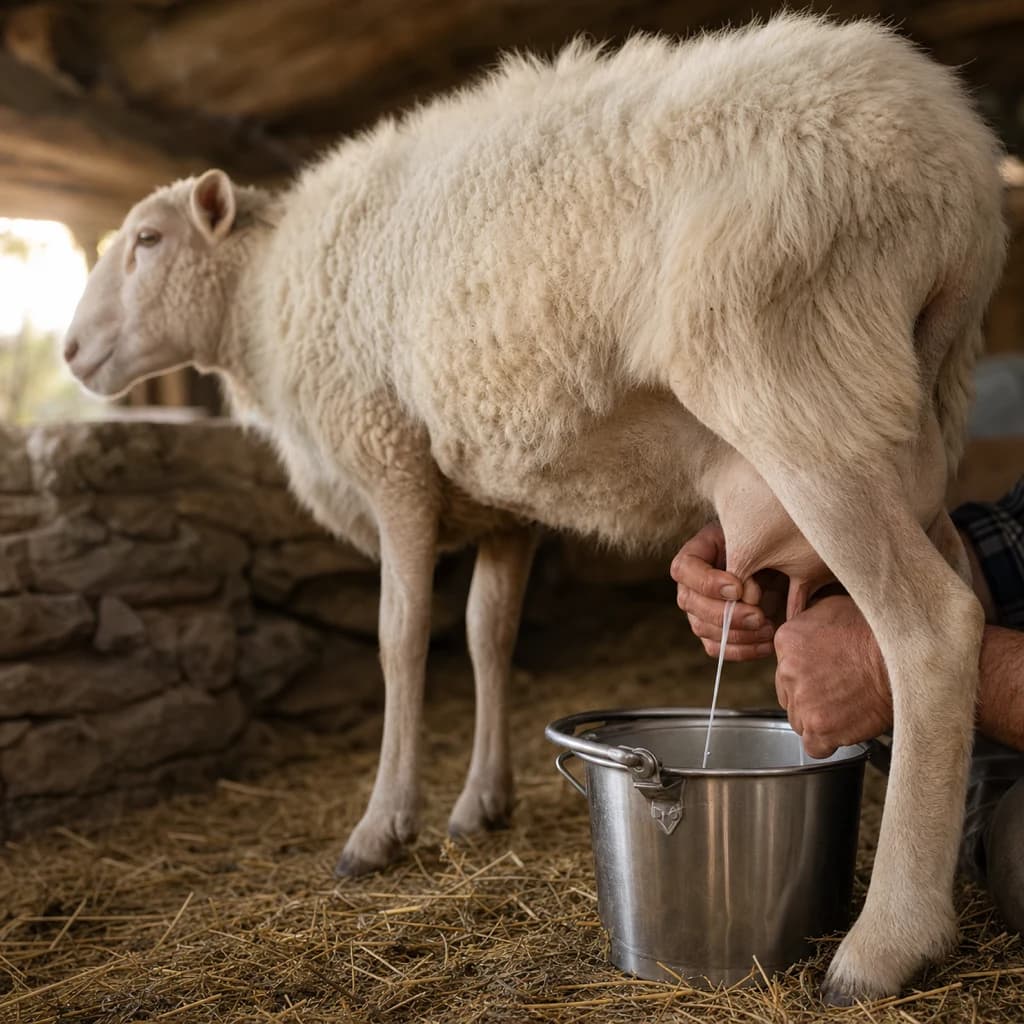
A ewe being milked by hand on a traditional farm, bucket below.
Shows the animal origin that distinguishes sheep's milk from cow or goat, making the source unmistakable.
Dairy & Eggs
Sheep's Milk
Rich, high-fat milk from sheep, the base for feta, pecorino, Roquefort, and yogurt.
Sheep's milk is notably richer and higher in fat, protein, and solids than cow's or goat's milk, with a sweet, full-bodied flavor. Its concentration makes it ideal for cheesemaking, producing feta, pecorino, manchego, Roquefort, and many yogurts. It is rarely drunk fresh and is valued mainly for the volume and creaminess of cheese it yields.
Sheep's milk is one of the world's oldest dairy traditions, central to the cuisines of Greece, Spain, France, Italy, Turkey, and Iran long before cow's milk became dominant in northern Europe. Its defining characteristic is exceptional richness: 5–8% fat compared to 3–4% in most cow and goat milk, plus 5–6% protein. These high solids mean sheep's milk yields roughly twice as much cheese per liter as cow's milk—about 100g of hard cheese versus 60–70g—and produces a distinctly creamy, buttery result. The fat globules are smaller than in cow's milk, contributing to smoother texture and easier digestion. Sheep convert less beta-carotene to vitamin A than cows, giving the milk a subtle yellow tint and leaving more beta-carotene intact. Available fresh in specialty markets, Mediterranean and Middle Eastern grocery stores, and directly from farms, it is rarely ultra-pasteurized, which makes it ideal for cheese-making.
The flavor is more pronounced than cow's milk—some describe it as faintly gamey or "sheepy," which is natural and not a defect. This distinctive taste becomes mellowed and complex in aged cheeses like Pecorino Romano, Manchego, and Roquefort, but remains vibrant in fresh preparations like ricotta, yogurt, and labneh. For the home cook, the primary challenges are availability and freshness. Seek out farms or specialty markets, check expiration dates rigorously, and store in the coldest part of the refrigerator. Once you have access to quality sheep's milk, its versatility rewards experimentation across both savory and sweet applications.
The seasonality of sheep's milk—produced primarily from late winter through late summer, peaking in spring—shapes traditional cheese calendars in Mediterranean regions. This is not a year-round commodity, which explains why many traditional sheep's milk cheeses were developed as preservation methods. Understanding this cycle helps explain why some cheeses are labeled "spring lamb" or "autumn" varieties, and why fresh sheep's milk products are most abundant in late spring and early summer.
- Measured in
- ml
- Storage
- Fridge
Allergens
Types & varieties
Unprocessed, highly perishable; sold in specialty and Mediterranean markets; excellent for drinking, cooking, and cheese-making
Thicker and tangier than cow's yogurt; labneh and kefir common in Middle Eastern traditions
Made from whey or whole milk; creamier, richer, and more moist than cow's ricotta
More yellow, richer, and higher fat than cow's butter; essential in traditional Mediterranean and Middle Eastern baking
Higher fat than heavy cream; prized for ice cream and pastry applications
Fermented beverage with thinner consistency and tangier flavor than cow's kefir
Common uses
Tips & pitfalls
- Purchase from specialty grocers, Middle Eastern or Mediterranean markets, or directly from farms—standard supermarkets rarely stock it
- Always check the expiration date and smell for freshness; sheep's milk spoils faster than cow's milk due to higher fat content
- Refrigerate at 34–38°F and use within 5–7 days; store in the coldest part of the fridge, not in the door where temperature fluctuates
- When substituting for cow's milk in recipes, expect richer flavor and slightly thicker texture—reduce quantities slightly or embrace the enhancement
- Do not use ultra-pasteurized sheep's milk for cheese-making; it will not coagulate properly with standard rennet
- For yogurt, expect longer incubation time than with cow's milk due to different protein structure
- Common mistake: assuming sheep's milk is lactose-free—it contains lactose and is unsuitable for those with lactose intolerance
- When making cheese, leverage the higher yield per gallon; this economy makes the higher per-liter cost more competitive than it appears
Nutrition
Energy
452 kJ · per 100 g
Where the calories come from
Protein
6g
12% DV
Carbs
5.4g
2% DV
Fat
7g
9% DV
Fiber
0g
0% DV
Sodium
44mg
2% DV
Source · USDA FoodData Central · Milk, sheep, fluid
View on FDC →In the shops
Matched grocery products
No matched grocery products for Sheep's Milk yet.
Good to know
- Fat Content
- 5–8% (significantly higher than cow's 3–4%)
- Protein Content
- 5–6% (higher than cow's milk)
- Cheese Yield
- ~100g hard cheese per liter (vs. 60–70g from cow's milk)
- Fat Globule Size
- Smaller than cow's milk; contributes to smoother texture and easier digestion
- Vitamins & Minerals
- Higher levels of vitamins A, B, D, and E; higher calcium per serving than cow's milk
- Lactose Content
- Slightly lower than cow's milk but still significant; not suitable for lactose intolerance
- Peak Season
- Late winter to late summer, peaking in spring during lamb weaning
- Color
- Slightly yellow tint due to unconverted beta-carotene
Substitutes
- Whole Goat's Milk — Closest texture and protein profile; slightly lower fat but similar behavior; flavor is tangier and more pronounced
- Whole Cow's Milk (Full-Fat) — Acceptable substitute for drinking and cooking; will yield less rich results; cheese yields will be noticeably lower
- Half-and-Half + Heavy Cream — Mix whole cow's milk with heavy cream to approximate sheep's milk fat content for cooking applications
- Coconut Milk (Full-Fat) — Vegan substitute for cooking; adds richness but different flavor; not suitable for cheese-making
- Ricotta + Milk Blend — For baking applications, blend ricotta with milk to approximate the richness sheep's milk provides
Also called
Raw Sheep's Milk · Ewe's Milk
Appears in these dishes



Related

Whole Milk
Rich, full-fat milk for drinking, coffee, sauces, and baking
Butter
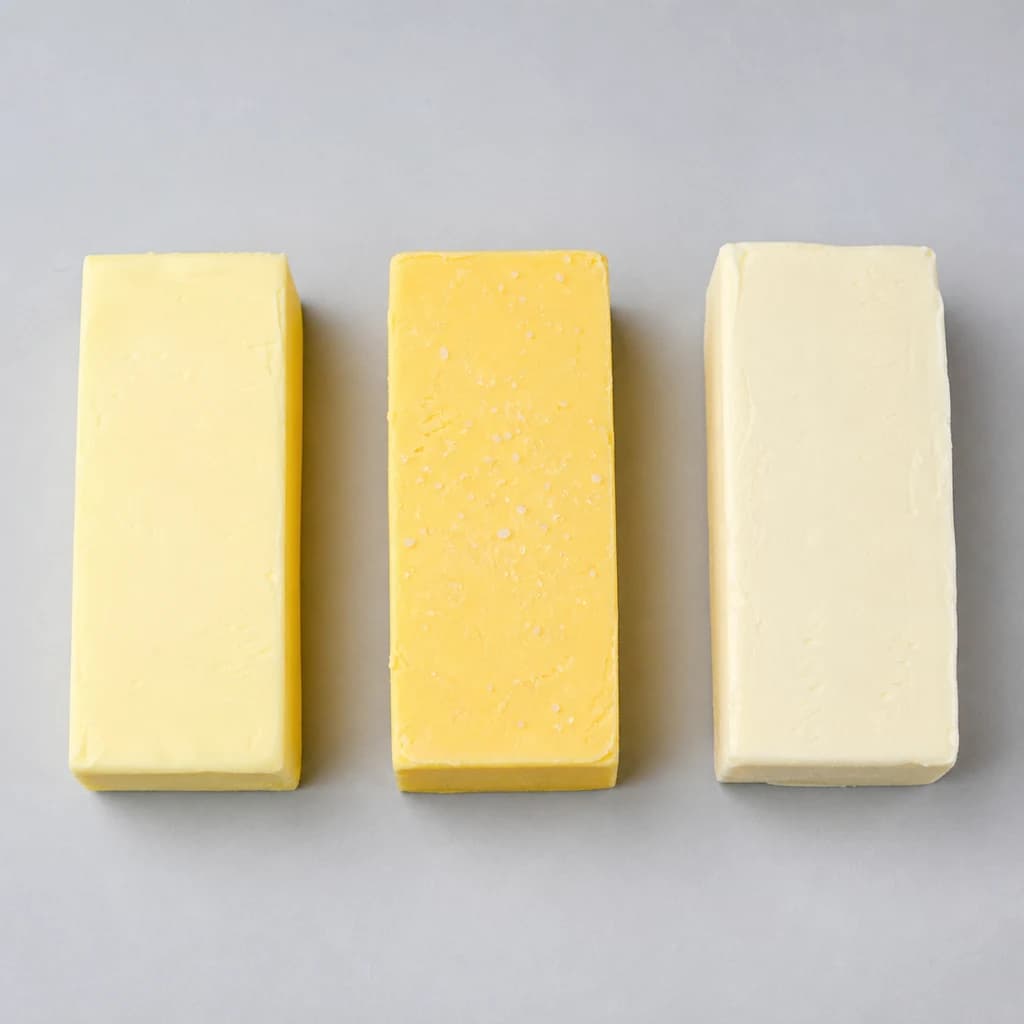
Golden fat for searing, baking, and finishing a sauce
Yogurt
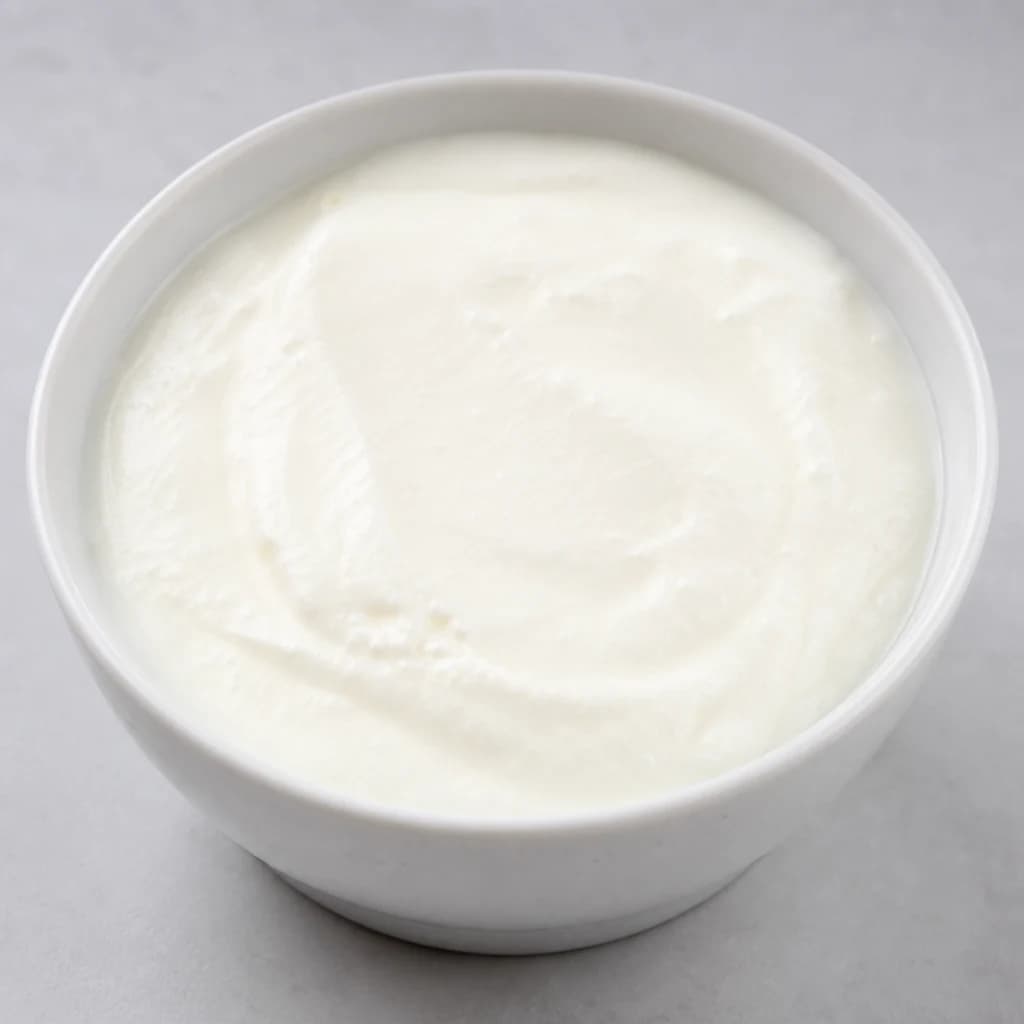
Tangy, creamy culture for breakfast, sauces, and marinades
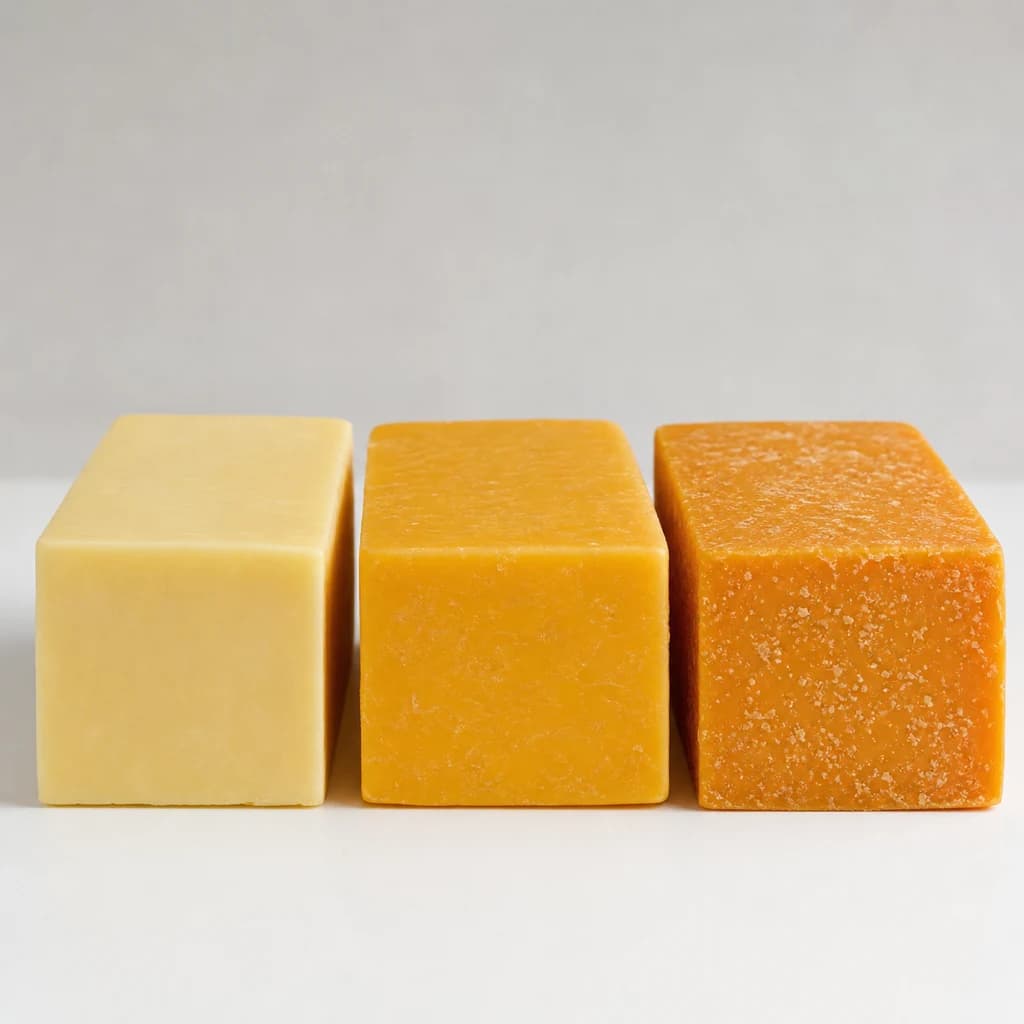
Cheddar Cheese
Sharp, melty cheese for sandwiches, gratins, and grating
Skim Milk
Fat-free milk for lighter drinking, coffee, and cooking
Heavy Cream
Rich cream that whips, enriches sauces, and sets ganache

Sour Cream
Tangy, thick cream for dolloping, baking, and dips
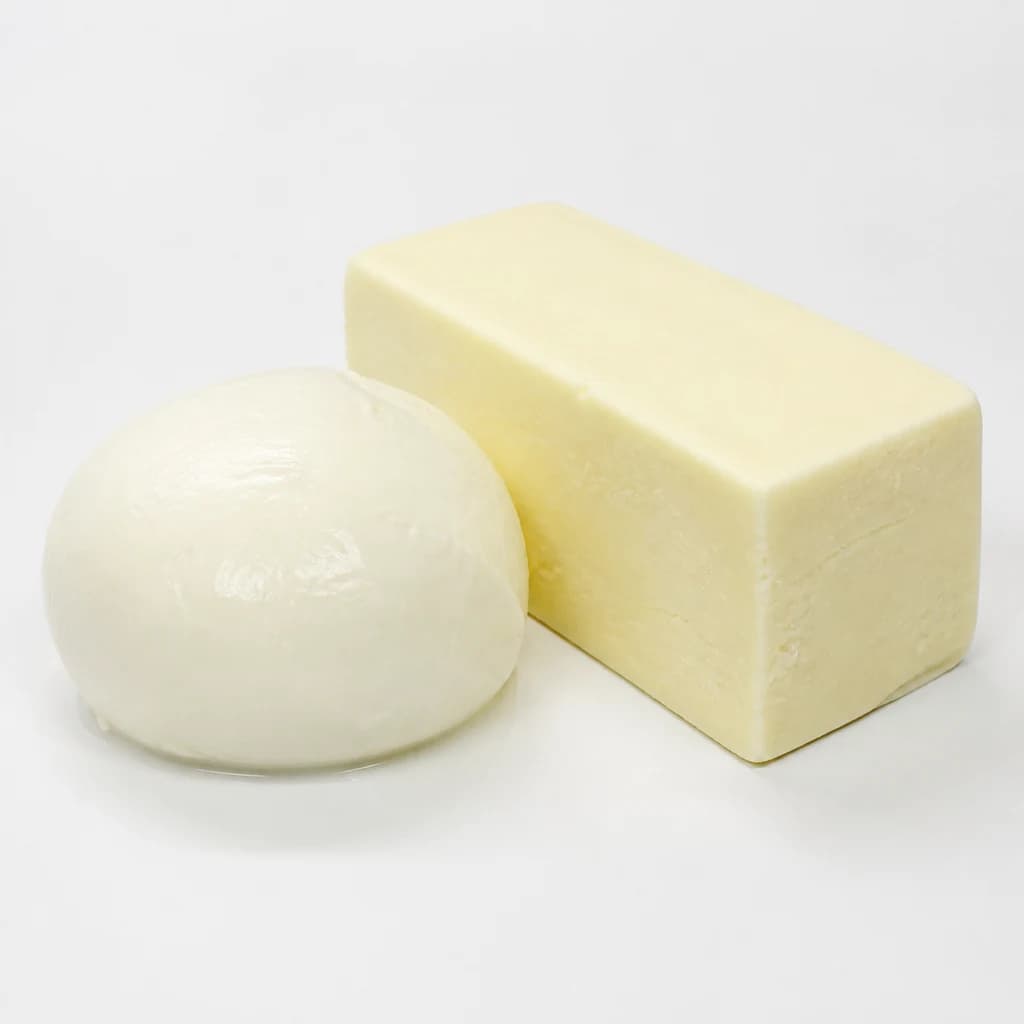
Mozzarella
Soft, milky cheese that melts into stretchy pizza pulls