Dairy & Eggs
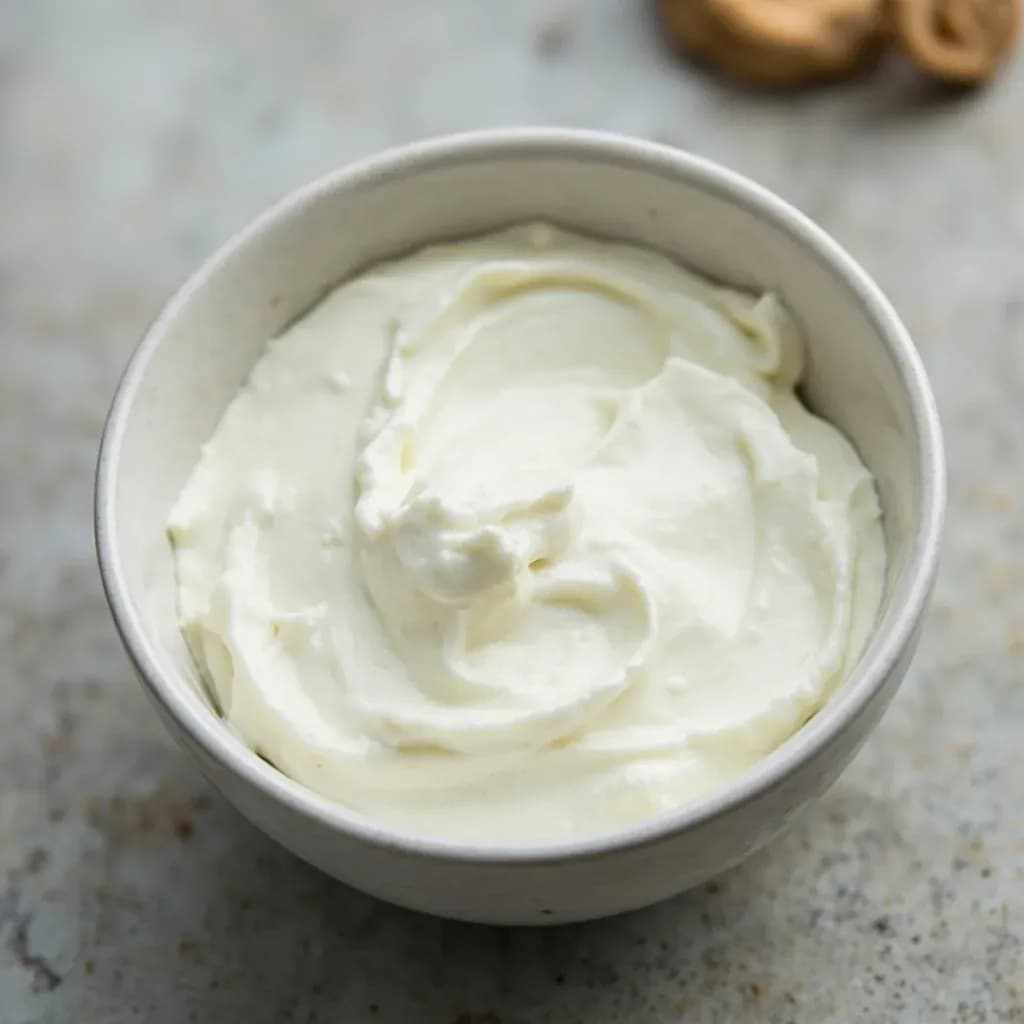
Sheep's Milk Yogurt
Thick, rich yogurt made from sheep's milk, tangier and creamier than cow's-milk yogurt.
Sheep's milk yogurt is cultured from sheep's milk, which is higher in fat and protein than cow's milk, giving an exceptionally thick, creamy, and mildly tangy result. It is common across the Balkans, Greece, and the Middle East, eaten plain, with honey, or stirred into savory dishes. Its richness also makes it well suited to cooking without curdling easily.
Sheep's milk yogurt is a cultured dairy product with ancient roots in the pastoral cultures of the Balkans, Anatolia, and the Caucasus, where sheep were easier to herd than cattle in mountainous terrain. Its flavor is distinctly tangier than cow's milk yogurt with a subtle sweetness from higher lactose content, and its texture is remarkably thick and creamy without any straining required. The milk's high solids content—approximately 25% more total solids than cow's milk—means it cultures more quickly and produces a naturally dense yogurt that holds its shape when scooped.
The nutritional profile sets sheep's milk yogurt apart: with 6–8% milk fat (versus 3–4% in most cow's milk yogurts) and about 5.5% protein, it delivers richer flavor and greater satiety per serving. It also offers 20–30% more calcium and slightly less lactose than cow's milk yogurt, making it easier to digest for some individuals with lactose sensitivity—though it is not suitable for those with severe lactose intolerance. In Greece, strained sheep's milk yogurt (strangano yogurt) is considered a distinct premium product from regular sheep's milk yogurt, commanding higher prices in markets and restaurants.
In cooking and baking, sheep's milk yogurt brings qualities that cow's milk yogurt cannot match: superior richness in sauces and soups, better moisture retention in cakes and quick breads, and a more luxurious mouthfeel in frozen desserts. Its higher fat content also makes it excellent for frothed lattes and hot beverages, producing a silkier, more stable foam than lower-fat alternatives.
- Measured in
- g
- Storage
- Fridge
Allergens
Types & varieties
Unsweetened, traditional style; the base for all other varieties
Strained to remove whey; exceptionally thick and protein-dense
Intensely strained (24–48 hours); spreadable like cream cheese; often rolled in herbs or spices
Fermented with kefir grains; thinner consistency, more tart, probiotic-rich
Made with whole sheep's milk; rich, custard-like texture
Made with partial-skim sheep's milk; still creamier than most reduced-fat cow yogurts
Making Sheep's Milk Yogurt at Home
Sheep's milk's unique properties require some adjustments from standard cow's milk yogurt recipes. The higher protein and solids content mean the milk heats and cultures differently than you might expect.
- Heat sheep's milk to 180–185°F (82–85°C) before cooling—this denatures the proteins for a better, firmer texture; skip this step and the yogurt will be grainy
- Cool rapidly to 110°F (43°C) for culturing; at this temperature add your starter culture (1–2 tablespoons of live yogurt per quart of milk)
- Incubation takes less time than cow's milk—typically 4–6 hours instead of 8–12—because the higher lactose content feeds the cultures faster
- Check for set by tilting the pot gently; the yogurt should jiggle uniformly, not separate at the edges
- Refrigerate immediately after culturing to stop the fermentation; sheep's milk yogurt continues to thicken as it cools
Cooking with Sheep's Milk Yogurt
Its richness makes it exceptionally versatile in the kitchen, but its higher protein and fat content behave differently than cow's milk yogurt under heat. Understanding these properties prevents common failures.
- Add to hot dishes off the boil and stir immediately—direct contact with boiling liquid will cause immediate curdling
- In baking with baking soda leavening, reduce soda by 1/4 teaspoon per cup of yogurt due to the higher acidity interacting with soda's lift
- For gravies and cream sauces, whisk in gradually over medium-low heat rather than adding all at once
- When using as a marinade, the acidity tenderizes meat—30 minutes to 2 hours is sufficient; longer risks mushy texture
- Frozen applications benefit from its lower ice crystal formation due to the higher fat content, producing a smoother texture than cow's milk frozen yogurt
Common uses
Tips & pitfalls
- When making labneh, strain 24–48 hours in a cheesecloth-lined colander over a bowl in the refrigerator; the longer it strains, the thicker and more spreadable it becomes
- Use a reliable thermometer when culturing: sheep's milk should be heated to 180–185°F (82–85°C) before cooling to 110°F (43°C) for culturing; this denatures proteins for better texture
- Sheep's milk yogurt is less stable at high heat than cow's milk yogurt when used in cooking; add it to hot dishes off the boil and stir immediately to prevent curdling
- Do not substitute 1:1 in recipes calling for cow's milk yogurt when baking with leavening; sheep's yogurt's higher acidity can affect soda-based lift—reduce baking soda slightly
- Season simply at the end: its delicate flavor is easily overwhelmed by strong spices or herbs
- For a quick tzatziki or dip, use it immediately after straining; it will tighten further as it sits
Nutrition
Energy
469 kJ · per 100 g
Where the calories come from
Protein
3.5g
7% DV
Carbs
23.5g
9% DV
Fat
0g
0% DV
Fiber
1.2g
4% DV
Sugars
15g
of which
Sodium
135mg
6% DV
Source · USDA FoodData Central · approx. Yogurt, chocolate, nonfat milk
View on FDC →In the shops
Matched grocery products
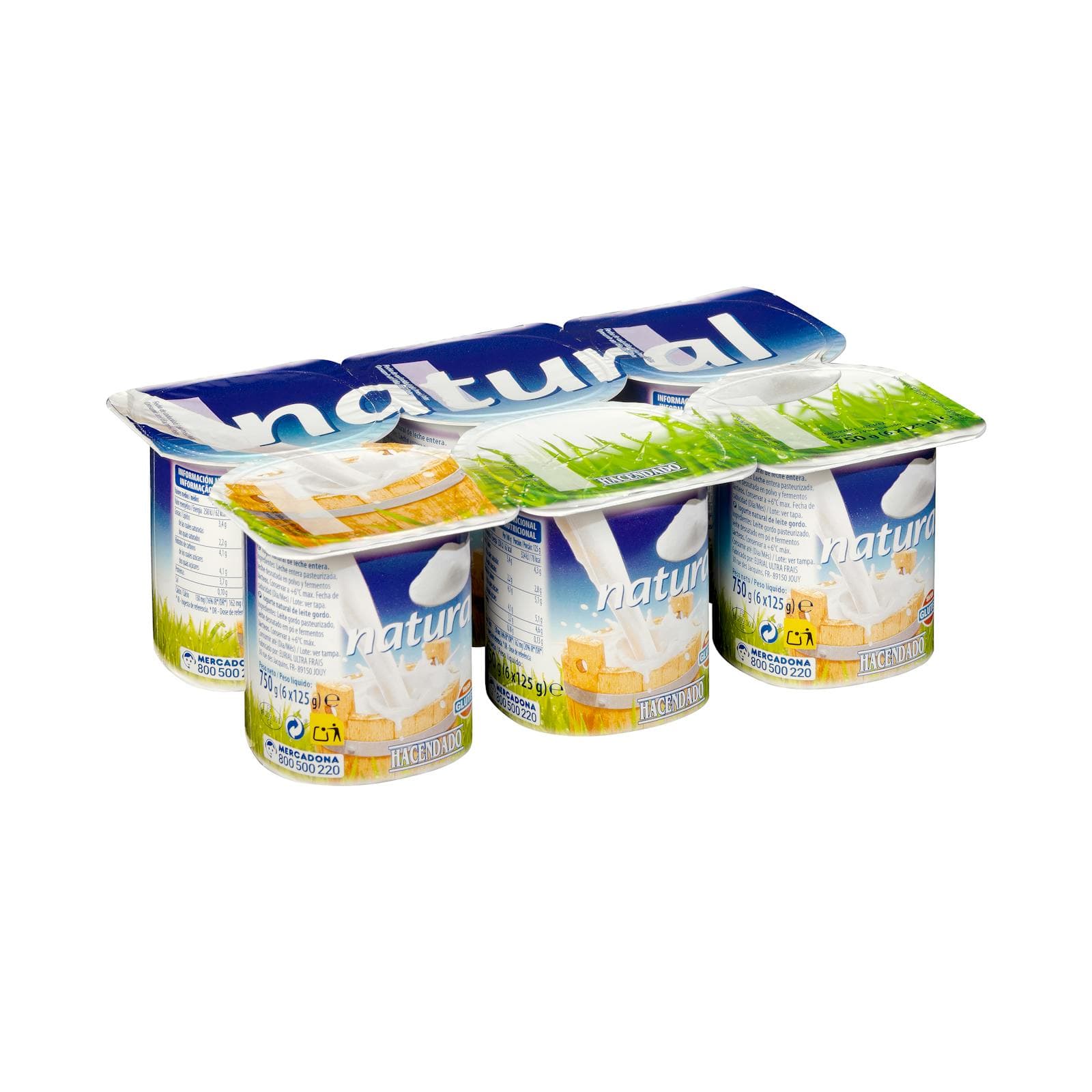 €1.00
€1.00Natural Yogurt
Hacendado · 750 g · Mercadona
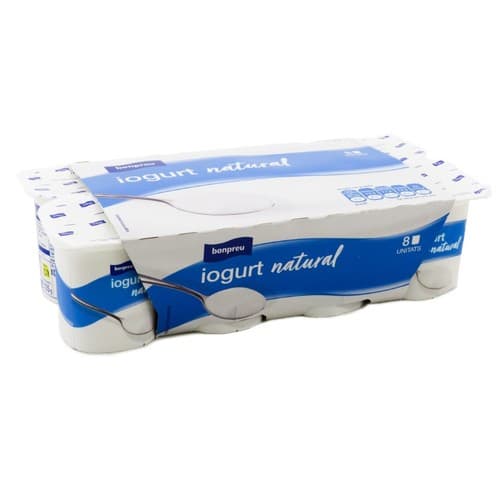 €1.34
€1.34Natural Yogurt
BONPREU · kg · Bonpreu
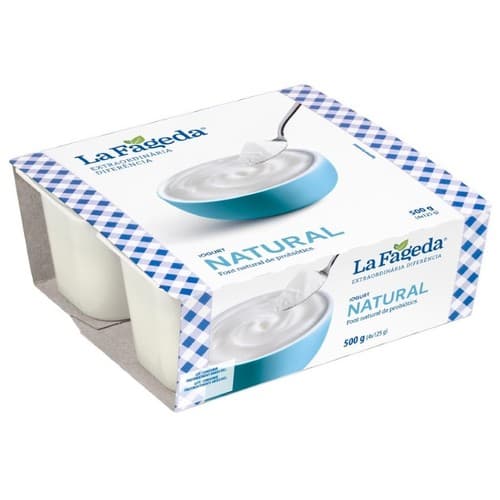 €1.90
€1.90Natural Yogurt
LA FAGEDA · kg · Bonpreu
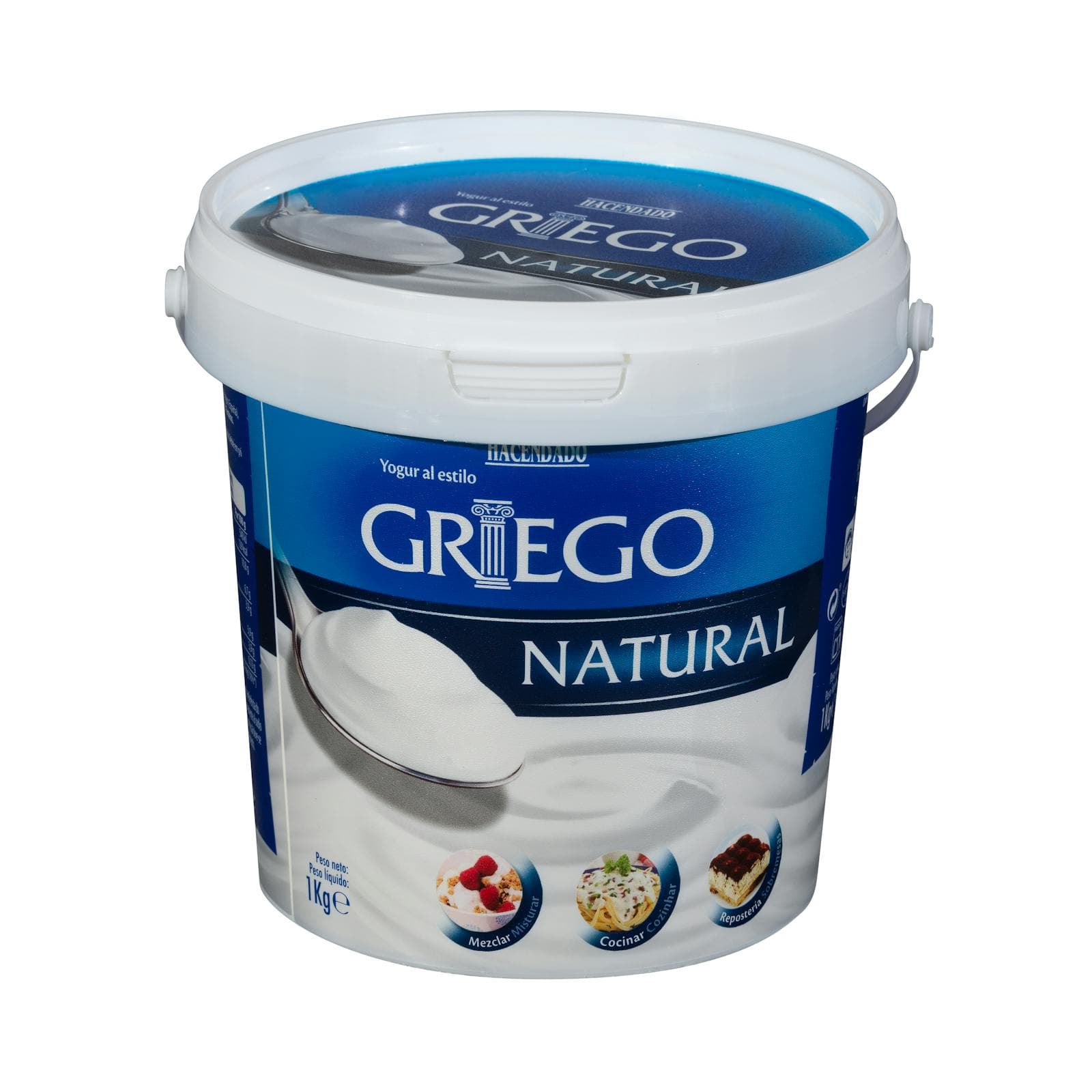 €2.20
€2.20Greek Natural Yogurt
Hacendado · 1 kg · Mercadona
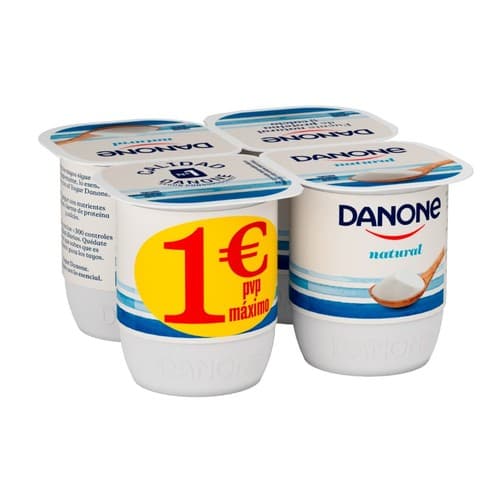 €1.00
€1.00Danone Natural Yogurt
DANONE · kg · Bonpreu
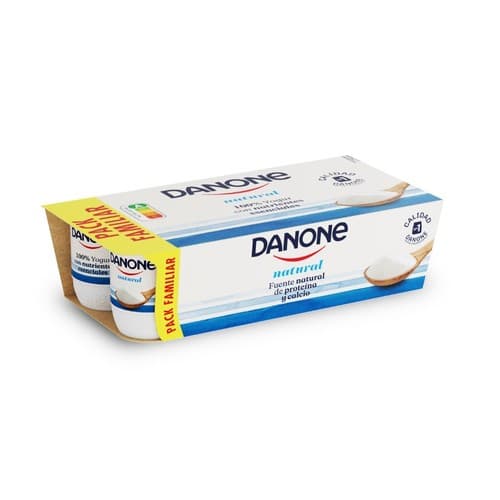 €1.99
€1.99Danone Natural Yogurt
DANONE · kg · Bonpreu
Good to know
- Milk Fat Content
- 6–8% (higher than cow's milk yogurt's typical 3–4%)
- Protein Content
- ~5.5% (significantly higher than cow's milk yogurt)
- Lactose per Serving
- Slightly lower than cow's milk yogurt; easier to digest for some individuals with lactose sensitivity
- Calcium
- 20–30% more calcium than cow's milk yogurt per serving
- Typical Origin
- Mediterranean (Greece, Turkey), Eastern Europe (Bulgaria, Romania), Central Asia
- Milk Solids
- Sheep's milk contains ~25% more total solids than cow's milk, contributing to natural thickness
- Best Storage Temp
- 40°F (4°C) or below
- Shelf Life
- 10–14 days refrigerated after opening
- Straining Yield
- Reduces by roughly 50–60% when making labneh-style concentrated yogurt
Substitutes
- Goat's Milk Yogurt — Closest flavor and texture match; slightly less rich but shares the tangy, clean finish
- Plain Greek Yogurt (Cow's Milk) — Most accessible substitute; thinner texture, milder flavor; strained Greek-style is a closer match
- Coconut Milk Yogurt — Viable dairy-free alternative with comparable creaminess; distinct coconut flavor; neutral in savory applications
- Whole Milk Cow's Yogurt, Strained — Strain regular whole-milk yogurt for 4–6 hours to approximate thickness; flavor will be milder
Pairs with
Also called
sheep's milk yogurt · sheep milk yogurt · ewe's milk yogurt
Related

Whole Milk
Rich, full-fat milk for drinking, coffee, sauces, and baking
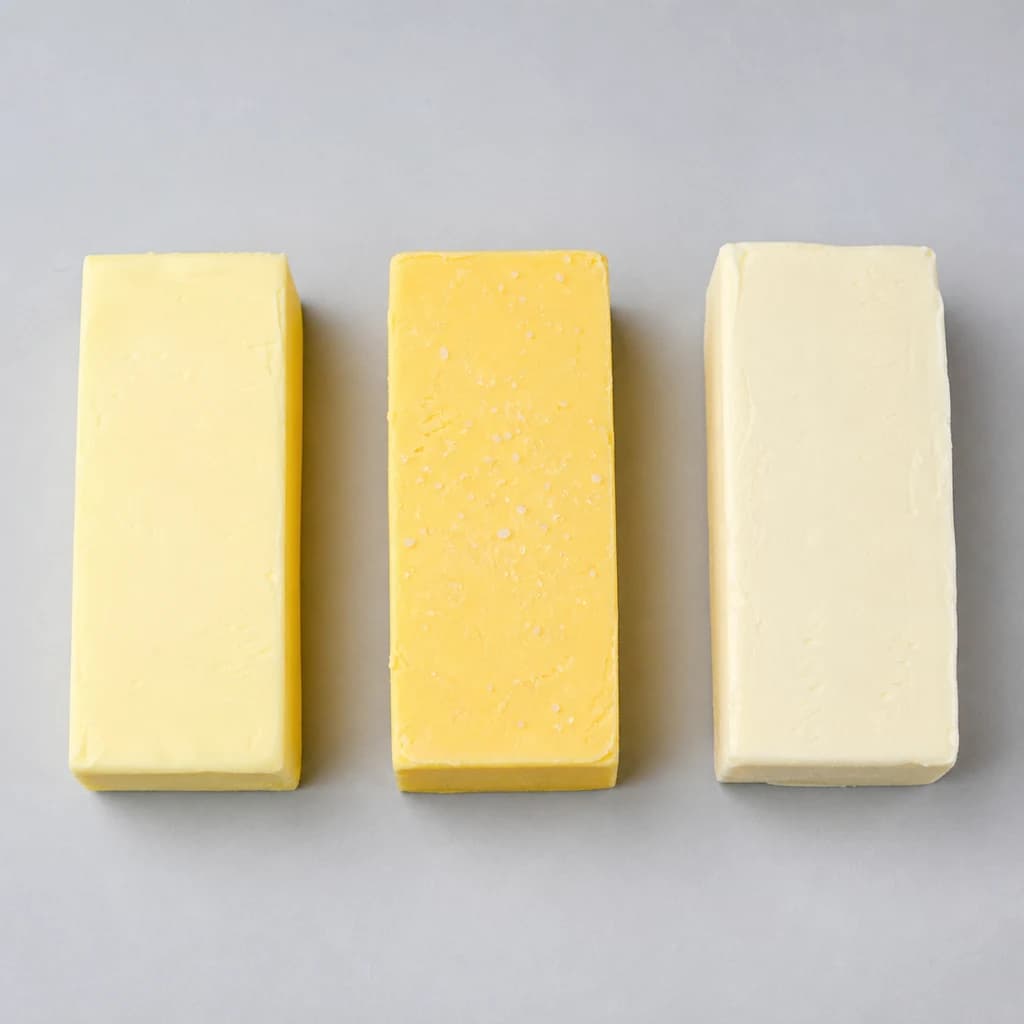
Butter
Golden fat for searing, baking, and finishing a sauce
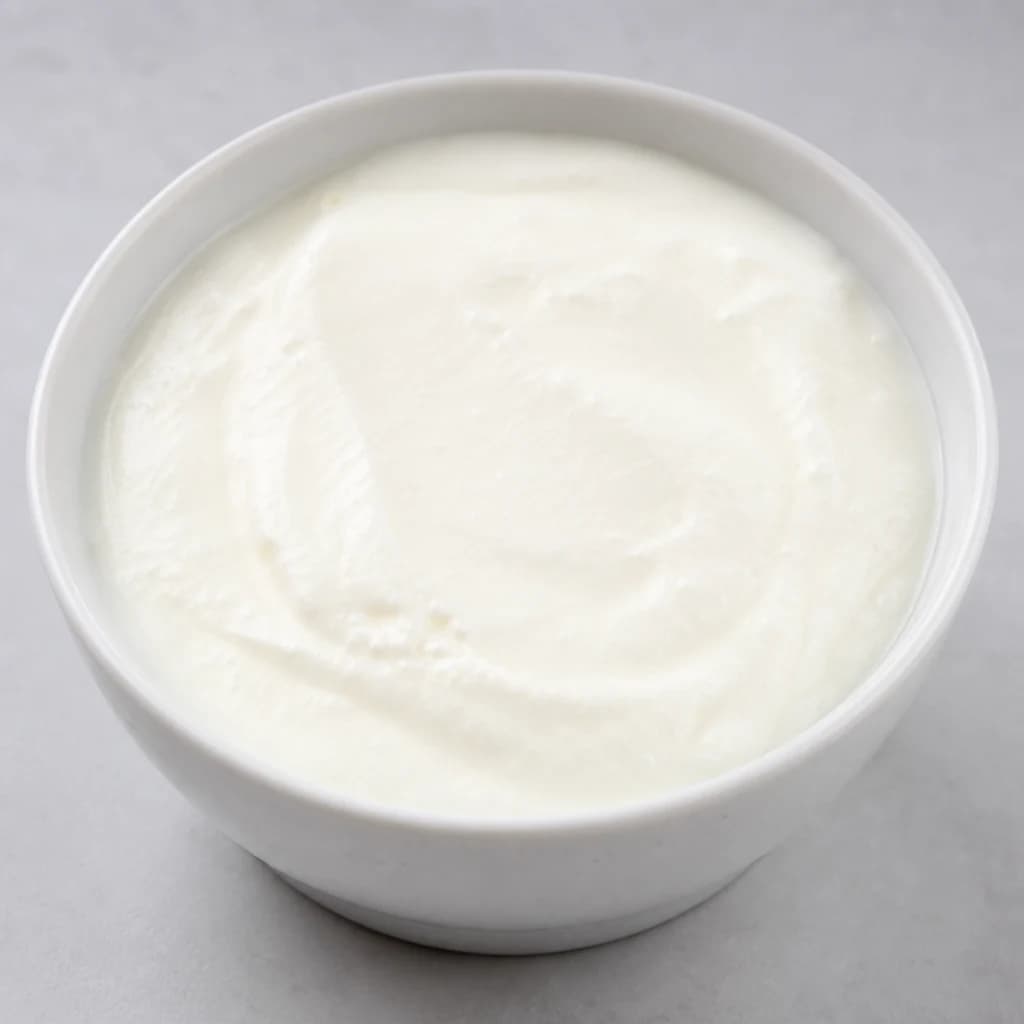
Yogurt
Tangy, creamy culture for breakfast, sauces, and marinades
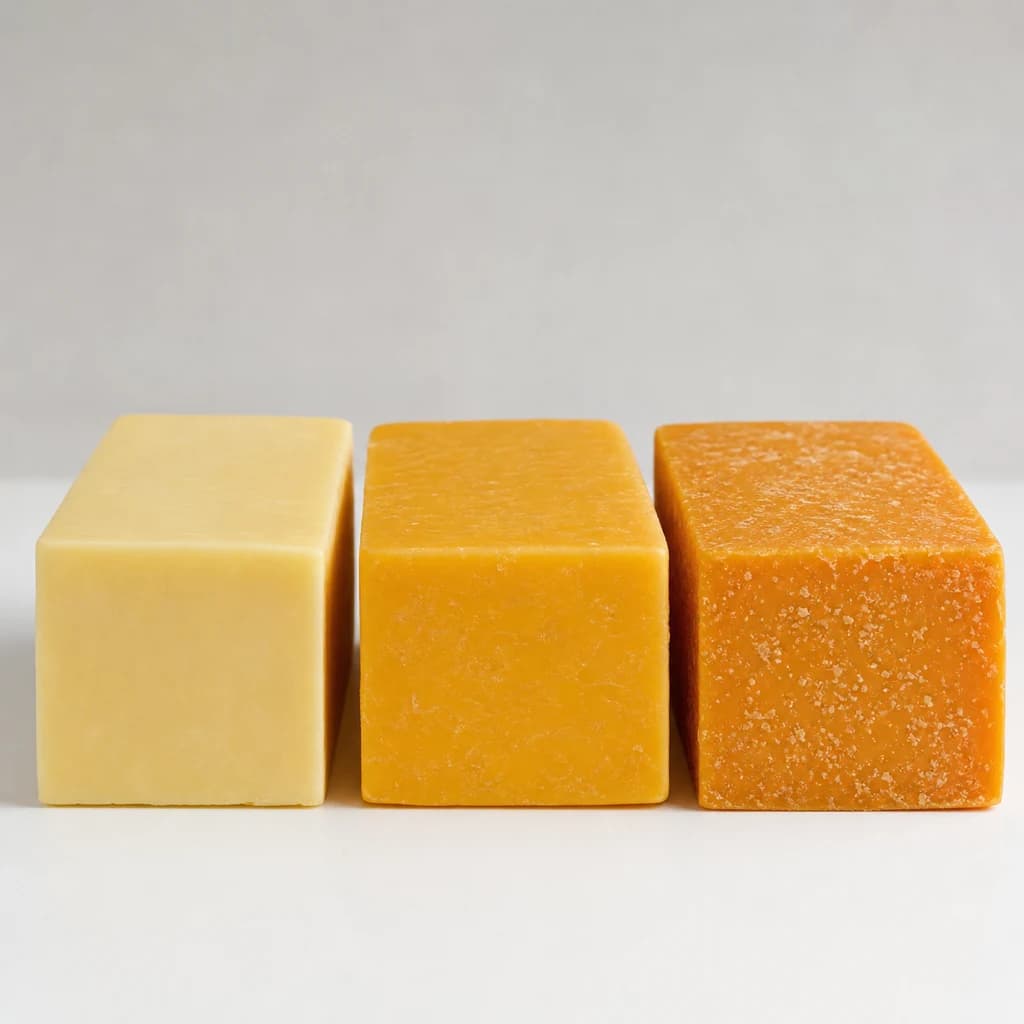
Cheddar Cheese
Sharp, melty cheese for sandwiches, gratins, and grating
Skim Milk
Fat-free milk for lighter drinking, coffee, and cooking
Heavy Cream
Rich cream that whips, enriches sauces, and sets ganache

Sour Cream
Tangy, thick cream for dolloping, baking, and dips
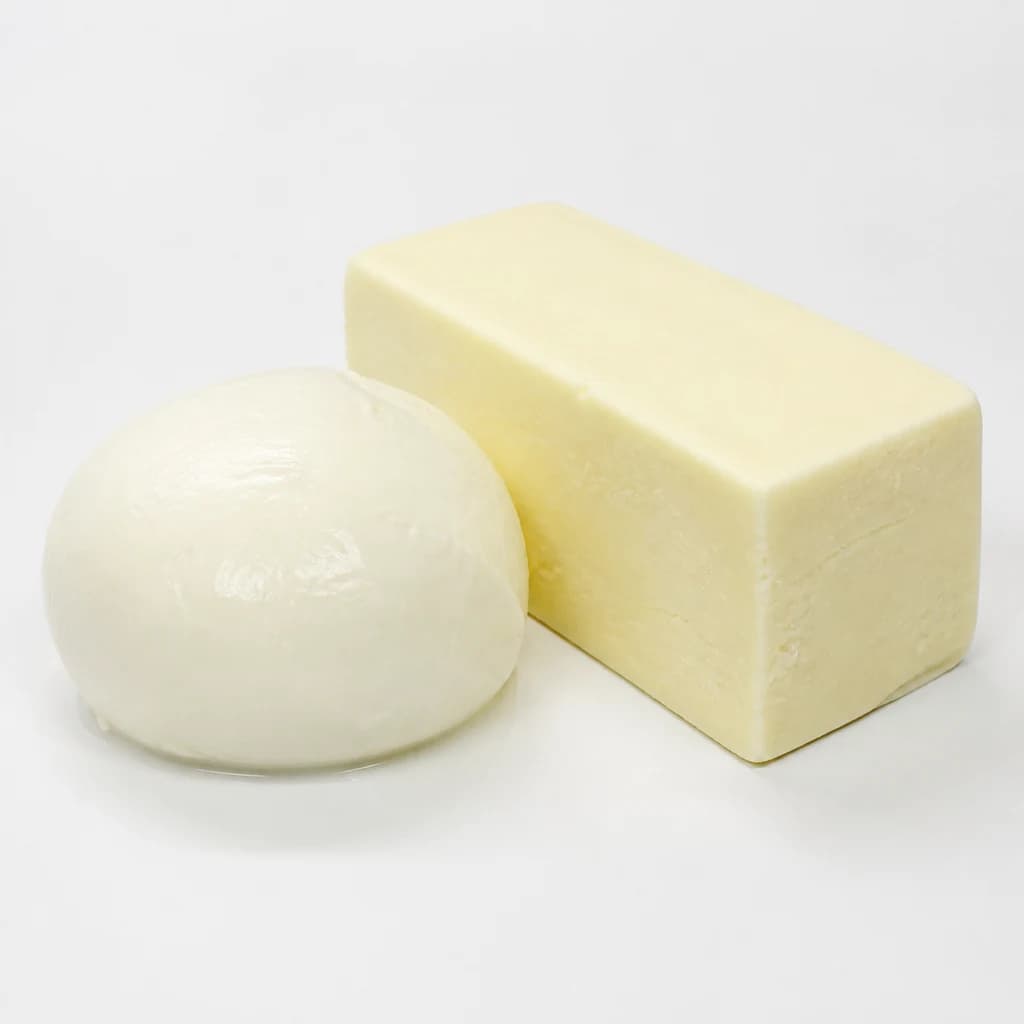
Mozzarella
Soft, milky cheese that melts into stretchy pizza pulls