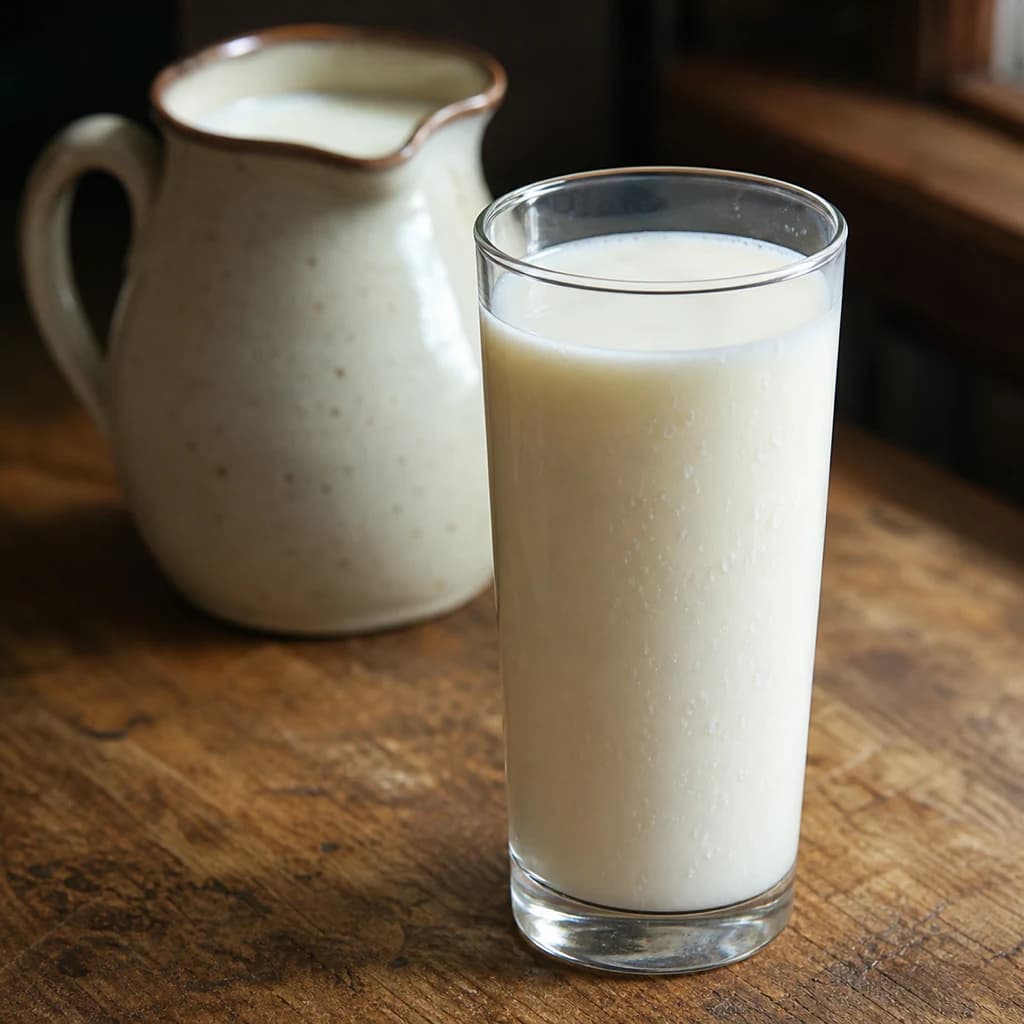
Natural form
Fresh cultured buttermilk poured into a clear glass, showing its opaque ivory color and slight viscosity.
Shows the liquid's characteristic color, opacity, and consistency so readers immediately recognize it in the dairy aisle.
Dairy & Eggs
Buttermilk
Tangy cultured milk that tenderizes batters and marinades; also drunk plain as laban.
Buttermilk is the tangy liquid traditionally left after churning butter, now usually a cultured low-fat milk. Its acidity tenderizes meat in marinades and reacts with baking soda to lift pancakes, biscuits, and cakes. In many cultures, including the Levant, it is salted and drunk as a refreshing laban beverage.
Buttermilk is a cultured fermented dairy product with a smooth, tangy character that makes it indispensable in both baking and cooking. The name is a historical artifact: traditional farmhouse buttermilk was the leftover liquid from churning cultured cream into butter. Modern commercial buttermilk is made by fermenting low-fat or skim milk with specific lactic acid bacteria—primarily Leuconostoc and Lactobacillus species—which produce lactic acid and give it its distinctive tang and thick, pourable consistency. Its acidity, with a pH between 4.4 and 4.8, is the defining functional property in cooking: the lactic acid reacts with baking soda to generate carbon dioxide for leavening, while simultaneously tenderizing gluten strands and lowering batter pH for better browning. Across the world, similar cultured milks are enjoyed as beverages—laban in the Middle East, ayran in Turkey, lassi in South Asia—all sharing the same principle of slightly fermented, refreshing milk. In baking, buttermilk's dual action makes it uniquely valuable: it provides lift, moisture, and flavor in a single ingredient.
- Measured in
- ml
- Storage
- Fridge
Allergens
Types & varieties
Most common commercial variety; made by adding lactic acid bacteria (Leuconostoc, Lactobacillus) to low-fat or skim milk
Leftover liquid from churning cultured cream into butter; thinner and less tangy, rarely found commercially
Made from 2% milk; slightly thinner but functionally equivalent in baking and cooking
Often slightly tangier; common in Scandinavia, Germany, and Poland
The Acid-Alkali Reaction in Baking
Buttermilk's primary function in baking is its chemical reaction with baking soda. When the lactic acid in buttermilk meets the alkalinity of baking soda, it produces carbon dioxide gas, which creates the lift and open crumb structure in biscuits, scones, pancakes, and quick breads. This reaction happens immediately upon mixing, so batter should go into the oven right away. The acid also tenderizes gluten by lowering the pH during mixing, resulting in a more delicate texture. Importantly, this reaction requires baking soda—baking powder alone won't leverage buttermilk's acidity effectively. A common mistake is using baking powder in a recipe written for buttermilk and baking soda; the proportions and chemistry differ significantly.
- Buttermilk + baking soda = immediate CO₂ release and lift
- Use baking soda, not just baking powder, with buttermilk
- Batter with buttermilk should go into the oven quickly after mixing
- The acid tenderizes gluten for a more delicate crumb
Marinade Chemistry for Meat
In marinades, buttermilk serves two functions: the acid denatures surface proteins to create a tender, juicy crust, while the enzymes (particularly from the bacterial culture) gently break down connective tissue over time. This is why fried chicken soaked in buttermilk develops that distinctive crisp, golden coating that adheres beautifully. The protein-rich buttermilk also helps flour dredges stick, creating a lacy, crunchy crust. The key is timing: 30 minutes to 2 hours is sufficient for most cuts. Beyond 4 hours, especially with thin cuts like chicken cutlets, the surface proteins over-tenderize and turn mushy, and the coating won't adhere properly. If you're brining chicken overnight, use plain seasoned liquid instead of buttermilk.
- Acid denatures surface proteins; enzymes break down connective tissue
- Creates ideal surface for coating adhesion
- 30 minutes to 2 hours is sufficient marinating time
- Over-marinating (4+ hours) makes meat mushy and coating won't stick
Common uses
Tips & pitfalls
- Use room-temperature buttermilk in baking—cold buttermilk doesn't activate baking soda as effectively and results in dense, flat baked goods
- Always combine buttermilk with baking soda, not baking powder alone—the acid needs an alkali to react and create lift
- For a quick homemade substitute: add 1 tablespoon lemon juice or white vinegar to 1 cup regular milk; let stand 5 minutes until curdled
- Don't over-marinate meat—30 minutes to 2 hours is sufficient; beyond 4 hours, texture becomes mushy and coating won't adhere
- If batter is too thick after mixing, thin with regular milk, not more buttermilk—adding more buttermilk disrupts the acid-alkali balance
- Buttermilk is already cultured—do not attempt to culture it further unless you're specifically making a fermented recipe like crème fraîche
- Dressings made with buttermilk taste better prepared ahead—flavors meld overnight in the refrigerator
- To prevent curdling in hot soups: temper the buttermilk by whisking in a small amount of hot liquid before adding it to the pot
- Store buttermilk with the lid tightly sealed—it's acidic and can corrode metal lids over time
Nutrition
Energy
845 kJ · per 100 g
Where the calories come from
Protein
1.3g
3% DV
Carbs
21.3g
8% DV
Fat
12.4g
16% DV
Fiber
1.1g
4% DV
Sugars
3.8g
of which
Sodium
1120mg
49% DV
Source · USDA FoodData Central · approx. Salad dressing, buttermilk, lite
View on FDC →In the shops
Matched grocery products
No matched grocery products for Buttermilk yet.
Good to know
- Type
- Cultured fermented dairy product
- Fat content
- Typically 1–2% (low-fat); full-fat versions available
- pH
- 4.4–4.8 (mildly acidic)
- Calories
- ~99 per 240 ml cup
- Protein
- ~8 g per cup
- Origin
- Traditional version is butter-churning byproduct; cultured version from Northern and Eastern Europe
- Shelf life
- 2–3 weeks refrigerated after opening; check date on unopened container
- Do not freeze
- Texture breaks down significantly when frozen
Substitutes
- Milk + lemon juice or white vinegar — Add 1 tablespoon acid to 1 cup milk; let stand 5 minutes until visibly curdled. Closest functional match for baking recipes.
- Yogurt thinned with milk or water — Use 1:1 ratio; tangier and thicker than buttermilk. Works well in marinades and dressings but less effective for leavening.
- Sour cream thinned with milk — Good for dips and dressings; not ideal for baking due to lower acid content and higher fat.
- Plain kefir — Similar tang, consistency, and acidity; use 1:1 as a direct substitute in most applications including baking and marinades.
- Thin plain yogurt blended smooth — Stir or blend until smooth before using; works in dressings and marinades but may be thicker than buttermilk.
Pairs with
Also called
Kærnemælk · Lben · Maślanka · Laban · Cultured Buttermilk
Appears in these dishes
Related

Whole Milk
Rich, full-fat milk for drinking, coffee, sauces, and baking
Butter
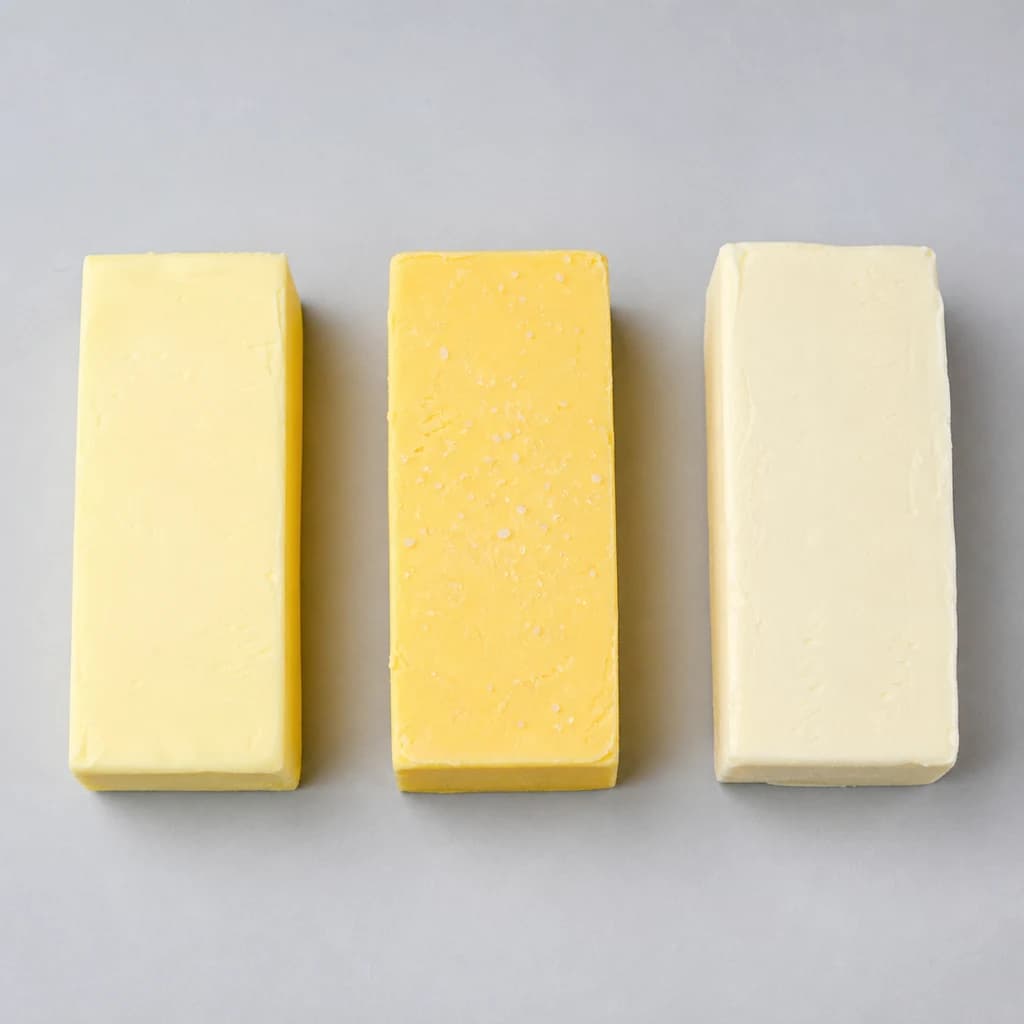
Golden fat for searing, baking, and finishing a sauce
Yogurt
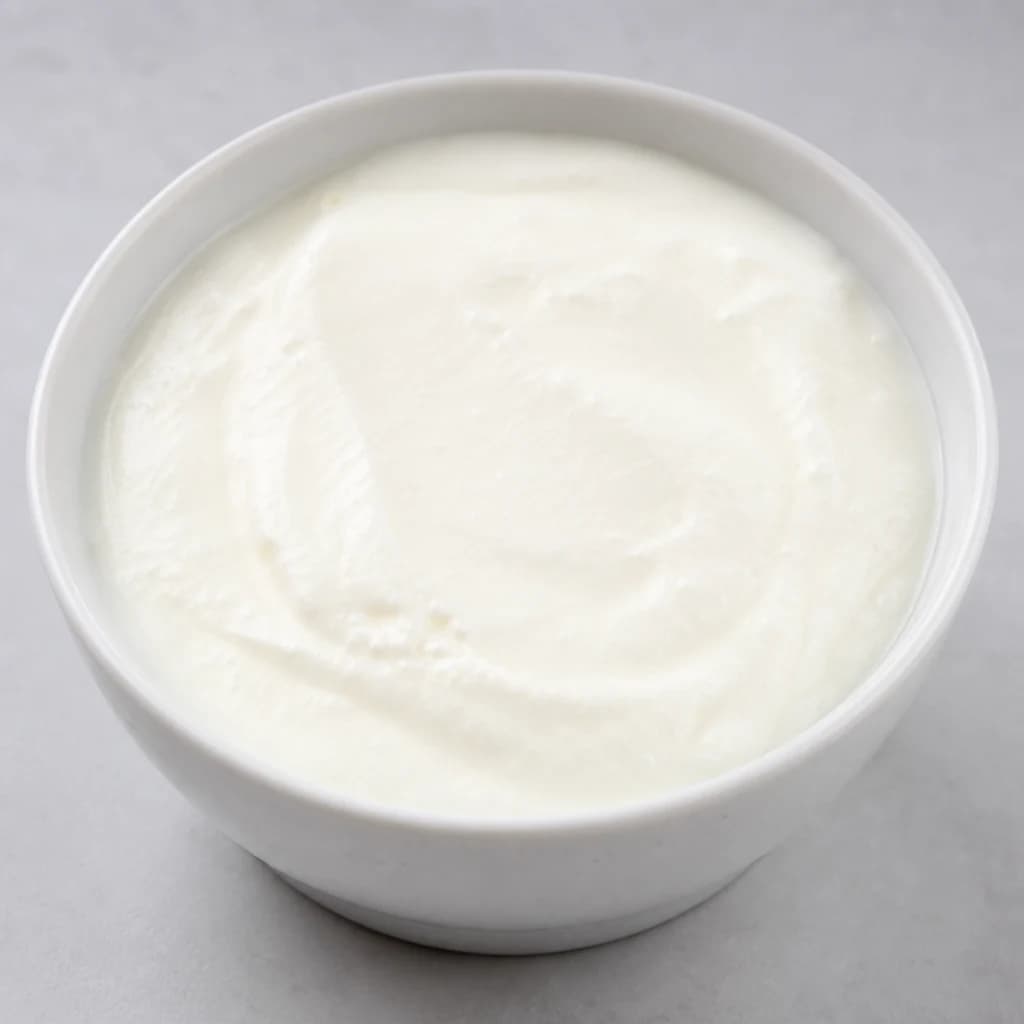
Tangy, creamy culture for breakfast, sauces, and marinades
Cheddar Cheese
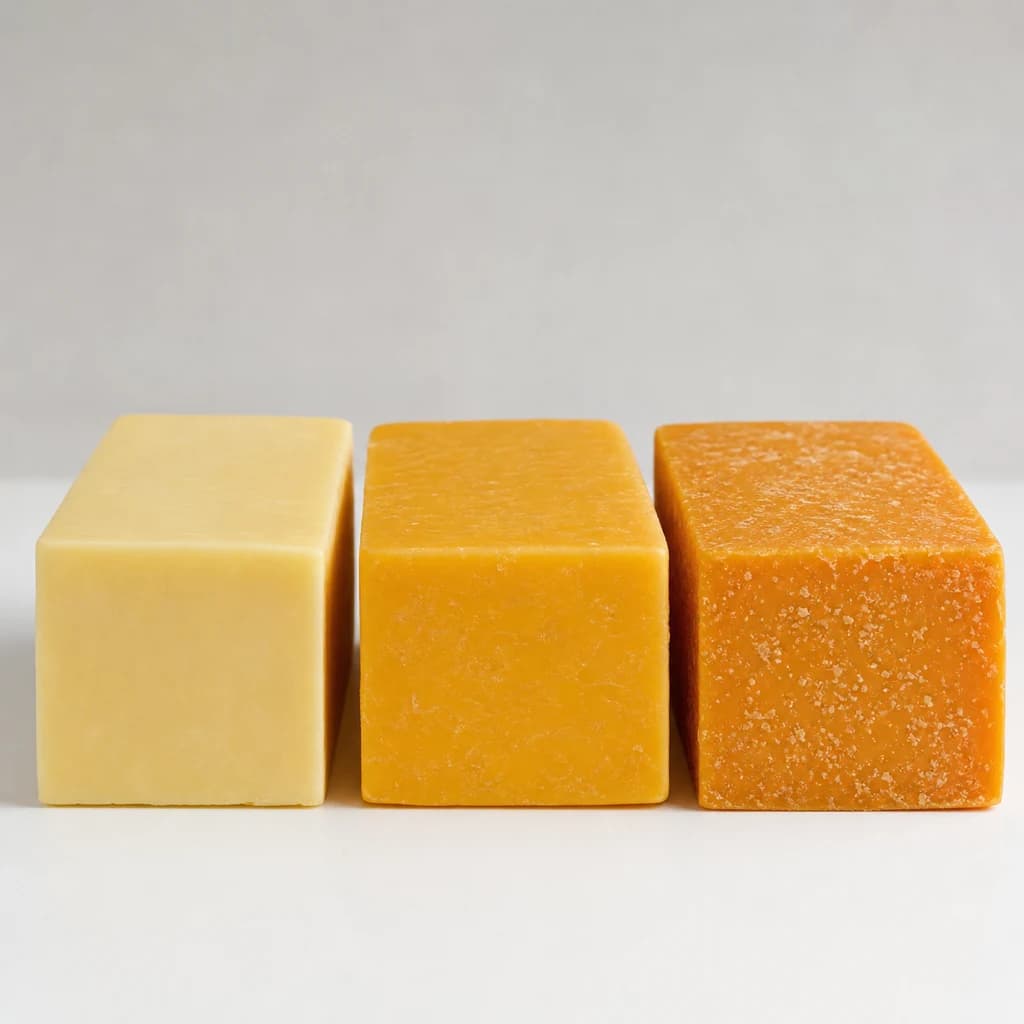
Sharp, melty cheese for sandwiches, gratins, and grating
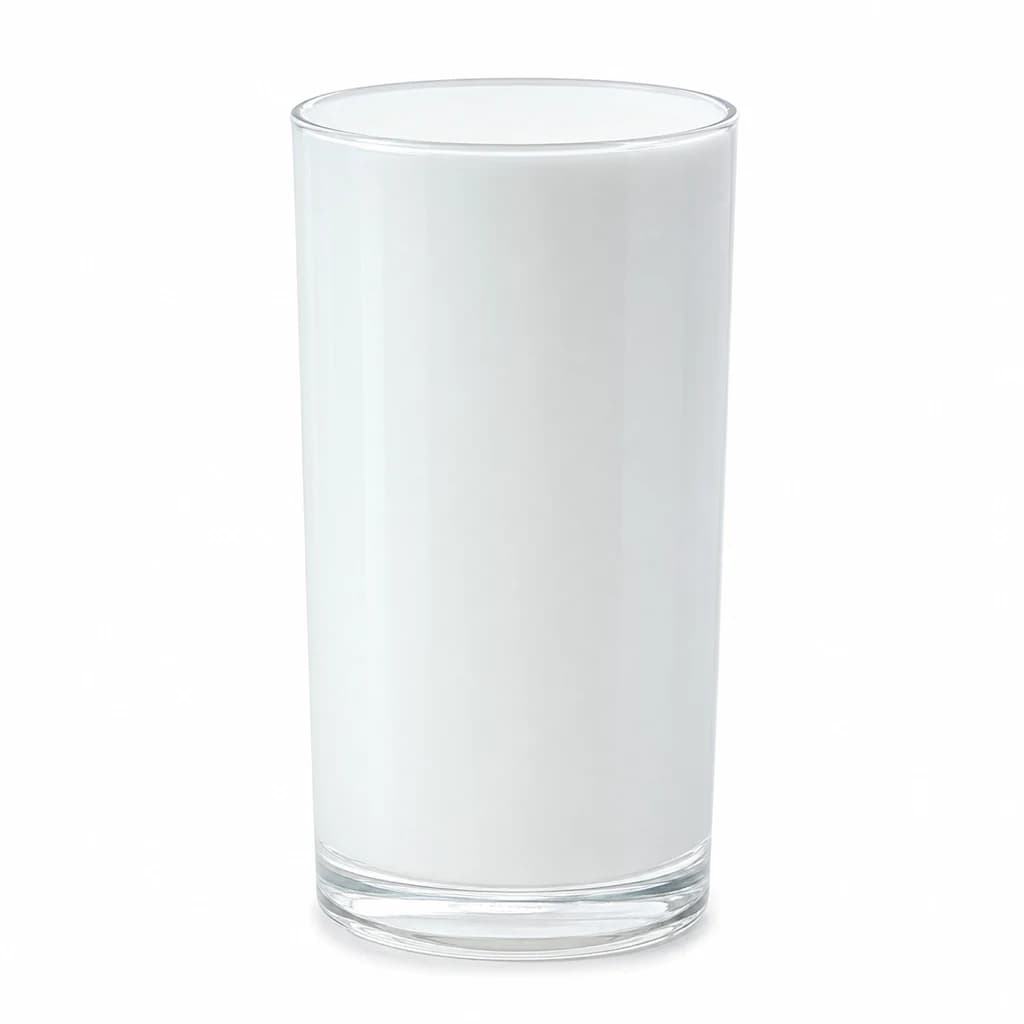
Skim Milk
Fat-free milk for lighter drinking, coffee, and cooking
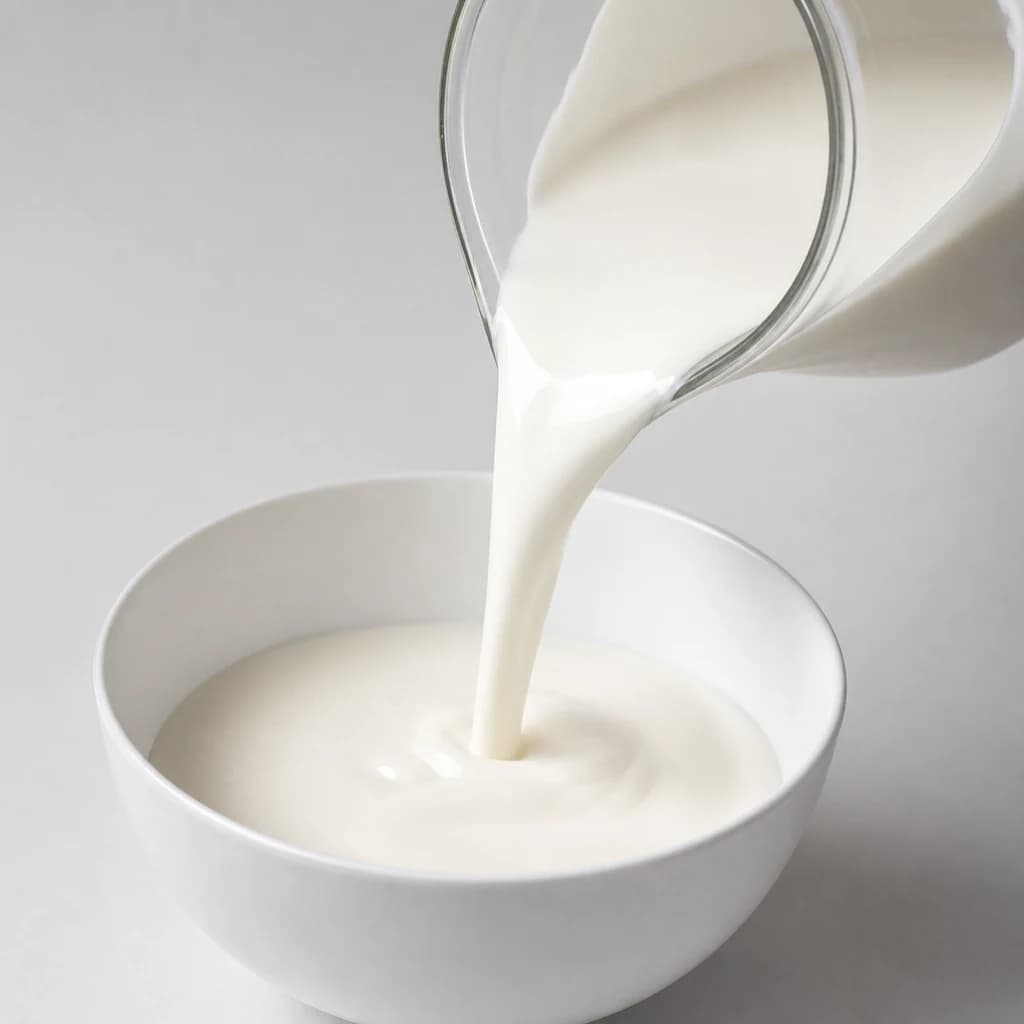
Heavy Cream
Rich cream that whips, enriches sauces, and sets ganache

Sour Cream
Tangy, thick cream for dolloping, baking, and dips
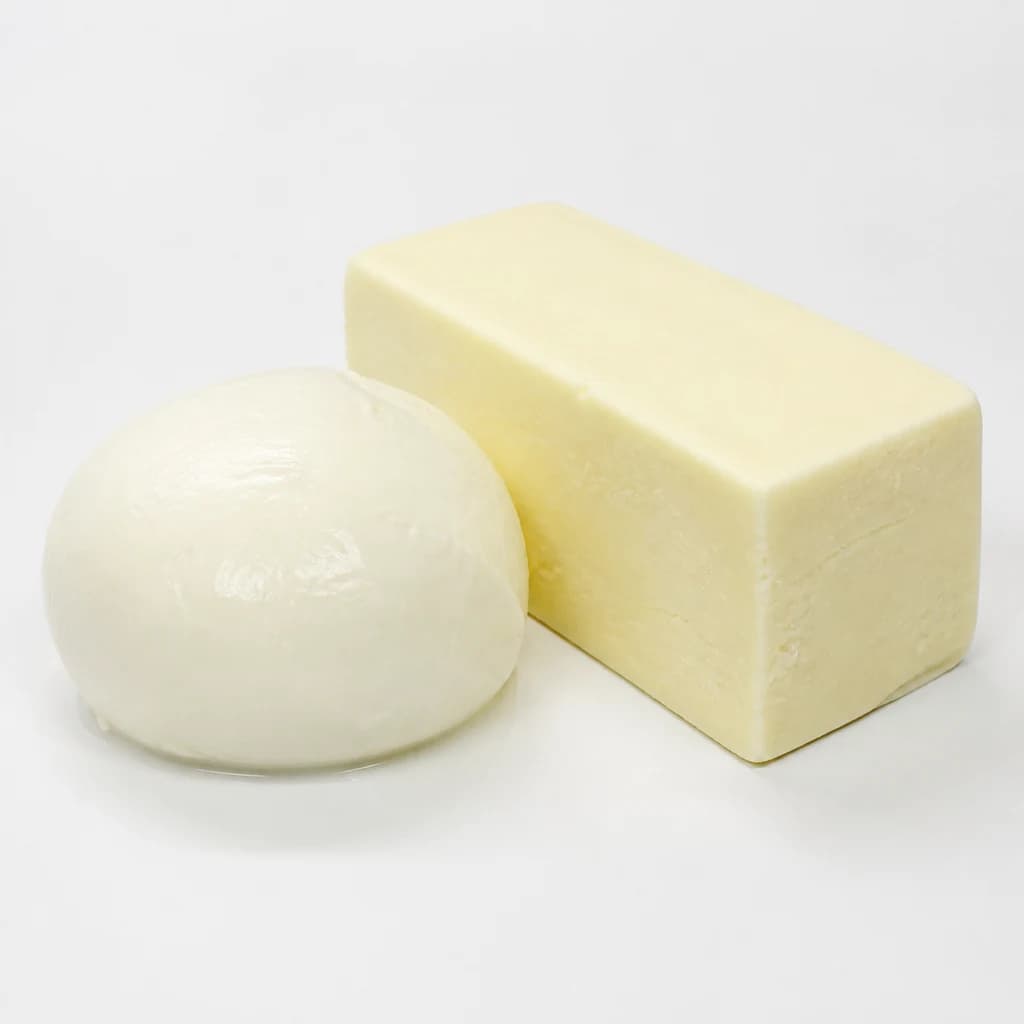
Mozzarella
Soft, milky cheese that melts into stretchy pizza pulls