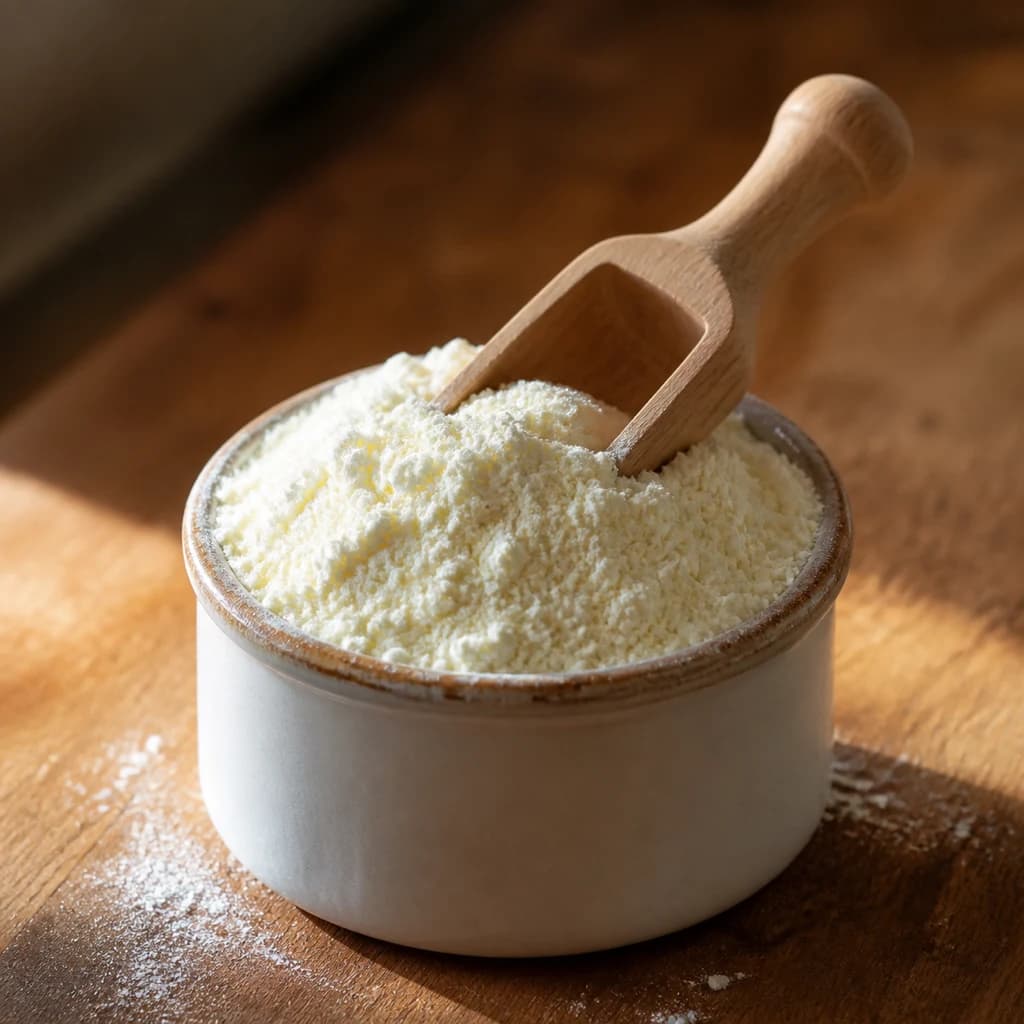
Stored
Milk powder stored in a tin, showing its fine dry white powder form.
Shows the pantry-staple form readers encounter — loose fine white powder with characteristic dry, clumping texture.
Dairy & Eggs
Milk Powder
Dehydrated milk solids in powder form; reconstituted with water or added to baking and sweets for richness.
Milk powder is made by evaporating milk to a dry powder, available in whole, skimmed, and non-fat forms. It is reconstituted with water as a milk substitute or stirred directly into bakes, confections, and Indian sweets for concentrated dairy flavor. Its long shelf life makes it a pantry staple where fresh milk is scarce.
Milk powder is fresh milk with the water removed through spray drying or roller drying, leaving concentrated milk solids that store for months without refrigeration. The spray-drying process atomizes milk into fine droplets falling through heated air, producing the fine powder most commonly found in grocery stores; roller drying spreads milk onto heated drums and yields denser, larger flakes. What makes milk powder invaluable in cooking is its dual function: it can be reconstituted with water as a liquid dairy substitute, or added directly to dry ingredients to contribute dairy richness, protein, and browning capacity without altering batter consistency. In baking, milk powder inhibits staling by binding water and, through its proteins, interferes with excessive gluten development, resulting in a softer, more tender crumb. The lactose content promotes the Maillard reaction for deeper crust color and plays a critical role in confectionery, providing the right sugar balance for controlled crystallization in fudge and caramel. Skim milk powder dominates commercial baking because its negligible fat content ensures consistent, predictable performance, while whole milk powder is preferred when dairy flavor and superior browning are priorities. When used as a dry addition in baking, milk powder is typically incorporated at 2–8% of flour weight—enough to improve texture and shelf life without making the crumb noticeably milky.
- Measured in
- g
- Storage
- Pantry
Allergens
Types & varieties
26–30% butterfat; superior dairy flavor and browning in breads and pastries
Virtually fat-free; higher protein-to-carbohydrate ratio; standard in commercial baking
Cultured; tangy flavor; adds tenderness and moisture to baked goods
Byproduct of cheese making; high albumin protein; different functional properties than milk powder
High fat content; used in confections and sauces for richness
Pre-agglomerated particles; dissolves readily in cold water without lumps
Pre-sweetened; used in confections and desserts
Skim milk dehydrated to a shelf-stable powder. Reconstitutes into fat-free milk and enriches bread doughs, caramels, and yogurt for added body without extra liquid.
Reconstitution vs. Direct Addition
Milk powder serves two distinct functions in cooking, and understanding when to use each matters for recipe success. When reconstituted (typically 1 part powder to 3–4 parts water), it becomes a liquid dairy substitute for drinking, in béchamels, or anywhere fresh milk is called for. But when added directly to dry ingredients—flour, sugar, leavening—it behaves differently: the powder distributes evenly throughout the batter, contributing dairy solids without adding moisture that would alter dough consistency. This dry addition method is why milk powder is so valuable in boxed baking mixes, where liquid milk would degrade shelf stability.
- Reconstitute when the recipe structure depends on liquid hydration
- Add directly to dry ingredients when you need dairy flavor without liquid dilution
- In bread doughs, dry addition of 2–4% of flour weight improves crust color and crumb tenderness
- For confections like fudge, dry addition gives you lactose for crystallization control without extra water
Milk Powder in Confectionery
The lactose in milk powder is a secret weapon in confectionery. Lactose crystallizes at a specific rate and temperature, which means it does not behave like sucrose or glucose syrups. When making fudge, divinity, or fondant, milk powder provides the lactose necessary for that characteristic smooth, slightly grainy texture. Without it, these candies tend to be greasy or overly sticky rather than scoopable and tender.
- Add milk powder to fudge bases for proper crystal structure and scoopable texture
- In caramel, lactose slows crystallization for a chewier, more controlled result
- Fondant made with milk powder has better stability and a less sticky surface
- The protein in milk powder also helps retain moisture, keeping confections fresh longer
Common uses
Tips & pitfalls
- Store in airtight containers with oxygen absorbers; humidity is the enemy of milk powder shelf life
- Always sift before adding to dry ingredients to prevent lumps in batters and doughs
- Even when not reconstituting, powder can be added directly to dry mixes—no need to make milk first
- For bread baking, 2–4% of flour weight as milk powder improves crust color and tenderizes the crumb
- Do not substitute 1:1 for liquid milk in recipes expecting the same hydration; adjust other liquids accordingly
- Fat in whole milk powder can go rancid with age; always check for off odors before using in baking
- In chocolate work, milk powder adds dairy flavor without the water that liquid milk would introduce
- For maximum browning, choose whole milk powder over skim
- When using in confectionery, weigh rather than measure by volume for consistency
Nutrition
Energy
1619 kJ · per 100 g
Where the calories come from
Protein
34.3g
69% DV
Carbs
49g
18% DV
Fat
5.8g
7% DV
Fiber
0g
0% DV
Sugars
49g
of which
Sodium
517mg
22% DV
Source · USDA FoodData Central · Milk, buttermilk, dried
View on FDC →In the shops
Matched grocery products
No matched grocery products for Milk Powder yet.
Good to know
- Main Types
- Whole (26–30% fat) and Skim (non-fat, ~35–37% protein)
- Processing
- Spray drying or roller drying after milk concentration
- Reconstitution Ratio
- 1 part powder to 3–4 parts water for whole milk; always check specific product label
- Lactose Content
- 50–55% of skim milk powder solids by weight
- Shelf Life
- Unopened: 18–24 months; Opened: 1–3 months in airtight container
- Storage
- Cool, dry place; protect from humidity and temperature fluctuations
- Fat Stability
- Whole milk powder fat prone to oxidation; check for off odors before use
- Protein Content
- Skim milk powder delivers ~35–37% protein by weight of solids
Substitutes
- Evaporated Milk — Reconstitute by mixing 1 part powder with 2 parts water as alternative to canned; not equivalent in all applications
- Dry Whey — Similar dairy solids but different protein profile; may affect texture in some baked goods
- Soy Milk Powder — Plant-based alternative with different flavor and functional properties
- Coconut Milk Powder — Dairy-free option for those avoiding milk protein; distinct coconut flavor
- Greek Yogurt Powder — Provides tanginess and protein; functional differences in some applications
Pairs with
Also called
Powdered Milk · Nonfat Dry Milk · Non-Fat Dry Milk · Whole Milk Powder · Skimmed Milk Powder · Dried Milk
Appears in these dishes
Related

Whole Milk
Rich, full-fat milk for drinking, coffee, sauces, and baking
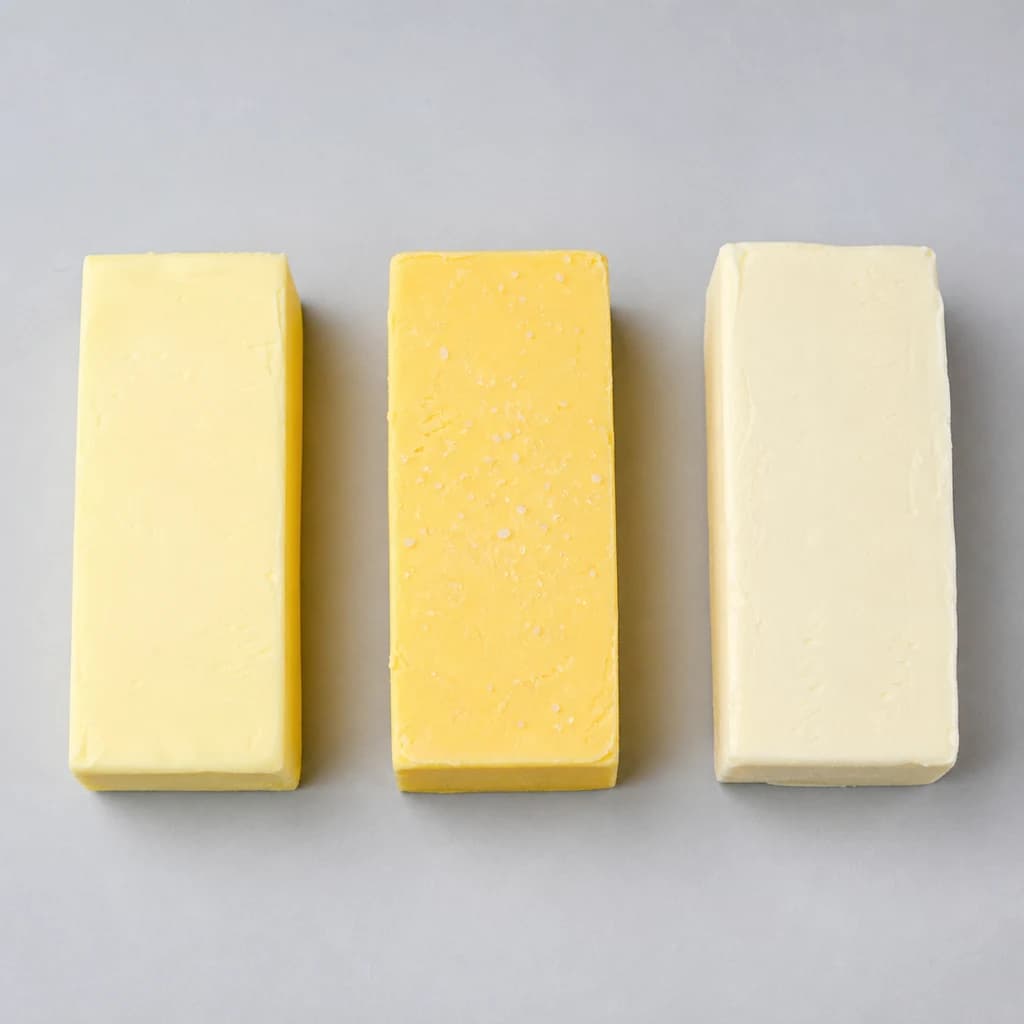
Butter
Golden fat for searing, baking, and finishing a sauce
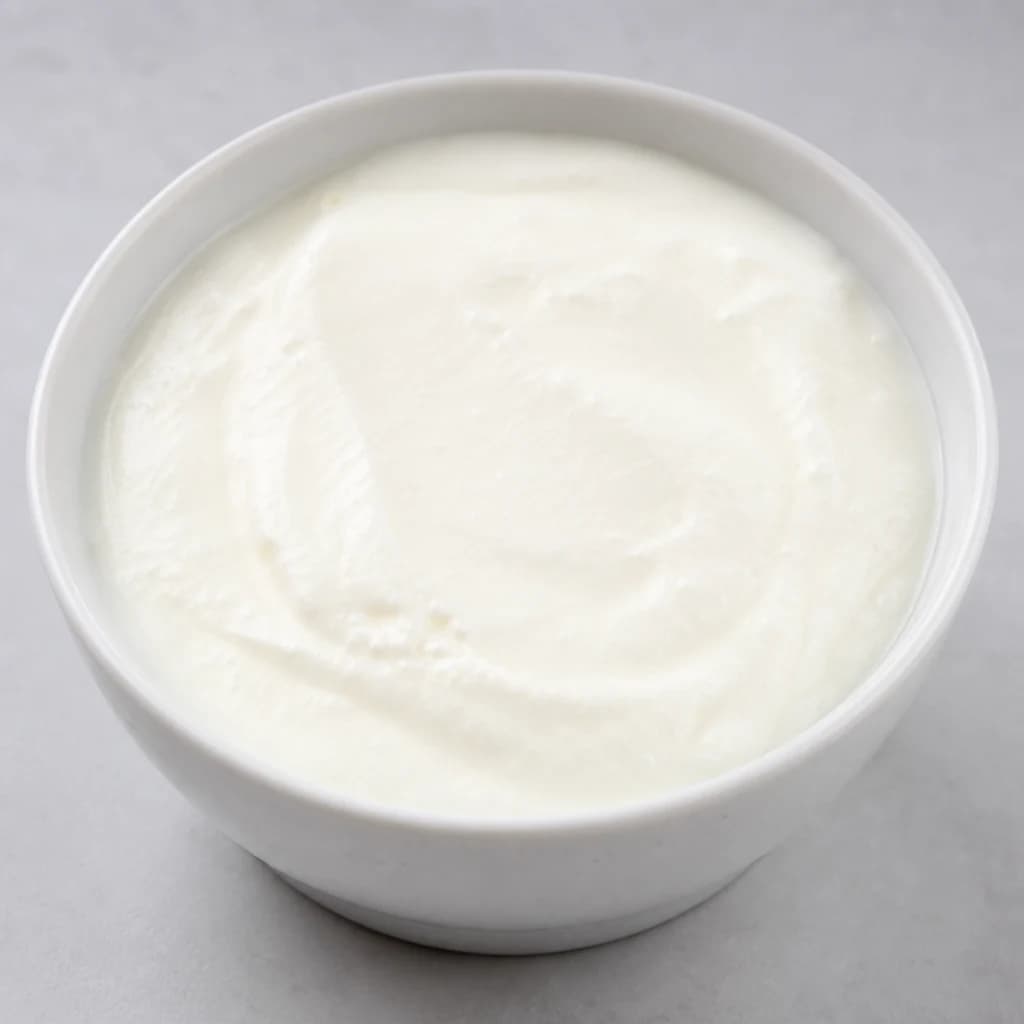
Yogurt
Tangy, creamy culture for breakfast, sauces, and marinades
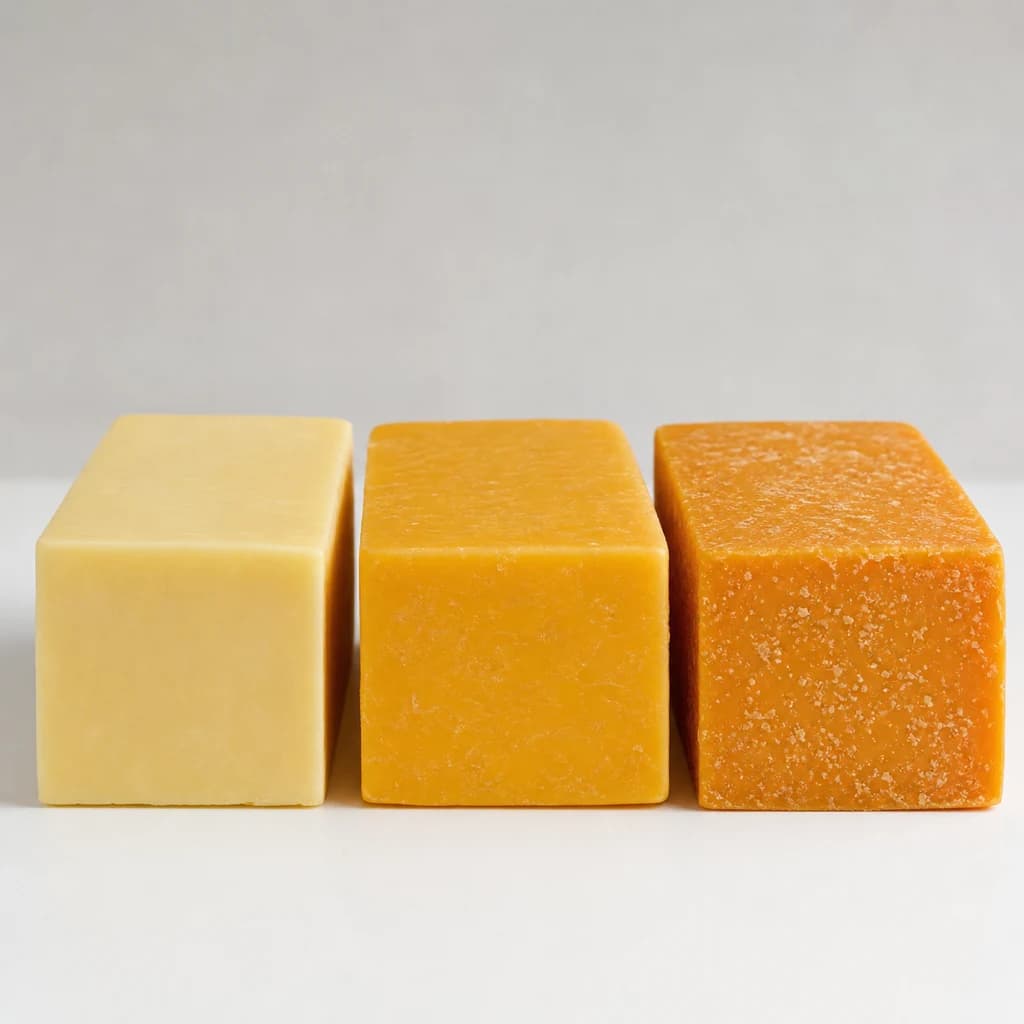
Cheddar Cheese
Sharp, melty cheese for sandwiches, gratins, and grating
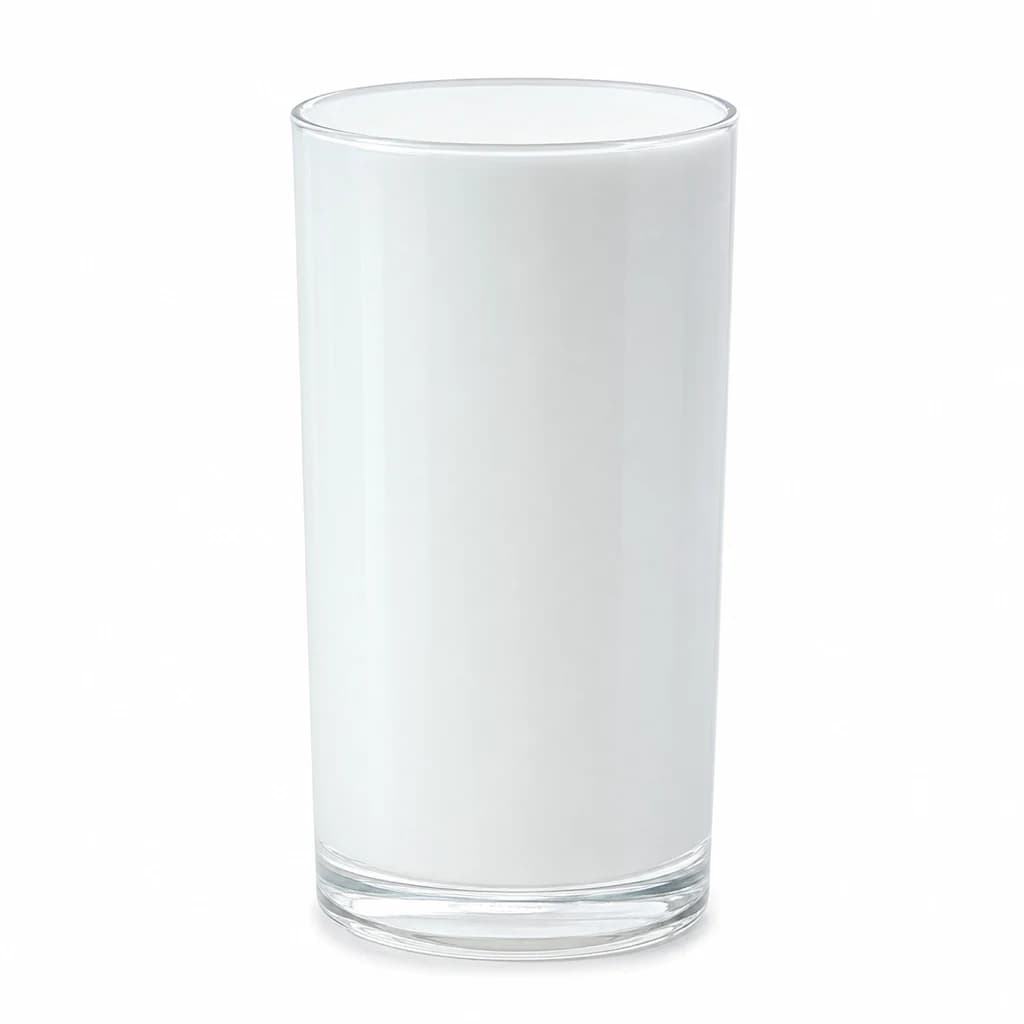
Skim Milk
Fat-free milk for lighter drinking, coffee, and cooking
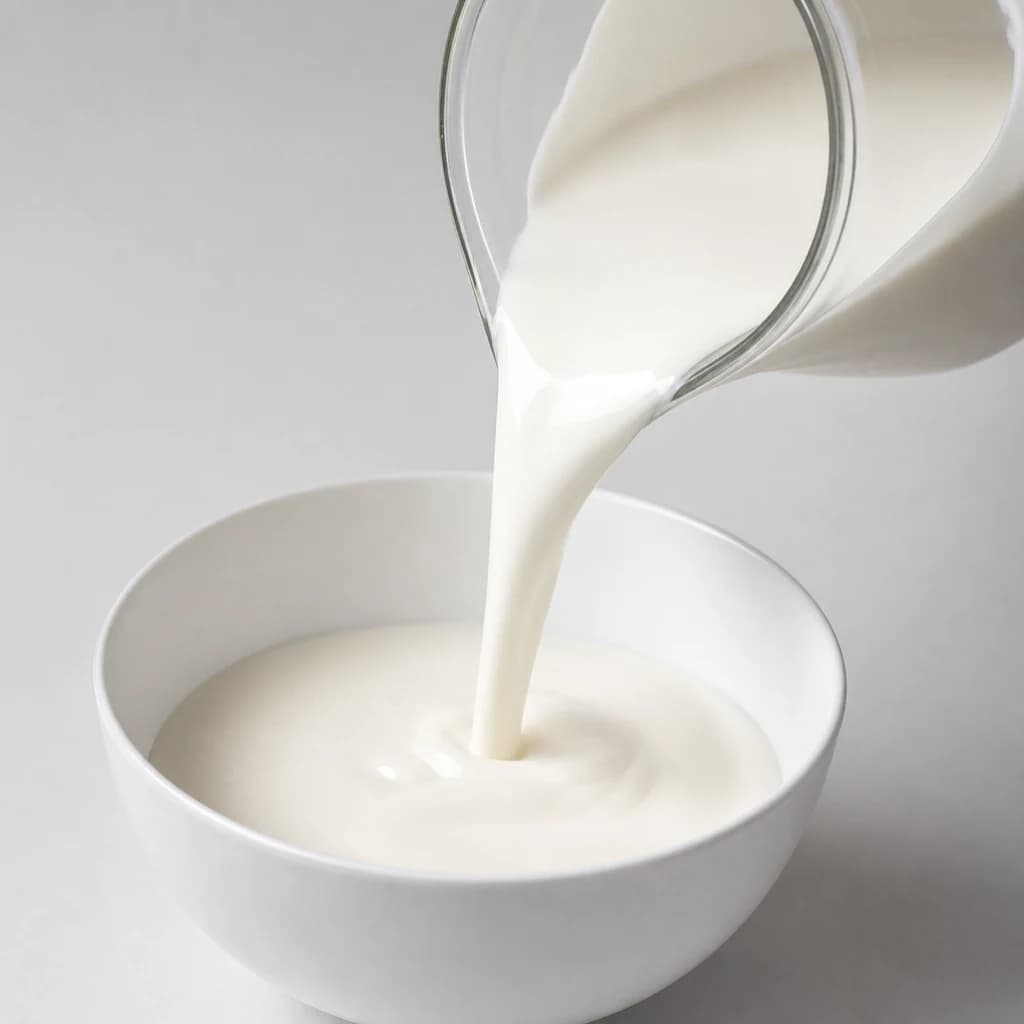
Heavy Cream
Rich cream that whips, enriches sauces, and sets ganache

Sour Cream
Tangy, thick cream for dolloping, baking, and dips
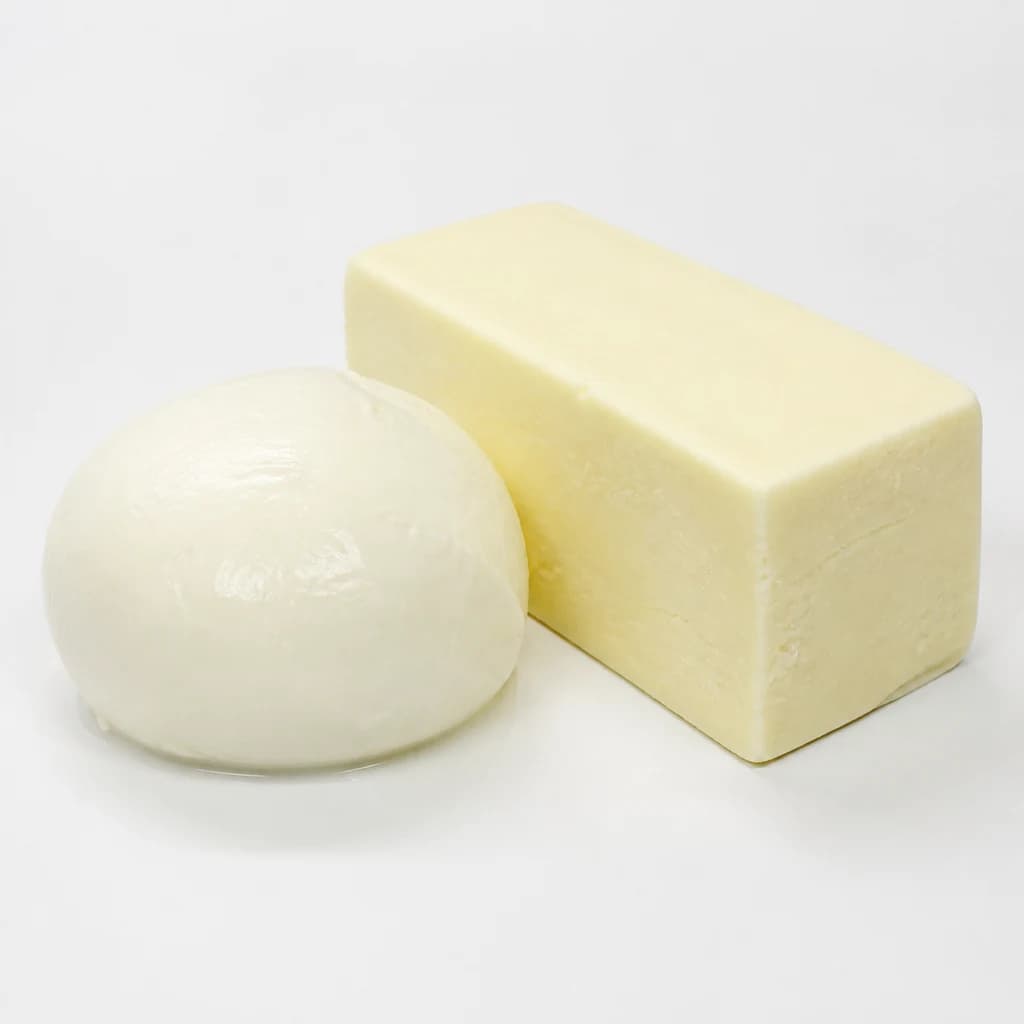
Mozzarella
Soft, milky cheese that melts into stretchy pizza pulls