
Natural form
Fine off-white whey protein powder mounded in a plain ceramic scoop on a neutral surface.
Shows the powder's actual texture, color, and granularity so readers immediately recognize the product form.
Dairy & Eggs
Whey Protein Powder
Concentrated milk-derived protein powder stirred into shakes, baking and smoothies.
Whey protein powder is a dried, concentrated protein isolated from milk during cheesemaking. It dissolves into shakes and smoothies as a high-protein supplement and is also folded into pancakes, baked goods and energy bites for an extra protein boost. Flavored and unflavored versions are common; it derives from dairy.
Whey protein powder is the dried byproduct of cheese making, produced when liquid whey—the serum remaining after milk has been curdled and strained—is spray-dried into a fine, soluble powder. As a complete protein containing all nine essential amino acids, it delivers high biological value, meaning the body efficiently absorbs and utilizes its amino acids for muscle repair and general nutrition. This dairy-derived ingredient has moved far beyond the gym shaker bottle; its functional properties as an emulsifier, binder, and textural agent make it a legitimate kitchen ingredient for both sweet and savory cooking.
The powder behaves differently depending on the liquid temperature and medium. In cold liquids it requires mechanical blending to dissolve fully—stirring alone leaves gritty clumps. In warm or hot liquids it disperses more readily but loses its functional properties above 160°F/71°C, though the protein itself remains nutritionally intact. In baking, whey protein interferes with gluten development and can dry out crumb structure when used in excess, so most applications limit substitution to 20–25% of total flour weight. The slight fat content in concentrate varieties actually benefits certain applications, adding moisture and richness that isolate lacks.
Beyond shakes, whey protein functions as a hidden nutritional booster in everything from overnight oats to meatloaf, from protein-enriched pancakes to no-bake energy bites. Its neutral unflavored form adapts to savory applications like meatball binders or enriched pasta doughs, while flavored varieties belong exclusively in sweet preparations. Always read labels: many commercial products contain thickeners, artificial sweeteners, or flow agents that can alter cooking outcomes, affecting browning, texture, and final flavor.
- Measured in
- g
- Storage
- Pantry
Allergens
Types & varieties
70–80% protein by weight; retains more lactose and fat; most economical; slightly creamier texture; best for baking and cooking where the fat improves moisture and browning
90–95% protein by weight; lactose and fat largely removed; faster absorption; cleaner taste; preferred for low-carb diets or lactose sensitivity; slightly less effective in baked goods than concentrate
Pre-digested (partially hydrolyzed); fastest absorption; often used in clinical nutrition; more expensive; mildly bitter taste; rarely needed for home cooking
Choosing the Right Whey for Your Application
Match the protein type to the cooking method. Concentrate works best in baked goods where its residual fat and lactose contribute moisture, tenderness, and browning—think protein bars, cookies, and pancakes. Isolate suits applications where lactose must be minimized or protein density maximized: low-carb smoothies, overnight oats, or recipes targeting lactose-sensitive eaters. Hydrolysate's rapid absorption and bitter notes make it unsuitable for cooking; reserve it for post-workout shakes or medical nutrition where its specialized properties justify the cost.
- For baking: choose concentrate for superior texture and moisture
- For lactose-free needs: choose isolate
- For maximum protein per calorie: choose isolate
- Avoid hydrolysate in cooking—bitter notes intensify with heat
Understanding Protein Label Claims
Not all protein powders are equal. A 30g scoop of concentrate at 80% protein delivers 24g of actual protein, while the remaining 6g includes lactose, fat, and moisture. Isolate at 90%+ purity provides more protein per gram but strips beneficial components. Check for added ingredients: maltodextrin or dextrose add carbohydrates, thickeners like xanthan gum affect texture in baking, and artificial sweeteners may burn or leave aftertaste in hot applications. For cooking purposes, unflavored, unsweetened varieties offer the most predictable results.
- Read the supplement facts panel, not just the marketing front label
- Look for single-ingredient lists when cooking is the primary use
- Be aware that maltodextrin adds fast-digesting carbs
- Thickeners can alter gluten development in baking
Common uses
Tips & pitfalls
- Use a blender or shaker bottle—stirring with a fork leaves permanent clumps that won't break up
- For baking, replace no more than 20–25% of flour weight with whey protein to avoid dry, crumbly texture
- Store with the desiccant packet; moisture causes clumping and degrades quality over weeks
- Heat does not destroy the amino acids in whey—the body utilizes them fully even after denaturation
- Add unflavored varieties to savory dishes; flavored varieties belong in sweet preparations only
- If using in hot oatmeal, mix protein powder with a small amount of liquid separately first to form a paste, then fold in
- Avoid letting prepared protein shakes sit for hours—they separate and develop a grainy texture that's unpleasant
- Check for added sweeteners, fillers, or flow agents if cooking with it—these affect browning, texture, and final flavor
- For meat applications, use no more than 2 tablespoons per pound of ground meat; excess creates a mealy, overbound texture
- When making frozen popsicles, use slightly more liquid than for drinking shakes—they need to pour into molds
Nutrition
Energy
1720 kJ · per 100 g
Where the calories come from
Protein
45.7g
91% DV
Carbs
18.5g
7% DV
Fat
17.1g
22% DV
Fiber
7.1g
25% DV
Sugars
5.7g
of which
Sodium
329mg
14% DV
Source · USDA FoodData Central · approx. Protein supplement, milk based, Muscle Milk, powder
View on FDC →In the shops
Matched grocery products
No matched grocery products for Whey Protein Powder yet.
Good to know
- Source
- Byproduct of cheese making; liquid whey dried into powder
- Primary Protein Type
- Complete protein with all nine essential amino acids
- Protein Content (per 30g serving)
- Concentrate: 20–25g; Isolate: 25–30g
- Fat Content
- Concentrate: 1–3g; Isolate: <1g per serving
- Carbohydrate/Lactose Content
- Concentrate: 3–5g; Isolate: 1–2g
- Typical Calorie Count
- 110–130 per scoop (concentrate); 100–120 per scoop (isolate)
- Flavor
- Mild dairy/creamy; unflavored varieties are neutral; flavored varieties vary by additive
- Shelf Life
- 12–24 months sealed; 6 months after opening (keep sealed, cool, dry)
- Solubility
- Dissolves best in warm liquids; requires blending for cold shakes to avoid grit
- Heat Sensitivity
- Denatures above ~160°F/71°C; nutrition preserved but texture affected in baking
Substitutes
- Casein Protein Powder — Similar dairy source; slower-digesting; works in baking at similar substitution ratios; 80% protein; slightly grittier texture; more expensive
- Egg White Protein Powder — Dried egg whites; comparable protein density; neutral flavor; excellent for baking; slightly denser, chewier texture; allergen concern for egg allergies
- Pea Protein Isolate — Plant-based alternative; similar protein content; earthy, slightly beany flavor; good emulsifier; works best in baked goods and smoothies; combines well with rice protein for complete amino profile
- Soy Protein Isolate — Complete plant protein; neutral flavor when processed; versatile for cooking; can taste beany in some applications; common allergen
- Collagen Peptides — Different amino acid profile (low in leucine, not a complete protein); dissolves easily in hot and cold liquids with no grit; works in both sweet and savory applications; best as a supplement rather than cooking ingredient
- Hemp Protein Powder — Plant-based with fiber; nutty flavor; lower protein density; works in baking and smoothies; adds earthy notes
Pairs with
Also called
Whey Powder · Protein Powder
Related

Whole Milk
Rich, full-fat milk for drinking, coffee, sauces, and baking
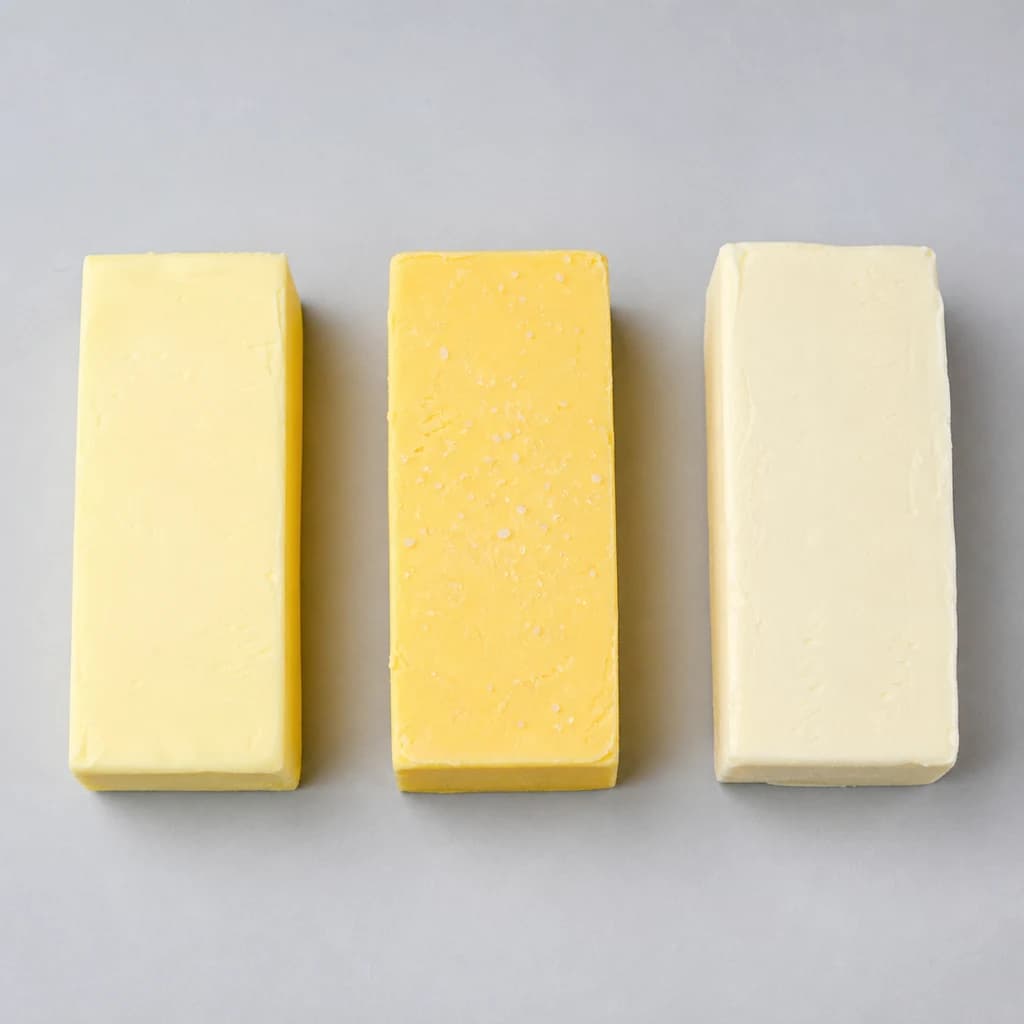
Butter
Golden fat for searing, baking, and finishing a sauce
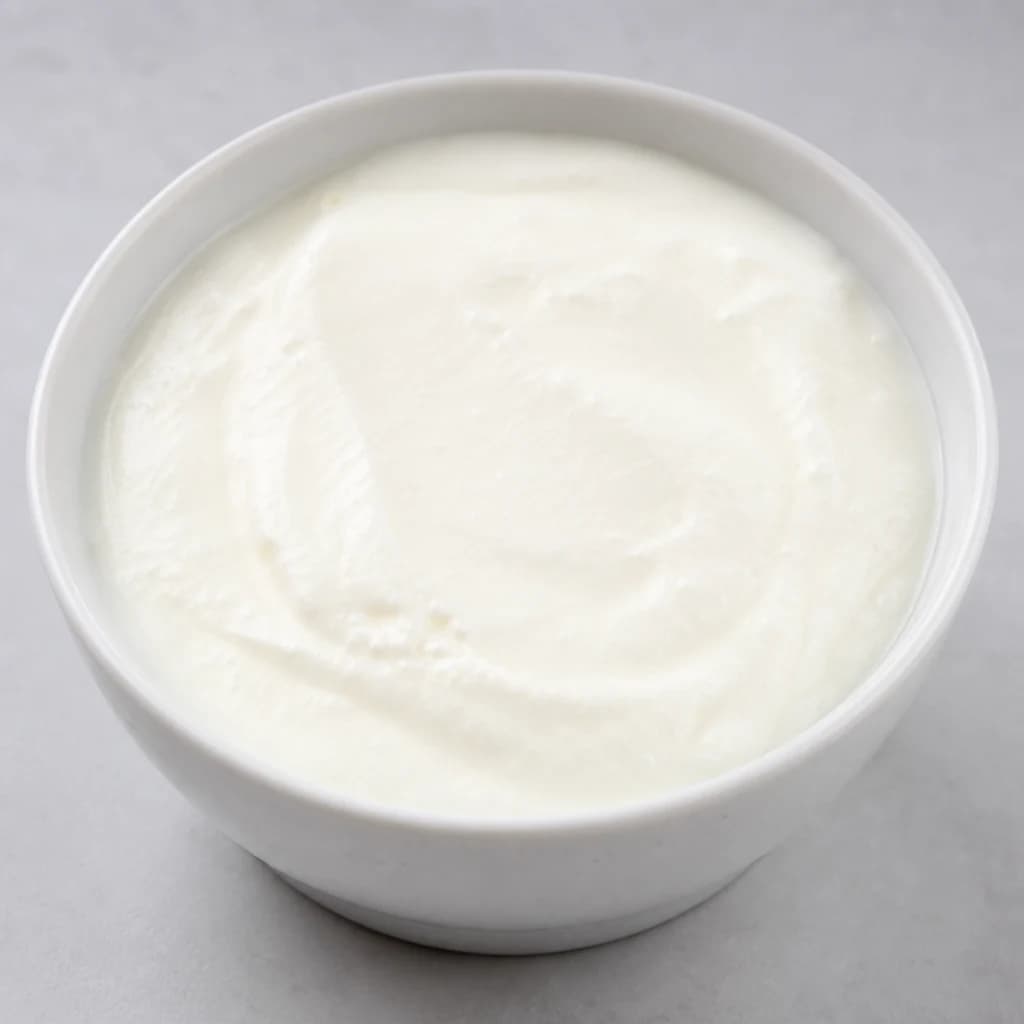
Yogurt
Tangy, creamy culture for breakfast, sauces, and marinades
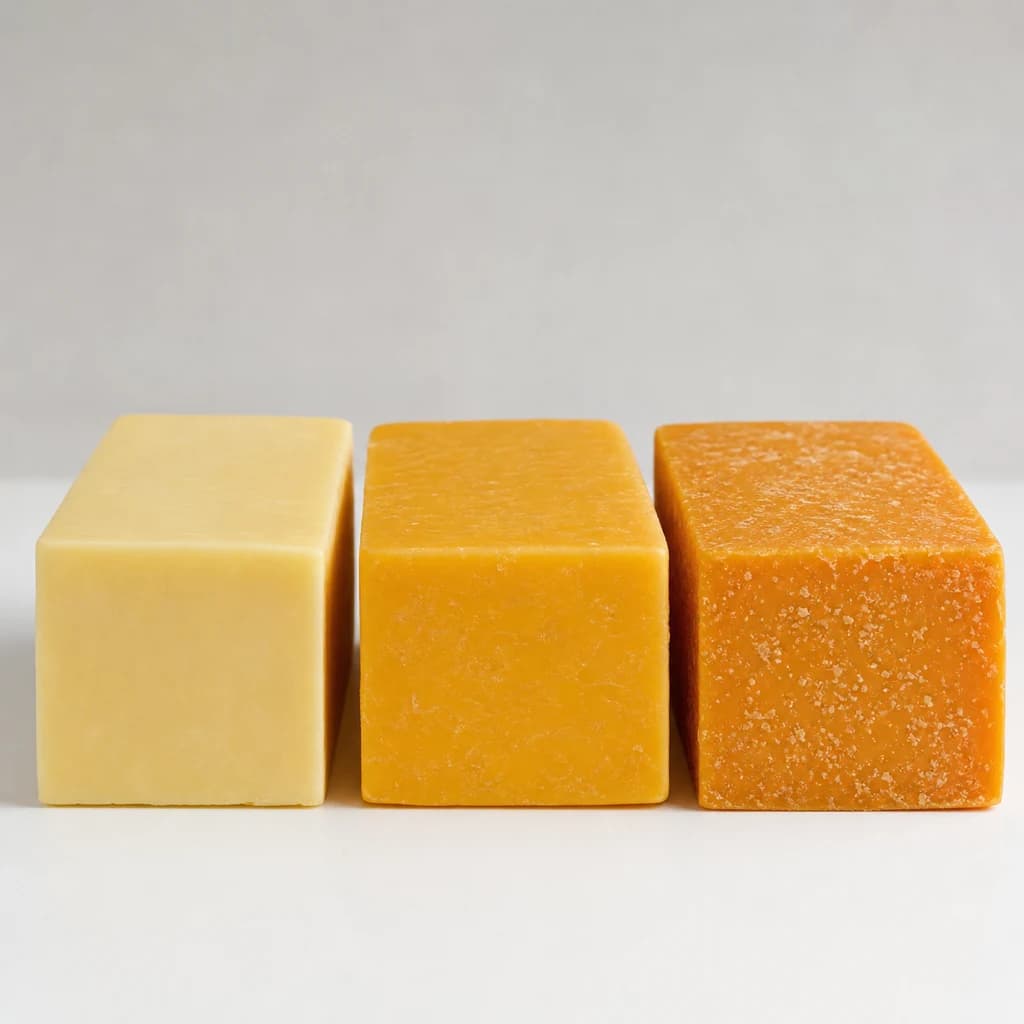
Cheddar Cheese
Sharp, melty cheese for sandwiches, gratins, and grating
Skim Milk
Fat-free milk for lighter drinking, coffee, and cooking
Heavy Cream
Rich cream that whips, enriches sauces, and sets ganache

Sour Cream
Tangy, thick cream for dolloping, baking, and dips
Mozzarella
Soft, milky cheese that melts into stretchy pizza pulls