Proteins
Pea Protein Isolate
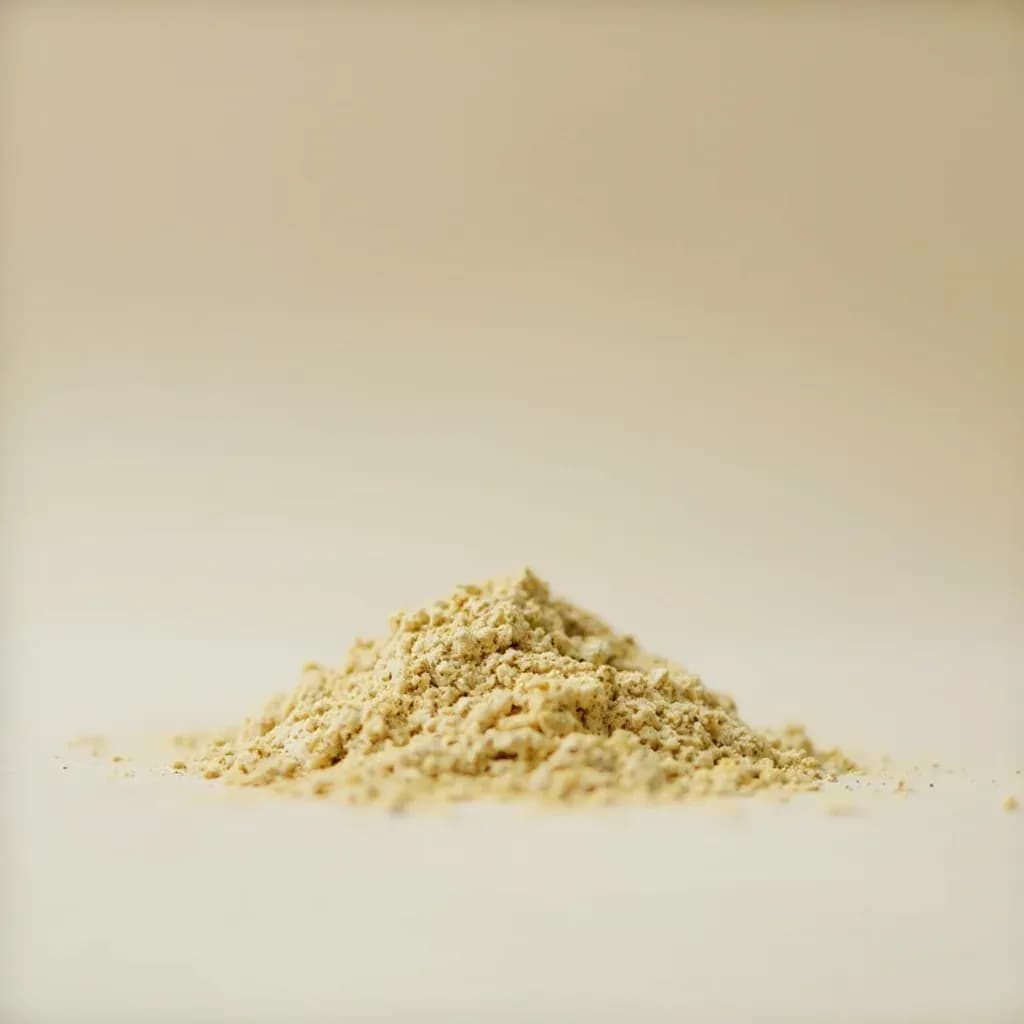
Concentrated yellow-pea protein powder used in plant-based meats and shakes.
Pea protein isolate is a refined powder made by extracting and concentrating the protein from yellow split peas. Neutral and allergen-friendly, it is a key ingredient in plant-based meat substitutes, protein shakes, and baked goods needing a protein boost. It binds and adds structure while remaining free of common allergens like soy and dairy.
Pea protein isolate is a concentrated protein powder produced by extracting and purifying protein from yellow peas (Pisum sativum), removing most starch and fiber to achieve 80–90% protein concentration. This makes it one of the most potent plant-based protein sources available, though the process only partially suppresses a mild, slightly earthy note.
The ingredient rose to prominence in the 2000s alongside the plant-based food industry, becoming a cornerstone for protein powders, meat alternatives, and functional foods. Its functional properties—water-binding capacity, emulsification, and moderate foaming—make it versatile across beverage and solid-food applications. Pea protein is particularly valued for being hypoallergenic: it contains none of the common eight allergens, making it suitable for consumers avoiding soy, dairy, gluten, or nuts.
Critical limitation: pea protein is not a complete protein. It is rich in lysine but deficient in methionine and cysteine. For applications where amino acid completeness matters—particularly in vegan baking and meat-alternative formulations—pairing pea protein with grain proteins (rice, wheat gluten) creates complementary profiles. Many commercial plant-based products combine pea protein with wheat gluten to achieve both nutritional balance and desirable texture.
- Measured in
- g
- Storage
- Pantry
Types & varieties
Highest protein concentration (80–90%); most common in supplements and plant-based meats
Lower protein content (50–65%); less processed; retains more fiber and starch
Standard commercial variety; derived from mature, dried yellow peas
Less common; derived from green peas; slightly different flavor profile
Combined with rice, hemp, or fava bean protein to create complete amino acid profiles
Why It Behaves This Way
Pea protein's functionality stems from its molecular structure and how it interacts with water, fats, and heat. The moderate solubility means it disperses well but does not dissolve completely like whey; expect some texture even in well-blended shakes. The water-binding capacity makes it useful for maintaining moisture in baked goods and plant-based meats, while its emulsifying properties help stabilize fat-in-water mixtures—useful in dressings, spreads, and beverage applications. The foaming ability is gentler than egg white or whey, producing a lighter, less stable foam, which is why it works better as a partial ingredient in vegan meringues than as a sole foaming agent.
- Water-binding: helps retain moisture in baked goods and meat alternatives
- Emulsification: stabilizes fat-water mixtures in spreads and beverages
- Foaming: gentle foam suitable for mixed applications rather than standalone use
- pH sensitivity: performance drops above pH 7 or below pH 4
Digestibility Considerations
Some people experience gas and bloating when consuming pea protein, caused by oligosaccharides—complex sugars that remain after processing. Individual tolerance varies significantly. If you are new to pea protein, start with smaller amounts (10–15 g of protein) and assess your body's response before working up to full servings. Thorough cooking or heating can reduce some of these compounds, which is why plant-based meats containing pea protein tend to cause fewer digestive issues than raw protein powders in sensitive individuals.
- Oligosaccharides cause gas in some people; start with small amounts
- Heat processing reduces oligosaccharide content
- Individual tolerance varies; listen to your body
Common uses
Tips & pitfalls
- Add liquid to the powder first when mixing to prevent clumping; use a shaker bottle or blender on low speed
- Use more liquid than you would for whey protein; pea protein absorbs more water and can become gummy if too thick
- Mask the mild beany flavor with banana, vanilla, cocoa, nut butters, dates, or cinnamon
- For baking, combine with a complete protein source (rice protein, eggs, or dairy) to compensate for the lower methionine content
- Dissolve in room-temperature or cold liquids; hot liquids can cause clumping and may affect protein structure
- Store away from heat sources and strong odors; pea protein can absorb neighboring flavors
- Check for added ingredients; some brands use anti-caking agents or excessive sodium that affect taste and functionality
- When using in plant-based meat formulations, combine with binders like methylcellulose, carrageenan, or wheat gluten for better texture and cohesion
- Use as a partial replacement for flour in breading mixtures for a protein boost without drastically altering texture
Nutrition
Nutrition
No USDA FoodData Central match for Pea Protein Isolate yet. We surface a per-100 g profile once a generic whole-food entry is matched and verified.
In the shops
Matched grocery products
No matched grocery products for Pea Protein Isolate yet.
Good to know
- Source
- Yellow peas (Pisum sativum)
- Protein content
- 80–90% by weight for isolate; 50–65% for concentrate
- Form
- Fine off-white to light-yellow powder
- Typical serving
- 25–30 g protein per 30 g scoop (varies by brand)
- Calories
- Approximately 100–120 kcal per serving
- Allergens
- None of the common eight (soy-free, dairy-free, gluten-free, nut-free)
- Amino acid profile
- High in lysine; low in methionine and cysteine
- pH sensitivity
- Best solubility in neutral to slightly acidic conditions (pH 4–7)
Substitutes
- Rice protein — Lower in lysine but higher in methionine; blend the two for a complete amino acid profile
- Soy protein isolate — Complete protein; similar functionality but common allergen; different flavor
- Hemp protein — Complete protein with healthy fats; earthier flavor; grittier texture
- Fava bean protein — Similar functional properties; different flavor profile; good complementary amino acids
- Chickpea protein — Similar mild flavor; slightly lower protein content per weight
- Pea protein concentrate — Lower protein percentage but often more affordable; acceptable in many applications
Pairs with
Also called
Pea Protein · Isolated Pea Protein
Related

Egg
The kitchen's everything ingredient — bind, leaven, enrich, or fry

Chicken Breast
Lean, quick-cooking white meat for everyday dinners

Ground Beef
Versatile minced beef for burgers, ragù, tacos, and meatballs

Pork Loin
Lean, tender roasting cut that stays juicy with care

Salmon
Rich, rosy fish that roasts, grills, or cures beautifully

Egg White
Pure protein that whips to airy peaks for meringue and more

Egg Yolk
Rich, golden yolk for custards, mayonnaise, and pasta

Quail Egg
Tiny, speckled eggs for garnishing and elegant bites