Natural form
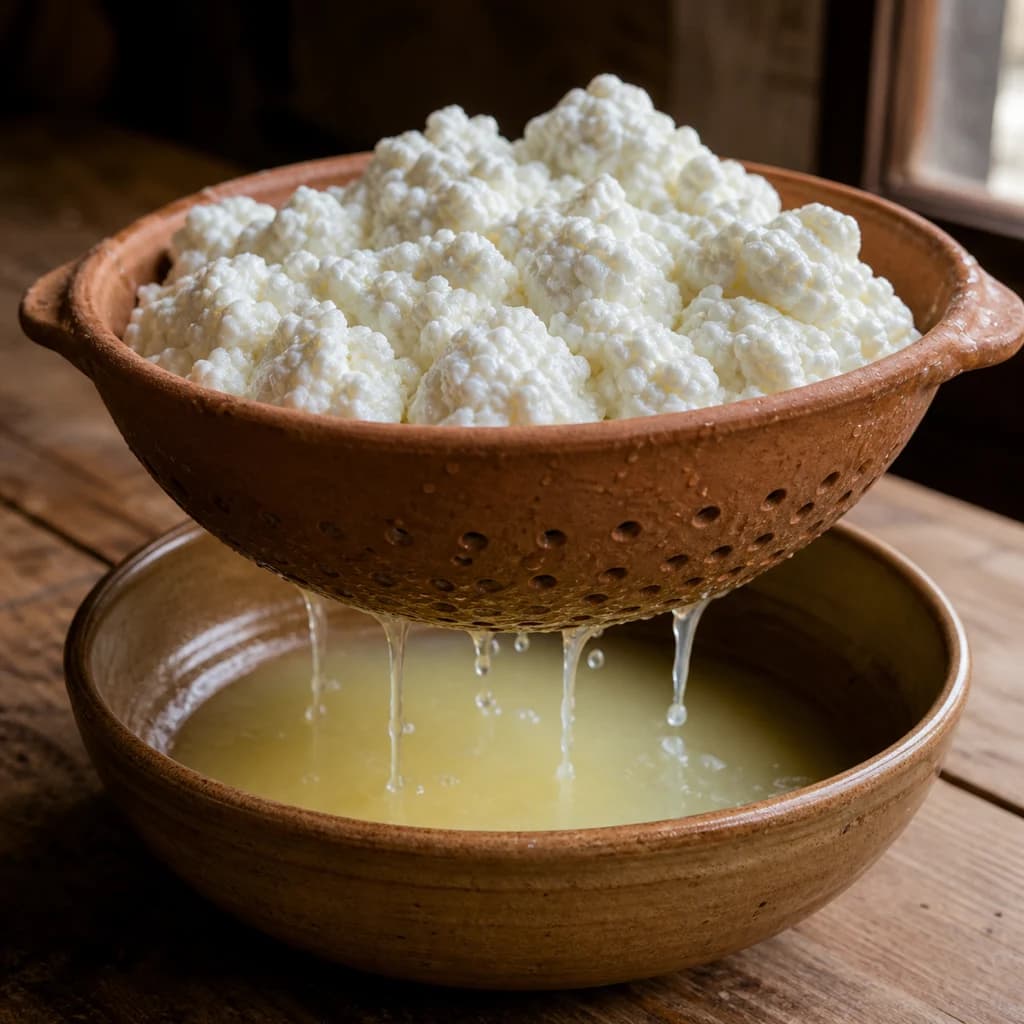
Fresh liquid whey separating from white cheese curds in a colander.
Shows whey in its most recognizable form — the pale yellow liquid draining away from solid curds — teaching readers exactly what it is and where it comes from.
Dairy & Eggs
Whey
Liquid left after curdling milk, used as a starter, in baking, brining, and protein powders.
Whey is the watery liquid that separates from curds during cheesemaking, carrying milk sugars, some protein, and tang. Cooks use fresh whey as a fermentation starter, a brine for proteins, a liquid in breads and pancakes, or to make ricotta, while dried whey protein isolate is a concentrated powder for shakes and baking. It adds a subtle acidity and tenderizing effect.
Whey is the liquid remaining after milk has been curdled and strained during cheese-making, separating the coagulated curds from their liquid medium. This ancient byproduct has been documented in Greek and Roman culinary traditions and gave rise to distinctive cheeses like ricotta and gjetost, which were developed specifically to make use of the whey left from other cheese productions. The yield is substantial—approximately 80–90% of the original milk volume separates as whey during cheese-making, making it one of the most abundant dairy byproducts. In modern cooking, whey occupies a peculiar position: abundant at artisanal cheese operations, where it is often discarded in enormous quantities, yet rare in everyday home kitchens where its versatility remains largely untapped.
There are two primary types defined by their coagulation method. Sweet whey, the byproduct of rennet-coagulated hard and semi-hard cheeses like cheddar and Swiss, has a pH between 5.9 and 6.6 with a mildly sweet flavor. Acid whey, from acid-coagulated fresh cheeses such as cottage cheese and cream cheese, has a lower pH of 4.6 to 5.1 and a noticeably sharper, tangier character. Both contain lactose at approximately 4.8%, whey protein with a complete amino acid profile, B vitamins, calcium, potassium, and phosphorus. The liquid form contains roughly 1% protein, while processed concentrates range from 35% to over 90% protein by weight. Fresh whey keeps refrigerated for up to five days or frozen for three months; dried whey powder remains stable for twelve months or more in cool, dry storage.
The value of whey in cooking extends far beyond its modest flavor—it functions as a neutral cooking liquid, fermentation medium, brining agent, and nutritional enhancer. The fermentation properties make it particularly valuable for sourdough bakers, as natural lactose and proteins feed beneficial bacteria and wild yeast. In brining applications, whey proteins denature at the meat surface similarly to salt brines, improving moisture retention and browning capacity. For home cooks, cottage cheese drainage provides the most accessible source of acid whey for experimentation.
- Measured in
- ml
- Storage
- Fridge
Allergens
Types & varieties
Byproduct of rennet-coagulated hard and semi-hard cheeses (cheddar, gouda, Swiss); pH 5.9–6.6; mildly sweet flavor; most common commercial type
Byproduct of acid-coagulated fresh cheeses (cottage cheese, farmer's cheese, cream cheese); pH 4.6–5.1; sharper, tangier flavor; contains more lactic acid and minerals
Ultrafiltered whey with reduced protein content; byproduct of dairy processing; used as an additive in processed foods and animal feed
Whey with 25–90% of minerals removed through ion exchange; used in infant formulas and specialty food applications
Liquid whey concentrated to 35–80% protein; common in protein powders, sports nutrition, and food formulations
Further processed to 90%+ protein content with minimal lactose; most expensive form; used in medical nutrition and high-protein foods
The Brining Advantage
Whey performs a dual function in brining poultry and pork. The proteins denature at the meat surface, creating a barrier that helps retain moisture during cooking—similar to traditional salt brine effects but with added nutritional benefit. Simultaneously, the mild acidity slightly tenderizes surface proteins, improving browning capacity. For best results, use fresh whey within 48 hours and combine with salt and aromatics for a more complex brine.
- Replace up to half the liquid in a standard brine with whey
- Add 1 tablespoon salt per cup of whey for poultry
- Include garlic, peppercorns, and fresh herbs for flavor depth
- Brine poultry for 4–12 hours; pork for 8–24 hours depending on cut thickness
Sourdough and Fermentation
Whey provides readily fermentable sugars for wild yeast and beneficial bacteria in sourdough starters and vegetable ferments. The lactose in whey is particularly valuable because it ferments differently than glucose, producing unique organic acids that enhance flavor complexity. For sourdough applications, replace up to 25% of the water with whey for a softer crumb and improved fermentation activity. The slight acidity also helps activate natural yeast in whole wheat and hearty grain breads, improving gluten development and rise.
- Add whey to unfed sourdough starter to boost activity
- Replace water with whey 1:1 in levain builds
- Use whey in place of water for vegetable lacto-ferments
- The acidity helps develop flavor in whole-grain and seeded breads
Common uses
Tips & pitfalls
- Do not discard whey from cheese-making or cottage cheese drainage—it can replace water in virtually any recipe with minimal flavor impact and added nutrition
- Use fresh whey within 24–48 hours for optimal quality in drinking, fermentation, and brining applications
- When brining, whey proteins denature at the meat surface, improving moisture retention and browning capacity
- For sourdough starters, whey provides readily available sugars for wild yeast and bacteria—stimulates activity faster than water alone
- Freeze whey in ice cube trays for convenient portioning when adding to smoothies, batters, or soups
- Avoid boiling or extended high-heat cooking with whey, as proteins may denature and create off-flavors and a scalded taste
- Acid whey curdles when heated to high temperatures—reserve it for cold applications, gentle warming, or use sweet whey for cooked preparations
- Strain fresh whey through cheesecloth or fine mesh to remove any remaining curds before using in beverages or sauces
- Avoid whey for individuals with lactose intolerance or milk protein allergies—the lactose content (~4.8%) remains significant even in sweet whey, and all whey forms contain milk proteins
Nutrition
Energy
100 kJ · per 100 g
Where the calories come from
Protein
0.8g
2% DV
Carbs
5.1g
2% DV
Fat
0.1g
0% DV
Fiber
0g
0% DV
Sugars
5.1g
of which
Sodium
48mg
2% DV
Source · USDA FoodData Central · Whey, acid, fluid
View on FDC →In the shops
Matched grocery products
No matched grocery products for Whey yet.
Good to know
- Primary Types
- Sweet whey (pH 5.9–6.6, rennet-coagulated) and acid whey (pH 4.6–5.1, acid-coagulated)
- Key Nutrients
- Lactose, complete-profile whey protein, B vitamins, calcium, potassium, phosphorus
- Protein Content
- ~1% in fresh liquid whey; 35–80% in concentrates; 90%+ in isolates
- Yield
- ~80–90% of milk volume yields as whey during cheese-making
- Lactose Content
- ~4.8% in fresh whey; significantly reduced in isolates
- Flavor Profile
- Mildly sweet and slightly tangy; acid whey is noticeably sharper
- Shelf Life
- 5 days refrigerated; 3 months frozen; 12+ months dried
- Origin
- Ancient byproduct of cheese-making, documented in Greek and Roman culinary traditions
Substitutes
- Buttermilk — Similar tangy dairy liquid; best for baking and brining; differs in protein content but acceptable in most applications
- Milk — Substitute for liquid whey in soups and sauces; lacks the slight tartness and may affect protein-dependent applications
- Yogurt Whey — Liquid strained from yogurt; similar acidity and culture profile; excellent for fermentation and dressing applications
- Water with Lemon Juice — Approximation of acid whey acidity; use 1 tablespoon lemon juice per cup of water for similar pH in brining or baking
- Chicken or Vegetable Stock — For savory applications calling for liquid; will alter flavor significantly but provides similar cooking medium
- Aquafaba — Chickpea cooking liquid; provides some protein and works as egg white substitute; different flavor but functional equivalence in some baking applications
Pairs with
Also called
Whey (Starter) · Whey Protein Isolate · Milk Whey
Appears in these dishes






Related

Whole Milk
Rich, full-fat milk for drinking, coffee, sauces, and baking
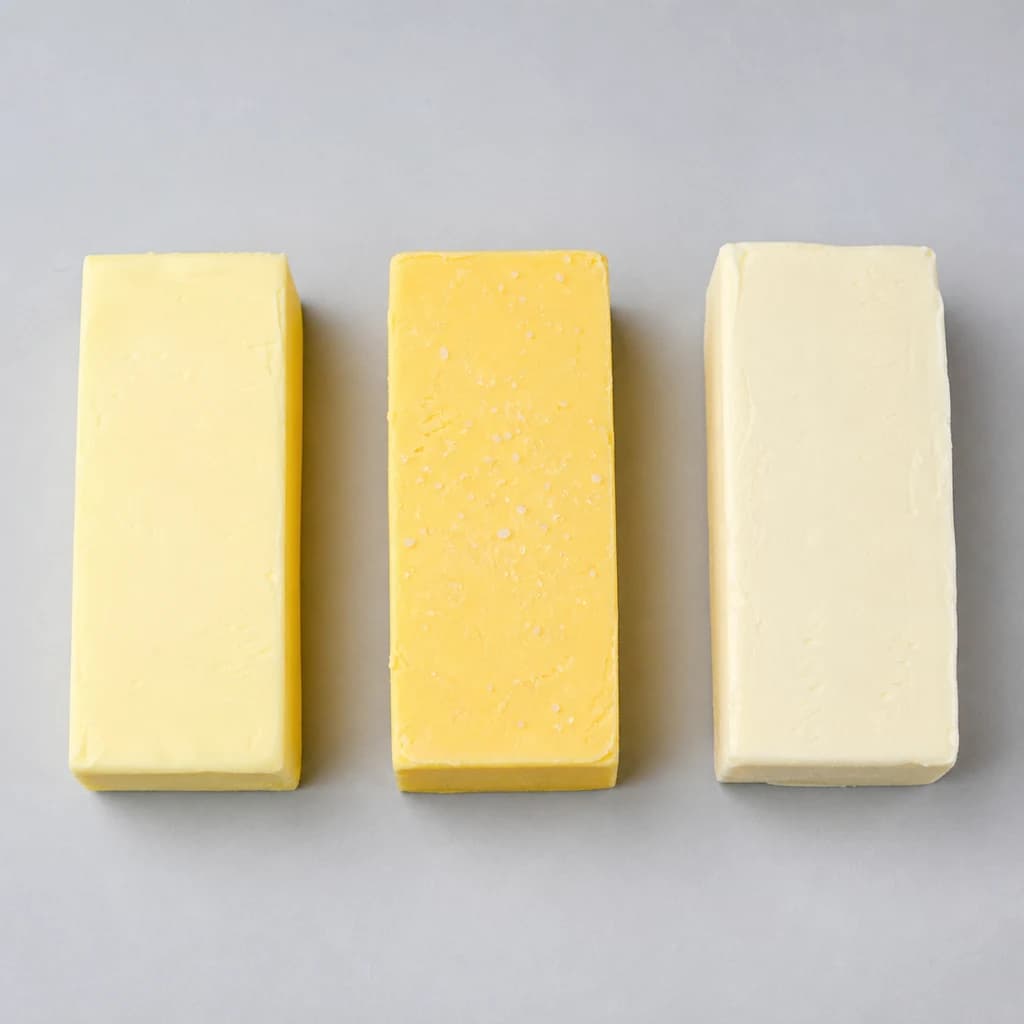
Butter
Golden fat for searing, baking, and finishing a sauce
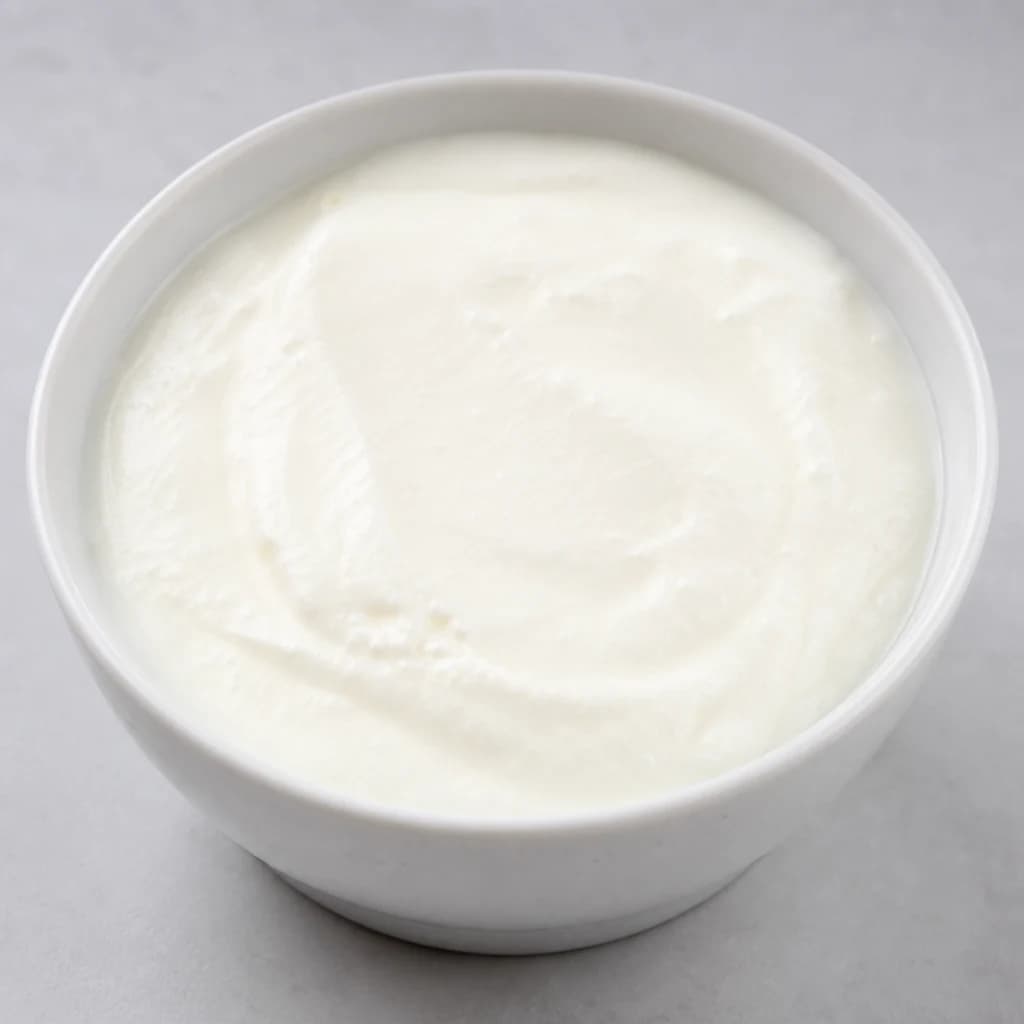
Yogurt
Tangy, creamy culture for breakfast, sauces, and marinades
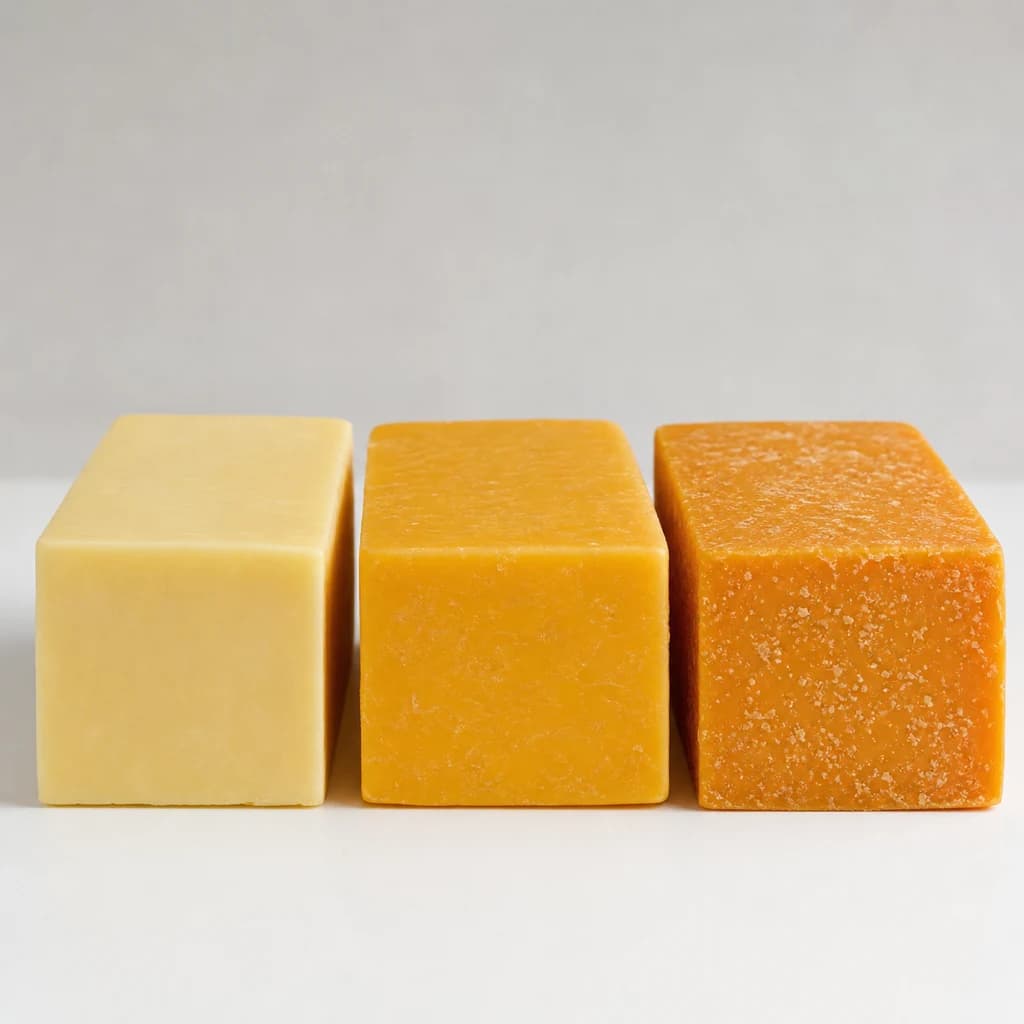
Cheddar Cheese
Sharp, melty cheese for sandwiches, gratins, and grating

Skim Milk
Fat-free milk for lighter drinking, coffee, and cooking
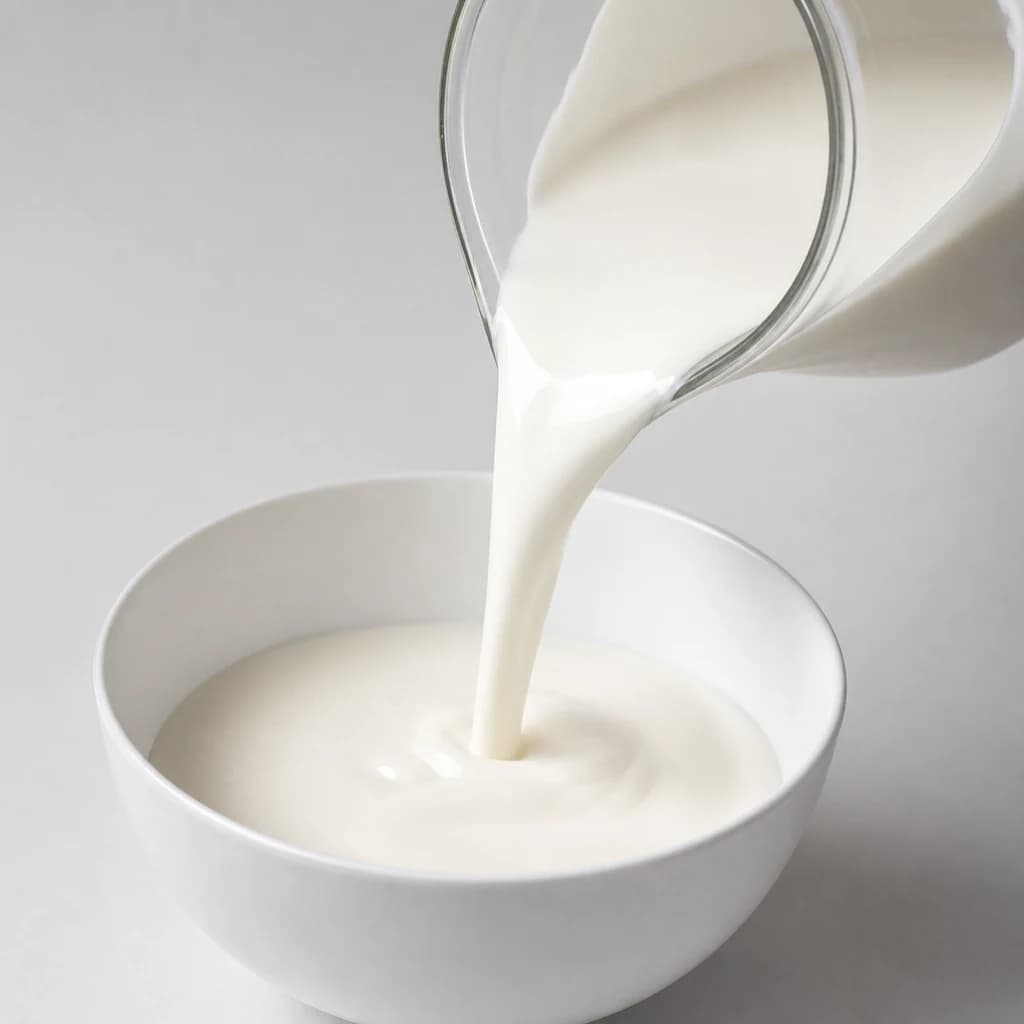
Heavy Cream
Rich cream that whips, enriches sauces, and sets ganache

Sour Cream
Tangy, thick cream for dolloping, baking, and dips
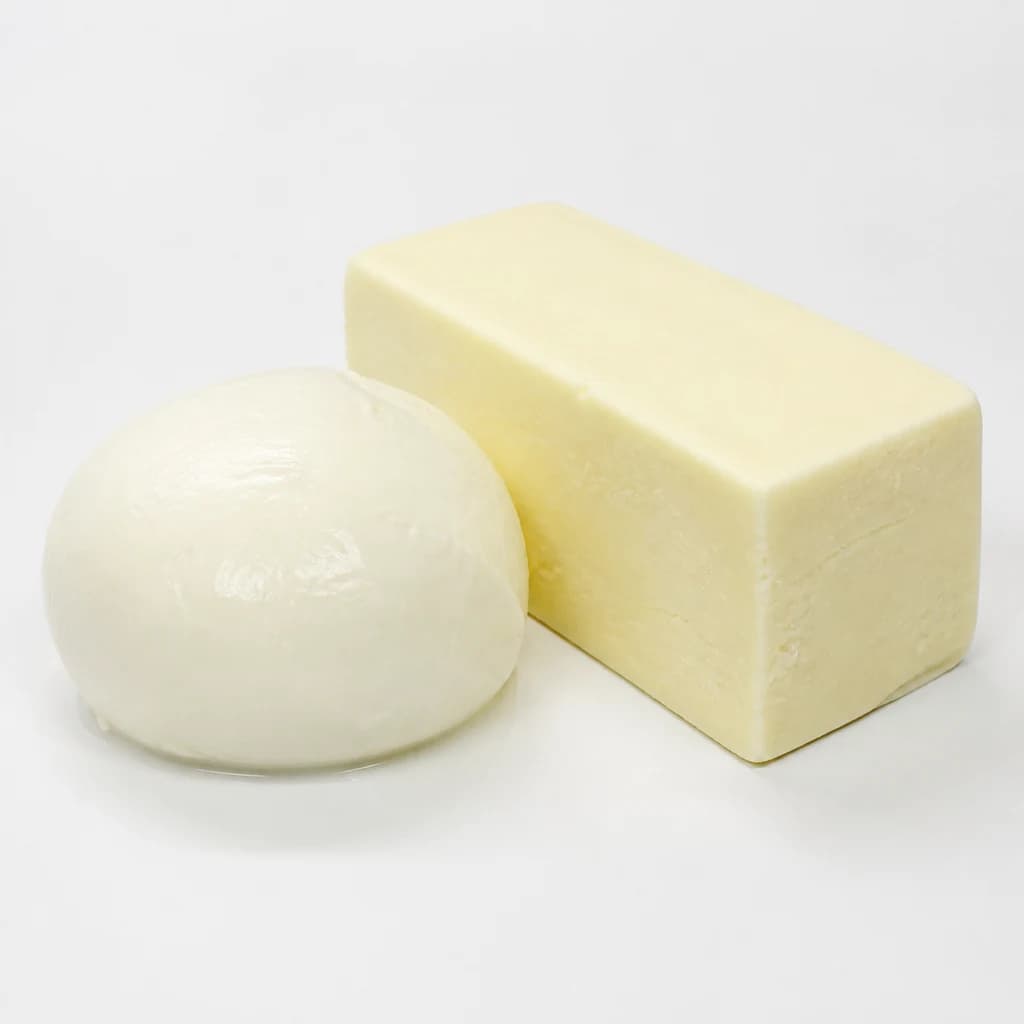
Mozzarella
Soft, milky cheese that melts into stretchy pizza pulls