Natural form
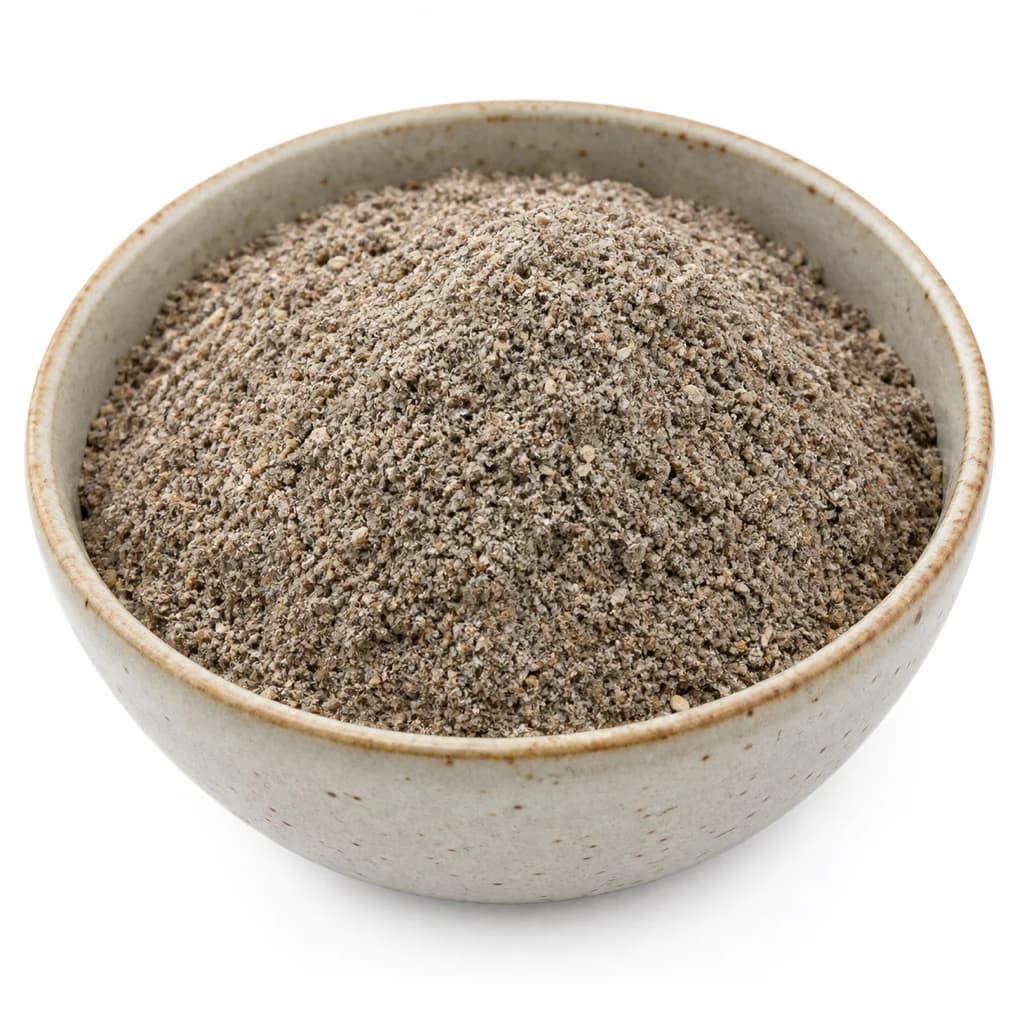
Whole rye flour in a bowl: dark grey-brown powder with visible bran specks.
Shows the flour's distinctive dark color and coarse texture that distinguish it from wheat flour.
Baking
Rye Flour
Dark, tangy flour for hearty rye breads and crackers
Earthy and faintly tangy, rye flour gives dense, dark breads, crispbreads, and pumpernickel their distinctive character. It's low in gluten, so it bakes denser. Keep it airtight.
Rye flour, milled from rye grain, is the soul of dark, dense, deeply flavored breads — think pumpernickel, deli rye, and Scandinavian crispbreads. It has a distinctive tangy, earthy, slightly sour flavor and is low in the gluten-forming proteins, so rye dough is sticky and dense and barely rises on its own. It's almost always paired with wheat flour or a sourdough starter, whose acidity it loves, to build flavor and a workable loaf.
- Measured in
- g
- Storage
- Airtight
Allergens
Find it in
Types & varieties
Sifted, milder; for lighter deli-style ryes.
Balanced flavor and color, all-purpose rye.
More bran, stronger flavor; for hearty loaves.
Coarse whole grain; dense, dark pumpernickel.
How to use
Blend rye with bread flour (often 20–40% rye) for a loaf that rises, since rye alone is dense and sticky. Its tang pairs beautifully with sourdough and caraway. Expect sticky dough — wet hands and patience help.
- Deli rye and pumpernickel
- Sourdough breads
- Scandinavian crispbreads and crackers
- Caraway-seeded loaves
How to store
Keep it airtight; refrigerate or freeze to protect its oils over time. Note that flour is a raw agricultural product: don't eat raw dough or batter, and heat-treat flour before any no-bake use (E. coli/Salmonella risk).
Common uses
Tips & pitfalls
- Blend with bread flour (20–40% rye) so the loaf still rises.
- Rye dough is sticky — wet your hands and don't expect a smooth ball.
- Caraway seeds are the classic partner for deli rye.
- Rye loves sourdough's acidity for flavor and structure.
- Flour is raw and can carry E. coli or Salmonella — don't taste or eat raw dough or batter; cook or heat-treat it before using in any no-bake recipe.
Nutrition
Energy
1360 kJ · per 100 g
Where the calories come from
Protein
15.9g
32% DV
Carbs
68.6g
25% DV
Fat
2.2g
3% DV
Fiber
23.8g
85% DV
Sugars
2.3g
of which
Sodium
2mg
0% DV
Source · USDA FoodData Central · Rye flour, dark
View on FDC →In the shops
Matched grocery products
 €1.38
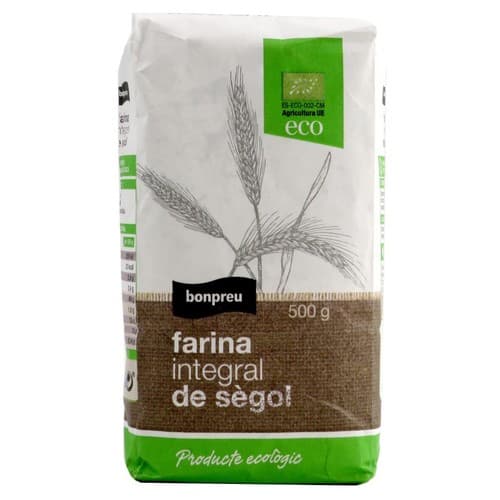
€1.38Organic Wholemeal Rye Flour
BONPREU · kg · Bonpreu
Good to know
- Flavor
- Earthy, tangy, robust, faintly sour
- Made from
- Ground rye grain
- Best for
- Rye bread, pumpernickel, crispbread, sourdough
- Behavior
- Low-gluten, sticky, dense; loves acidity
- How to store
- Airtight; refrigerate/freeze for longer life
- Shelf life
- ~3 months room temp; longer chilled
Substitutes
- Whole-wheat flour — Hearty whole grain; lacks rye's tang.
- Spelt or buckwheat blend — Earthy alternatives for flavor.
- Bread flour + a little molasses — Approximates color and depth, not the tang.
Also called
wholemeal rye flour · harina de centeno · farina de sègol · farina integral de sègol
Appears in these dishes
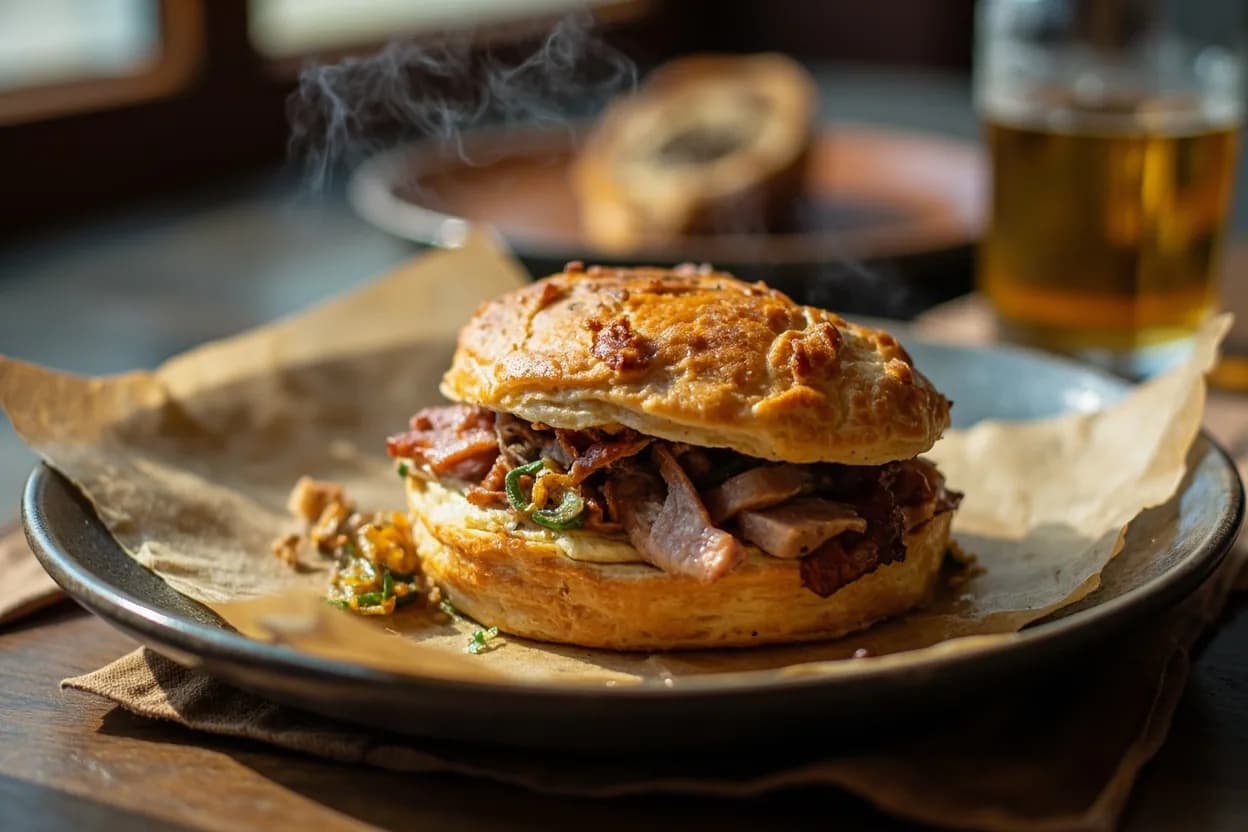

Related

All-Purpose Flour
The do-anything flour for bread, cakes, sauces, and dredging

Bread Flour
High-protein flour for chewy, well-risen breads
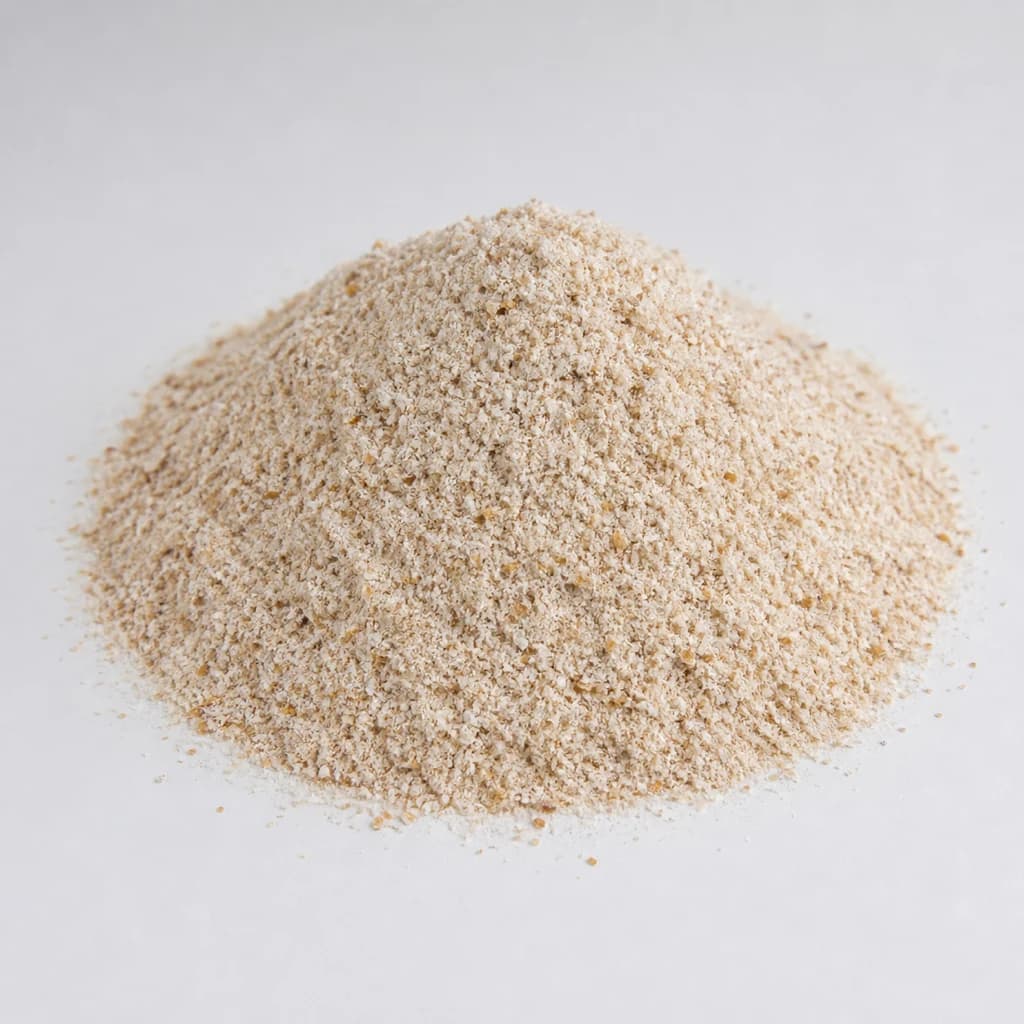
Whole Wheat Flour
Nutty, whole-grain flour for hearty breads and bakes
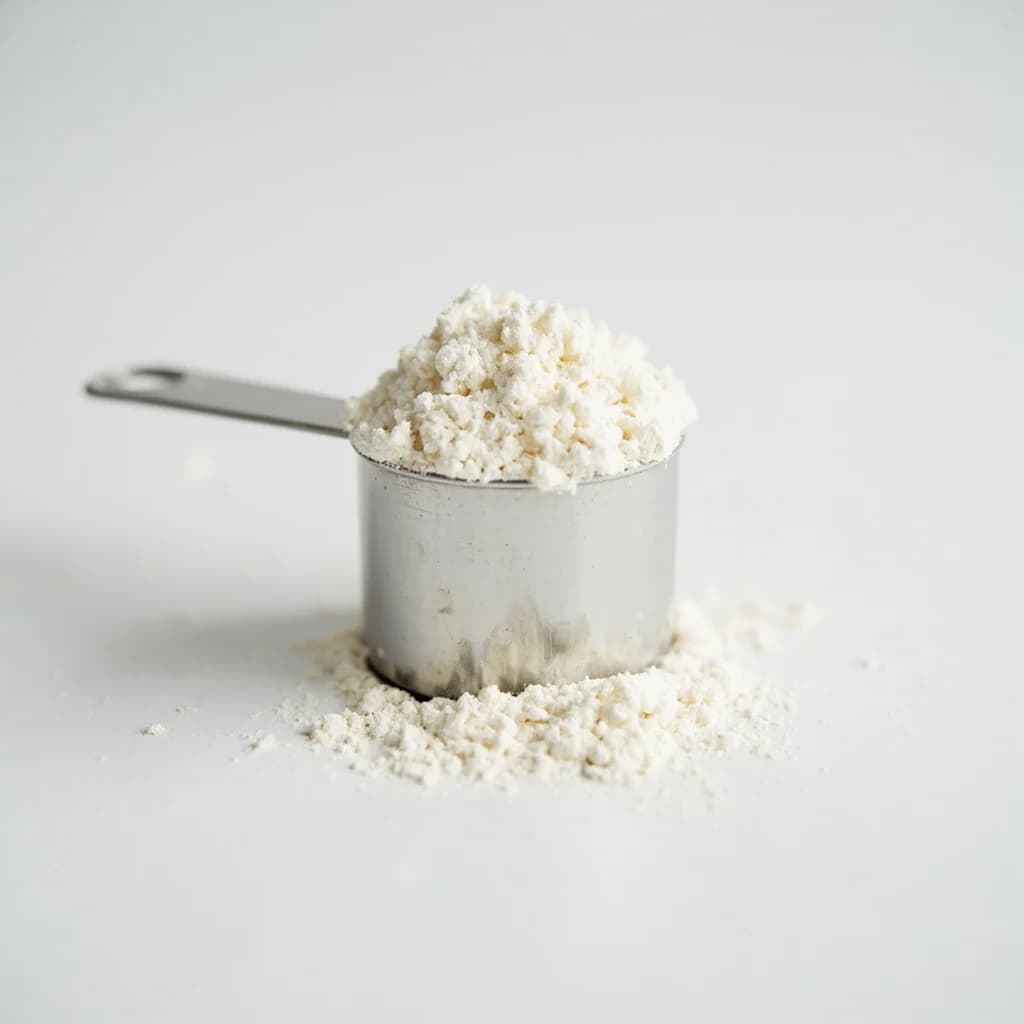
Cake Flour
Fine, low-protein flour for tender, delicate cakes
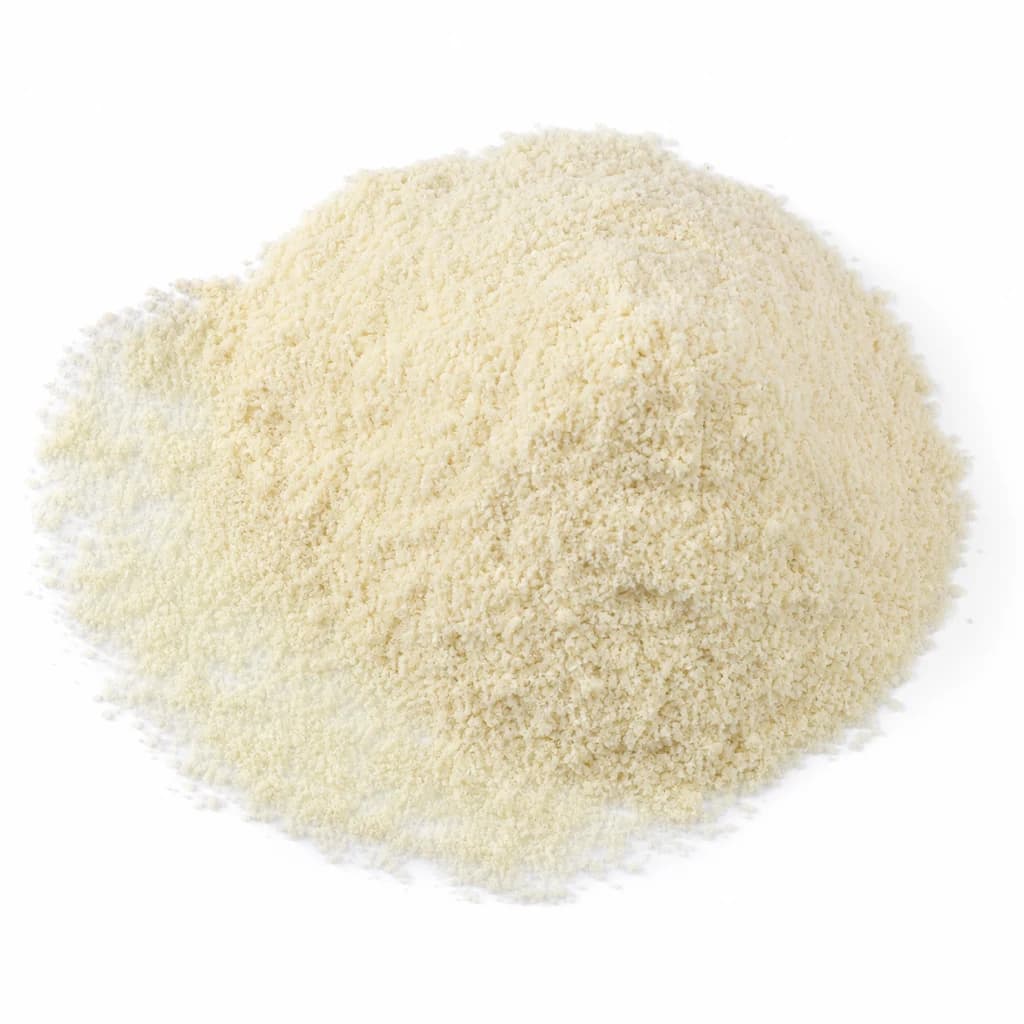
Almond Flour
Nutty, gluten-free flour for macarons and tender bakes

Baking Powder
All-in-one leavener for fluffy cakes, pancakes, and biscuits

Baking Soda
Pure leavener that needs acid to lift — and tenderize
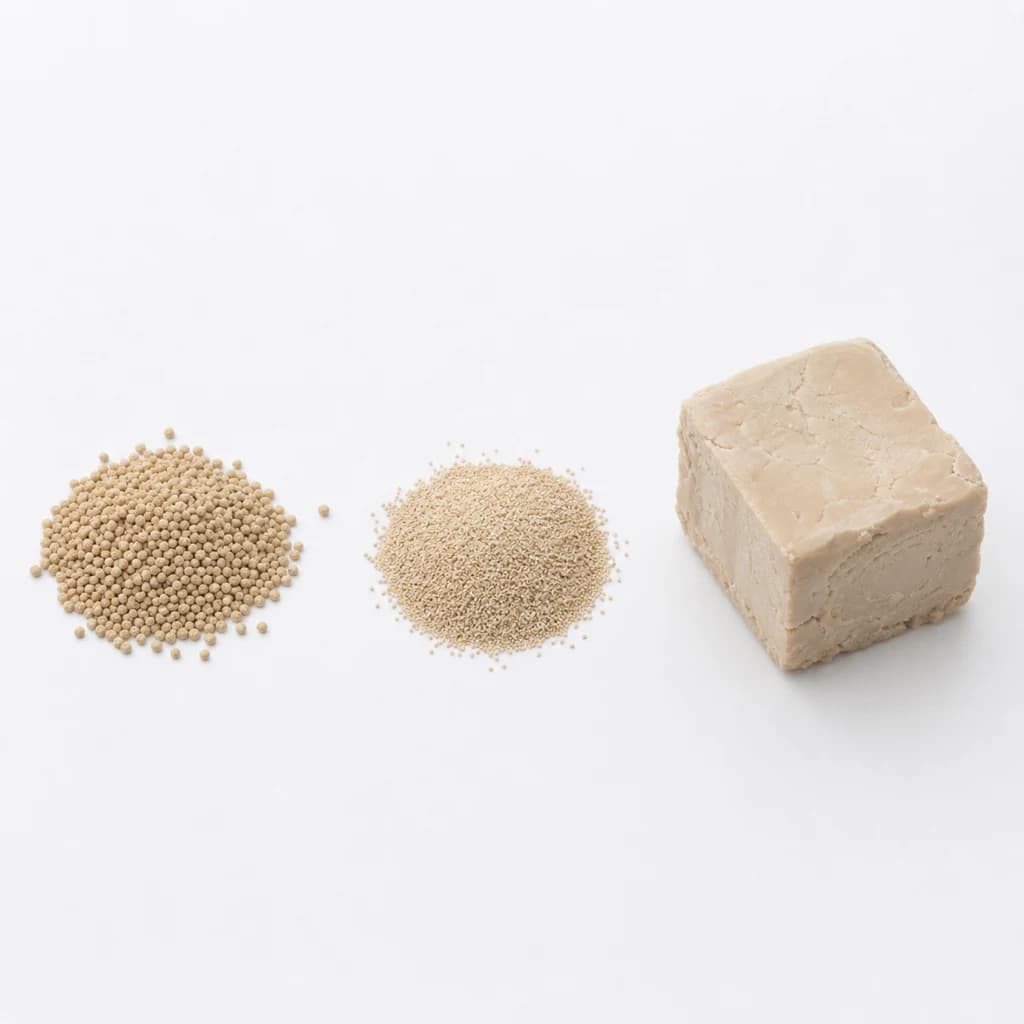
Yeast
Living leaven that makes bread rise and dough come alive