Grains & Rice
Semolina
Coarse durum-wheat meal used for pasta, couscous, semolina puddings, and dusting bread.
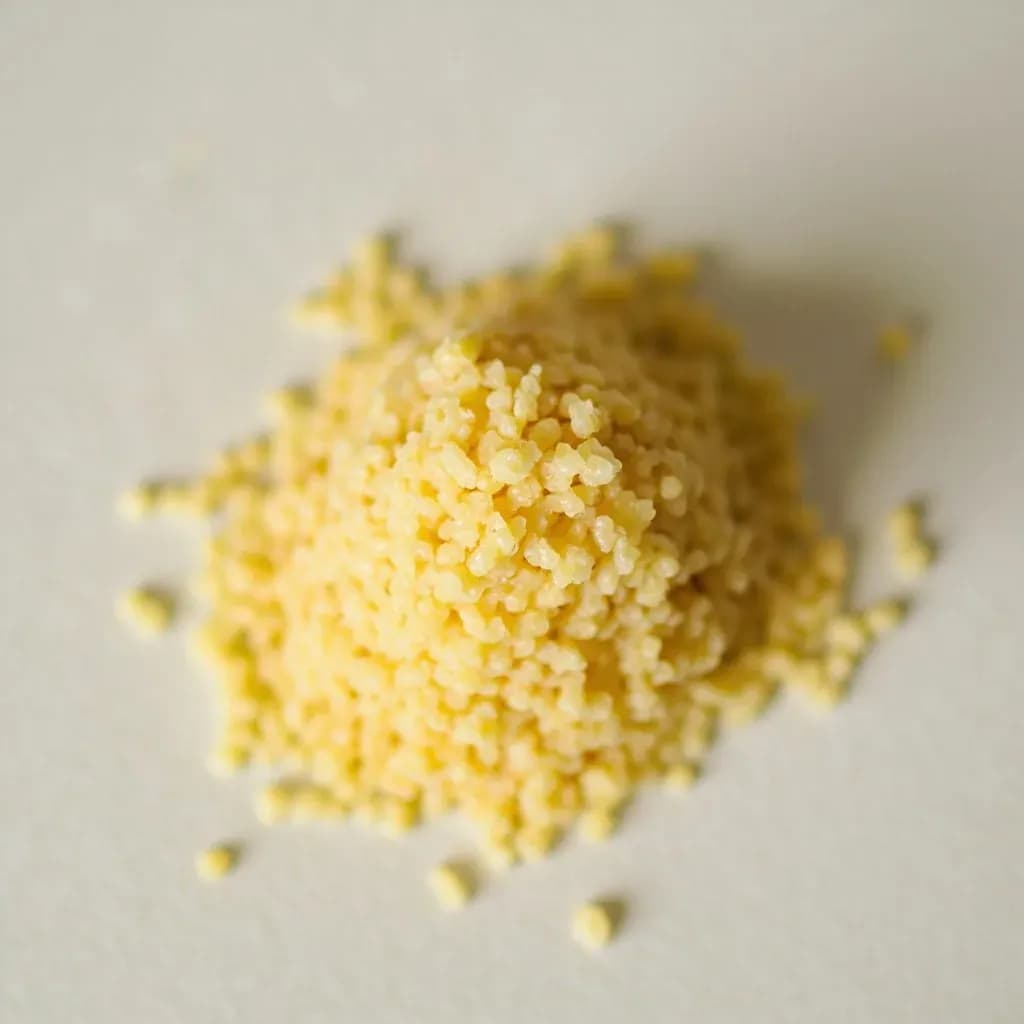
Semolina is the coarse, golden middlings left from milling durum wheat, prized for its high gluten and firm bite. It is the foundation of dried pasta and couscous, sweet puddings like sooji halwa and Greek halva, and is dusted under bread and pizza to keep dough from sticking. Finely reground (rimacinata) semolina is also used for tender Italian breads and gnocchi.
Semolina is the coarse middlings of durum wheat (Triticum durum), produced by milling the wheat endosperm into granules ranging from fine to chunky. Unlike common wheat flour, semolina contains a higher proportion of gluten-forming proteins—typically 11–15%—which gives doughs remarkable elasticity and tensile strength. This gluten development allows dried pasta to hold its shape during cooking and develop that characteristic firm bite, often called al dente, that finer wheat flours cannot replicate.
The pale golden to bright yellow color of durum semolina comes from natural carotenoid pigments in the wheat, and it is often enriched with iron and B vitamins to compensate for processing losses. The coarse granulation—measuring 0.25 to 2.0 mm—gives semolina a distinct gritty texture that serves practical purposes beyond baking: it makes an excellent dusting surface for rolling dough without incorporating as much into the matrix as flour would. In Italian cuisine, the distinction matters legally: 'semola' denotes durum wheat products while 'semolino' refers to finer preparations made from the same base.
- Measured in
- g
- Storage
- Pantry
Allergens
Types & varieties
Standard golden semolina; the variety most used for pasta and couscous
Ground more finely; used for puddings, desserts, and some baked goods
Larger granules; traditional for certain pastas, bread dusting, and couscous
Includes bran and germ; earthier flavor, shorter shelf life
Remilled semolina; Italian term for extra-fine semolina used for premium dried pasta
Semolina vs. Cream of Wheat
These two products are frequently confused, but they differ significantly. Cream of Wheat is made from soft wheat (Triticum aestivum), has a much finer texture, and produces tender, not elastic, results. Semolina, by contrast, comes exclusively from durum wheat and develops the gluten network essential for pasta structure. Substituting one for the other in pasta recipes will produce disappointing results—the dough will be weak and the cooked pasta will turn soft and mushy.
Pasta Applications
Semolina is the backbone of most dried pasta production, from mass-produced spaghetti to artisan rigatoni. The high protein content allows the dough to be worked without becoming sticky and to hold ridges and shapes during forming. When combined with water and rested, semolina pasta dough becomes smooth and supple, rolling cleanly and accepting dies without tearing. The cooked pasta maintains distinct structure in the pot and on the plate.
- Use warm water (not cold) for pasta dough hydration to improve gluten development
- A pinch of olive oil in the water helps prevent sticking during initial boiling
Common uses
Tips & pitfalls
- Store in airtight container away from heat and strong odors—semolina absorbs odors easily and will impart off-flavors to finished dishes
- For pasta, combine semolina with a small amount of warm water, not all-purpose flour, for authentic firm texture
- Bring semolina puddings to a gentle simmer; vigorous boiling causes lumping and uneven cooking
- Let semolina pasta dough rest 30–60 minutes covered at room temperature before rolling for smoother, less sticky dough
- When dusting bread or pasta doughs, use sparingly—excess creates a thick, tough coating that detracts from the finished product
- For firmer pudding, use a higher semolina-to-liquid ratio and cook longer; for creamier results, reduce semolina and cook briefly
- Use durum semolina specifically for pasta—common wheat products lack the protein content needed for proper structure
- Semolina coarse enough to feel distinctly gritty between your fingers is correct for most pasta applications; if it feels smooth, it is too fine
Nutrition
Energy
1506 kJ · per 100 g
Where the calories come from
Protein
12.7g
25% DV
Carbs
72.8g
26% DV
Fat
1.1g
1% DV
Fiber
3.9g
14% DV
Sodium
1mg
0% DV
Source · USDA FoodData Central · Semolina, unenriched
View on FDC →In the shops
Matched grocery products
No matched grocery products for Semolina yet.
Good to know
- Source
- Milled endosperm of durum wheat (Triticum durum)
- Protein content
- 11–15%, higher than common wheat flour, producing strong elastic doughs
- Granulation
- 0.25–2.0 mm; coarser than typical wheat flour, contributing to gritty texture
- Color
- Pale golden to bright yellow from natural carotenoid pigments
- Gluten potential
- High; creates strong, elastic dough ideal for pasta structure
- Shelf life
- 6–12 months in airtight container, cool and dry; absorbs odors easily
- Gluten status
- Contains gluten; not suitable for celiac or gluten-free diets
- Enrichment
- Often enriched with iron and B vitamins (thiamine, riboflavin, folic acid)
Substitutes
- Fine cornmeal (polenta) — Provides similar texture in puddings; not suitable for pasta where gluten structure is needed
- Rice flour — Similar granulation for dusting surfaces; lacks binding properties for pasta or puddings
- Medium-ground cornmeal — Alternative for coating fried foods; different flavor profile and no gluten development
- All-purpose flour — Acceptable for thickening sauces; creates softer texture in puddings; will not produce proper pasta dough with the characteristic firm bite
Also called
Smid · Sooji · Durum Wheat Semolina · Smeed · Semolina Rimacinata · Semola Rimacinata · Semola · Durum Semolina · Suji
Appears in these dishes
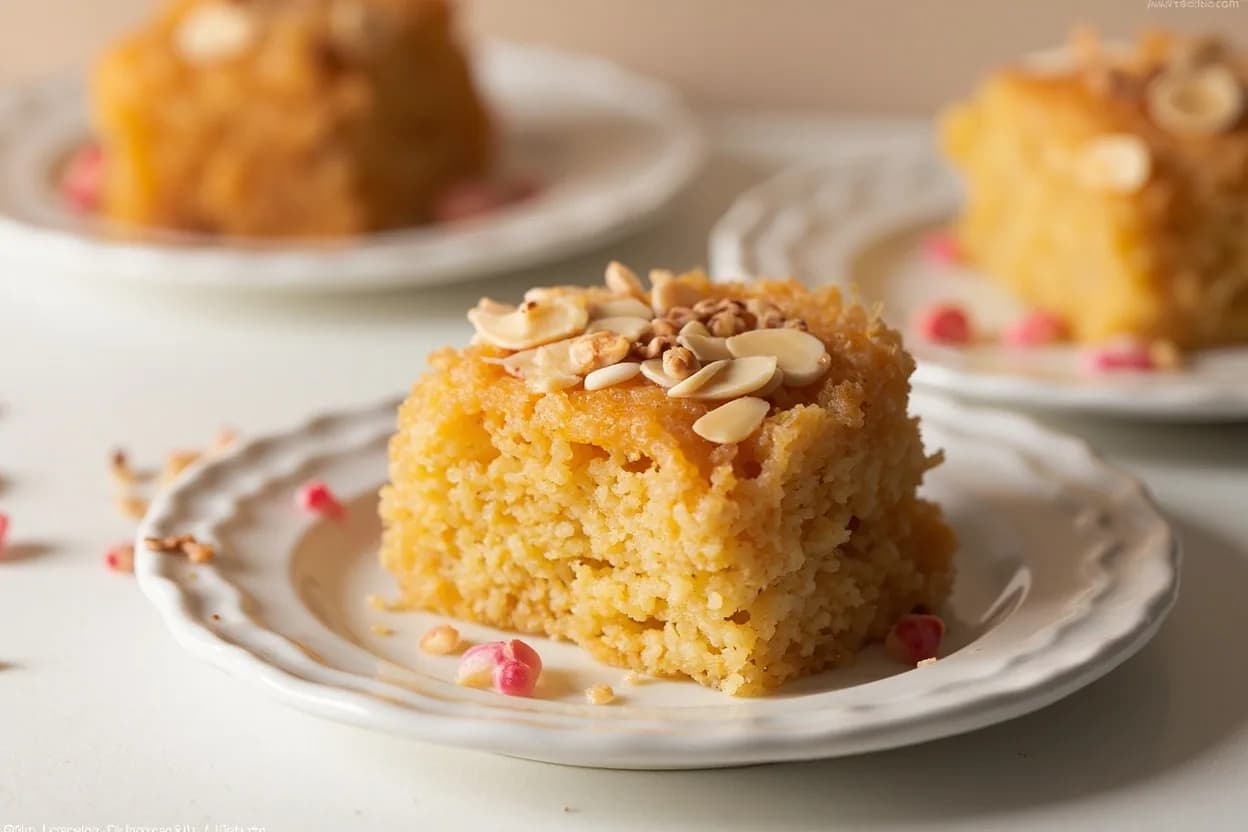
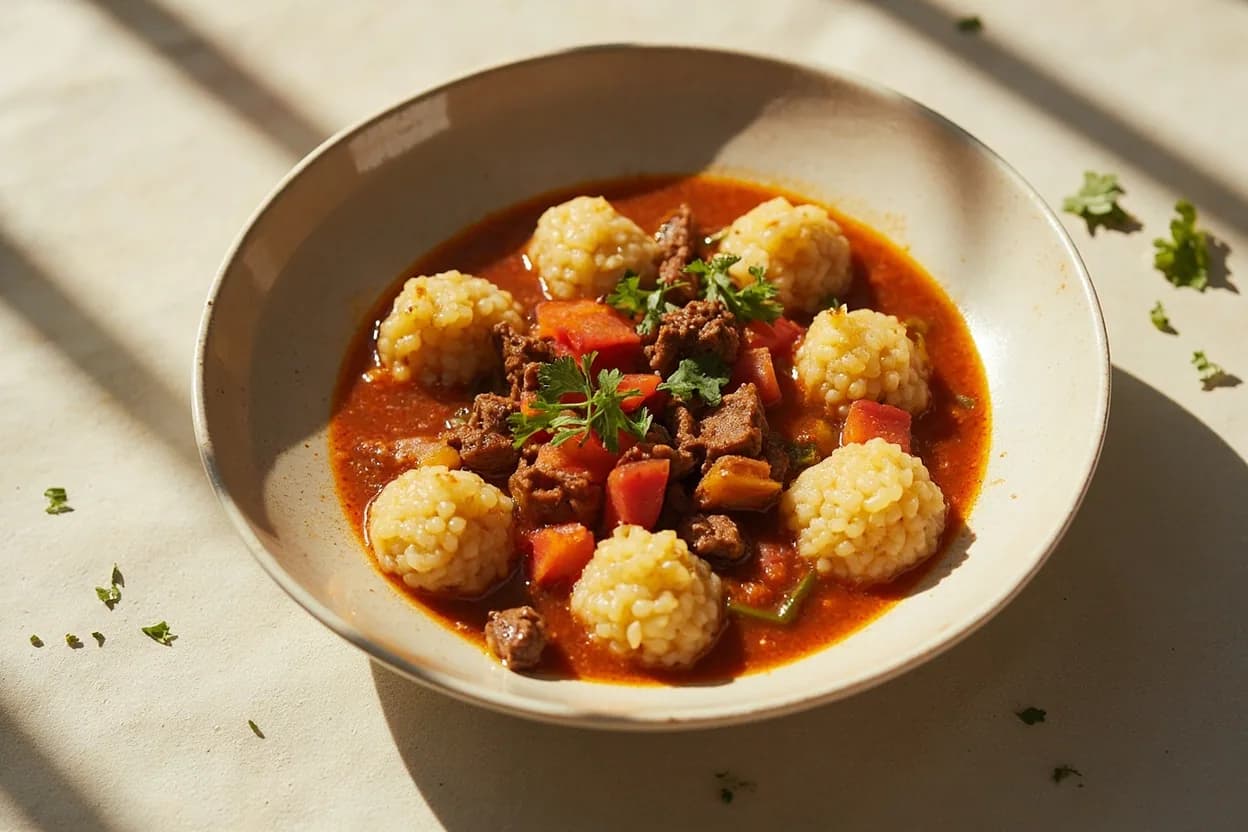

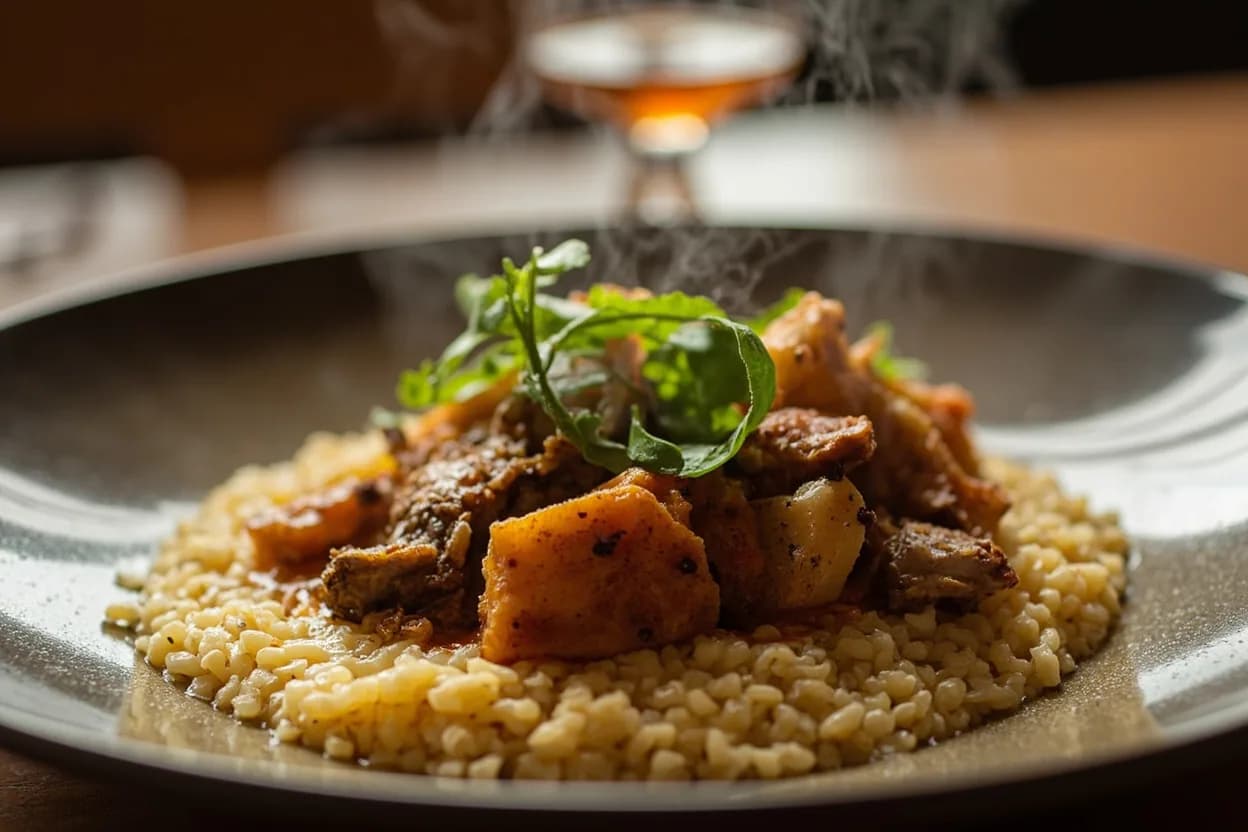
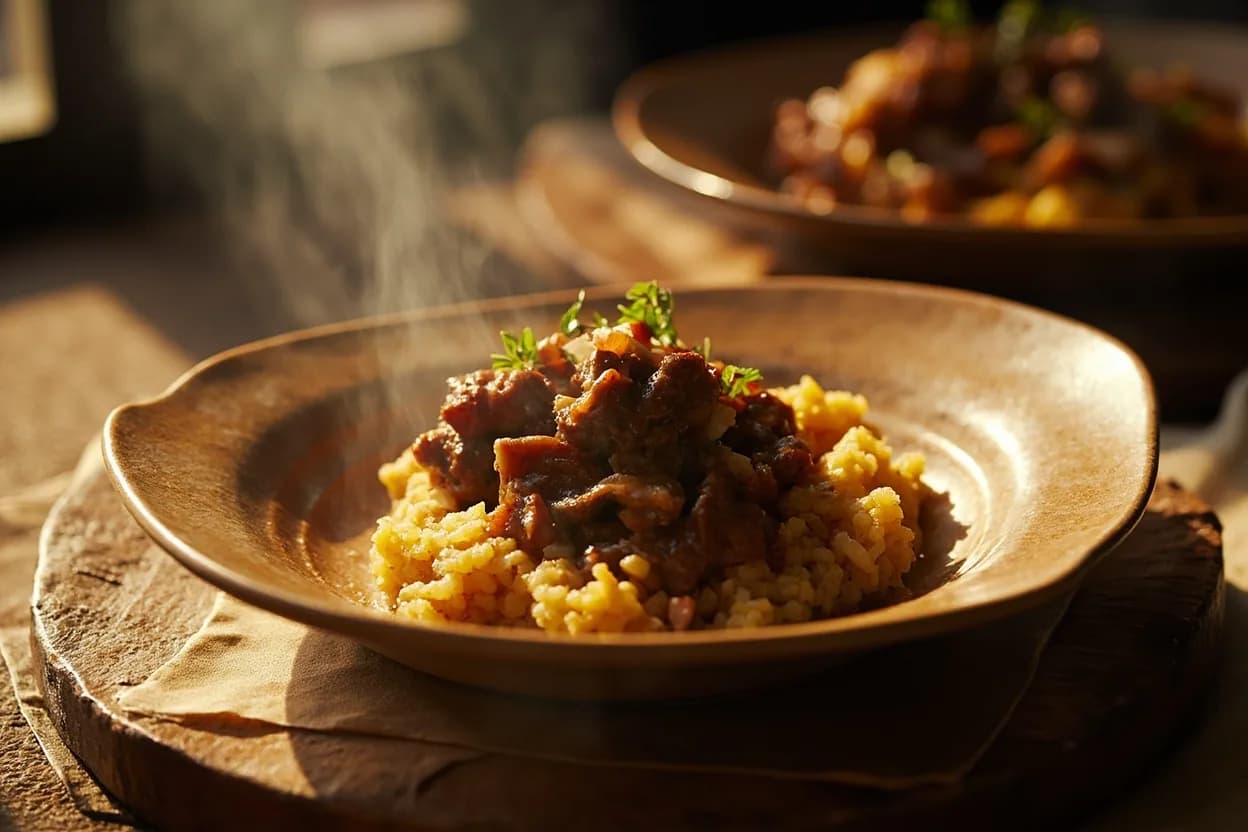
Related

White Rice
Fluffy long-grain rice — the neutral base for almost any meal

White Bread
Soft sandwich loaf for toast, sandwiches, and crumbs
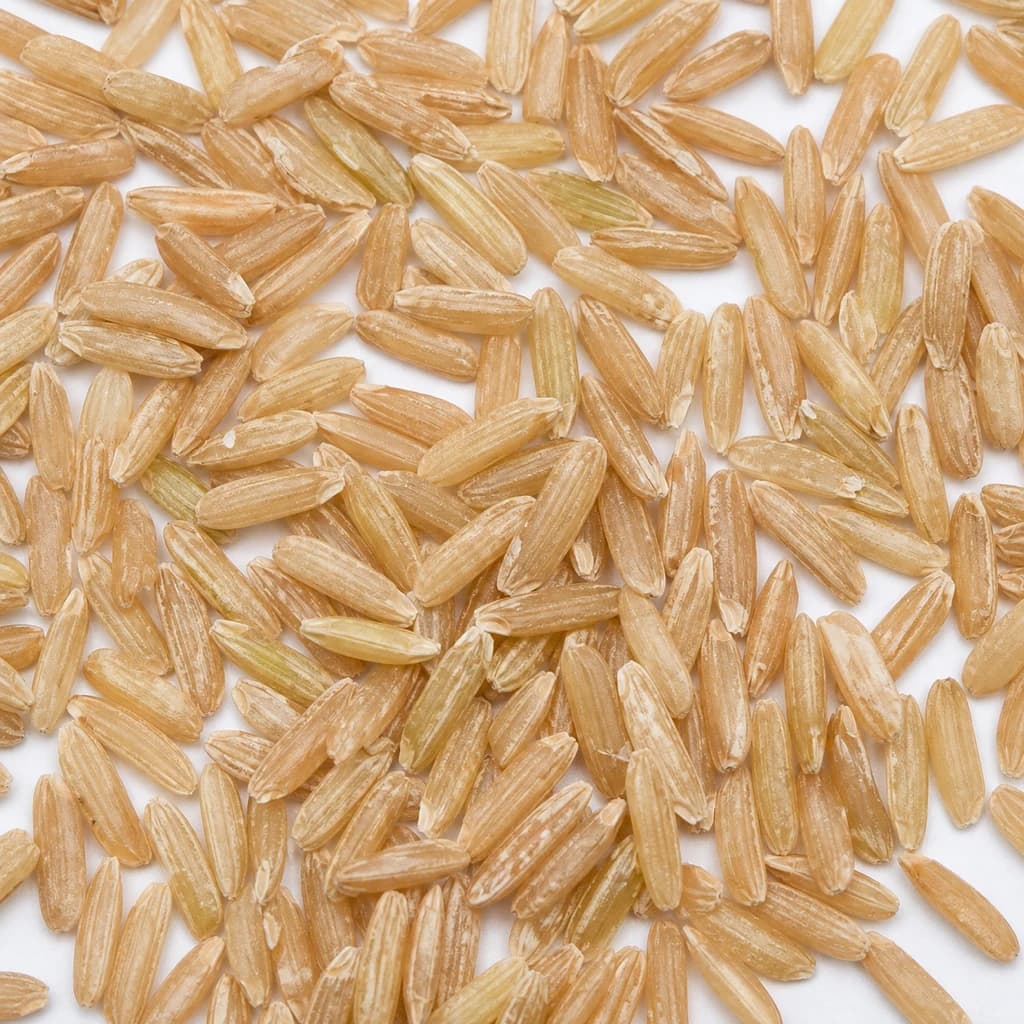
Brown Rice
Nutty, whole-grain rice with chew and extra fiber

Basmati Rice
Fragrant, long-grain rice that cooks up light and separate
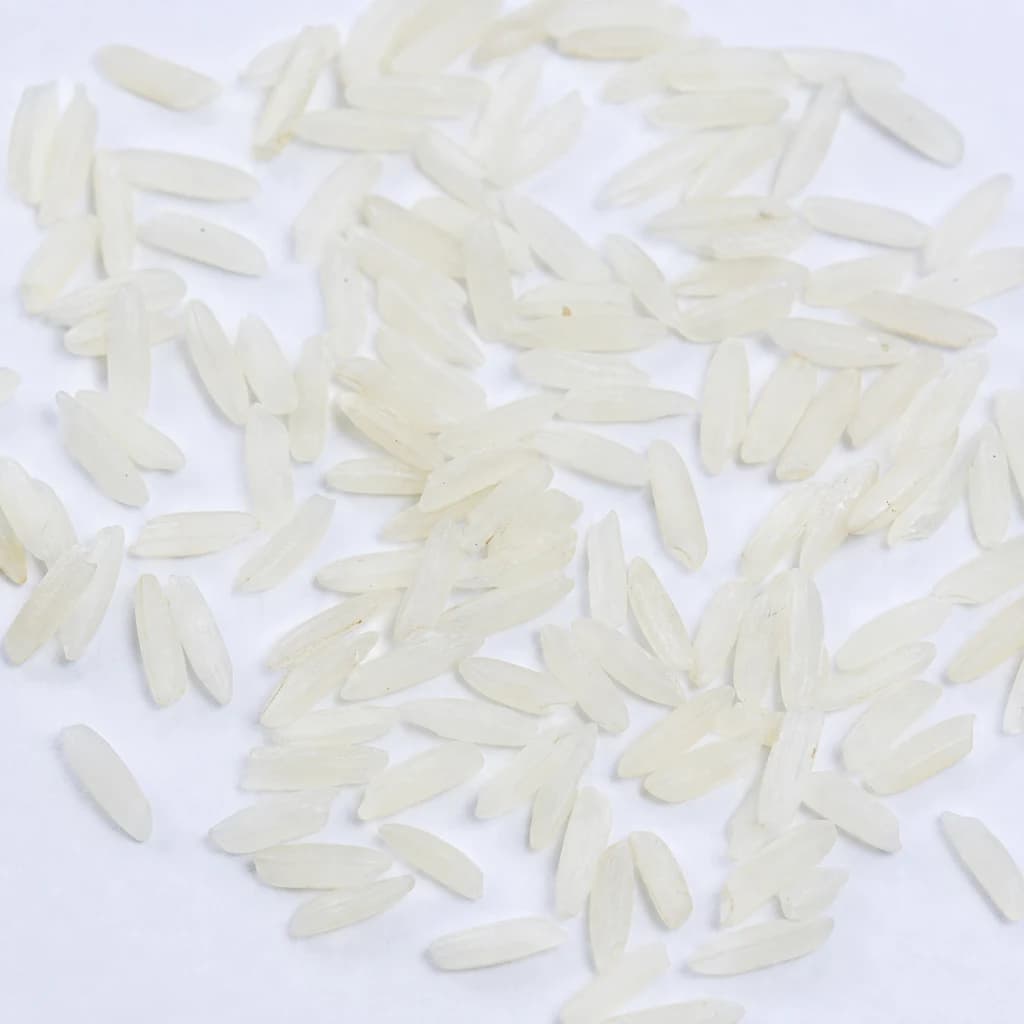
Jasmine Rice
Soft, floral-scented rice that's the pillar of Thai meals
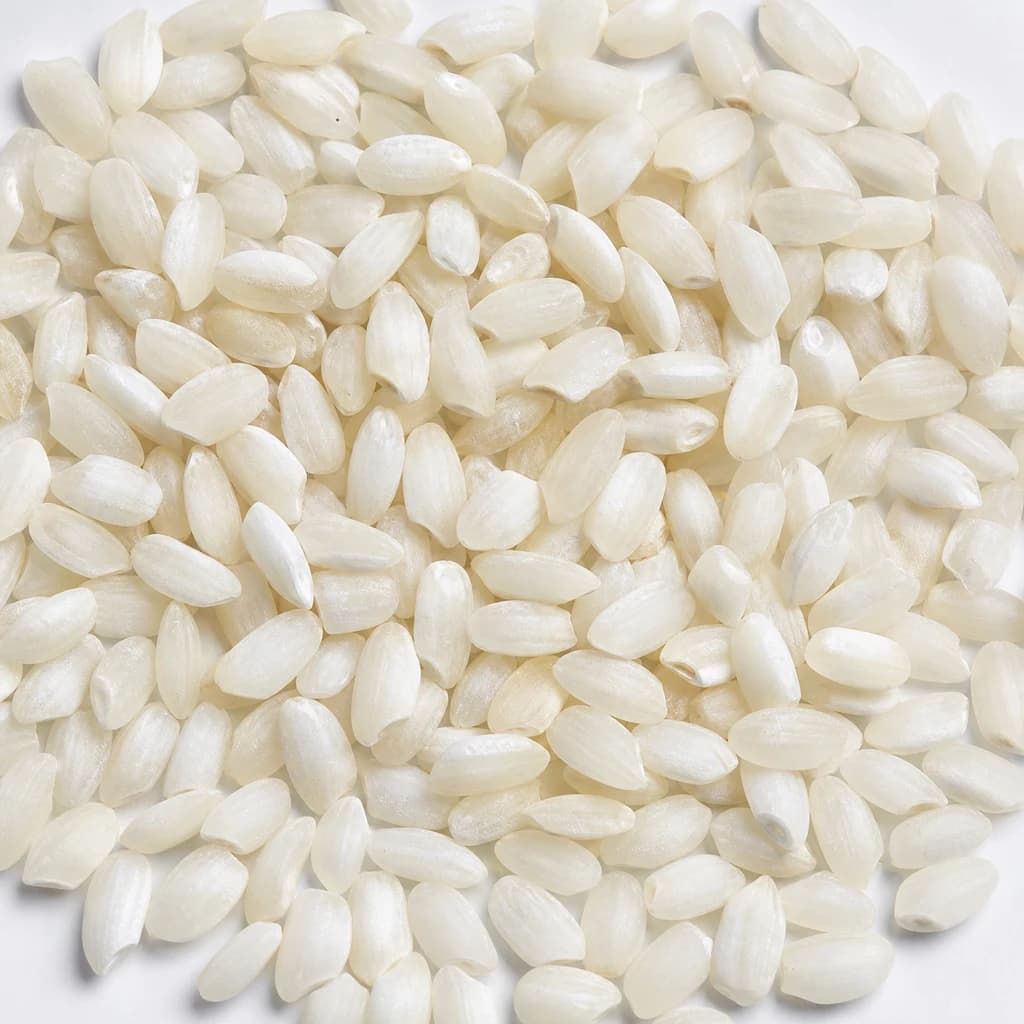
Arborio Rice
Plump, starchy rice that makes risotto creamy
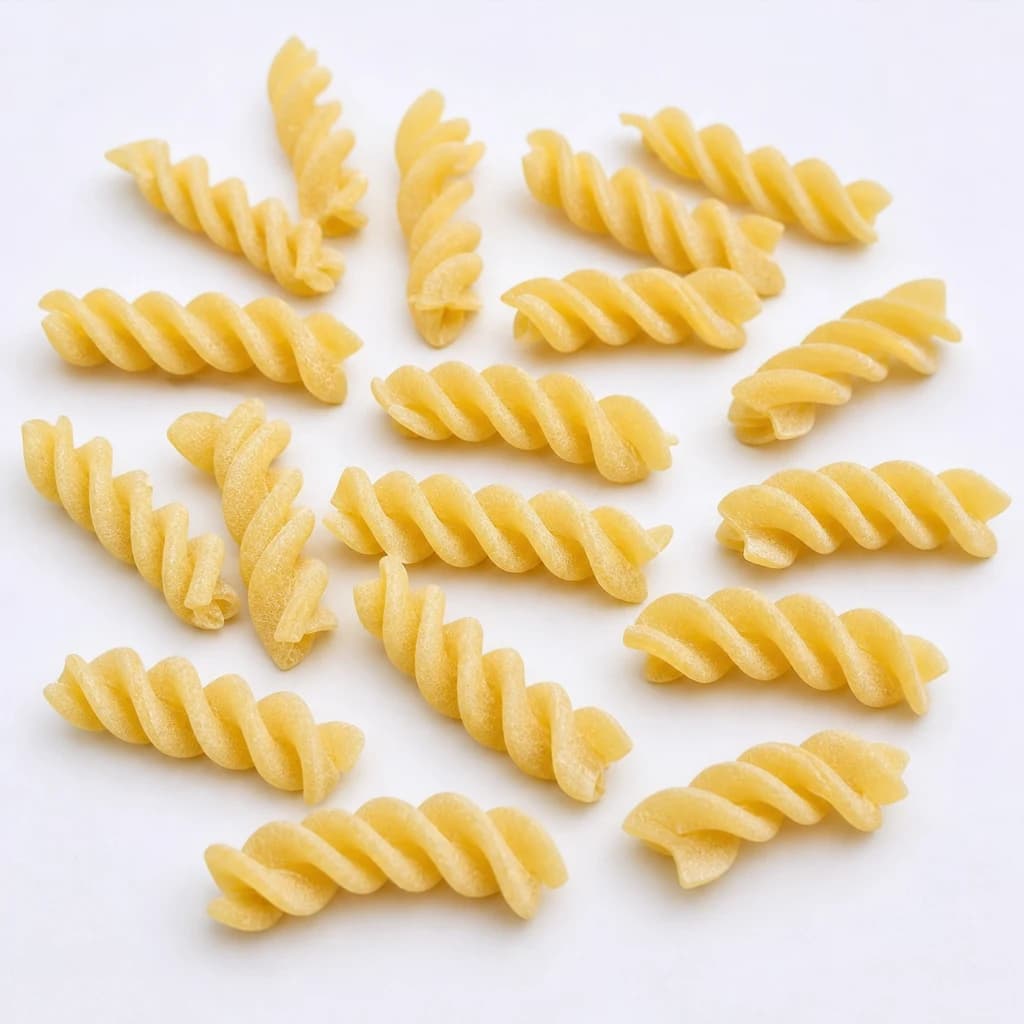
Fusilli
Spiraled pasta that twirls up sauce and dresses cold salads
Rolled Oats
Hearty flakes for porridge, granola, and chewy cookies