Grains & Rice
Coarse Semolina
Gritty coarse-ground durum wheat used for pasta, dusting, and porridges.
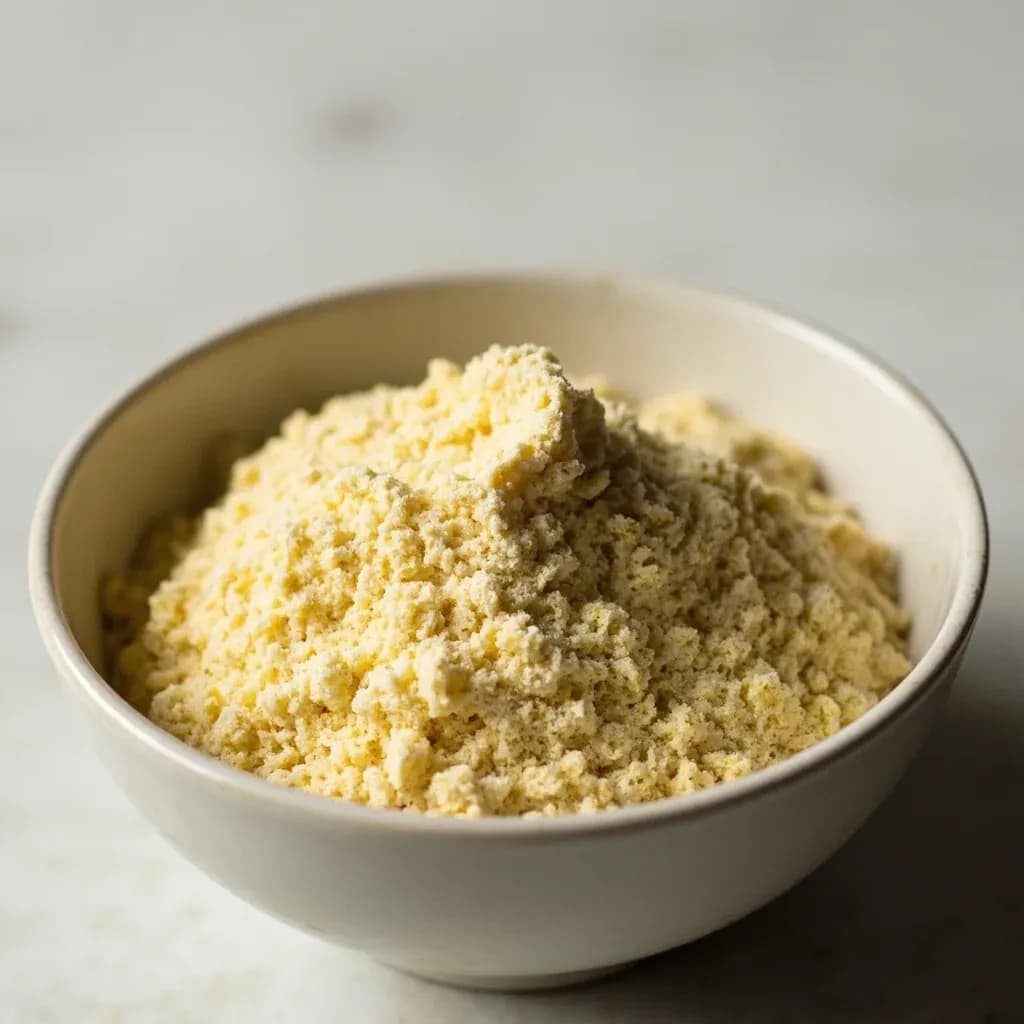
Coarse semolina is durum wheat milled to a sandy, granular texture, pale gold in color. It is used to make pasta and couscous, as a dusting flour to keep dough from sticking, and cooked into porridges and puddings. Its high protein gives it a firm, toothy bite.
Coarse semolina is milled from the endosperm of durum wheat (Triticum durum), ground to particles between 0.5 and 1.0 millimeter—substantially grittier than the fine powder used in desserts and breadcrumbs. This coarse cut is what distinguishes it from other semolina grades and what makes it essential for applications demanding firm bite, visible grain texture, and structural integrity. Durum wheat's naturally high protein content (12–14%) develops a strong, elastic gluten network when hydrated, allowing pasta and breads to hold their shape under cooking heat rather than turning soft or gummy. The pale-to-golden yellow color comes from carotenoid pigments in the durum endosperm, giving cooked pasta its characteristic golden hue. Coarse semolina is not interchangeable with fine semolina; the finer grade hydrates too quickly and produces mushy, soft results in applications that require the resilient, toothsome texture coarse particles provide.
- Measured in
- g
- Storage
- Pantry
Allergens
Types & varieties
Standard milling of 0.5–1.0 mm; the classic choice for fresh pasta, gnocchi, and couscous. Produces firm, golden pasta with visible granules and resilient bite.
Particles up to 2.0–2.5 mm; used in North African flatbreads and as a polenta substitute. Requires longer cooking and produces a more pronounced gritty texture.
Includes bran and germ portions; earthier flavor, shorter shelf life (3–6 months), coarser texture. Not interchangeable with refined durum semolina.
Larger particles remaining after fine flour extraction; used almost exclusively for animal feed, not cooking.
Semolina Terminology
The terms 'semolina' and 'durum flour' are sometimes used interchangeably in American markets, but they refer to different products. True coarse semolina has a gritty, sand-like texture visible to the naked eye—unlike the powdery fine semolina used in desserts and breadings. When sourcing specifically for pasta, seek products labeled 'semola di grano duro' (Italian) or 'durum wheat semolina' to ensure coarse milling and proper gluten development.
- Look for 'semola di grano duro' on Italian packaging for pasta-grade quality
- Fine semolina and coarse semolina are not interchangeable in recipes
- In American markets, 'durum flour' typically refers to fine ground durum, while coarse semolina is usually labeled as 'semolina' or 'coarse semolina'
Couscous-Specific Note
Traditional Moroccan and Algerian couscous uses semolina that has been pre-steamed, rolled, and dried into small granules. This differs fundamentally from raw coarse semolina used for pasta and porridges. When a recipe calls for couscous, do not substitute raw semolina—the steaming process and granule size are essential to proper texture.
- Couscous semolina is pre-steamed and dried; raw semolina will not produce the same result
- Seek products labeled specifically for couscous if that is your intended use
- Pasta-grade semolina may produce overly firm couscous; follow recipe guidance
Common uses
Tips & pitfalls
- Always use a 3:1 to 4:1 liquid-to-semolina ratio for porridges; too little liquid produces a stiff, gluey mass rather than a fluid, creamy porridge.
- Add semolina to boiling liquid gradually, whisking or stirring constantly to prevent lumps—dry pockets will remain chalky inside even after extended cooking.
- For fresh pasta, hydrate the semolina for 30–60 minutes with enough water (roughly 1 part water to 2.5 parts semolina by weight) before kneading. This develops gluten more evenly than adding dry semolina directly to eggs.
- Do not substitute fine semolina in pasta recipes; the fine grade hydrates too quickly and produces soft, mushy results rather than the firm, golden bite that coarse semolina provides.
- Store in airtight containers away from strong odors; semolina's porosity causes it to absorb neighboring flavors from spices, onions, or other aromatic foods.
- For dusting work surfaces: sift coarse semolina if you want finer, more even coverage, or use directly for heavier doughs like gnocchi where grip and texture are desired.
- When making couscous, use coarse semolina specifically labeled for couscous; pasta-grade semolina may produce overly firm results, and fine semolina will not hold its shape during steaming.
Nutrition
Energy
1506 kJ · per 100 g
Where the calories come from
Protein
12.7g
25% DV
Carbs
72.8g
26% DV
Fat
1.1g
1% DV
Fiber
3.9g
14% DV
Sodium
1mg
0% DV
Source · USDA FoodData Central · approx. Semolina, unenriched
View on FDC →In the shops
Matched grocery products
No matched grocery products for Coarse Semolina yet.
Good to know
- Source
- Durum wheat (Triticum durum) endosperm, milled to coarse particles of 0.5–1.0 mm or larger
- Protein Content
- 12–14%; develops strong, elastic gluten network when hydrated
- Color
- Pale to golden yellow from natural carotenoid pigments in durum wheat
- Origin Regions
- Mediterranean basin, North Africa, Middle East; major producers include Morocco, Algeria, Tunisia, Italy, Turkey, and the US (Arizona, California, North Dakota)
- Flavor
- Mildly nutty and wheaty; slightly sweet when cooked
- Shelf Life
- 6–12 months in airtight container in cool, dry pantry; longer than fine flour due to lower surface area
- Typical Cut
- Coarse: 0.5–1.0 mm; Very coarse (bread/pasta): up to 2.5 mm; grittier than fine semolina (0.25–0.35 mm)
- Gluten Behavior
- Strong, elastic gluten network develops when hydrated; holds shape well and creates firm bite in cooked applications
Substitutes
- Fine cornmeal (polenta) — Comparable gritty texture; yields similar firm bite in porridges. Use 1:1 ratio. Flavor shifts from wheaty to corny; not suitable for traditional Italian pasta or North African breads.
- Medium-ground hominy corn (hominy grits) — Similar particle size and mouthfeel. Neutral to slightly sweet flavor; works in porridges and as dusting agent. Not a gluten-containing substitute.
- Medium-ground rice — Provides gritty texture in porridges; softer bite. Lacks wheat flavor and gluten. Use in gluten-free adaptations of baked goods and breading.
- Coarse whole wheat flour — More fibrous, earthier flavor. Can substitute in bread recipes at up to 30% of total grain; higher percentages yield dense, heavy crumb in yeasted breads.
Pairs with
Also called
For Dusting · Coarse Durum Semolina · Semola
Appears in these dishes
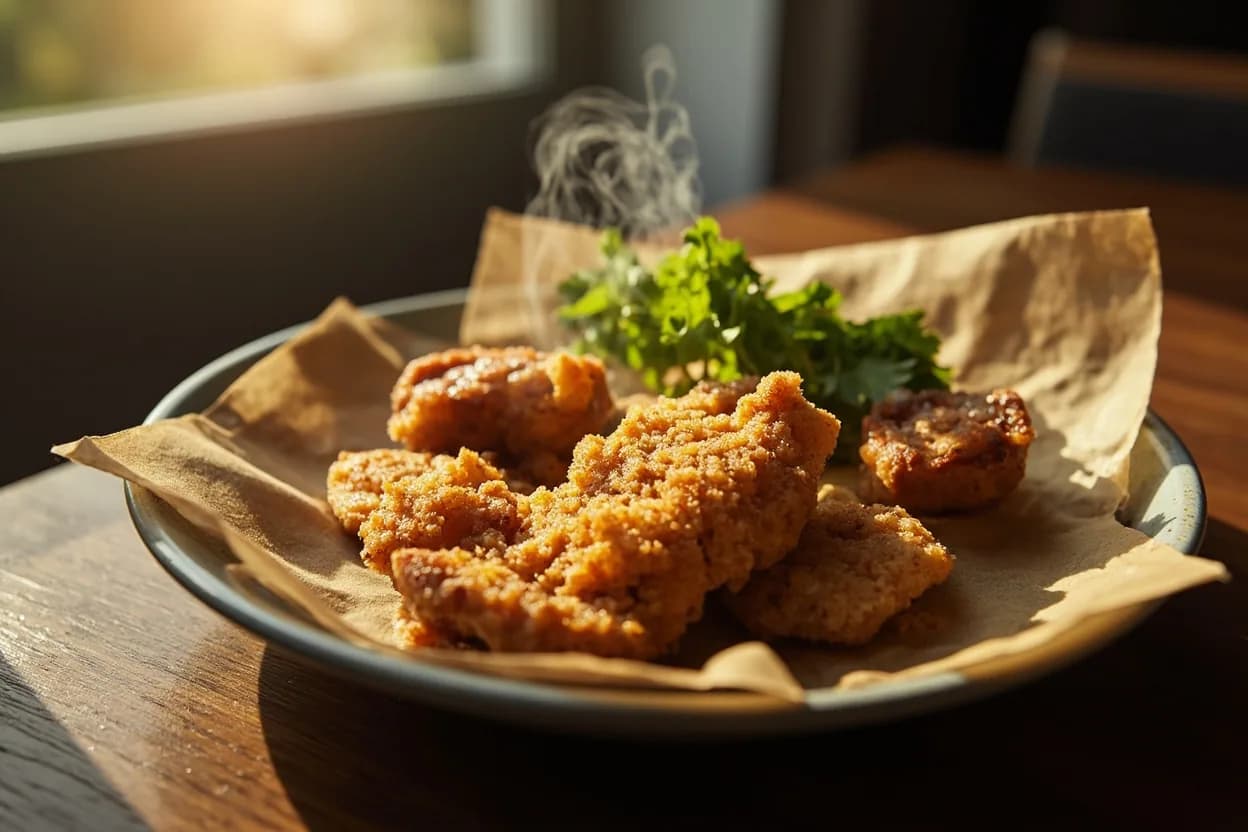

Related

White Rice
Fluffy long-grain rice — the neutral base for almost any meal

White Bread
Soft sandwich loaf for toast, sandwiches, and crumbs
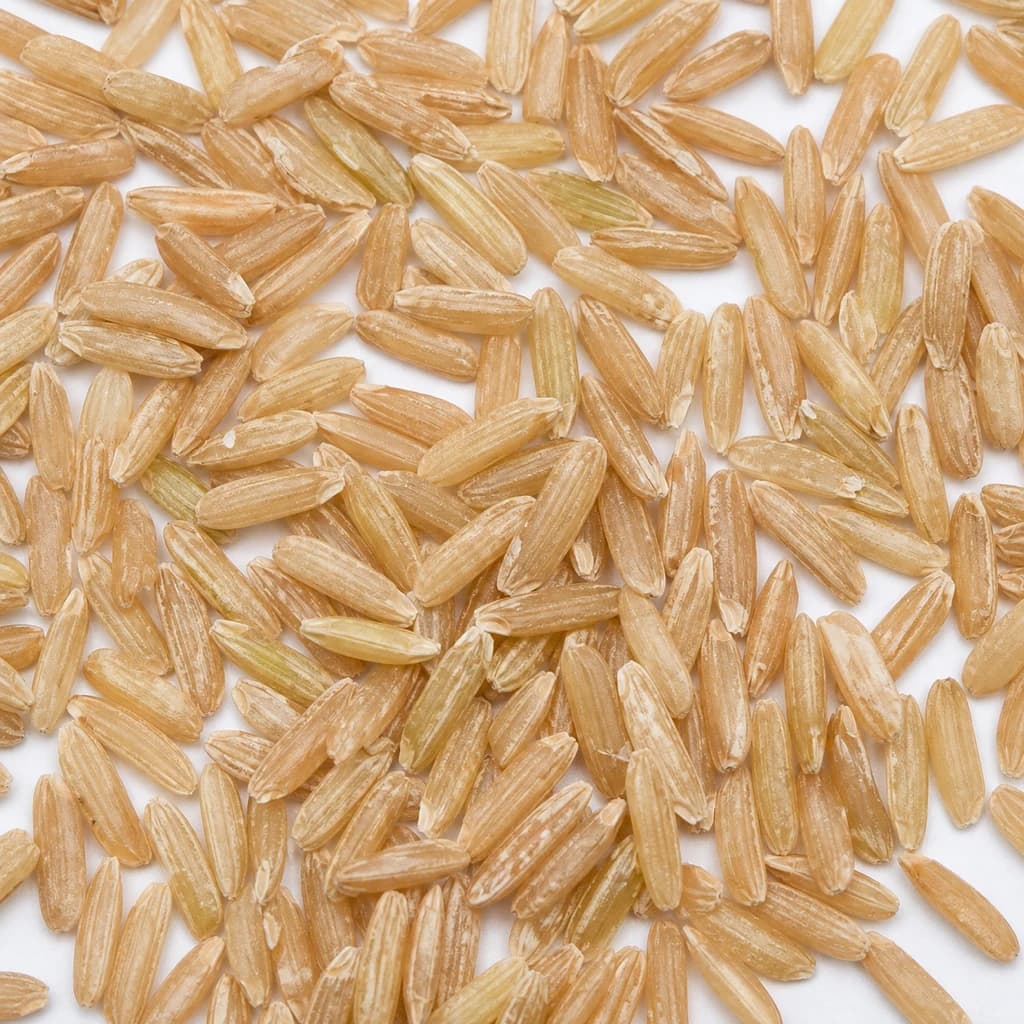
Brown Rice
Nutty, whole-grain rice with chew and extra fiber

Basmati Rice
Fragrant, long-grain rice that cooks up light and separate
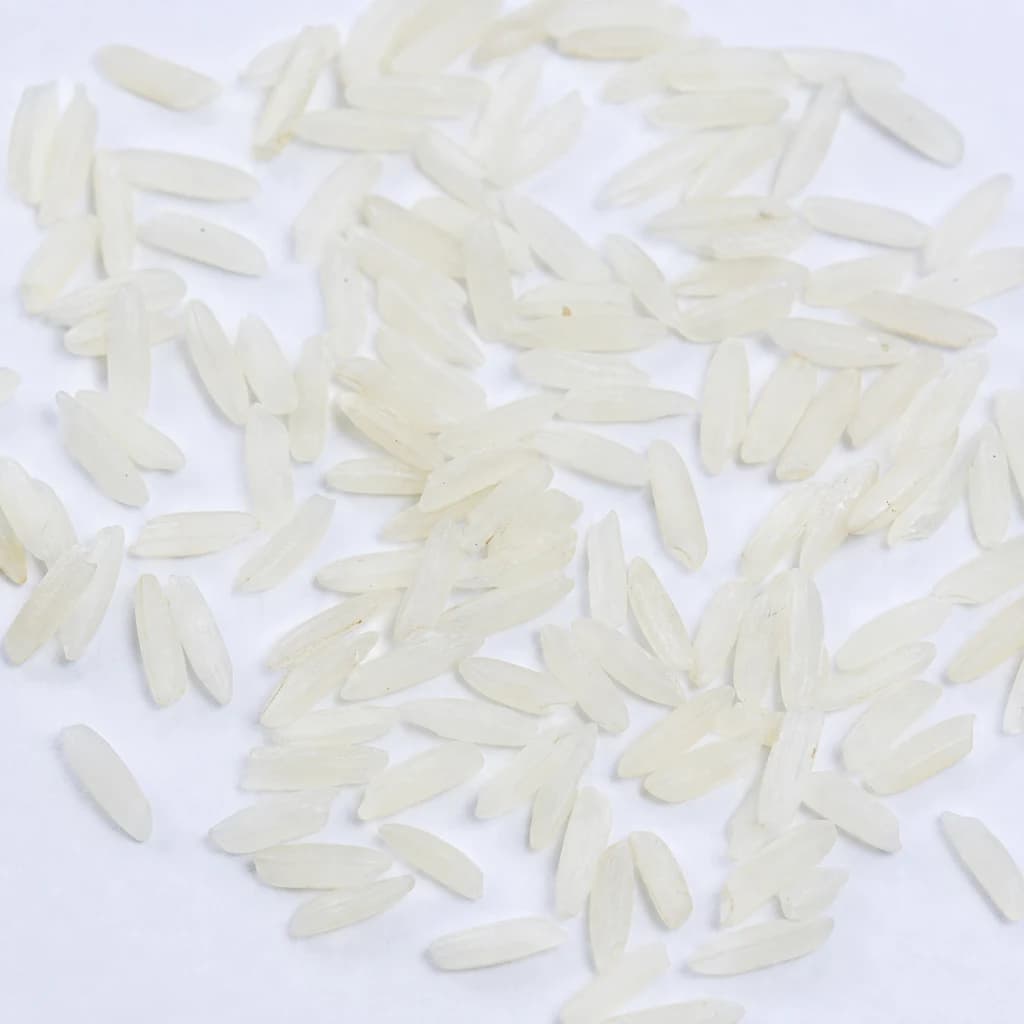
Jasmine Rice
Soft, floral-scented rice that's the pillar of Thai meals
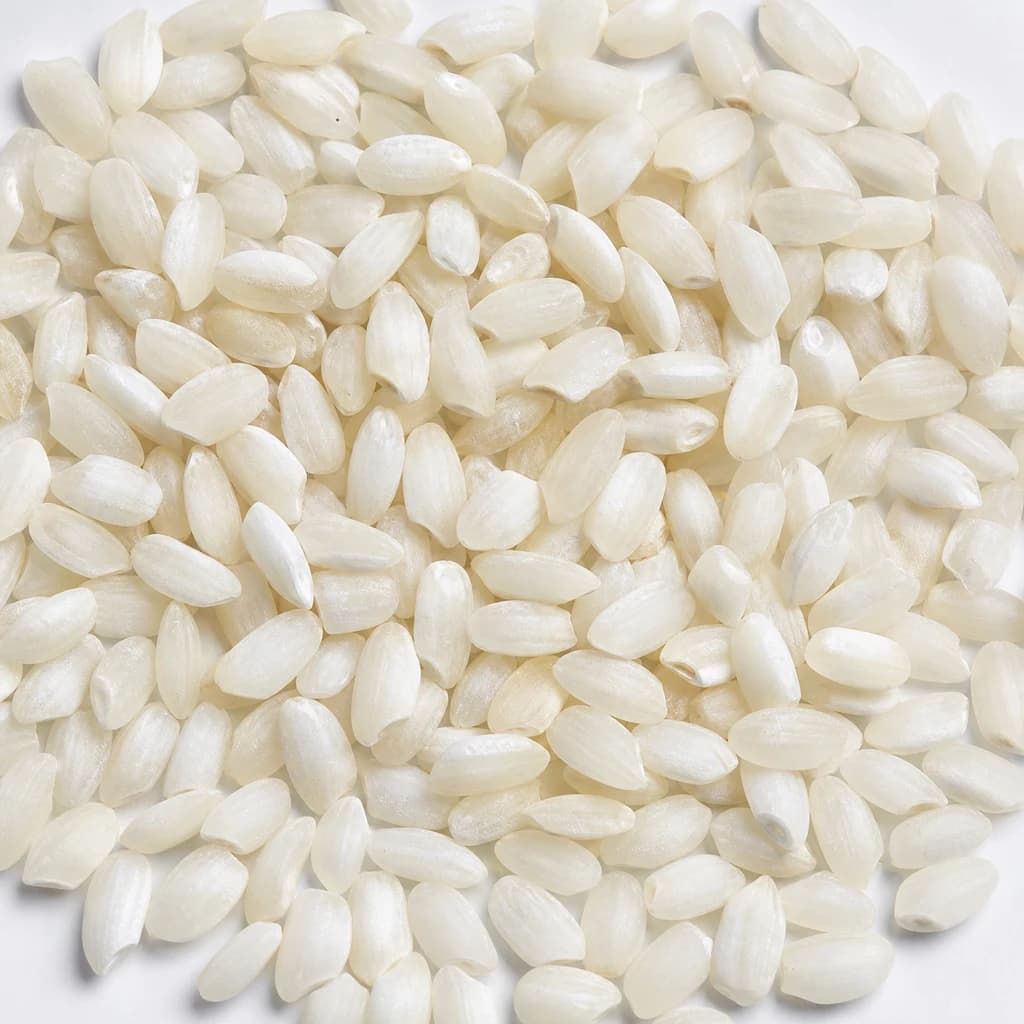
Arborio Rice
Plump, starchy rice that makes risotto creamy
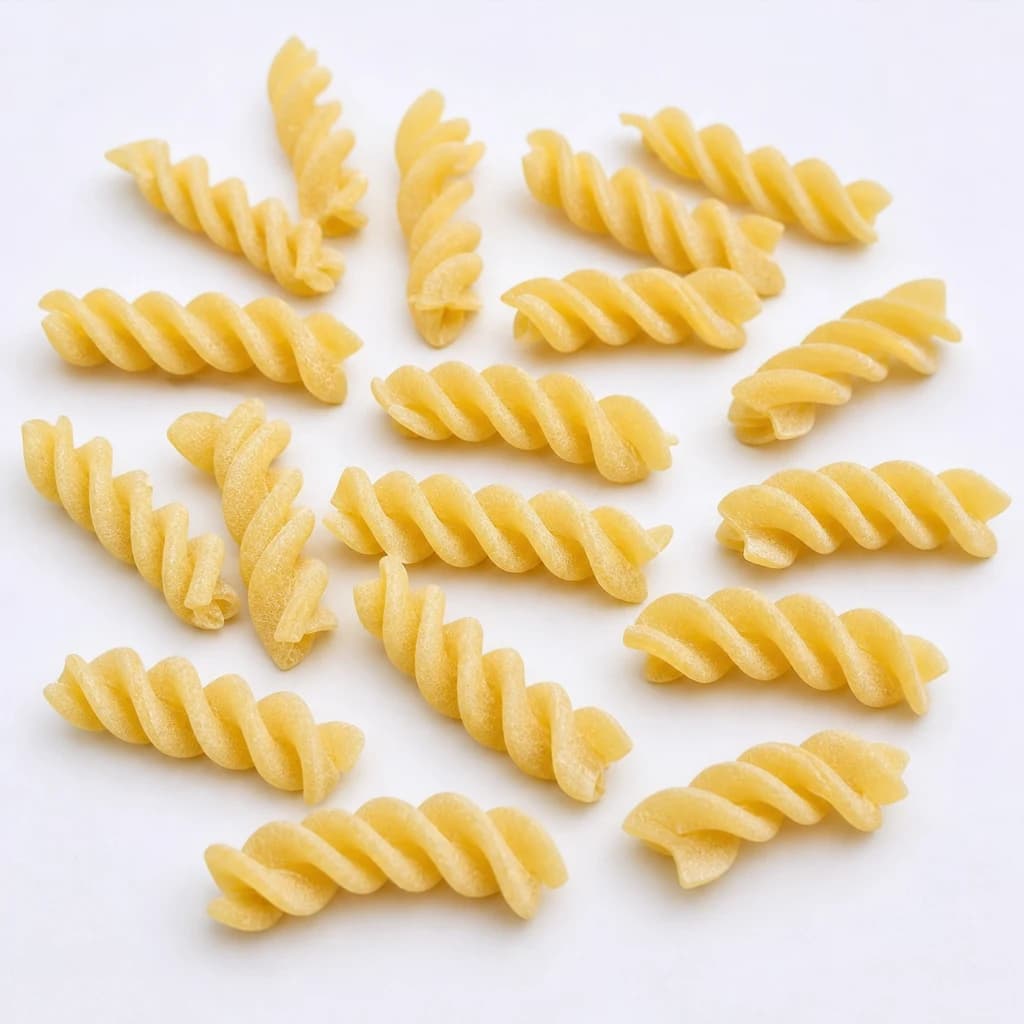
Fusilli
Spiraled pasta that twirls up sauce and dresses cold salads
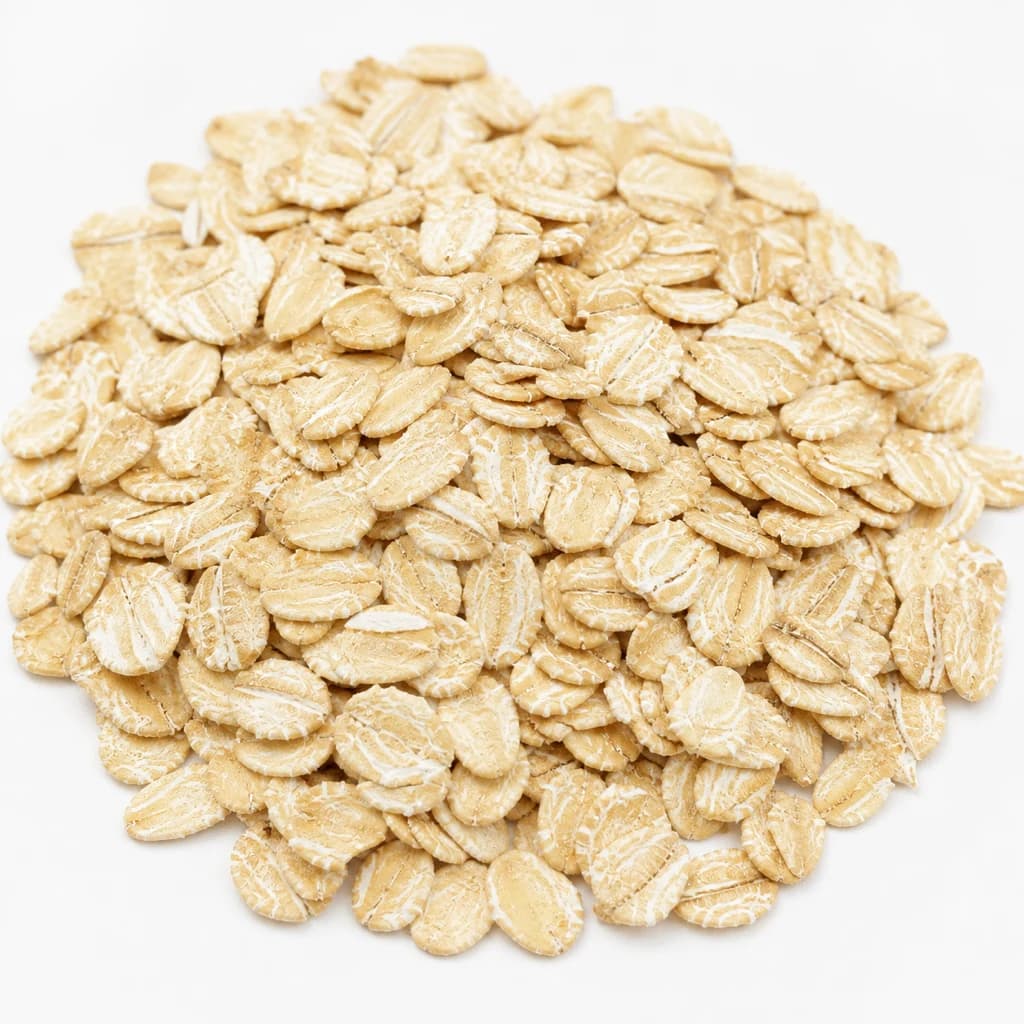
Rolled Oats
Hearty flakes for porridge, granola, and chewy cookies