
Baking
Tipo 00 Flour
Finely milled Italian wheat flour prized for silky pasta dough and Neapolitan pizza.
Tipo 00 is the finest Italian flour grade, milled to a soft, powdery texture from wheat. It is the classic choice for fresh egg pasta and for Neapolitan pizza dough, where its fine grind and elastic gluten give a smooth, stretchy dough. The number refers to the milling fineness, not the protein content, which varies by brand.
Tipo 00 is the pinnacle of the Italian flour classification system, denoting the finest grind and highest refinement grade—00 indicates the flour contains no more than 0.50–0.60% ash content, meaning almost pure endosperm with minimal bran or germ. Milled from soft wheat (Triticum aestivum, distinct from durum) to a particle size of roughly 45–55 microns, it feels almost talcum-powder smooth, producing doughs that are silky rather than granular. The protein content of 10–12% provides enough gluten for structural integrity without sacrificing tenderness—ideal for applications where extensibility and a tender bite matter equally.
This flour's behavior is distinctly different from American all-purpose or bread flours. The fine grind creates a dough that hydrates differently, binding water more evenly and producing an unusually smooth, extensible mass that feels almost creamy when worked. For Neapolitan pizza, this translates directly into a crust that can be stretched to a gossamer thinness without tearing, developing the characteristic charred, leopard-spotted undercarriage at extremely high temperatures. For fresh pasta, the smoothness prevents the slight grittiness that even quality American flours can impart, yielding a silkier, more refined result.
The 00 designation is strictly an Italian grading system based on mineral residue after burning—not a brand, not a guarantee of protein content, and not replicated identically outside Italy. "Italian-style" 00 flours produced elsewhere may approximate the grind but cannot match the specific soft wheat varieties and mineral profiles of true Italian production. This matters most for pasta, where 00 flour is genuinely superior to any common American substitute. For pizza, the practical reality is that its virtues require professional deck ovens or wood-fired ovens exceeding 400°C (750°F) to fully express—the home oven cannot reach temperatures where 00 flour outperforms all-purpose flour.
- Measured in
- g
- Storage
- Pantry
Allergens
Types & varieties
Often slightly lower protein (~10–10.5%), optimized for Neapolitan high-heat pizza with extensible, charred crusts; brands like Caputo and San Felice.
May run slightly higher protein (~11–12%); brands such as Antimo Caputo pasta flour, Faella, and Garofalo 00 are designed for smooth, silky pasta dough.
Some mills produce 00 specifically for focaccia; it yields an exceptionally tender crumb with open texture while maintaining workability.
A twice-milled 00 flour, finer still; typically used for breading, certain cakes, and delicate pastries rather than pasta or pizza.
Understanding the Italian Flour Grading System
Italy's flour classification runs from 00 (highest refinement, lowest ash) through 0, 1, 2, and finally Integrale (whole wheat with highest bran content). The numbers refer to extraction rate and mineral content—the more bran removed, the whiter and finer the flour. This system prioritizes ash content over protein as the defining characteristic, meaning a 00 flour could theoretically have varying protein levels depending on the wheat variety used. For this reason, both the ash grade and protein percentage matter when selecting flour for a specific purpose. The grading is strictly enforced in Italy and is not directly equivalent to American flour designations like cake, pastry, or bread flour, which classify primarily by protein content.
- 00: 0.50–0.60% ash, highest refinement, purest white color
- 0: 0.50–0.75% ash, slightly more bran retained
- 1: 0.75–1.00% ash, noticeable color difference
- 2: 1.00–1.30% ash, clearly darker, more textured
- Integrale: Whole wheat, retains all bran
Why 00 Flour Performs Differently
The fine particle size of 00 flour affects how it hydrates and how gluten develops. Smaller particles have greater surface area relative to mass, binding water more quickly and evenly. This creates a dough with a different texture profile—smoother, more cohesive, and less prone to the slight graininess that even quality American flours can produce. The low bran content means no fiber interference with gluten strand development, allowing for more predictable and extensible doughs. In pizza, this manifests as the ability to stretch the dough extremely thin at the center while maintaining structure toward the rim. In pasta, it produces a noticeably smoother dough that rolls and shapes more easily, with a final texture that feels more refined.
- Finer grind = faster, more even hydration
- Low bran = unobstructed gluten development
- Consistent particle size = predictable dough behavior
- No fiber to interfere with rolling and shaping
Common uses
Tips & pitfalls
- Do not dust surfaces with 00 flour excessively when shaping pizza—a light hand prevents a floury, burnt crust; use semolina or coarse 00 instead for dusting pizza peels and work surfaces.
- For pizza, let cold-fermented dough come to room temperature 2–3 hours before baking; cold dough will not stretch properly and will tear under handling.
- When making pasta, rest the dough wrapped for at least 30 minutes after kneading—this relaxes gluten and prevents spring-back during rolling and shaping.
- Do not substitute durum wheat semolina for 00 in pasta—it produces a gritty, dense result with completely different texture and behavior.
- For Neapolitan pizza in a home oven, 00 flour is largely wasted—the dough needs 450–485°C (840–900°F) to develop properly; all-purpose flour works better for home oven pizza.
- Avoid over-kneading 00 pasta dough—its fine texture develops gluten more quickly than coarser flours; stop when smooth and elastic, not until it feels tight.
- Store 00 flour away from strong odors—it absorbs flavors from its environment due to its high fat content.
- When substituting, combine bread flour and cake flour 50/50 to approximate 00's protein level and finer texture when Italian flour is unavailable.
Nutrition
Energy
1523 kJ · per 100 g
Where the calories come from
Protein
10.3g
21% DV
Carbs
76.3g
28% DV
Fat
1g
1% DV
Fiber
2.7g
10% DV
Sugars
0.3g
of which
Sodium
2mg
0% DV
Source · USDA FoodData Central · Wheat flour, white, all-purpose, enriched, bleached
View on FDC →In the shops
Matched grocery products
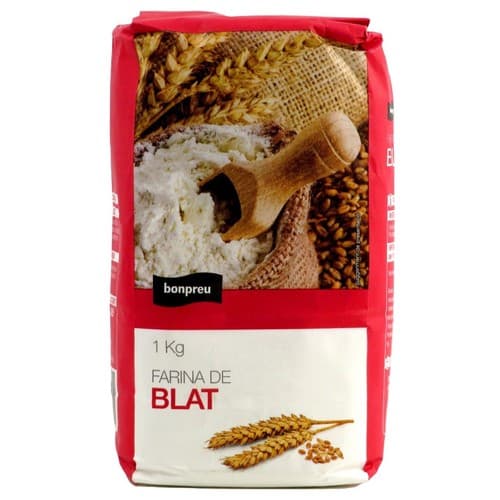 €0.72
€0.72Wheat Flour
BONPREU · kg · Bonpreu
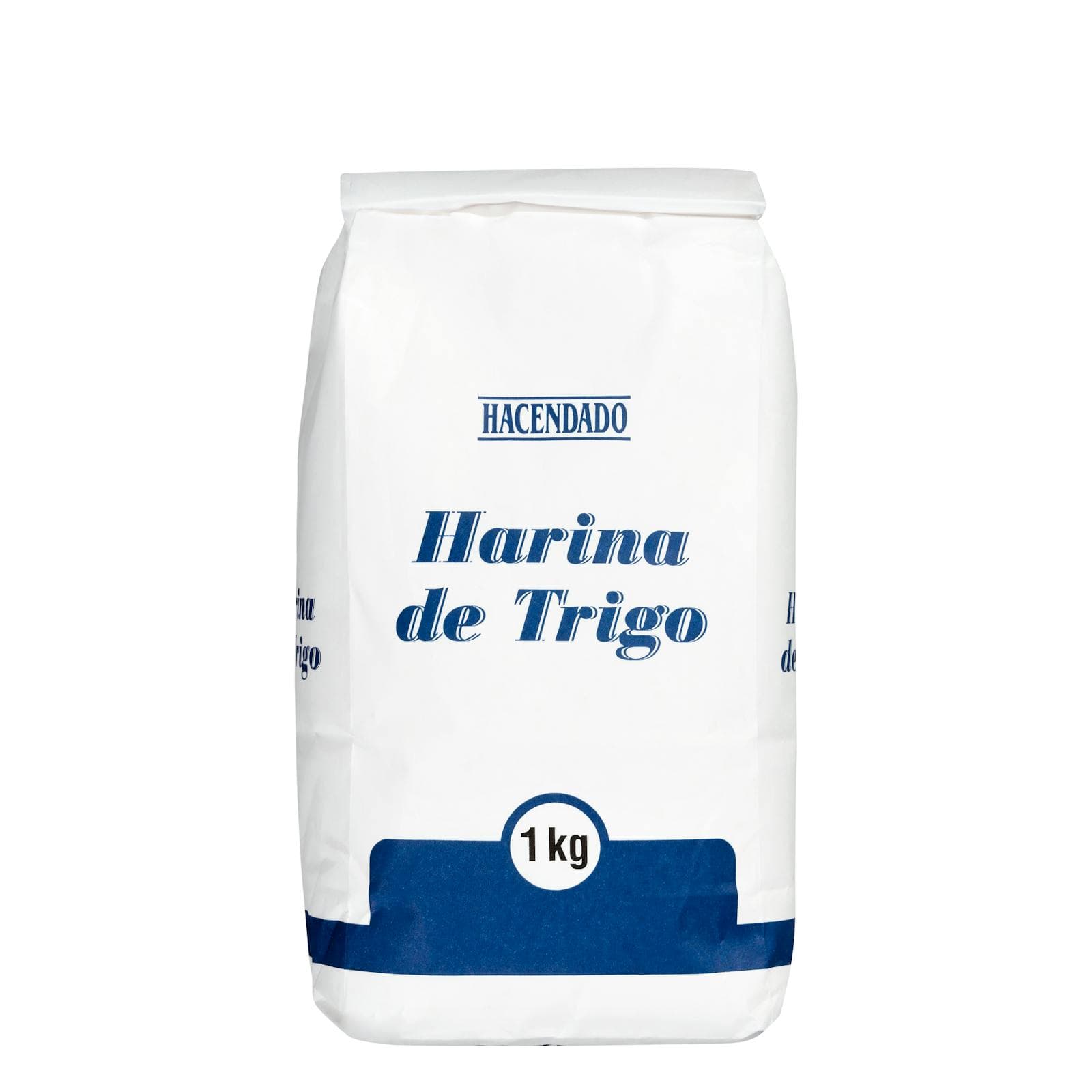 €0.72
€0.72Wheat Flour
Hacendado · 1 kg · Mercadona
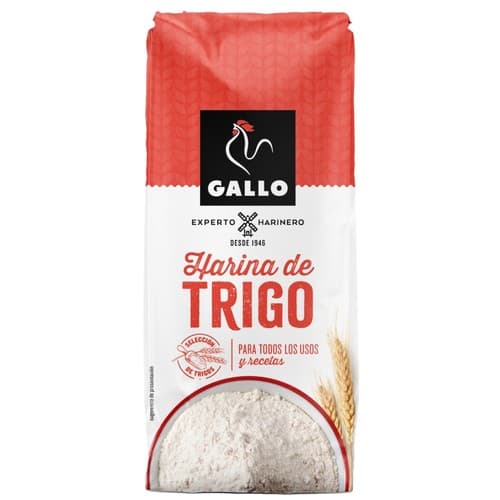 €1.45
€1.45GALLO Wheat Flour
GALLO · kg · Bonpreu
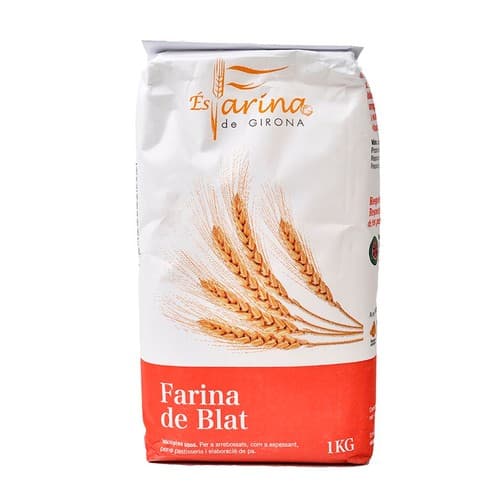 €1.65
€1.65GIRONA Local Wheat Flour Km0
GIRONA · kg · Bonpreu
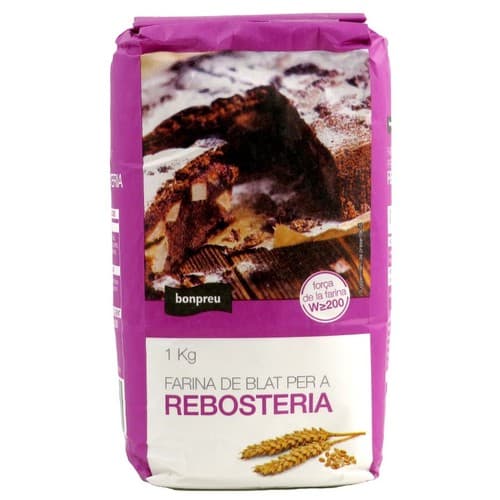 €0.95
€0.95Wheat Flour for Pastry
BONPREU · kg · Bonpreu
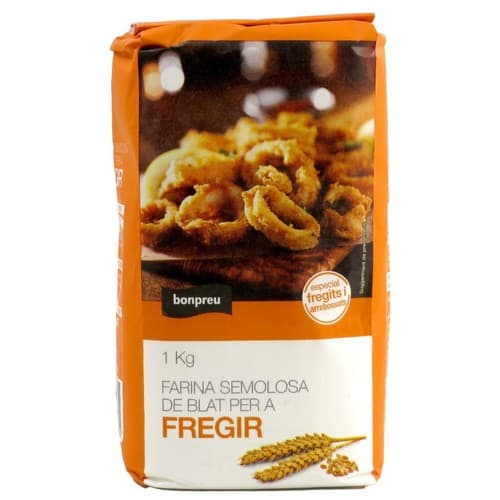 €1.20
€1.20Wheat Flour for Frying
BONPREU · kg · Bonpreu
Good to know
- Origin
- Italy, with flour classification dating to 1870s legislation defining refinement grades by ash content and particle size.
- Ash Content
- 0.50–0.60% maximum—the defining metric for 00 classification, indicating minimal bran and pure endosperm.
- Protein Content
- 10–12% moderate gluten—enough structure for extensibility, low enough for tenderness.
- Particle Size
- 45–55 microns, giving a talcum-powder smoothness that prevents granular texture in doughs.
- Grind Grade
- 00 is the highest refinement grade in the Italian system; grades 0, 1, 2, and Integrale retain progressively more bran.
- Wheat Type
- Soft wheat (Triticum aestivum); distinctly different from durum wheat (Triticum durum).
- Typical Hydration
- Pizza doughs 55–65%; pasta doughs 30–35% with eggs; lower hydration than many American recipes suggest.
- Storage
- Airtight container in cool, dry, dark location; best used within 3–6 months due to fat content and rancidity risk.
Substitutes
- All-Purpose Flour — Similar protein content but coarser grind yields slightly granular pasta dough and less extensible pizza crust; acceptable substitute for home oven pizza where 00's advantages are less relevant.
- Bread Flour (50%) + Cake Flour (50%) — This blend mimics 00's protein level and finer texture; the combination is a practical substitute when Italian flour is unavailable, though not identical.
- Low-protein Pastry Flour (e.g., White Lily) — Lower protein creates tender results but lacks gluten strength for pizza; only suitable for pasta in a pinch, where it will produce a more fragile dough.
Pairs with
Also called
00 Flour · Doppio Zero Flour · Farina 00
Related

All-Purpose Flour
The do-anything flour for bread, cakes, sauces, and dredging

Bread Flour
High-protein flour for chewy, well-risen breads
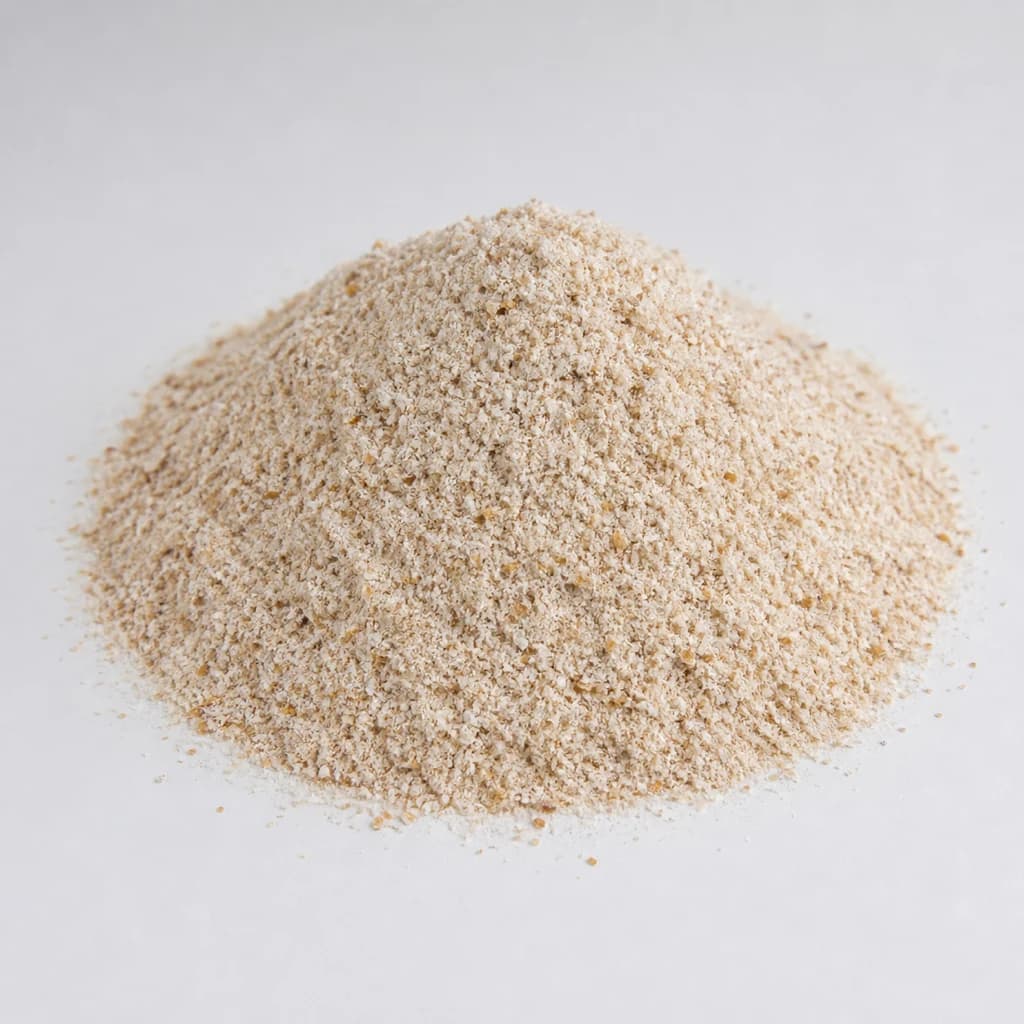
Whole Wheat Flour
Nutty, whole-grain flour for hearty breads and bakes
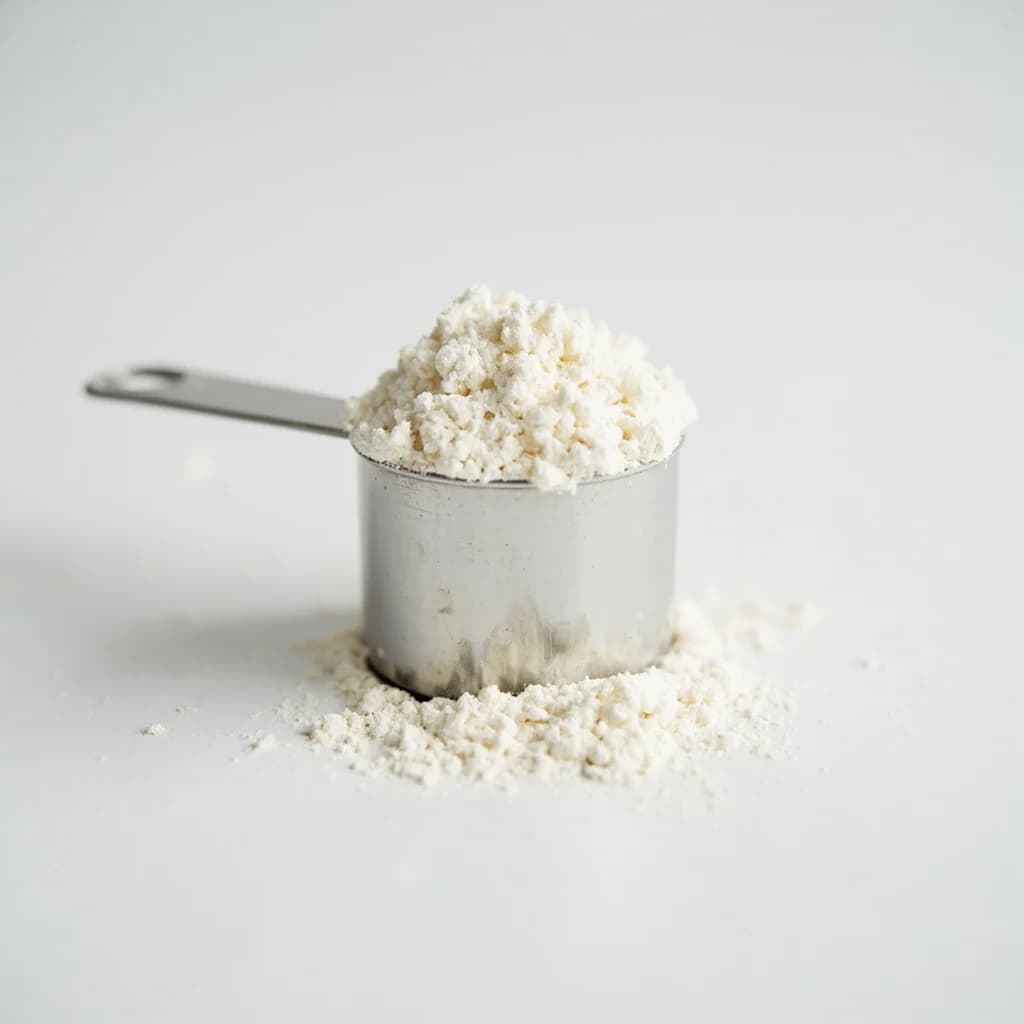
Cake Flour
Fine, low-protein flour for tender, delicate cakes
Almond Flour
Nutty, gluten-free flour for macarons and tender bakes

Baking Powder
All-in-one leavener for fluffy cakes, pancakes, and biscuits

Baking Soda
Pure leavener that needs acid to lift — and tenderize
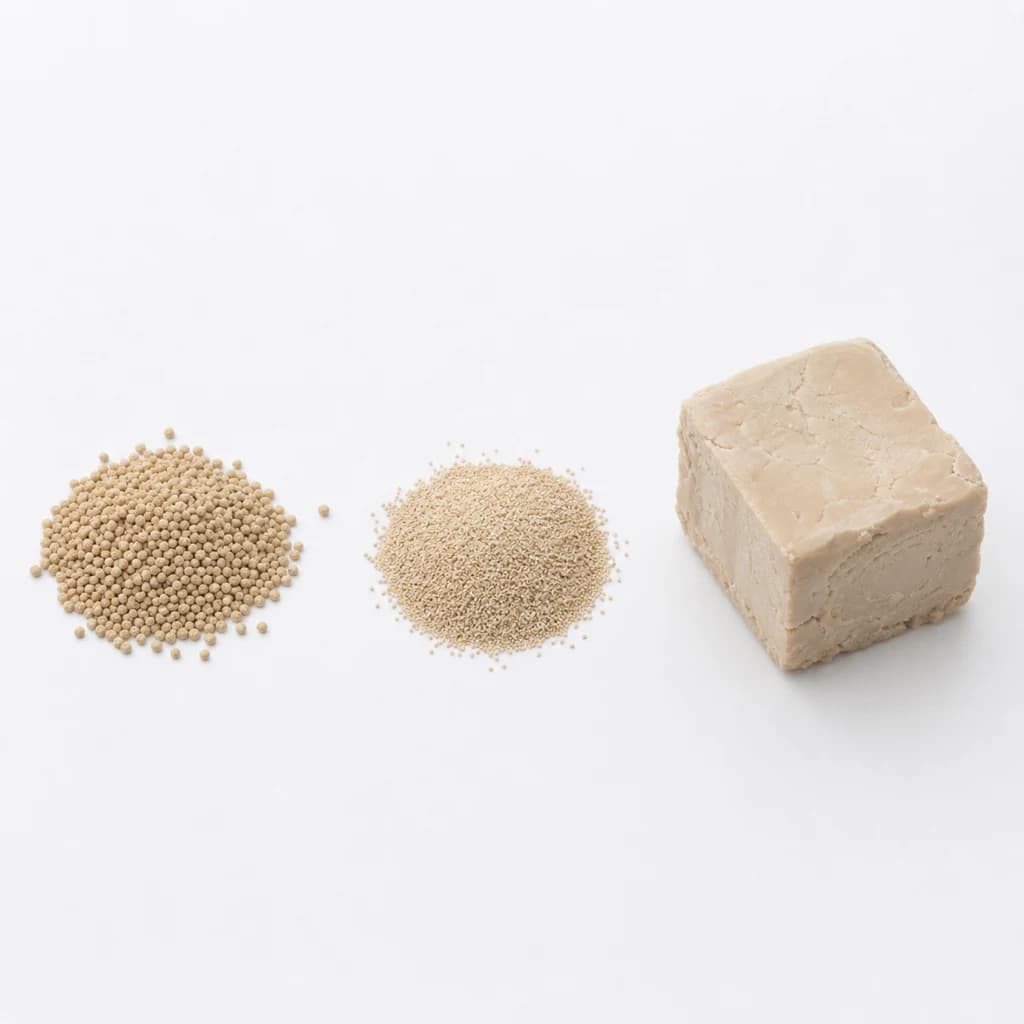
Yeast
Living leaven that makes bread rise and dough come alive