Grains & Rice
Maize Flour
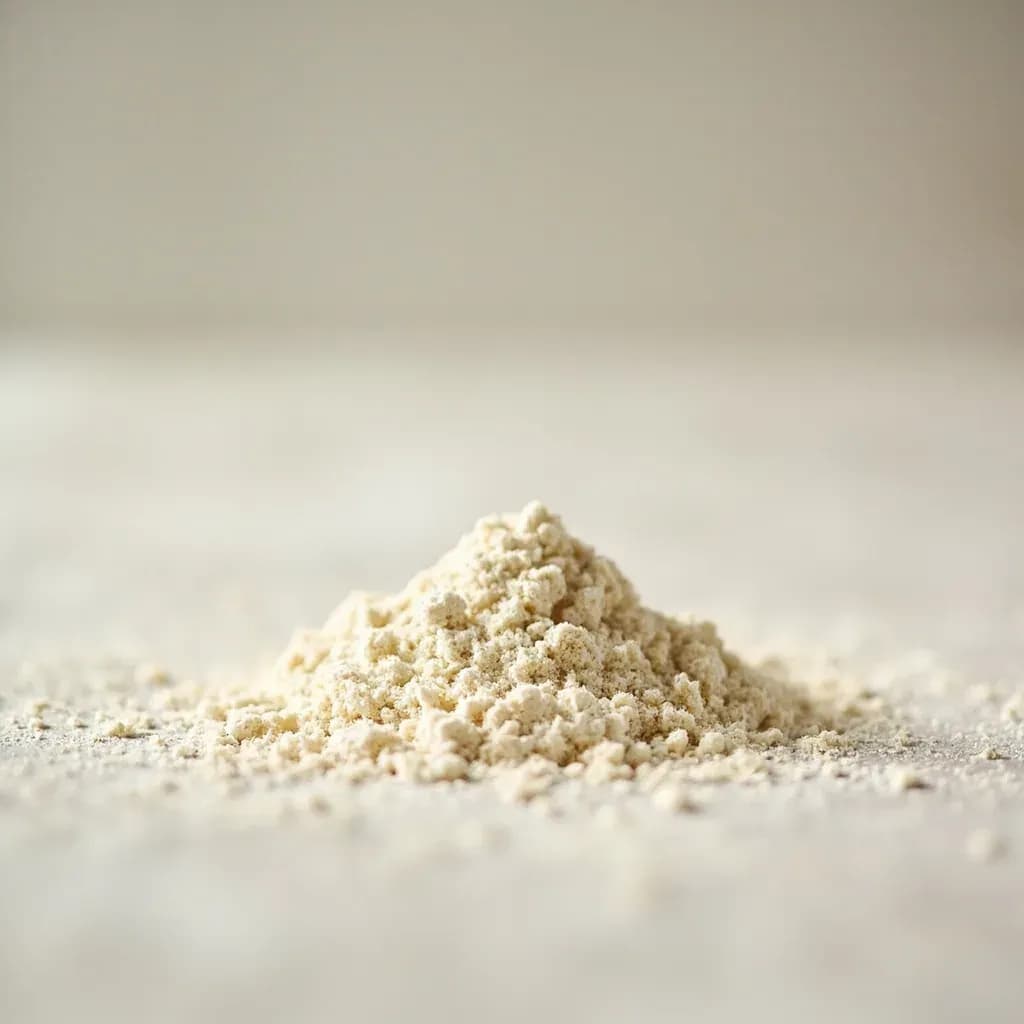
Finely milled dried corn used for stiff porridges like ugali, posho, and sadza.
Maize flour is finely ground dried maize, distinct from coarser cornmeal, and a staple across East and Southern Africa. It is whisked into boiling water to make stiff porridges such as ugali, posho, sembe, and sadza, eaten with stews and greens. Roller-milled and fine grades give a smoother, less gritty texture.
Maize flour is finely milled from dried corn kernels, producing a powder finer than cornmeal but coarser than cornstarch. Unlike the pre-cooked nixtamalized flours used for tortillas, maize flour for porridges is ground from raw, dried corn and must be cooked in liquid to develop its characteristic thick, dough-like texture. The flour is naturally gluten-free with a mild, faintly sweet corn flavor that readily absorbs and amplifies the seasonings of accompanying dishes.
This ingredient forms the dietary backbone for hundreds of millions across Sub-Saharan Africa and the Americas, where it appears in cornbread, breakfast porridges, and as a thickener. Its critical distinction from Italian polenta lies in the ratio and technique: maize flour for ugali, posho, and sadza is cooked to a solid, sliceable mass (roughly 1 part flour to 3–4 parts liquid by volume), while polenta remains pourable. The ratio is not approximate—maize flour starch swells dramatically as it cooks, and experienced cooks adjust by feel based on the specific grind and moisture content of their flour.
White maize dominates African porridge cooking because it yields a cleaner, whiter result that lets bold relishes and stews take center stage. Yellow maize carries slightly more sweetness and carotenoids, while blue maize offers a milder, nuttier profile used in Andean and Mesoamerican traditions. Storage matters: the flour's low fat content makes it prone to rancidity in warm or humid conditions, so airtight containers in cool, dark spaces—or the freezer—extend shelf life significantly.
- Measured in
- g
- Storage
- Pantry
Types & varieties
Standard choice for ugali, posho, and sadza; clean, neutral backdrop that lets stews and relishes dominate the plate
Slightly sweeter, more robust corn flavor; common in Southern Africa for sadza and in some Latin American preparations
Milder, slightly nuttier; used in traditional Andean and Mesoamerican breads and atoles; harder to find outside specialty shops
Pre-blended with leavening and salt; uncommon but useful for quick breads and pancakes
Understanding Maize Flour in African Cuisine
Maize flour occupies a unique position in African cooking: it is the starch vehicle, not the star. In East Africa, ugali and posho are eaten by hand, formed into a small mound on the plate, and dipped into stews and relishes. In Southern Africa, sadza follows the same logic—fork or hand, a piece torn off, used to scoop stew. The porridge must be firm enough to hold its shape but smooth enough to eat without grittiness.
The cooking process is straightforward but unforgiving. Water (or stock) is brought to a rolling boil, maize flour is added gradually while stirring vigorously, and the mixture is worked until it reaches a dense, cohesive mass. Once it begins to thicken, stirring must continue to prevent scorching at the pot's bottom. The critical phase comes after the last flour is added: the porridge is left to cook undisturbed for 5–10 minutes, allowing the starch to fully gelatinize and the texture to smooth out. Rushing this resting phase produces a rough, undercooked interior with a raw, gritty quality that can cause digestive discomfort.
Traditional accompaniments vary by region but follow a consistent logic: bold, flavorful relishes—tomato and onion bases, braised greens, bean stews, meat dishes, or groundnut sauces—provide the seasoning and protein, while the maize porridge delivers the carbohydrate foundation and textural counterpoint.
- Water-to-flour ratios vary by desired firmness and flour grind, but 1:3 to 1:4 by volume is the starting range
- Stirring throughout cooking prevents lumps and scorching
- The 5–10 minute undisturbed rest after thickening is essential for smooth texture
- Undercooked maize flour has a distinctly gritty, raw quality
Storing Maize Flour
Maize flour's low fat content makes it less prone to quick rancidity than whole-grain flours containing germ, but it is not immune. In temperate climates, an airtight container in a cool, dark pantry keeps the flour usable for 6–12 months. In humid or tropical kitchens, refrigeration is essential to prevent weevil infestation and moisture absorption.
For maximum longevity, portion the flour into freezer bags and store in the freezer. Use directly from frozen—the moisture content stays low, and the flour pours easily even after prolonged freezing. This method is particularly valuable when buying in bulk or when living in climates with inconsistent storage conditions. Before using frozen flour, allow it to reach room temperature in the sealed container to prevent condensation from forming on the powder.
- Airtight containers are non-negotiable; maize flour absorbs odors and moisture readily
- In humid climates, refrigeration prevents weevil eggs from hatching in the flour
- Freezing extends shelf life significantly and does not affect cooking performance
- Bring frozen flour to room temperature in its sealed container before measuring to prevent clumping
Common uses
Tips & pitfalls
- Measure water precisely before adding maize flour — ratios are unforgiving; too much flour makes a stiff, clumpy lump, too much water produces a runny porridge that won't hold its shape
- Add maize flour to BOILING water or liquid gradually, stirring constantly with a wooden spoon or whisk to prevent lumps from forming
- Keep stirring during the entire cooking process — maize flour scorches easily at the bottom of the pot, and a scorched bottom ruins the entire batch
- Once the porridge begins to thicken noticeably, stop adding flour; the starch continues to swell as it cooks, so what seems thin will firm up
- For the firmest, smoothest texture in ugali or sadza, cover the pot and let it cook undisturbed for 5–10 minutes after the last stir—this resting phase is not optional
- Do not rush the cooking — undercooked maize flour has a raw, gritty texture and can cause digestive discomfort; it must cook fully until smooth
- If making cornbread or cakes, do not overmix the batter once flour is added; overworking develops gluten and makes the crumb tough and dense
- Store in an airtight container; in humid or warm climates, refrigeration or freezing prevents weevil infestation and rancidity
- When substituting maize flour for wheat flour in baked goods, use about ¾ the volume — maize flour is denser and absorbs liquid differently, so recipes need adjustment
- Different batches of maize flour absorb moisture at slightly different rates depending on the corn variety, drying method, and storage conditions; adjust by feel when familiar with your source
Nutrition
Energy
1523 kJ · per 100 g
Where the calories come from
Protein
8.8g
18% DV
Carbs
73.9g
27% DV
Fat
5.1g
7% DV
Fiber
8.4g
30% DV
Sodium
5mg
0% DV
Source · USDA FoodData Central · Corn flour, whole-grain, blue (harina de maiz morado)
View on FDC →In the shops
Matched grocery products
No matched grocery products for Maize Flour yet.
Good to know
- Made from
- Dried corn (maize) kernels, milled to a fine powder
- Gluten status
- Naturally gluten-free
- Origin
- Domesticated in Mesoamerica (modern Mexico) circa 7000 BCE; introduced to Africa by Portuguese traders in the 16th century
- Primary colors
- White (most common for porridges), yellow (higher carotenoids), blue (less common, nuttier)
- Typical grind
- Finer than cornmeal; coarser than cornstarch
- Flavor
- Mild, faintly sweet corn taste; neutral enough to take on bold seasonings
- Shelf life
- 6–12 months in an airtight container in a cool, dry, dark place; longer if refrigerated or frozen
- Fat content
- Low; prone to rancidity if stored warm or humid
Substitutes
- Cornmeal (fine grind) — Similar flavor profile; coarser texture works acceptably for porridges but yields a grittier result in baked goods
- Masa harina — Pre-cooked, nixtamalized corn flour; has a distinctly earthy, lime-flavored taste from the nixtamalization process; not a neutral substitute but works well for tortillas and tamales
- Semolina (durum wheat) — Can approximate the dense, savory porridge texture of maize preparations; contains gluten; different flavor entirely but useful in non-gluten-free contexts
- Rice flour — Truly gluten-free substitute for baking; produces a much lighter, more delicate crumb; neutral flavor; not suitable for porridges or dishes requiring dense, sliceable texture
Pairs with
Also called
Ubutsima · Unga wa Sembe · Posho · Kawunga · Fine Maize Flour · Roller Meal · Corn Flour
Appears in these dishes

Related

White Rice
Fluffy long-grain rice — the neutral base for almost any meal

White Bread
Soft sandwich loaf for toast, sandwiches, and crumbs
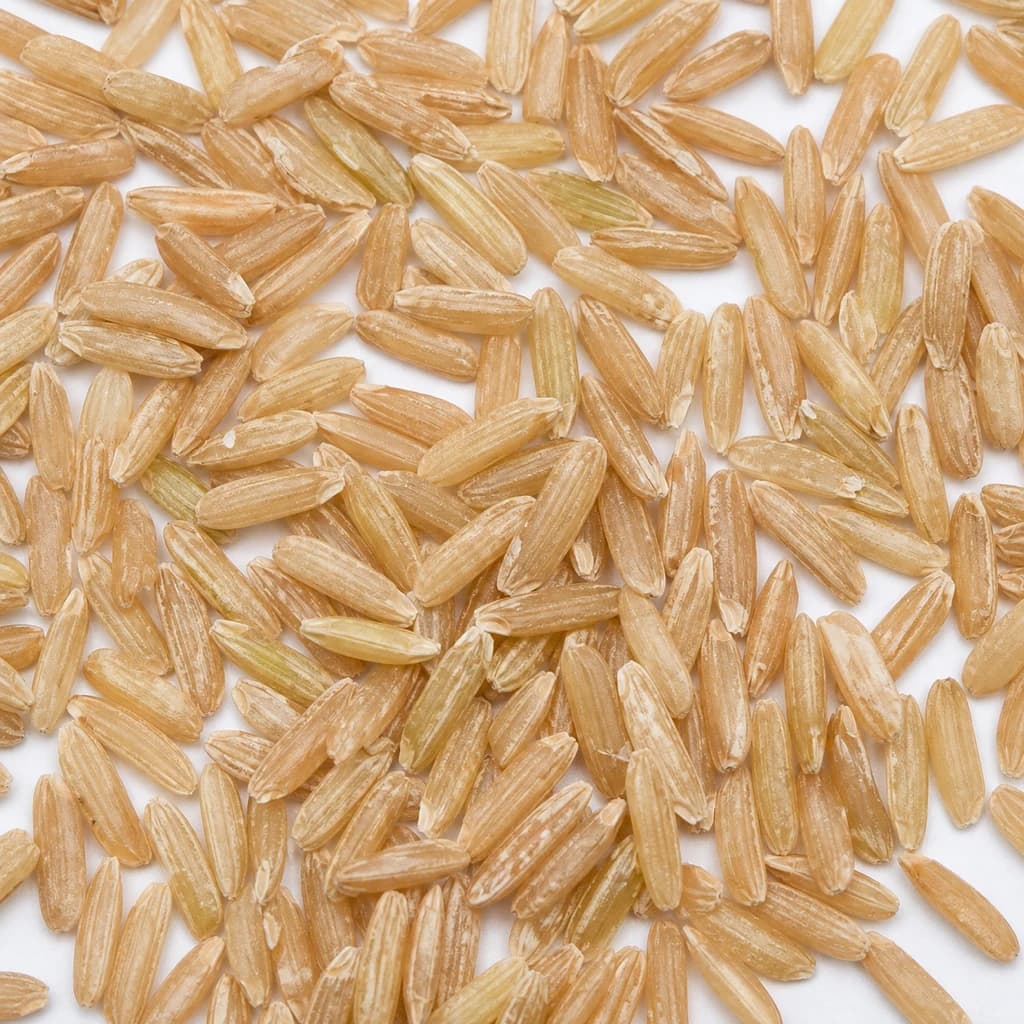
Brown Rice
Nutty, whole-grain rice with chew and extra fiber

Basmati Rice
Fragrant, long-grain rice that cooks up light and separate
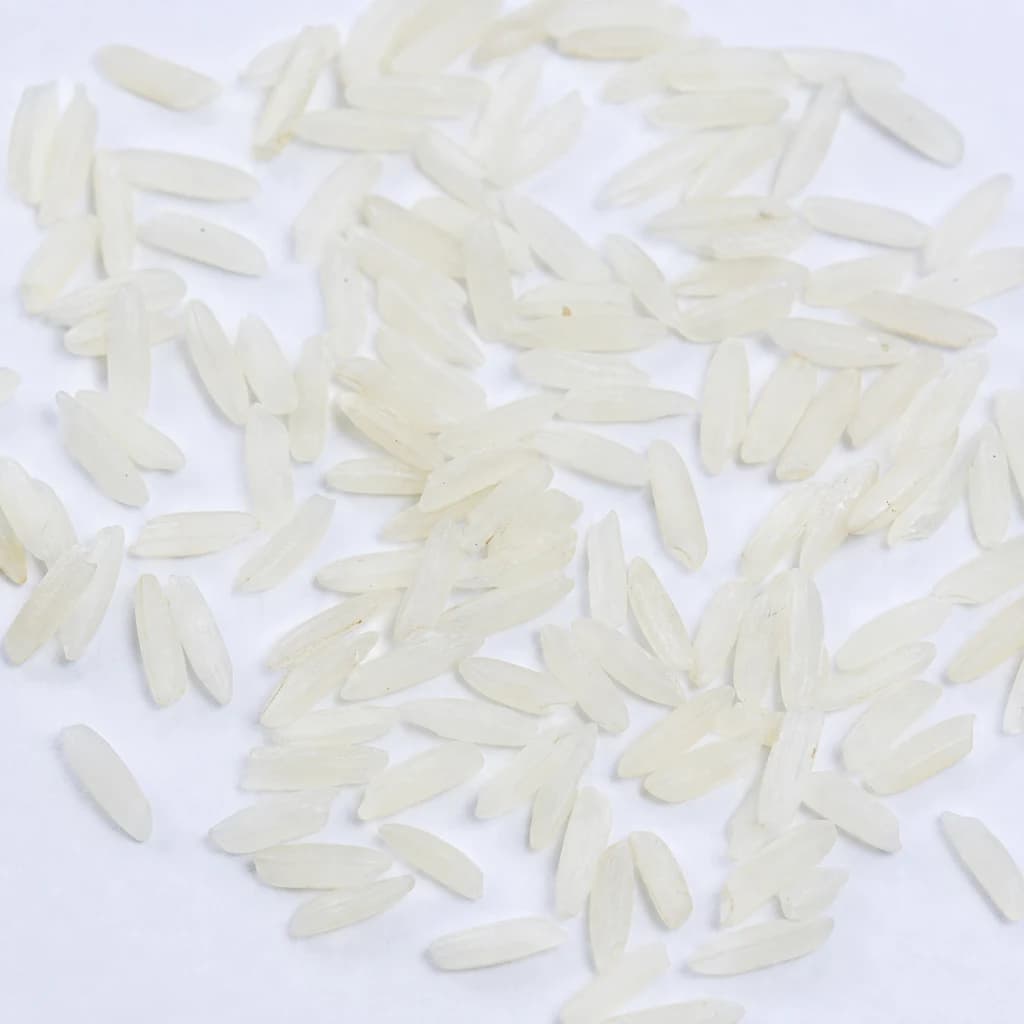
Jasmine Rice
Soft, floral-scented rice that's the pillar of Thai meals
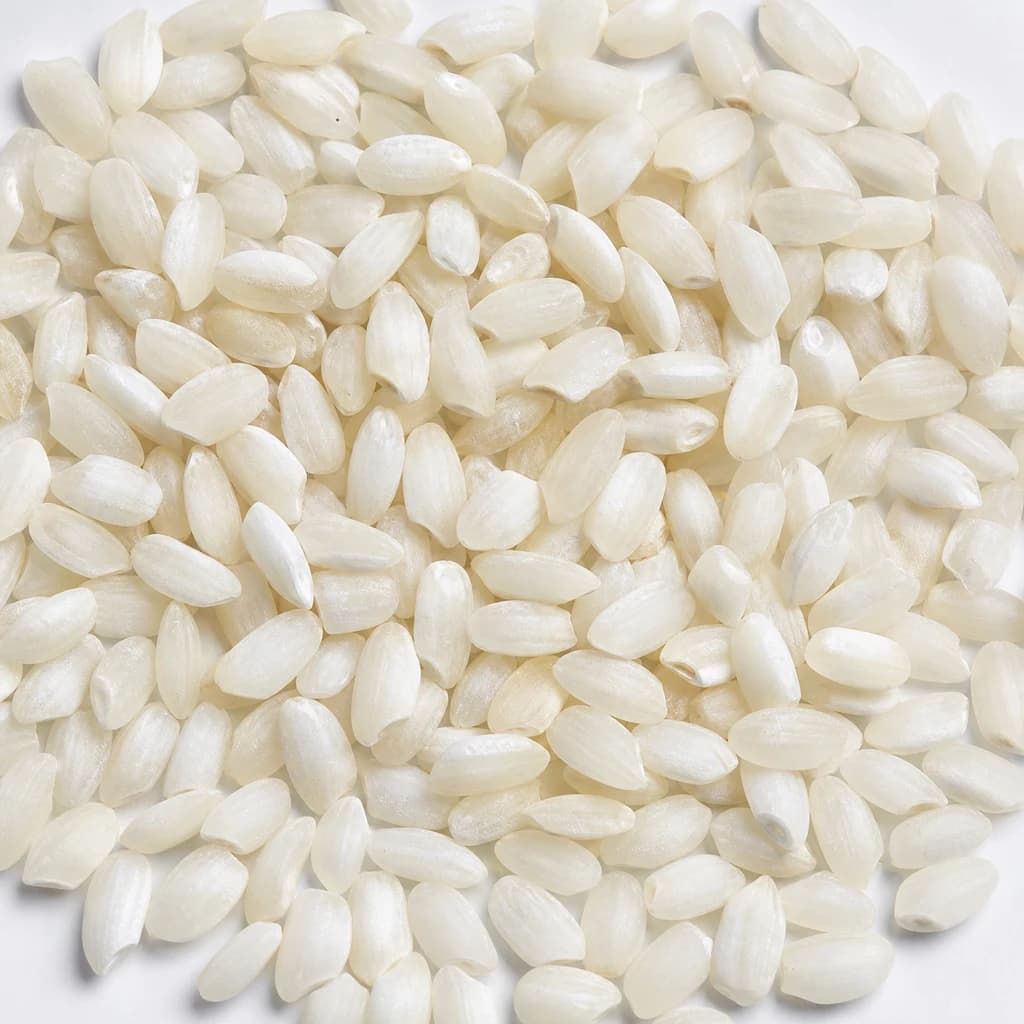
Arborio Rice
Plump, starchy rice that makes risotto creamy
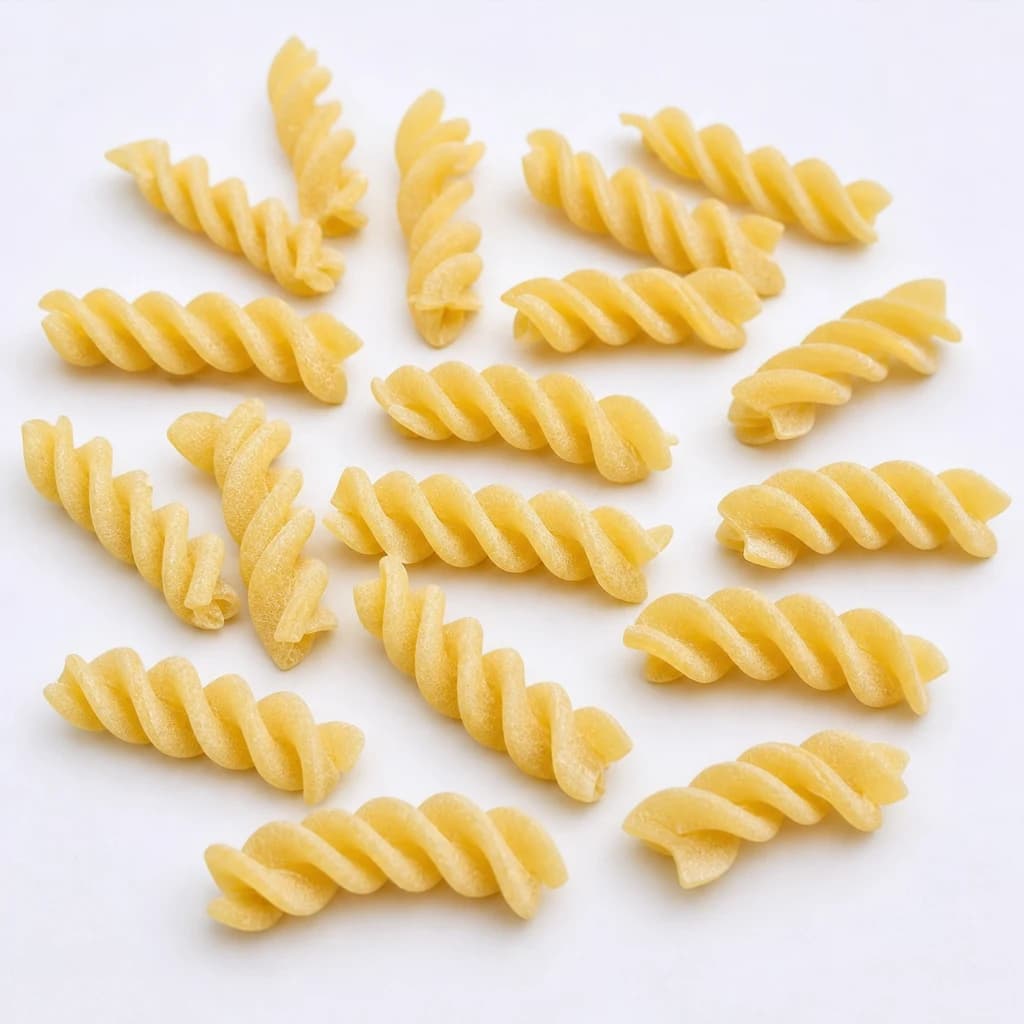
Fusilli
Spiraled pasta that twirls up sauce and dresses cold salads
Rolled Oats
Hearty flakes for porridge, granola, and chewy cookies