Grains & Rice
Grits
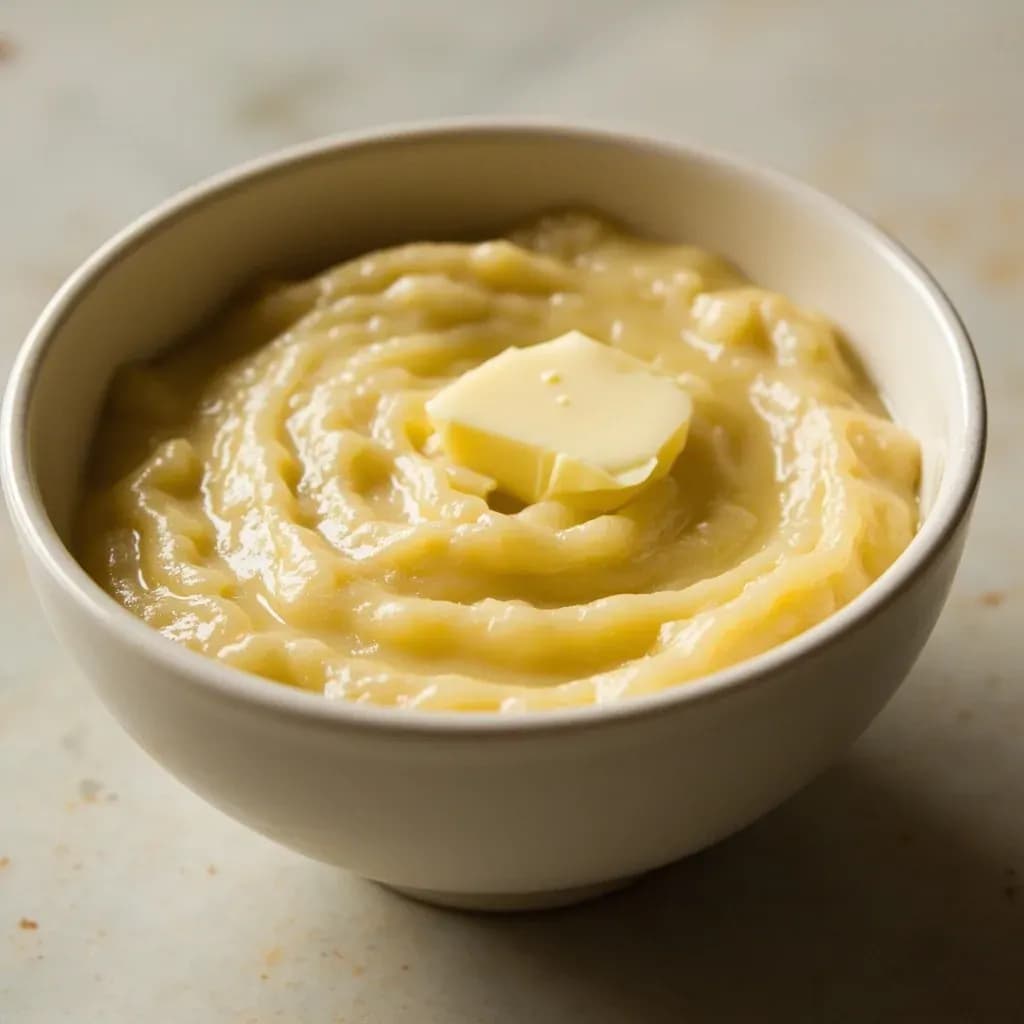
Coarsely ground dried corn simmered into a creamy Southern US porridge served with butter, cheese or shrimp.
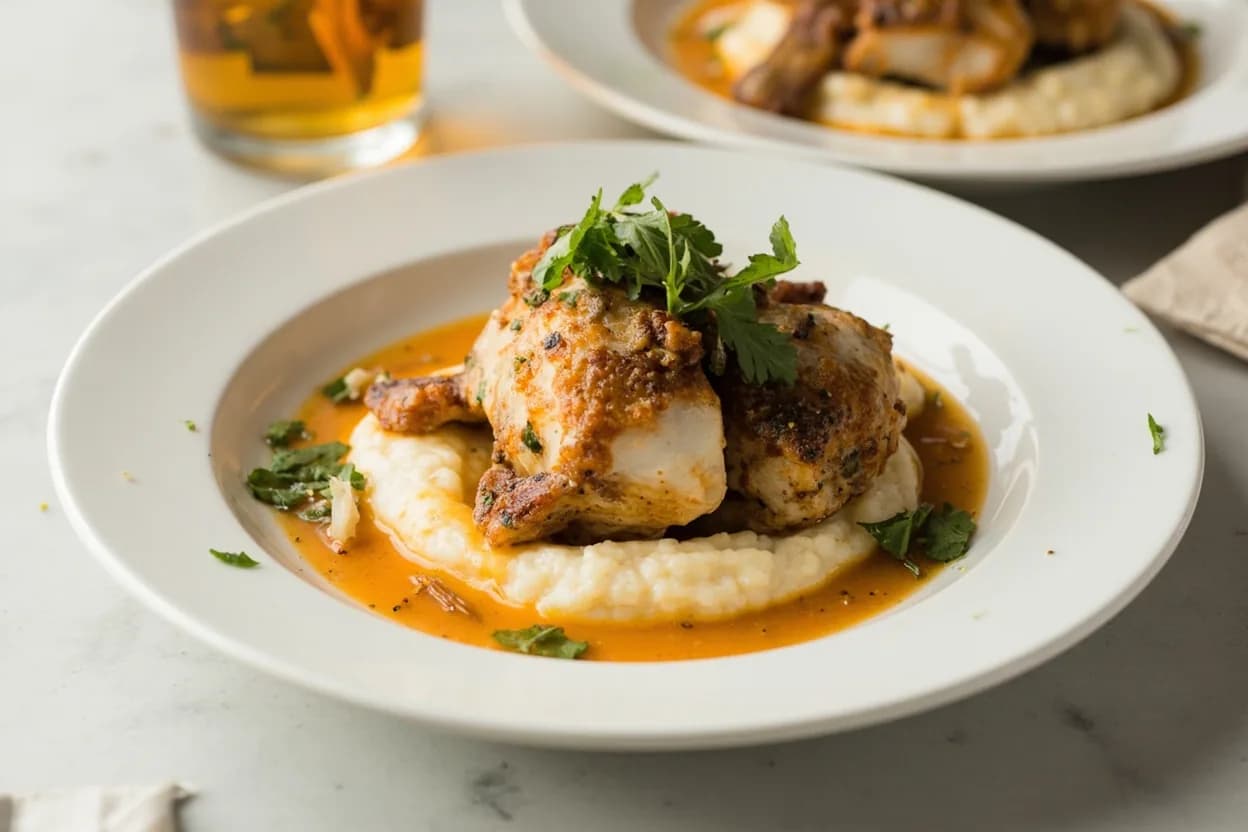
Grits are coarsely ground dried corn, a cornerstone of Southern US cooking. Simmered slowly with water or milk, they thicken into a creamy porridge that is enriched with butter, cheese or cream and served at breakfast or under shrimp and gravy. Stone-ground grits keep more corn flavor and texture than the quick-cooking instant kind.
Grits is ground dried corn simmered in liquid until it reaches a porridge-like consistency — creamy, thick, and comforting. Unlike its Italian cousin polenta or the fine grind of cornmeal, grits sits at a coarser grind that gives it a satisfying texture even as it creams. The dish is deeply rooted in the Southeastern United States, descending directly from Native American hominy and sofkee traditions, where dried corn was ground and cooked into a sustaining porridge. What distinguishes grits from plain cornmeal is not just grind size but processing: hominy grits use nixtamalized corn (alkaline-treated, which removes the hull and increases nutritional availability), while stone-ground grits retain the whole grain, germ and hull intact, for a nuttier, more complex flavor.
The beauty of grits is its neutrality — a blank canvas that takes on whatever seasoning, butter, or toppings you give it, yet holds its own character in ways that elevate Southern breakfast, shrimp and grits, or a humble side dish. Stone-ground grits have a shorter shelf life due to retained germ oils that go rancid, while quick and instant varieties are more stable but sacrifice depth of flavor. The liquid ratio is typically 4:1 to 5:1 by volume, but this varies by grind — coarser grits need more time and liquid.
Grits should not be confused with cream-style corn (which is sweet, fresh corn in milky liquid) or Cornmeal Mush (a fried or boiled preparation of finer cornmeal). In the Carolinas, grits are legally designated a state vegetable or prepared food, reflecting their deep cultural weight. The term "grits" appears in records as early as 1700s English colonial documents, but the dish descends directly from Native American foodways that transformed humble dried corn into something nourishing and enduring.
- Measured in
- g
- Storage
- Pantry
Types & varieties
Coarsest grind; made by milling whole corn kernels between traditional stone wheels. Nutty, complex flavor with visible grain texture. Perishable within weeks; keep refrigerated. Southern South Carolina and Georgia mills (e.g., Anson Mills, Geechee Girl) produce prized versions.
Made from nixtamalized corn (treated with calcium hydroxide), which removes the hull and germ. Smoothest, creamiest texture. Most common commercial variety. White hominy grits are standard in the Carolinas; yellow in Virginia and Tennessee.
Partially pre-cooked and dried, reducing cook time to 10–15 minutes. Medium grind. Widely available in grocery stores.
Fully pre-cooked and dehydrated; just add boiling water or microwave. Fine grind, very smooth, but taste is noticeably flattened compared to slower-cooked versions.
Ground from blue corn (heirloom Hopi or other varieties). Earthy, slightly sweeter, nuttier than white or yellow. Increasingly available from specialty mills.
Not a variety per se, but a preparation: cooked grits chilled, sliced, and pan-fried or deep-fried until golden. Common use for leftovers.
Nixtamalization: The Difference Between Hominy and Stone-Ground
The processing method fundamentally shapes the grits you eat. Hominy grits begin with nixtamalized corn — corn soaked in an alkaline solution of lime water or wood-ash lye. This process loosens the hull and germ, making them easy to remove, and fundamentally changes the corn's chemistry. Nixtamalization increases the bioavailability of niacin and lysine, making the grain more nutritious than untreated corn. The result is a smoother, creamier grits that has dominated commercial production. Stone-ground grits skip this step entirely; the whole kernel — germ, hull, and all — goes between the millstones. The retained oils from the germ give stone-ground grits a shorter shelf life (weeks, not months) and a richer, nuttier flavor that many Southern cooks consider superior. If your recipe does not specify, assume hominy grits.
What Goes Wrong When Cooking Grits
- Under-seasoning is the most common mistake — grits need salt, pepper, and often a pinch of sugar in the cooking liquid.
- Scorching happens when you do not stir frequently, especially toward the end of cooking. Use a heavy-bottomed pot and keep the heat at a gentle simmer.
- Gluey texture results from rapid boiling or using too fine a grind. Cook low and slow; a vigorous boil breaks down the starches into a paste.
- Rancid flavor in stone-ground grits means the batch is too old or was stored improperly. Smell before cooking; discard if it smells off.
Common uses
Tips & pitfalls
- Season the cooking liquid aggressively — grits need salt, pepper, and often a pinch of sugar. Taste before serving and adjust.
- Use chicken stock or a blend of stock and milk or cream for deeper flavor than water alone.
- Add butter (1–2 tablespoons per cup of dry grits) at the end of cooking for richness and to prevent a skin from forming.
- Stir frequently, especially toward the end of cooking, to prevent scorching on the bottom of the pot.
- For stone-ground grits, add salt at the beginning of cooking to help break down the grain. For quick/instant grits, add salt toward the end for better texture control.
- Cook low and slow: rapid boiling makes grits gluey; a gentle simmer yields creamier results.
- If grits thicken too much, whisk in hot liquid a splash at a time to loosen. They will continue to absorb liquid as they cool.
- Leftover grits can be spread thin on a sheet pan, chilled, then cut into shapes and fried in butter for a completely different texture.
- Do not substitute fine cornmeal — the grind is wrong, and the result will be gritty rather than creamy.
Nutrition
Energy
1456 kJ · per 100 g
Where the calories come from
Protein
8.8g
18% DV
Carbs
79.6g
29% DV
Fat
1.2g
2% DV
Fiber
4.8g
17% DV
Sugars
0.3g
of which
Sodium
1mg
0% DV
Source · USDA FoodData Central · approx. Cereals, QUAKER, hominy grits, white, quick, dry
View on FDC →In the shops
Matched grocery products
 €1.55
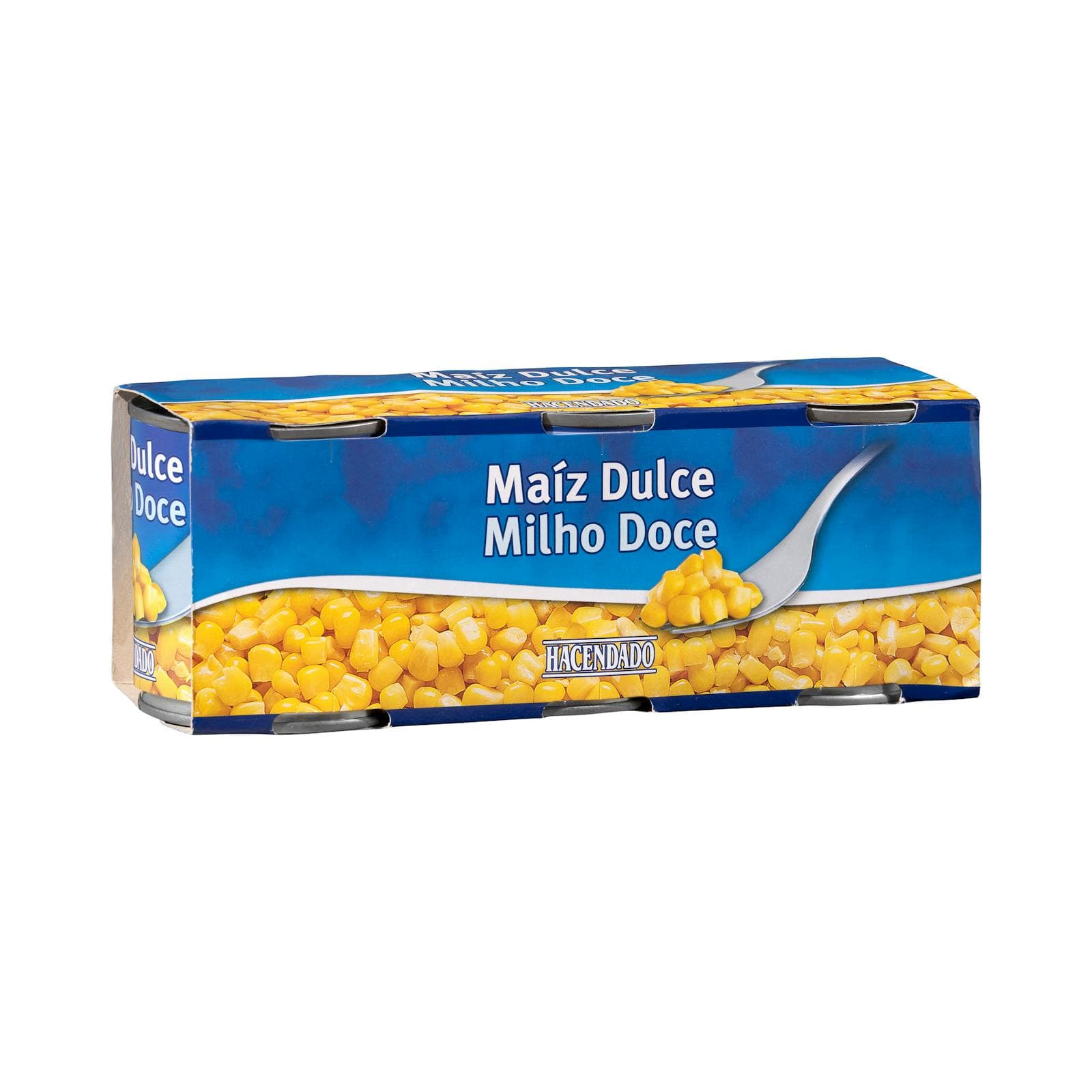
€1.55Sweet Corn
Hacendado · 450 g · Mercadona
 €1.59
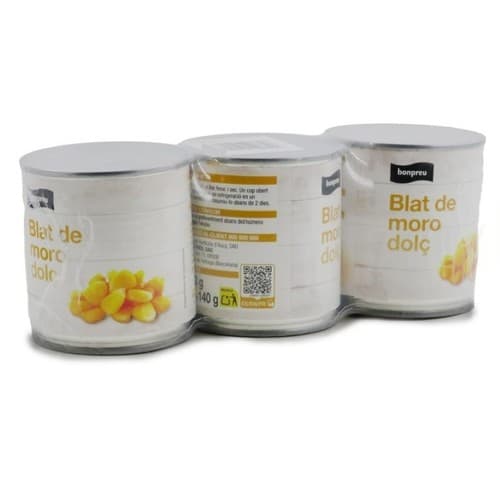
€1.59Sweet Corn Bonpreu
BONPREU · kg · Bonpreu
 €2.49
€2.49Sweet Corn Bonpreu
BONPREU · kg · Bonpreu
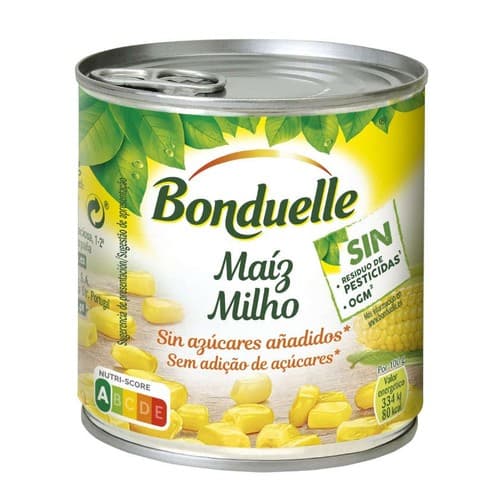 €1.99
€1.99Bonduelle Sweet Corn
BONDUELLE · kg · Bonpreu
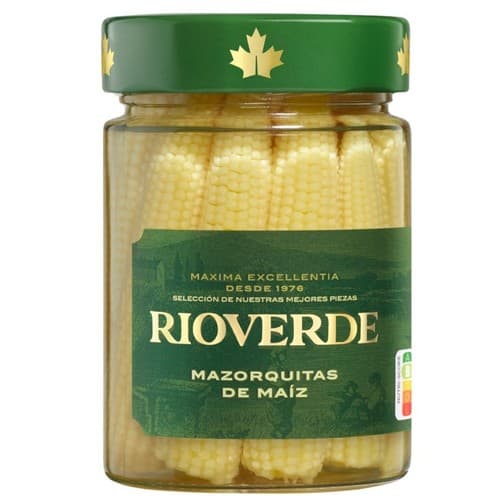 €2.99
€2.99Pickled Corn Kernels
RIOVERDE · kg · Bonpreu
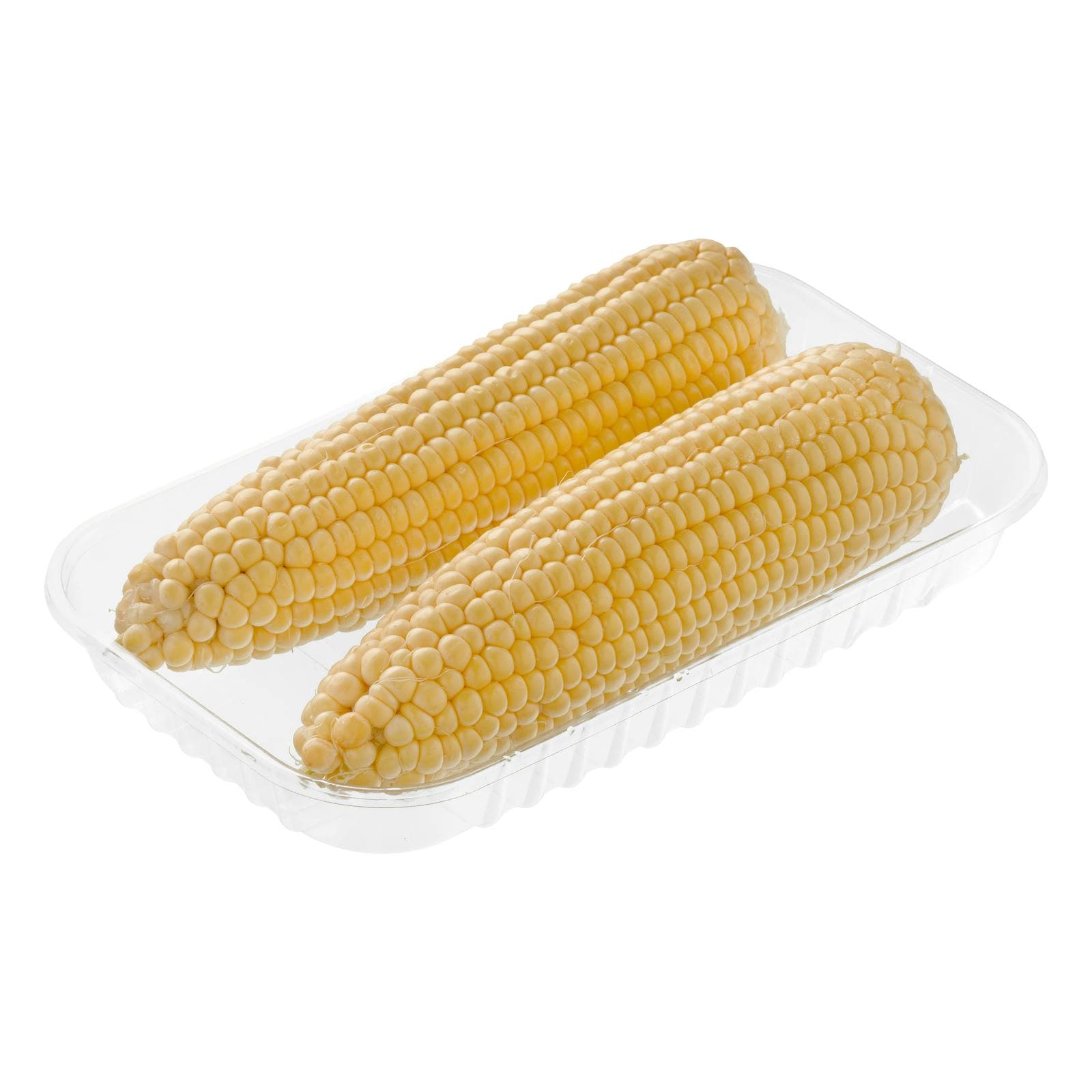 €3.15
€3.15Sweet Corn on the Cob
2 ud · Mercadona
Good to know
- Type
- Dried corn grain (dent or flint varieties), ground to varying coarseness
- Primary Origin
- Southeastern United States, derived from Native American hominy traditions
- Base Grain
- Dried corn, typically white or yellow dent corn; stone-ground retains the germ and hull
- Processing
- Hominy grits are made from corn nixtamalized in alkaline (lime or wood-ash lye) water, which loosens the hull; stone-ground grits skip this step
- Color Variants
- White (most common in the Deep South), Yellow (more common in the Upper South), Blue (from blue corn, rare)
- Typical Grind
- Coarser than cornmeal; finer than whole-kernel corn; instant grits resemble coarse cream-of-wheat texture
- Primary Liquid Ratio
- 4:1 to 5:1 (liquid to grits) by volume for standard preparation
- Cook Time
- Stone-ground: 40–70 minutes; Hominy quick-cook: 10–15 minutes; Instant: 3–5 minutes
- Shelf Life
- 6–12 months in a cool, dry pantry; stone-ground grits go rancid faster due to retained germ oils
- Key Flavor
- Mild corn sweetness, creamy with a slight graininess; neutral base that takes on seasoning and toppings
- Difficulty
- Simple technique, but easy to under-season or scorch
Substitutes
- Polenta — Italian ground corn; similar texture and method, but typically coarser and made from different corn varieties. Interchangeable in most preparations.
- Coarse Cornmeal — Similar flavor but will be coarser and grittier than true grits. Do not use fine cornmeal.
- Hominy — Whole nixtamalized corn kernels can be simmered and roughly mashed to approximate grits texture, though the mouthfeel differs.
Pairs with
Also called
Hominy Grits · Corn Grits
Appears in these dishes
Related

White Rice
Fluffy long-grain rice — the neutral base for almost any meal

White Bread
Soft sandwich loaf for toast, sandwiches, and crumbs
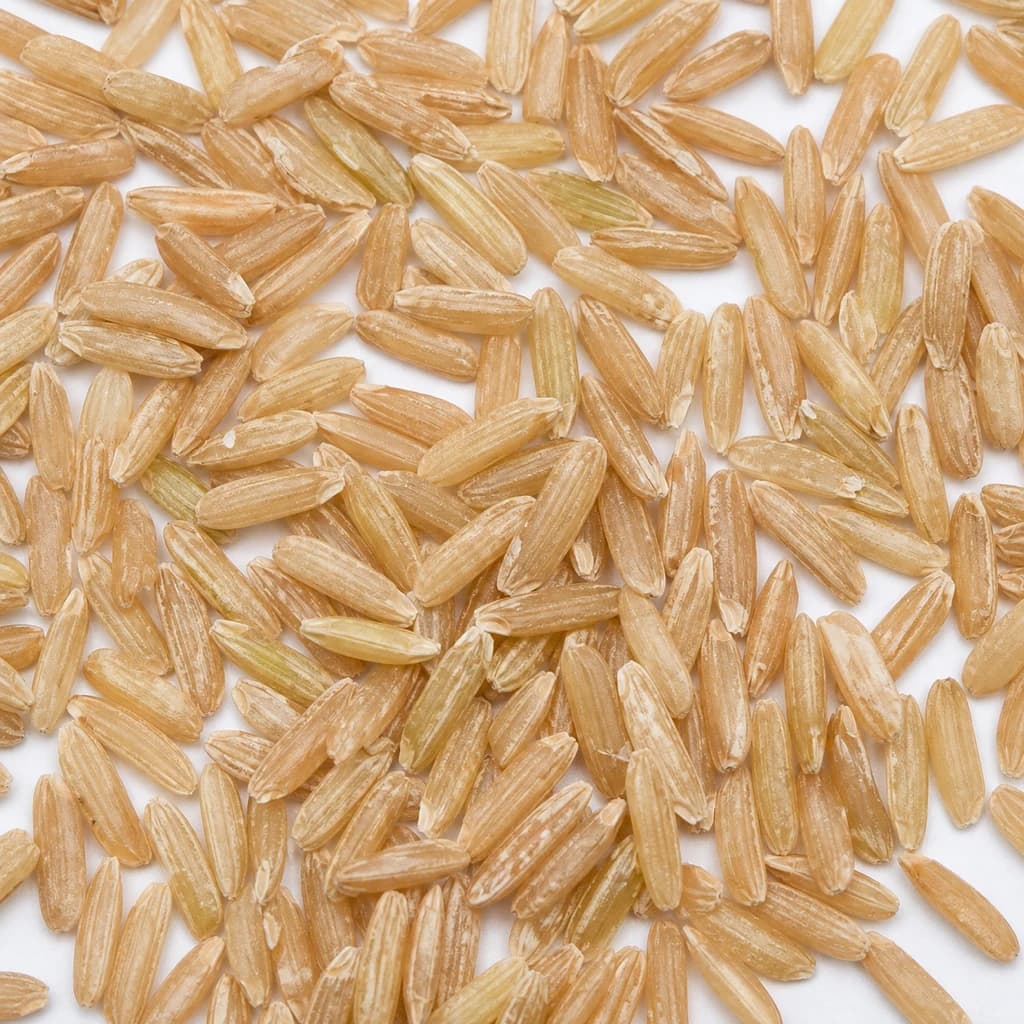
Brown Rice
Nutty, whole-grain rice with chew and extra fiber

Basmati Rice
Fragrant, long-grain rice that cooks up light and separate
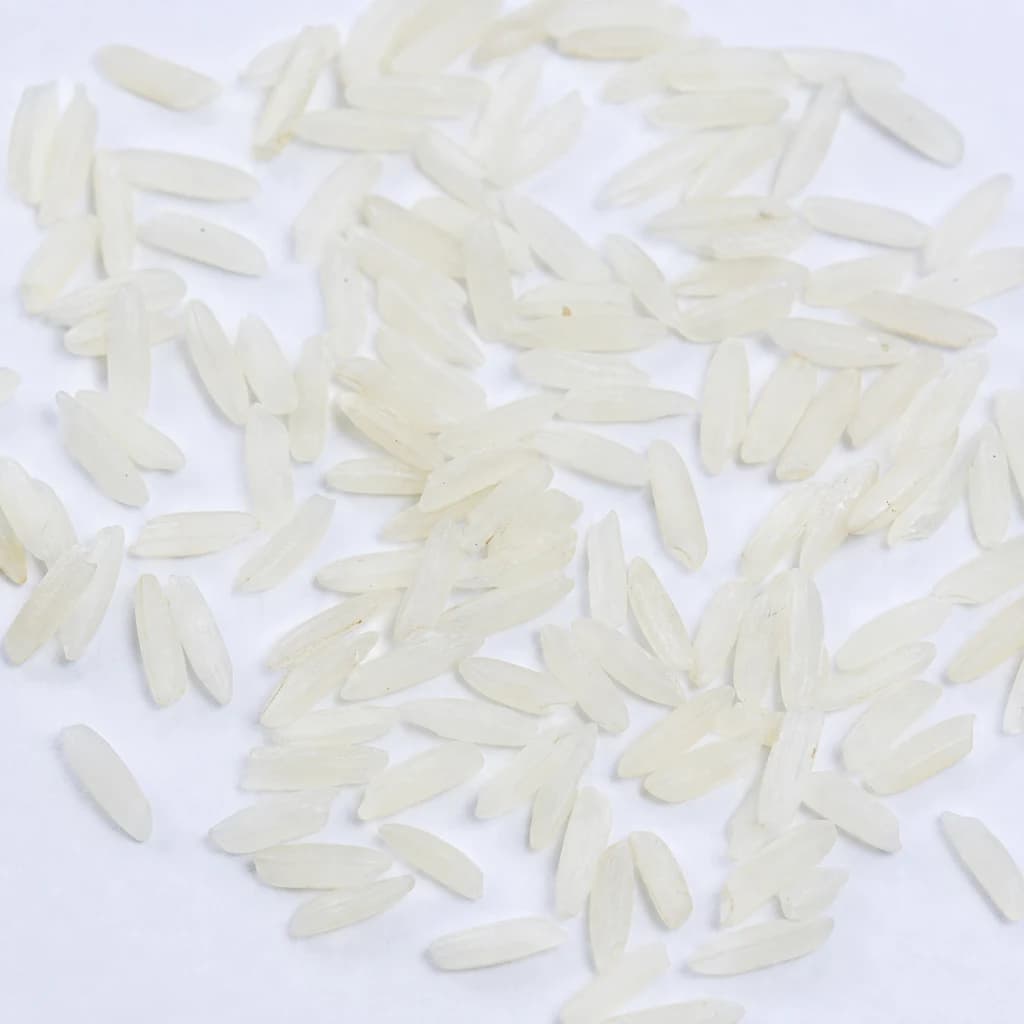
Jasmine Rice
Soft, floral-scented rice that's the pillar of Thai meals
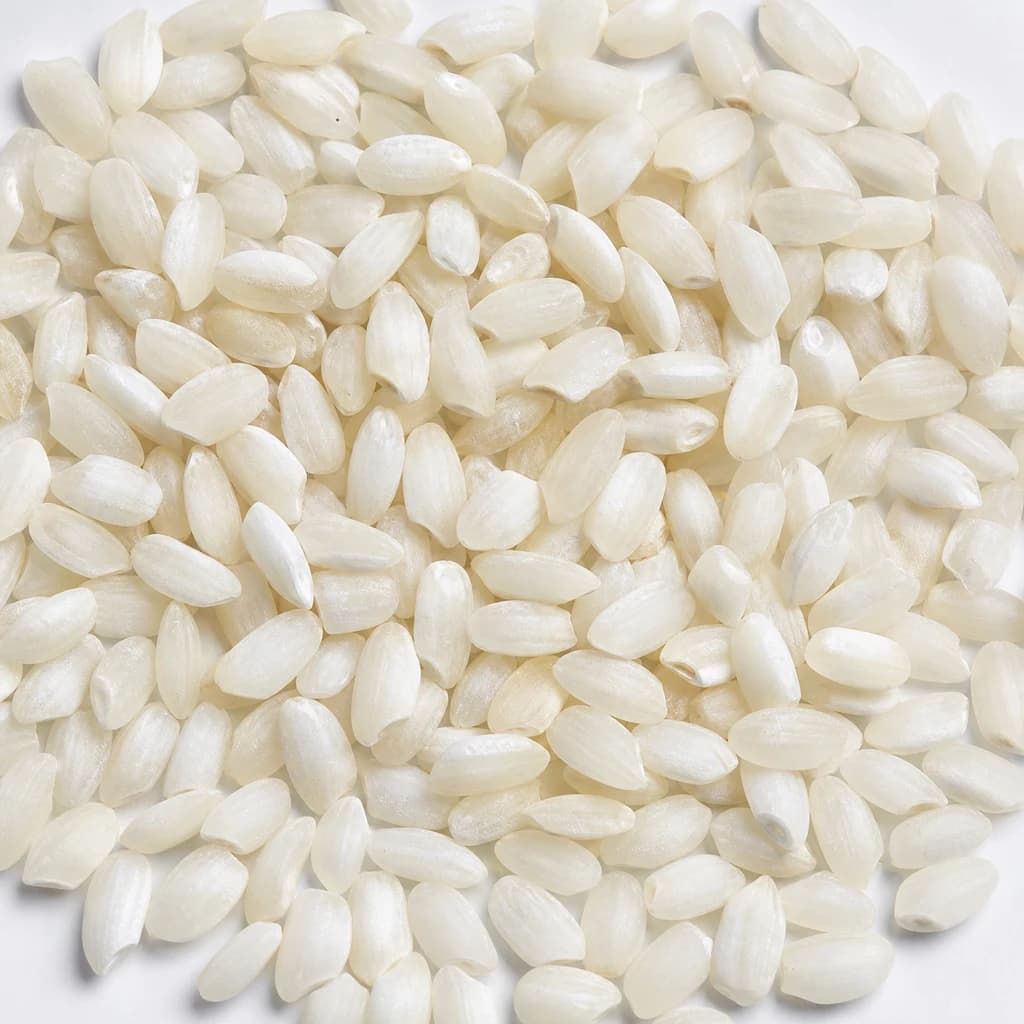
Arborio Rice
Plump, starchy rice that makes risotto creamy
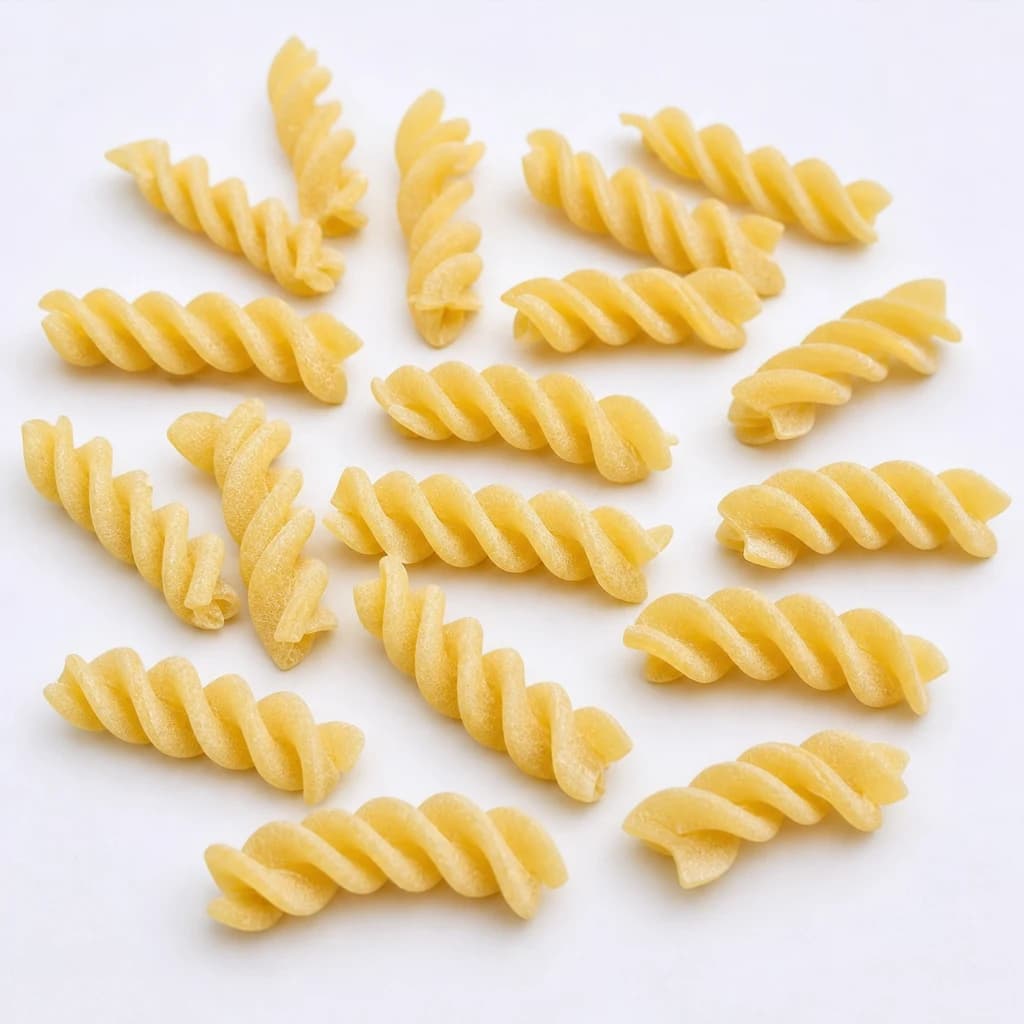
Fusilli
Spiraled pasta that twirls up sauce and dresses cold salads
Rolled Oats
Hearty flakes for porridge, granola, and chewy cookies