Grains & Rice
Maize Semolina (Riebel)
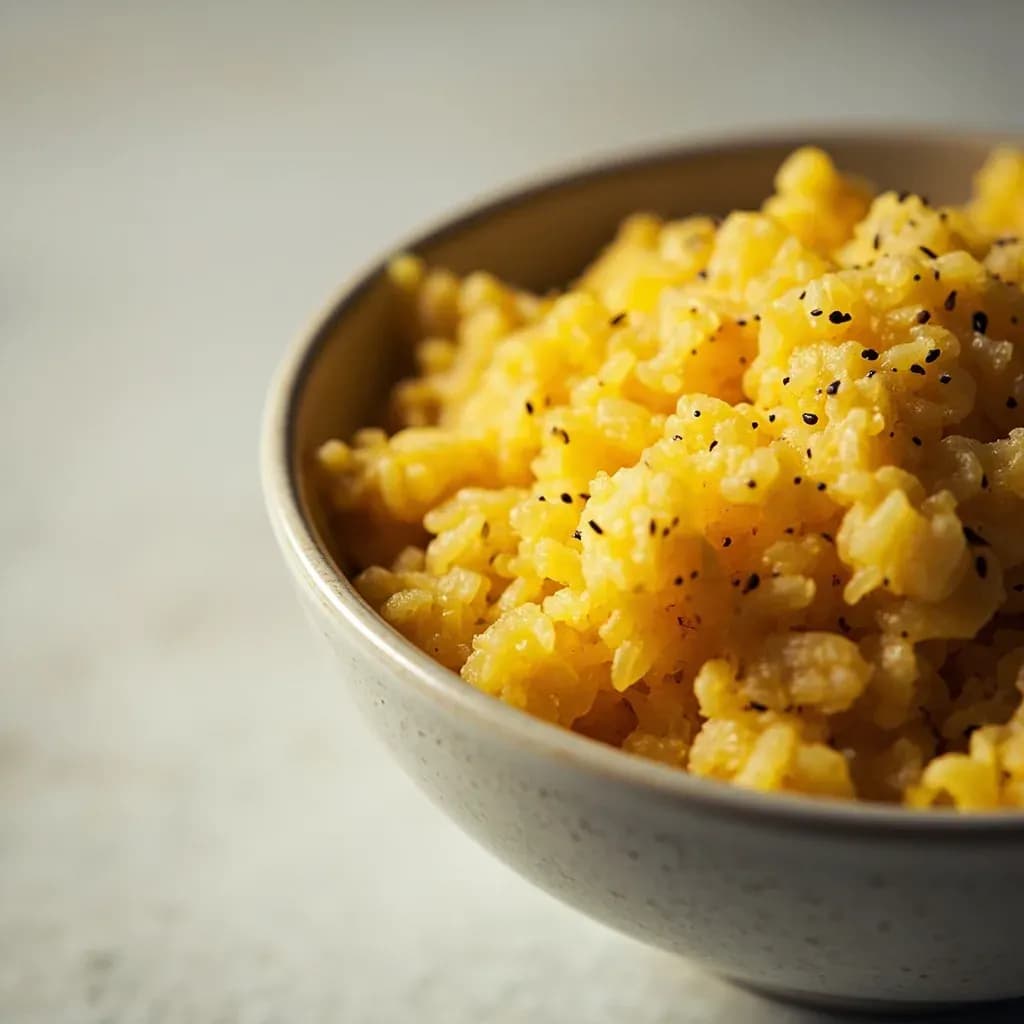
Coarsely ground corn meal used for porridges, polenta-style dishes, and Alpine Riebel.
Maize semolina is coarsely milled corn, sitting between fine cornmeal and grits in texture. It cooks into a creamy porridge and is the base of dishes like Swiss-Austrian Riebel, a toasted corn-and-flour breakfast. Its sweet, mild corn flavor and gritty bite also make it useful for dusting bread and making polenta-style sides.
Maize Semolina (Riebel) is a coarsely ground corn product native to the Alpine regions of Switzerland, Austria, and southern Germany. Made from dent corn ground to a texture coarser than standard cornmeal—comparable to polenta or coarse grits—it has a satisfying, grainy character that holds its shape beautifully when cooked. The larger particles require longer cooking and more liquid than fine cornmeal, yielding a hearty porridge rather than a smooth mush. In Swiss cuisine, particularly in the canton of Graubünden, Riebel has been a regional staple since maize was introduced to the Alps in the 17th century. The shorter mountain growing season favored this coarser grind, which could be transformed into a sustaining porridge where finer meals would turn paste. Today it remains a versatile ingredient—strong enough for a savory fried breakfast cake with cheese and speck, or dressed with apples and cream for something sweet. In Switzerland, the ingredient itself is sometimes called Riebelmehl, while the finished fried dish is simply called Riebel or Ribel.
- Measured in
- g
- Storage
- Pantry
Types & varieties
Most common; mild corn flavor, golden color
Milder, slightly sweeter flavor; traditional in some Alpine preparations
Italian equivalent; similar grind and use
Italian burnt or toasted corn; not a direct substitute but used in similar dishes
The Dish vs. The Ingredient
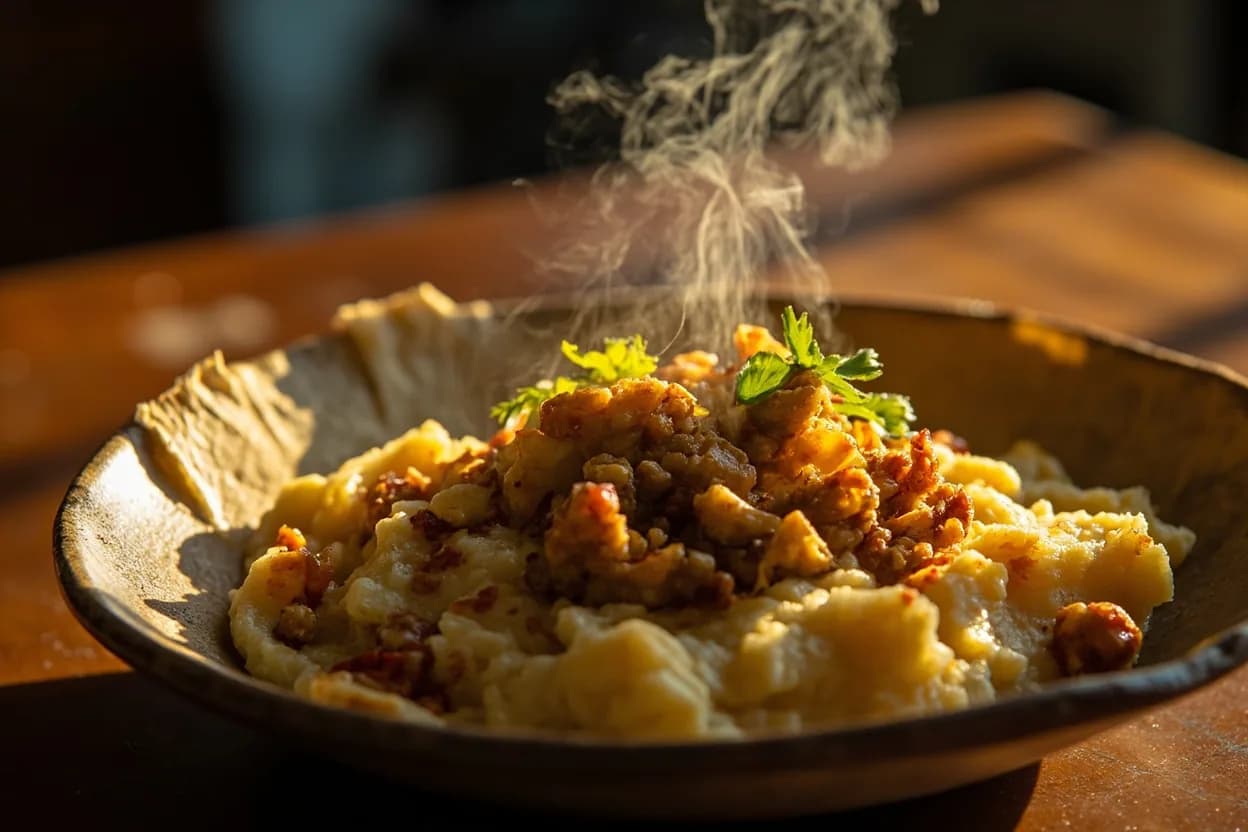
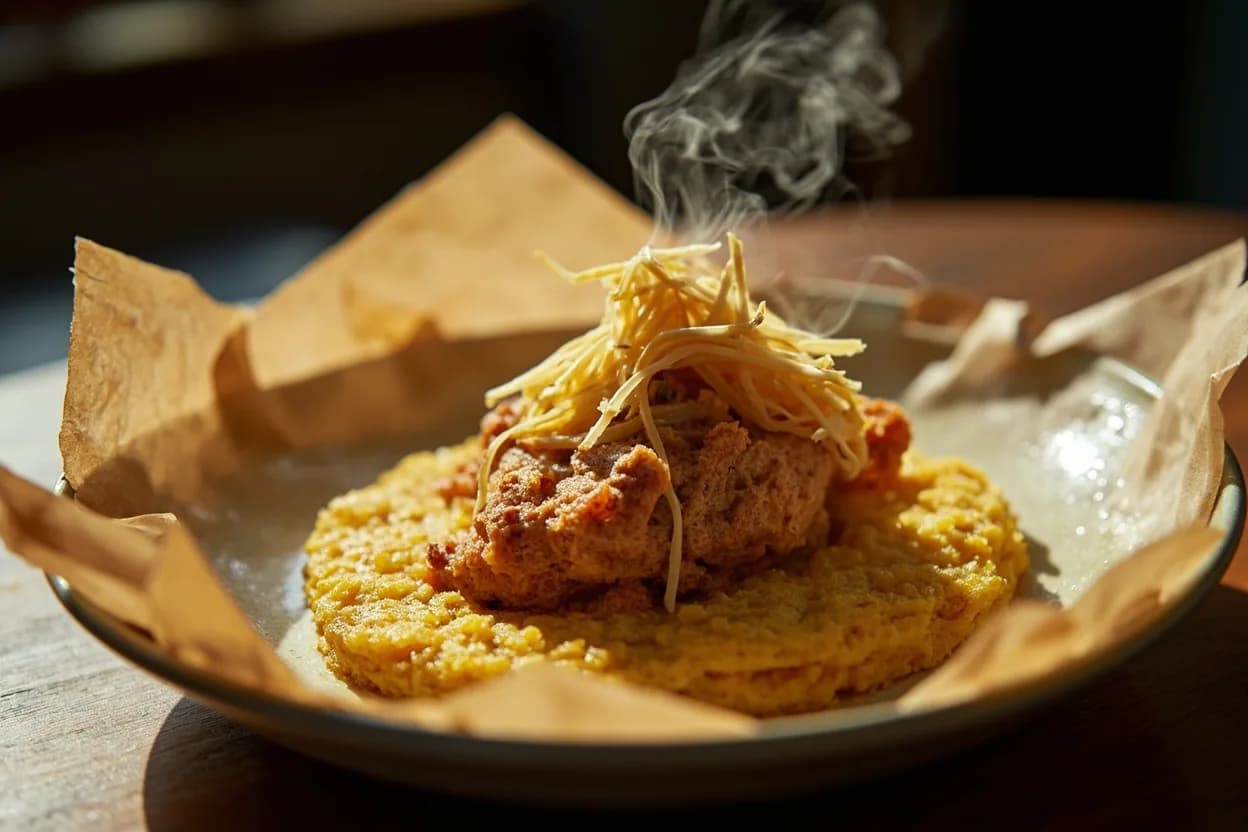
Riebel refers to both the semolina and the traditional Swiss dish made from it. The ingredient itself—sometimes called Riebelmehl in Swiss German—is simply the coarse maize. The dish involves cooking it to a thick porridge, then spreading it in a buttered skillet and frying it until a golden-brown crust forms. This two-step process is what transforms simple porridge into something with real character and textural contrast.
- Riebelmehl = the ingredient (coarse maize semolina)
- Riebel or Ribel = the fried porridge dish from Graubünden
Why Coarser Grind Matters
The coarse particles of Riebel are not merely a texture preference—they are functional. Finer cornmeal absorbs liquid quickly and turns gummy if cooked too long or at too high a temperature. Riebel's coarser grind gives you working time. The porridge can be stirred, rested, pressed, and fried without breaking down into a gluey mass. This makes it forgiving in a way that fine cornmeal is not, and it is precisely this stability that allows the fried crust to develop without the interior turning paste.
- Holds shape when fried
- Forgiving cook time compared to fine cornmeal
- Develops a golden crust without sticking or clumping
Common uses
Tips & pitfalls
- Use roughly 1:4 semolina to liquid ratio for a thick porridge; adjust up or down for desired consistency.
- Cook uncovered, stirring frequently, for 25–35 minutes—the coarser grind takes noticeably longer than fine cornmeal.
- For traditional Riebel: spread cooked porridge in a buttered skillet, press flat, and fry over medium heat until a golden-brown crust forms, then flip.
- Toast raw semolina briefly in a dry pan before adding liquid for a nuttier, more complex flavor.
- Let cooked porridge rest 5–10 minutes before frying so it firms up and holds its shape when you flip.
- Common mistake: using too high heat, which scorches the outside before the center is fully cooked through.
- Refrigerate leftover porridge; fried Riebel reheats well in a dry or buttered pan over medium-low heat.
Nutrition
Energy
1506 kJ · per 100 g
Where the calories come from
Protein
12.7g
25% DV
Carbs
72.8g
26% DV
Fat
1.1g
1% DV
Fiber
3.9g
14% DV
Sodium
1mg
0% DV
Source · USDA FoodData Central · approx. Semolina, unenriched
View on FDC →In the shops
Matched grocery products
No matched grocery products for Maize Semolina (Riebel) yet.
Good to know
- Origin
- Alpine regions (Switzerland, Austria, southern Germany); made from dent corn
- Grind
- Coarse, larger particles than standard cornmeal; similar to polenta grind
- Color
- Typically yellow; white corn varieties also exist
- Key Characteristic
- Coarser texture than fine cornmeal; requires longer cooking and more liquid
- Storage
- Keep sealed in a cool, dry place; shelf life 6–12 months
- Swiss Term
- "Riebel" or "Ribel" in Swiss German; "Riebele" in dialect
Substitutes
- Coarse Polenta — Italian equivalent; nearly identical grind and behavior—use one-for-one
- Stone-ground Cornmeal (coarse) — Will work but may be slightly finer; adjust liquid ratio as needed
- Yellow Grits — American equivalent; similar texture and cooking method, though typically from white corn
Pairs with
Also called
Riebel · Corn Semolina · Coarse Cornmeal
Appears in these dishes
Related

White Rice
Fluffy long-grain rice — the neutral base for almost any meal

White Bread
Soft sandwich loaf for toast, sandwiches, and crumbs
Brown Rice
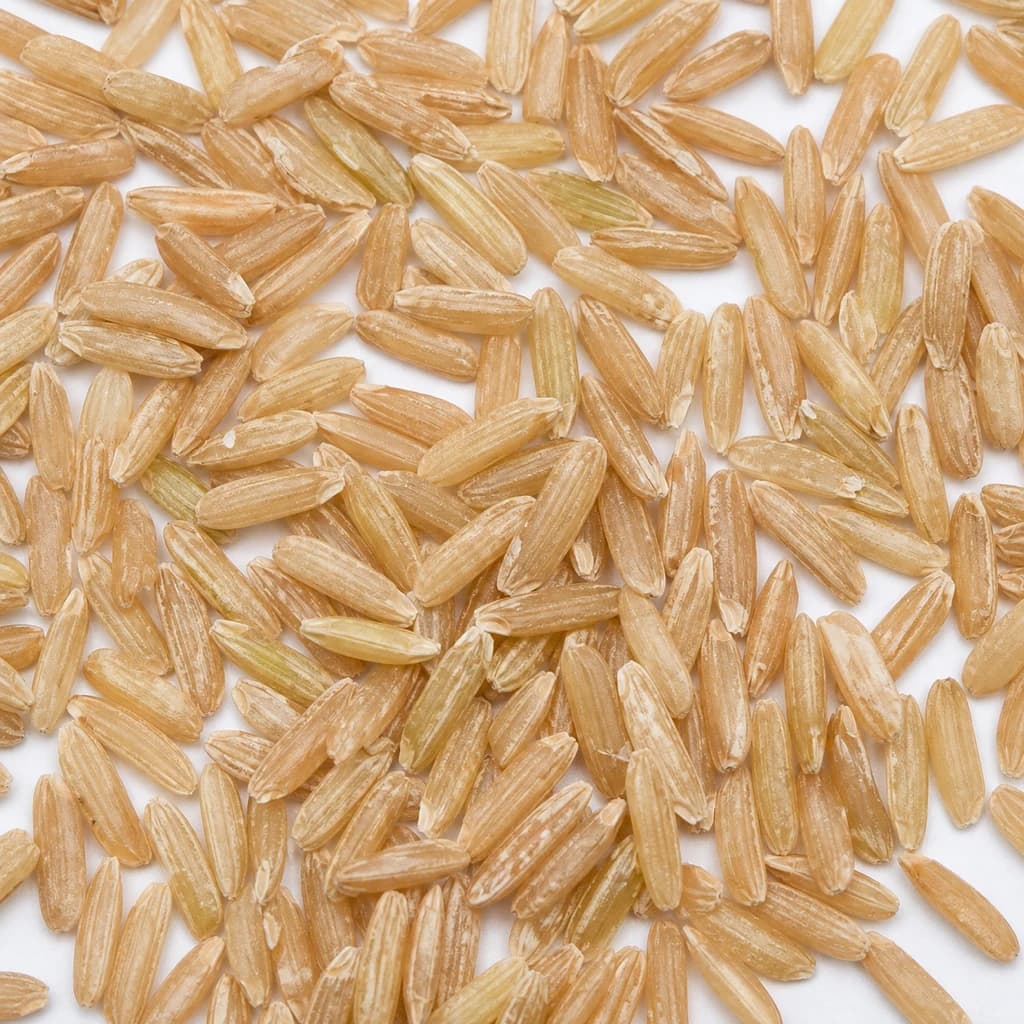
Nutty, whole-grain rice with chew and extra fiber

Basmati Rice
Fragrant, long-grain rice that cooks up light and separate
Jasmine Rice
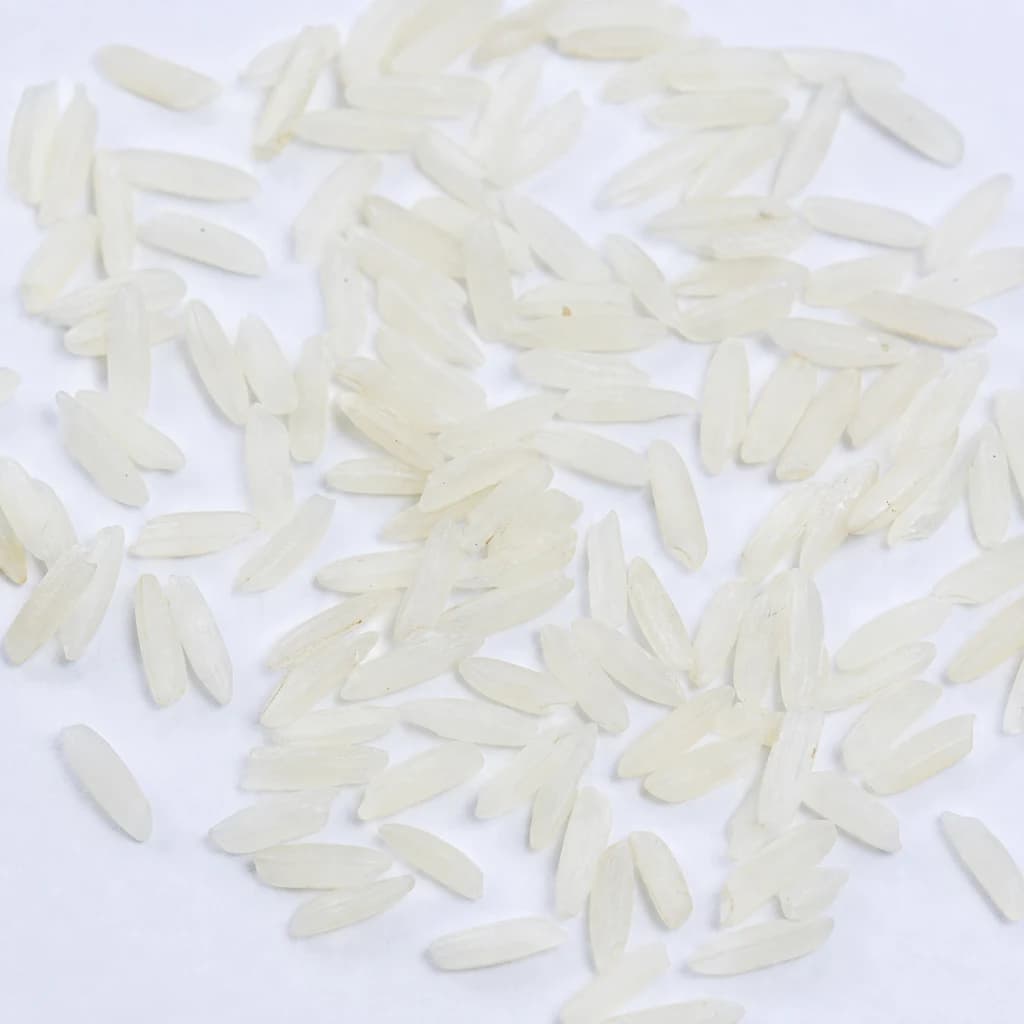
Soft, floral-scented rice that's the pillar of Thai meals
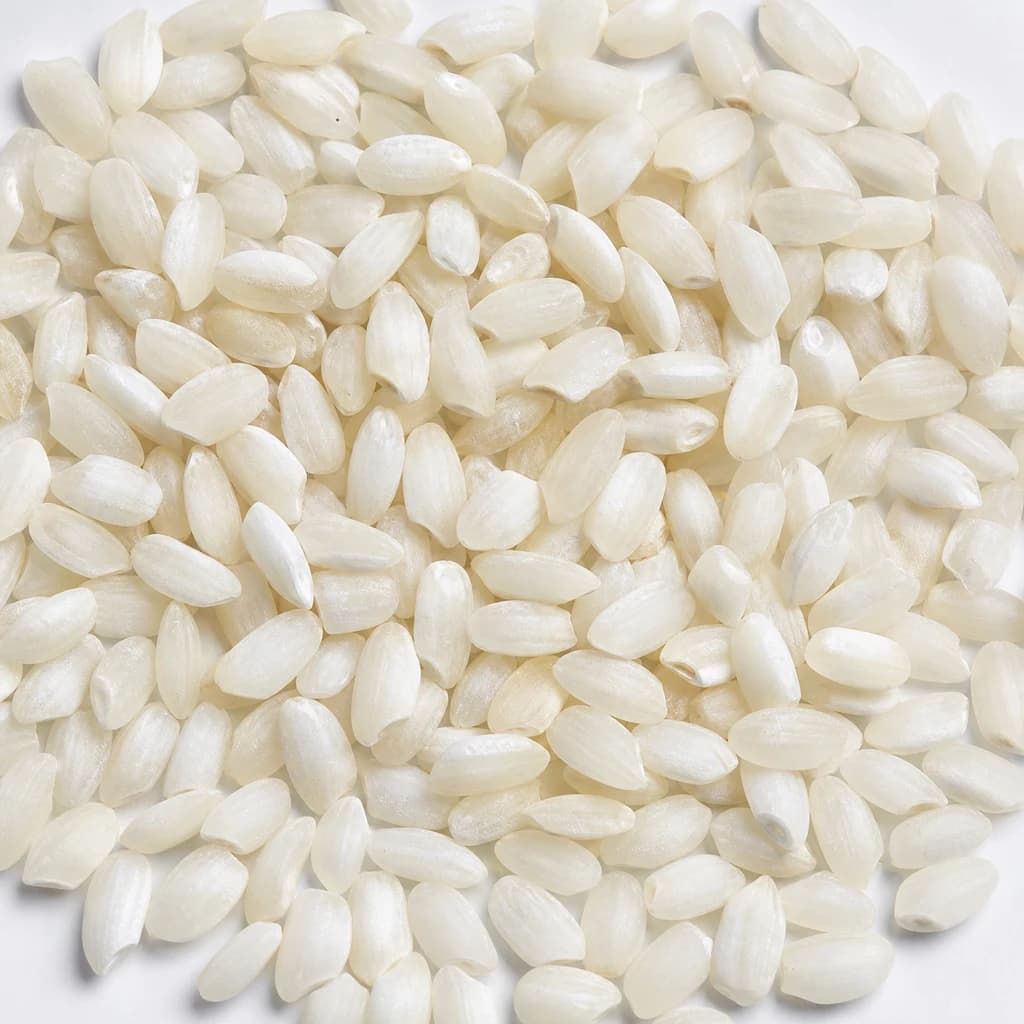
Arborio Rice
Plump, starchy rice that makes risotto creamy
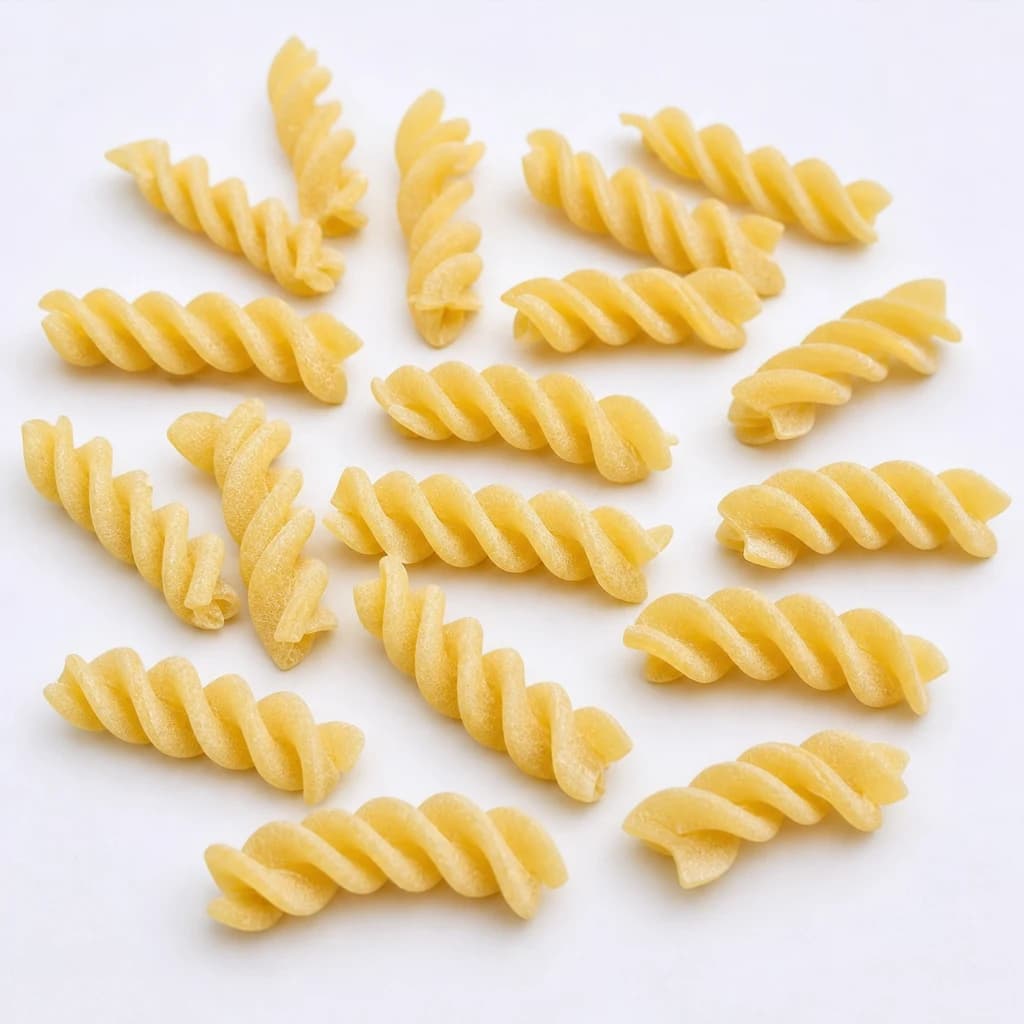
Fusilli
Spiraled pasta that twirls up sauce and dresses cold salads
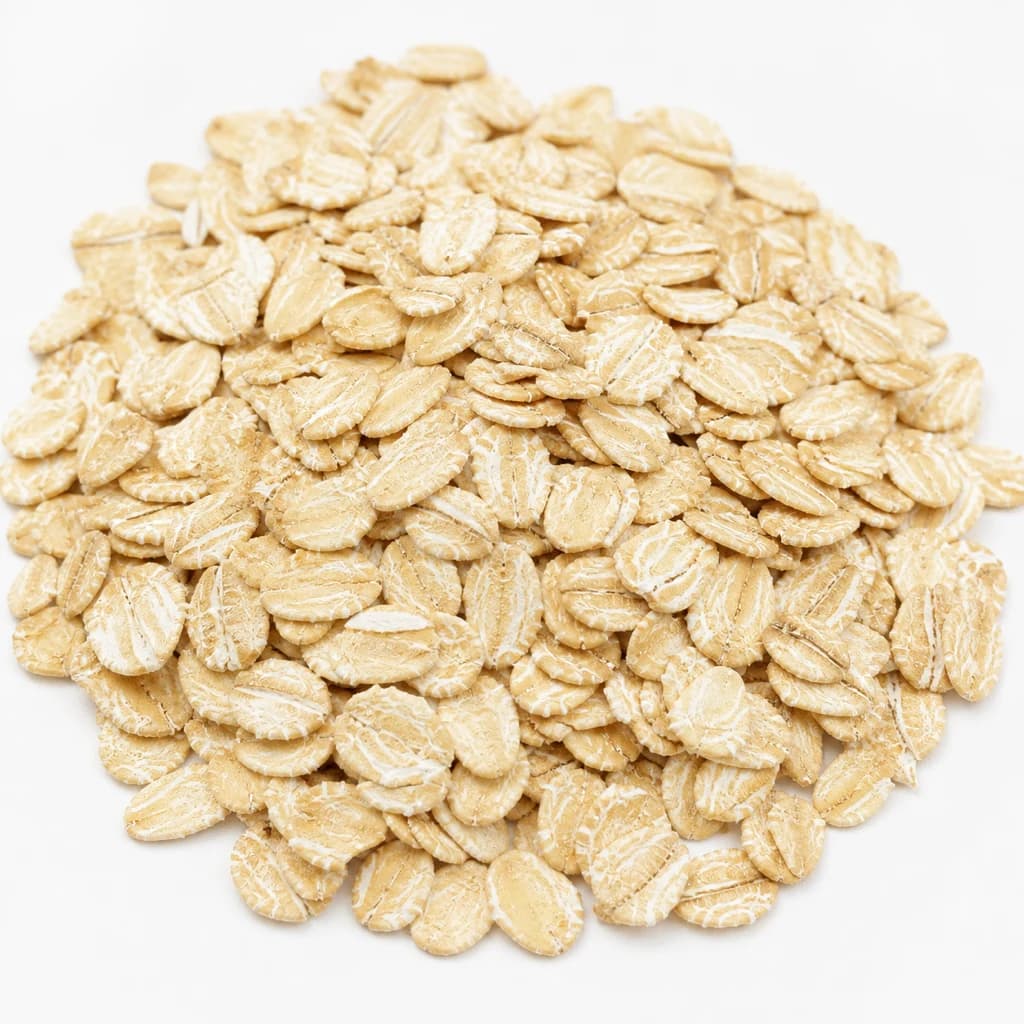
Rolled Oats
Hearty flakes for porridge, granola, and chewy cookies