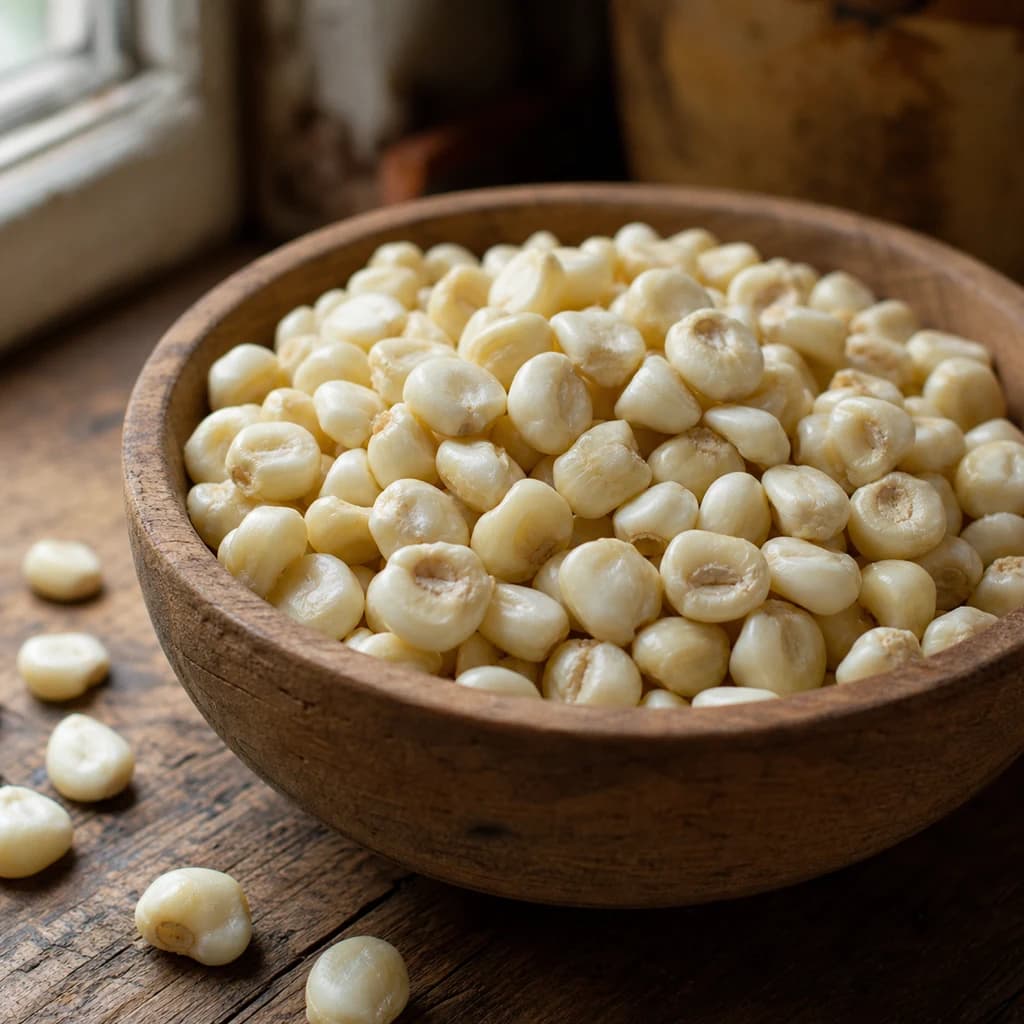
Natural form
Dried hominy kernels before cooking — swollen, hull-free corn at its most elemental.
Shows the distinctive large, puffy, cream-colored dried kernels that distinguish hominy from ordinary dried corn, teaching readers the ingredient in its shelf-stable form.
Grains & Rice
Hominy
Corn kernels treated with lime that swell into the plump base of pozole.
Hominy is dried corn nixtamalized in an alkaline solution, which loosens the hulls and makes the swollen kernels more nutritious and flavorful. It is the heart of Mexican pozole and Andean mote dishes, sold dried, canned, or fresh. The treatment gives hominy its characteristic puffy texture and earthy corn taste.
Hominy is dried corn that has been treated with an alkaline solution—a process called nixtamalization—to produce the plump, chewy kernels fundamental to Mexican cuisine. The treatment with calcium hydroxide (cal) loosens the outer hull and swells the kernel into its characteristic dense, meaty texture quite unlike fresh corn. This ancient Mesoamerican technique, developed at least by 1500 BCE, serves both culinary and nutritional purposes: the alkaline cooking releases bound niacin (preventing pellagra), improves protein digestibility, and transforms the hard corn kernel into something genuinely satisfying to eat. The word "hominy" derives from the Algonquian term for this processed grain. In the pot, dried hominy triples in volume as it absorbs liquid, becoming substantial enough to anchor a bowl of broth, while canned hominy—already fully cooked—provides the same chewy bite without the overnight commitment. The cooking liquid, called nejayote, takes on a starchy, slightly grey character from the lime and is traditionally discarded for soup applications, though some cooks reserve it for tamales and breads.
- Measured in
- g
- Storage
- Pantry
Types & varieties
The standard variety for pozole, menudo, and hominy grits; milder, more neutral flavor
Slightly sweeter, more corn-y flavor; works in soups and stews but less traditional for Mexican dishes
Coarsely ground hominy with a rougher, more irregular texture; the traditional cut for pozole rojo and verde
From blue or purple dent corn; less common, used in specialty dishes with an earthier, more complex corn flavor
Chunks of hominy as opposed to whole kernels; preferred for pozole and chunky soups for visual appeal and varied texture
From Corn to Hominy: Understanding Nixtamalization
The transformation of raw dent corn into hominy hinges on nixtamalization—the cooking of corn in an alkaline solution. When dried corn simmers in water with calcium hydroxide (commercially sold as cal or pickling lime), the harsh alkali raises the pH and causes the hemicellulose in the hull to break down, allowing the kernel to swell to roughly twice its original size. The hull becomes loose and slides off easily, revealing the creamy interior beneath. This process is what distinguishes hominy from plain boiled corn, giving it that dense, almost meaty chew that holds up in hearty soups rather than dissolving into mush. Historically, nixtamalization was performed with wood ash (which contains potassium carbonate) or cal derived from limestone; today, food-grade calcium hydroxide is standard. The nixtamal can then be ground wet into masa for tortillas and tamales, or left whole as hominy kernels. Home cooks working with untreated dried corn can replicate the process using 1–2 tablespoons of cal per pound of corn, soaked 8–12 hours and simmered 2–3 hours until the hulls slip free.
- Nixtamalization makes niacin bioavailable, preventing the niacin-deficiency disease pellagra in populations relying heavily on corn
- The lime-treated cooking liquid (nejayote) is starchy and grey; discard it for clear broths but save it for tamales and breads
- You can make hominy from scratch using untreated dried corn and food-grade calcium hydroxide
Common uses
Tips & pitfalls
- For dried hominy, soak overnight in cold water (8–12 hours) before cooking to reduce active cooking time.
- Cook dried hominy in fresh water, not the soaking water; discard the soaking liquid as it contains bitter compounds from the hull.
- Skim foam from the surface during the first 20–30 minutes of cooking; a clean surface indicates the hominy is nearly done.
- Canned hominy is already fully cooked—add it to soups and stews in the last 15–20 minutes to warm through without overcooking it mushy.
- Rinse canned hominy under cold water to remove excess sodium and the starchy liquid that can cloud broths.
- Posole is cut coarser than whole-kernel hominy; for authentic pozole, look specifically for "posole" rather than generic hominy.
- Do not confuse hominy with standard canned corn—true hominy has the chewy, dense texture of the nixtamalized kernel, not the crisp freshness of sweet corn.
- Leftover cooked hominy freezes well in its cooking liquid for up to 3 months; thaw and drain before use.
Nutrition
Energy
301 kJ · per 100 g
Where the calories come from
Protein
1.5g
3% DV
Carbs
14.3g
5% DV
Fat
0.9g
1% DV
Fiber
2.5g
9% DV
Sugars
1.5g
of which
Sodium
267mg
12% DV
Source · USDA FoodData Central · approx. Hominy, canned, white
View on FDC →In the shops
Matched grocery products
No matched grocery products for Hominy yet.
Good to know
- Origin
- Mesoamerica, dating to at least 1500 BCE; the nixtamalization process was developed by indigenous peoples of Mexico
- Processing
- Dried corn kernels soaked in an alkaline solution (calcium hydroxide, or cal) that swells the kernels and loosens the outer hull
- Primary Type
- White or yellow dent corn; white is preferred for most traditional preparations
- Flavor
- Mildly corn-forward with a subtle nuttiness; chewy, plump texture when cooked
- Form
- Available dried (requires soaking and cooking) or canned (already cooked); also sold as posole (larger-cut hominy)
- Yield
- Dried hominy triples in volume when soaked and cooked; a 1-pound bag yields roughly 3–4 cups cooked
- Prep Time
- Dried: 8–12 hours soak plus 2–3 hours cook; canned: just drain and rinse
- Shelf Life
- Dried: 6–12 months in an airtight container in a cool, dry place; canned: 2–5 years unopened, 3–4 days opened
Substitutes
- Large White Beans (such as butter beans) — Closest texture substitute in soups and stews; not a flavor match but provides similar bulk and chewiness
- Fresh or Frozen Corn Kernels — Not texturally similar (corn is crisp, hominy is chewy) but works visually in salads and light soups; use 1:1 by volume
- Dried Corn (untreated) — Can be processed into hominy at home using cal (1 tablespoon per pound of dried corn), but requires 8–12 hours soak and 2–3 hours cook—this is the true substitute but not a shortcut
- Chickpeas — Substitute in bean-heavy dishes for body and protein; flavor and texture differ significantly from hominy
Pairs with
Also called
Mote · Hominy Corn · Milho · Nixtamal
Appears in these dishes
Related

White Rice
Fluffy long-grain rice — the neutral base for almost any meal

White Bread
Soft sandwich loaf for toast, sandwiches, and crumbs
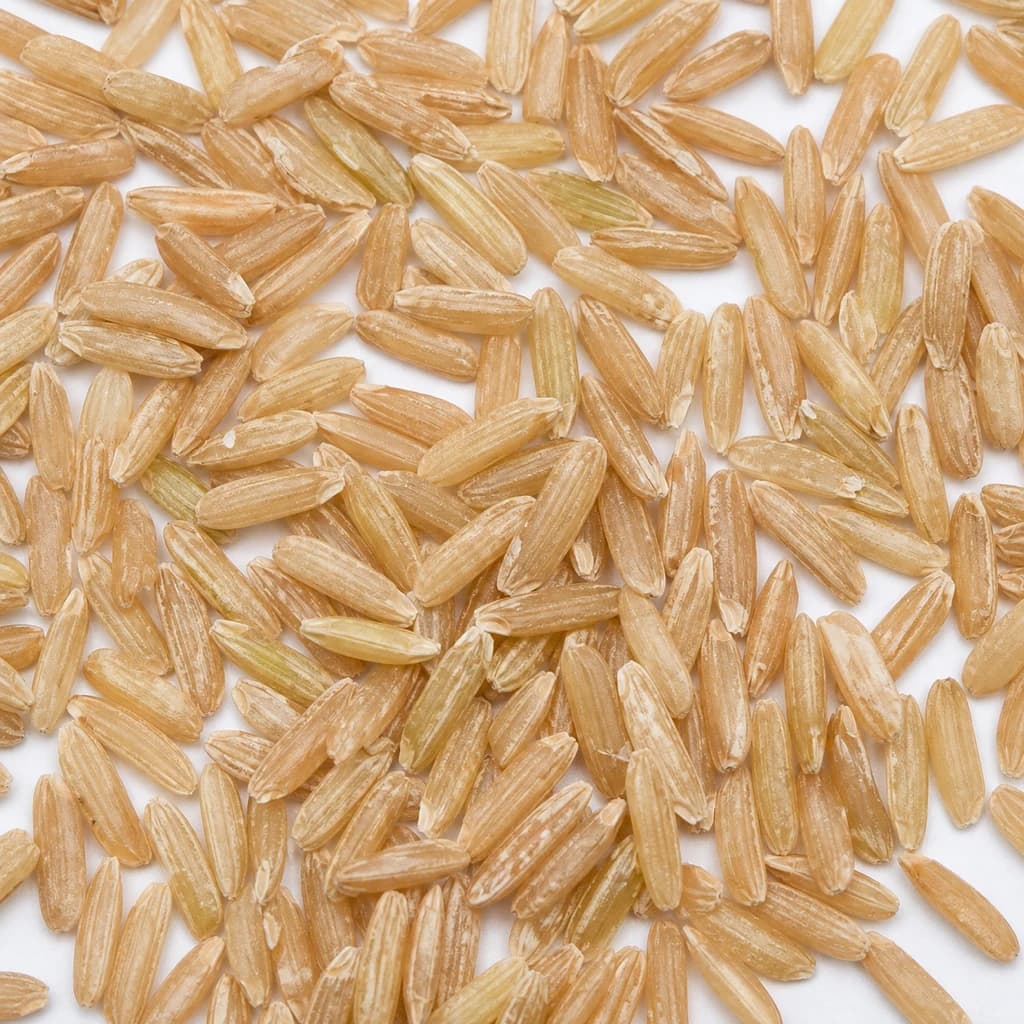
Brown Rice
Nutty, whole-grain rice with chew and extra fiber

Basmati Rice
Fragrant, long-grain rice that cooks up light and separate
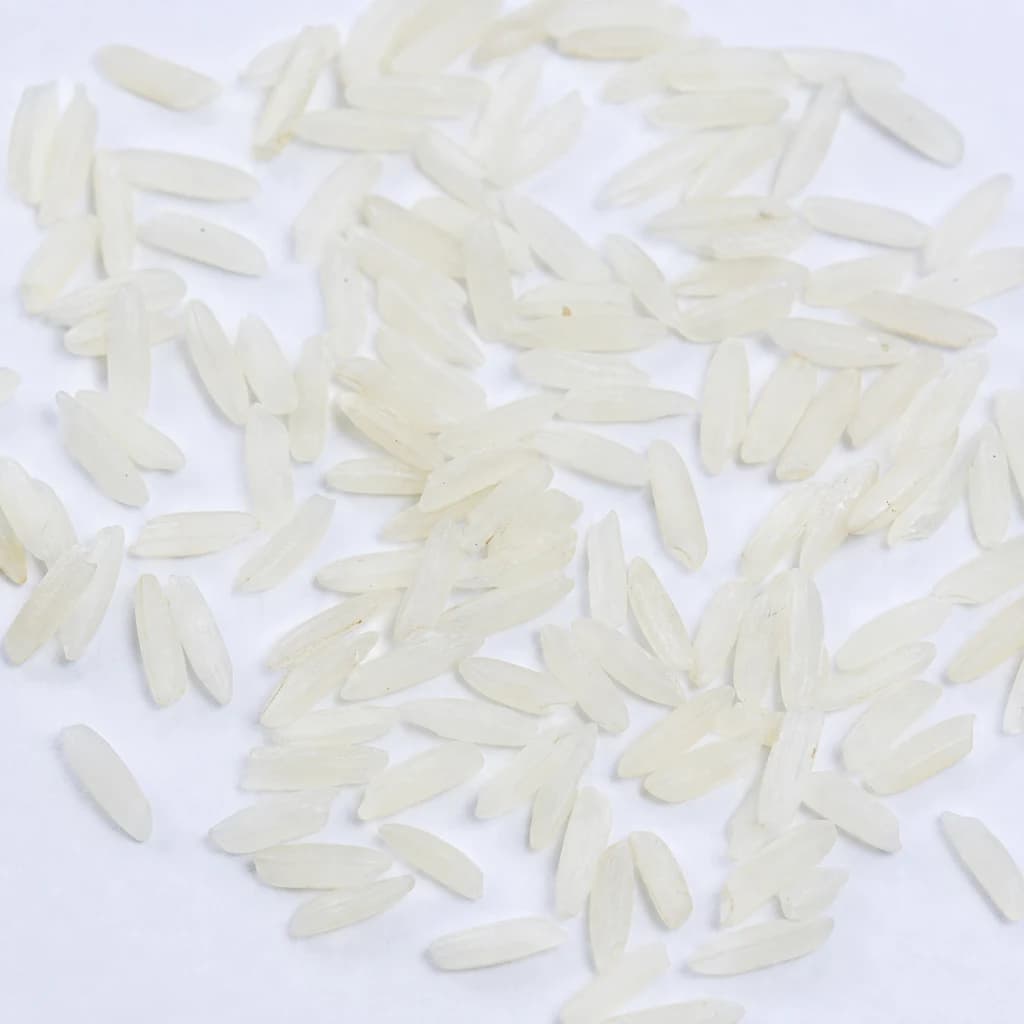
Jasmine Rice
Soft, floral-scented rice that's the pillar of Thai meals
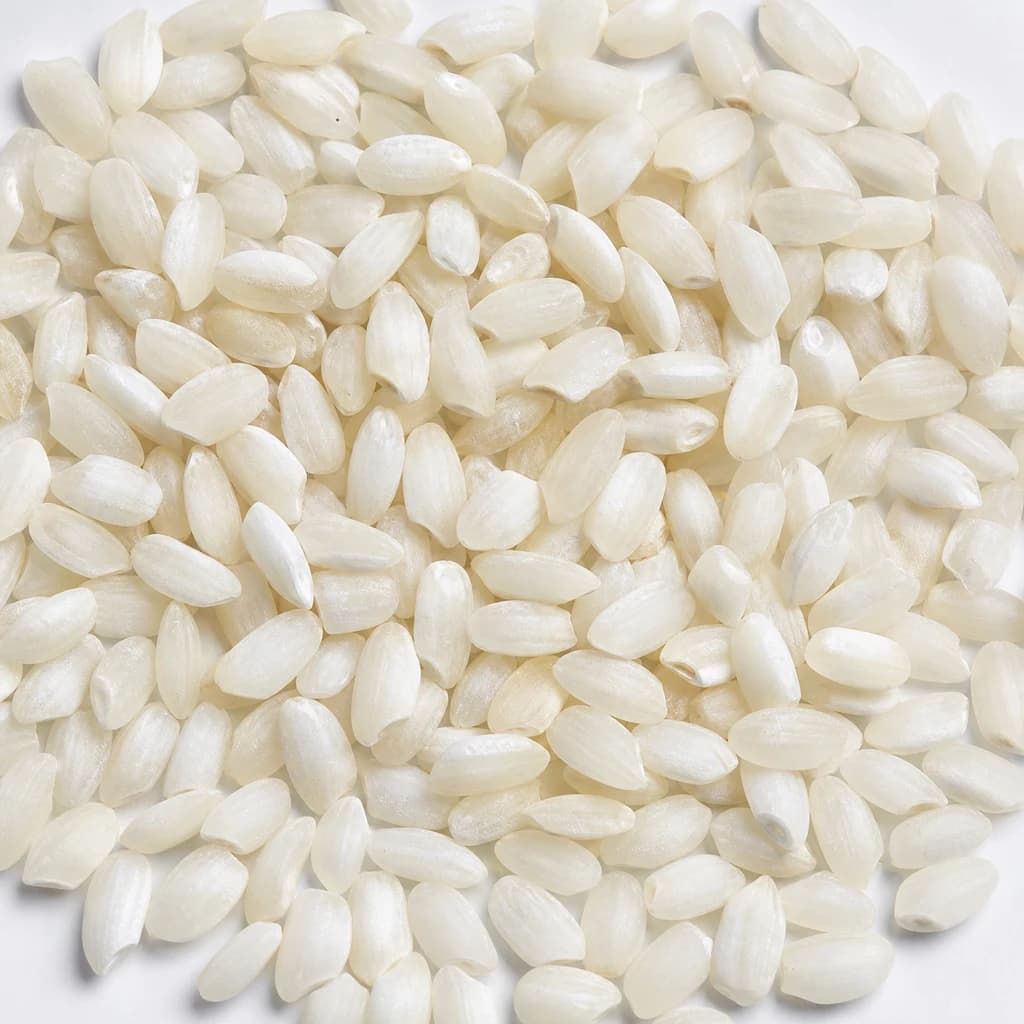
Arborio Rice
Plump, starchy rice that makes risotto creamy
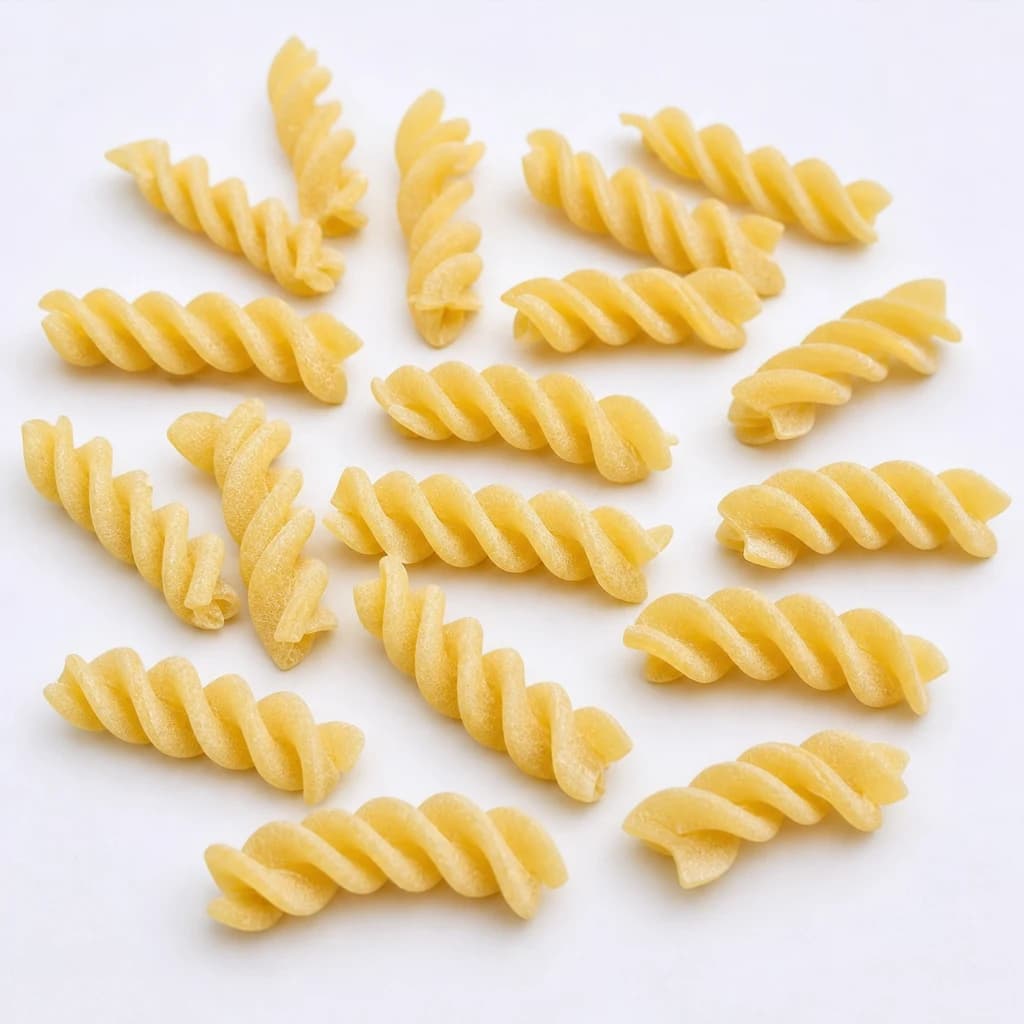
Fusilli
Spiraled pasta that twirls up sauce and dresses cold salads
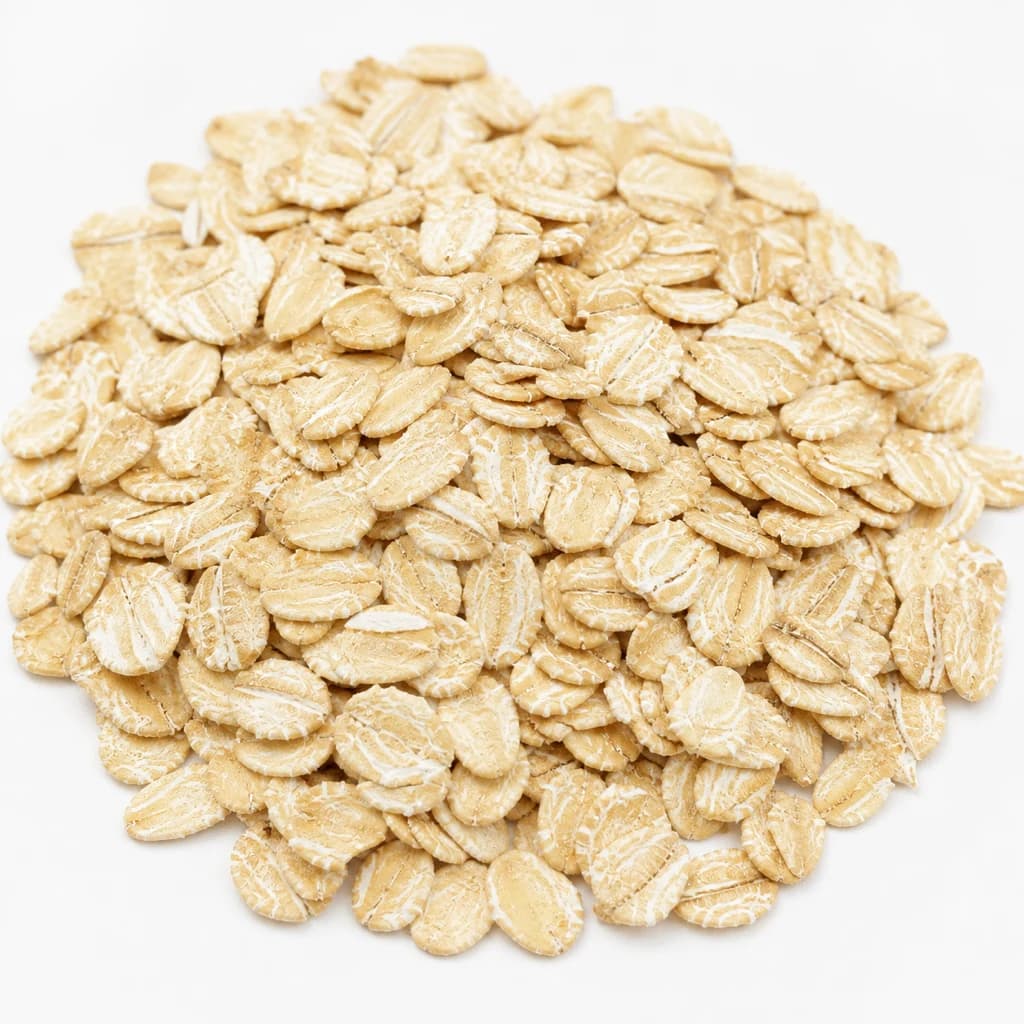
Rolled Oats
Hearty flakes for porridge, granola, and chewy cookies