Grains & Rice
Dried Corn
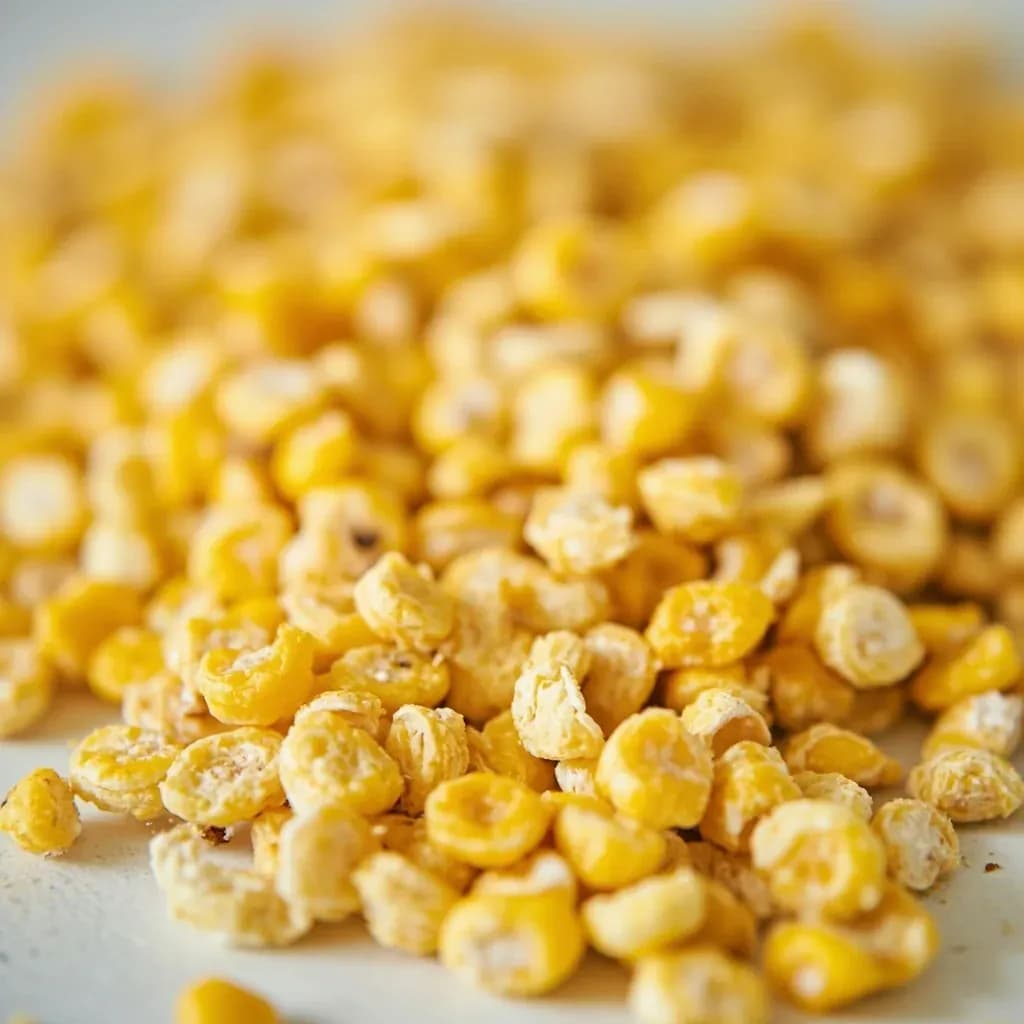
Whole dried maize kernels rehydrated or ground for masa, pozole, and porridges.
Dried corn is mature maize kernels dried for storage, ranging from yellow to white field varieties. It is rehydrated and nixtamalized for hominy and masa, ground into flour, or simmered into porridges and stews across the Americas and Africa. Drying concentrates the corn's starch and sweetness for long shelf life.
Dried corn is whole maize kernels dried to a stable 10–14% moisture content, giving them a long shelf life and concentrated, adaptable flavor. Where fresh corn is ephemeral and local, dried corn travels through seasons and generations—forming the backbone of Mexican, Central American, and Indigenous North American cooking. The kernels require soaking before cooking (8–24 hours) and benefit from long, patient simmering, during which they swell to roughly 2–2.5 times their dried volume. The texture when cooked ranges from yielding to pleasantly chewy depending on variety and age, while toasted dried corn develops a nutty, more assertive character that fresh corn lacks.
The nixtamalization process—treating corn with calcium hydroxide (slaked lime)—is the critical distinction between dried corn as an ingredient and dried corn as a culinary material ready for masa. This alkaline treatment loosens the hull from the kernel, partially gelatinizes the starches, and releases bound niacin, making the grain not only more nutritious but also workable into a cohesive dough. Without nixtamalization, tortillas crumble and tamales fall apart. However, whole-kernel preparations like pozole do not require nixtamalization; the process is only essential when grinding corn for fresh masa.
Not all dried corn is equal for cooking. Culinary corn is cleaned and processed specifically for food use, distinct from commodity field corn grown for ethanol or livestock feed. Seek heritage varieties from specialty suppliers when possible—white corn is the traditional choice for tortillas and tamales, yellow corn dominates pozole and American Southern cooking, and blue corn offers higher anthocyanin content and a robust, earthy flavor that stands up to bold toppings.
- Measured in
- g
- Storage
- Pantry
Types & varieties
Preferred for tortillas and hominy; milder, more delicate flavor
Slightly sweeter; common for pozole, cornbread, and cornmeal
Darker, earthier flavor; used for tortillas, atole, and decorative purposes; higher anthocyanin content
Used in Mexican and Southwestern cuisine; mildly sweet; good for pozole and grits
Large-kernel variety specifically bred for pozole; holds shape well during long cooking
Hard outer shell; colorful varieties; primarily for decoration or grinding; resists insects well
Contains both hard and soft starch; primary commercial variety for masa and livestock feed
Whole dried corn treated with calcium hydroxide; ready to cook or can be canned
Common uses
Tips & pitfalls
- Buy dried corn specifically labeled for culinary use—feed corn may contain additives or dust that affect flavor and safety
- Always soak dried corn 8–24 hours before cooking to reduce cooking time by half and ensure even hydration
- For pozole, do not add salt during cooking or the kernels will toughen—season only at the end after the corn is fully cooked
- Older dried corn (over 1 year) takes significantly longer to rehydrate and cook; test a few kernels first to gauge timing
- Nixtamalization requires 1–2% calcium hydroxide (pickling lime) by weight—without it, the hull does not release properly and niacin remains bound
- If grinding for masa, use a stone mill rather than a steel grinder—heat from steel grinding damages starches and produces inferior texture
- Toast dry kernels in a dry skillet before soaking to add nutty depth, especially for pozole and pinole preparations
- Hominy (canned) substitutes for rehydrated dried corn 1:1 in most preparations, though with a softer texture
Nutrition
Energy
1615 kJ · per 100 g
Where the calories come from
Protein
9.9g
20% DV
Carbs
74.9g
27% DV
Fat
5.2g
7% DV
Sugars
5.4g
of which
Sodium
13mg
1% DV
Source · USDA FoodData Central · Corn, dried (Navajo)
View on FDC →In the shops
Matched grocery products
 €1.55
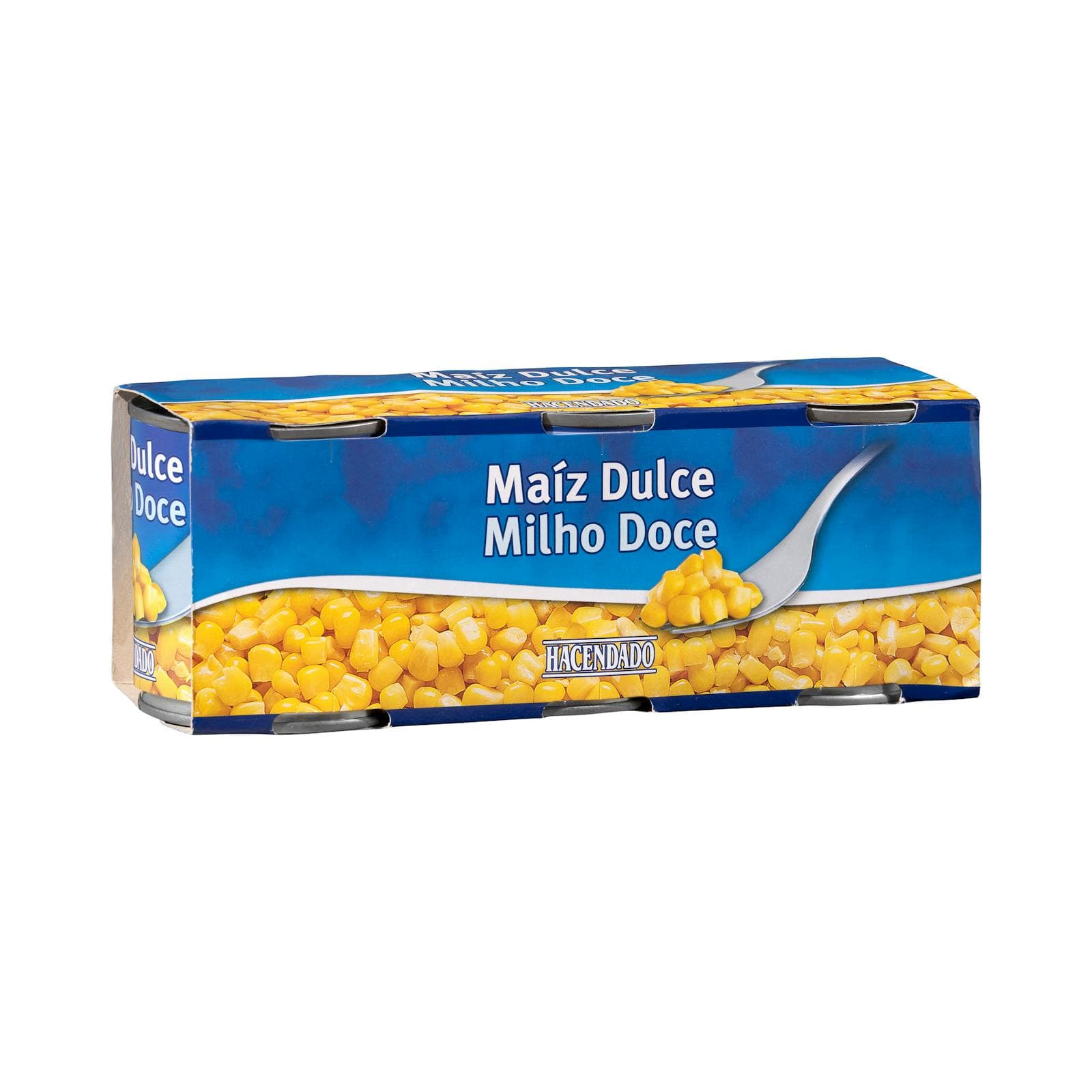
€1.55Sweet Corn
Hacendado · 450 g · Mercadona
 €1.59
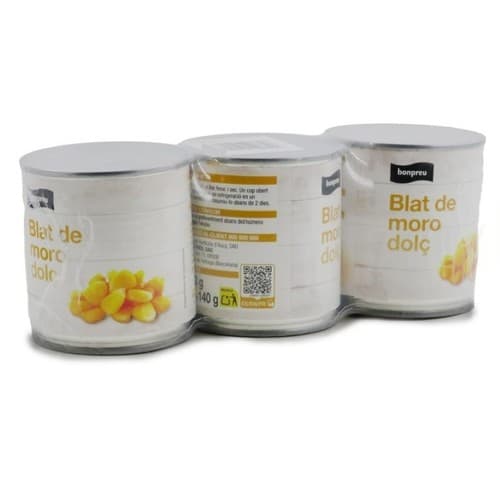
€1.59Sweet Corn Bonpreu
BONPREU · kg · Bonpreu
 €2.49
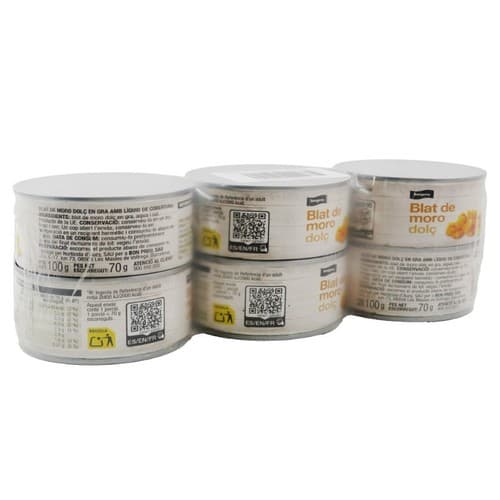
€2.49Sweet Corn Bonpreu
BONPREU · kg · Bonpreu
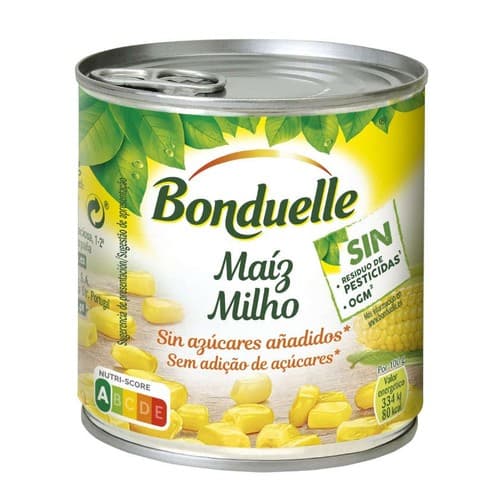 €1.99
€1.99Bonduelle Sweet Corn
BONDUELLE · kg · Bonpreu
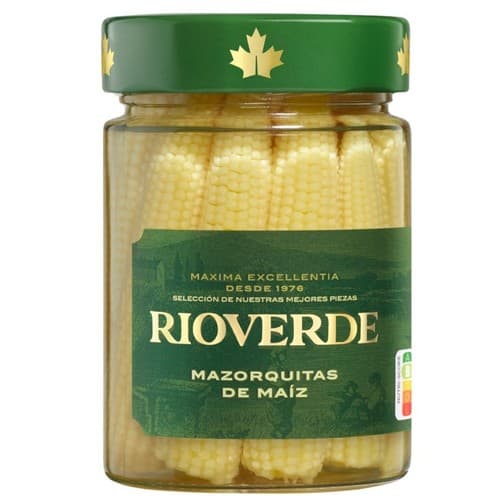 €2.99
€2.99Pickled Corn Kernels
RIOVERDE · kg · Bonpreu
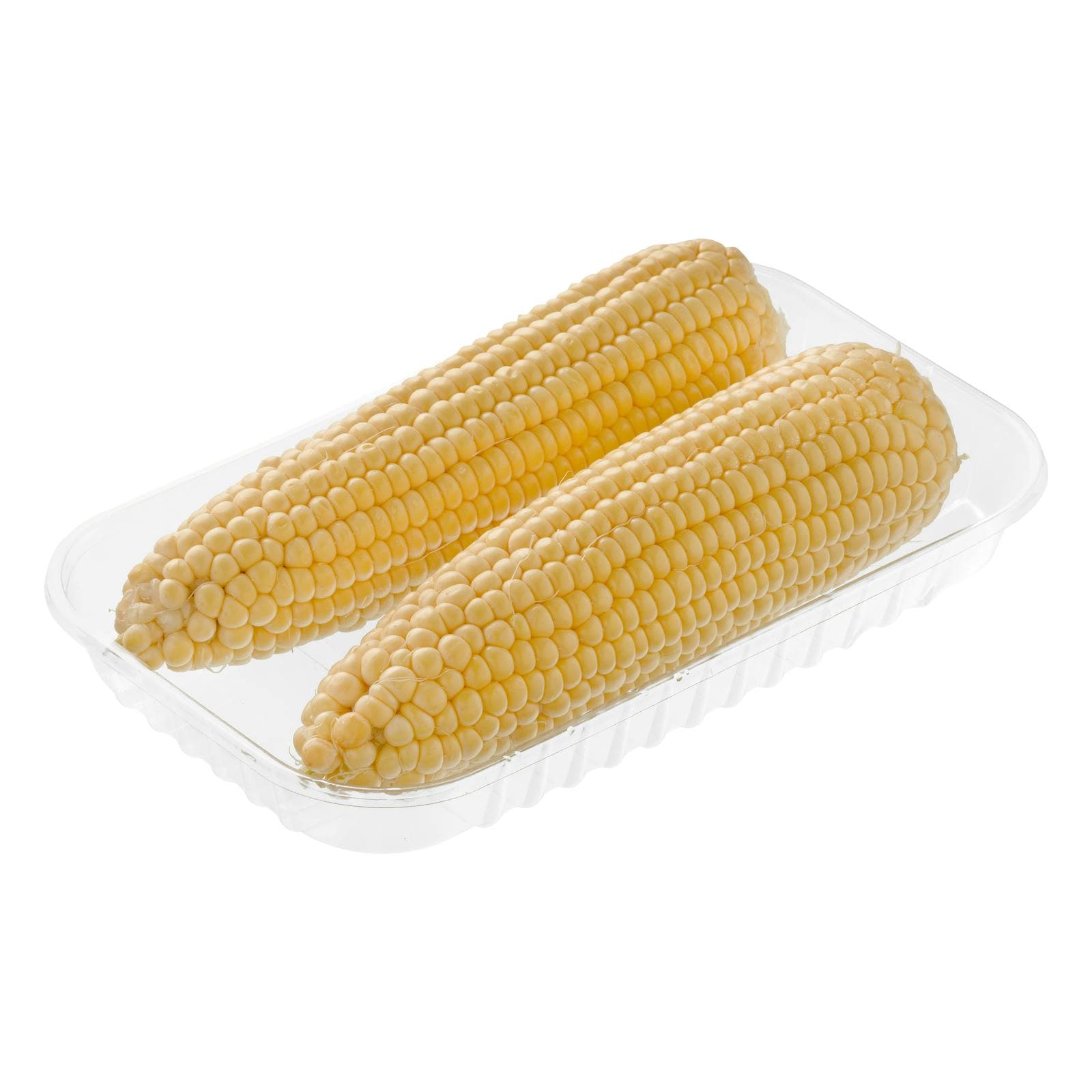 €3.15
€3.15Sweet Corn on the Cob
2 ud · Mercadona
Good to know
- Origin
- Mesoamerica; domesticated in Mexico ~9,000 years ago from teosinte
- Primary Types
- Dent, flint, flour, and popcorn varieties; white and yellow most common for cooking
- Moisture Content
- Dried to 10–14% for stable long-term storage (2–3 years sealed)
- Flavor
- Mild and slightly sweet when rehydrated; nutty and more pronounced when toasted
- Key Process
- Nixtamalization (lime treatment) releases niacin, improves digestibility, and makes masa workable
- Typical Soak Time
- 8–24 hours before cooking; reduces cooking time by half
- Cooking Time
- 45 minutes to 2+ hours depending on age and variety; older corn takes significantly longer
- Yield
- 1 cup dried yields approximately 2–2.5 cups rehydrated
- Nutrition Note
- Good source of fiber and B vitamins when nixtamalized; lysine-limited protein
Substitutes
- Canned Hominy — Ready to use 1:1; rinse and drain; slightly softer texture but works for pozole, soups, and salads
- Fresh or Frozen Corn — Not a true substitute for whole-kernel dried corn; only viable for quick preparations like soups and quick-cooking porridges
- Polenta/Cornmeal — For porridges and atole only—cannot substitute for whole-kernel applications
- White Beans (cooked) — For pozole-style soups only—provides substance but not the characteristic corn flavor or texture
Pairs with
Also called
Maíz Seco · Dried Yellow Corn · Dried Maize Kernels · Dried Maize
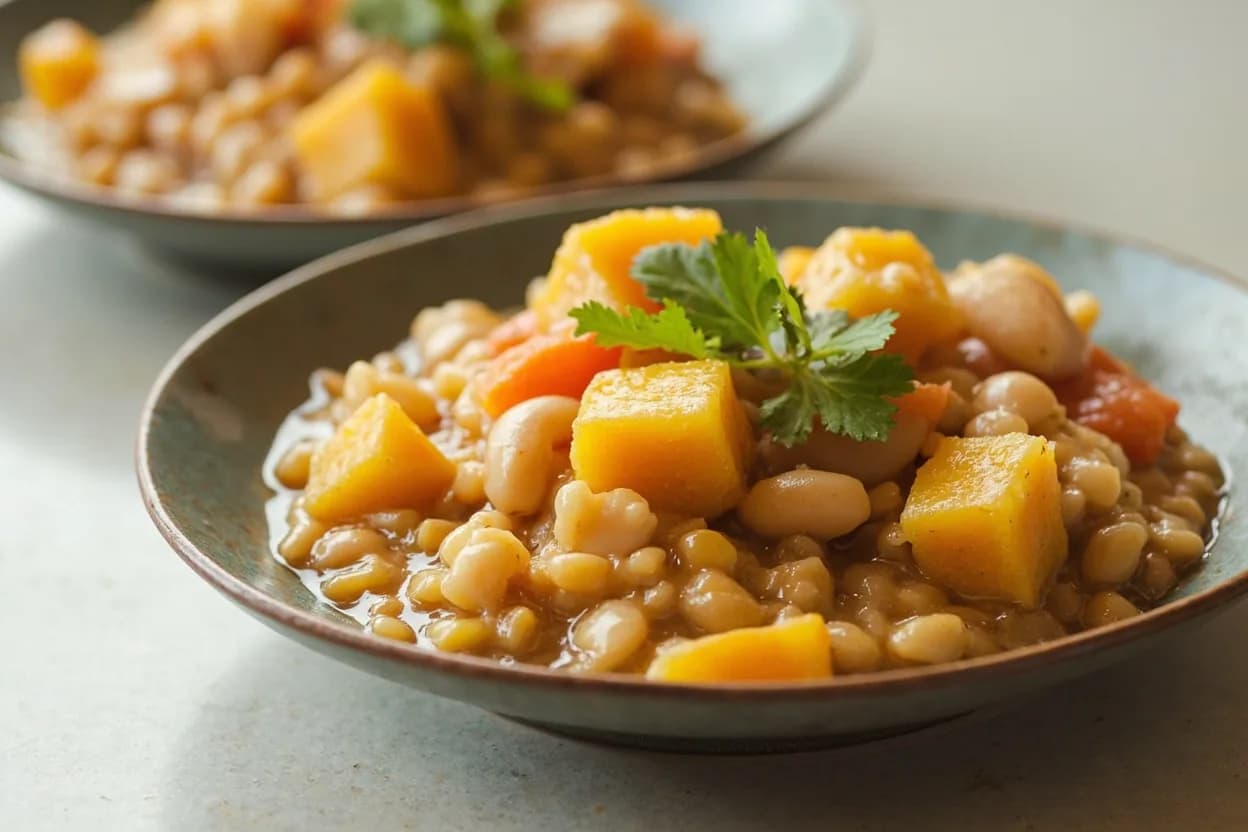
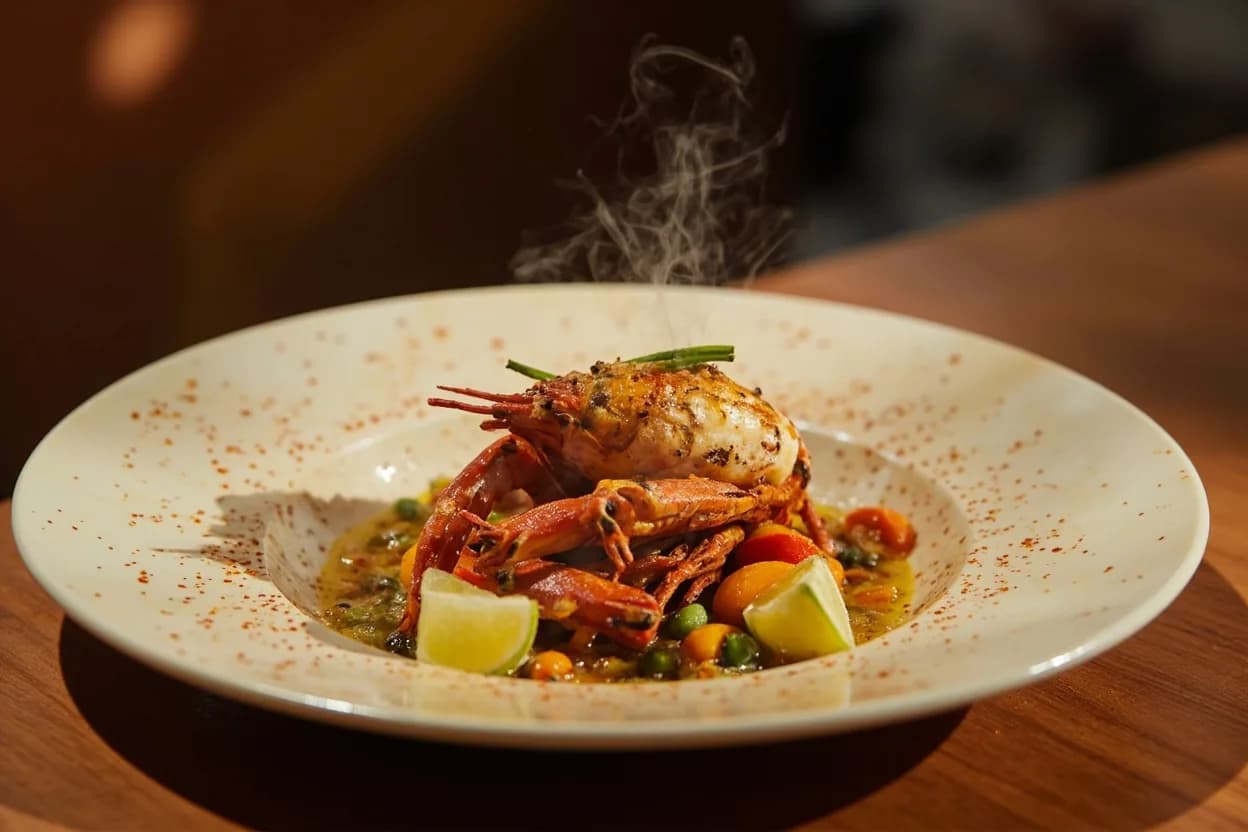
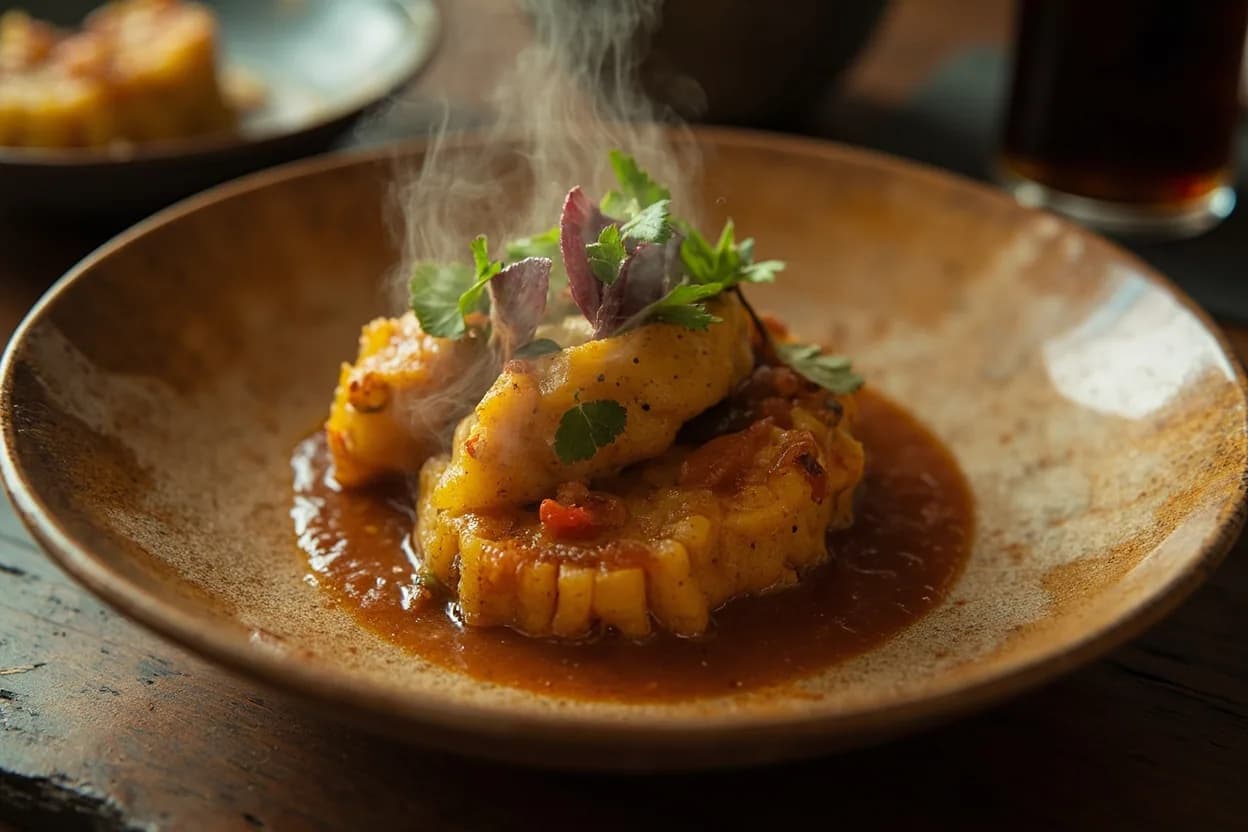
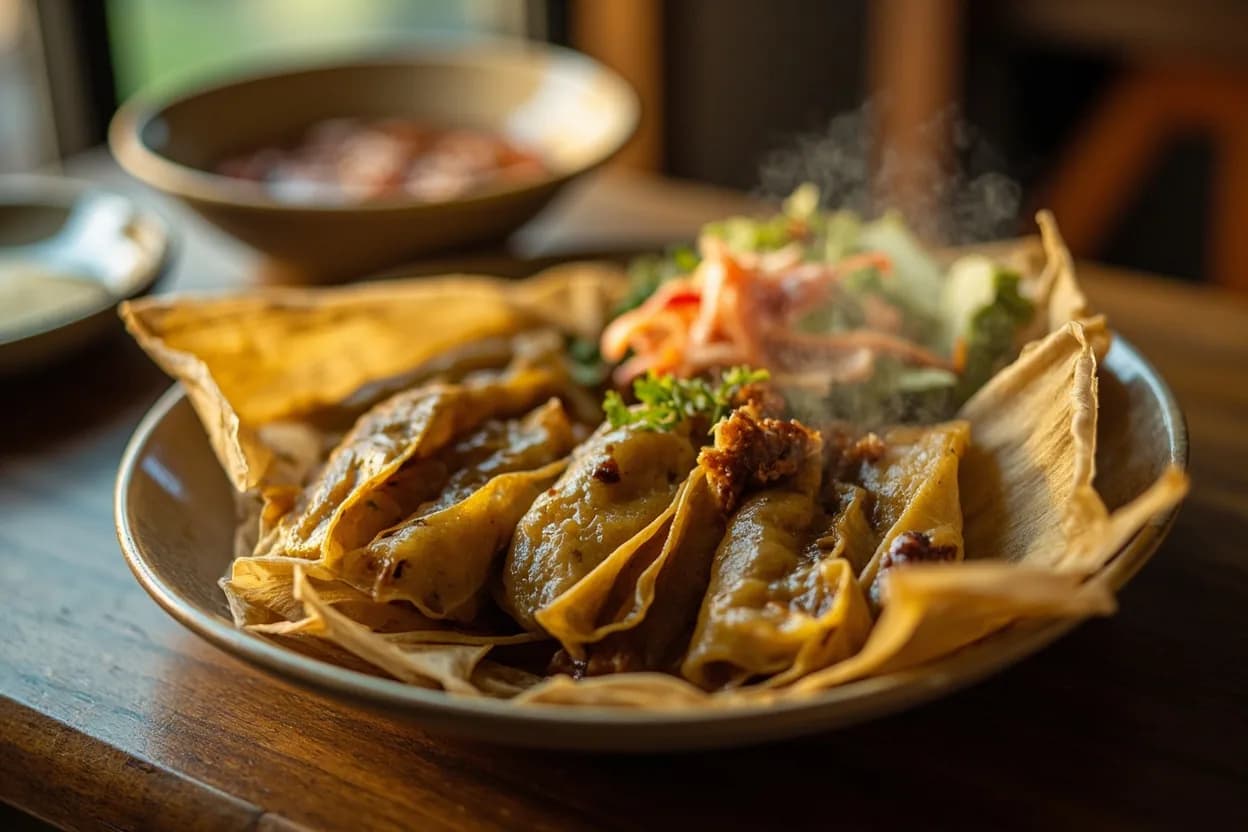
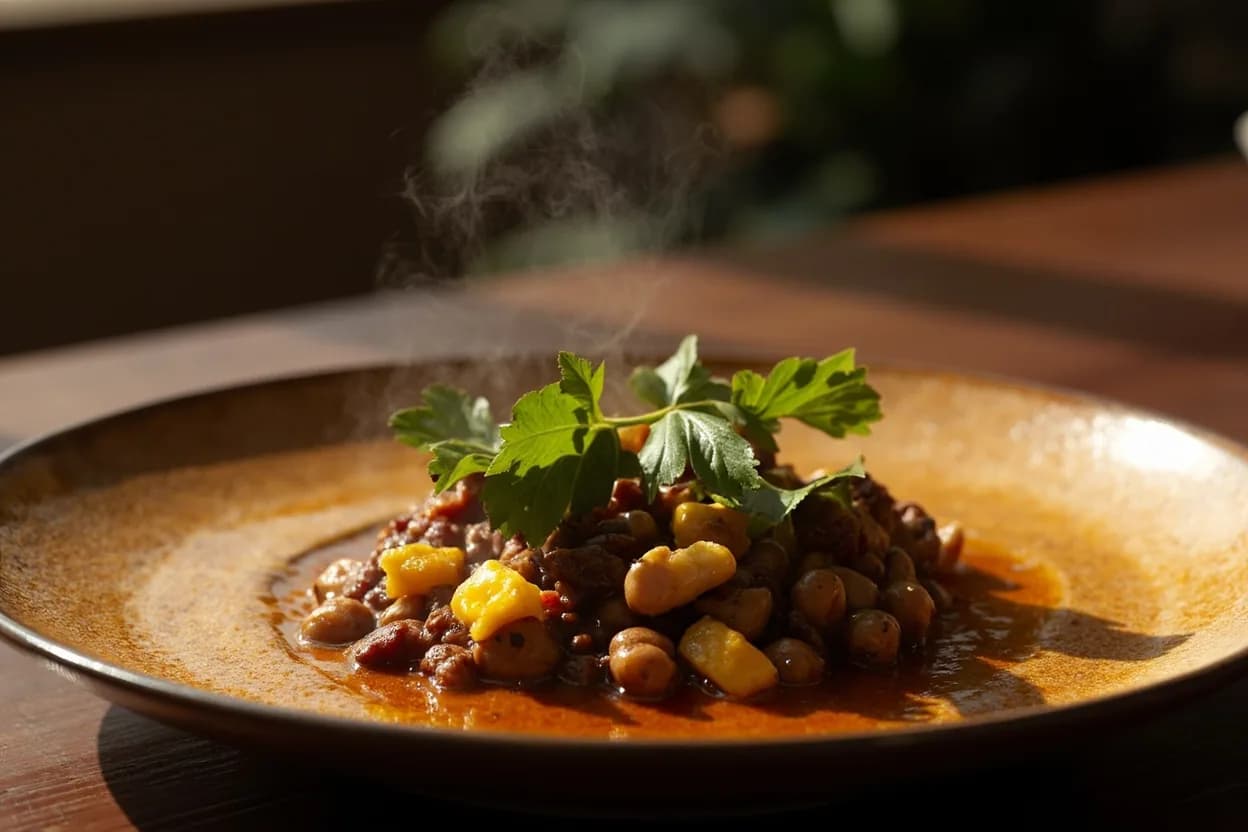
Appears in these dishes
Related

White Rice
Fluffy long-grain rice — the neutral base for almost any meal

White Bread
Soft sandwich loaf for toast, sandwiches, and crumbs
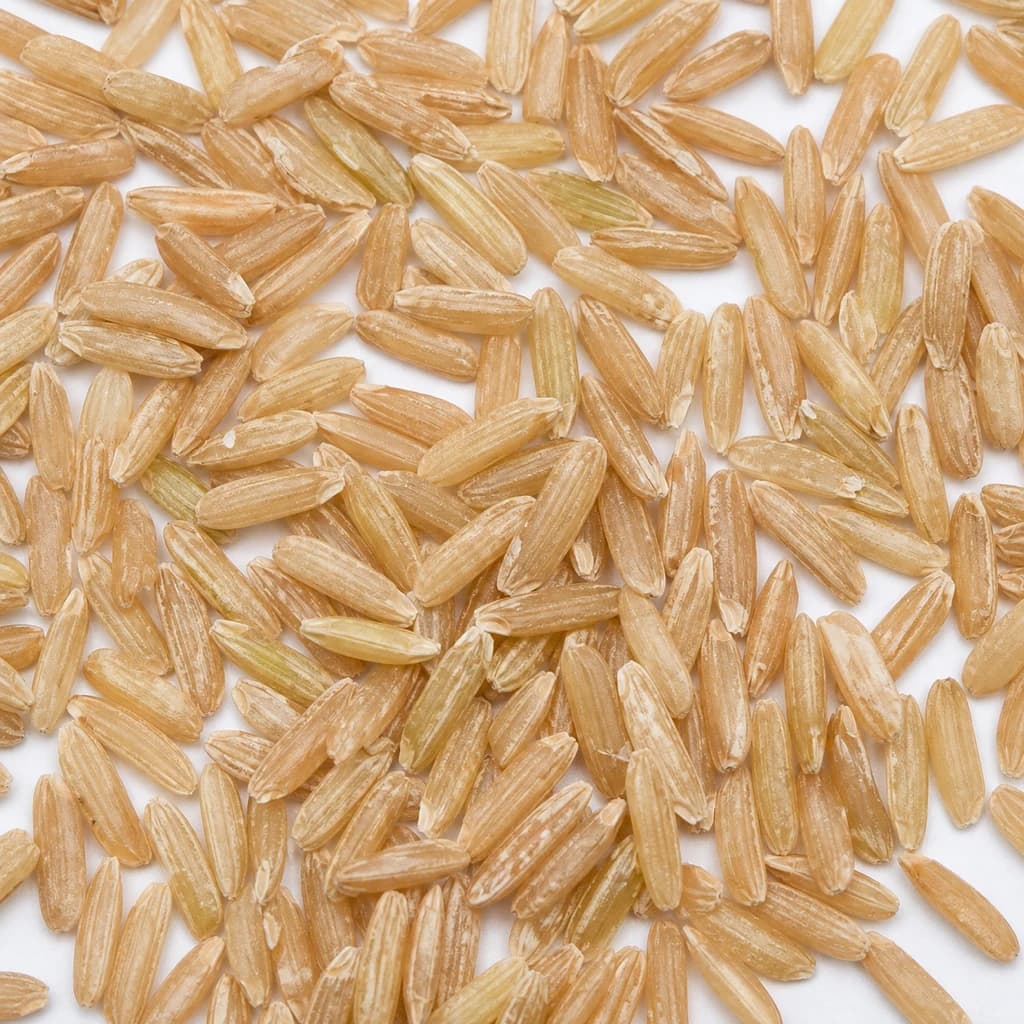
Brown Rice
Nutty, whole-grain rice with chew and extra fiber

Basmati Rice
Fragrant, long-grain rice that cooks up light and separate
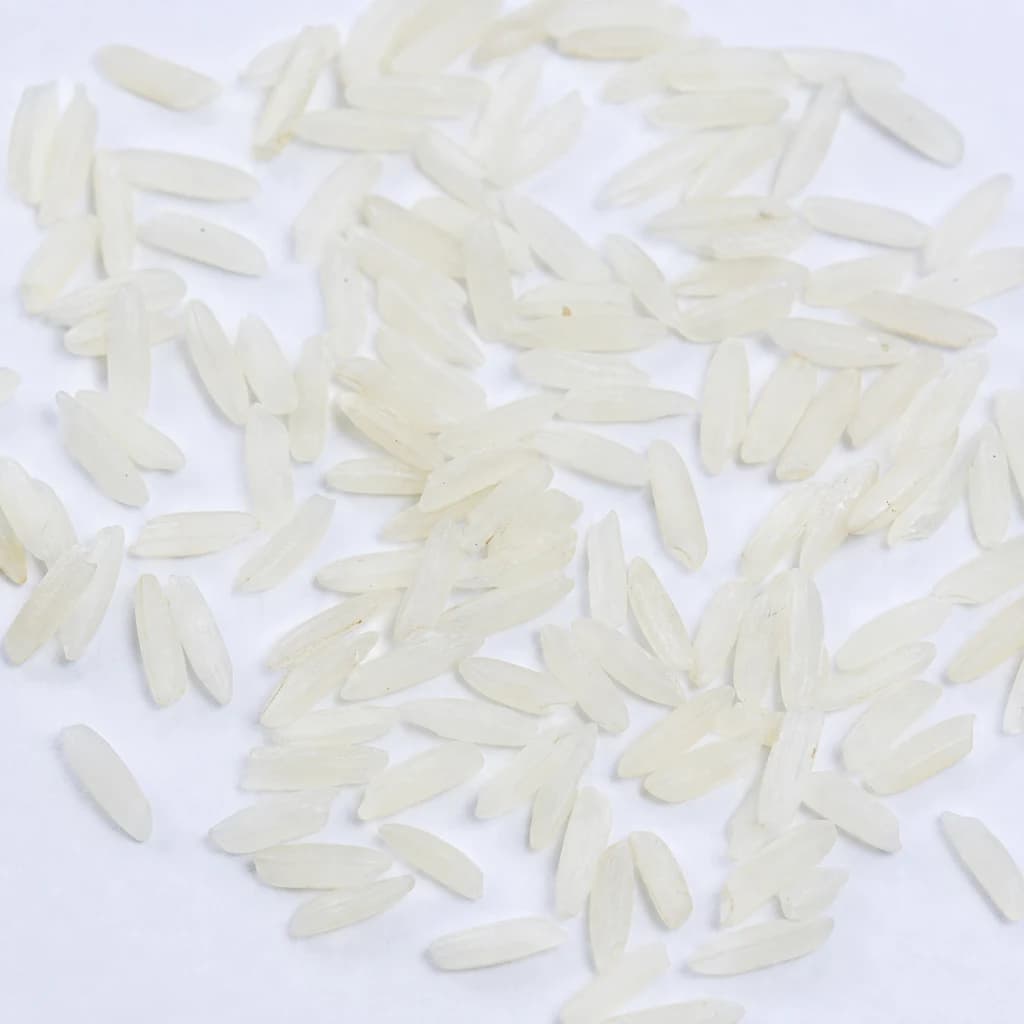
Jasmine Rice
Soft, floral-scented rice that's the pillar of Thai meals
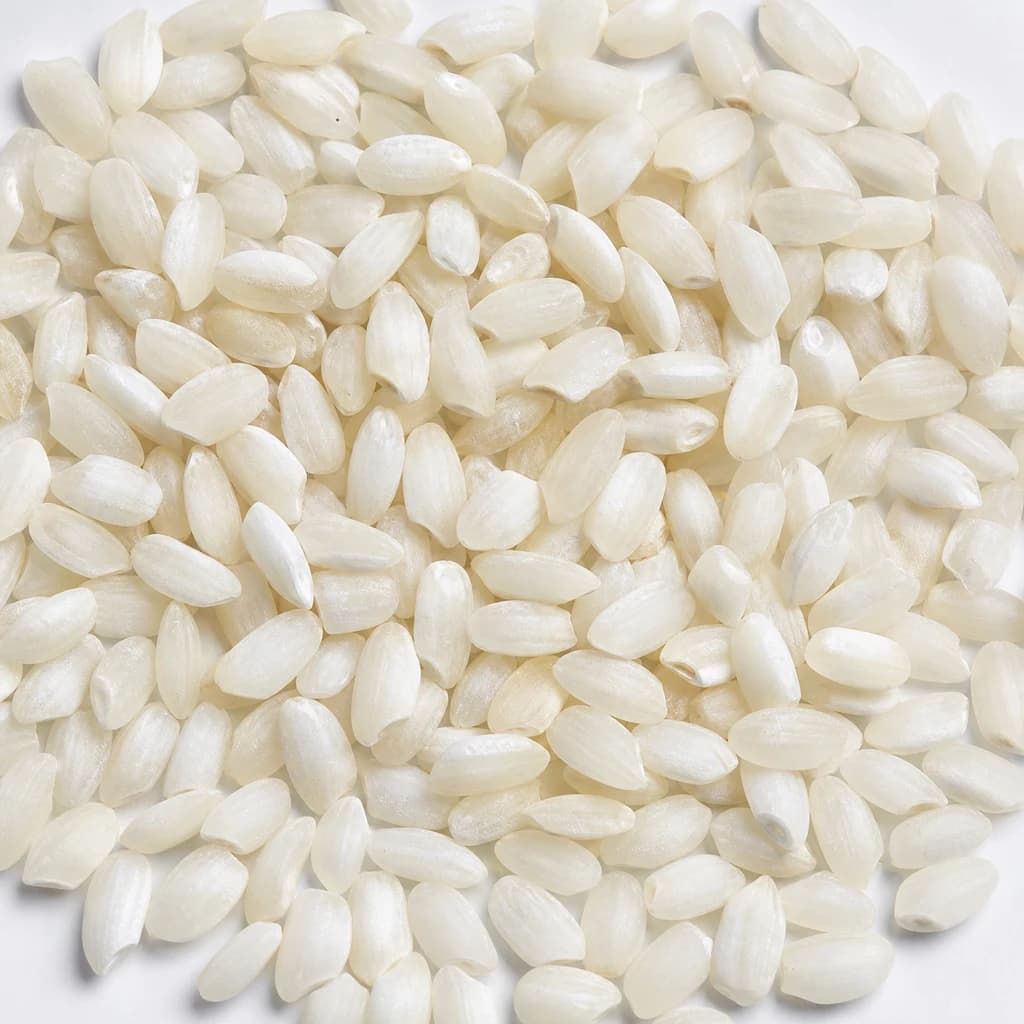
Arborio Rice
Plump, starchy rice that makes risotto creamy
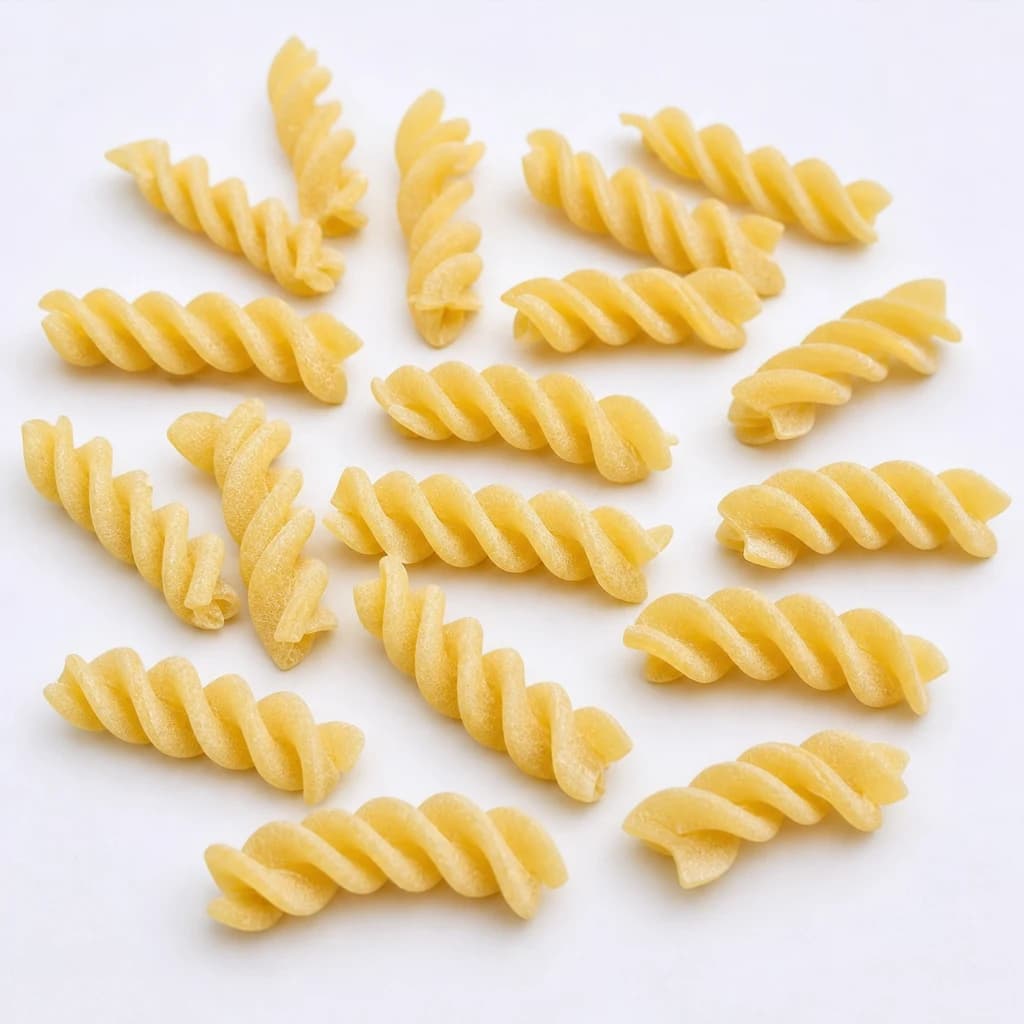
Fusilli
Spiraled pasta that twirls up sauce and dresses cold salads
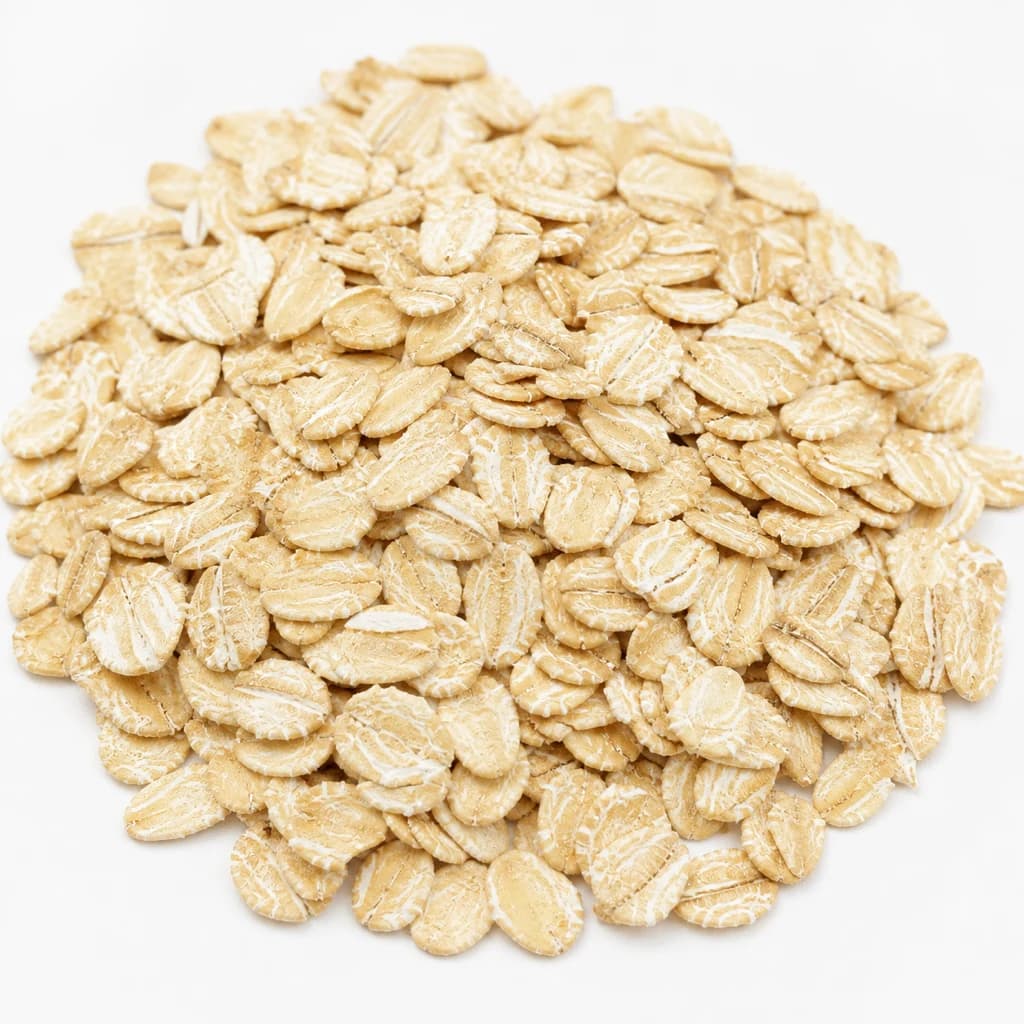
Rolled Oats
Hearty flakes for porridge, granola, and chewy cookies