
Natural form
Whole white corn ears with pale ivory kernels and green husks, harvested fresh.
Shows the ingredient in its most recognizable harvested state, letting readers identify it by kernel color, husk, and cob structure.
Produce
White Corn
White-kerneled maize eaten fresh or dried, ground for masa, hominy, and porridges.
White corn is a maize variety with pale kernels, milder and slightly less sweet than yellow corn. It is eaten on the cob, and dried kernels are nixtamalized for hominy and white masa or ground into meal for porridges and tortillas. It is favored in many Latin American and African staple dishes.
White corn is a cultivated variety of Zea mays prized for its white-to-cream-colored kernels and softer endosperm compared to yellow corn. Domesticated in Mexico from teosinte roughly 9,000 years ago, white corn has been selectively bred across Mesoamerica into the preferred variety for all traditional masa-based preparations. Unlike the sweet corn most Americans encounter at summer barbecues, white corn is typically eaten fresh in its early stages or dried and processed—its mild, slightly nutty flavor and tender texture becoming the backbone of tortillas, tamales, and hominy rather than a stand-alone vegetable dish.
The defining characteristic of white corn is its endosperm composition: softer, more starchy, and lower in carotenoids than yellow corn, which gives it superior grinding properties and a finer, more cohesive masa texture. This softer structure also makes it more amenable to nixtamalization—the alkaline cooking process using slaked lime (cal) that loosens the hull, releases bound niacin, and transforms stubborn dried kernels into the pliable, nutritious foundation of Mexican cuisine. Fresh white corn is less common in mainstream U.S. supermarkets than yellow sweet corn; seek it at farmers' markets or Latin grocery stores during summer months and use it within 24–48 hours, since it lacks the sugar-retention breeding of supersweet varieties. Dried white corn and masa harina are available year-round and form the backbone of any serious Mexican pantry.
- Measured in
- g
- Storage
- Pantry
Types & varieties
Small, irregularly arranged kernels; tender texture; classic for creamed corn; heirloom variety dating to 1890s
Supersweet type; maintains sweetness longer after harvest than standard varieties; crunchier texture
Soft endosperm with a small hard center; primary variety for masa and hominy production in commercial settings
Soft, starchy endosperm throughout; grinds to smooth flour; used for cornbread, tortillas, and porridge; lower yield but superior texture for grinding
Varieties specifically selected for nixtamalization; adequate pericarp hardness to hold shape during alkaline cooking; lower yellowness mutations
The nixtamalization imperative
Nixtamalization—cooking dried corn in an alkaline solution of water and calcium hydroxide (cal)—is not optional for dried white corn. It is the process that makes the grain safe, nutritious, and workable. The alkaline treatment swells the kernels, loosens the fibrous pericarp (hull), and chemically transforms bound niacin into a bioavailable form, preventing pellagra in populations relying on corn as a staple. Beyond nutrition, nixtamalization gives masa its characteristic smooth texture and cohesive quality that allows tortillas to hold together without cracking. Without it, ground dried corn produces a gritty, mealy paste that tears easily and lacks the distinctive corn flavor of properly processed masa.
- Use food-grade calcium hydroxide (cal) at approximately 1–2 tablespoons per pound of dried corn
- The cooking water, called nejayote, turns cloudy and brownish—it is traditionally used to soak beans but can be discarded
Fresh white corn at its peak
Unlike sweet corn bred for extended sugar retention, fresh white corn begins converting sugars to starch almost immediately after harvest. This means timing matters more than it does with yellow corn. Buy from sources where you know the harvest date when possible, and plan to use the corn the same day or the next. When selecting fresh ears, look for bright green husks that feel slightly damp, not dried or yellowed. Pull back a small section of husk at the stem end and press a kernel—it should release milky white liquid, not clear juice or dried-out paste. Avoid ears with shriveled silk or kernels that look sunken.
- Fresh white corn is a seasonal luxury; canned and frozen alternatives lack the texture for most traditional preparations
- Unlike yellow sweet corn, white corn is not typically eaten raw—the mild flavor benefits from cooking methods that develop complexity, such as charring on a grill
Common uses
Tips & pitfalls
- Buy fresh white corn in season and use within 24–48 hours for best sweetness and texture; unlike sweet corn, it is not bred for extended sugar retention
- When making tortillas from dried white corn, nixtamalization is not optional—it is essential to make niacin bioavailable, remove the pericarp's gritty fiber, and develop the characteristic masa texture; use food-grade cal (calcium hydroxide) or pick up pre-nixtamalized masa harina
- To nixtamalize at home: simmer 1 pound dried white corn in 2 quarts water with 1–2 tablespoons cal for 20–30 minutes until the hulls loosen and the kernel swells; let soak overnight, then rinse thoroughly, rubbing off hulls; the cooking water (nejayote) can be used to soak beans
- If using masa harina (like Maseca), hydrate with warm water (about 1.75 cups per 2 cups masa) until dough holds together without sticking; rest 30 minutes before shaping
- For pozole: simmer nixtamalized hominy with pork or chicken stock, dried chiles, garlic, cumin, and Mexican oregano; add shredded meat in the last hour; serve with shredded cabbage, radishes, oregano, and lime
- Common mistake: substituting yellow cornmeal for white cornmeal in traditional recipes—flavor, color, and texture will differ noticeably, especially in cornbread and tortillas
- Common mistake: overcooking fresh white corn—it becomes mushy; cook in actively simmering water for only 3–4 minutes maximum, or grill just until charred in spots
- Common mistake: grinding dried white corn in a standard blender for masa—it will not achieve the correct fine, slightly hydrated texture; use a grain mill, food processor (for rough texture), or purchase prepared masa
Nutrition
Energy
360 kJ · per 100 g
Where the calories come from
Protein
3.2g
6% DV
Carbs
19g
7% DV
Fat
1.2g
2% DV
Fiber
2.7g
10% DV
Sugars
3.2g
of which
Sodium
15mg
1% DV
Source · USDA FoodData Central · Corn, sweet, white, raw
View on FDC →In the shops
Matched grocery products
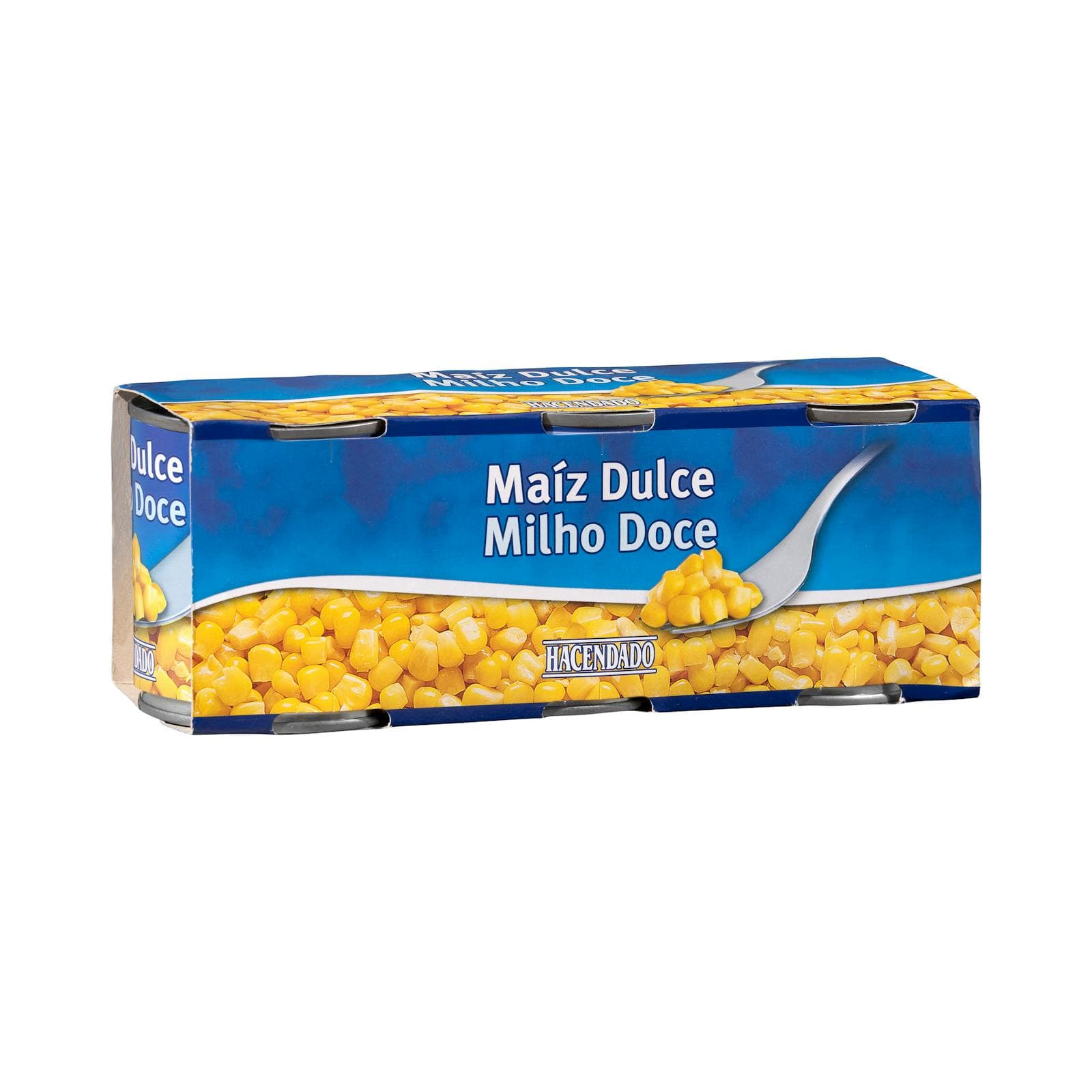 €1.55
€1.55Sweet Corn
Hacendado · 450 g · Mercadona
 €1.59
€1.59Sweet Corn Bonpreu
BONPREU · kg · Bonpreu
 €2.49
€2.49Sweet Corn Bonpreu
BONPREU · kg · Bonpreu
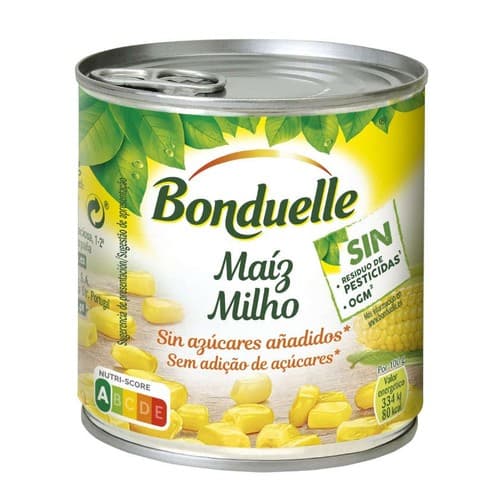 €1.99
€1.99Bonduelle Sweet Corn
BONDUELLE · kg · Bonpreu
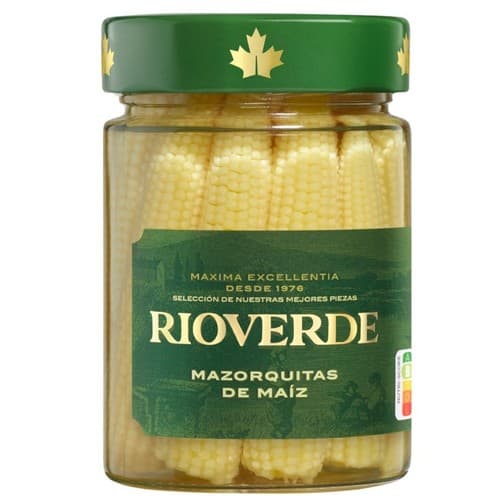 €2.99
€2.99Pickled Corn Kernels
RIOVERDE · kg · Bonpreu
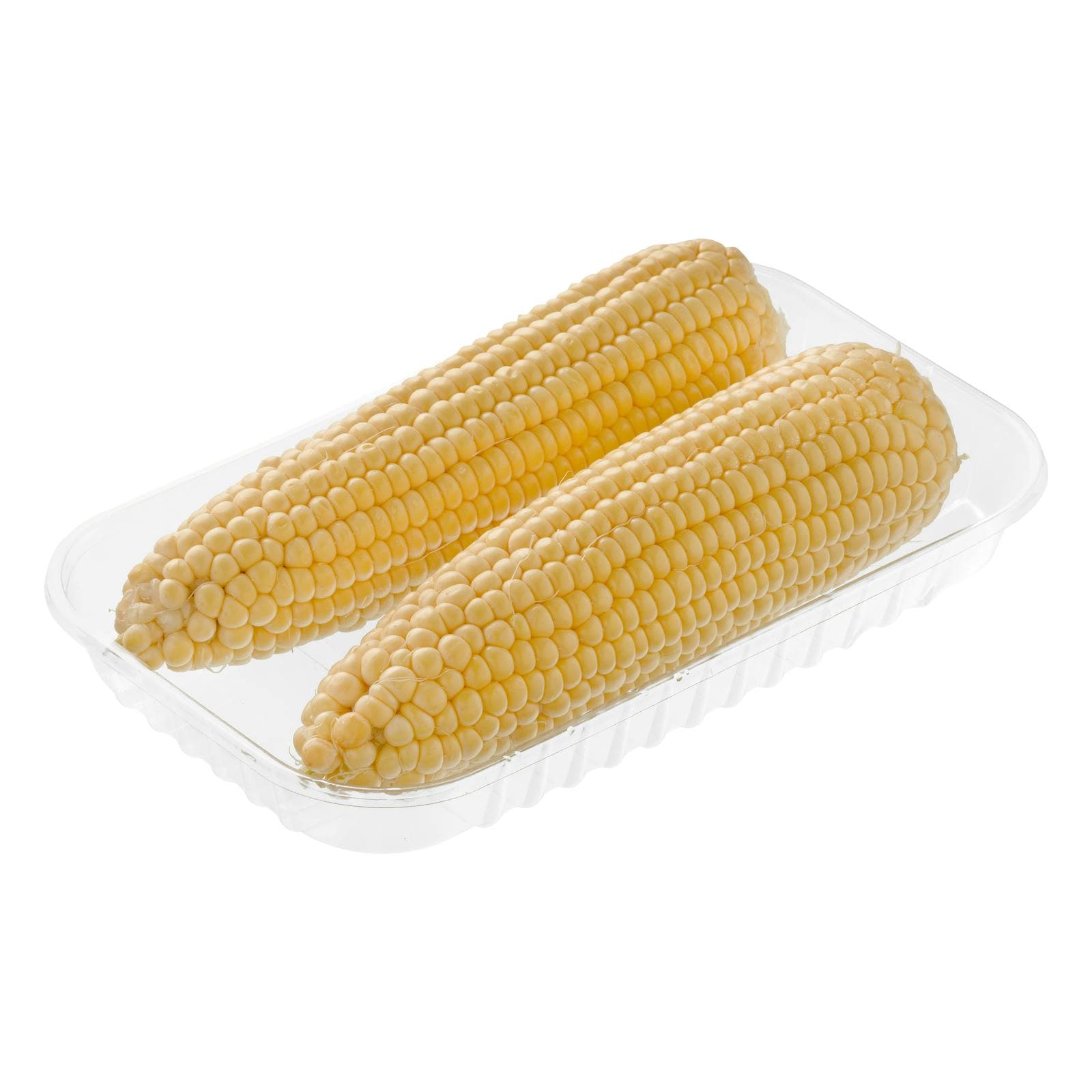 €3.15
€3.15Sweet Corn on the Cob
2 ud · Mercadona
Good to know
- Scientific name
- Zea mays (dent, flint, and soft endosperm types for different preparations)
- Origin
- Domesticated in Mexico from teosinte approximately 9,000 years ago; white varieties selected and cultivated across Mesoamerica for millennia
- Primary season
- Fresh ears: summer (June–September in Northern Hemisphere); dried white corn and masa harina: year-round
- Flavor profile
- Mild, slightly nutty, less sweet than yellow sweet corn; tender when young; earthy and substantial when dried and ground
- Key characteristic
- Softer, more tender endosperm than yellow corn; lower carotenoid content; kernels are white to cream-colored
- Forms available
- Fresh ears, dried whole kernels, dried ground (masa harina, cornmeal, corn flour), nixtamalized (hominy)
- Storage (fresh)
- Refrigerate unshucked up to 1–2 days; sugar converts to starch quickly after harvest
- Storage (dried)
- Cool, dry, airtight container; 6–12 months for whole kernels; check for pantry moths before storage
Substitutes
- Yellow sweet corn (fresh) — Substitute 1:1 for fresh white corn in salads and side dishes; flavor is sweeter and texture slightly different; not suitable for recipes where white corn's mildness is intentional
- Yellow dent corn (dried) — Acceptable for making masa in a pinch; the flavor profile shifts toward the distinct corn taste of yellow corn and the color will be off-white to pale yellow; nixtamalize using the same method
- Hominy (canned or jarred) — Use directly as a substitute for nixtamalized hominy in pozole and stews; drain and rinse before adding to recipes
- Masa harina (instant masa flour) — For tortillas and tamales when you don't have nixtamalized corn; reconstitute with water per package directions; not identical to fresh masa but functional
- Polenta or yellow cornmeal — Substitute for cornmeal in porridge and bread recipes; the color will be yellow and the flavor more pronounced; for cornbread, this changes the identity of the dish significantly
Pairs with
Also called
Maíz · White Maize · Dried Yellow Corn · Dried White Corn
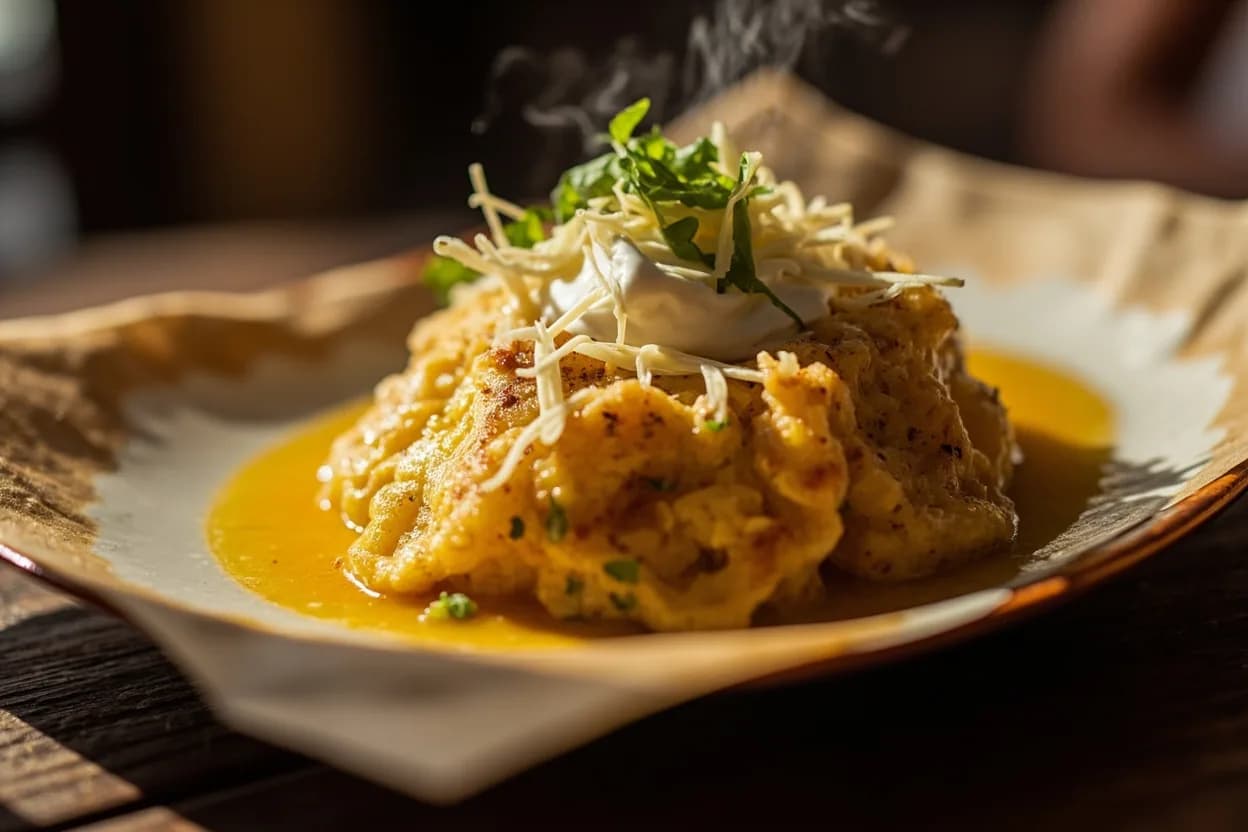
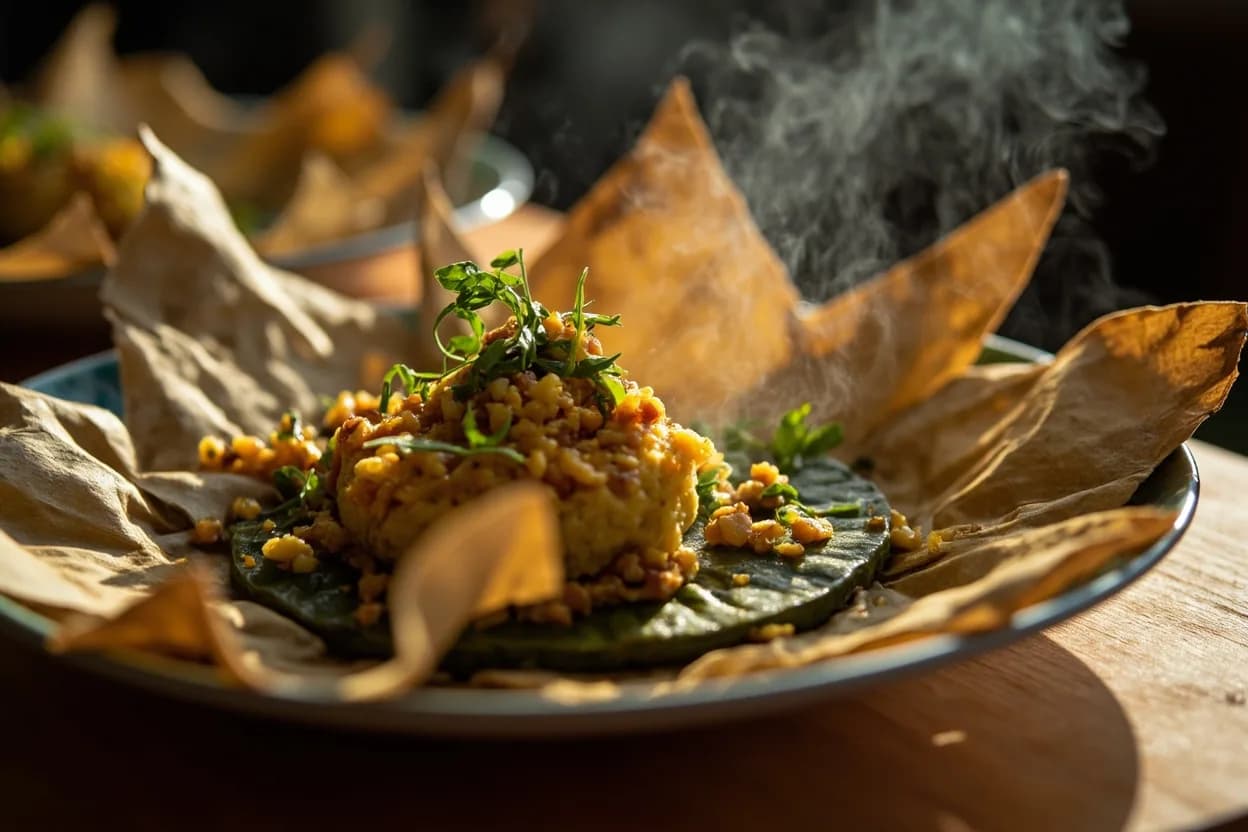
Appears in these dishes
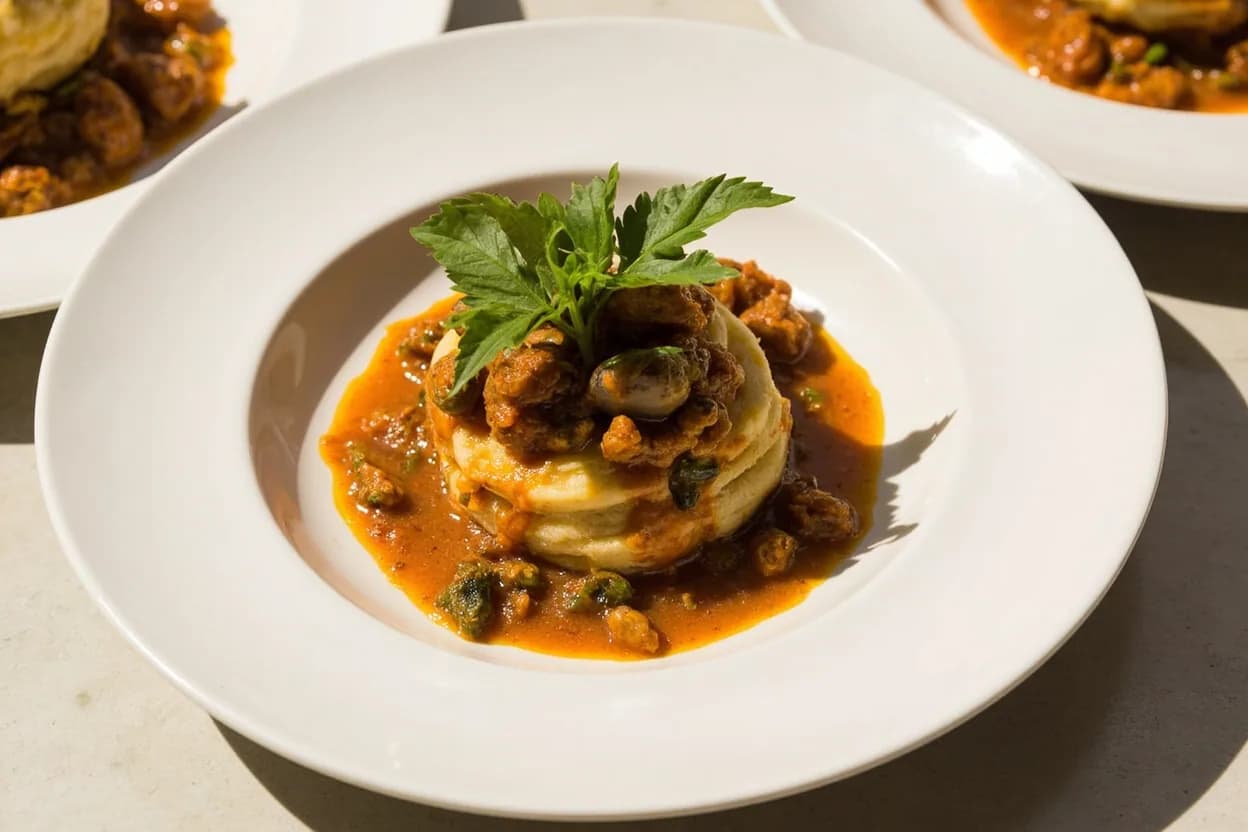
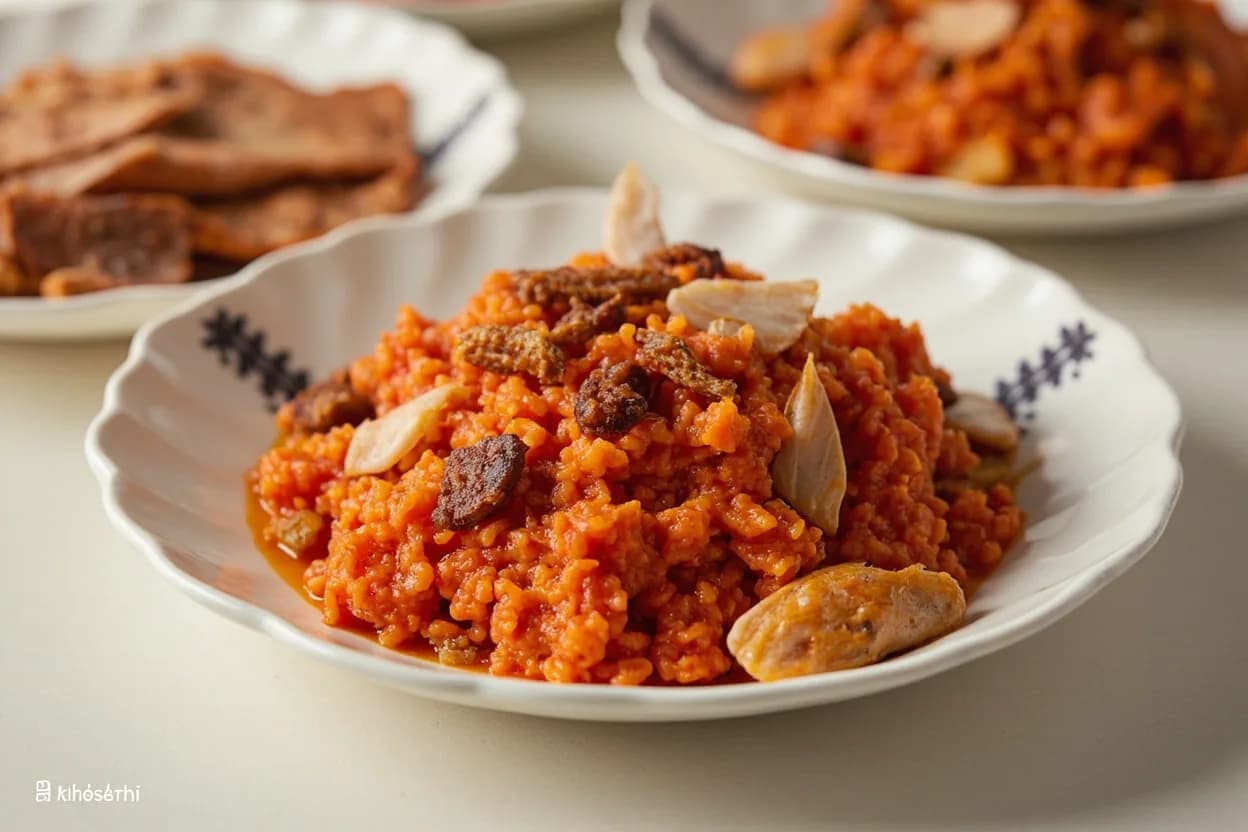
Related
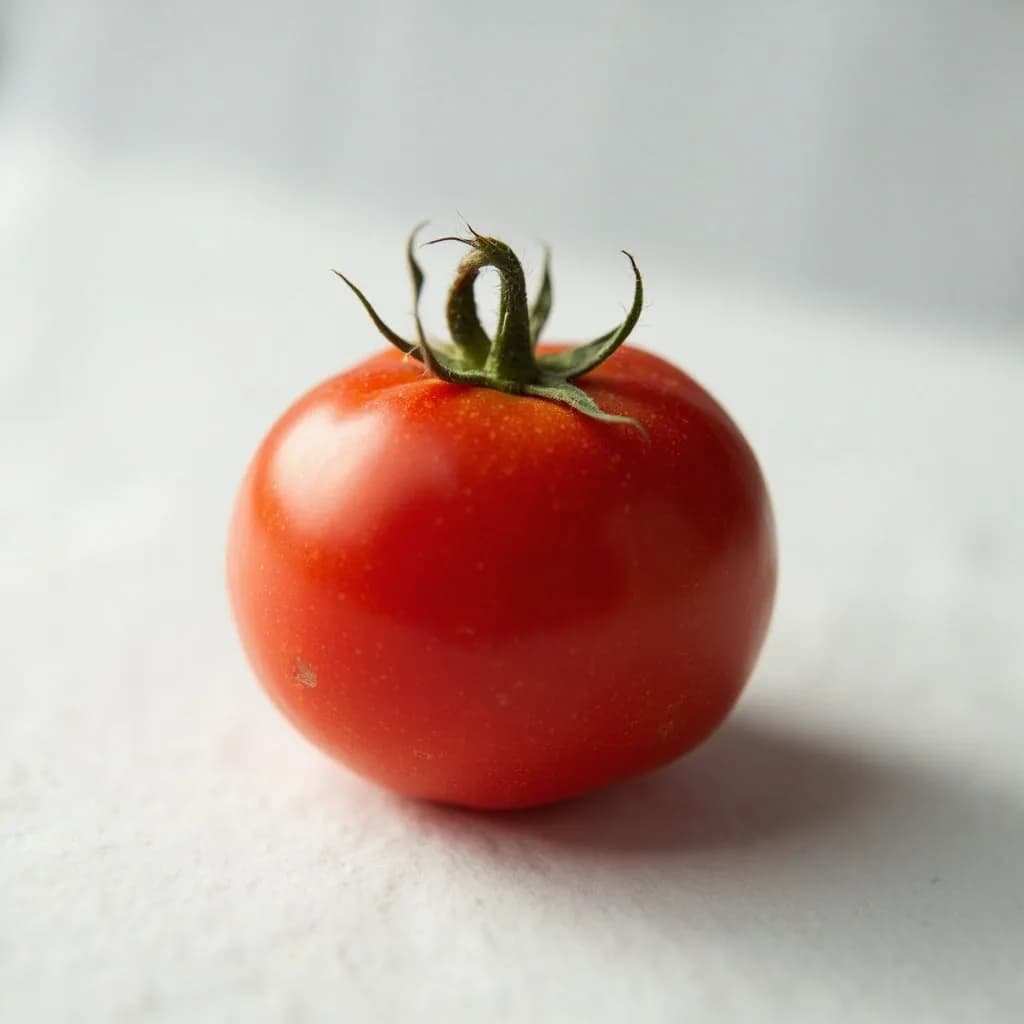
Tomato
Juicy, sun-sweet fruit for sauces, salads, and slow-cooked depth
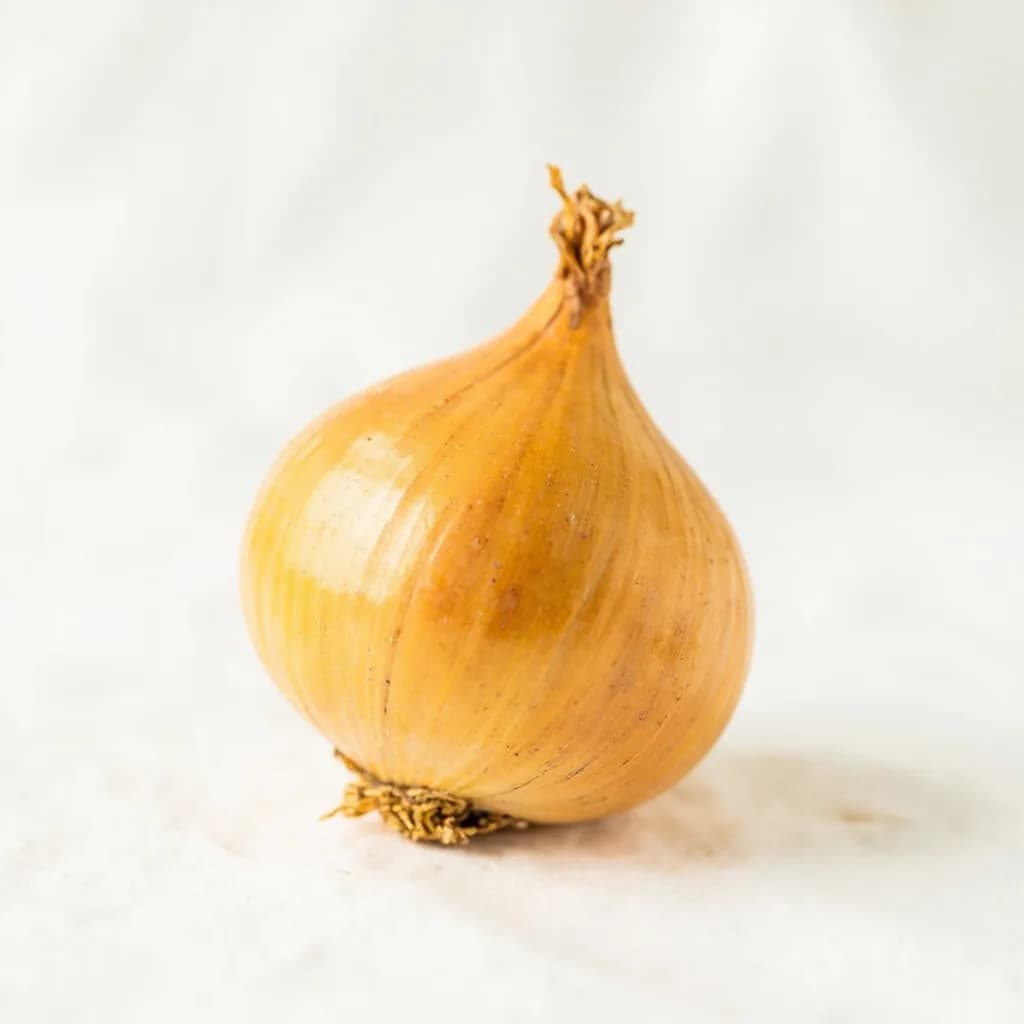
Yellow Onion
The aromatic backbone of soups, sofritos, and braises
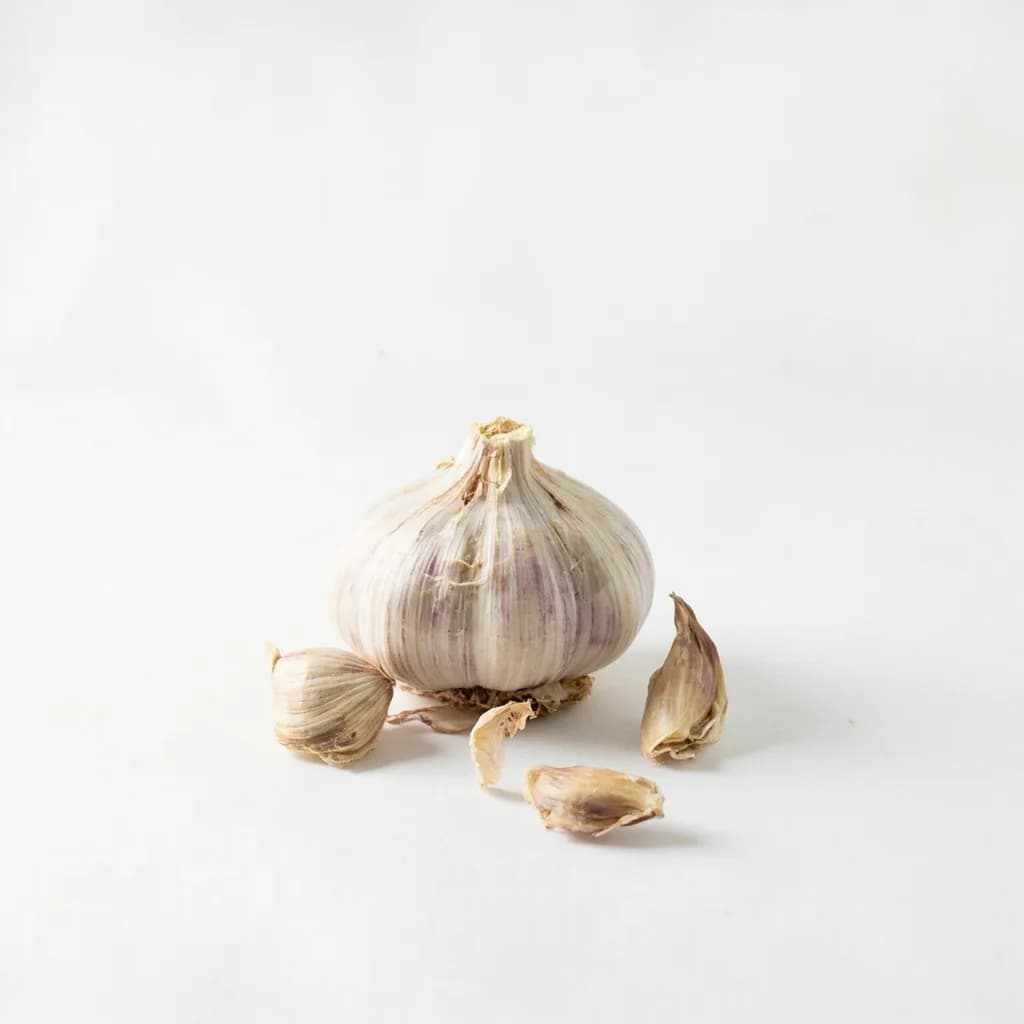
Garlic
Pungent cloves that perfume nearly every savory dish
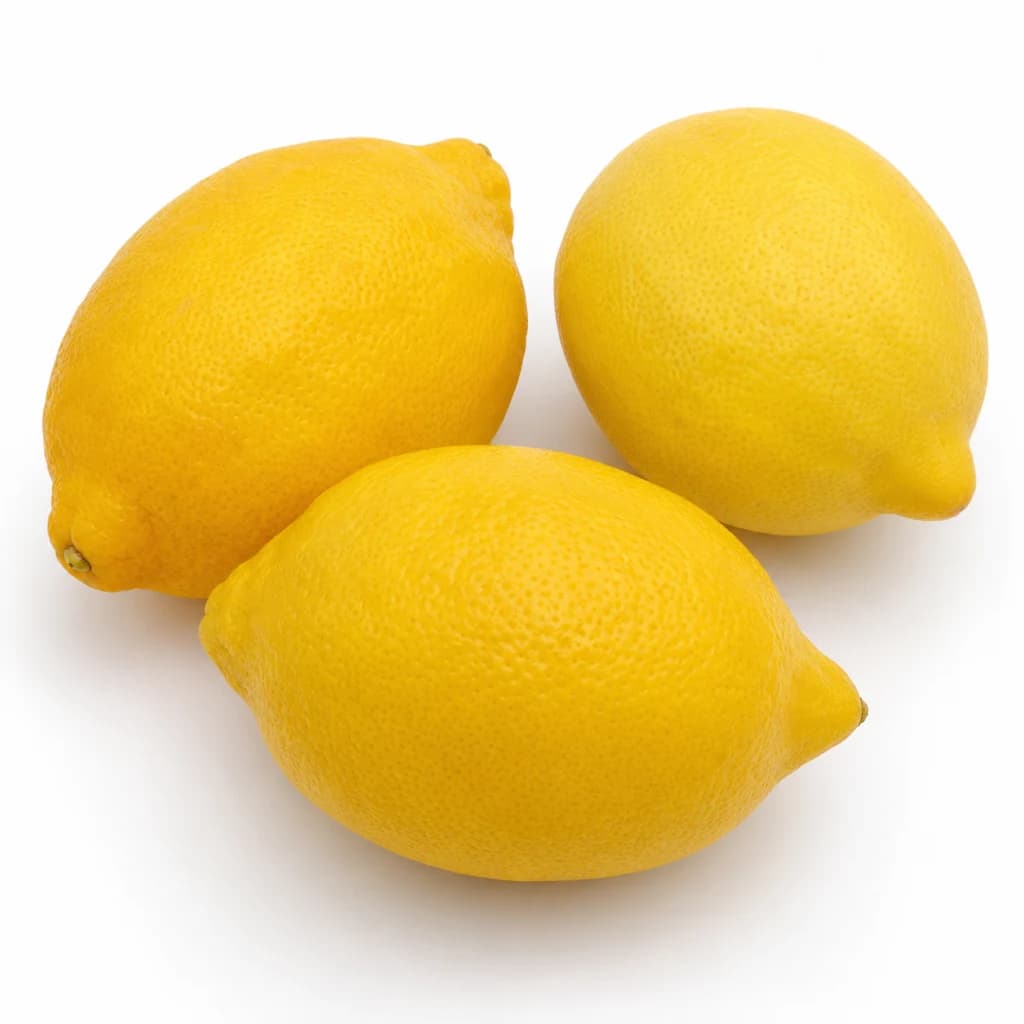
Lemon
Bright, acidic citrus that wakes up almost any dish
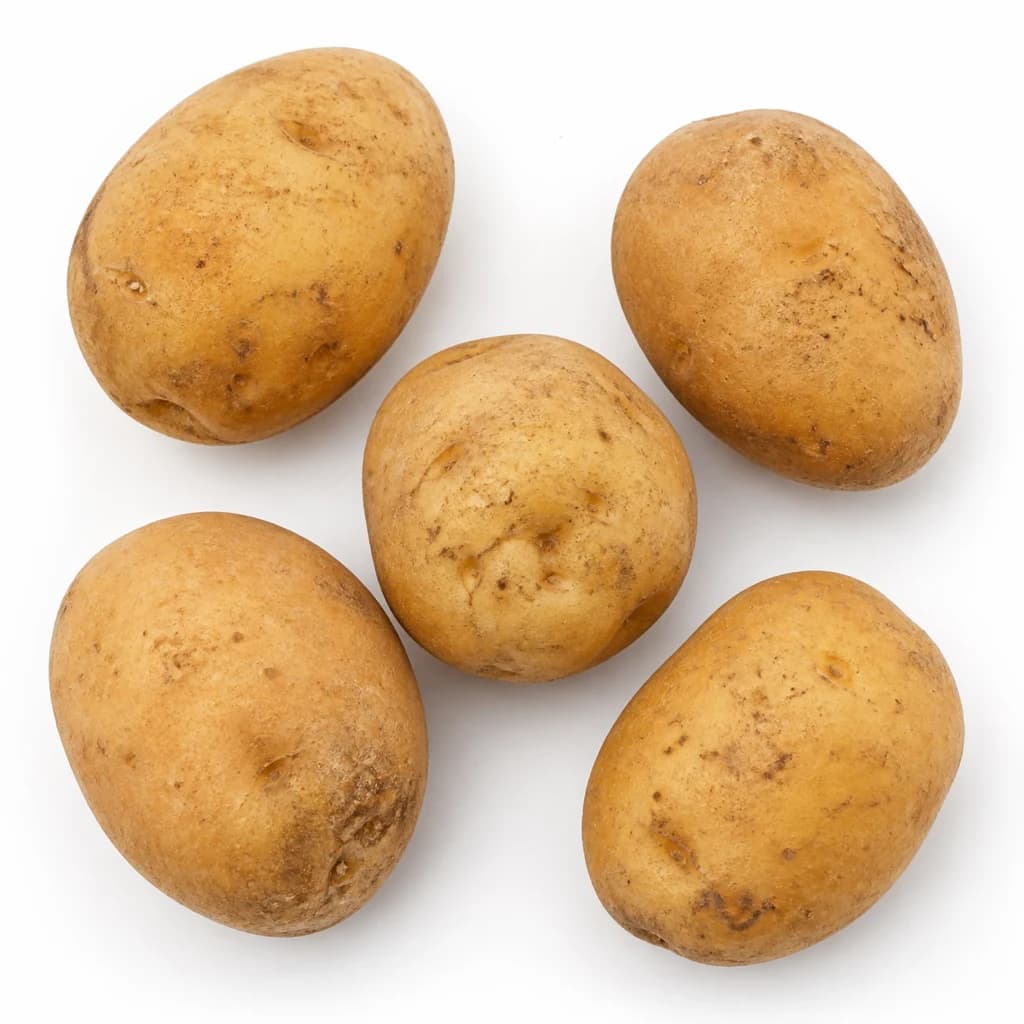
Potato
Humble, hearty staple — roast, mash, fry, or boil
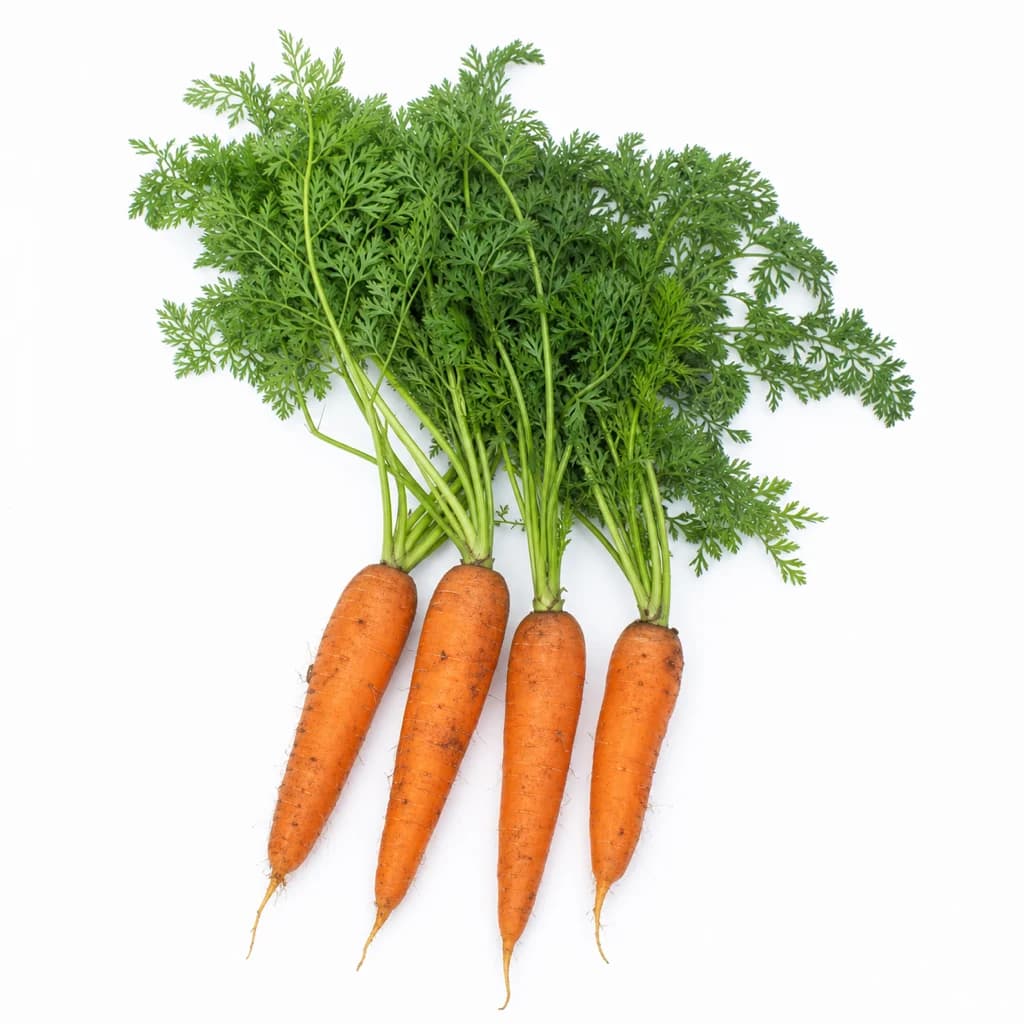
Carrot
Sweet, crunchy root — raw, roasted, or the base of a sofrito
Cucumber
Cool, crisp, and watery — for salads, pickles, and tzatziki

Lettuce
Crisp leaves for salads, wraps, and a fresh crunch