Grains & Rice
Red Corn
Deep red heirloom maize ground for colorful masa, tortillas, and atole.
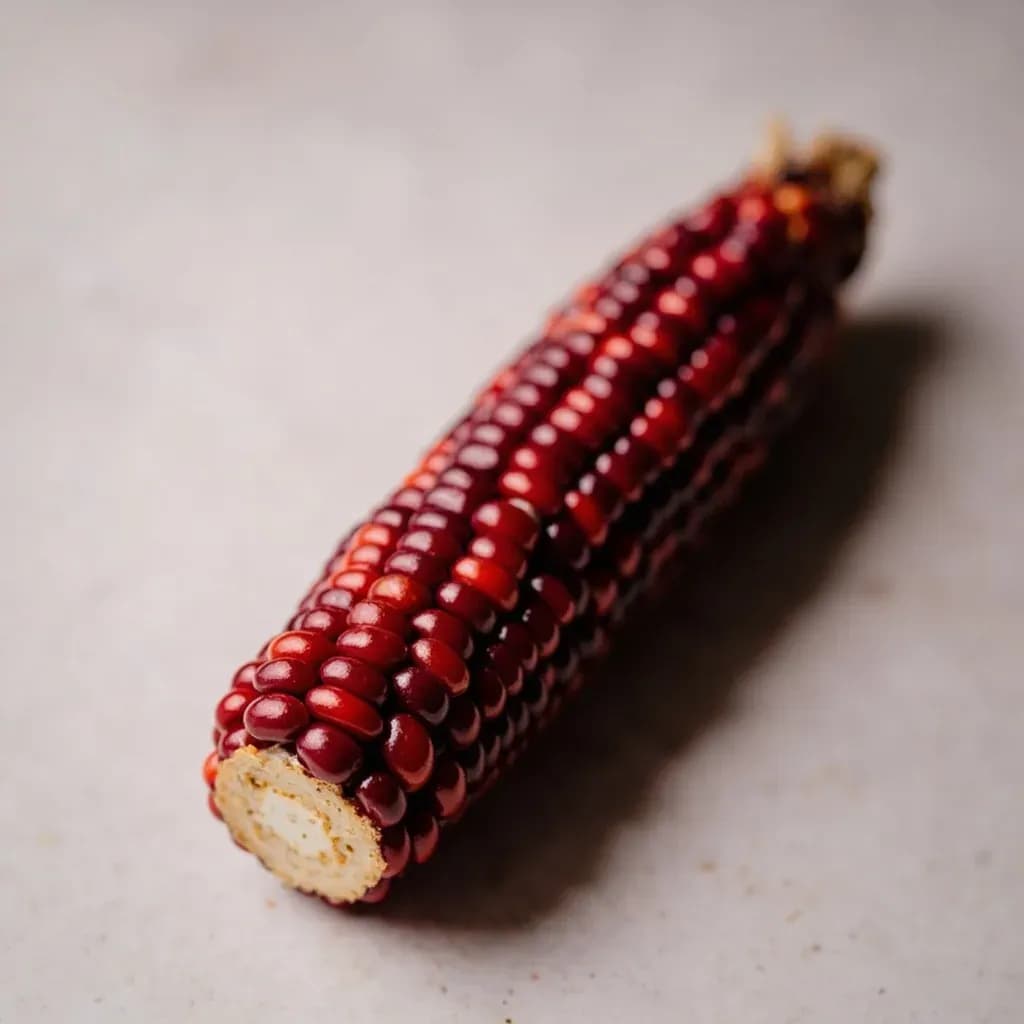
Red corn (maíz rojo) is a heirloom maize with deep red to burgundy kernels, grown across Mesoamerica and the Americas. Nixtamalized and ground, it produces vividly colored masa for tortillas, tamales, and atole with an earthy, slightly sweet flavor. Its pigments come from antioxidant-rich anthocyanins.
Red corn designates several heirloom Zea mays landraces distinguished by red to burgundy pigmentation concentrated in the pericarp and aleurone layer, derived from anthocyanin compounds rather than the yellow xanthophylls of commodity corn. Unlike standardized modern dent corn bred for maximum starch yield, these varieties were selected over centuries by Mesoamerican farmers for specific culinary qualities: depth of flavor, visual impact, and performance in regional preparations. The category encompasses diverse Mexican landraces—Chapalote, Xoy, Cacahuazintle—plus related varieties from Guatemala and the Andean region. What sets them apart is not merely color but fundamentally different endosperm composition and flavor architecture: where commodity corn tastes starchy and flat, heirloom red corn registers as nutty, faintly sweet, with an earthy complexity that shifts by variety and terroir. The processing method is non-negotiable: dried red corn must be nixtamalized—cooked in alkaline water with food-grade lime or wood ash—before grinding. This step accomplishes three things simultaneously: it loosens the hull for easier grinding, makes niacin bioavailable to prevent pellagra, and neutralizes aflatoxins that can accumulate in stored whole kernels when conditions favor mold growth. The result is a masa with superior flavor and texture compared to commercial masa harina, though one that behaves differently in the hands of a cook: it grinds coarser, holds hydration differently, and produces tortillas with a more pronounced corn presence rather than a papery, bland wrapper.
- Measured in
- g
- Storage
- Pantry
Types & varieties
One of the oldest surviving heirloom corns in the Americas; ranges from reddish-brown to deep red; versatile for pinole, tortillas, and pozole
Red-tinged white corn from Oaxaca; traditional variety for pozole and atole; large kernels with good expansion when nixtamalized
Red corn from the Yucatán Peninsula; regional landrace with distinct terroir-driven flavor; excellent for regional Yucatecan preparations
Deep purple-red; used for beverages and atole in Peru and Bolivia; not typically used for Mexican-style tortillas
Small red corn from Guatemala with high anthocyanin content; traditional for Central American applications
The nixtamalization imperative
Nixtamalization is not optional for culinary use—it is a food safety and nutrition requirement. Dried whole-kernel corn contains phytic acid and trypsin inhibitors that block nutrient absorption, and heirloom varieties can harbor aflatoxin-producing molds if stored improperly. The alkaline nixtamalization bath, typically 1–2% food-grade lime by weight dissolved in water, converts nixtamalized corn into true masa. The process typically requires simmering the corn-lime mixture for 15–20 minutes for white corn, then resting overnight with the heat off. Red corn varieties often require longer simmering—30–45 minutes—because many heirloom strains have a tougher pericarp. The kernels are ready when the hull slips off easily when rubbed between your fingers; test individual kernels rather than relying on timing alone.
- Use food-grade calcium hydroxide (slaked lime), not construction lime or wood ash of unknown composition
- The traditional ratio is approximately 1 part corn to 3 parts water by volume, with 1–2% lime by corn weight
- Red varieties may need 30–45 minutes of simmering plus extended overnight rest—test hull release by hand
Stone grinding versus home methods
Traditional nixtamalized corn is ground on a metate (ground stone) or traditional stone mill, which produces a coarse, uneven grind that retains more flavor compounds and creates tortillas with genuine corn character. Commercial masa harina, by contrast, is ground extremely fine and flash-dried, resulting in a neutral-flavored, predictable product. At home, you have two practical options: a heavy-duty grain mill or a high-powered blender. Neither replicates stone-grinding exactly, but they produce serviceable results. The critical variable is temperature: nixtamalized corn grinds best when slightly warm, as the lime-treated endosperm is more yielding. If grinding in batches, reheat the nixtamal briefly before each batch. The masa should hold together without crumbling when pressed—adjust hydration by adding nixtamal water or dried corn as needed.
- Grain mills work well for nixtamalized corn but require pre-soaking the kernels until soft
- Blenders work best with slightly warm nixtamal; work in small batches and use the tamper
- Stone-ground masa has visible particles and produces rustic, flavorful tortillas; commercial masa is smooth and consistent
Common uses
Tips & pitfalls
- Always nixtamalize dried red corn before grinding: combine 1 part corn with 3 parts water and 1–2% food-grade lime (by weight), simmer 30–45 minutes (longer than white corn), then rest overnight. This releases the hull, makes niacin bioavailable, and neutralizes aflatoxins.
- Stone-grinding nixtamalized red corn preserves a coarser texture and more flavor than commercial masa harina. If using a blender, grind while still slightly warm from nixtamalization.
- Do not substitute commercial masa harina directly in recipes calling for freshly ground red corn: the flavor, color intensity, and texture differ significantly—you will get a pale, bland result.
- Red corn requires longer nixtamalization than white or yellow varieties due to a harder pericarp in many heirloom strains; test by squeezing a kernel—it should slip easily from its hull after resting.
- For pozole, select whole dried kernels labeled specifically for hominy; red hominy corn produces a rust-colored broth when combined with dried guajillo or ancho chilies.
- Store dried red corn airtight and away from light to preserve anthocyanin color; extended light exposure will fade the pigments noticeably within weeks.
- When making atole, dissolve the masa paste in warm milk or water gradually to prevent clumping; the red color will lighten when diluted, so adjust the quantity to achieve your desired intensity.
- Avoid grinding cold nixtamal—the lime-treated endosperm becomes rubbery as it cools and will not break down properly, yielding a gummy masa.
Nutrition
Energy
360 kJ · per 100 g
Where the calories come from
Protein
3.2g
6% DV
Carbs
19g
7% DV
Fat
1.2g
2% DV
Fiber
2.7g
10% DV
Sugars
3.2g
of which
Sodium
15mg
1% DV
Source · USDA FoodData Central · approx. Corn, sweet, white, raw
View on FDC →In the shops
Matched grocery products
 €1.55
€1.55Sweet Corn
Hacendado · 450 g · Mercadona
 €1.59
€1.59Sweet Corn Bonpreu
BONPREU · kg · Bonpreu
 €2.49
€2.49Sweet Corn Bonpreu
BONPREU · kg · Bonpreu
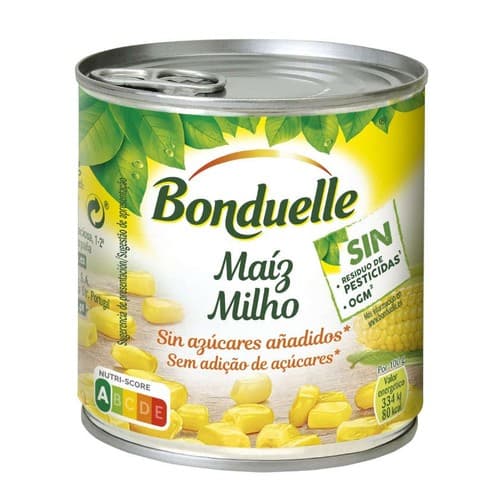 €1.99
€1.99Bonduelle Sweet Corn
BONDUELLE · kg · Bonpreu
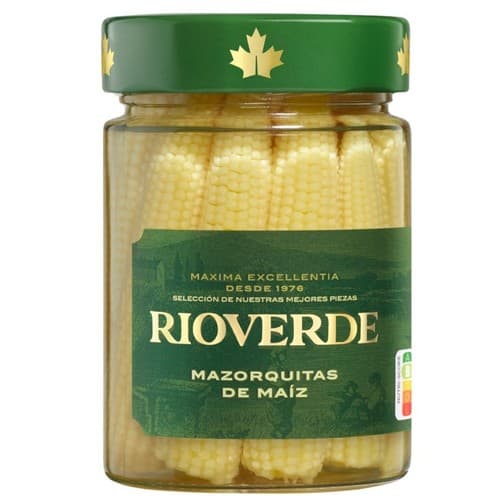 €2.99
€2.99Pickled Corn Kernels
RIOVERDE · kg · Bonpreu
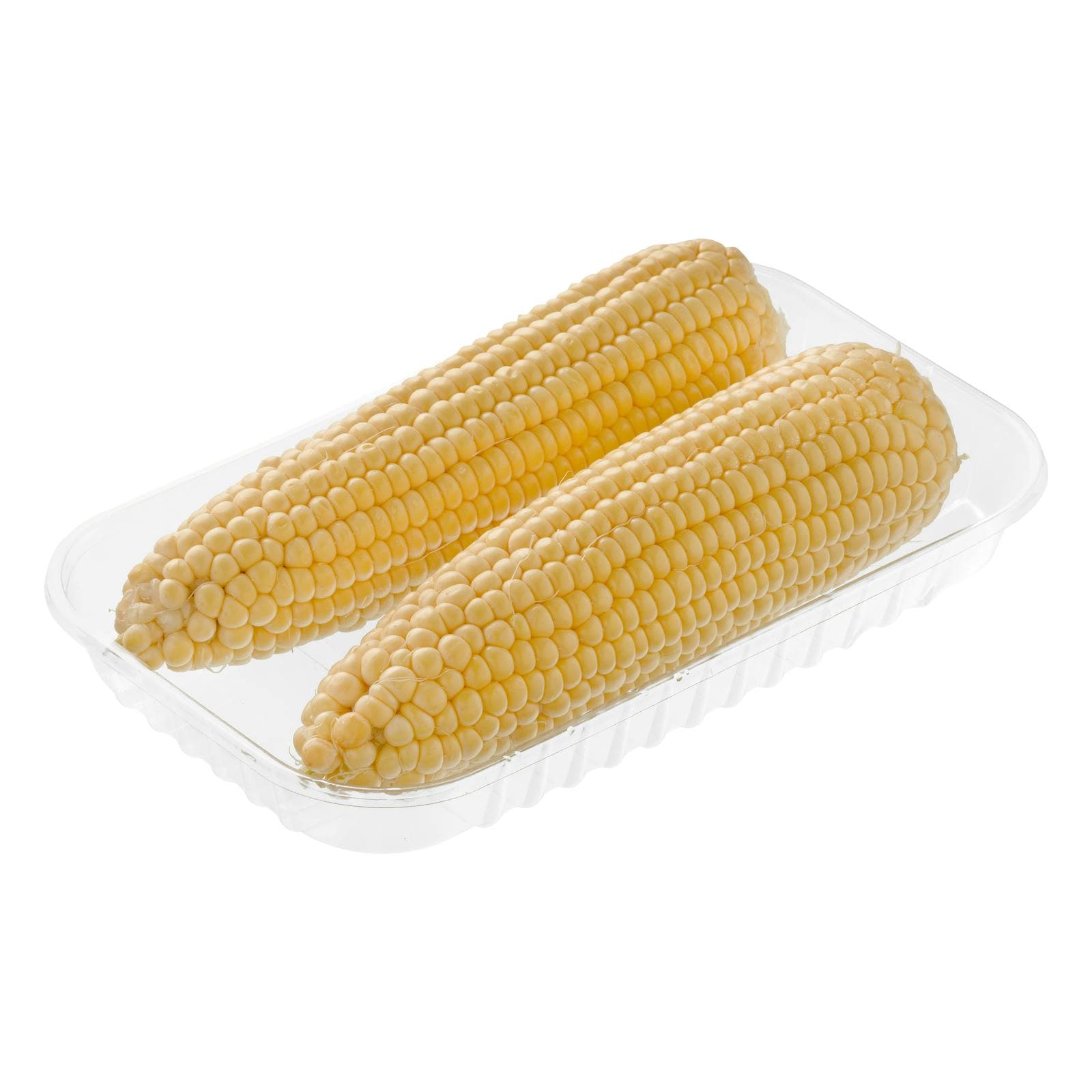 €3.15
€3.15Sweet Corn on the Cob
2 ud · Mercadona
Good to know
- Scientific name
- Zea mays (heirloom landrace varieties)
- Origin
- Mesoamerica; cultivated for thousands of years in Mexico, Central America, and the Andean region
- Primary growing regions
- Mexico (Oaxaca, Puebla, Jalisco, Yucatán), Southwestern United States, Guatemala, Peru, Bolivia
- Color source
- Anthocyanin pigments in the pericarp and aleurone layer; concentration varies by variety and growing conditions
- Processing method
- Nixtamalized (lime-treated), then ground; stone-milling yields a coarser, more flavorful masa than commercial methods
- Flavor character
- Nutty and faintly sweet with earthy complexity; more nuanced than commodity yellow corn
- Niacin availability
- Significantly increased through nixtamalization, making niacin bioavailable and preventing pellagra
- Shelf life (dried)
- 6–12 months stored airtight in a cool, dark place; light exposure fades anthocyanin pigments over time
Substitutes
- Blue corn — Similar heirloom properties and earthy flavor; produces a blue-violet color rather than red; closest functional substitute for tortillas and masa applications
- White heirloom corn — Same processing method and uses but lacks the red anthocyanin color; acceptable in recipes where color is not essential
- Ancho or guajillo chili powder — For coloring pozole broth when red corn is unavailable; add to white hominy to approximate the rust-red color, though the flavor profile will differ
Pairs with
Also called
maiz-rojo · Maíz Rojo · Red Maize
Related

White Rice
Fluffy long-grain rice — the neutral base for almost any meal

White Bread
Soft sandwich loaf for toast, sandwiches, and crumbs
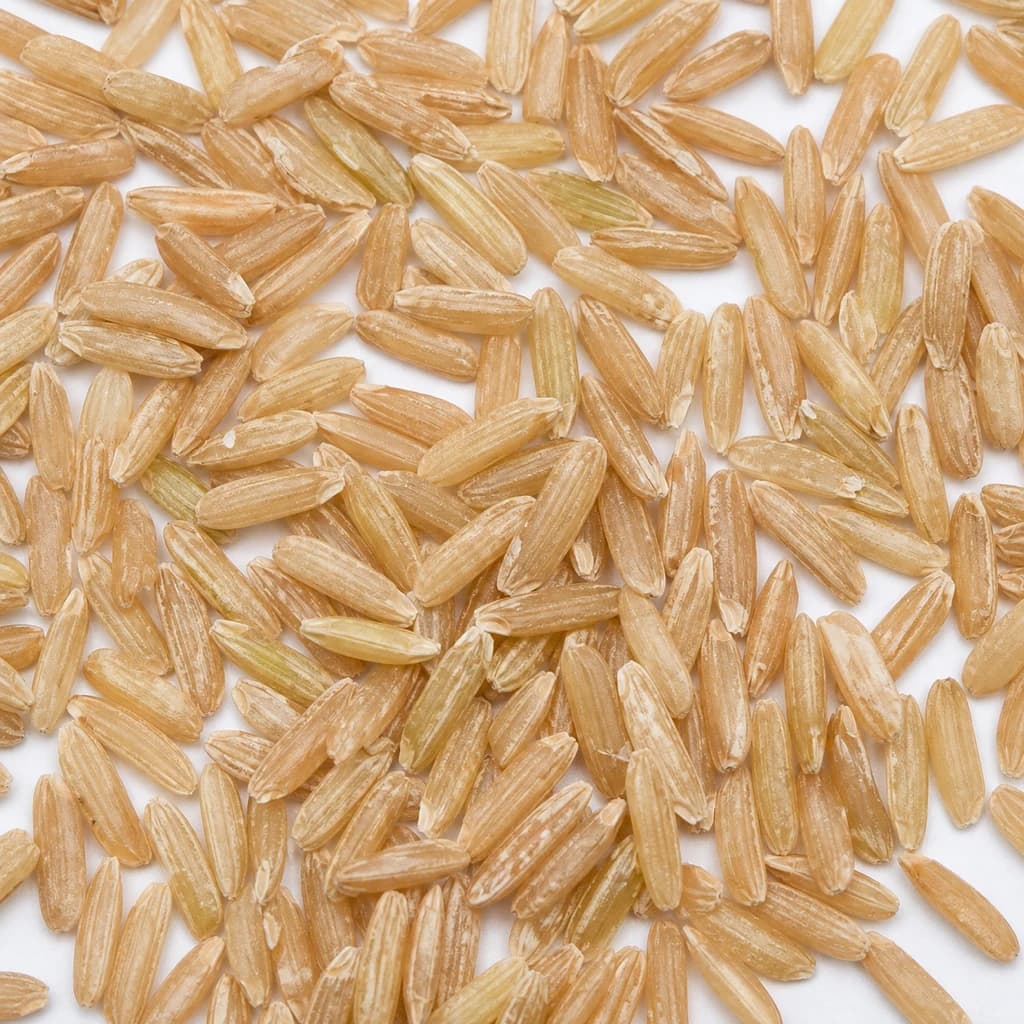
Brown Rice
Nutty, whole-grain rice with chew and extra fiber

Basmati Rice
Fragrant, long-grain rice that cooks up light and separate
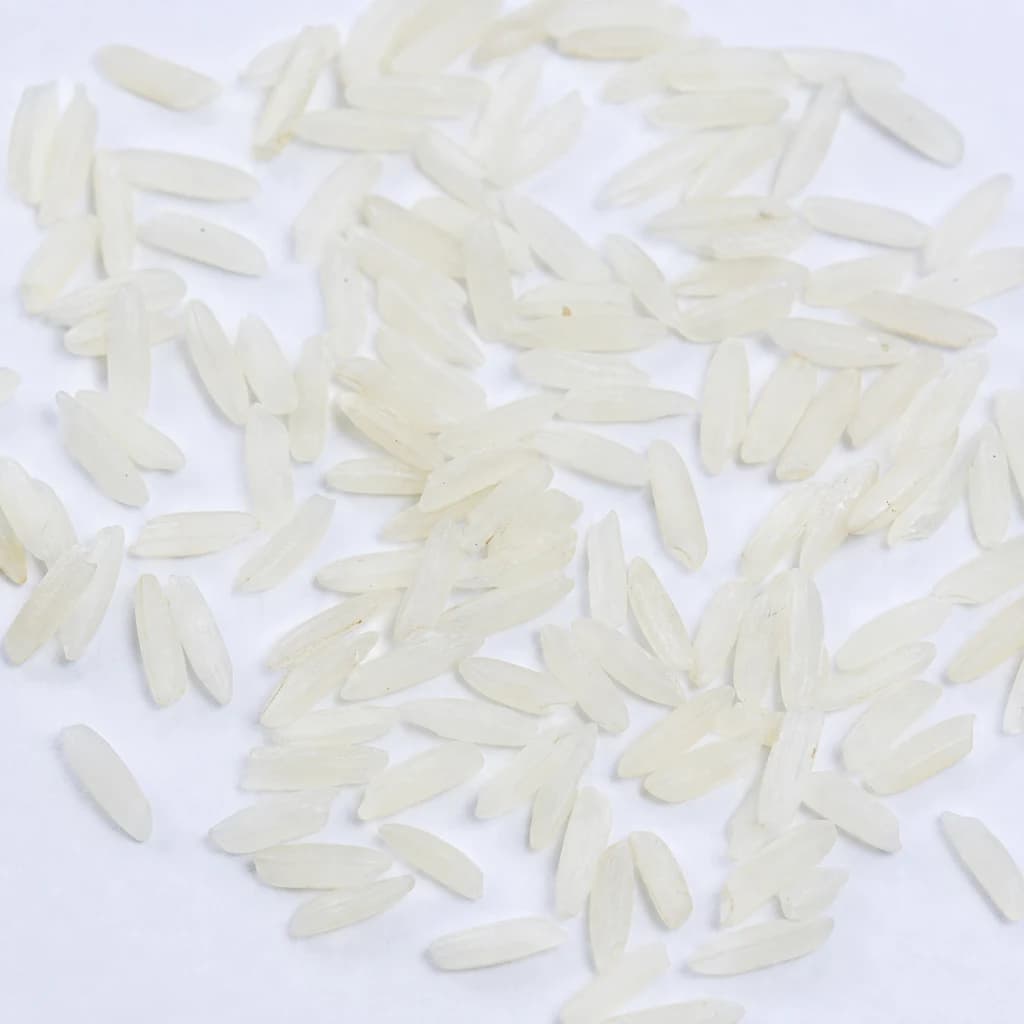
Jasmine Rice
Soft, floral-scented rice that's the pillar of Thai meals
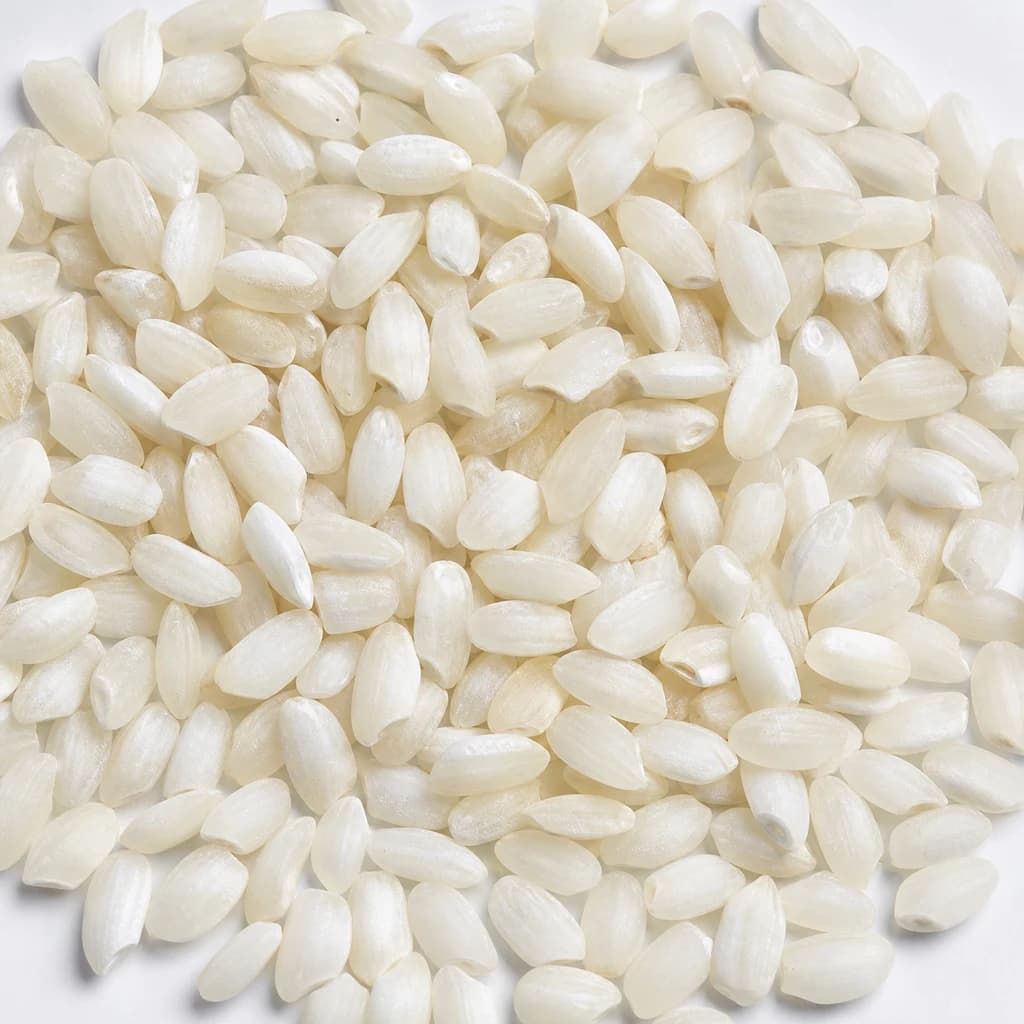
Arborio Rice
Plump, starchy rice that makes risotto creamy
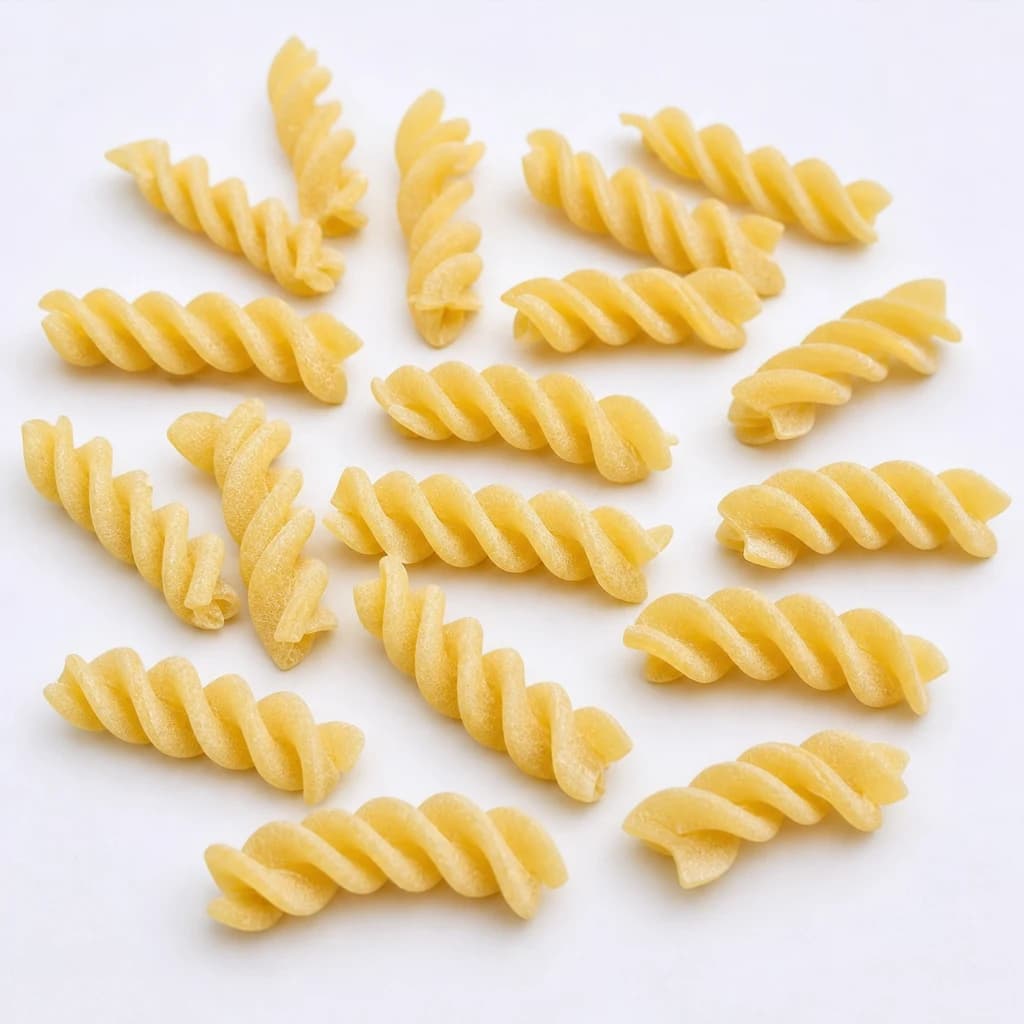
Fusilli
Spiraled pasta that twirls up sauce and dresses cold salads
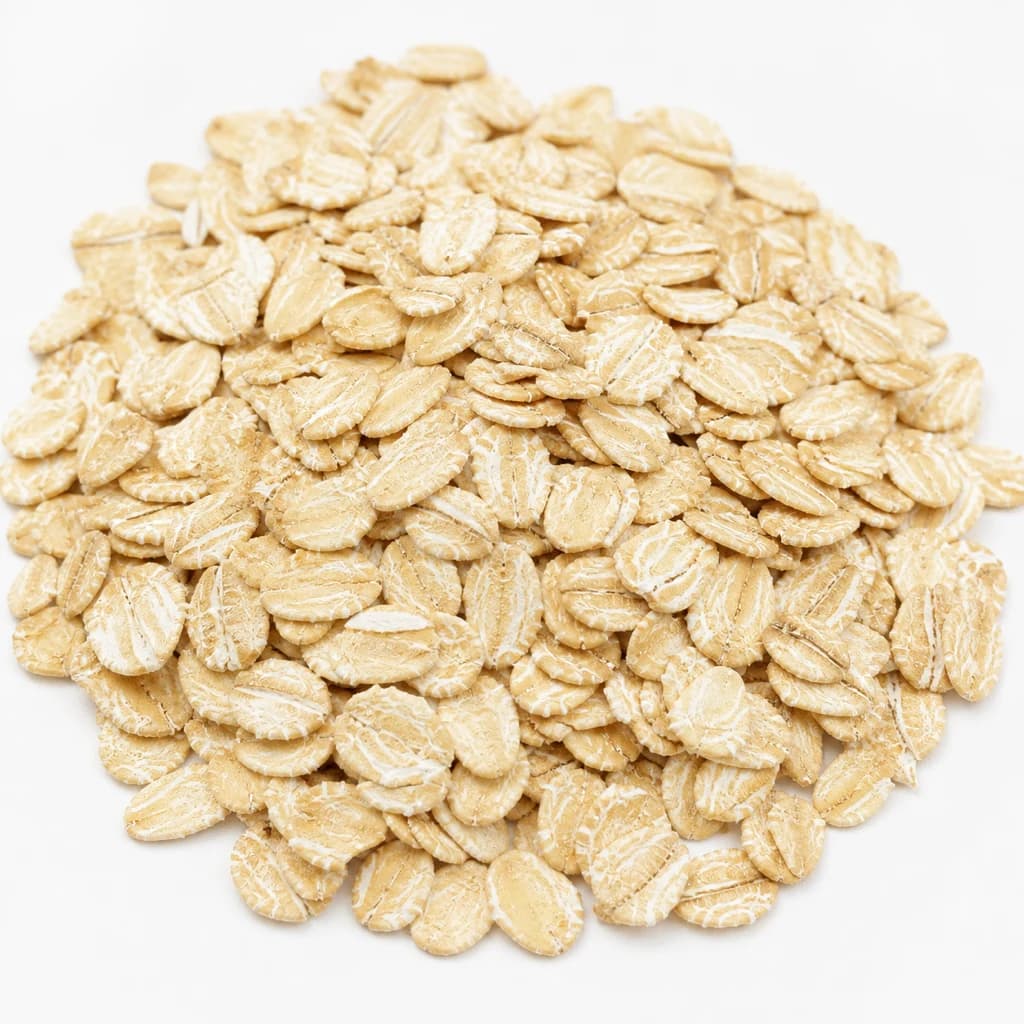
Rolled Oats
Hearty flakes for porridge, granola, and chewy cookies