Grains & Rice
Cacahuazintle Hominy Corn
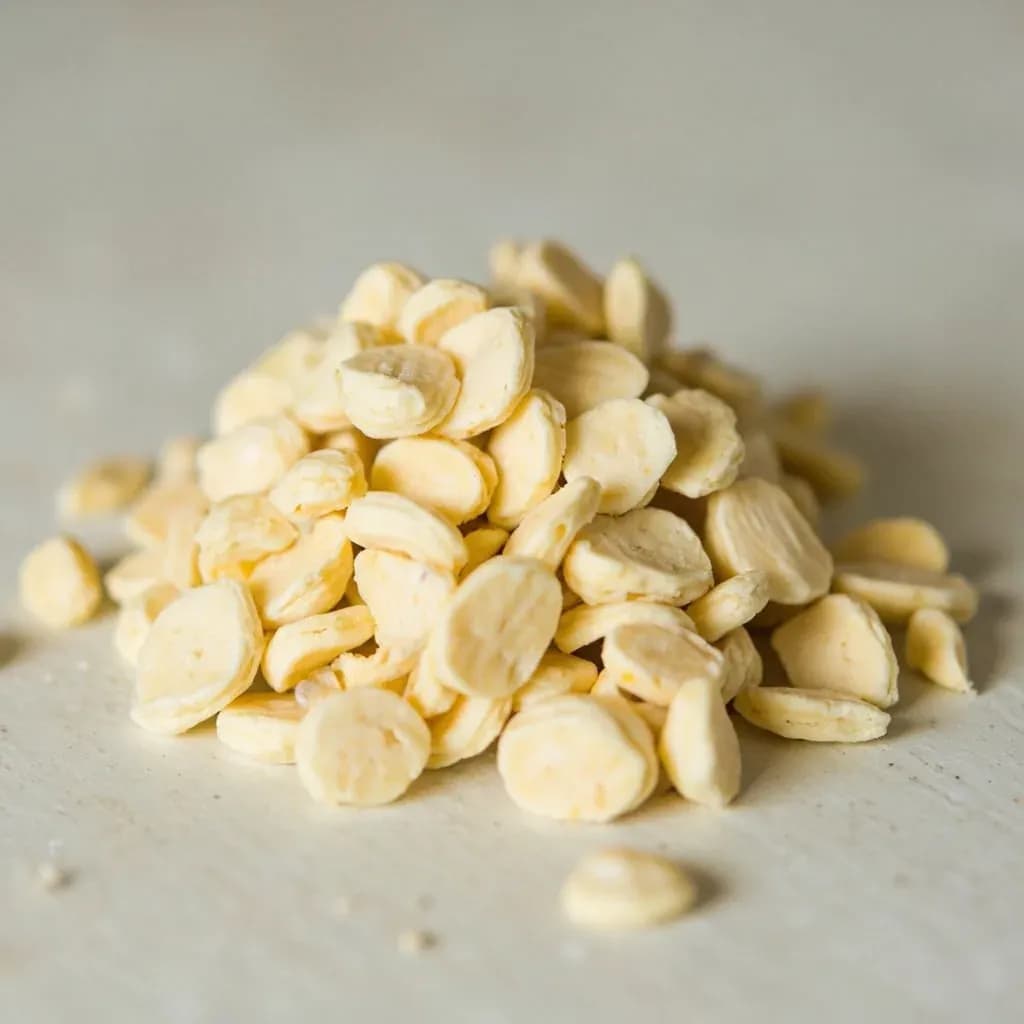
Large, soft white Mexican corn nixtamalized into hominy for pozole and tamales.
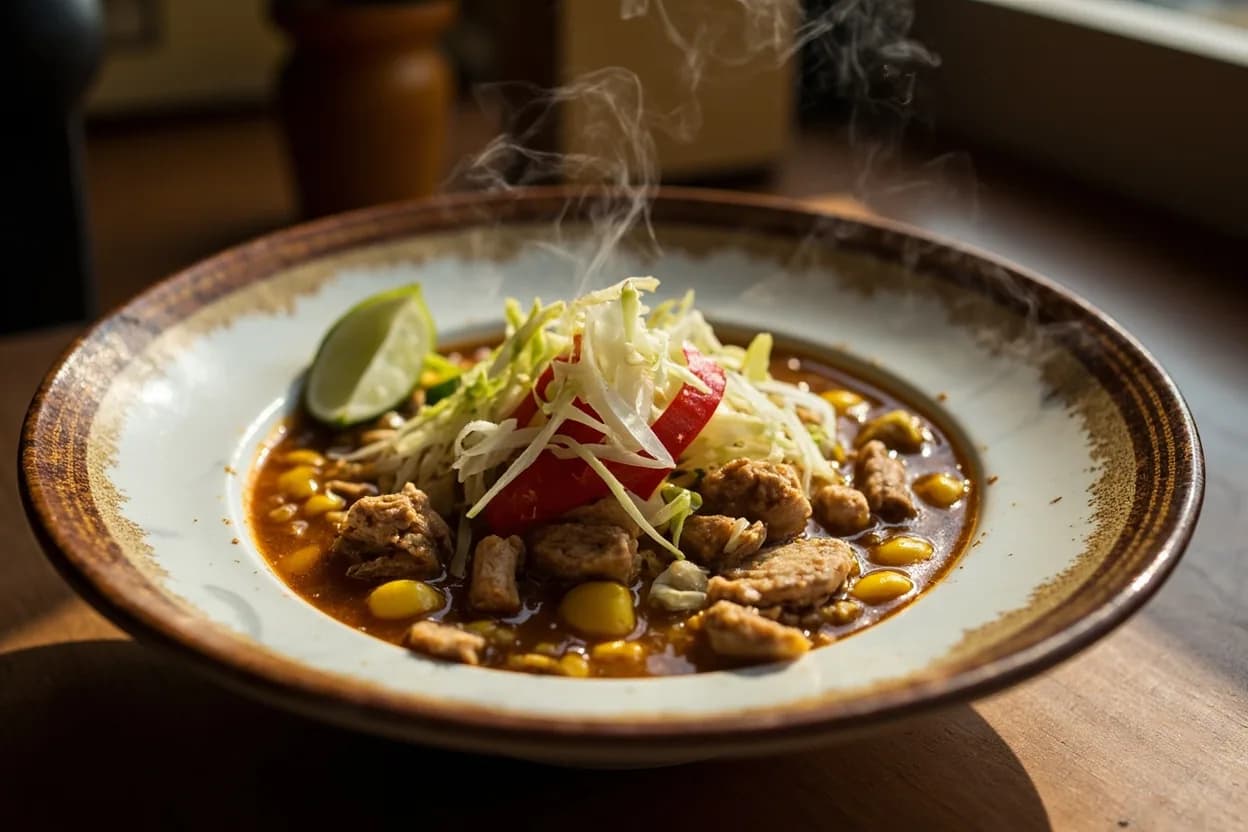
Cacahuazintle is a heirloom Mexican maize prized for its big, tender, starchy white kernels. It is treated with lime (nixtamalized) to make hominy, the central ingredient of pozole, and is also ground into masa for tamales. The kernels swell and 'bloom' open during cooking, giving pozole its characteristic flowery look.
Cacahuazintle is a heritage white dent corn native to the central Mexican highlands, cultivated for centuries in the State of Mexico and Michoacán. The name derives from Nahuatl — cacahuatl (cacao bean) + zintli (honored) — reflecting its elevated status in pre-Hispanic cuisine. Unlike commodity field corn, Cacahuazintle produces exceptionally large kernels that transform dramatically under nixtamalization: they swell to two or three times their dried size and develop a characteristically soft, almost cottony texture that commercial hominy simply cannot replicate. This makes Cacahuazintle the defining corn of authentic central Mexican pozole, particularly the celebrated pozole rojo of the State of Mexico and pozole michoacano.
Nixtamalization — cooking dried corn in food-grade lime water — is what unlocks Cacahuazintle's potential. The alkaline process loosens the hulls for removal, releases the starches that give hominy its body, and makes niacin nutritionally available. The corn's high starch content and large kernel size mean it absorbs broth differently than smaller-grained varieties: properly nixtamalized Cacahuazintle retains a yielding, substantial bite within the liquid rather than dissolving or becoming gluey. In Mexico, the labor of preparing Cacahuazintle for pozole is part of what makes it a celebration food — the dish appears on Independence Day, at family feast days, and at significant gatherings precisely because the corn demands respect and effort.
Finding true Cacahuazintle outside Mexico requires seeking out specialty Latin American grocers or import suppliers who can verify the variety. The kernels should be uniform, large, and ivory-white without mold spots or insect damage. Stored properly in airtight containers in a cool, dark place, dried Cacahuazintle keeps for six months to a year, though freshness matters: older corn requires extended soaking before cooking. Once nixtamalized, the hominy refrigerates for up to a week and freezes well for several months, though most cooks prepare it fresh for the best texture in pozole and tamales.
- Measured in
- g
- Storage
- Pantry
Types & varieties
The highland strain; considered the most prized for pozole for its exceptionally large kernels and creamy, yielding texture.
Regional variant with slightly smaller kernels but the same traditional characteristics and culinary properties.
Sub-variety distinguished by a small visible tip at the kernel end; same flavor and texture as standard Cacahuazintle.
Common uses
Tips & pitfalls
- Use only food-grade calcium hydroxide (calhidra), never construction or agricultural lime — typically 10–15 g per kilogram of dried corn.
- Soak the corn in lime water overnight before cooking; this produces more even nixtamalization and softer kernels throughout.
- Cook until kernels are completely tender throughout, tasting one from the center of the pot — times vary from 45 minutes to 1.5 hours depending on corn age.
- Rinse thoroughly and rub kernels between your palms to remove every trace of loosened hull; any hulls left behind impart bitterness and a gritty texture.
- Save the cooking liquid (nejayote) — it contains released starches and nixtamal flavor; use it for cooking beans or as a base for sauces.
- For pozole, cook the hominy separately from the broth, then combine; cooking them together causes the corn to absorb excess liquid and turn gluey.
- If the dried corn is over one year old, extend the pre-cook soaking to 24–36 hours before beginning nixtamalization.
- Never use aluminum pots — the alkali reacts with aluminum and affects both color and flavor of the hominy.
Nutrition
Energy
360 kJ · per 100 g
Where the calories come from
Protein
3.2g
6% DV
Carbs
19g
7% DV
Fat
1.2g
2% DV
Fiber
2.7g
10% DV
Sugars
3.2g
of which
Sodium
15mg
1% DV
Source · USDA FoodData Central · approx. Corn, sweet, white, raw
View on FDC →In the shops
Matched grocery products
 €1.55
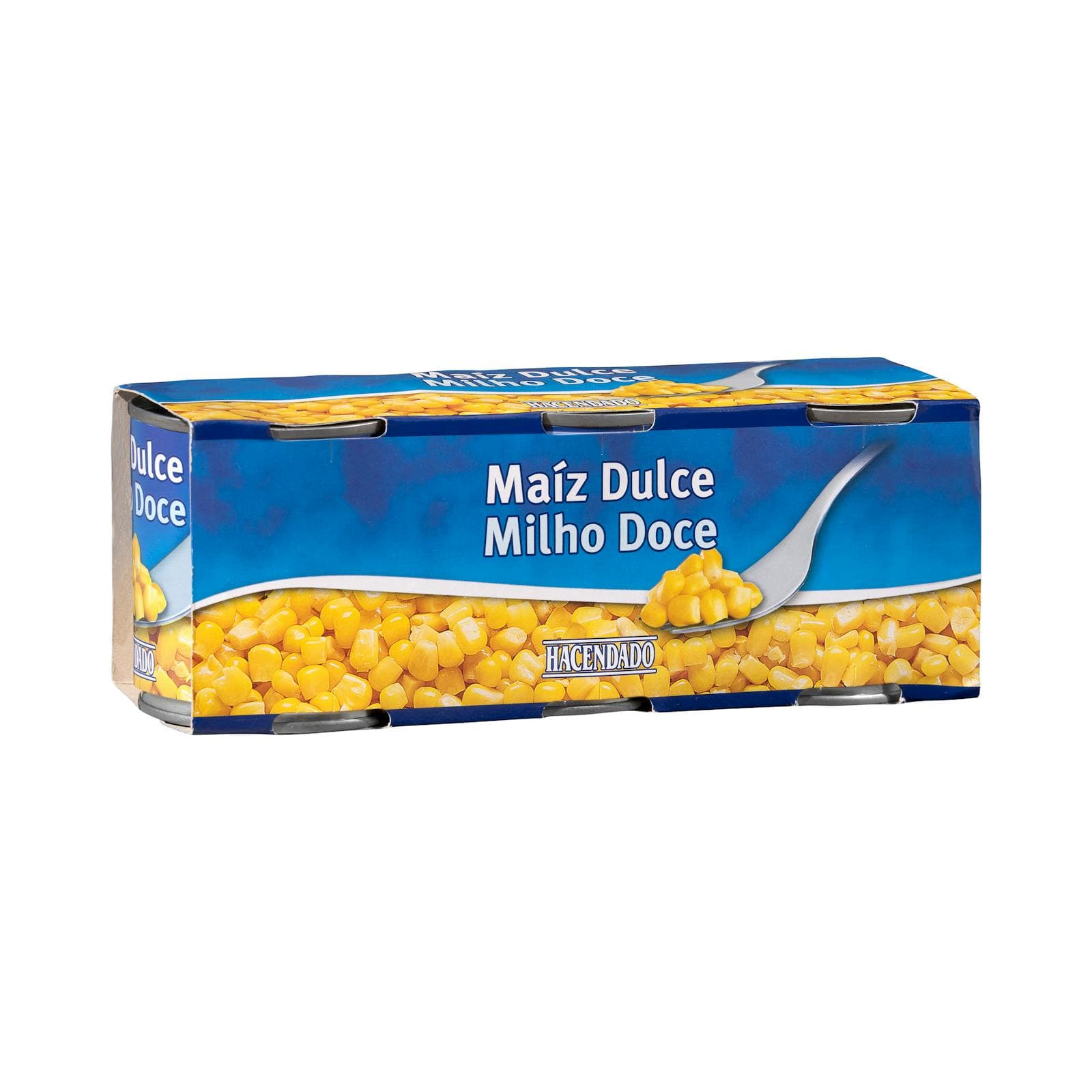
€1.55Sweet Corn
Hacendado · 450 g · Mercadona
 €1.59
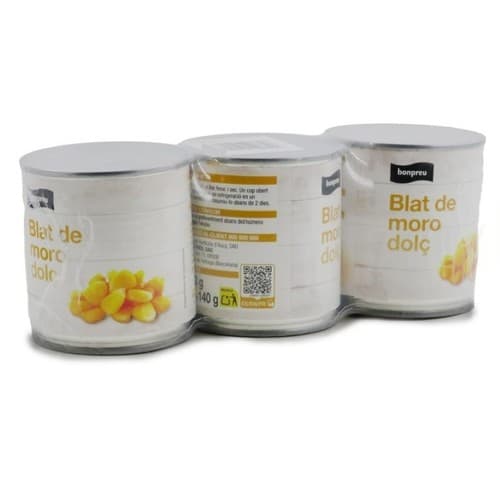
€1.59Sweet Corn Bonpreu
BONPREU · kg · Bonpreu
 €2.49
€2.49Sweet Corn Bonpreu
BONPREU · kg · Bonpreu
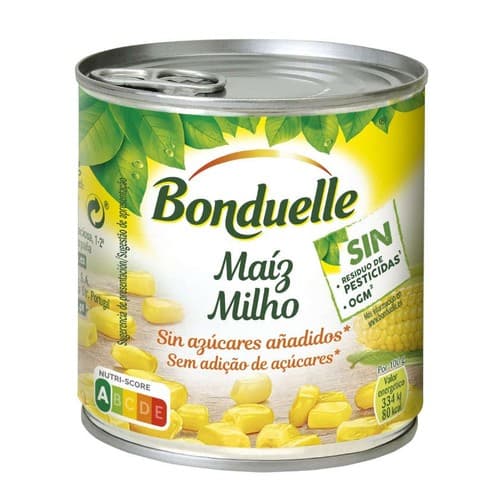 €1.99
€1.99Bonduelle Sweet Corn
BONDUELLE · kg · Bonpreu
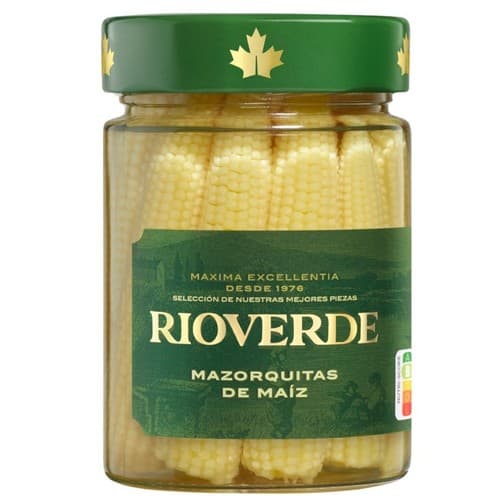 €2.99
€2.99Pickled Corn Kernels
RIOVERDE · kg · Bonpreu
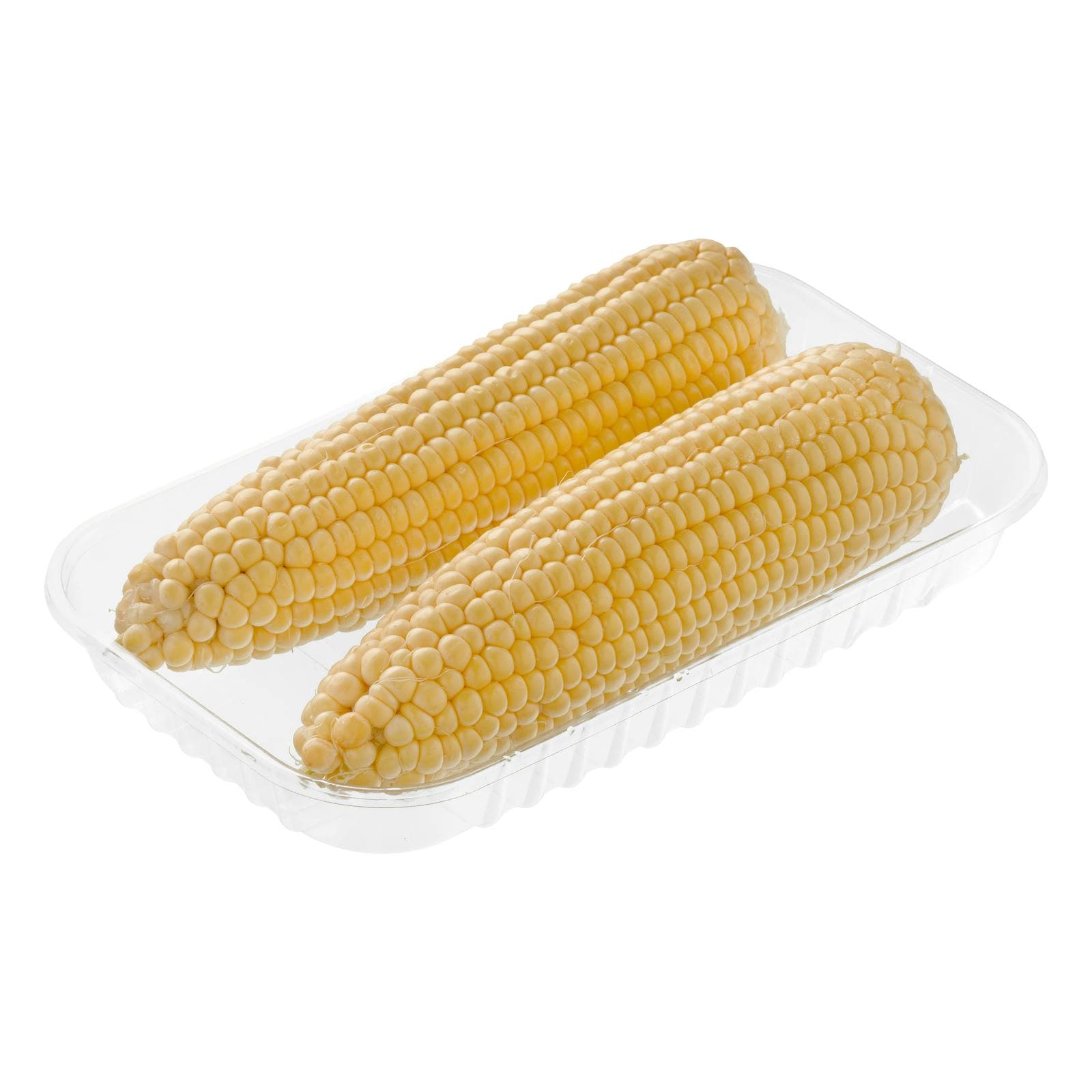 €3.15
€3.15Sweet Corn on the Cob
2 ud · Mercadona
Good to know
- Origin
- Central Mexican highlands — State of Mexico and Michoacán
- Species
- Zea mays (white dent/flour corn)
- Kernel characteristics
- Large white kernels; swell 2–3× when nixtamalized
- Primary use
- Nixtamalization into hominy for pozole and tamales
- Nixtamalization ratio
- 1 kg dried corn yields 1.5–1.8 kg hominy
- Typical cooking time
- 45 minutes to 1.5 hours after overnight soak, depending on corn age
- Dried storage
- 6–12 months in airtight containers, cool dark place
- Nixtamalized storage
- Refrigerate up to 1 week; freeze several months
Substitutes
- Blue Hopi corn — Heirloom variety with similar large kernel size and good nixtamalization properties, but produces blue hominy — unsuitable for traditional red or white pozole.
- Standard white hominy (Maseca or commercial brands) — Convenience substitute made from commodity white corn rather than Cacahuazintle; smaller kernels and less complex corn flavor, but serviceable for weeknight cooking.
- Maíz Jarochito — Smaller Mexican corn variety; acceptable in a pinch for pozole but produces less substantial, fluffier hominy.
- Canned hominy — Already nixtamalized and ready to use; acceptable for quick pozole but lacks the depth, large kernel size, and yielding texture of properly made Cacahuazintle hominy.
Pairs with
Also called
Cacahuazintle · Hominy Corn · Pozole Corn
Appears in these dishes
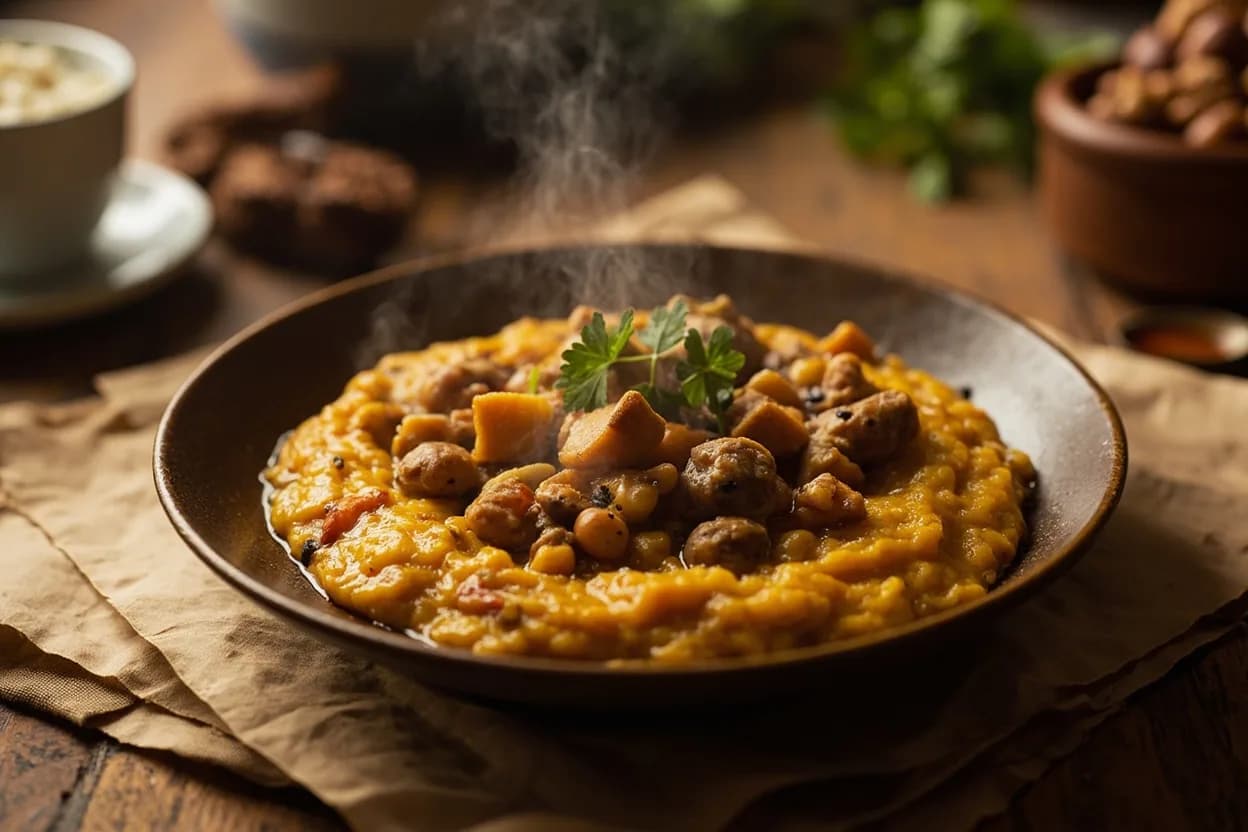
Related

White Rice
Fluffy long-grain rice — the neutral base for almost any meal

White Bread
Soft sandwich loaf for toast, sandwiches, and crumbs
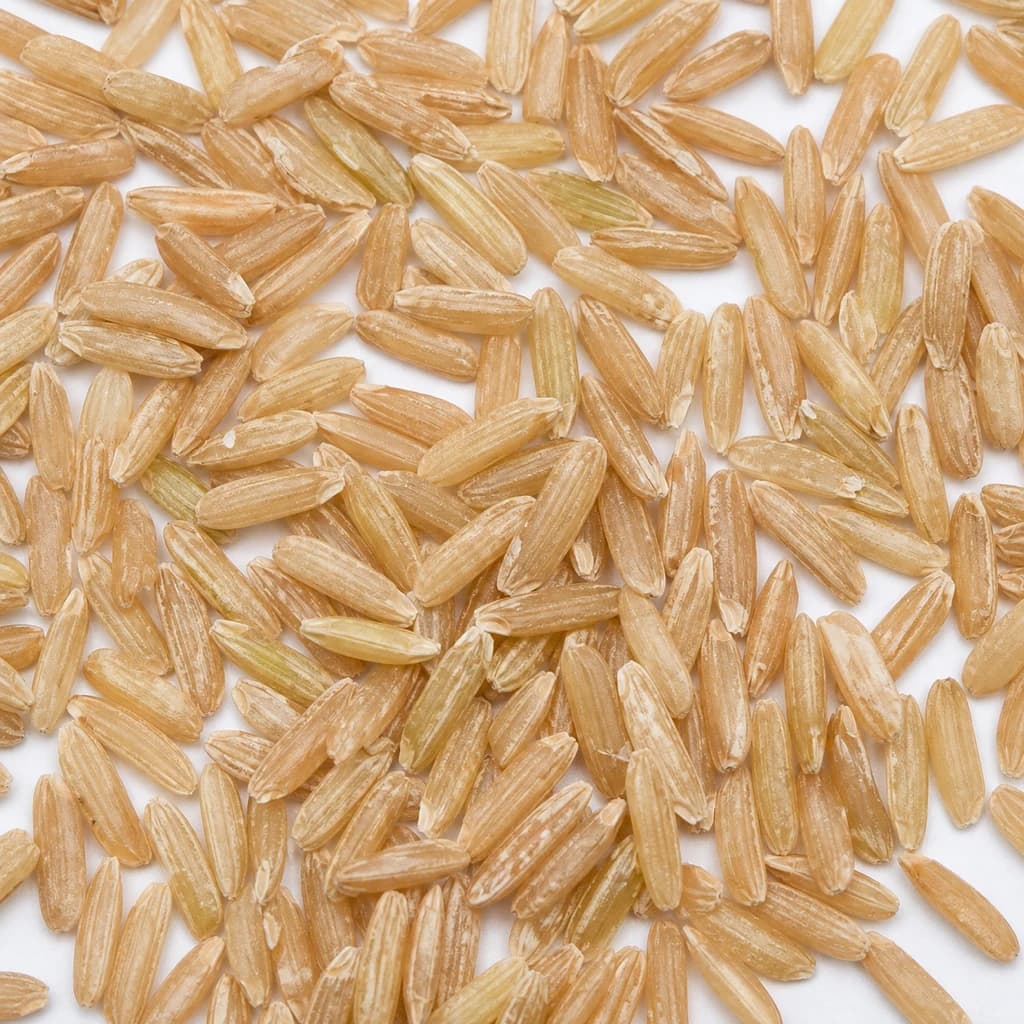
Brown Rice
Nutty, whole-grain rice with chew and extra fiber

Basmati Rice
Fragrant, long-grain rice that cooks up light and separate
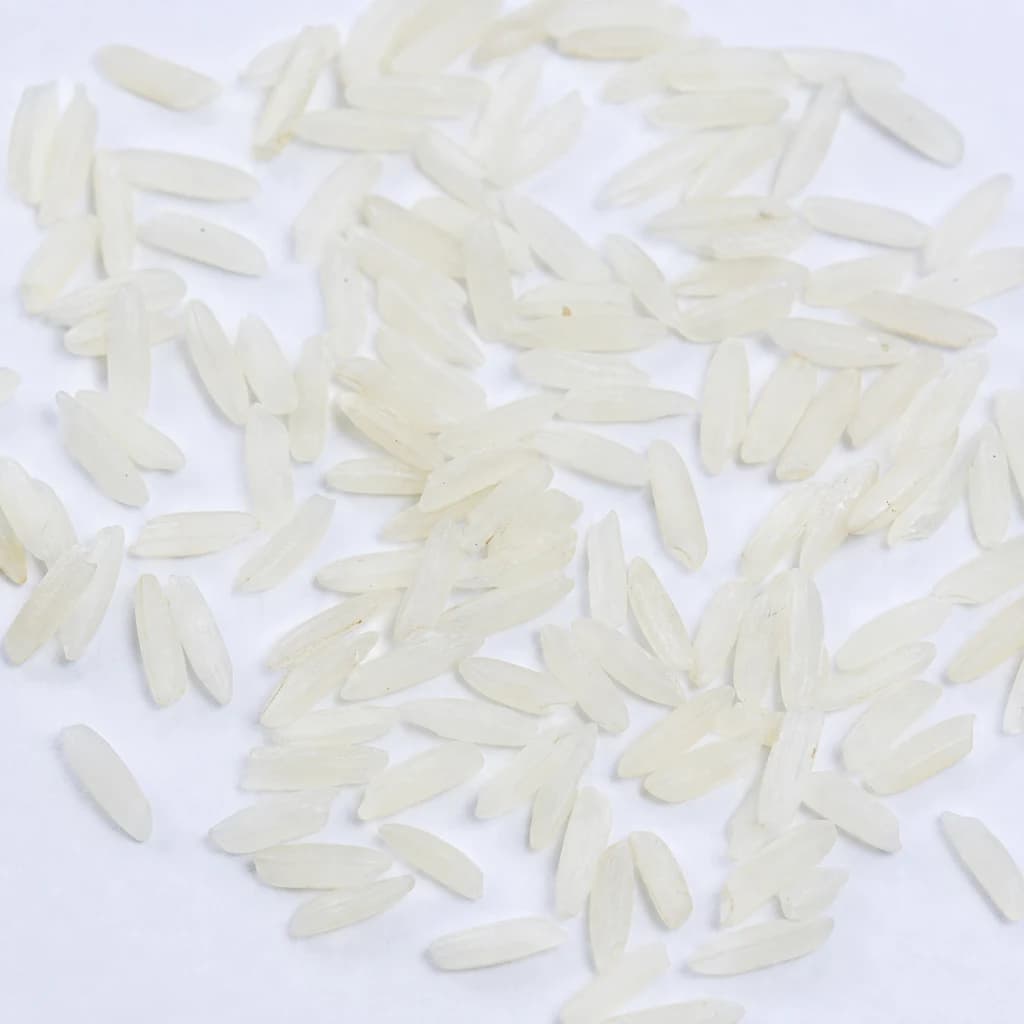
Jasmine Rice
Soft, floral-scented rice that's the pillar of Thai meals
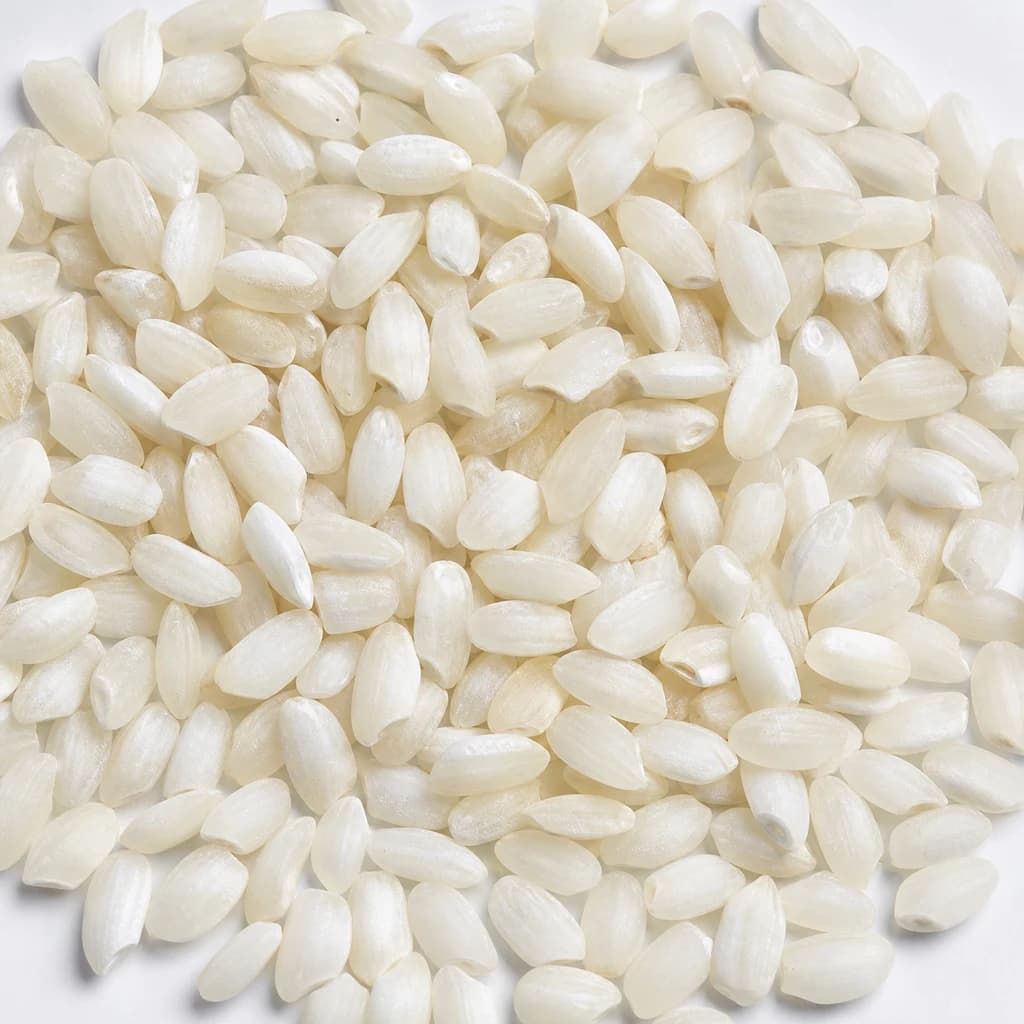
Arborio Rice
Plump, starchy rice that makes risotto creamy
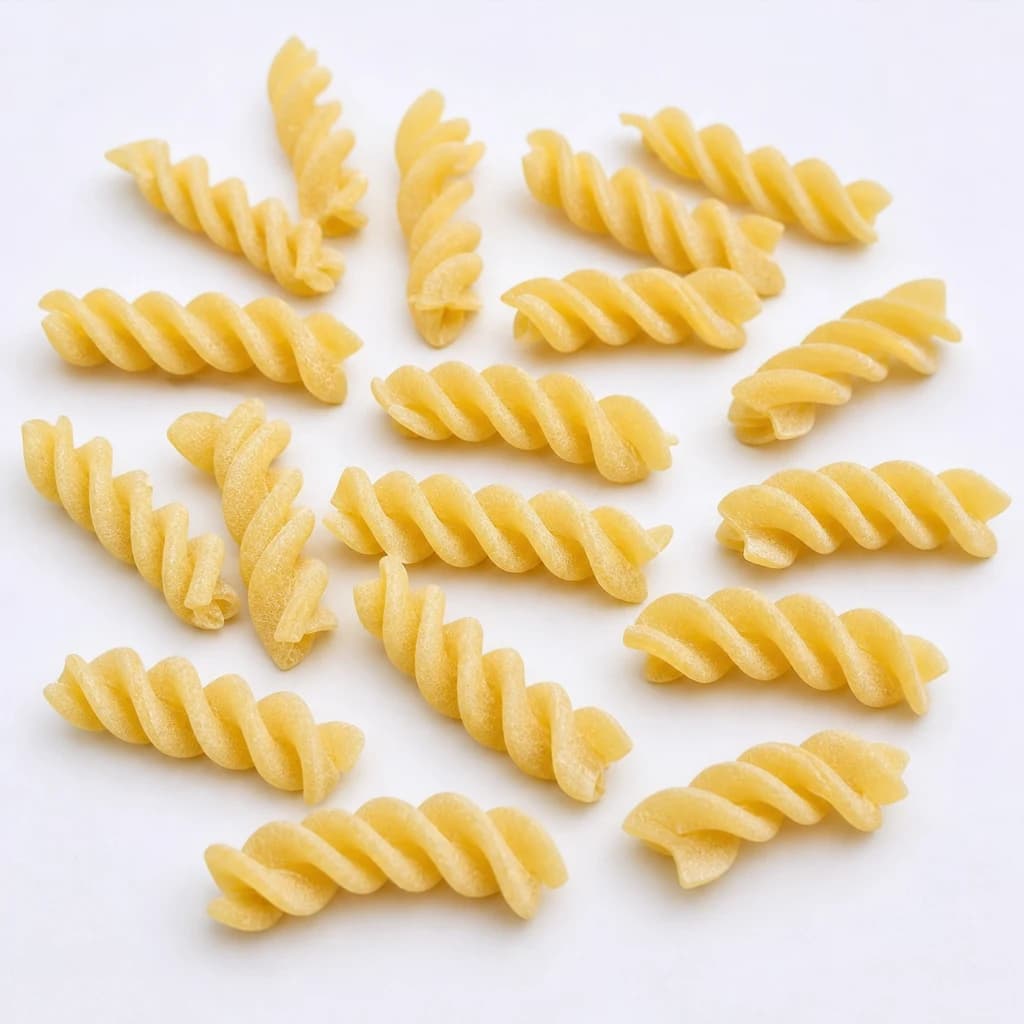
Fusilli
Spiraled pasta that twirls up sauce and dresses cold salads
Rolled Oats
Hearty flakes for porridge, granola, and chewy cookies