Grains & Rice
Blue Corn
Deep blue-purple heirloom maize ground into nutty masa and tortillas.
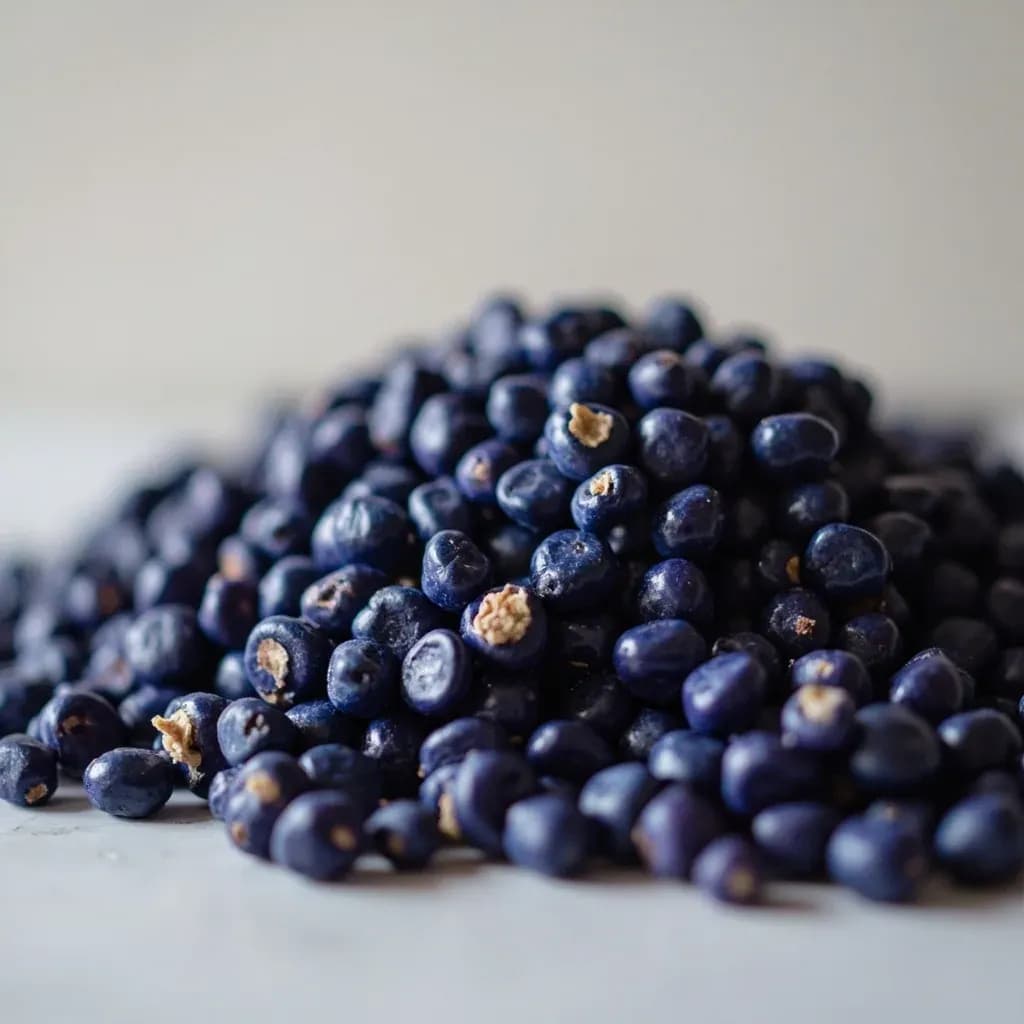
Blue corn is an heirloom maize with deep blue to purple kernels colored by anthocyanins, traditional to Indigenous peoples of the Southwest US and Mexico. Nixtamalized and ground, it makes nutty, slightly sweeter masa for tortillas, atole, and chips. Its color softens to grey-violet once cooked.
Blue corn is an heirloom variety of maize (Zea mays) cultivated for centuries by the Hopi, Navajo, and Pueblo peoples of the Southwestern US and by Indigenous communities throughout Mexico. Unlike commodity corn bred for yield and sweetness, blue corn was selected over generations for its deep navy-to-purple-black pigmentation and complex flavor. The anthocyanin antioxidants responsible for the color are concentrated in the aleurone layer, the outermost starchy tissue of the kernel, which means the bran carries both the pigment and much of the nutritional value. The flavor is distinctly nuttier and sweeter than yellow corn, with subtle earthy and lightly smoky undertones that make it immediately recognizable in any preparation. Its behavior in the kitchen differs from white or yellow corn: blue corn dough tends to be drier, the masa is more cohesive, and the color intensifies with heat rather than fading, making it particularly striking when fried or toasted.
- Measured in
- g
- Storage
- Pantry
Types & varieties
The premier commercial variety; deep navy color, intensely nutty; sacred to the Hopi people of northern Arizona
Indigenous Mexican variety from Chihuahua; smaller, darker kernels; traditional for tortillas and pinole
Northern Plains variety; lighter blue, softer texture when ground
Common commercial variety in Mexico; medium blue intensity, widely available
Dark blue-black, heirloom variety; intensely pigmented; used for pozole and atole
Nixtamalization: The Non-Negotiable Step
Blue corn, like all dried corn, must be nixtamalized—cooked in an alkaline solution with food-grade calcium hydroxide (pickling lime)—before grinding into masa. This process does three things: it breaks down the hemicellulose in the pericarp, making the kernels easier to grind; it releases niacin from bound compounds, preventing pellagra; and it creates the characteristic texture that holds together when hydrated. Skipping nixtamalization produces a gritty, poorly bound dough that cracks and falls apart.
- Use 1 liter water per 500g dried corn
- Add 5–10g food-grade calcium hydroxide (lime) per liter
- Simmer 15–20 minutes until kernels split visibly
- Soak overnight (12+ hours) in the cooking liquid
- Rinse thoroughly 3–4 times, scrubbing to remove loosened pericarp
Why the Color Behaves Differently
Blue corn's anthocyanins are water-soluble but heat-stable, a combination that produces dramatic visual results in the kitchen. When you fry blue corn chips or toast tortillas, the color deepens noticeably from medium blue to an almost black indigo. This is the opposite of many natural colorants that fade under heat. The pigment is also concentrated in the bran layer, so coarser-ground meal shows a more striking color than fine flour, and products made from whole-ground blue corn will be more intensely colored than those using only the starchy endosperm.
Common uses
Tips & pitfalls
- Authentic blue corn products list blue corn as the primary ingredient—beware of yellow corn with blue food coloring added; check the ingredient list and avoid products that list blue corn after yellow corn or contain artificial colorants
- For homemade tortillas, nixtamalize dried corn with food-grade calcium hydroxide at 1 liter water per 500g corn, simmer 15–20 minutes until kernels split, then soak overnight and rinse thoroughly before grinding
- Stone grinding (using a metate or stone grain mill) produces superior texture over steel-ground masa—the slow grinding preserves the germ oils and creates a smoother, more cohesive dough
- Blue corn dough tends to be drier than white or yellow corn—add water sparingly when mixing to achieve a Play-Doh-like consistency that holds together without cracking
- Commercial blue corn meal and flour are already nixtamalized—do not treat again with lime or the dough will be bitter and overly alkaline
- When making blue corn chips, cut tortillas into wedges and fry at 350°F (175°C) for 1–2 minutes per side until crisp—the blue color deepens noticeably during frying
- Store dried whole blue corn in airtight glass containers away from light to preserve anthocyanin potency; the pigments degrade when exposed to prolonged sunlight
- For the deepest color, use Hopi or Tarahumara varieties—the color concentrates in the outer bran layer so coarse-ground meal shows color better than fine flour
Nutrition
Energy
1523 kJ · per 100 g
Where the calories come from
Protein
8.8g
18% DV
Carbs
73.9g
27% DV
Fat
5.1g
7% DV
Fiber
8.4g
30% DV
Sodium
5mg
0% DV
Source · USDA FoodData Central · Corn flour, whole-grain, blue (harina de maiz morado)
View on FDC →In the shops
Matched grocery products
 €1.55
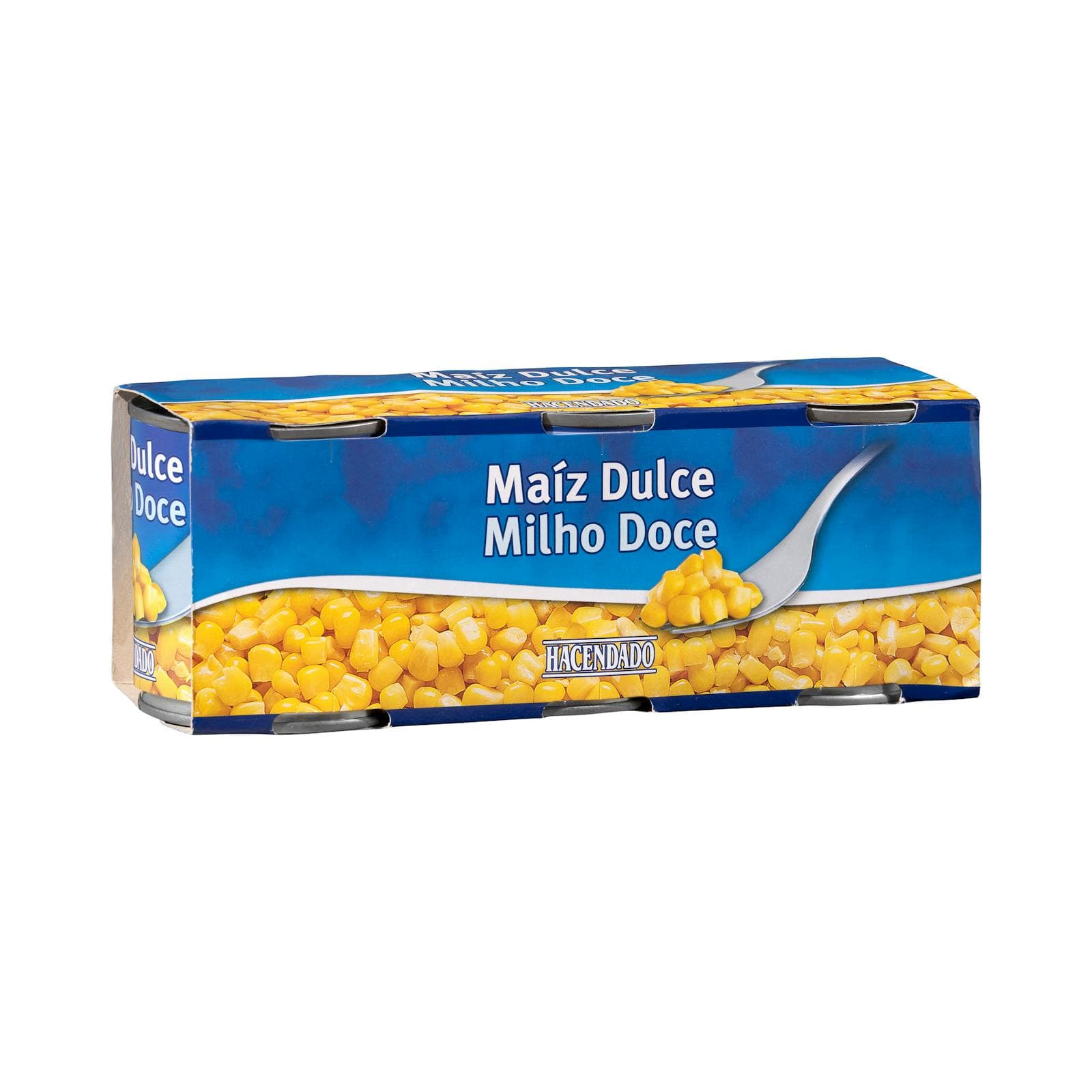
€1.55Sweet Corn
Hacendado · 450 g · Mercadona
 €1.59
€1.59Sweet Corn Bonpreu
BONPREU · kg · Bonpreu
 €2.49
€2.49Sweet Corn Bonpreu
BONPREU · kg · Bonpreu
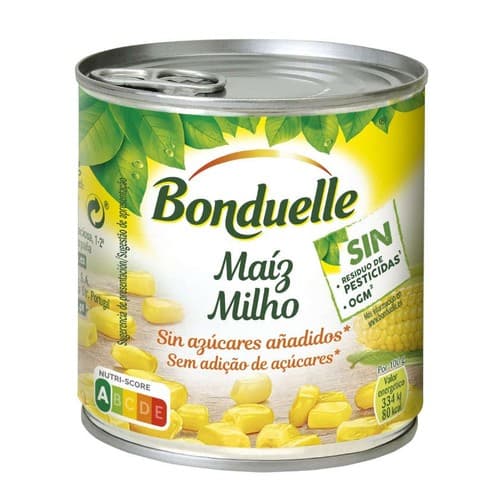 €1.99
€1.99Bonduelle Sweet Corn
BONDUELLE · kg · Bonpreu
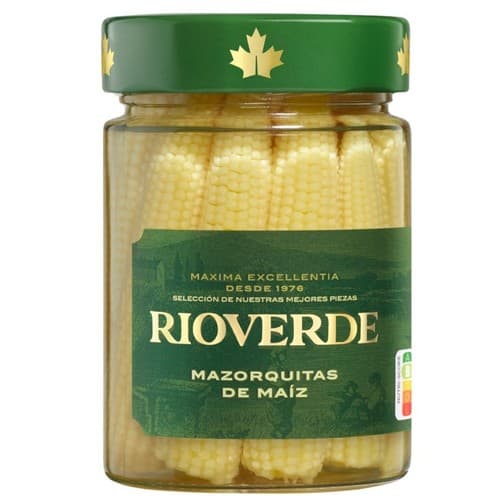 €2.99
€2.99Pickled Corn Kernels
RIOVERDE · kg · Bonpreu
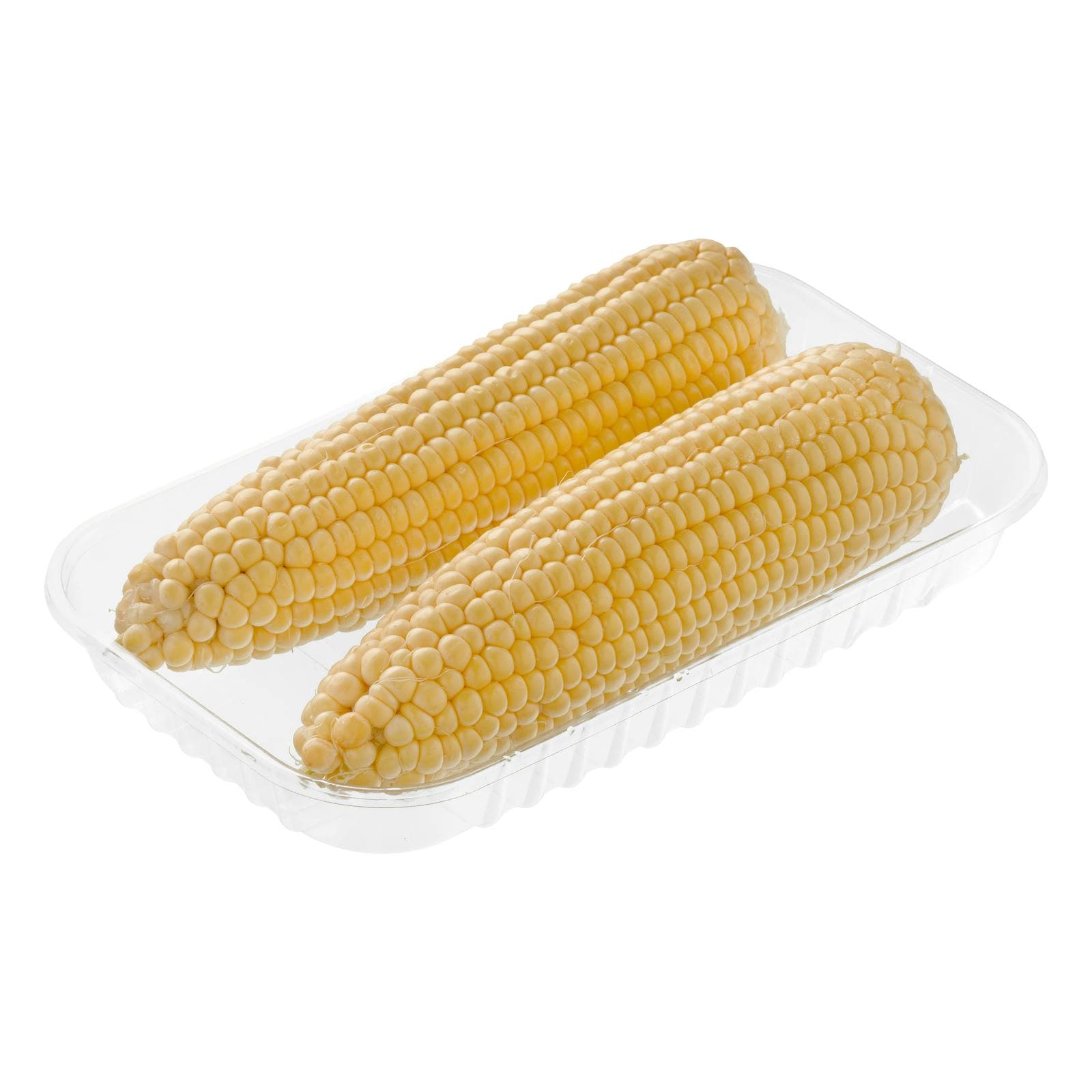 €3.15
€3.15Sweet Corn on the Cob
2 ud · Mercadona
Good to know
- Origin
- Southwestern US and Mexico; cultivated for centuries by Hopi, Navajo, and Pueblo peoples
- Type
- Heirloom maize (Zea mays)
- Pigmentation
- Anthocyanins in the aleurone layer; color ranges from navy blue to purple-black
- Primary Form
- Dried whole kernels; ground into flour, meal, or nixtamalized masa
- Flavor Profile
- Nuttier and sweeter than yellow corn; subtle earthy, slightly smoky notes
- Shelf Life (dried)
- 6–12 months in airtight container in cool, dry storage; up to 1 year in freezer
- Shelf Life (fresh ground)
- Refrigerate up to 1 week; freeze up to 6 months
- Nutrition Note
- Higher protein than commodity corn; rich in anthocyanin antioxidants; good source of iron and zinc
Substitutes
- Yellow cornmeal — Closest functional substitute; lacks the blue color and nuttier flavor but works in equal proportions for cornbread, pancakes, and batter
- White corn masa — Direct substitute for tortillas and chips; same nixtamalized base, milder flavor, pale color
- Purple sweet potato flour — Provides similar deep blue-purple color in baked goods; flavor profile differs significantly
- Blue butterfly pea flower powder — Natural blue colorant for non-corn applications; no structural or flavor similarity to blue corn
Pairs with
Also called
Maíz Azul
Related

White Rice
Fluffy long-grain rice — the neutral base for almost any meal

White Bread
Soft sandwich loaf for toast, sandwiches, and crumbs
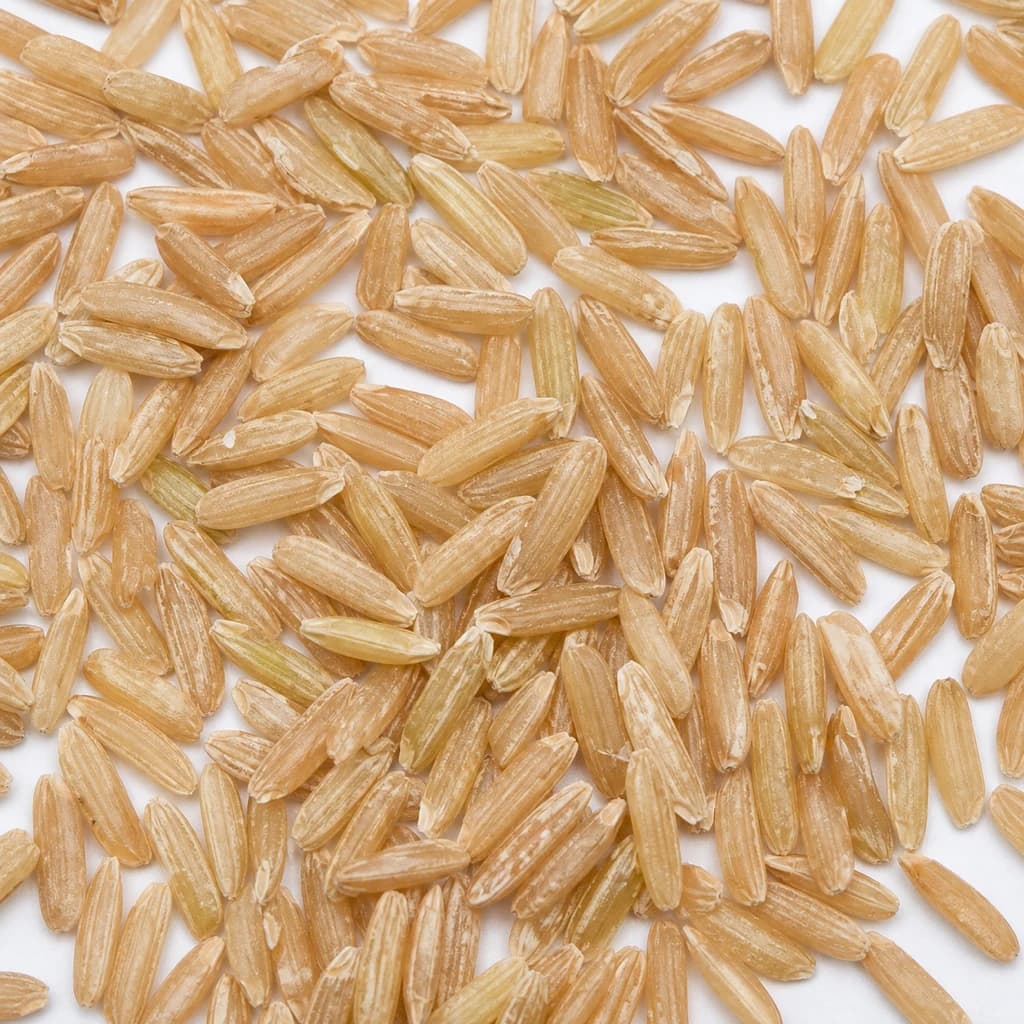
Brown Rice
Nutty, whole-grain rice with chew and extra fiber

Basmati Rice
Fragrant, long-grain rice that cooks up light and separate
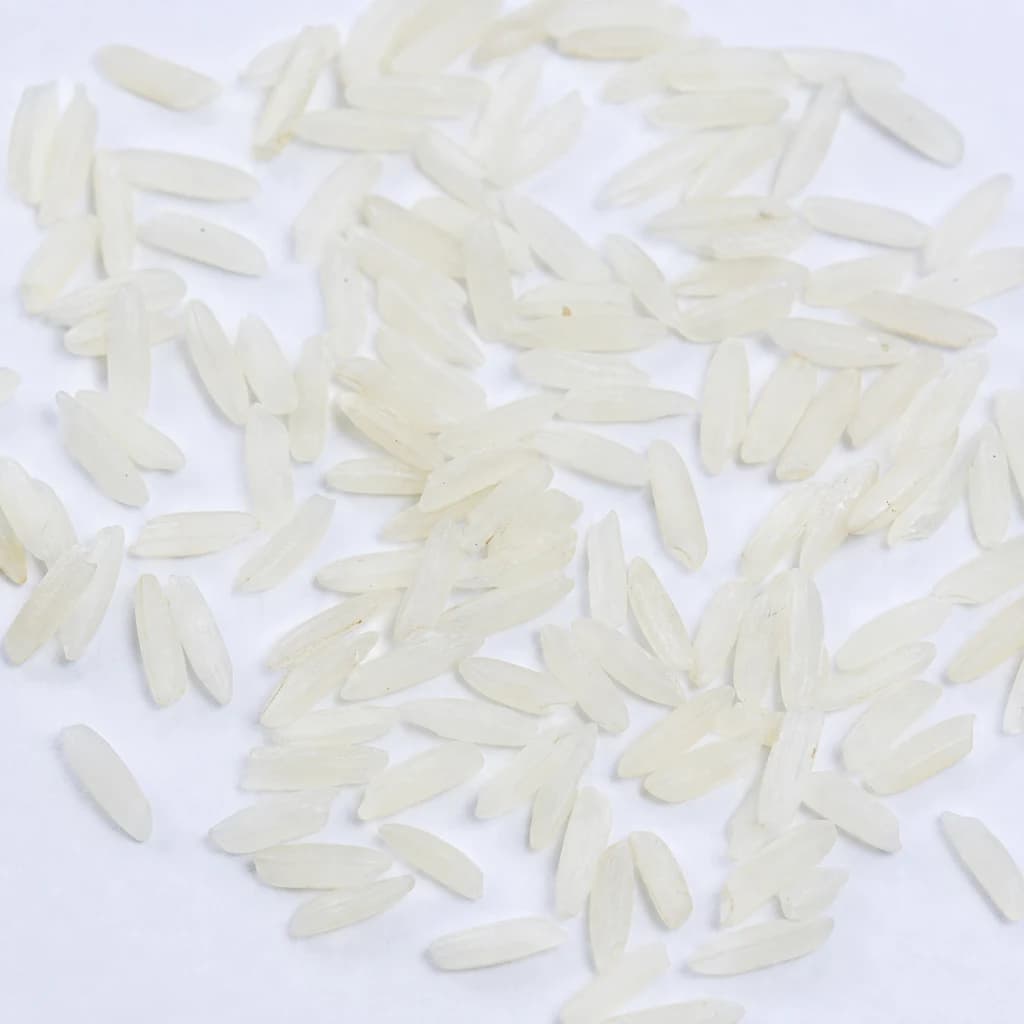
Jasmine Rice
Soft, floral-scented rice that's the pillar of Thai meals
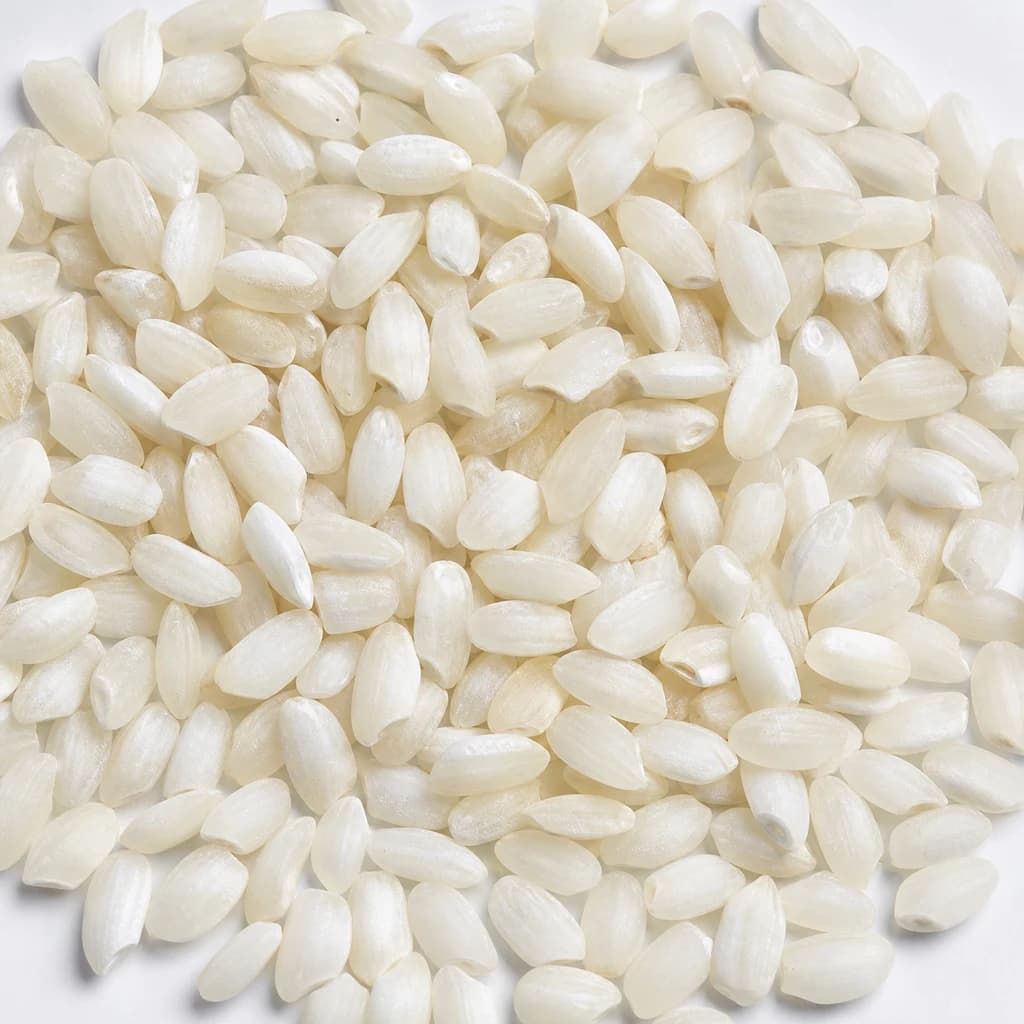
Arborio Rice
Plump, starchy rice that makes risotto creamy
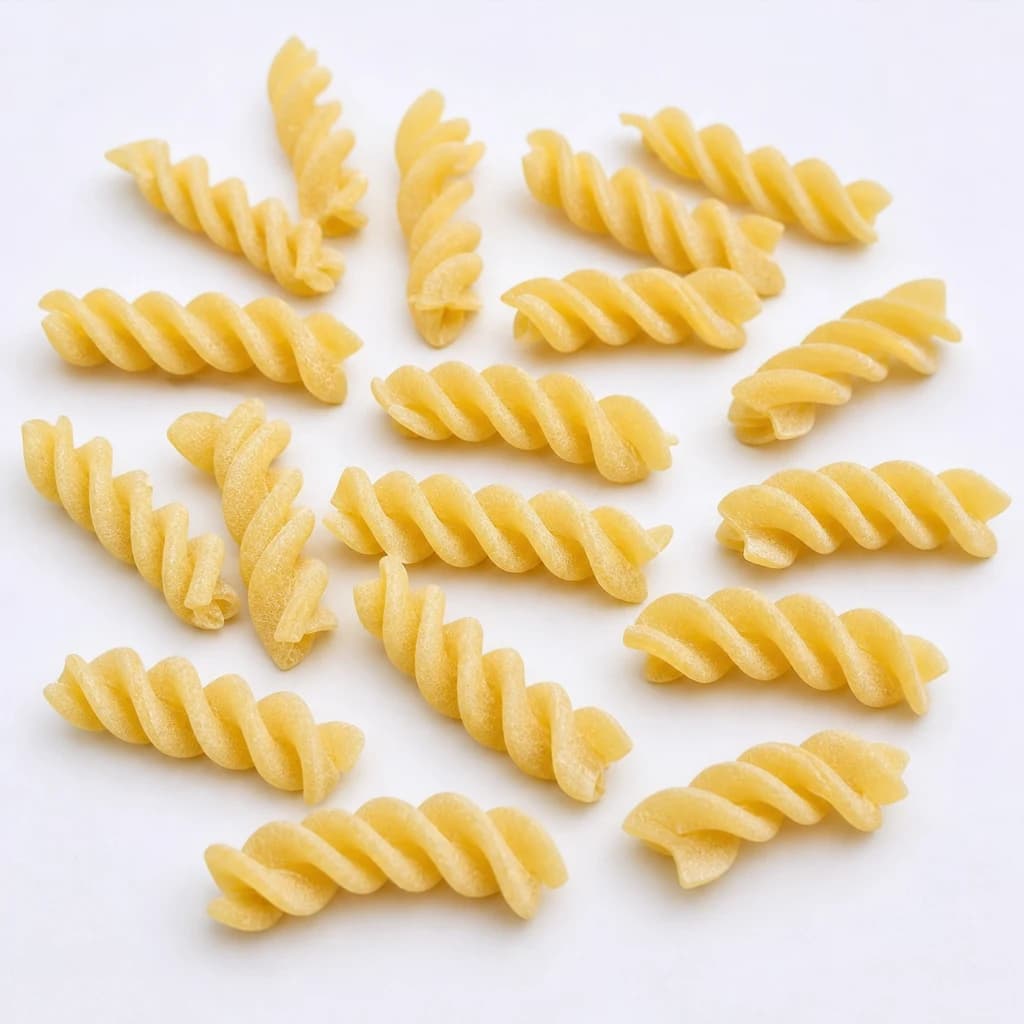
Fusilli
Spiraled pasta that twirls up sauce and dresses cold salads
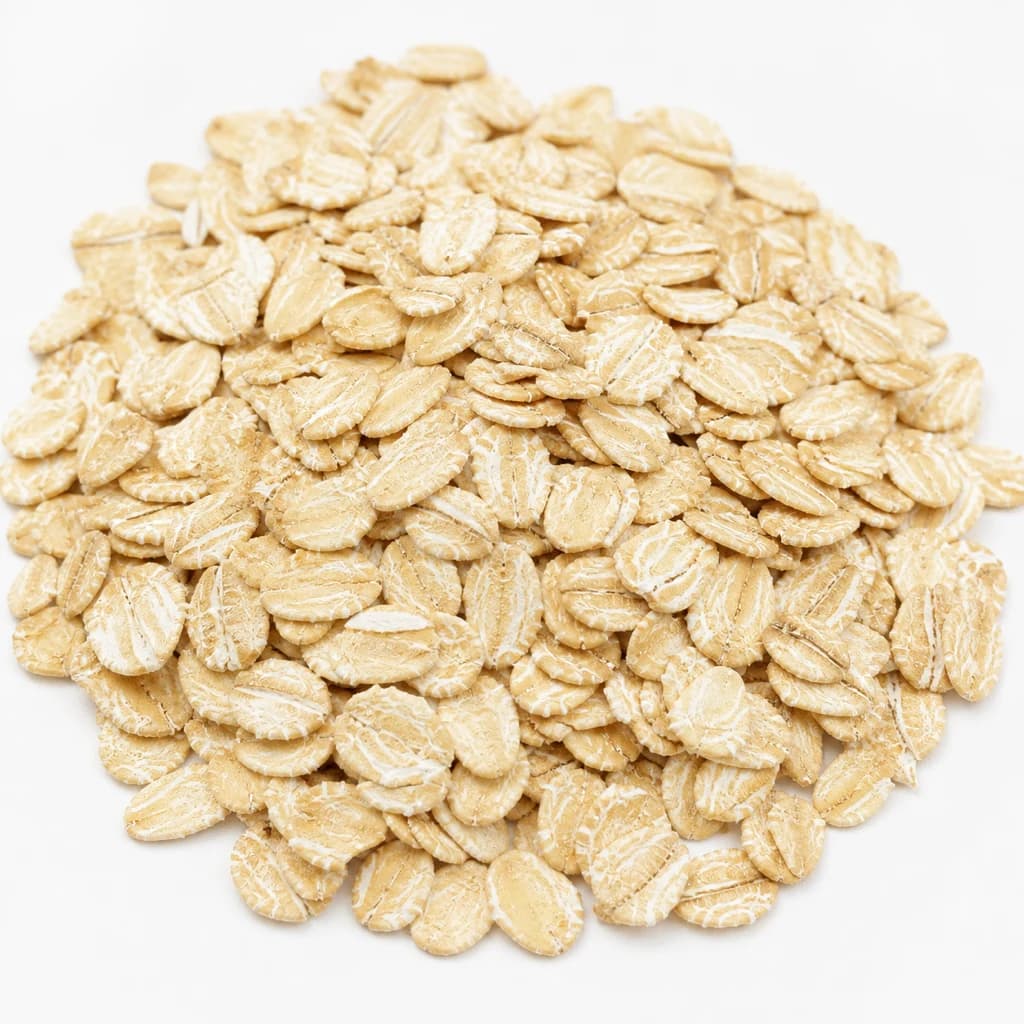
Rolled Oats
Hearty flakes for porridge, granola, and chewy cookies